Skip to content

Visit Manila : what to see between islands and when to go

Manila first disconcerts, then charms: behind the traffic and the towers of Makati lie the Spanish walls of Intramuros, a listed baroque church, the shops of Binondo and free museums full of treasures. A stop of two or three days is enough before heading off to the islands.

At a glance

Visa
None
Tourist stay of up to 30 days
7-day budget
€630
Per person, comfort profile, excluding international flights.

Why visit Manila?

Manila, the capital of the Philippines, keeps the walled city of Intramuros, founded by the Spanish in 1571, the UNESCO-listed San Agustín Church and the Binondo Chinatown, founded in 1594. Its national museums are free. Allow two to four days, ideally from December to April, during the dry season.

When to visit Manila

Temperatures, rainfall and crowds month by month, to pick your window.
When to visit Manila
MonthTemperaturesRainCrowdsVerdict
January23 to 30 °C4 dBusyThe dry, coolest season, with the great Black Nazarene procession on the 9th in Quiapo.
February23 to 31 °C3 dModerateThe best month: dry skies, 31 °C and a clear sunset over Manila Bay.
March24 to 33 °C3 dModerateStill dry but heating up: Intramuros early in the morning, air-conditioned museums in the afternoon.
April25 to 34 °C3 dModerateThe hottest month, and Holy Week empties the capital towards the provinces and beaches.
May26 to 34 °C9 dQuietStifling heat and the first storms: best kept for stopovers on the way to the islands.
June26 to 33 °C14 dQuietThe monsoon and typhoon season begin: heavy showers and sometimes flooded streets.
July25 to 31 °C19 dQuietPeak typhoon season: follow the alerts and plan backup flights.
August25 to 31 °C19 dQuietThe wettest month, with floods regularly paralysing traffic.
September25 to 31 °C18 dQuietRain is still frequent, but Makati and BGC hotels are well priced.
October25 to 31 °C14 dQuietThe rains gradually ease, but late typhoons are still possible at sea.
November24 to 31 °C10 dModerateFine weather returns and Christmas decorations, up since September in the Philippines.
December23 to 31 °C8 dPackedChristmas and Filipinos returning from abroad: packed flights and shopping malls.
Source: Normales 1991-2020 de l'aéroport international Ninoy-Aquino via climatestotravel.com, cohérentes avec Wikipédia (saison sèche de fin décembre à début avril, environ 2 243 mm de pluie par an, typhons surtout de juin à septembre) ; température de la mer climatestotravel.com, relevé novembre 2026

Manila's must-sees

Spanish heritage, museums and lively districts, the stops to remember.

San Agustín Church

The country's oldest stone church, completed in 1607 and UNESCO-listed, with trompe-l'oeil painted ceilings.

Fort Santiago

A Spanish citadel at the corner of Intramuros, tied to the memory of national hero José Rizal.

National Museum of Fine Arts

A free museum in the former legislative building, home to Juan Luna's monumental Spoliarium.

Binondo

A Chinatown founded in 1594, best discovered on a street food and bakery walk.

Rizal Park

A large urban park dedicated to José Rizal, bordered by the national museums and close to the bay.

Ayala Museum

A Makati museum devoted to Philippine history, famous for its dioramas and pre-colonial gold.

Corregidor Island

An island fortress at the mouth of the bay, with batteries and Malinta Tunnel, an hour and a quarter by ferry.

Taal Volcano

A volcano in the middle of a lake, seen from the Tagaytay ridge about two hours' drive south.

What to discover in Manila?

Intramuros, the Spanish city

The walled city, founded in 1571, was largely destroyed in 1945 but keeps its walls, Fort Santiago and San Agustín Church, completed in 1607 and UNESCO-listed. Casa Manila recreates a colonial mansion. Allow half a day, on foot, by rental bike or by horse carriage; go early, before the midday heat, and bring water. Guided walks retell the siege of 1945.

Rizal Park and the national museums

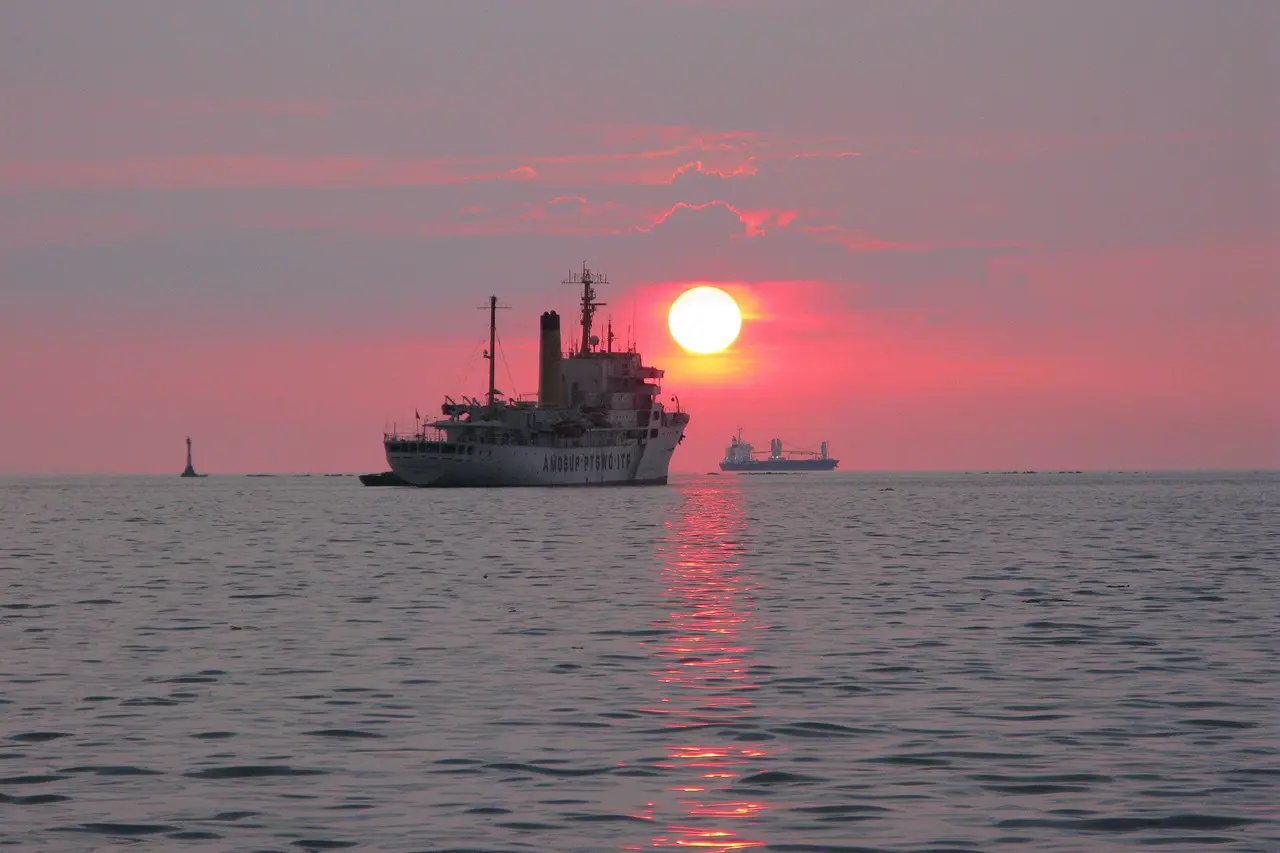
South of Intramuros, Rizal Park honours the national hero. On its edge, the free National Museum complex brings together fine arts, anthropology and natural history; Juan Luna's Spoliarium painting is its centrepiece. Allow three hours. In the evening, Roxas Boulevard offers the famous sunset over Manila Bay, best seen from the seawall. The museums close on Mondays, so check opening hours first.

Binondo and Quiapo, everyday Manila

Founded in 1594, Binondo is often described as the world's oldest Chinatown: dumplings, bakeries and herbalists follow one another, ideal for a two to three-hour food walk. Just north, Quiapo and its Black Nazarene church host a procession of several million faithful every 9 January. Keep your belongings close in the crowds. Go hungry and bring small notes for the stalls.

Makati, BGC and day trips

Makati and Bonifacio Global City concentrate office towers, malls, hotels and restaurants, with the Ayala Museum for the country's history. From Manila, Corregidor, a Second World War island fortress, is a day trip by ferry, and Tagaytay, two hours by road, offers a view of Taal volcano in the middle of its lake. For Corregidor, book the ferry in advance, and check Taal's alert level.

How much it costs

Per person per day, excluding international travel.
Budget
39 €/ day
2 206 € for 2 people, 7 days, return flights included
Accommodation
20 €
Food
10 €
Local transport
4 €
Sights and activities
5 €
Comfort
90 €/ day
2 920 € for 2 people, 7 days, return flights included
Accommodation
38 €
Food
25 €
Local transport
12 €
Sights and activities
15 €
Premium
240 €/ day
5 020 € for 2 people, 7 days, return flights included
Accommodation
105 €
Food
60 €
Local transport
30 €
Sights and activities
45 €
Prices checked: Relevé novembre 2026 : Numbeo (mis à jour le 13/11/2026) pour repas, cafés, bière, transports et taxis ; Momondo et Hopper pour l'hébergement à Manille et Makati (lit en auberge env. 20 €, 3 étoiles env. 75 € la chambre, 5 étoiles env. 210 € la chambre). Lit en dortoir pour backpacker, chambre double partagée à deux pour comfort et premium. Vol A/R Paris-Manille env. 830 € par personne (moyenne Liligo sur 3 mois ; Cathay Pacific et Air France en moyenne entre 580 et 650 €), hors fêtes de fin d'année. Les VTC Grab pèsent dans le budget de transport, les taxis étant peu fiables.

Getting there

Airports serving Manila, from main hubs to secondary ones.
  • BCDBacolod-Silay International AirportBacolod CityMain
  • AAVAllah Valley AirportSurallahSecondary
  • BAGLoakan AirportBaguioSecondary
  • BPHBislig AirportBisligSecondary
  • BQADr. Juan C. Angara AirportBalerSecondary
  • BSOBasco AirportBascoSecondary

Entry, health and safety

For FR travellers

Entry requirements

No visa for a tourist stay

Pas de visa préalable pour un séjour touristique de 30 jours au plus à compter de l'arrivée, sur présentation d'un billet de retour ou de continuation vers un pays tiers. Chaque voyageur doit remplir en ligne la carte eTravel sur la plateforme officielle, idéalement dans les 72 heures avant le départ ; son QR code est demandé par les compagnies et l'immigration.

Stay allowed for up to 30 days.

Health

La majeure partie des Philippines est en vigilance renforcée ; à Manille, éviter la zone du port, notamment le quartier de Tondo. Criminalité élevée : vols à l'arraché, cambriolages, boissons droguées signalées. Typhons de mai à décembre, risque sismique élevé, volcan Taal à environ 60 km au sud. Zones formellement déconseillées : Basilan, Sulu, Tawi-Tawi et l'ouest de Mindanao.

Safety

Increased caution

Checked in novembre 2026 against the official source. Entry rules change: check the official source before you travel, it alone is authoritative.

Practical information for Manila

Entry

French citizens need no visa for up to 30 days, with a return ticket and the eTravel card completed online within 72 hours before departure. Check the rules for your nationality.

Safety

France advises heightened vigilance across most of the Philippines; in Manila, avoid the port area, especially Tondo, and watch your drinks in bars.

Grab

The Grab ride-hailing app is the safest and simplest way to get around, with posted prices.

Traffic

Traffic is among Asia's densest: group visits by district and avoid 7-10am and 5-8pm.

NAIA airport

Ninoy Aquino Airport has several distant terminals: check yours and leave with plenty of margin.

Typhoons

Mainly from June to September: flights and ferries may be cancelled, so follow PAGASA weather bulletins.

Water

Do not drink tap water; bottled or filtered water only.

Tipping

Service charges are often included in restaurants; otherwise a tip of about 10% is appreciated.

Power plugs

220 V, type A, B and C sockets: a universal adapter is recommended.

Payment

Cards accepted in malls and hotels; cash in pesos is essential in working-class districts and on jeepneys.

Manila in pictures

Photo credits : Vyacheslav Argenberg, CC BY 4.0, Wikimedia Commons ; Diego Delso, CC BY-SA 4.0, Wikimedia Commons ; Ralff Nestor Nacor, CC BY-SA 4.0, Wikimedia Commons

Frequently asked questions about Manila

Is Manila worth more than a stopover?
Yes, at least two days: Intramuros, the free national museums and Binondo unlock Philippine history in a way the islands cannot. Add a day for Corregidor or Tagaytay. Beyond that, most travellers head for Palawan or the Visayas.
Is Manila dangerous?
France advises heightened vigilance across most of the country and reports high crime. In Manila, avoid the port area and Tondo, use Grab rather than street-hailed taxis, and watch your drinks. Makati and BGC are calmer. Check your own government's advice before travelling.
How do you get to El Nido or Boracay from Manila?
By domestic flight: about an hour and a quarter to El Nido or to Caticlan for Boracay, with a short boat ride on arrival. Book early in high season and leave a buffer between your international and domestic flights.
Where should you stay in Manila?
Makati and Bonifacio Global City are the safest and best equipped, with restaurants and malls, but half an hour or more from Intramuros depending on traffic. Ermita and Malate are closer to the historic sites but noisier.
What is the best season for Manila?
From December to April, during the dry season, with February as the ideal month. April and May are very hot. From June to September, the monsoon and typhoons cause flooding and flight cancellations; stay flexible if you travel then.
How should you visit Intramuros?
On foot, by rental bike or by horse carriage, starting early with Fort Santiago, then San Agustín Church and Casa Manila. Half a day is enough. Guided walking tours tell the story of the walled city and its destruction in 1945.

Plan your trip to Manila

Build your day-by-day itinerary and manage budget, bookings and packing in PlanTripNow.
Aperçu de l'application PlanTripNow