The Indian Ocean

Between Africa and Asia, the Indian Ocean brings together volcanic islands, coral lagoons and blended cultures. From Madagascar to the Maldives, via the Seychelles, Mauritius, Sri Lanka, Comoros, Réunion and Mayotte, each island holds its own identity and landscapes.
  • 3 countries

Why visit the Indian Ocean?

The Indian Ocean gathers islands with very different profiles, between active volcanoes, protected lagoons, tropical forests and coral reefs. The region combines exceptional biodiversity, notably in Madagascar and the Seychelles, beaches and diving in the Maldives and Mauritius, and ancient cultural heritage in Sri Lanka.

What to discover in the Indian Ocean?

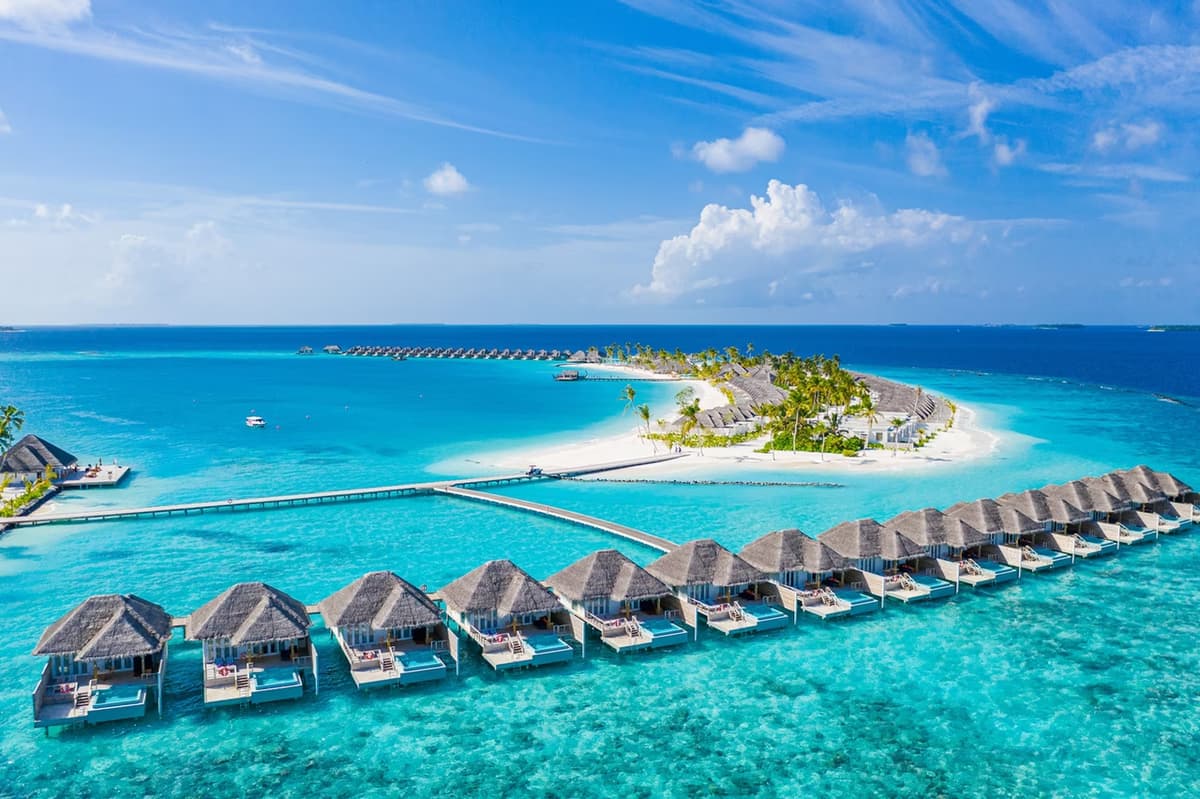
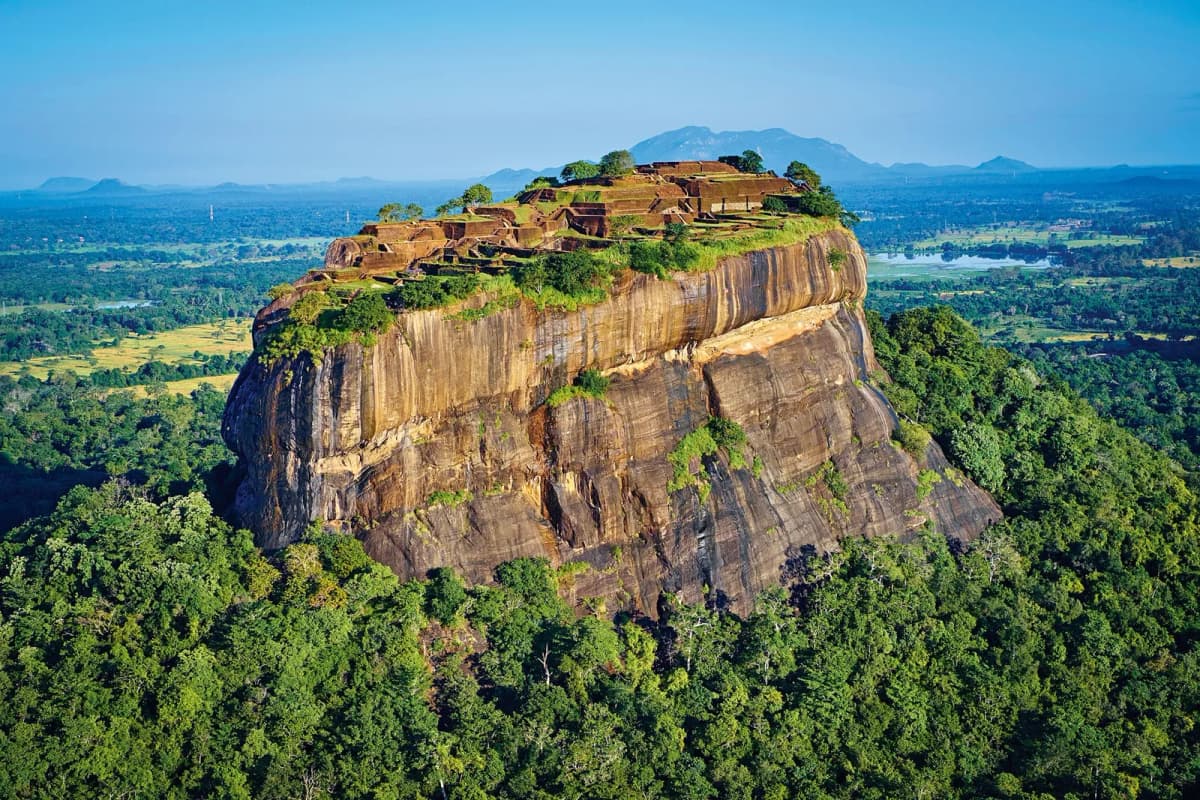
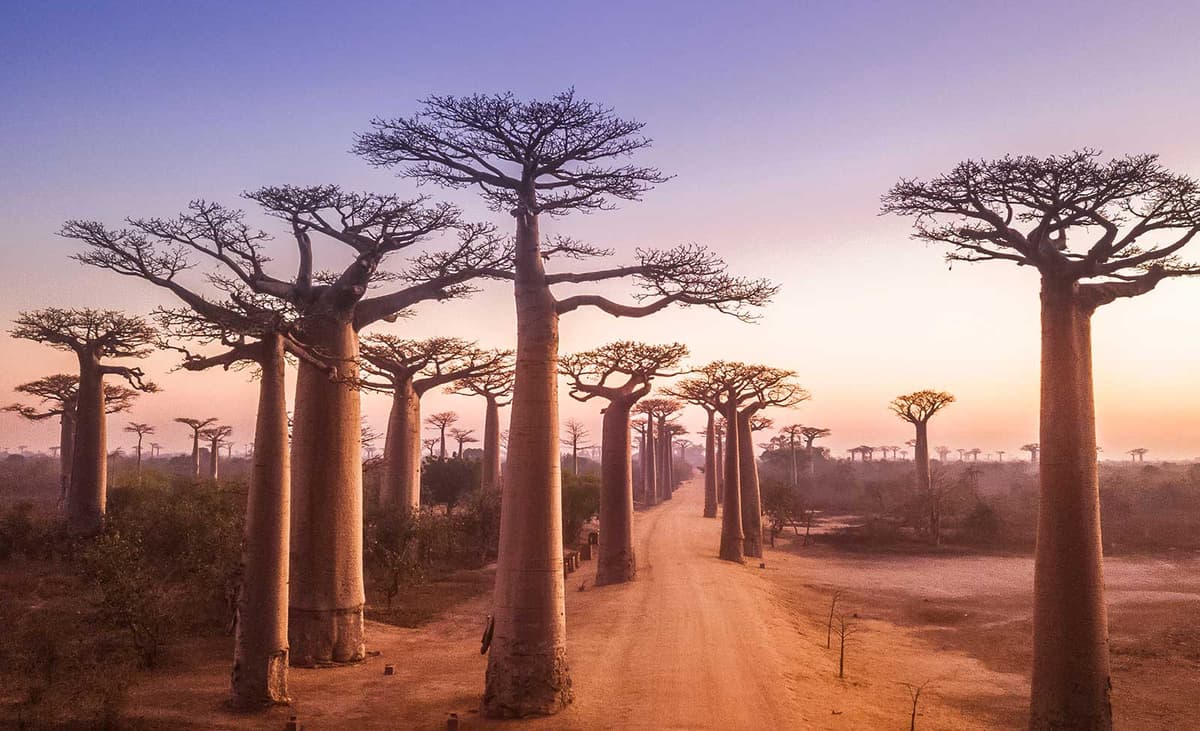
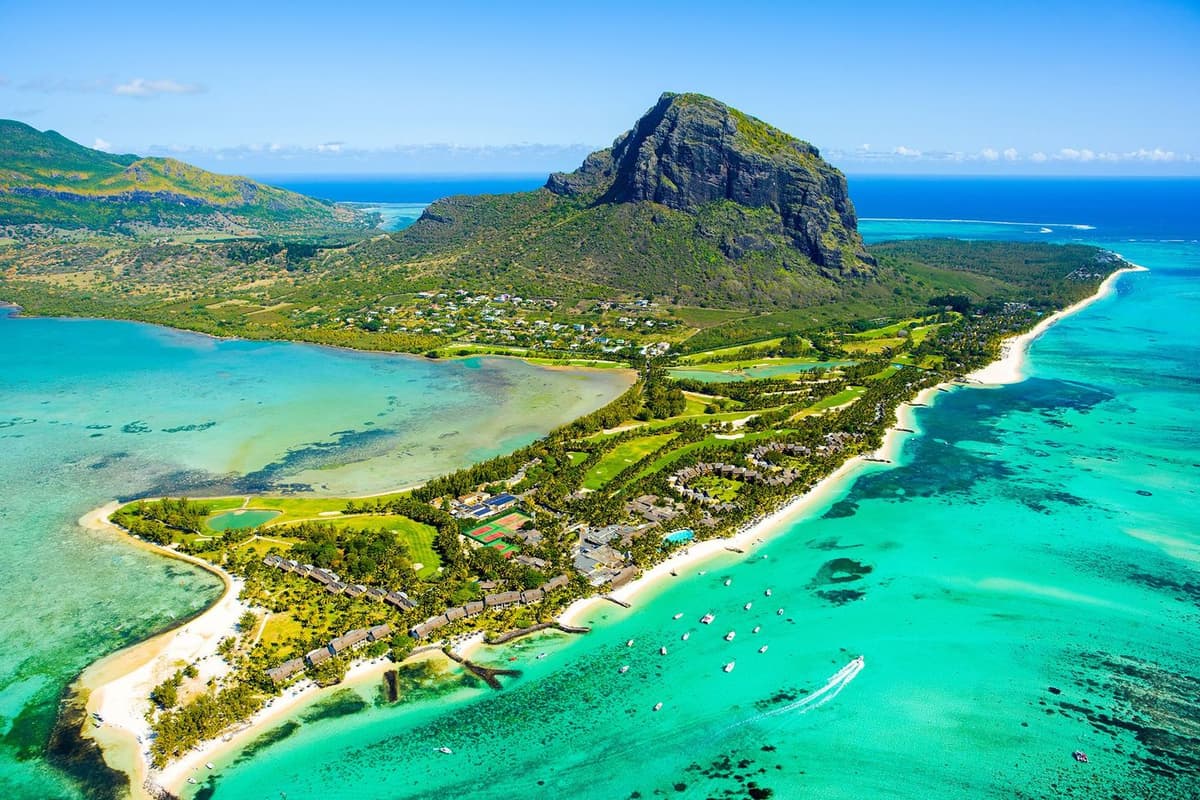
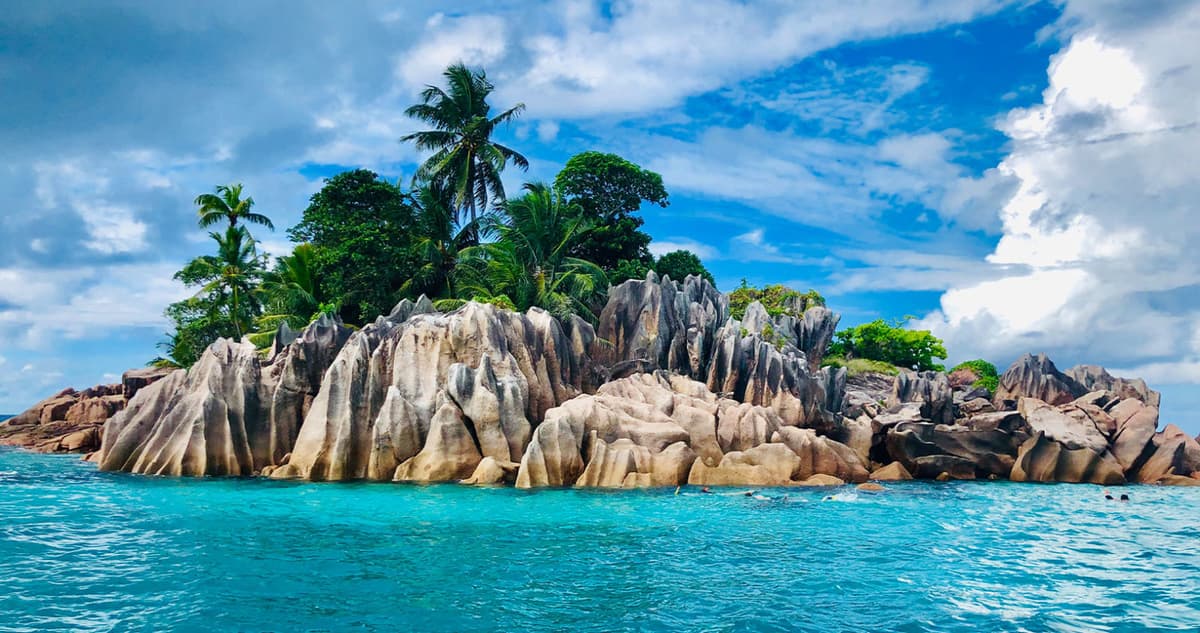
The Indian Ocean brings together island destinations with very different faces. Madagascar, the largest, stands out for its unique biodiversity, baobab forests and national parks. The Seychelles and the Maldives are renowned for their white-sand beaches and turquoise lagoons, while Mauritius combines beaches, mountains and blended culture. Sri Lanka, closer to Asia, offers a rich historical heritage, highland tea plantations and a coastline suited to surfing.
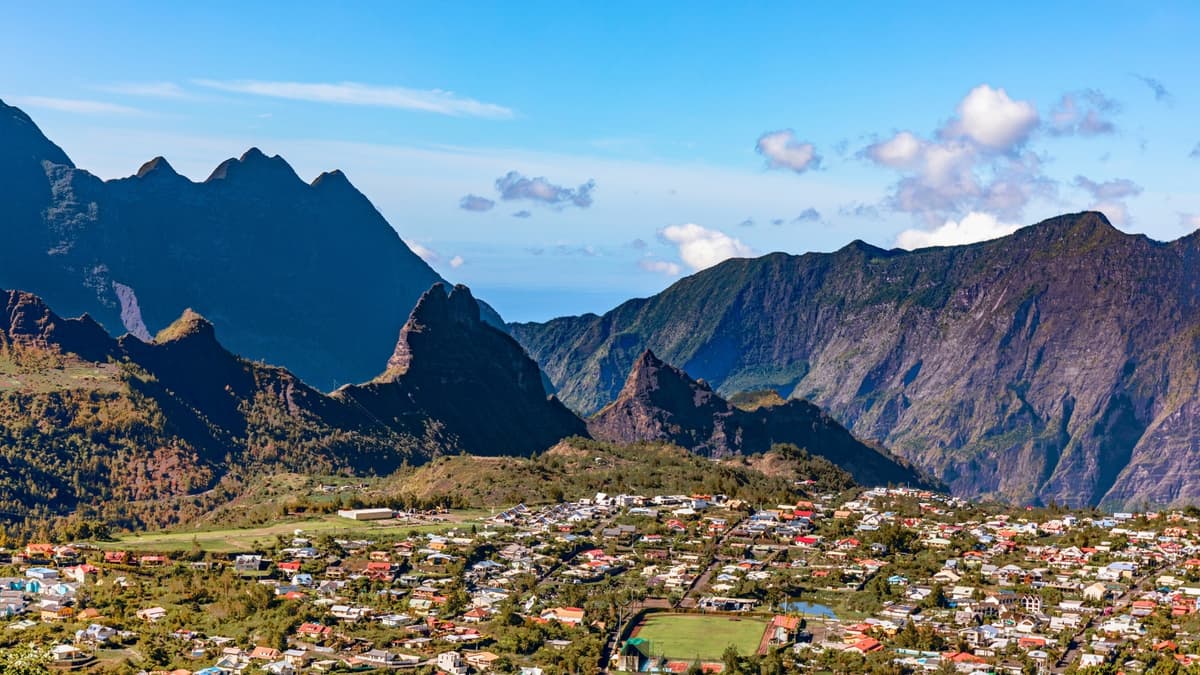
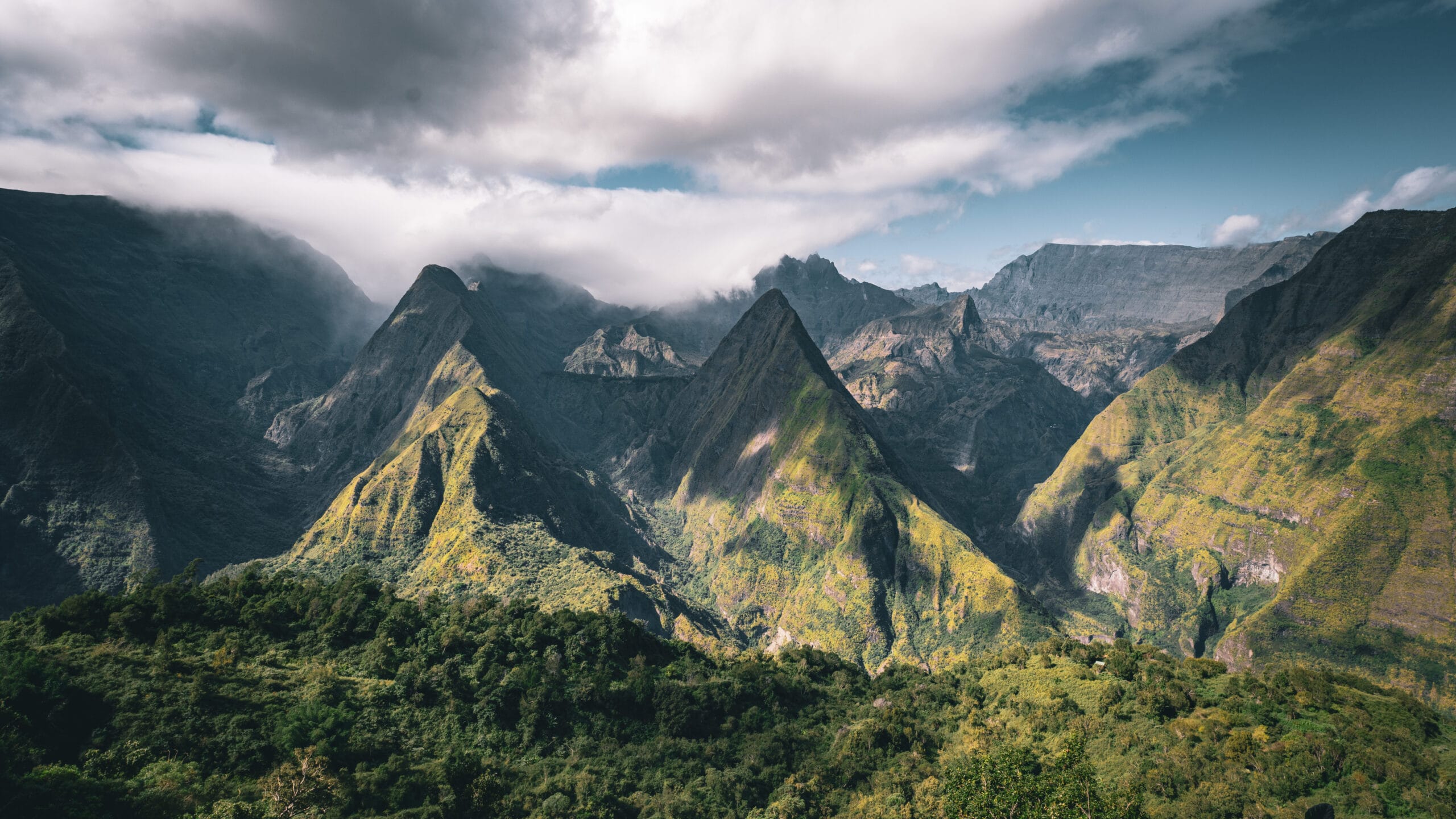
Comoros and the French islands of Réunion and Mayotte complete this mosaic with volcanic landscapes, mountain cirques and preserved seabeds. Réunion, in particular, is known for its Piton de la Fournaise volcano and its cirques listed as world heritage. Depending on the island, travellers can enjoy mountain hiking, diving on coral reefs, wildlife watching and immersion in cultures shaped by African, Asian and European influences.

Countries of the Indian Ocean

Discover the countries and territories that make up the Indian Ocean and easily plan your next travel stages.

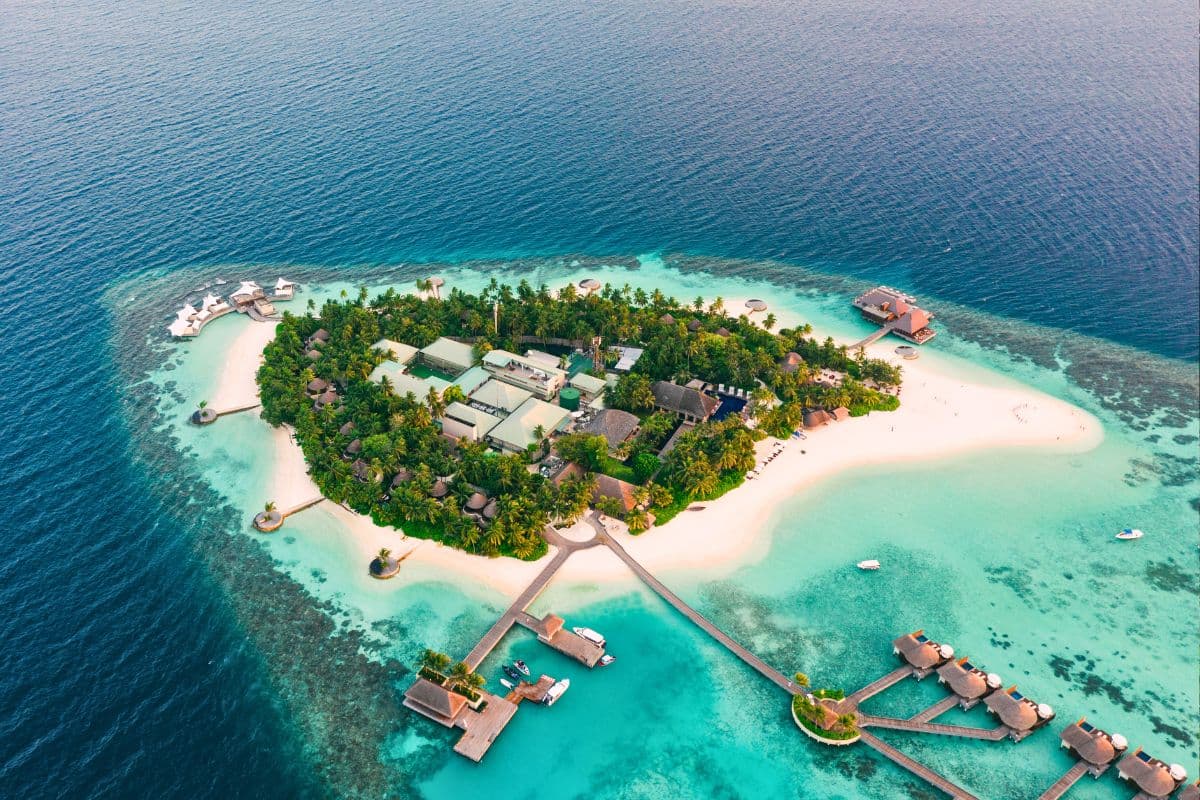
The Indian Ocean in pictures

Turquoise lagoons, volcanoes and blended cultures: discover the Indian Ocean in pictures to plan your stay.

The Indian Ocean's highlights

The Indian Ocean combines rare biodiversity, dream beaches, volcanoes and blended cultures.

Unique biodiversity

Madagascar and the Seychelles host remarkable endemic wildlife and flora, from lemurs to baobabs and giant tortoises.
Beaches and lagoons

Maldives, Mauritius and Seychelles offer turquoise lagoons and white-sand beaches among the most photogenic in the world.

Volcanoes and cirques

Réunion stands out for its active Piton de la Fournaise volcano and its mountain cirques listed as world heritage.

Diving and reefs

The region's coral reefs, notably in the Maldives and Mauritius, attract divers and snorkeling enthusiasts.

Cultural heritage

Sri Lanka preserves a rich historical heritage, between ancient temples, fortresses and highland tea plantations.

Blended cultures

Creole, Malagasy, Indian, African and European influences blend in the local cuisine, music and traditions of the islands.

Practical information about the Indian Ocean

Number of countries
6 countries and 2 French overseas territories
Approximate area
Over 600,000 km² of land, very unevenly spread
Approximate population
Over 55 million inhabitants in total
Main languages
French, English, Malagasy, Creole, Sinhala, Tamil and Dhivehi
Time zones
Several, roughly UTC+3 to UTC+5
Dominant climate
Tropical, with monsoon influence depending on the island
Best season
Generally April to November, outside cyclone season
Travel formalities
Vary by country and territory; check before departure

Frequently asked questions about the Indian Ocean

Which countries make up the Indian Ocean?
The region notably includes Madagascar, Mauritius, the Seychelles, the Maldives, Sri Lanka, Comoros, as well as Réunion and Mayotte, French overseas territories.
When is the best time to travel to the Indian Ocean?
April to November is generally the most favourable period, avoiding the cyclone season that affects some islands in certain years.
Do I need a visa for these destinations?
Formalities vary depending on the country visited and the traveller's nationality. Réunion and Mayotte, French territories, follow France's own travel rules.
Which islands are best for diving?
The Maldives, Mauritius and Réunion are particularly appreciated for their coral reefs and rich marine life.
Is the Indian Ocean suitable for hiking?
Yes, notably in Réunion with its cirques and volcano, and in Madagascar with its national parks and varied landscapes.
What budget should I plan for this type of trip?
The budget varies greatly depending on the chosen destination, with flights often the main expense; some islands remain more affordable than others.

Explore the other continents

Continue your trip around the world and discover more destinations.

Plan your trip to the Indian Ocean

From turquoise lagoons to Réunion's volcano, create your itinerary and manage your whole trip in a single app.
Aperçu de l'application PlanTripNow