Dominica

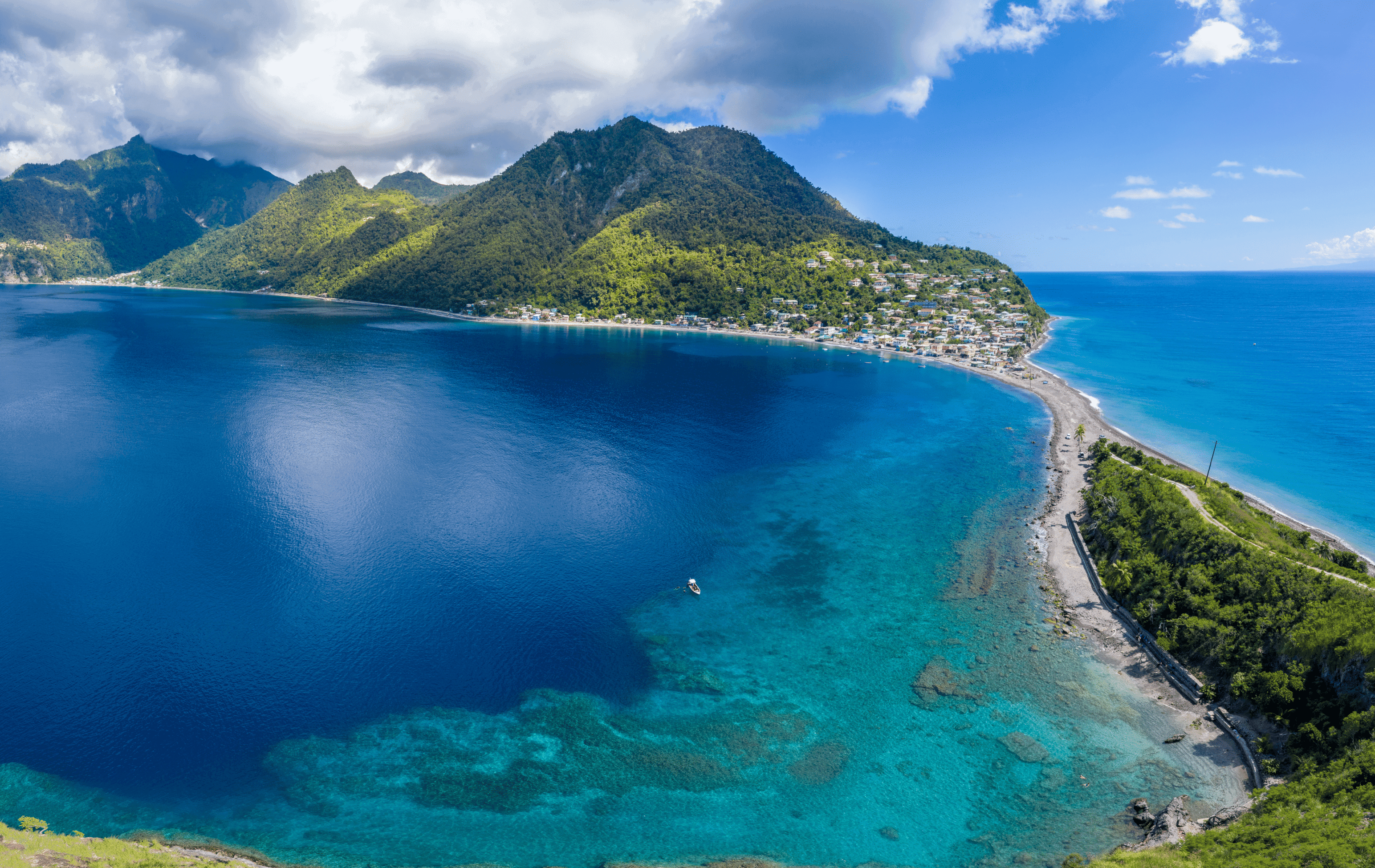
Known as the nature island of the Caribbean, Dominica reveals dense rainforest, volcanic hot springs and wild, untamed rivers, far from the large beach resorts found elsewhere, ideal for hikers and lovers of authentic, unspoiled tropical nature.

Why visit Dominica?

Dominica charms with its pristine nature, volcanoes and mountainous terrain covered in rainforest. The island is known for Boiling Lake, natural hot springs and a marine ecosystem ideal for whale watching.

What to discover in Dominica?

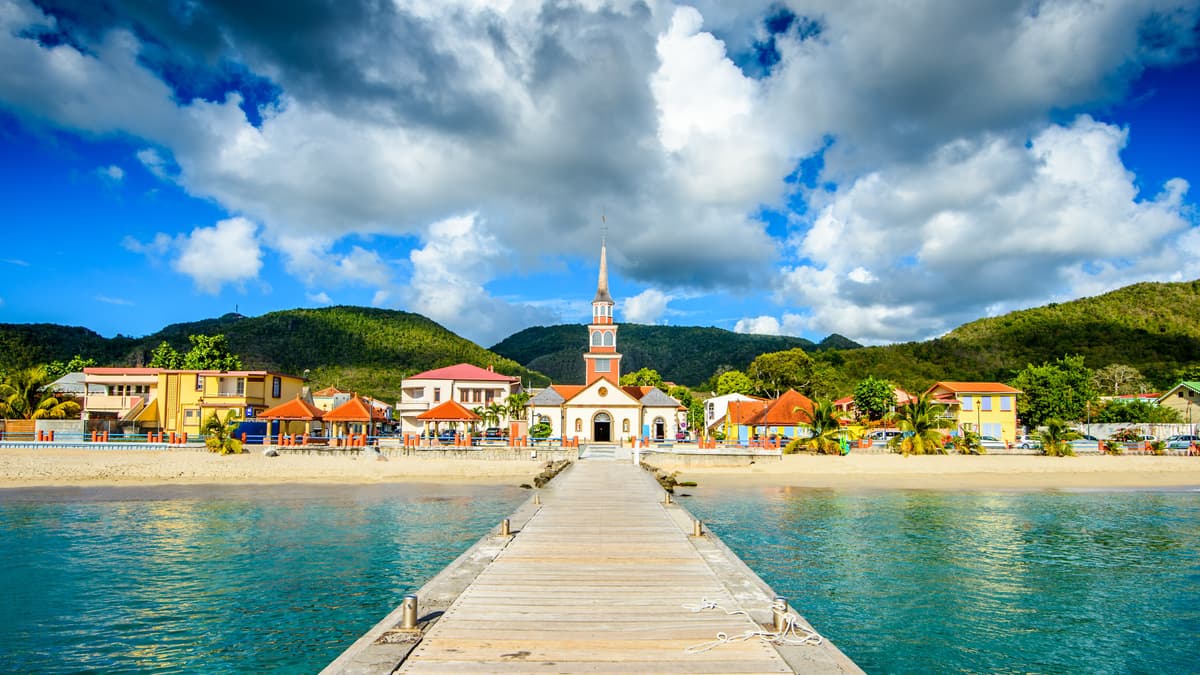
Morne Trois Pitons National Park, UNESCO-listed, is home to Boiling Lake, the world's second-largest boiling lake, as well as waterfalls and natural hot springs reachable by hiking trails. Roseau, the capital, retains a modest yet authentic Creole architecture along the waterfront.
The waters around the island, rich in marine biodiversity, are known for sperm whale watching almost year-round and for diving along volcanic reefs. Far from mass tourism, Dominica favours respectful ecotourism, amid waterfalls, rivers and preserved rural villages.

Cities to visit in Dominique

Featured destinations appear first.
Coming soon.

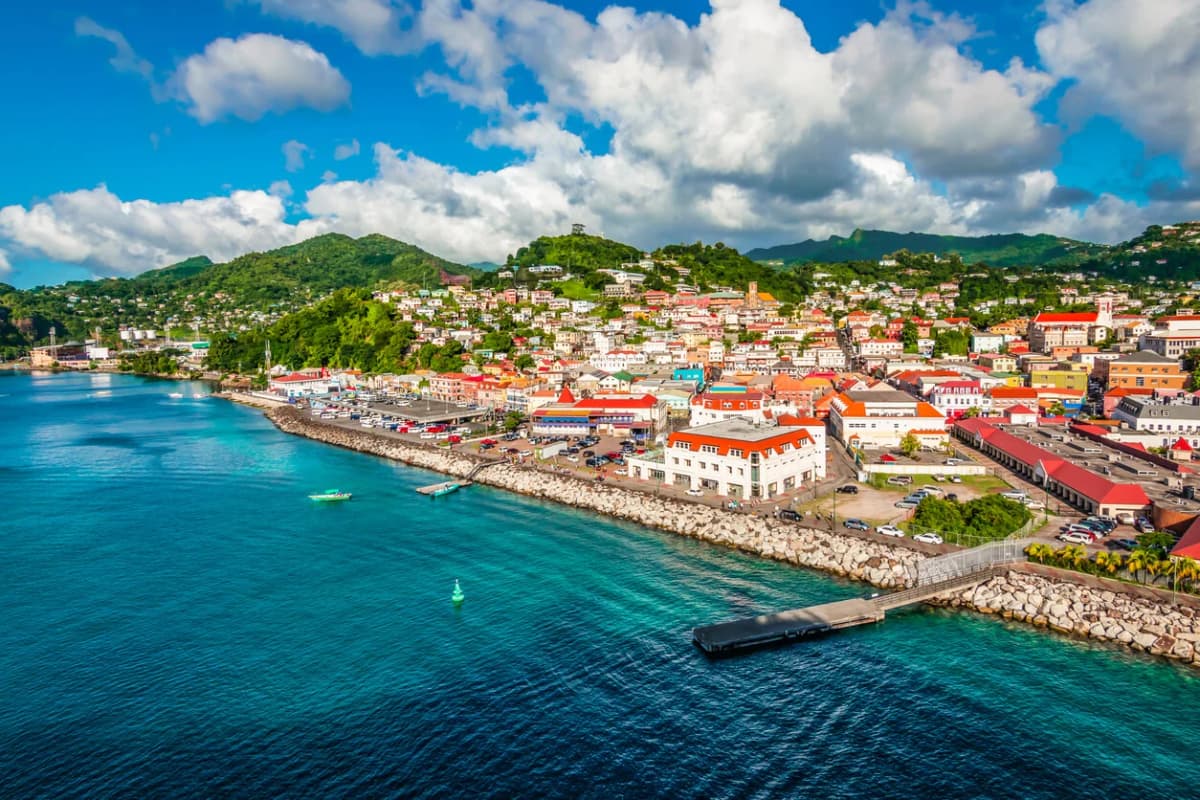
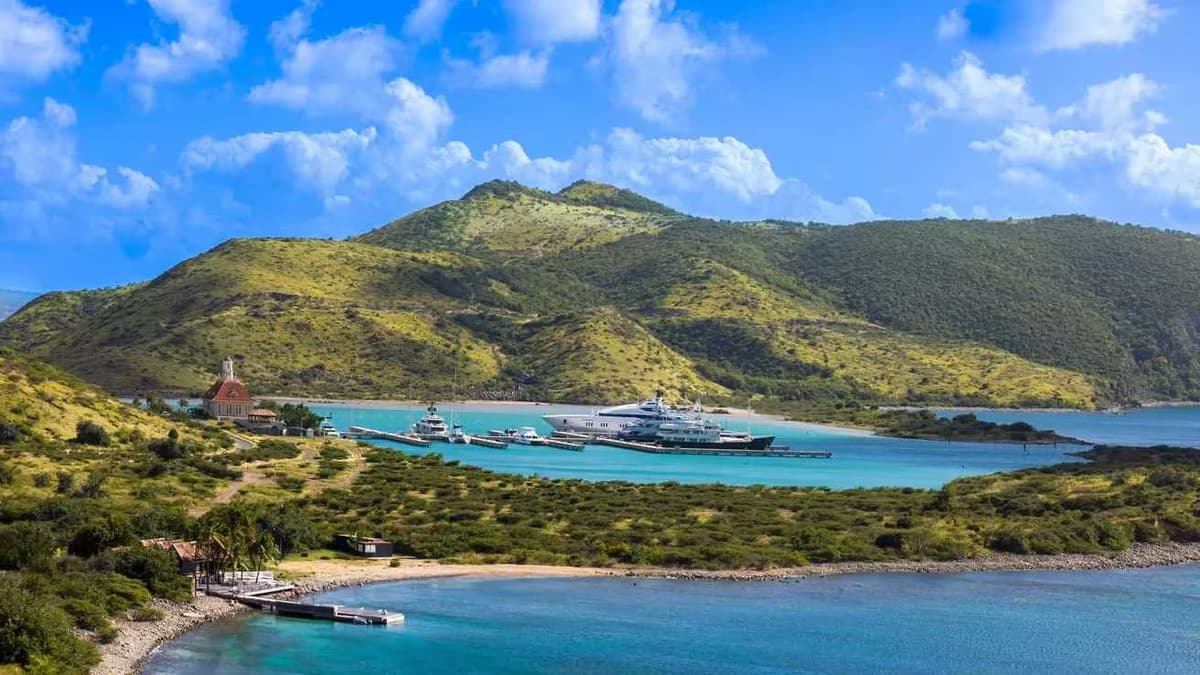
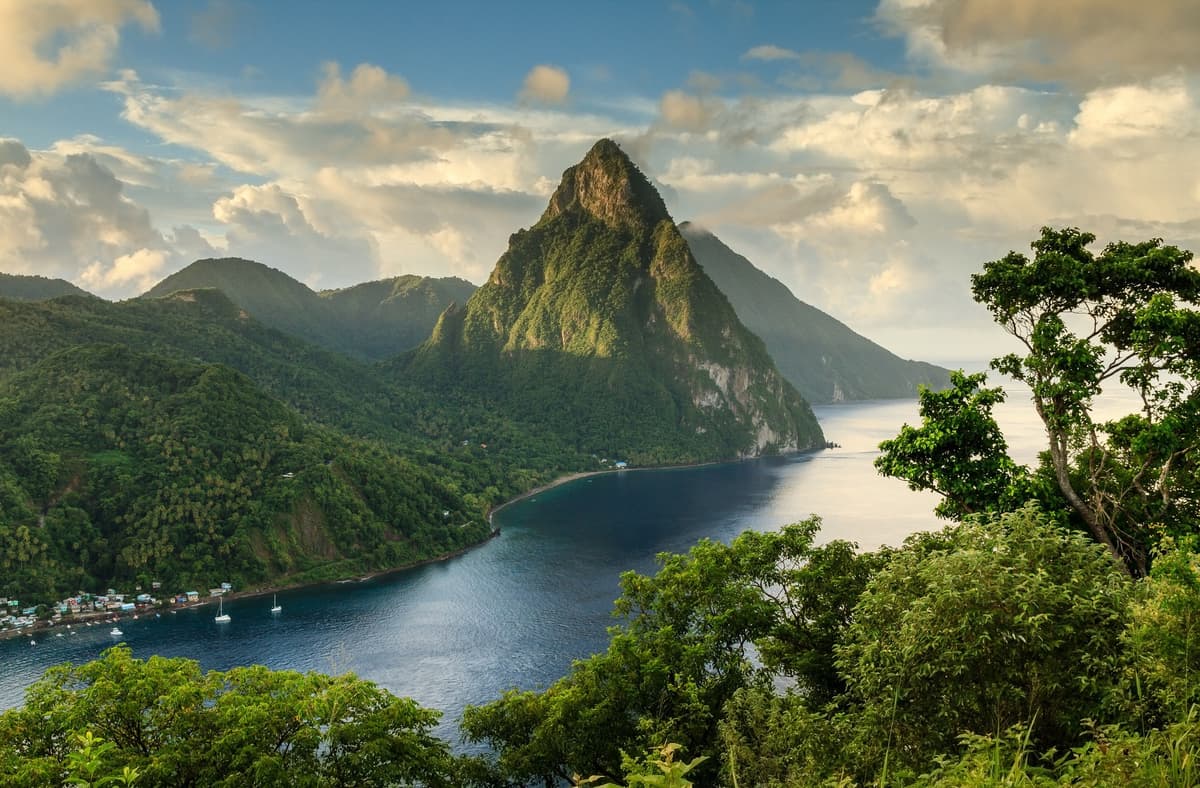
Dominique in pictures

Dominica's highlights

A few iconic experiences to explore the Caribbean's nature island.

Boiling Lake

The world's second-largest boiling lake, reached after a challenging hike through the forest.
Morne Trois Pitons National Park

UNESCO-listed site bringing together volcanoes, rainforest and natural hot springs.

Whale watching

Deep waters home to resident sperm whales, observable on excursions almost year-round.

Trafalgar Falls

Easily accessible twin waterfall, surrounded by lush tropical vegetation.

Indian River

Peaceful mangrove-lined river, navigable by traditional rowed boat.

Roseau

Capital with Creole charm, its colourful market and historic waterfront.

Practical information

Capital
Roseau
Area
About 750 km²
Population
About 72,000 inhabitants
Language
English (official), French Creole spoken
Currency
Eastern Caribbean dollar (XCD)
Time zone
UTC-4
Climate
Tropical
Best season
December to June (dry season)

Frequently asked questions about Dominica

What is the best time to visit Dominica?
The dry season, from December to June, offers more favourable hiking conditions, with less rainfall than the rest of the year, particularly along the trails leading up to Boiling Lake.
What language is spoken in Dominica?
English is the official language, while a French-based Creole remains spoken daily in some rural communities, a legacy of the colonial history shared between France and the United Kingdom long ago.
Is Dominica suitable for families?
The island suits families who enjoy nature and moderate hiking; some sites such as the Boiling Lake require good physical fitness and are not particularly well suited to very young children.
Can you go whale watching in Dominica?
Yes, the deep waters close to shore are home to resident sperm whales, which can be observed on boat excursions almost year-round, making Dominica a well-regarded Caribbean destination for this activity.
How do you get around the island?
Renting a car or hiring a taxi with a driver is recommended, as the road network is mountainous and distances can be deceptive between villages, especially to reach remote natural sites.
Does Dominica have white sand beaches?
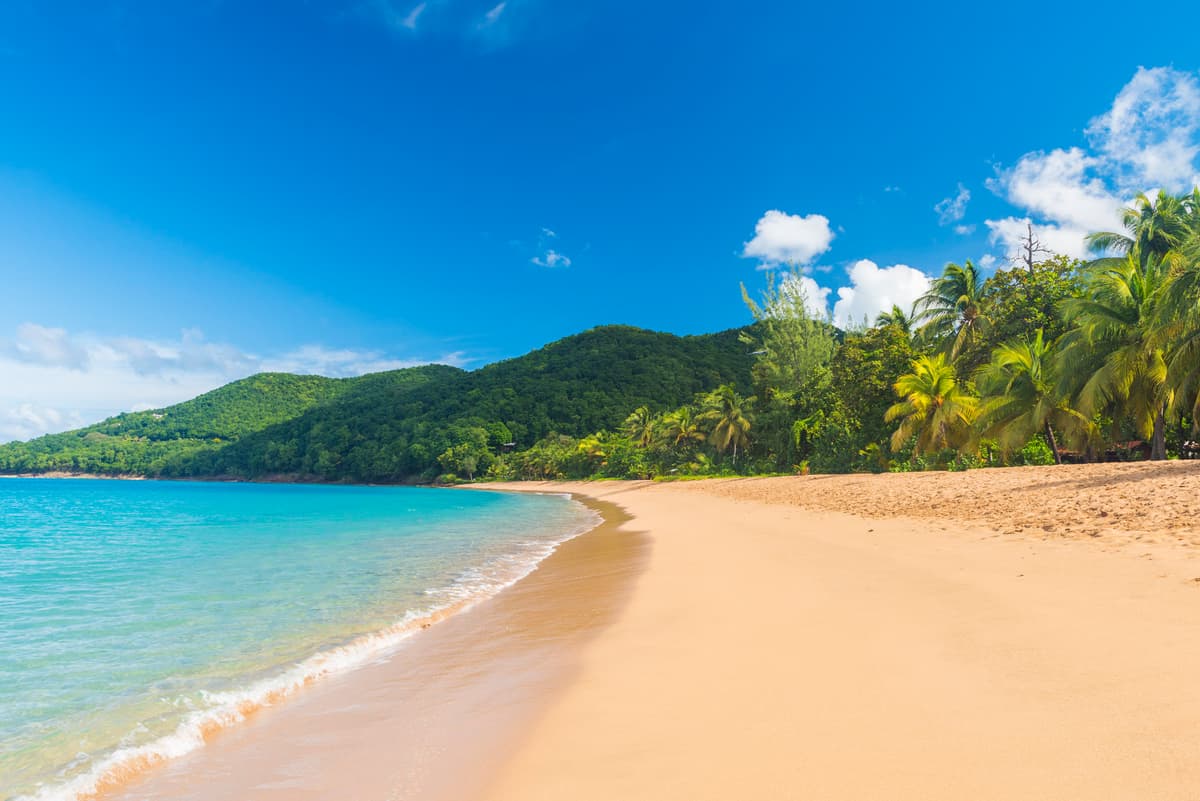
Beaches on the island are mostly black or grey volcanic sand; Dominica is prized more for its natural landscapes, waterfalls and rivers than for the classic Caribbean beach lounging holiday experience.

Plan your trip to Dominique

Day-by-day itinerary, budget, bookings and packing in a single app.
Aperçu de l'application PlanTripNow