Skip to content

Malaysia travel guide: when to go, budget and itineraries

Malaysia packs Southeast Asia into a single ticket: the skyscrapers of Kuala Lumpur, the shophouses of Penang, the tea plantations of the Cameron Highlands, the beaches of Langkawi and the orangutan jungles of Borneo. It is an easy country to travel, where a good meal costs a couple of euros.
  • 4 cities

At a glance

Currency
Malaysian Ringgit
Time difference
UTC+8
Visa
None
Tourist stay of up to 90 days
7-day budget
€595
Per person, comfort profile, excluding international flights.

Why visit Malaysia?

Malaysia brings together three cultures, Malay, Chinese and Indian, a famous street-food scene and very varied landscapes, from the Andaman Sea islands to the old-growth forests of Borneo. English is widely spoken, transport is cheap and the 90-day visa exemption keeps planning simple. You can travel comfortably on a moderate budget, year-round if you pick the right coast.

When to visit Malaysia

Temperatures, rainfall and crowds month by month, to pick your window.
When to visit Malaysia
MonthTemperaturesRainCrowdsVerdict
January24 to 33 °C14 dBusySunny west coast and year-end holidays keep Langkawi and Penang hotels expensive, while the northeast monsoon shuts down Perhentian and Tioman.
February24 to 33 °C12 dBusyOne of the driest months in Kuala Lumpur; Chinese New Year fills Penang and Malacca and spikes bookings for about a week.
March25 to 34 °C15 dModerateHumid heat and late-afternoon showers return; the east-coast sea finally settles but island ferries are only just restarting.
April25 to 34 °C17 dQuietThe stormiest month on the west coast, with daily late-day downpours, though mornings stay usable and prices ease.
May25 to 34 °C13 dQuietThe hottest month and the start of the drier southwest monsoon, opening the best window for Langkawi, Perhentian and Redang.
June25 to 33 °C10 dModerateThe driest stretch in Kuala Lumpur and on the east coast: clear water at the Perhentians and ideal conditions to climb Mount Kinabalu.
July24 to 33 °C11 dBusyEuropean summer holidays pack the east-coast islands; book Tioman bungalows and ferries several weeks ahead.
August25 to 33 °C11 dBusyMostly fine weather, but some years a dry haze from Sumatran and Bornean peat fires dims the Kuala Lumpur sky.
September24 to 33 °C13 dQuietSummer crowds have gone, rates drop, and Sipadan diving still offers excellent visibility before the rains.
October24 to 33 °C16 dQuietShowers return and build; the last decent days for the east-coast islands before the November shutdown.
November24 to 32 °C20 dQuietThe wettest month of the year: the northeast monsoon is in full swing, seas are rough, Perhentian and Redang close, and Sarawak is soaked.
December24 to 32 °C16 dPackedPeak crowds despite the eastern monsoon: visitors concentrate on Langkawi, Penang and Kuala Lumpur, where prices hit their yearly high.
Source: Cadrage sur Kuala Lumpur et la Malaisie peninsulaire (une moyenne nationale n'a pas de sens vu l'ecart de mousson entre cotes ouest et est). Normales 1991-2020 du Malaysian Meteorological Department via Wikipedia, recoupees avec weather-atlas.com et climatestotravel.com, releve septembre 2026. Temperature de la mer laissee vide faute de source datee fiable.

What to see in Malaysia?

Kuala Lumpur and the Klang Valley

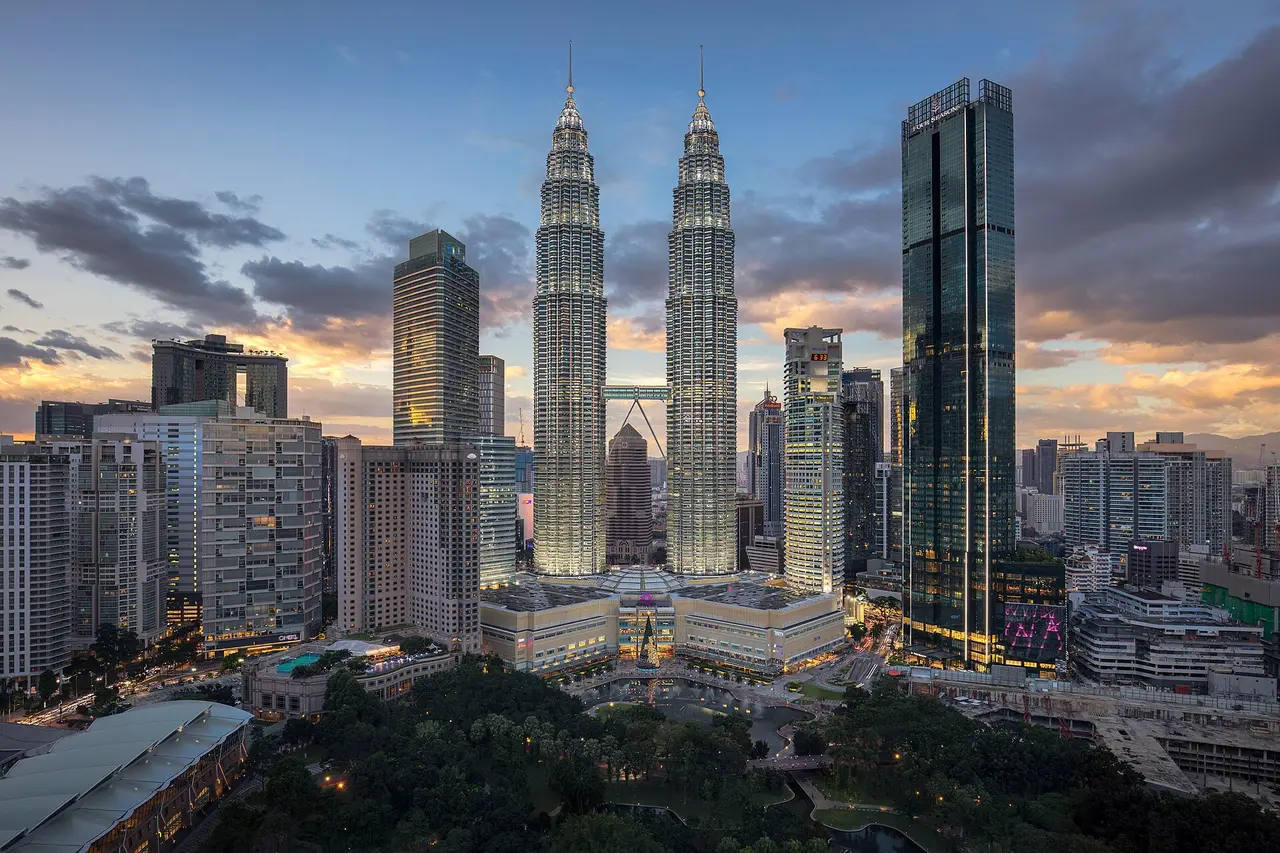
The capital takes two to three days: the Petronas Towers, Batu Caves, the Chinatown markets and the Islamic Arts Museum, closed on Mondays. KLIA airport, 45 minutes from the centre by express train, serves all of Southeast Asia and is the hub for reaching Borneo. Nearby, the administrative city of Putrajaya can be seen in half a day. It is the logical starting point for almost every itinerary, before heading north by train or taking a domestic flight. If you are combining countries, compare nearby routes in Thailand.
The west coast: Penang, Ipoh and Malacca

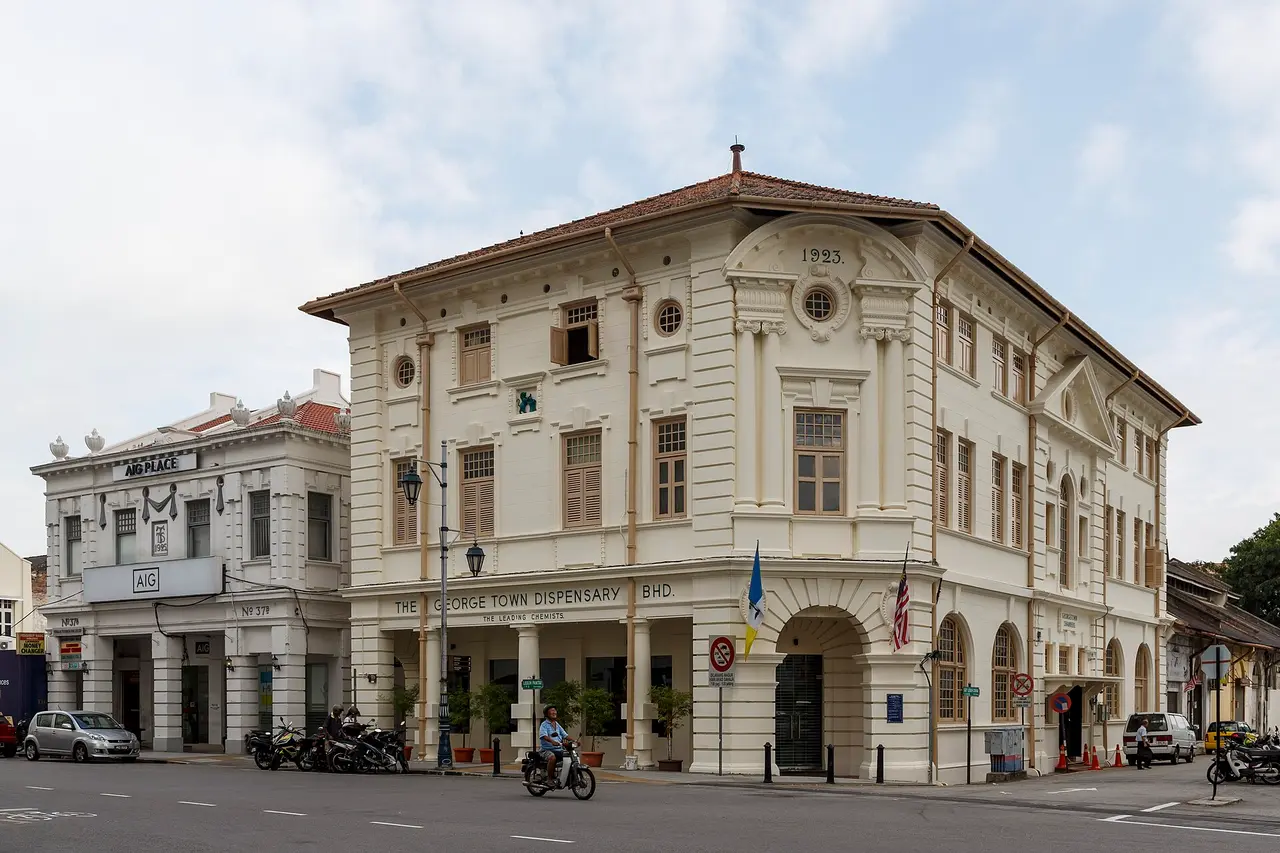
This is the best-connected axis in the country, doable by ETS train from Kuala Lumpur. George Town, on Penang, deserves three nights for its street food and its UNESCO-listed shophouses. Ipoh, halfway, can be seen in a day for its cave temples and white coffee. Malacca, south of the capital, needs two nights and ideally a weekend, for the Jonker Street night market held Friday to Sunday. This coast stays dry during the northeast monsoon, from November to February.

Langkawi and the Andaman Sea

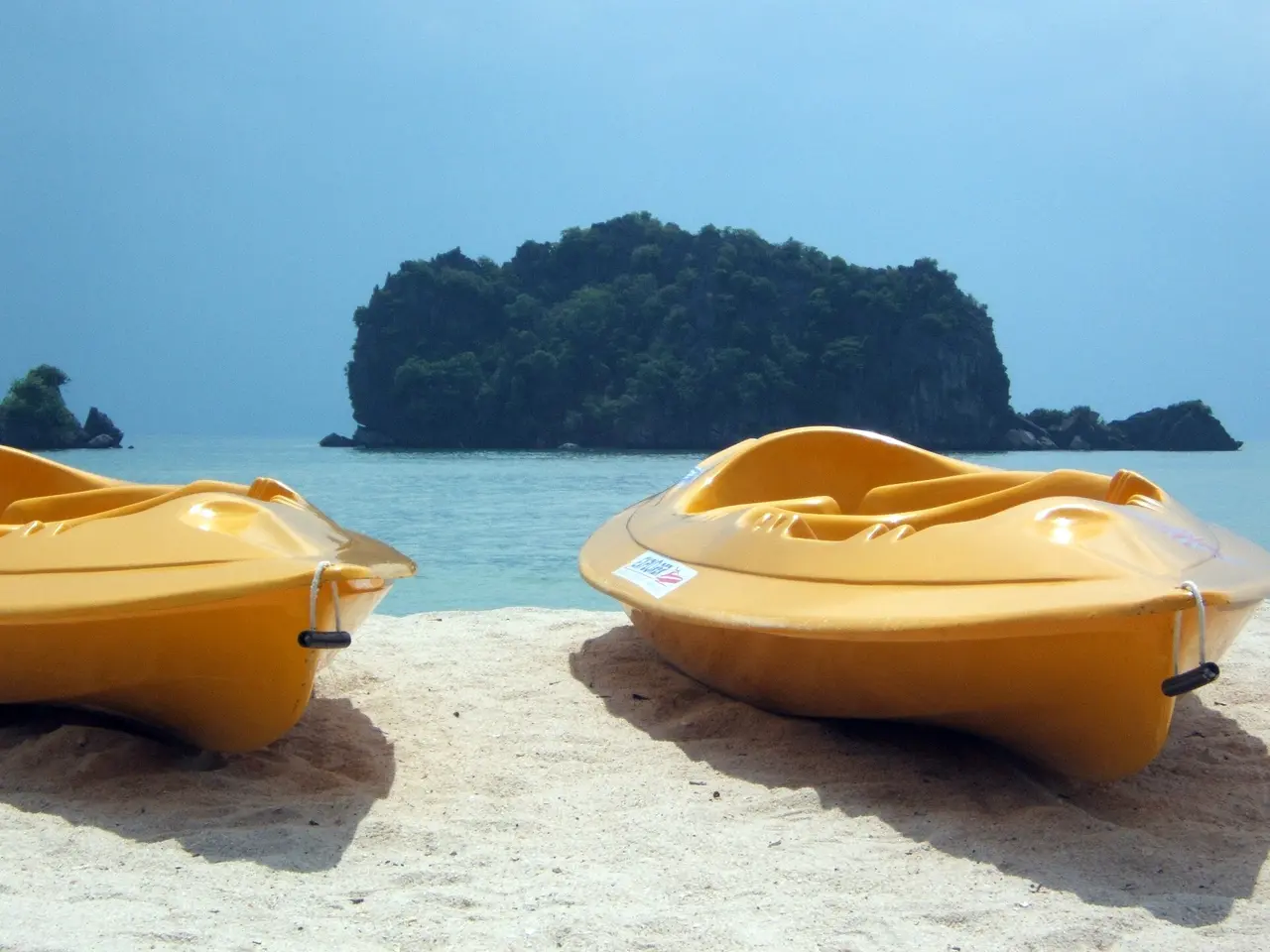
Off the Thai border, the Langkawi archipelago lives on duty-free shopping and beaches: Pantai Cenang for buzz, Tanjung Rhu for quiet. You reach it by ferry from Penang, about 2h45, or by direct flight from Kuala Lumpur in one hour. Two to three nights are enough for the cable car, the sky bridge and a boat trip through the Kilim mangroves. The water is swimmable year-round, with a rougher sea in July and August.

The east coast, its islands and the monsoon

Facing the South China Sea, the Perhentian, Redang and Tioman islands offer the best snorkelling in the country, with turtles and reef sharks. They close from early November to late February, when the northeast monsoon makes the crossing impossible: the usable window runs March to October. Access is from the Kuala Besut jetty, then a 30-minute speedboat. Bring cash, ATMs are scarce or absent. The region is more conservative, so cover up in town.

The Cameron Highlands and the tea country

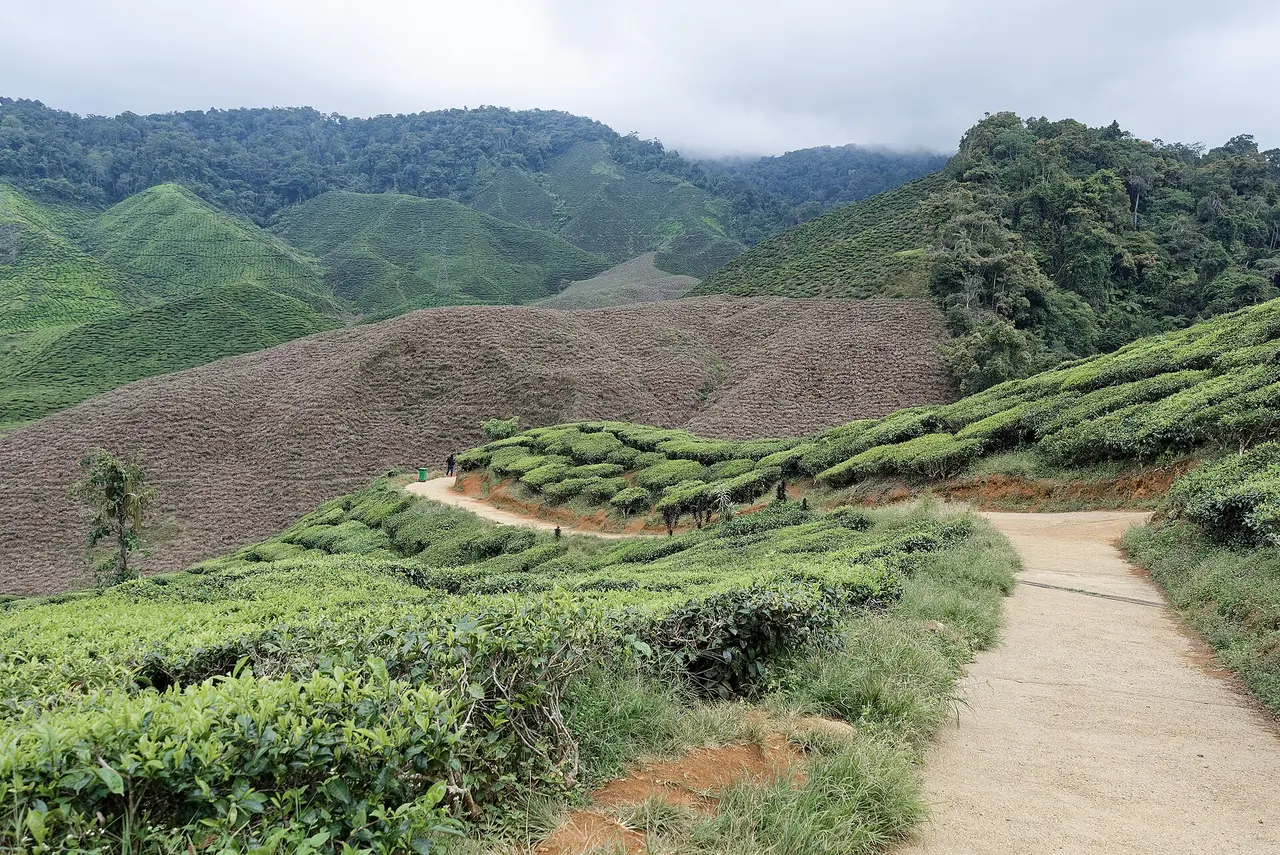
At 1,500 metres, the Cameron Highlands offer a cool climate, around 18 degrees, and landscapes of tea plantations reached by bus from Kuala Lumpur in four hours. Two nights let you visit a Boh factory, walk the numbered trails and reach the Mossy Forest, which can only be entered with a booked guide. Penang is then five hours away by road. Bring a fleece, nights drop below 15 degrees.

Malaysian Borneo: Sabah and Sarawak

One hour by air from the peninsula, Borneo holds Mount Kinabalu (4,095 metres), the orangutans of Semenggoh and Sepilok, and the wildlife cruises of the Kinabatangan river. Kuching, in Sarawak, is the base for Bako park, reached by boat. Allow at least four to five days for a real loop. The French foreign ministry advises against eastern and northern Sabah, around Sandakan and Semporna: favour Sarawak and western Sabah. From Kota Kinabalu, Singapore and Indonesia are under two hours away by air.

Cities to visit in Malaysia

Featured destinations appear first.

How much it costs

Per person per day, excluding international travel.
Budget
36 €/ day
1 804 € for 2 people, 7 days, return flights included
Accommodation
12 €
Food
12 €
Local transport
4 €
Sights and activities
8 €
Comfort
85 €/ day
2 490 € for 2 people, 7 days, return flights included
Accommodation
35 €
Food
25 €
Local transport
10 €
Sights and activities
15 €
Premium
200 €/ day
4 100 € for 2 people, 7 days, return flights included
Accommodation
90 €
Food
50 €
Local transport
25 €
Sights and activities
35 €
Prices checked: Relevé septembre 2026. Cadrage sur l'itinéraire classique Malaisie péninsulaire (Kuala Lumpur, Penang, Malacca, Langkawi) plus une incursion Bornéo; les zones rurales de Sabah et Sarawak coûtent moins, les îles en haute saison coûtent plus. Sources: southeastasiabackpacker.com (cost of travel Malaysia 2026), neverendingfootsteps.com (budget breakdown 2026), machupicchu.org (Kuala Lumpur budget guide 2026) pour hébergement, repas et transport local; momondo.fr et Air France pour le vol. Prix hors haute saison (évite juillet-août et fin décembre). Vol A/R Paris-Kuala Lumpur avec une escale hors vacances scolaires estimé à 650 EUR/personne (fourchette relevée 484-766 EUR). Hébergement: lit en dortoir pour backpacker, chambre double partagée a deux pour comfort et premium, prix par personne.

Getting there

Airports serving Malaysia, from main hubs to secondary ones.
  • BKIKota Kinabalu International AirportKota KinabaluMain
  • IPHSultan Azlan Shah AirportIpohMain
  • JHBSenai International AirportJohor BahruMain
  • KCHKuching International AirportKuchingMain
  • KULKuala Lumpur International AirportSepangMain
  • LGKLangkawi International AirportLangkawiMain

Entry, health and safety

For FR travellers

Entry requirements

No visa for a tourist stay

Pas de visa pour un séjour touristique de moins de 90 jours en Malaisie péninsulaire et au Sabah ; un permis de séjour de 30 jours est délivré à l'arrivée au Sarawak. La carte d'arrivée numérique (MDAC) doit être remplie en ligne dans les 3 jours précédant l'arrivée. Un billet retour ou de continuation de voyage est exige.

Stay allowed for up to 90 days.

Passport valid for 6 months beyond your return date.

Health

Required: Fièvre jaune : obligatoire pour les voyageurs en provenance d'une zone d'endémie.

Advised: Hépatites A et B, typhoïde, rage (surtout jeunes enfants), tuberculose pour les longs séjours d'enfants ; encéphalite japonaise, dengue et chikungunya en cas d'épidémie ou de séjour prolonge.

Dengue endémique et en forte augmentation, en particulier dans l'État de Selangor et à Kuala Lumpur. Paludisme présent hors des zones urbaines et littorales. Rage confirmée, notamment au Sarawak. Pics de pollution de l'air (haze) de juin a octobre sur le sud-ouest de la péninsule et la région de la capitale. Zones de sécurité : l'est et le nord du Sabah (Sandakan, Tawau, Semporna, îles au large) sont formellement déconseillés ; la côte nord et est du Sabah et la zone frontalière avec la Thailande sont déconseillées sauf raison impérative ; le reste du pays est en vigilance normale.

Safety

Normal precautions

Emergency

999

Checked in septembre 2026 against the official source. Entry rules change: check the official source before you travel, it alone is authoritative.

Malaysia in pictures

Photo credits : James Kerwin from Tbilisi, CC BY 2.0, Wikimedia Commons ; Jakub Hałun, CC BY 4.0, Wikimedia Commons ; CEphoto, Uwe Aranas, CC BY-SA 3.0, Wikimedia Commons ; kallerna, CC BY-SA 4.0, Wikimedia Commons

Malaysia's must-sees

From the capital's skyscrapers to the forests of Borneo, the sites not to miss on a first trip.

Petronas Towers

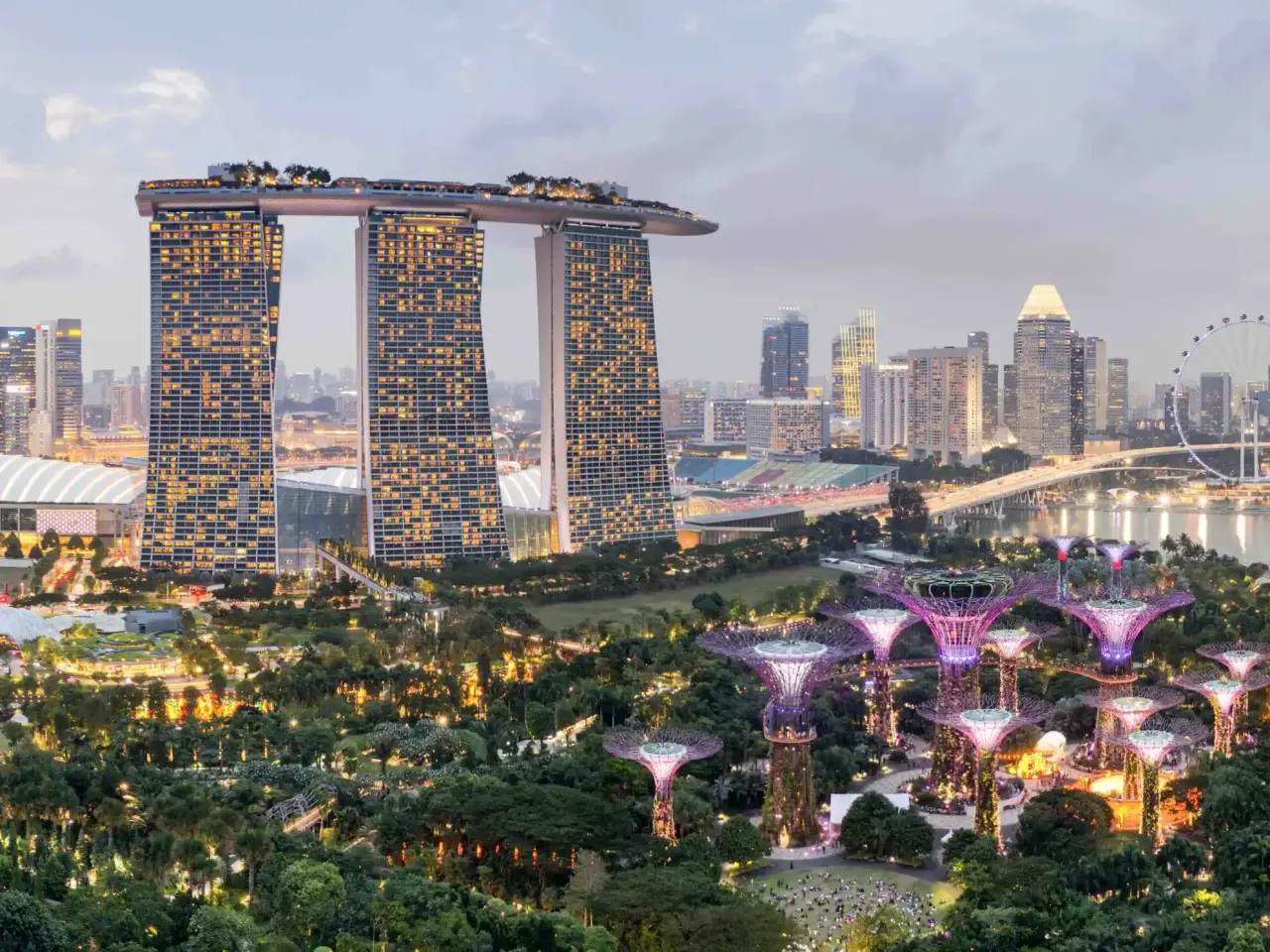
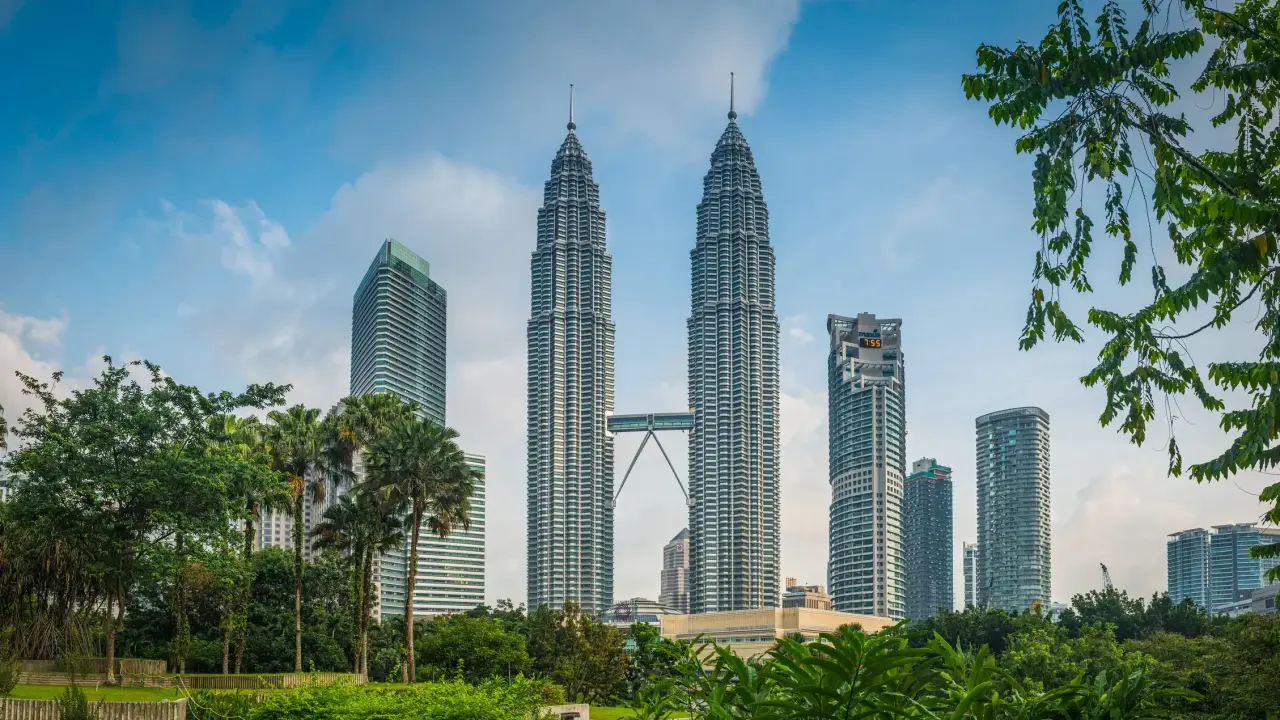
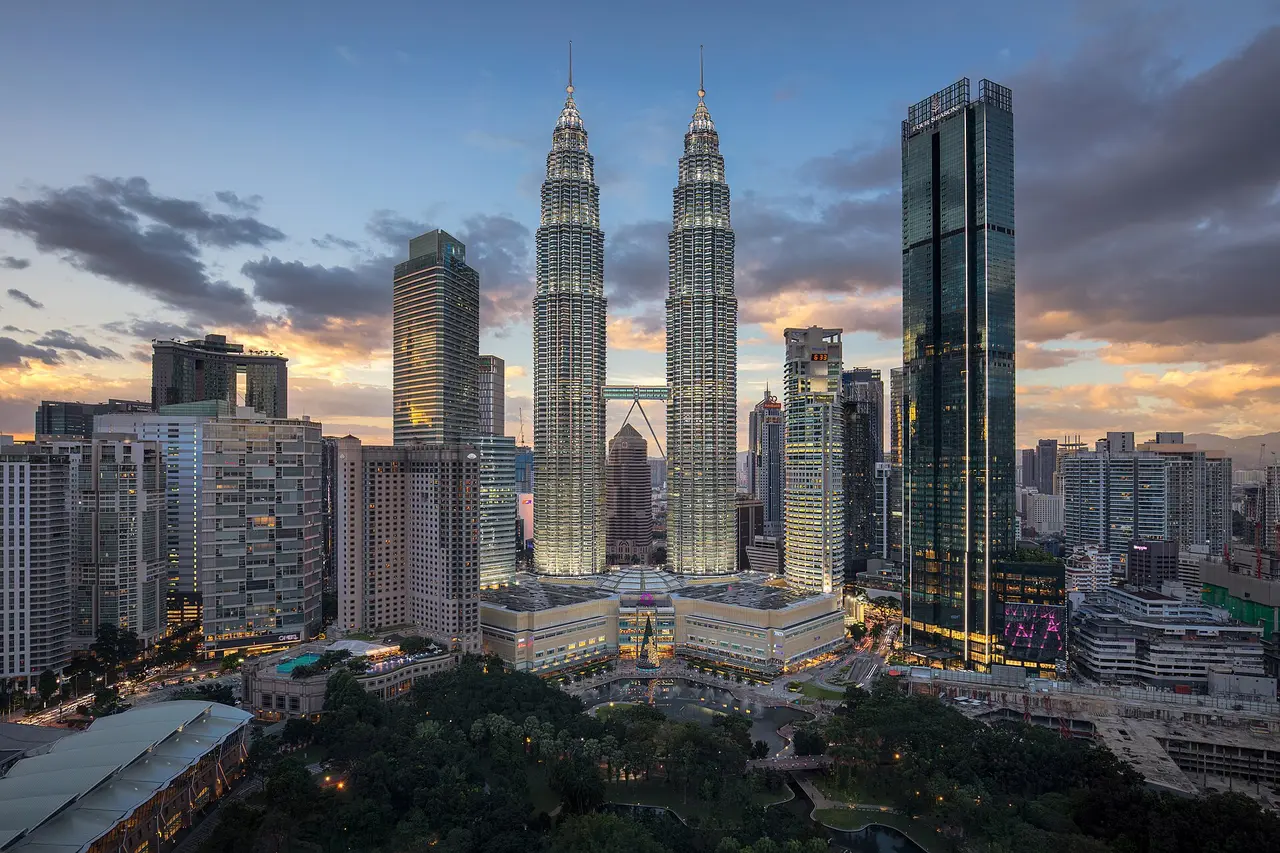
The two 452-metre steel spires dominate Kuala Lumpur; the skybridge and observation deck must be booked online, and morning slots sell out fast.

Batu Caves

A staircase of 272 rainbow steps climbs to a Hindu shrine set in a limestone cave, guarded by a 43-metre golden statue of Murugan.

George Town

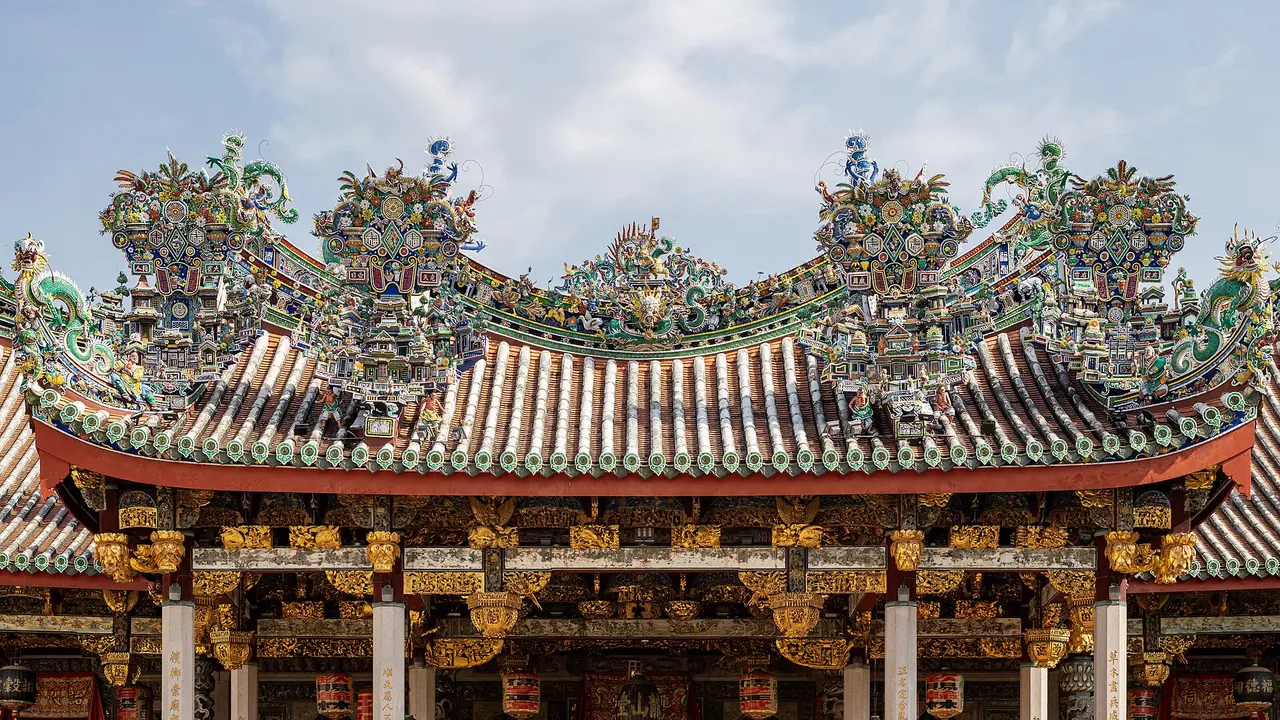
The UNESCO-listed heart of Penang blends Chinese temples, mosques, wall murals and one of the best street-food scenes in Asia.

Malacca

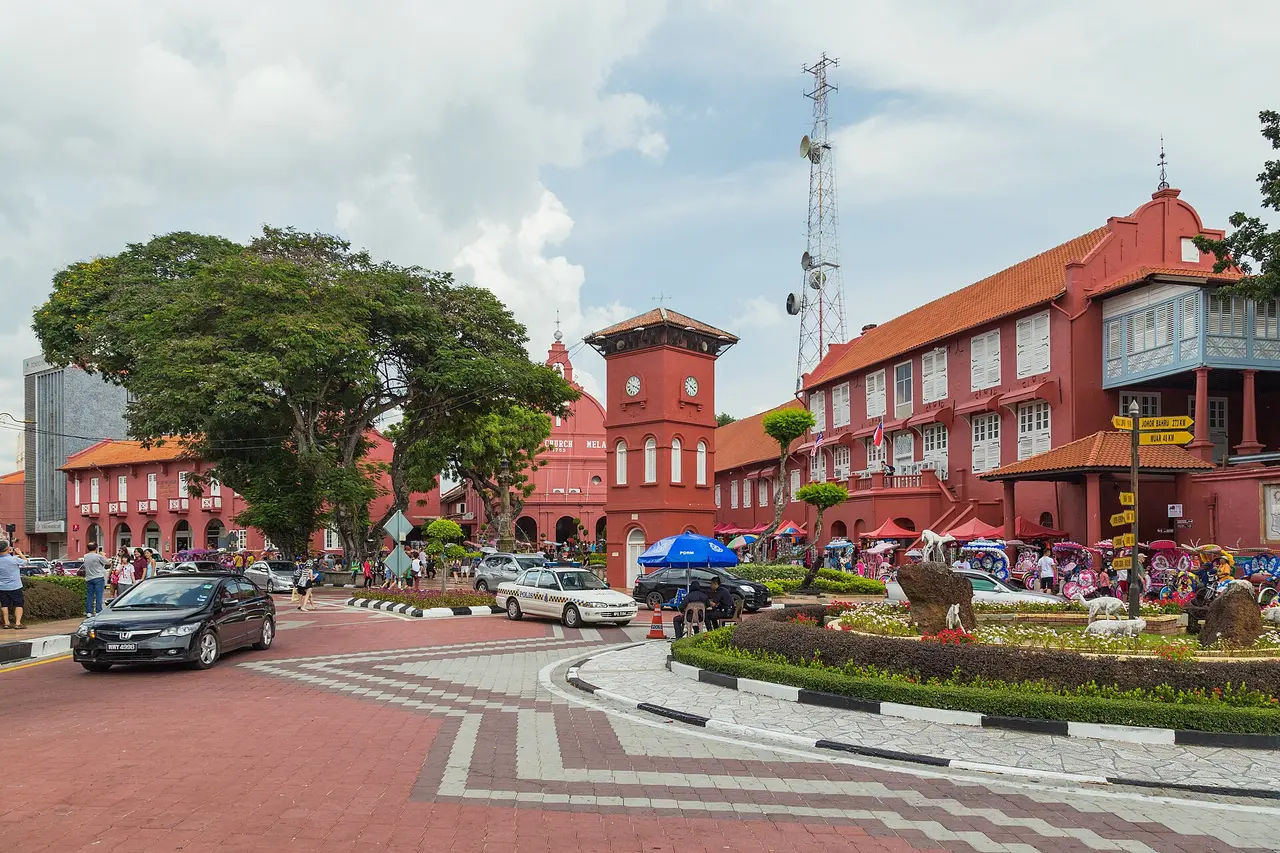
A former Portuguese then Dutch trading post, the town lines up a red church, a Chinatown and museums along a river fringed with painted houses.

Cameron Highlands

A cool plateau covered in tea plantations, strawberry farms and mossy forest, four hours by road from the capital.

Langkawi

A duty-free archipelago in the Andaman Sea, known for its beaches, its cable car and a sky bridge perched 700 metres above the jungle.

Perhentian Islands

Two white-sand islands on the east coast, prized for snorkelling with turtles, closed during the monsoon from November to February.

Mount Kinabalu

Malaysia's highest point at 4,095 metres, climbed over two days with a compulsory guide; the surrounding national park is UNESCO-listed.

Kinabatangan River

On this Borneo river, dawn and dusk cruises let you spot proboscis monkeys, hornbills and sometimes pygmy elephants.

Practical information

Capital
Kuala Lumpur, seat of government in Putrajaya
Currency
Malaysian ringgit (MYR)
Languages
Malay is official, English very widely spoken, Mandarin and Tamil common
Time difference
UTC+8, seven hours ahead of Paris in winter, six in summer
Power sockets
UK type G, 240 V, adapter essential
Visa and MDAC
90-day exemption for most Western nationals; MDAC arrival card to be filed online within 3 days
Dress and places of worship
Muslim-majority country: cover shoulders and knees in mosques and on the east coast
Tap water
Best avoided, bottled water is very cheap
Payment
Cards accepted in cities, local QR apps everywhere, but cash essential on the islands
Alcohol
Sold in non-halal shops and restaurants, heavily taxed, scarce in Kelantan and Terengganu
Durian
Banned in many hotels, taxis and public transport, with signs to prove it
Best time to go
West coast and Borneo December to February, east coast March to October

Similar destinations

Other countries you might like as much as Malaysia.

Similar regions

Other regions you might like as much as Malaysia.

Frequently asked questions about Malaysia

Should I pick the east coast or the west coast of Malaysia?
It depends on the season. From November to February the monsoon closes the east-coast islands such as the Perhentians, so Penang, Langkawi and the west coast are the safe choice. From March to October the east coast becomes the better option for diving.
How many days to see the peninsula and Malaysian Borneo?
Allow at least fifteen days to combine both: a week on the peninsula between Kuala Lumpur, Penang and an island, then four to five days in Borneo. With ten days it is better to choose one or the other.
Is it safe to visit Sabah and the Sandakan area?
The French foreign ministry advises against eastern and northern Sabah, around Sandakan, Semporna and Tawau, due to kidnapping risk. Kota Kinabalu, Mount Kinabalu and all of Sarawak remain under normal precautions.
Is the MDAC arrival card really compulsory for Malaysia?
Yes. Since December 2023 every traveller must complete the digital MDAC form online within the three days before arrival, free of charge, on the immigration portal. Without it, boarding can be refused.
How do I get from Kuala Lumpur to Singapore or Thailand?
Regular buses and trains link the capital to Singapore in about five hours, and the train runs towards Thailand via Butterworth and Padang Besar. Low-cost domestic flights are also frequent and cheap.
Where can I see orangutans in Malaysia?
Two rehabilitation centres are open to visitors: Semenggoh near Kuching in Sarawak, and Sepilok near Sandakan in Sabah. Semenggoh pairs easily with a Bako park trip and avoids the advised-against zone of eastern Sabah entirely.
Is durian banned in Malaysian hotels?
Often, yes. This strong-smelling fruit is prohibited in many hotels, taxis and public transport, with dedicated signs. It is eaten at markets and street stalls instead, mostly from June to August.

Plan your trip to Malaysia

Day-by-day itinerary, budget, bookings and packing in a single app.
Aperçu de l'application PlanTripNow