Tanzania

Between the vast plains of the Serengeti, the eternal snows of Kilimanjaro and the turquoise waters of Zanzibar, Tanzania offers a rare diversity of landscapes in East Africa. A country where wildlife, Swahili culture and beaches come together for an unforgettable journey.

Why visit Tanzania in East Africa?

Tanzania is home to the Serengeti National Park, famous for the annual great migration of wildebeest and zebra, as well as Kilimanjaro, Africa's highest peak. The Zanzibar archipelago adds to this with its beaches and Swahili heritage recognized by UNESCO. The country combines safaris, hiking and beach tourism within a single destination.

What can you discover in Tanzania?

Tanzania is one of East Africa's great safari destinations, anchored by Serengeti National Park and its famous annual migration of wildebeest, zebra and gazelle. Nearby, the Ngorongoro Crater concentrates an exceptional diversity of wildlife within a relatively small area, while Kilimanjaro, the continent's highest point, draws hikers and mountain enthusiasts from around the world. Smaller parks, such as Tarangire and Lake Manyara, add further variety, known respectively for large elephant herds and tree-climbing lions.
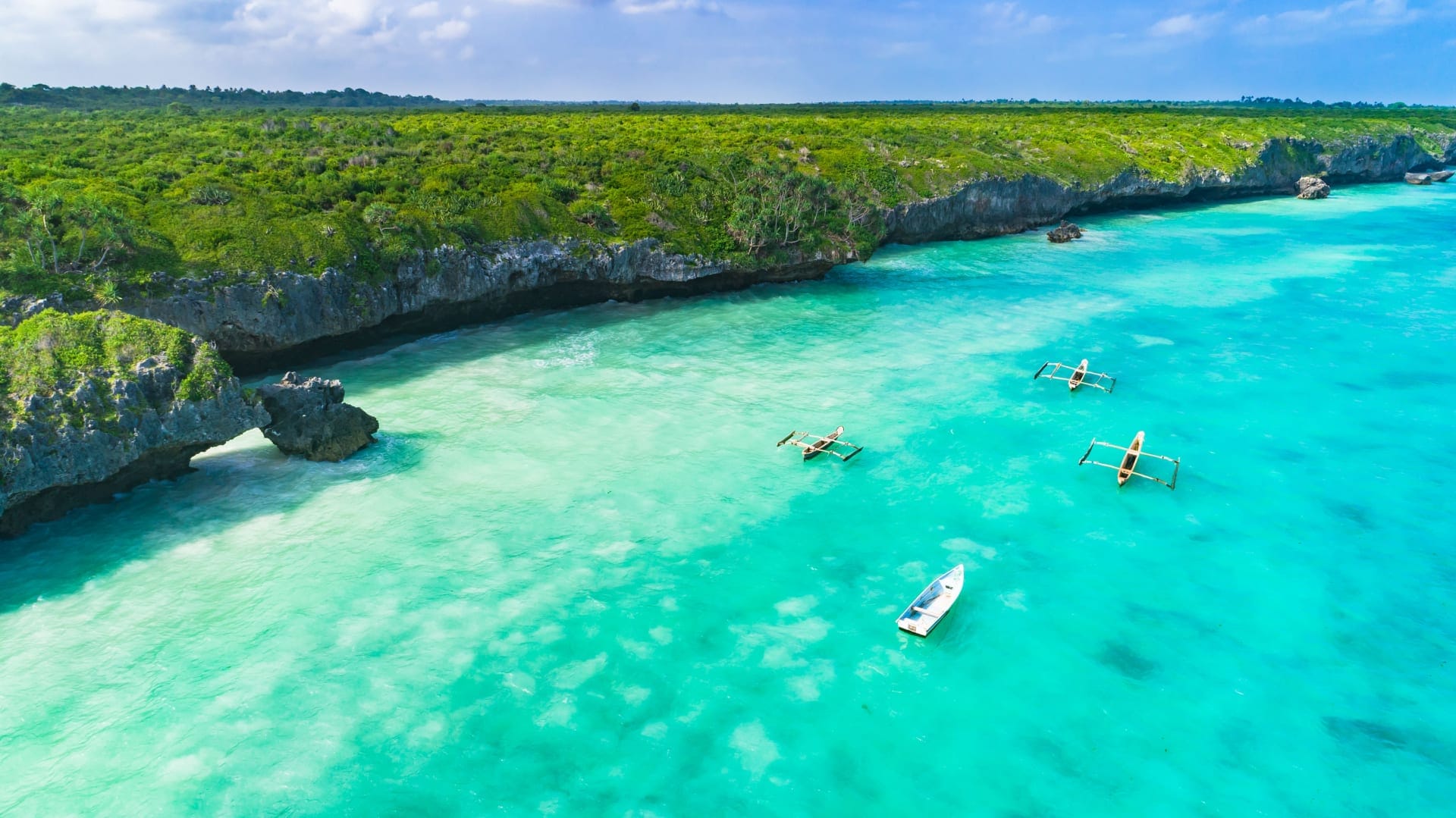
Off the coast, the Zanzibar archipelago offers a striking contrast with its white sand beaches, turquoise waters and the old town of Stone Town, a UNESCO World Heritage Site. Swahili culture, blending African, Arab and Indian influences, is reflected in the architecture, spices and local cuisine. Between savanna, mountain and the Indian Ocean, Tanzania brings together a rare diversity of landscapes and experiences within a single country. Divers and snorkelers will also find well-preserved coral reefs around Zanzibar, ideal for observing marine life.

Cities to visit in Tanzania

Featured destinations appear first.
Coming soon.

Tanzania in pictures

Tanzania highlights

A few must-sees to help plan your trip to Tanzania.

Serengeti Park

This iconic national park is the stage for the annual great migration of wildebeest and zebra, one of the most impressive natural spectacles on Earth.

Ngorongoro Crater

This volcanic caldera holds a high concentration of wildlife, including lions, elephants and rhinos, within a relatively compact and easily observable area.

Kilimanjaro

Africa's highest peak, this volcano rises to over 5,800 meters and draws hikers from around the world each year attempting the climb.

Zanzibar

This Indian Ocean archipelago combines white sand beaches, turquoise waters and the historic old town of Stone Town, a UNESCO World Heritage Site.

Stone Town

The historic heart of Zanzibar, this old town's narrow lanes blend Swahili, Arab, Indian and European influences in its architecture and atmosphere.

Swahili Culture

A shared language and culture across the region, Swahili life is reflected in music, spices and cuisine, shaped by centuries of trade and exchange.

Practical information

Capital
Dodoma
Area
≈ 947,000 km²
Population
≈ 65 million
Languages
Swahili and English
Currency
Tanzanian shilling (TZS)
Time zone
UTC+3
Climate
Tropical, varying with altitude and region
Best season
June to October (dry season)

Frequently asked questions

What's the best time for a safari in Tanzania?
The dry season, from June to October, is generally favored for safaris: thinner vegetation makes wildlife easier to spot, and the great migration often crosses the Serengeti during this period.
Do I need a visa to visit Tanzania?
Most visitors need a visa, available on arrival at major airports or applied for online before departure. It's best to check current entry requirements with the relevant authorities well ahead of traveling, since conditions can change.
How many days should I plan for a Tanzania safari?
A five-to-seven-day safari allows you to combine several parks, such as the Serengeti and Ngorongoro, at a comfortable pace. Shorter itineraries are possible by focusing on a smaller geographic area.
Can you climb Kilimanjaro without mountaineering experience?
Climbing Kilimanjaro doesn't require technical mountaineering skills, but it does call for good physical fitness and preparation for altitude. Climbs are always guided, supported by a local guide and porter team.
What currency should I use in Tanzania?
The Tanzanian shilling is the official currency, though US dollars are sometimes accepted for tourist services such as safaris or accommodation. Carrying shillings in small notes is still useful for everyday spending.
How do you get around between the parks and Zanzibar?
Domestic flights quickly connect major cities, national parks and the island of Zanzibar, saving valuable time over long distances. 4x4 vehicles with a driver remain essential for overland safaris and travel on unpaved park roads.

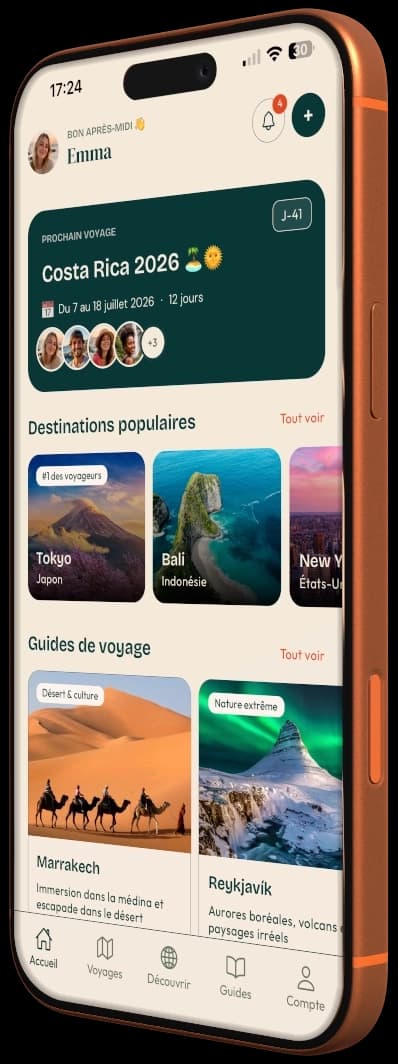
Plan your trip to Tanzania

Day-by-day itinerary, budget, bookings and packing in a single app.
Aperçu de l'application PlanTripNow