Skip to content

Thailand travel guide: when to go, budget and itineraries

From the golden temples of Bangkok to the rice terraces of the North, from floating markets to the turquoise water of the South, Thailand packs a thousand trips into one. Legendary street food, Buddhism everywhere and a warm welcome: the Land of Smiles is still one of the easiest gateways into Southeast Asia.
  • 8 cities · 6 regions

At a glance

Currency
Thai Baht
Time difference
UTC+7
Visa
None
Tourist stay of up to 30 days
7-day budget
€644
Per person, comfort profile, excluding international flights.

Why visit Thailand?

Thailand offers rare variety on a compact territory: buzzing cities, UNESCO-listed Buddhist sites, northern jungle and close to 1,400 islands. Domestic flights link Bangkok to Chiang Mai or Phuket in under two hours, so you can combine mountains and beaches in a single trip. Value for money remains among the best on the continent.

When to visit Thailand

Temperatures, rainfall and crowds month by month, to pick your window.
When to visit Thailand
MonthTemperaturesRainCrowdsVerdict
January23 to 33 °C2 dPackedPeak of the cool dry season: clear skies and breathable air in Bangkok, but prices and crowds at their highest.
February25 to 34 °C2 dBusyStill dry and bright everywhere, islands on both coasts at their best, while the year-end rush eases slightly.
March26 to 35 °C3 dModerateHeat builds and crop-burning haze affects the north around Chiang Mai, while the south stays ideal.
April27 to 36 °C5 dModerateThe hottest month, often feeling like 40 °C, and mid-April Songkran turns cities into nationwide water fights.
May27 to 35 °C12 dQuietThe southwest monsoon sets in with short late-day downpours, lush greenery and rapidly falling prices.
June26 to 34 °C13 dQuietWet low season on the Andaman side (Phuket, Krabi) with rougher seas, while the gulf and Koh Samui stay calmer.
July26 to 34 °C14 dModerateEuropean summer holidays bring visitors back despite the rain, so book island transfers early.
August26 to 33 °C16 dModerateOften overcast with heavy humidity in Bangkok, but a good bet for the green, quiet north.
September25 to 33 °C18 dVery quietThe wettest month of the year with flood risk: the country is at its quietest and cheapest.
October25 to 33 °C14 dQuietRain retreats on the Andaman coast as its season reopens, but intensifies over the gulf (Koh Samui, Koh Pha Ngan).
November25 to 33 °C4 dBusyDry air returns to Bangkok and the north, Loi Krathong lights up the rivers, and high season restarts strongly.
December23 to 32 °C1 dPackedConditions at their best, almost cool nights in the north, but year-end holidays mean full hotels and premium prices.
Source: Normales 1991-2020 de Bangkok (Thaïlande centrale) via Wikipedia, recoupées avec climatestotravel.com et weather-atlas.com ; la moyenne nationale n'ayant pas de sens, le tableau cadre sur la Thaïlande centrale, le Sud insulaire et le Nord montagneux étant plus frais ou décalés. Température de la mer : golfe de Thaïlande (Koh Samui). Relevé septembre 2026.

What to discover in Thailand?

Bangkok and the central plain

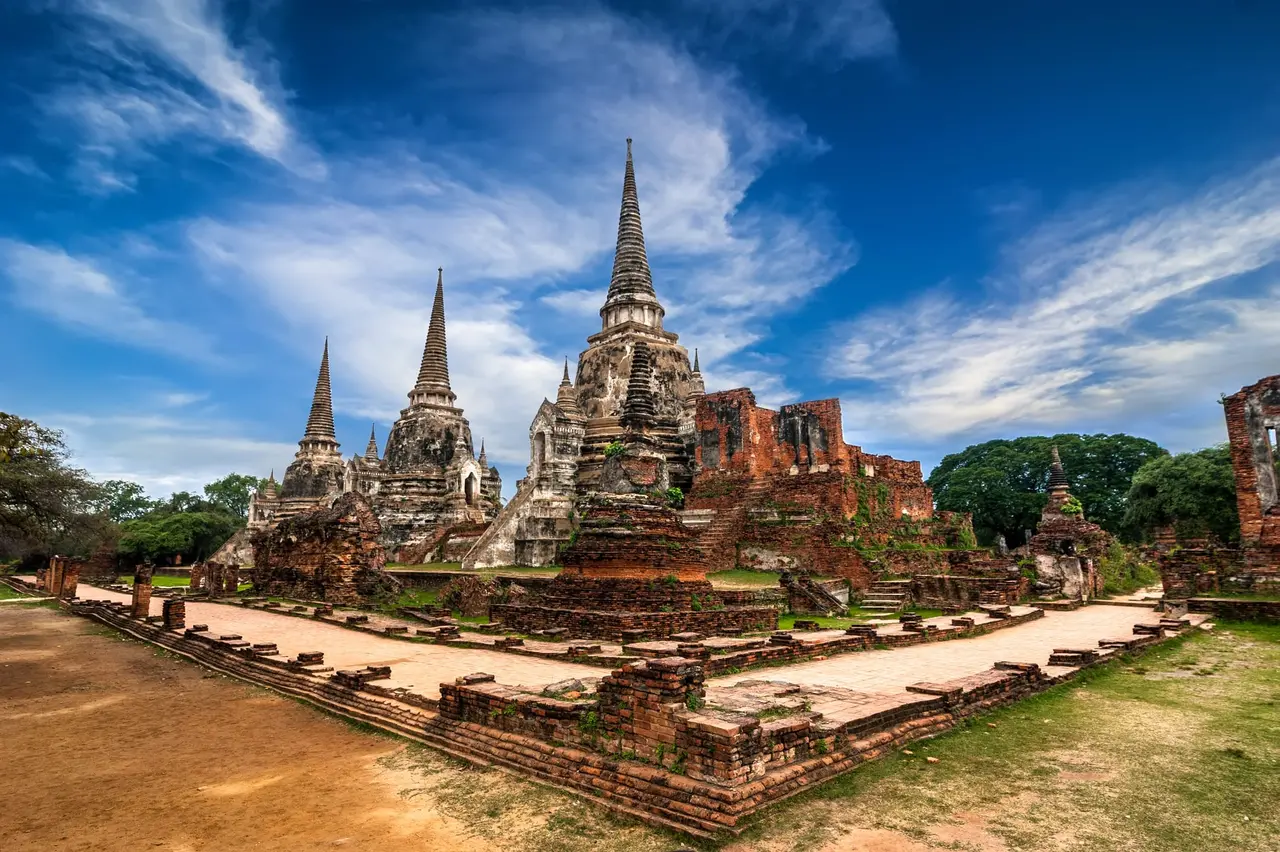
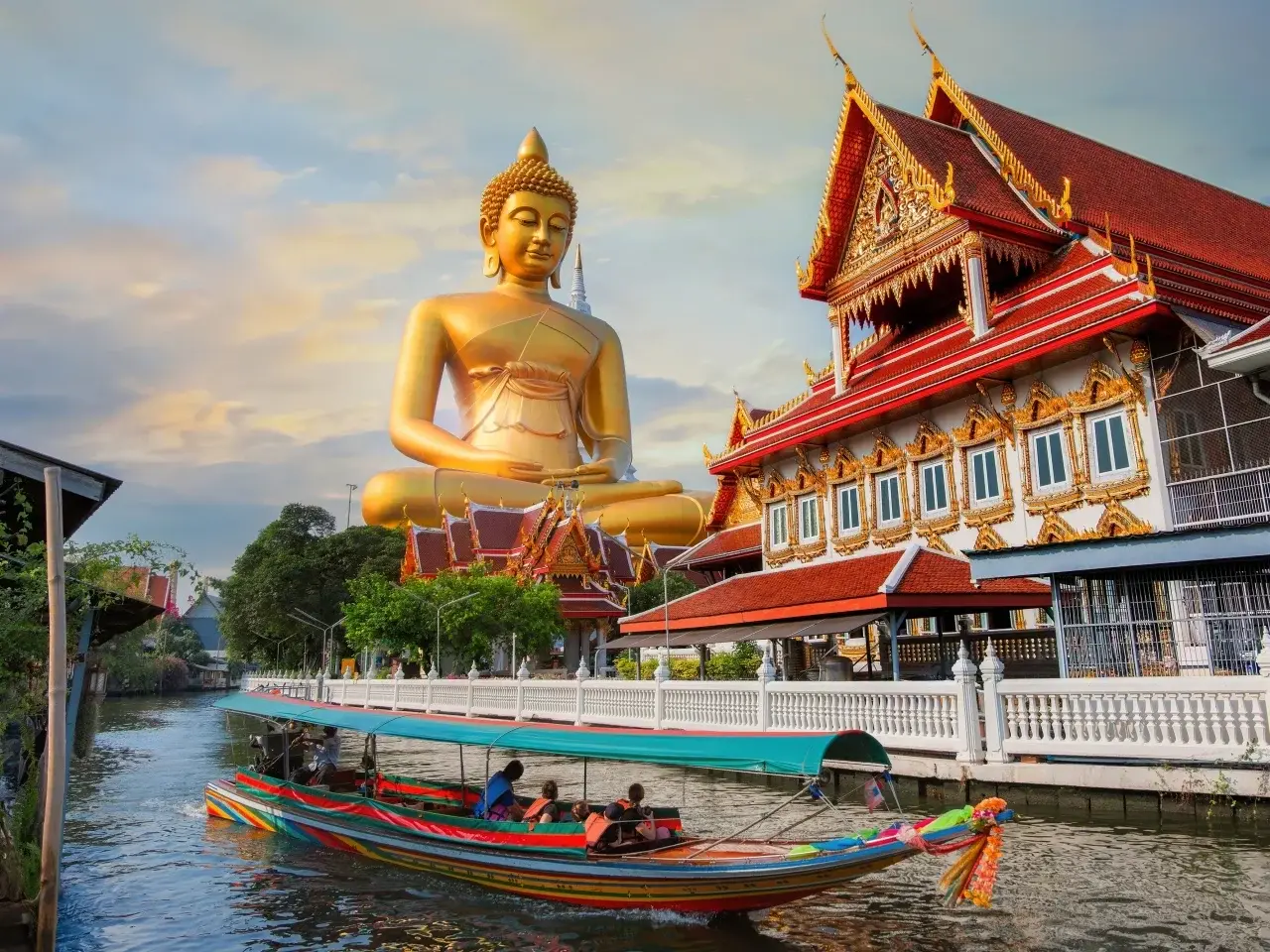
Plan three full nights in Bangkok: a morning for the Grand Palace and Wat Pho, one for the Thonburi canals by longtail boat, an evening for the street food of Yaowarat. The Grand Palace ticket office closes at 3:30pm, so arrive before 9am. North of the capital, the ruins of Ayutthaya, the former Siamese capital and a UNESCO site, can be seen by bike in a day or as a one-night stop on the way north. Sukhothai, further on, needs a flight or a night bus.
The North: Chiang Mai and Chiang Rai

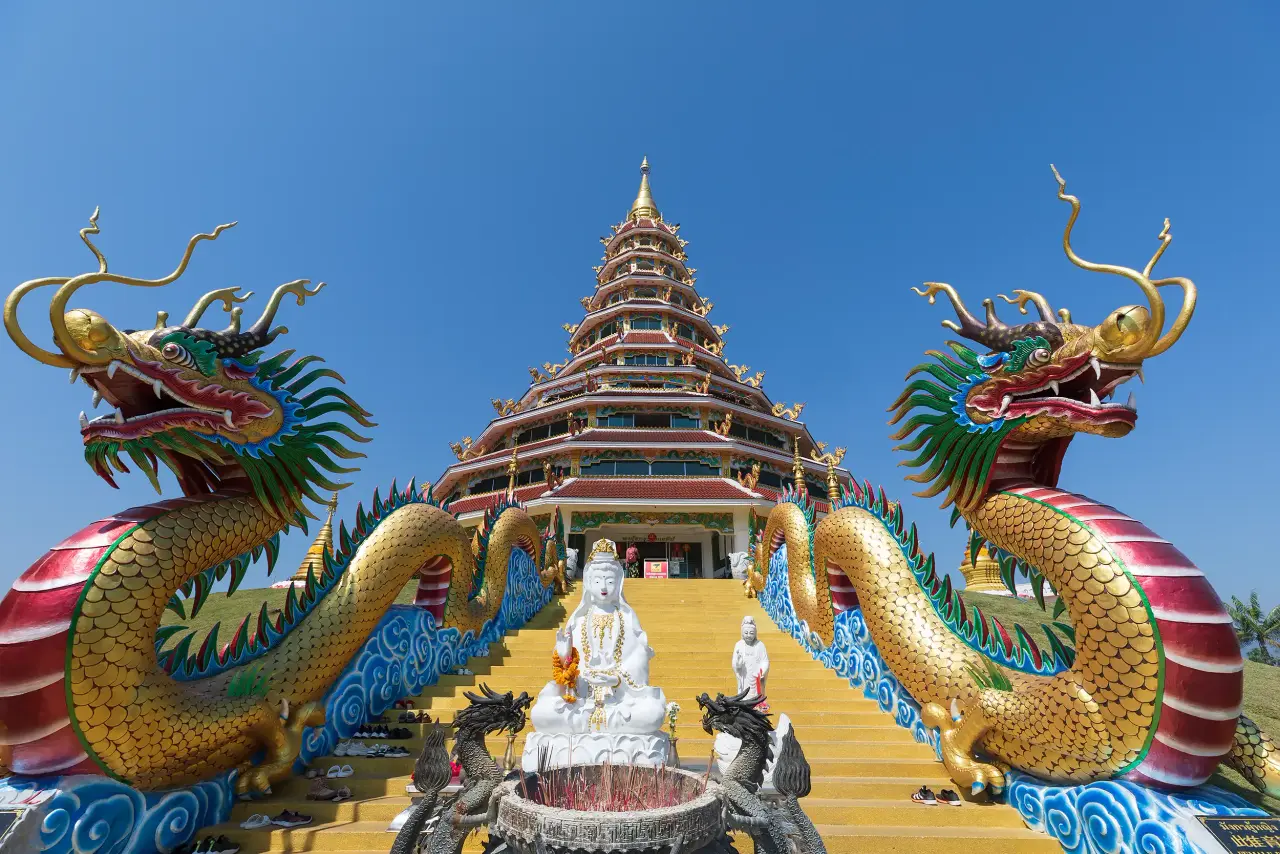
Chiang Mai packs more than thirty temples into a moated old town; allow two to three nights to add Doi Suthep, a half-day cooking class and a no-riding elephant sanctuary. Chiang Rai, three hours away by bus, lines up the White Temple, the Black House and the Blue Temple in one day. From February to April, smoke from agricultural burning cuts visibility and worsens air quality across the whole North.

Isan, the overlooked northeast

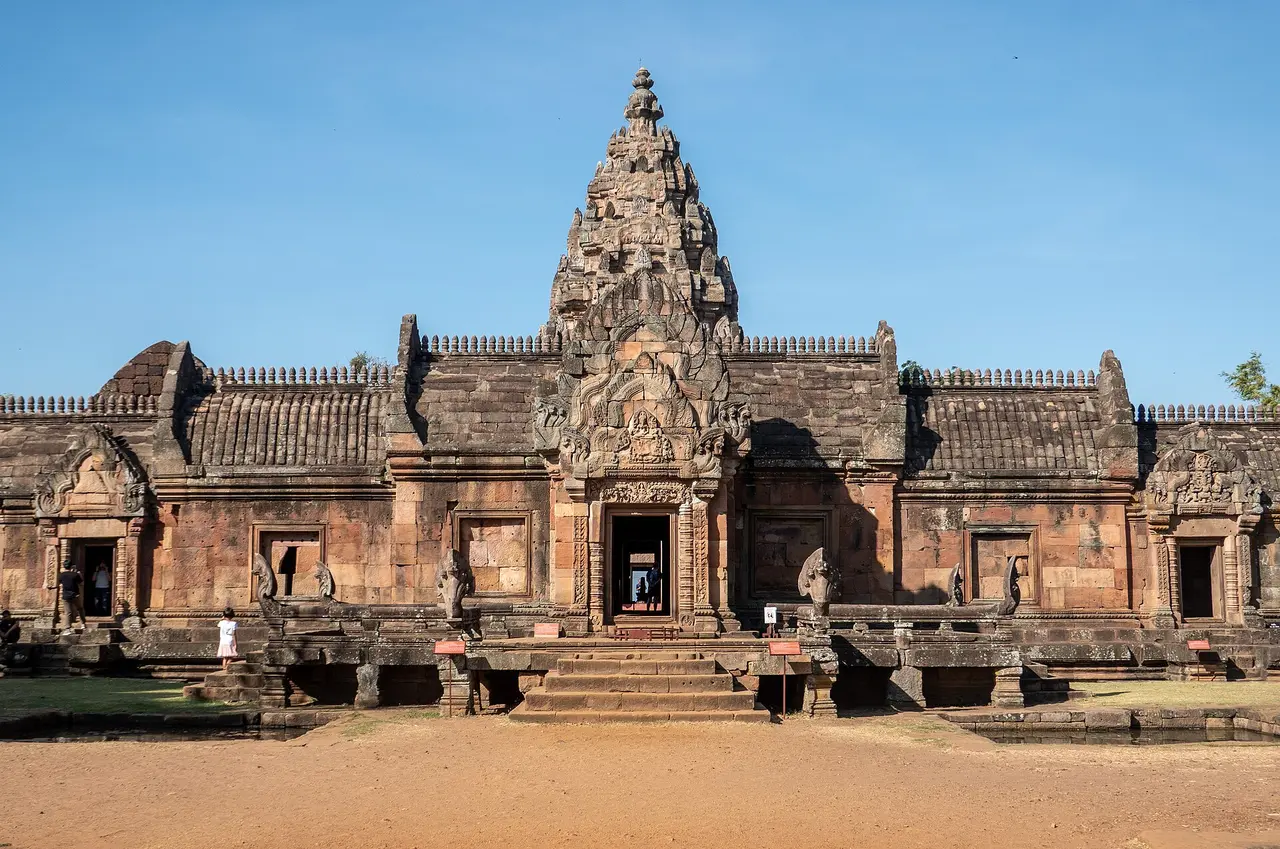
The Isan plateau, bordering Laos and Cambodia, receives a tiny share of visitors yet holds the finest Khmer temples in the country outside Angkor: Phanom Rung, set on an extinct volcano, and Phimai. People come for rural life, the night markets of Udon Thani or Khon Kaen and food spicier than elsewhere. Expect at least one domestic flight from Bangkok, as the train is slow. A 50 km strip along the Cambodian border is advised against.

The Andaman coast

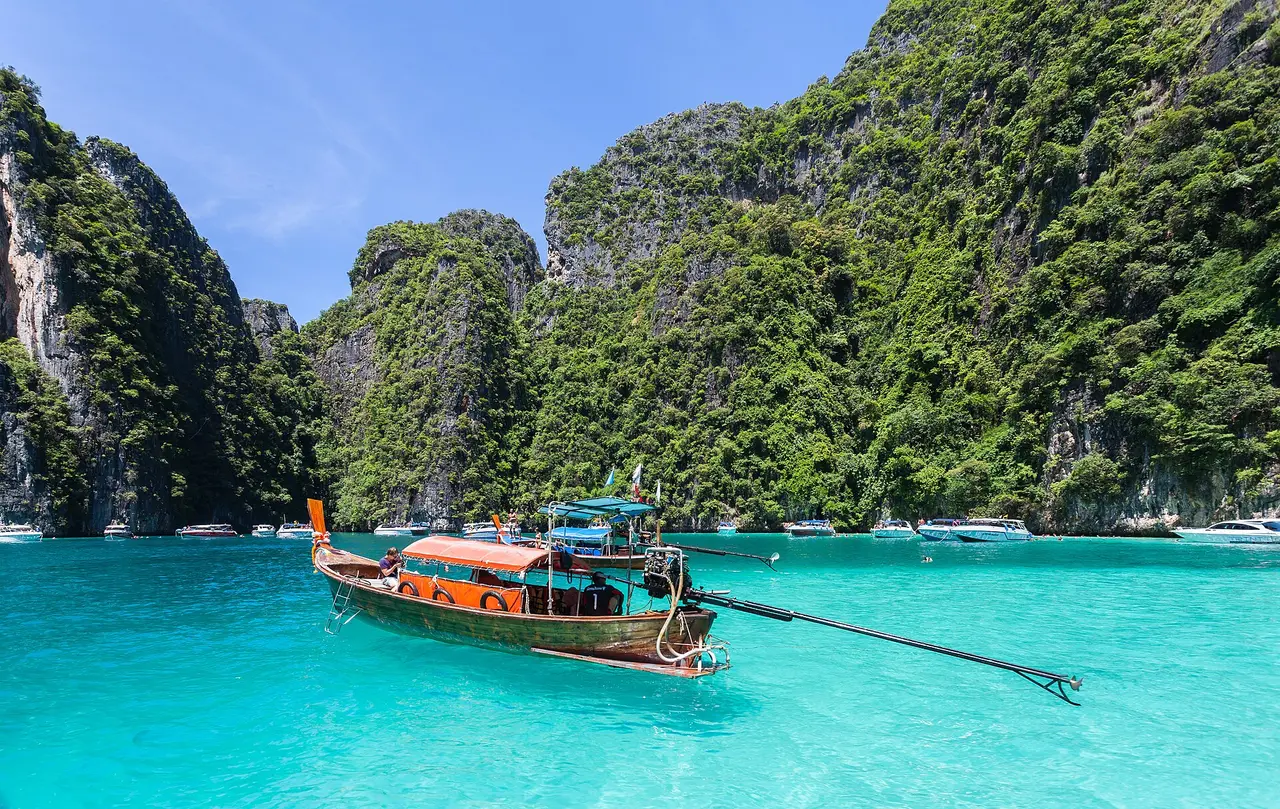
On the west side, Krabi, Phuket, Koh Phi Phi and Phang Nga Bay offer limestone cliffs, clear water and diving spots. The dry season runs from November to April; from June to October the southwest monsoon makes the sea rough and some boat services irregular. From Bangkok, count an 80-minute flight to Krabi or Phuket, then thirty to forty-five minutes of transfer. Three nights per island is enough to alternate tours and downtime.

The Gulf of Thailand and its islands

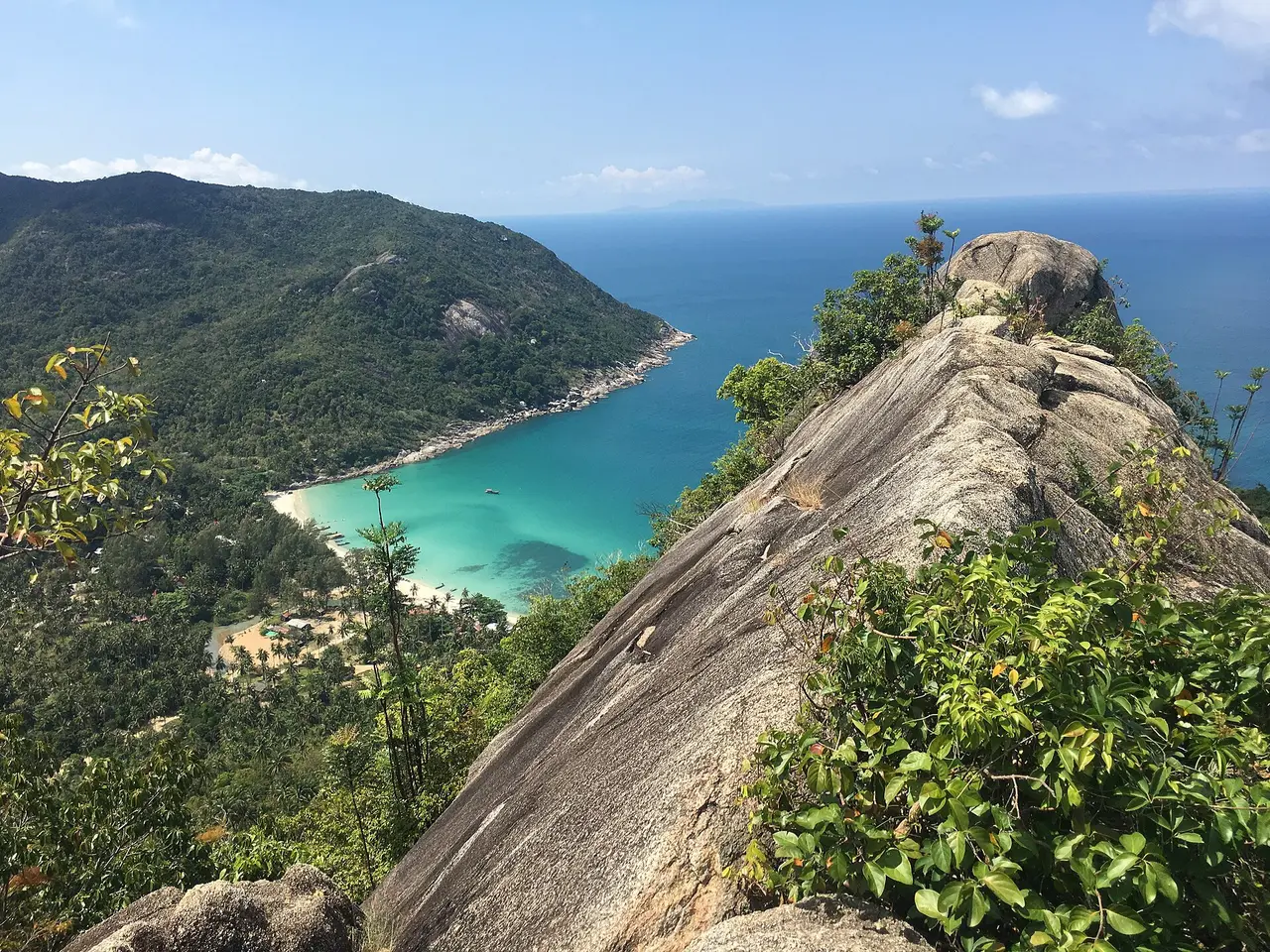
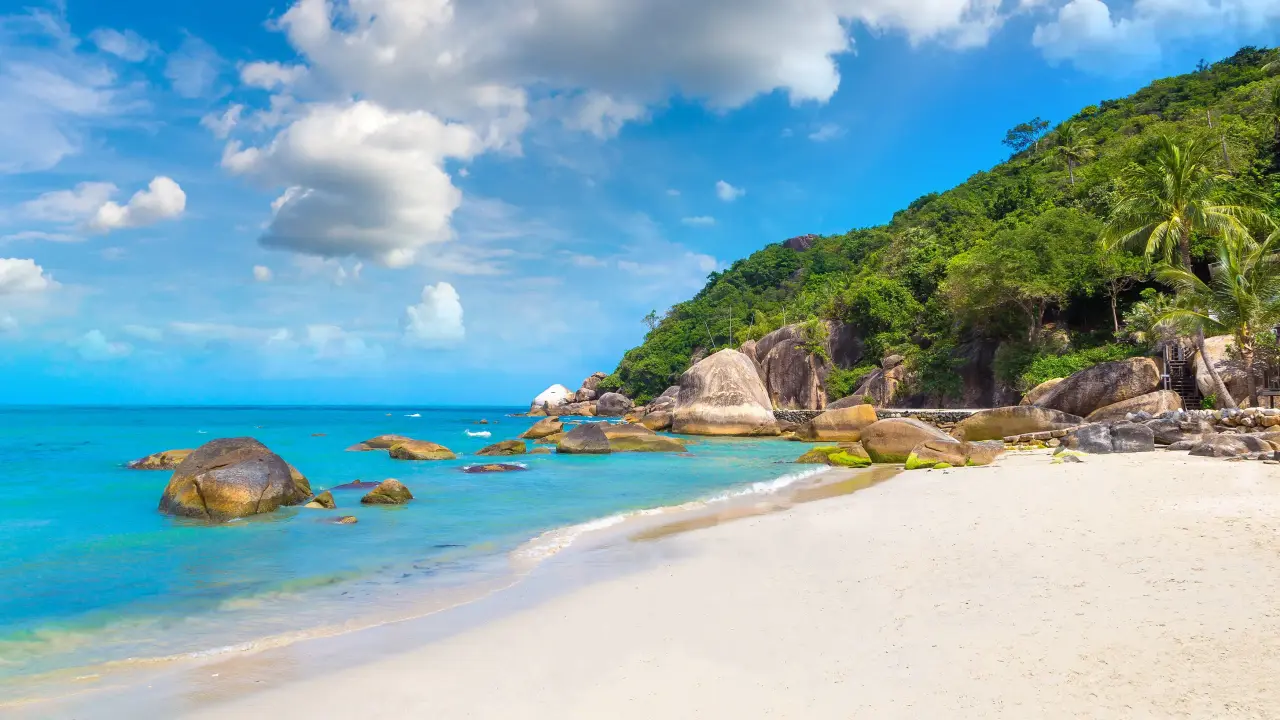
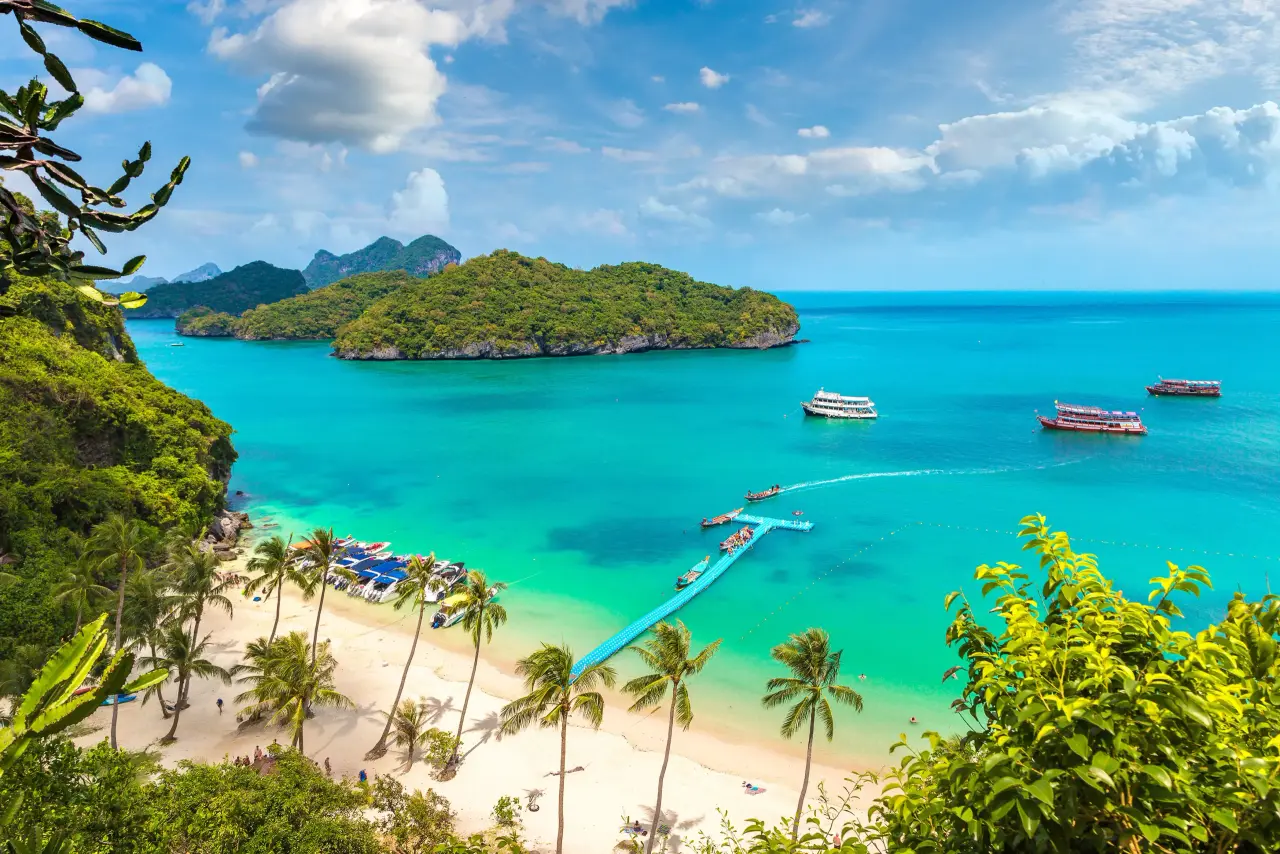
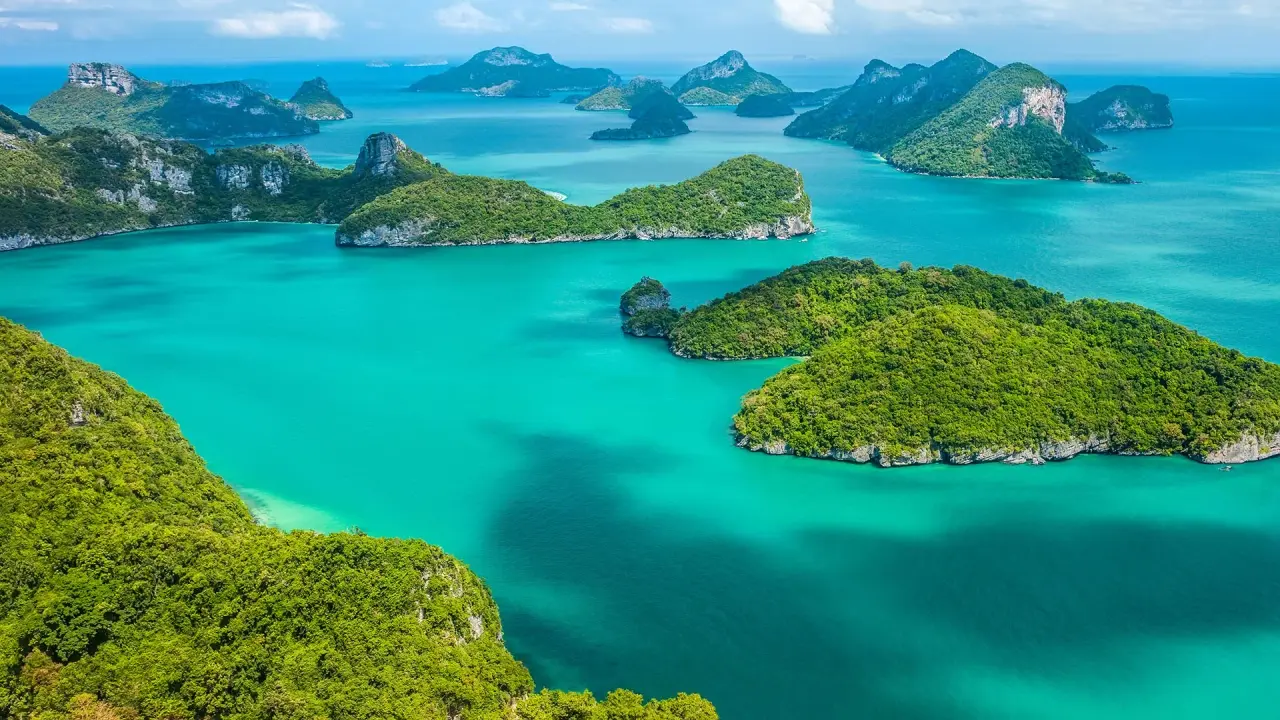
Koh Samui, Koh Pha Ngan and Koh Tao, east of the peninsula, follow a reversed calendar: fine weather runs from January to September, with the rainy season falling in October and November. Samui has an airport; the other two are reached by ferry in thirty to ninety minutes. Koh Tao is one of the cheapest places in the world to earn your first diving certification, in three to four days. Koh Pha Ngan is still known for its monthly Full Moon Party.

Street food and Buddhist culture

A street meal costs 1 to 3 euros and is eaten standing at any hour: pad thai, green curry, som tam, noodle soups. Bangkok has several street stalls recognised by the Michelin guide. Culturally, around 90% of Thais are Theravada Buddhists: in temples, shoulders and knees must be covered and shoes come off before entering. Songkran in mid-April and Loi Krathong in November are worth the trip but push prices up.

Cities to visit in Thailand

Featured destinations appear first.

Regions to explore in Thailand

Featured destinations appear first.

How much it costs

Per person per day, excluding international travel.
Budget
36 €/ day
1 704 € for 2 people, 7 days, return flights included
Accommodation
11 €
Food
12 €
Local transport
5 €
Sights and activities
8 €
Comfort
92 €/ day
2 488 € for 2 people, 7 days, return flights included
Accommodation
35 €
Food
25 €
Local transport
12 €
Sights and activities
20 €
Premium
220 €/ day
4 280 € for 2 people, 7 days, return flights included
Accommodation
90 €
Food
55 €
Local transport
30 €
Sights and activities
45 €
Prices checked: Relevé septembre 2026. Sources : agrégateurs de budgets voyage (hostelz.com, thaiholidayguide.com, radicalstorage.com, visitthailandtoday.com) pour l'hébergement, la nourriture et les transports locaux ; momondo, Skyscanner et Expedia pour un vol A/R Paris-Bangkok hors vacances scolaires (~600 € par personne, économie avec escale). Montants par personne et par jour, hors haute saison (novembre-février) et hors Songkran ; occupation double partagée pour comfort et premium, lit en dortoir pour backpacker. Cadré sur le circuit classique Bangkok - Chiang Mai - îles du Sud ; le baht peut varier de 5 à 10 % sur quelques mois.

Getting there

Airports serving Thailand, from main hubs to secondary ones.
  • BKKSuvarnabhumi AirportBangkokMain
  • CEIMae Fah Luang - Chiang Rai International AirportChiang RaiMain
  • CNXChiang Mai International AirportChiang MaiMain
  • DMKDon Mueang International AirportBangkokMain
  • HDYHat Yai International AirportHat YaiMain
  • HKTPhuket International AirportPhuketMain

Entry, health and safety

For FR travellers

Entry requirements

No visa for a tourist stay

Exemption de visa pour un séjour touristique de 30 jours maximum à compter du 15 septembre 2026 (contre 60 jours auparavant), prolongeable une fois de 30 jours dans un bureau d'immigration sur place (1 900 THB). Carte d'arrivée numérique (TDAC) obligatoire en ligne dans les trois jours avant l'arrivée. Maximum deux entrées par voie terrestre par année civile.

Stay allowed for up to 30 days.

Health

Alerte rougeole en cours (septembre 2026) et inondations dans le nord du pays. Les provinces du sud (Narathiwat, Pattani, Yala, Songkhla) sont formellement déconseillées en raison de mouvements séparatistes armés, et une bande de 50 km le long de la frontière cambodgienne est formellement déconseillée (mines, munitions non explosées).

Safety

Increased caution

Emergency

191

Checked in septembre 2026 against the official source. Entry rules change: check the official source before you travel, it alone is authoritative.

Thailand in pictures

Photo credits : Diego Delso, CC BY-SA 3.0, Wikimedia Commons ; Vyacheslav Argenberg, CC BY 4.0, Wikimedia Commons ; Philip Nalangan, CC BY 4.0, Wikimedia Commons ; This Photo was taken by Supanut Arunoprayote . Feel free to use any of my images, but please mention me as the, CC BY 4.0, Wikimedia Commons

Landmark sites

Nine places worth a detour on their own, from the central plain to the far South.

Grand Palace

Bangkok's former royal residence and its Emerald Buddha; covering clothing required, ticket office closes at 3:30pm.

Wat Pho

The temple of the 46-metre reclining Buddha, birthplace of traditional Thai massage, steps from the Grand Palace.

Wat Arun

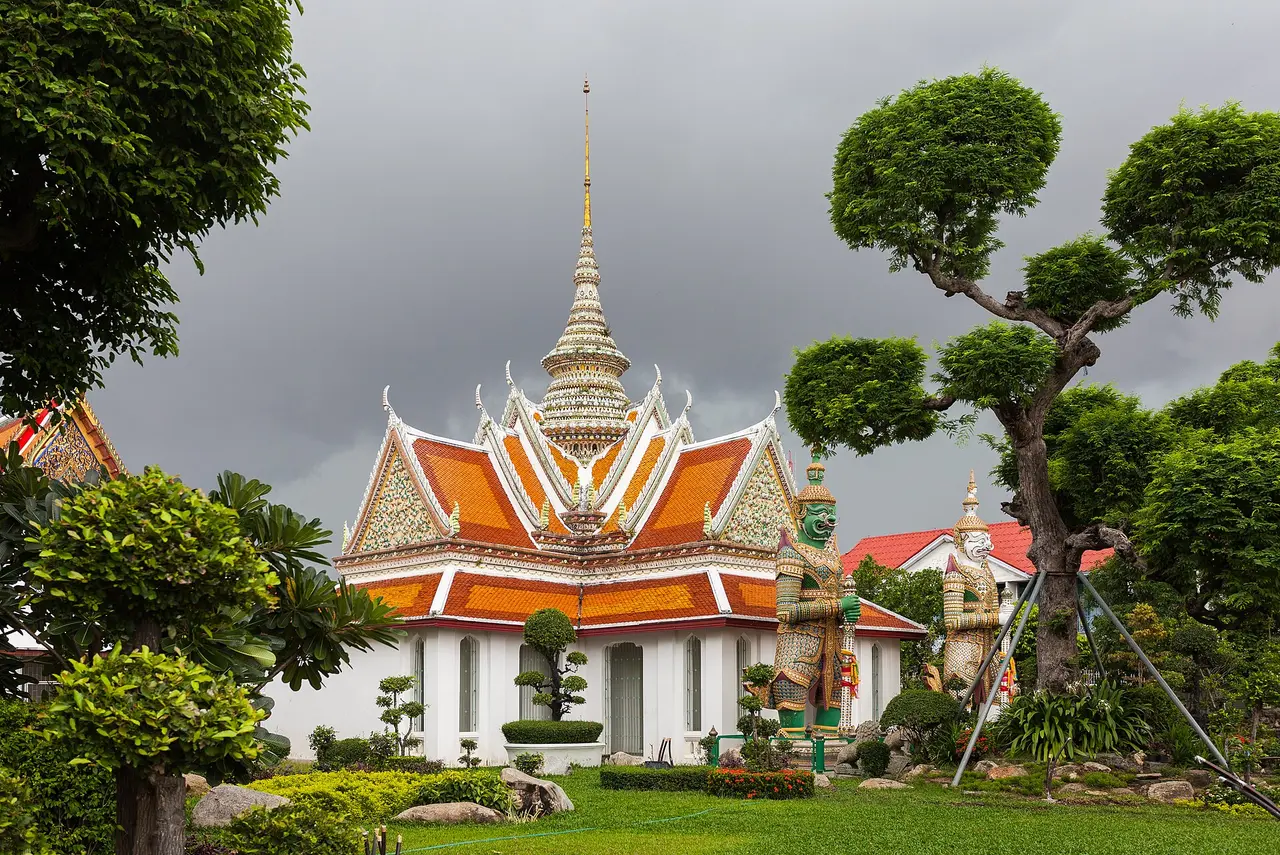
The temple of Dawn and its 70-metre porcelain-studded prang, striking at sunset seen from the east bank.

Ayutthaya Historical Park

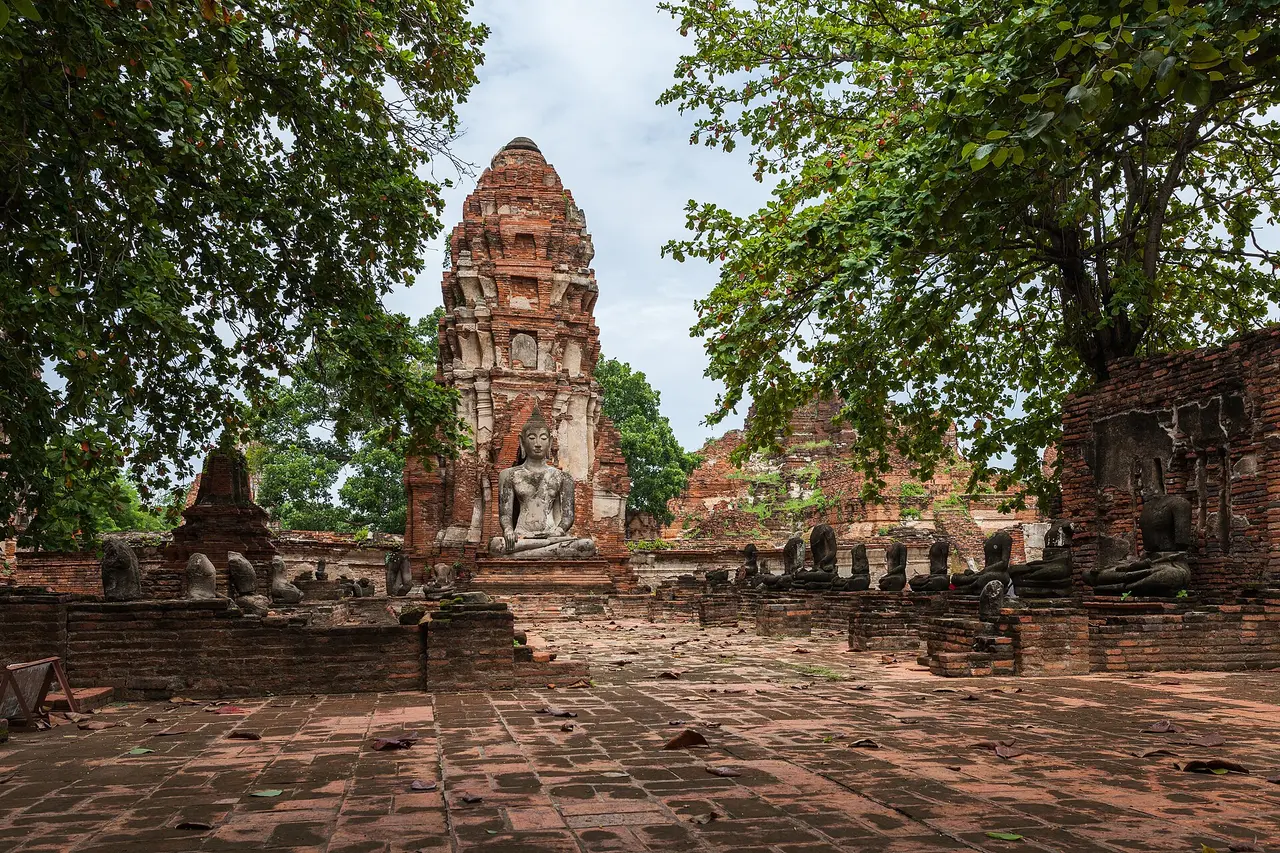
The ruins of the former Siamese capital, including the Buddha head held in tree roots at Wat Mahathat, UNESCO-listed.

Wat Rong Khun

Chiang Rai's White Temple, a contemporary work by artist Chalermchai Kositpipat, entirely white and mirror-clad.

Doi Inthanon

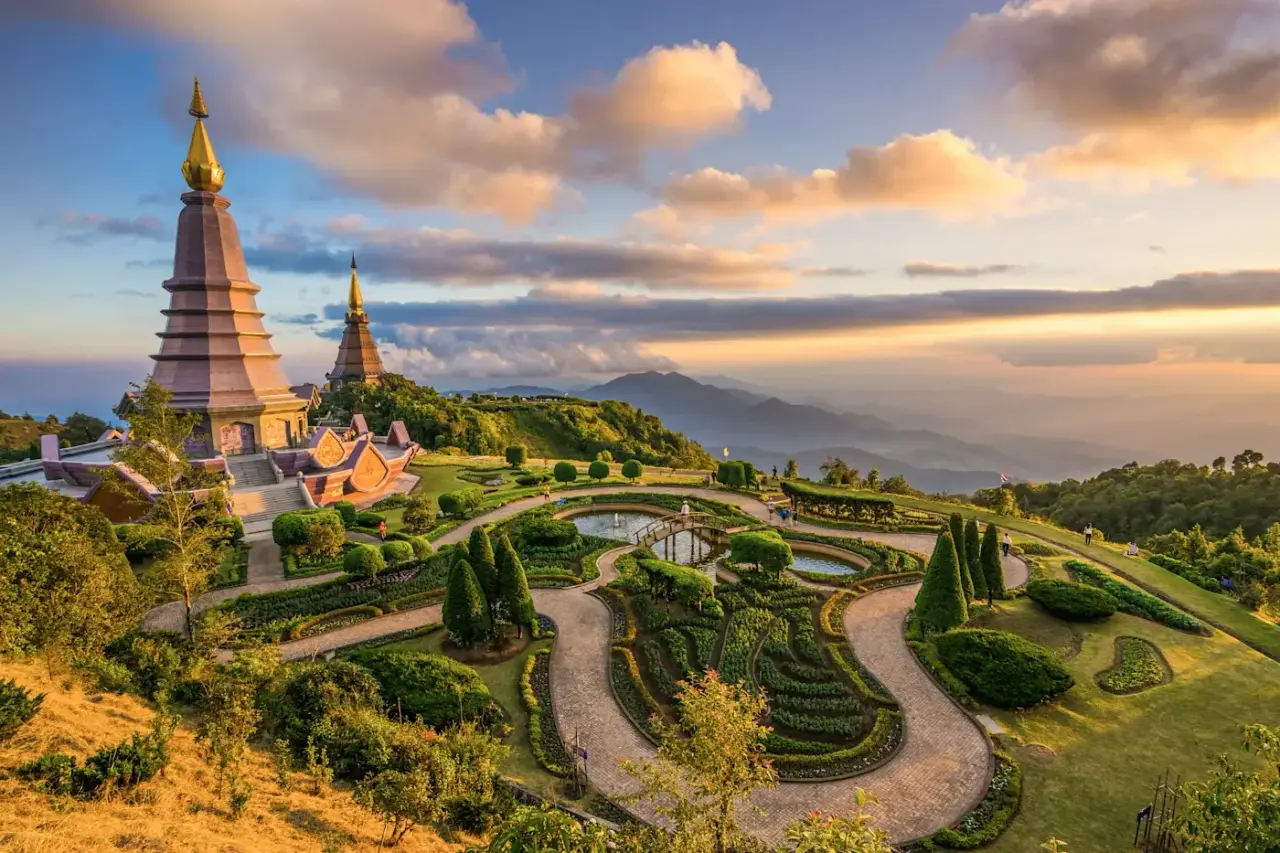
The country's highest point at 2,565 metres, its two royal pagodas and cloud-forest trails, near Chiang Mai.

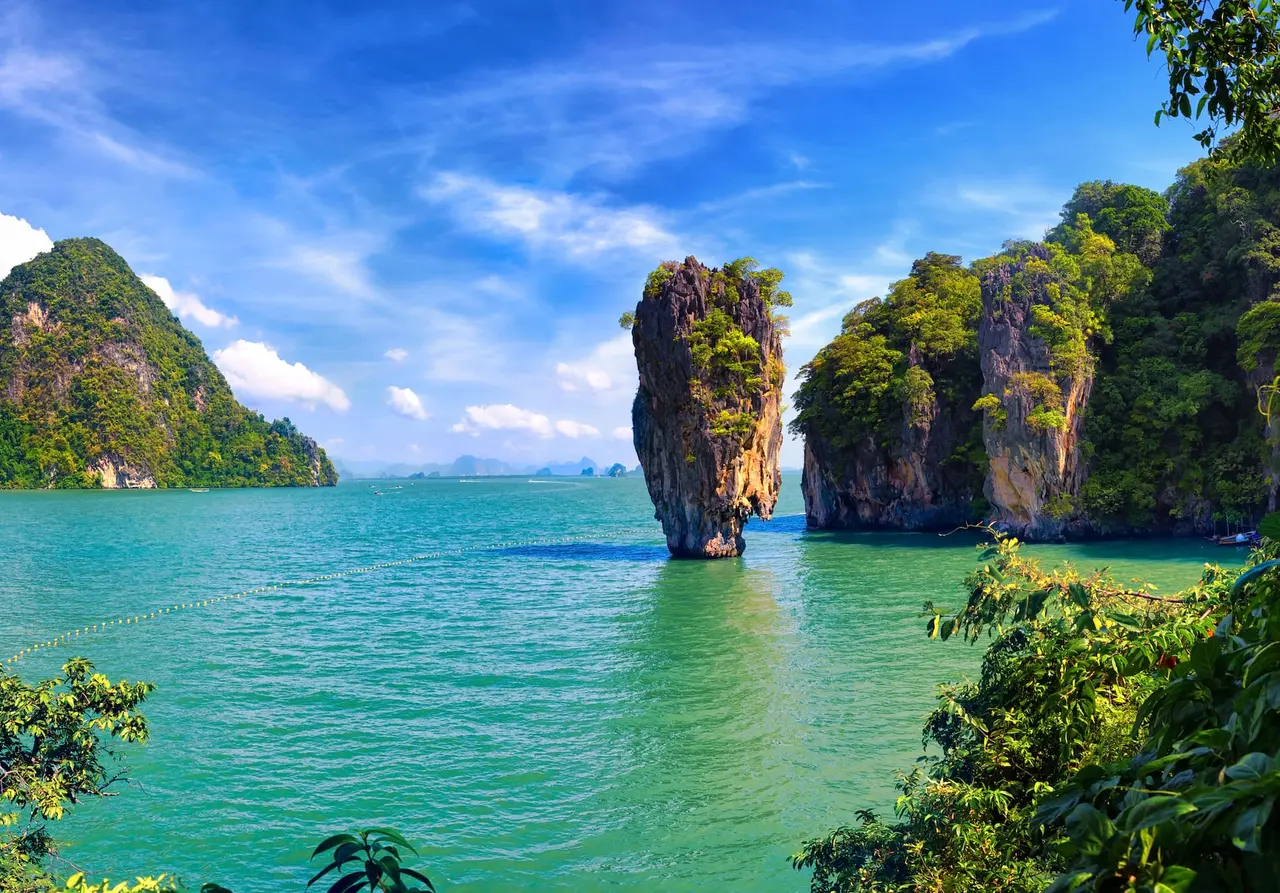
Phang Nga Bay

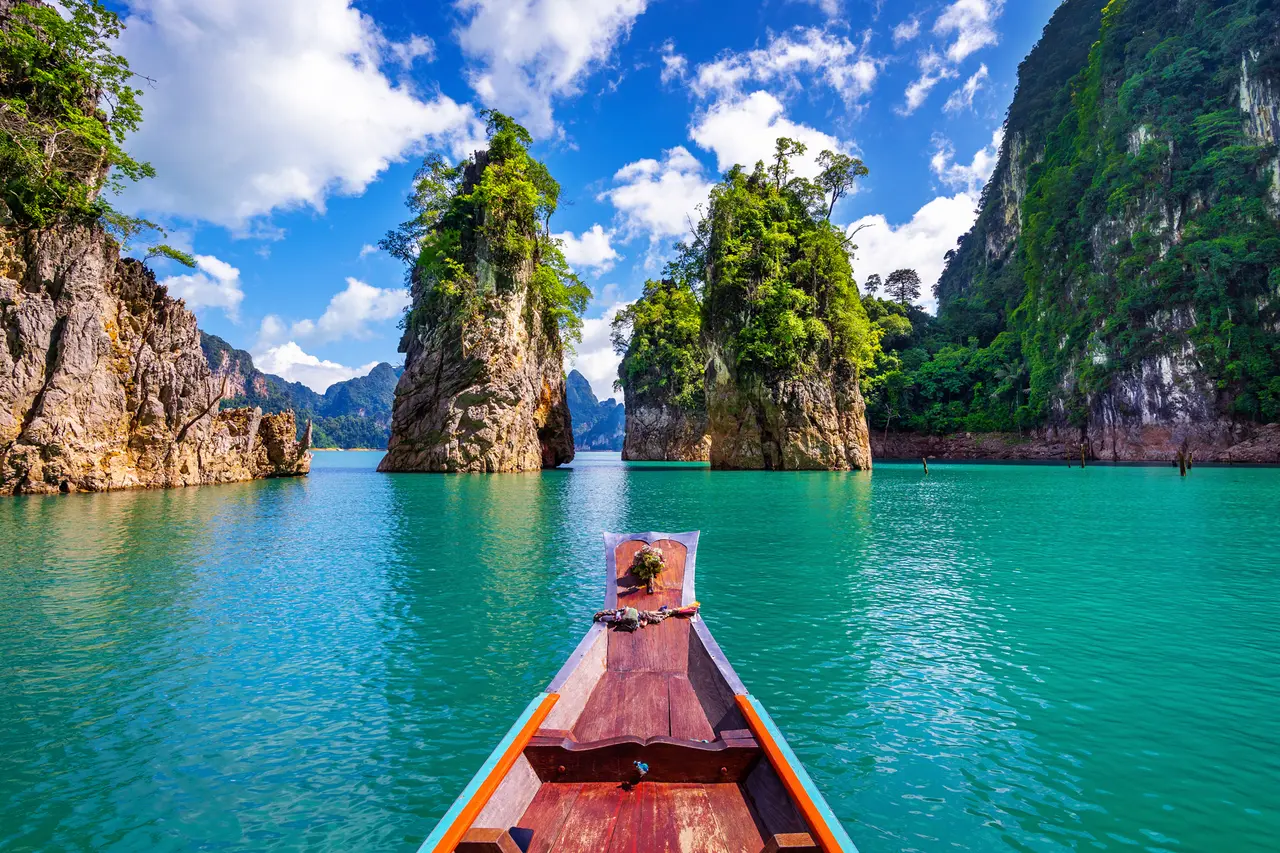
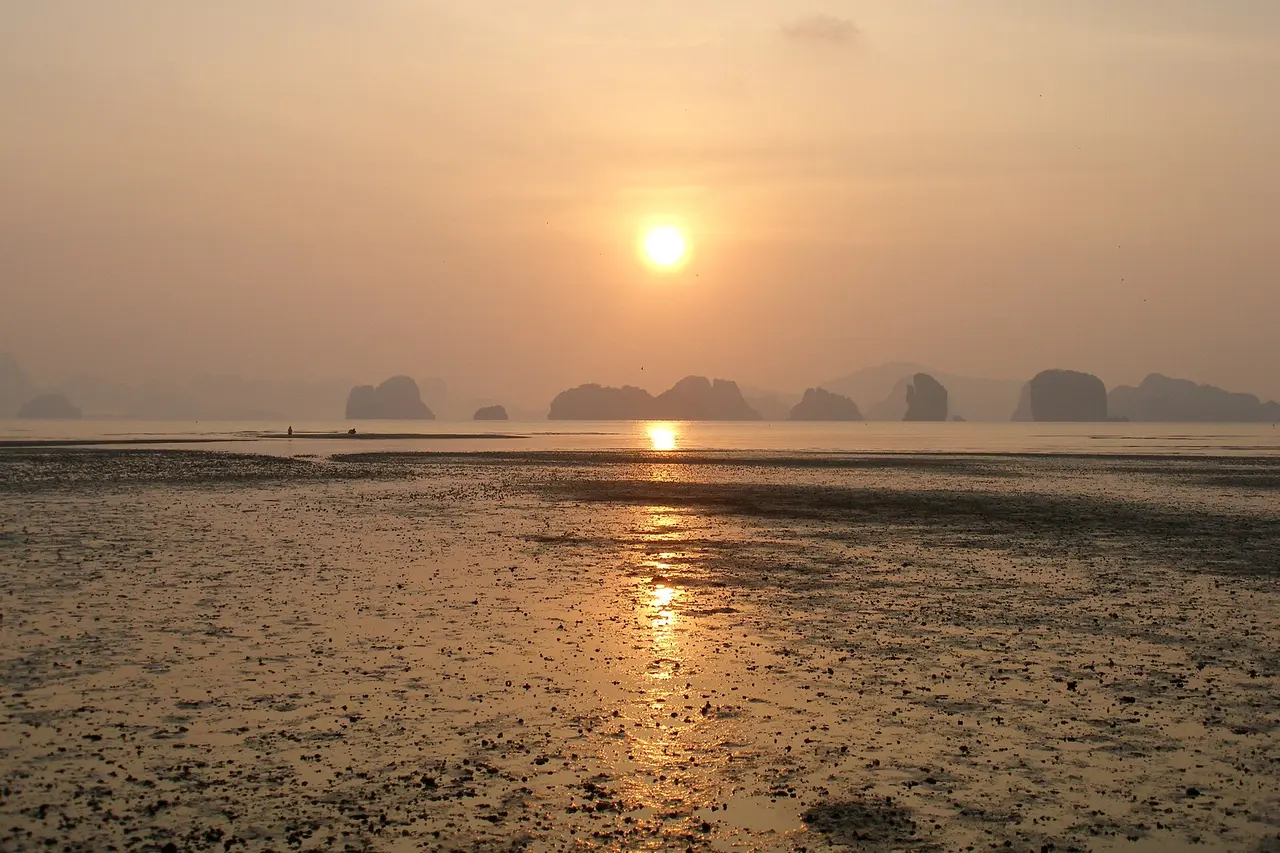
About a hundred limestone towers rising from calm sea, best explored by kayak from Phuket or Krabi.

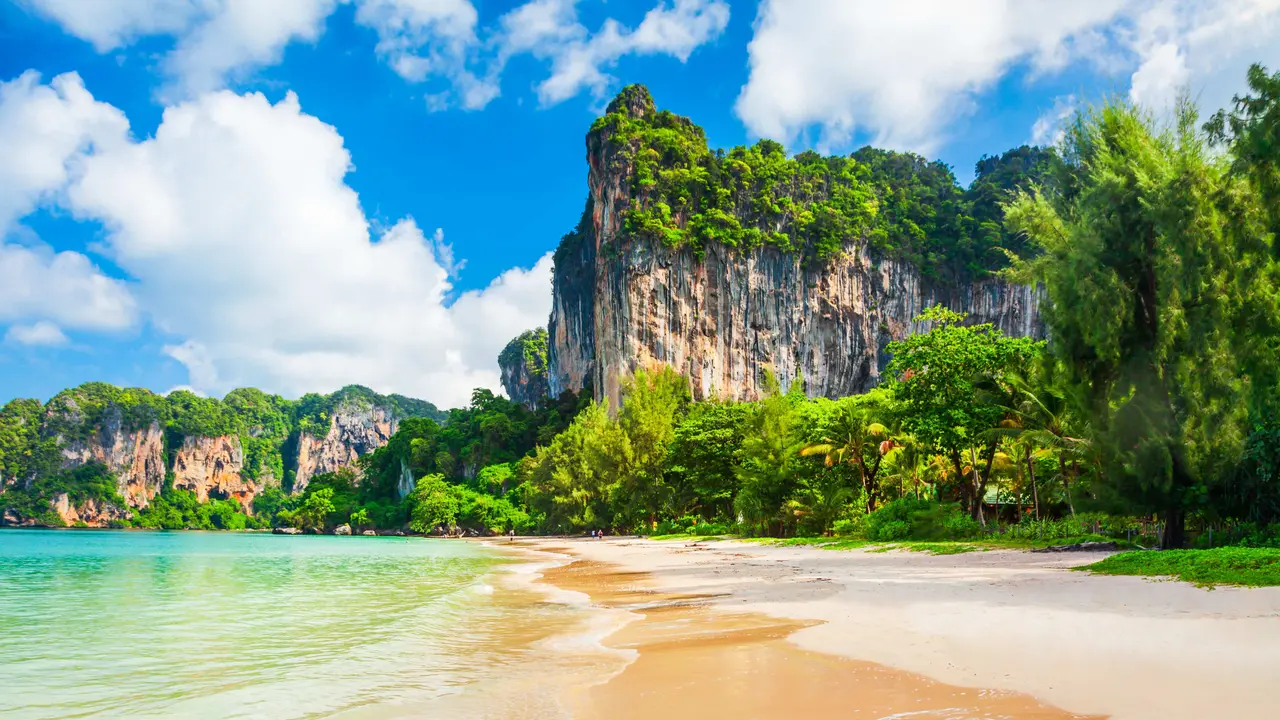
Railay

A peninsula reachable only by boat, famous for cliff climbing and Phra Nang beach.

Sukhothai Historical Park

The first Thai capital, its monumental Buddhas and lotus ponds, best seen by bike, UNESCO-listed.

Practical information

Capital
Bangkok, the main international entry point, with Suvarnabhumi airport and Don Mueang for domestic flights.
Currency
Thai baht (THB). Cash is essential at markets and on the islands; the domestic mobile-payment system is spreading but rarely accepts foreign cards.
Time difference
UTC+7, that is 5 hours ahead of France in summer and 6 in winter. Thailand does not change its clocks.
Power sockets
Types A, B and C at 230 V; a universal adapter covers every case, as most sockets take flat and round pins alike.
Tap water
Not drinkable anywhere, including Bangkok. Bottled water costs a few baht; many places offer refill stations.
TDAC arrival card
The Thailand Digital Arrival Card must be completed online within the three days before arrival, whether you come by air, land or sea.
Temple dress code
Shoulders and knees covered for everyone, shoes removed before entering prayer halls. Sarongs are sometimes lent at the entrance.
Lese-majesty
Criticising or disrespecting the monarchy is a criminal offence with heavy penalties. Never step on a banknote, which bears the king's image.
E-cigarettes
Sale, import and possession of vapes are banned and can lead to a fine or confiscation. Smoking is banned on many beaches.
Rainy season
Southwest monsoon from May to October over most of the country; the gulf coast (Samui, Pha Ngan) is offset, peaking in October and November.

Similar destinations

Other countries you might like as much as Thailand.

Similar regions

Other regions you might like as much as Thailand.

Frequently asked questions

How many days to combine Bangkok, the North and the islands?
Two weeks is the realistic minimum: three nights in Bangkok, three in Chiang Mai, the rest on one or two islands. To add Chiang Rai and a second island without rushing, allow three weeks. In one week, drop the South.
Should I choose the Andaman coast or the Gulf of Thailand?
It depends on the season. From November to April, favour the Andaman (Krabi, Phuket, Phi Phi). From January to September, the gulf (Koh Samui, Pha Ngan, Tao) is the safer weather bet. Avoid the gulf in October and November, its rainy season.
Does the new 30-day visa-free rule change my stay?
Since 15 September 2026, the tourist visa exemption has dropped from 60 to 30 days for French and Canadian passport holders alike. It can still be extended once by 30 days at an immigration office for 1,900 baht. Beyond that, a visa is required.
Is Songkran worth it, or should I avoid mid-April?
Songkran, the Thai New Year from 13 to 15 April, turns cities into giant water fights, a unique experience in Chiang Mai. The downside: it is the hottest month, transport is packed and prices rise. Keep your phone and documents in a waterproof pouch.
Are the elephant sanctuaries near Chiang Mai ethical?
Not all of them. Avoid places offering riding, shows or painting acts. Choose those where you watch and feed the animals without mounting them, often advertised as no-riding, and check recent reviews before booking.
What is the TDAC arrival card and when do I fill it in?
The Thailand Digital Arrival Card has replaced the paper form. Fill it in for free on the official immigration site within the three days before arrival. A confirmation or QR code is checked at immigration; beware of paid third-party sites.
Does the deep south (Yala, Pattani, Narathiwat) affect a normal trip?
No. These three provinces bordering Malaysia, formally advised against because of a separatist conflict, are on no tourist route. The gulf islands, Phuket, Krabi and Hat Yai are not part of that area and have no connection to it.
Can I pay by card everywhere or do I need cash?
Hotels, malls and tourist restaurants take cards, often with a 3% fee. Markets, street food, tuk-tuks, ferries and guesthouses are cash only. Withdraw baht from ATMs, which charge a fixed fee of about 220 baht per transaction.

Plan your trip to Thailand

Day-by-day itinerary, budget, bookings and packing in a single app.
Aperçu de l'application PlanTripNow