Skip to content

Visit Tunisia: Medinas, the Sahara and the Mediterranean

From the Tunis medina to the Douz dunes, by way of the El Jem amphitheatre and the beaches of Djerba, Tunisia packs three thousand years of history and strikingly varied landscapes into a country you can cross in ten days.
  • 2 cities

At a glance

Currency
Tunisian Dinar
Time difference
UTC+1
Visa
None
Tourist stay of up to 90 days
7-day budget
€504
Per person, comfort profile, excluding international flights.

Why visit Tunisia?

Tunisia brings together UNESCO-listed Punic and Roman sites, living medinas, Saharan oases and dunes, and more than 1,000 km of Mediterranean coastline in a single itinerary. Close to Europe, French-speaking and affordable, it works equally well for a one-week break or a two-week grand tour.

When to visit Tunisia

Temperatures, rainfall and crowds month by month, to pick your window.
When to visit Tunisia
MonthTemperaturesRainCrowdsVerdict
January8 to 16 °C8 dVery quietThe wettest month in Tunis, yet ideal for crowd-free Carthage and the medina, and for the sunny Saharan south.
February8 to 17 °C8 dVery quietSea at 14 °C and cool nights: come for the Roman sites and the desert, not the beach.
March10 to 19 °C6 dQuietSpring settles in, the northern hills turn green and the Tozeur oases reach 25 °C by day.
April12 to 22 °C6 dModerateAn excellent month for a full loop, from Dougga to Chott el-Jerid, before the heat; busier over Easter holidays.
May15 to 27 °C4 dModerateDry, bright weather and a first swim for the brave; the desert starts to feel stifling in the afternoon.
June19 to 31 °C2 dBusyBeach season begins in Hammamet and Djerba, with hotels still cheaper than in July.
July22 to 34 °C0 dPackedPeak summer: 34 °C in Tunis, over 40 °C in the south, and coasts packed with holidaymakers and the diaspora.
August23 to 35 °C2 dPackedThe warmest sea of the year but prices at their peak; forget midday sightseeing at the ruins.
September21 to 31 °C5 dModerateThe best compromise: sea still at 25 °C and thinning crowds, though the first storms can be violent late in the month.
October17 to 27 °C6 dModerateA mild late season that reopens the south: Matmata, Ksar Ghilane and the dunes become doable again.
November13 to 22 °C7 dQuietDate harvest in the oases and camel-trek season; on the coast, swimming becomes hit and miss.
December9 to 18 °C8 dQuietA rainy north, but the International Festival of the Sahara in Douz and year-end holidays liven up Tozeur.
Source: Cadré sur Tunis et la côte nord-est (Cap Bon, Hammamet, Sousse). Normales de la station Tunis-Carthage (Institut national de la météorologie, reprises par Wikipédia), température de la mer relevée sur le golfe de Tunis, consultation septembre 2026. Le Sud saharien (Tozeur, Douz) est nettement plus chaud l'été et plus froid la nuit en hiver ; Djerba garde une mer plus chaude de 1 à 2 °C.

What to discover in Tunisia?

Tunis, the medina and the Bardo Museum

The UNESCO-listed Tunis medina is best explored on foot, from the Bab el Bhar gate to the Zitouna mosque, through the covered souks of perfume makers, chechia hat makers and weavers. Set aside half a day for the Bardo Museum, home to one of the richest collections of Roman mosaics anywhere. In the evening, Avenue Bourguiba and its cafes take over. Tunis remains the most convenient gateway, with direct flights from Paris from about 150 € return outside school holidays.
Carthage and Sidi Bou Said

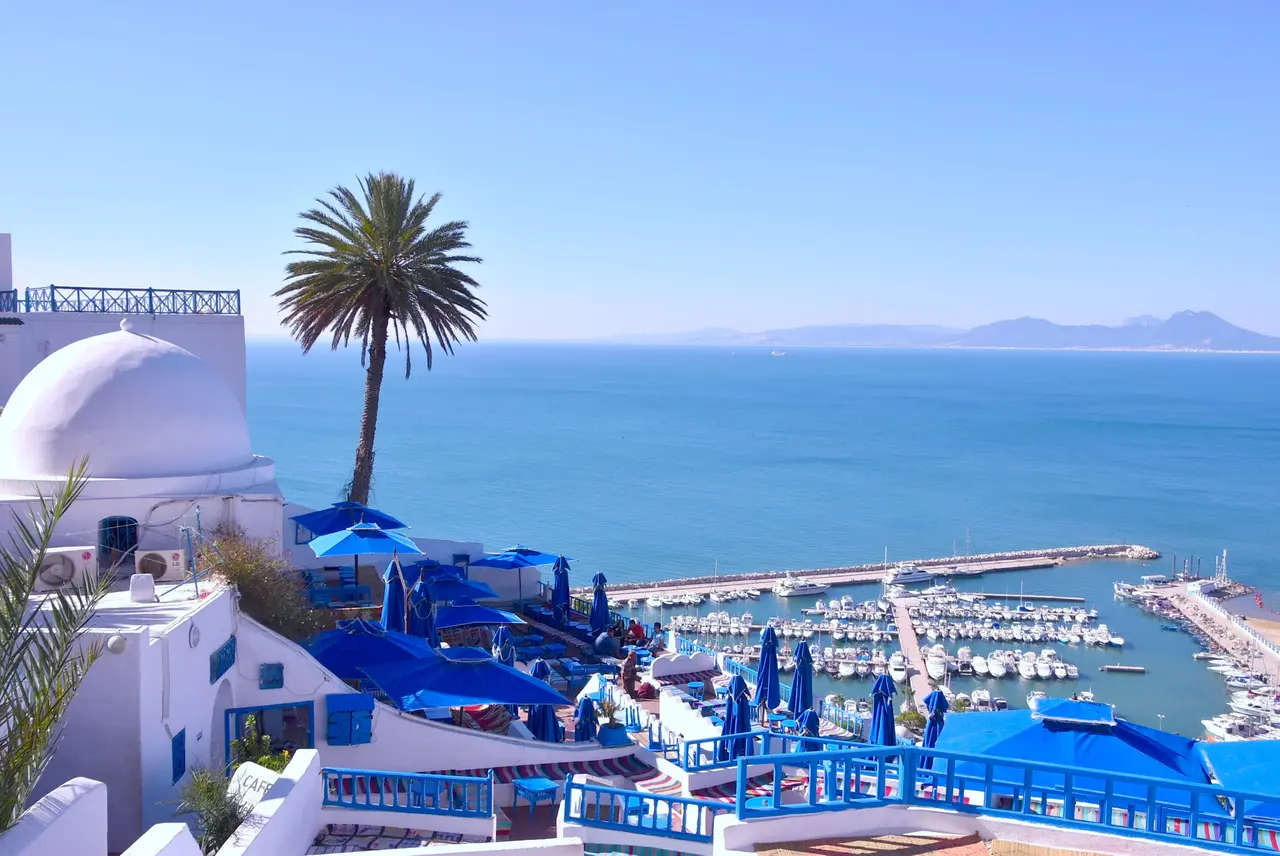
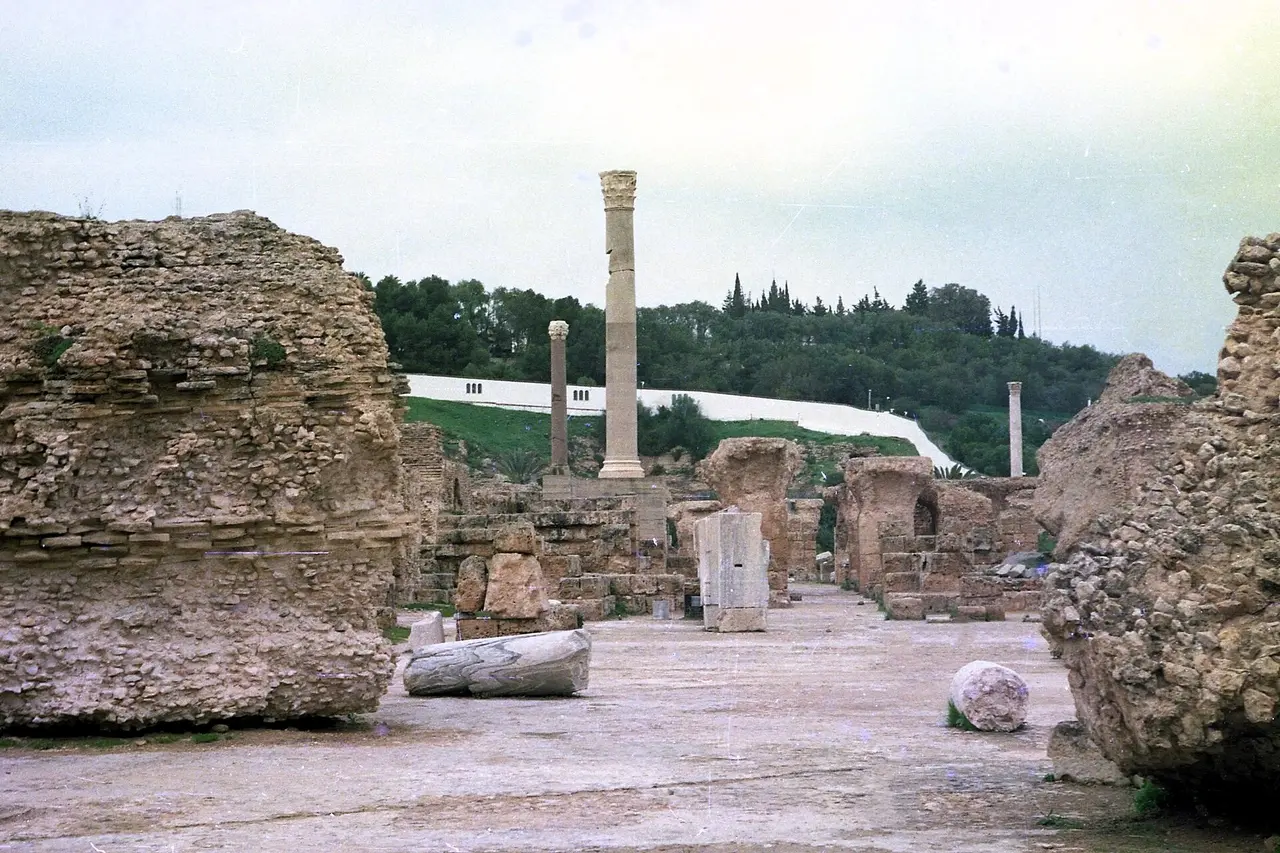
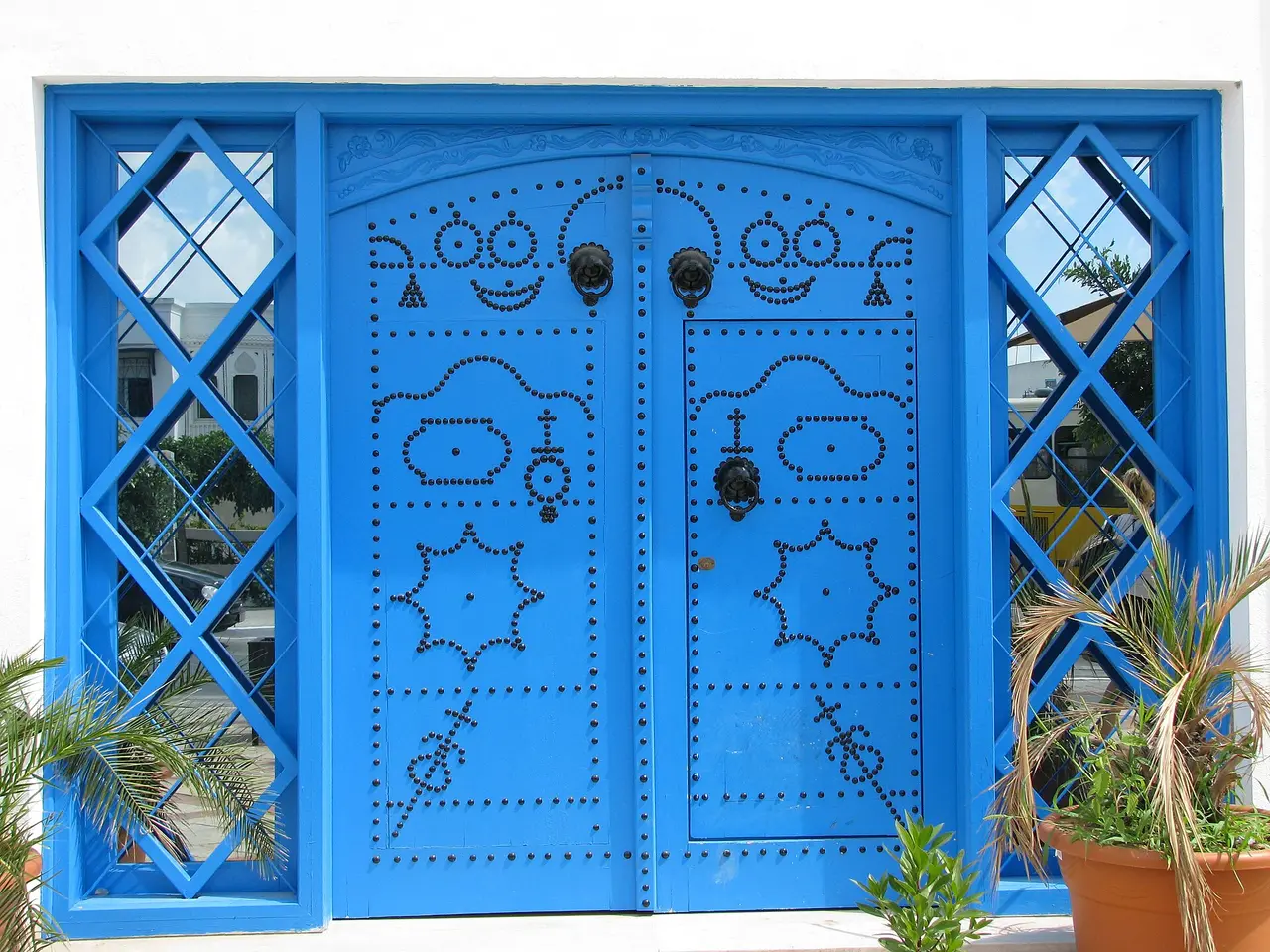
Twenty minutes from the centre on the TGM light rail, the ruins of Carthage spread along the bay: the seafront Antonine Baths, the Punic ports and Byrsa Hill with its museum. Continue to Sidi Bou Said, a hilltop village of white walls and blue doors, where pine-nut tea is sipped on terraces at sunset. Allow a full day for both, and avoid weekends, when local families from Tunis fill the narrow lanes and the cafe terraces.

Kairouan and El Jem, the great stops of the centre

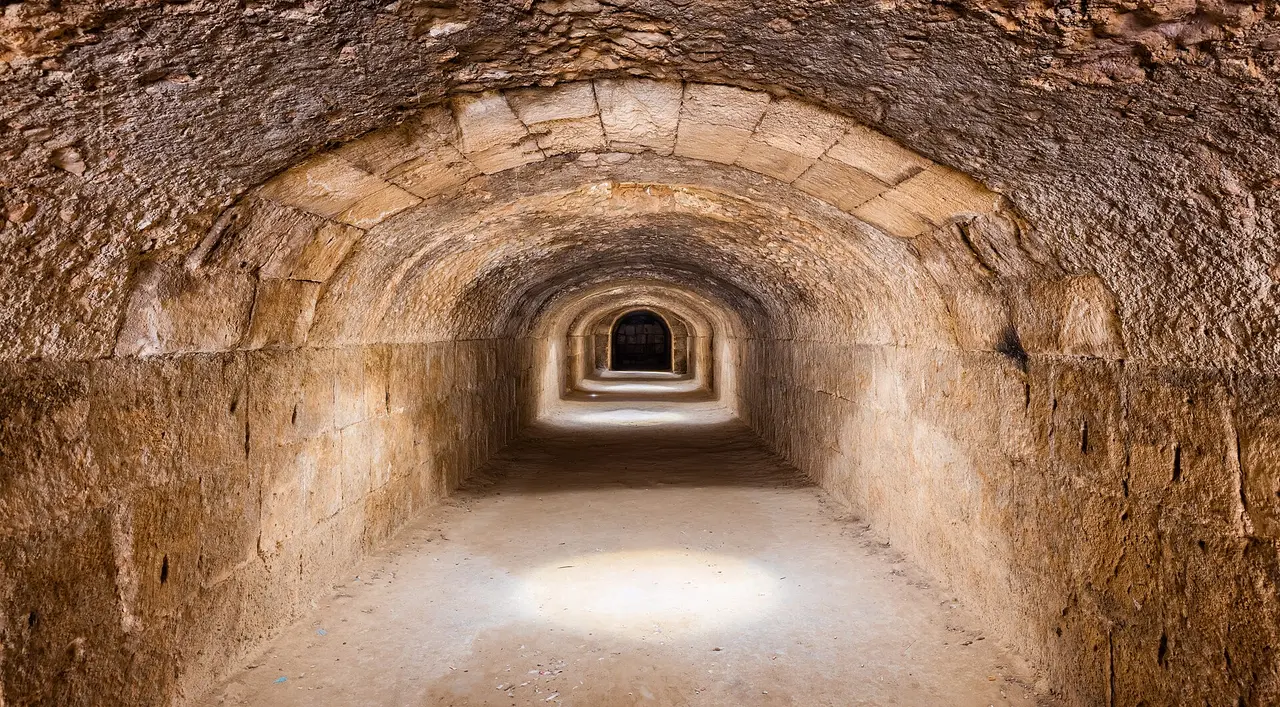
Kairouan, the fourth holiest city in Islam, holds the oldest mosque in the Maghreb, a walled medina and the Aghlabid basins. An hour and a half away by road, the El Jem amphitheatre once seated 35,000 spectators and remains one of the best preserved in the Roman world. Both fit easily on the road south, or as a day trip from Sousse or Mahdia; visit El Jem in the late afternoon, when the stone turns golden.

The Saharan south: Tozeur, Douz and Matmata

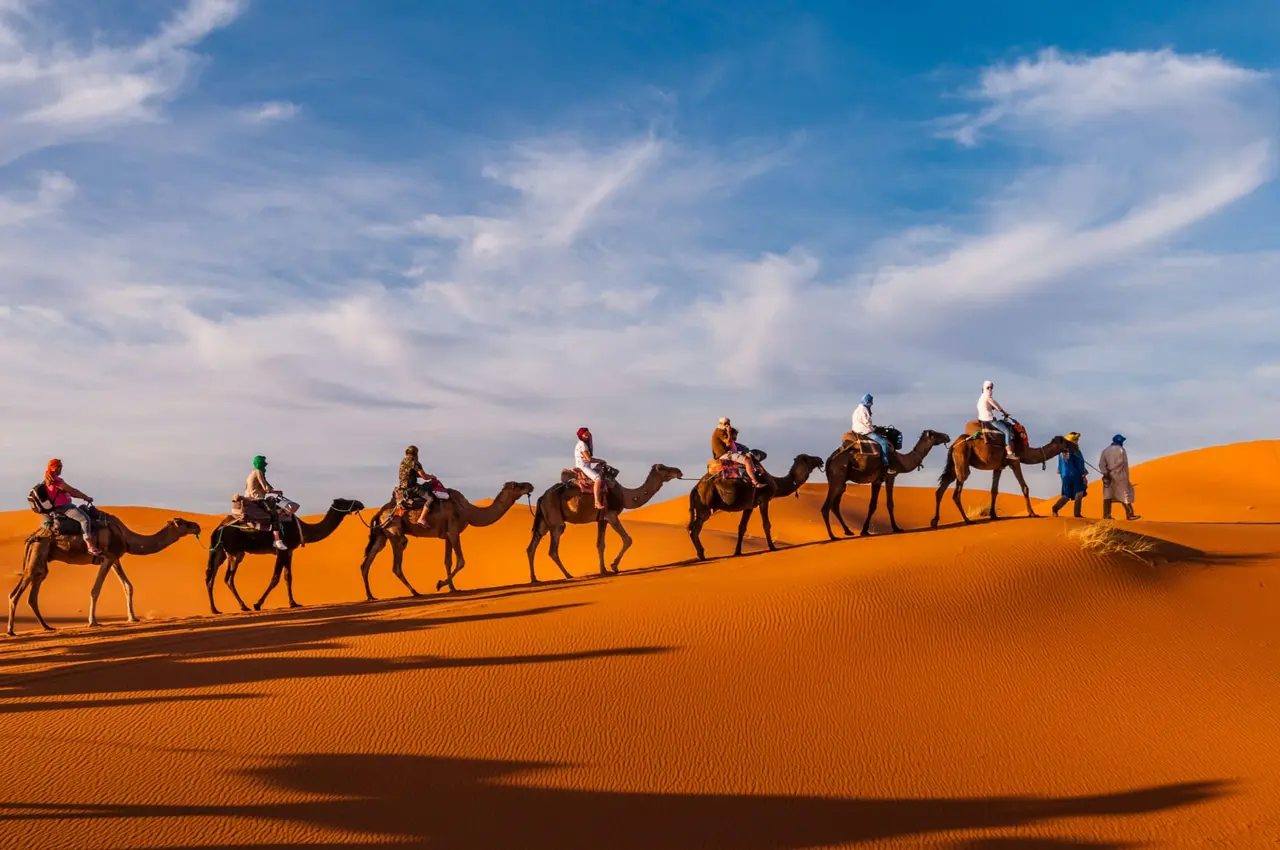
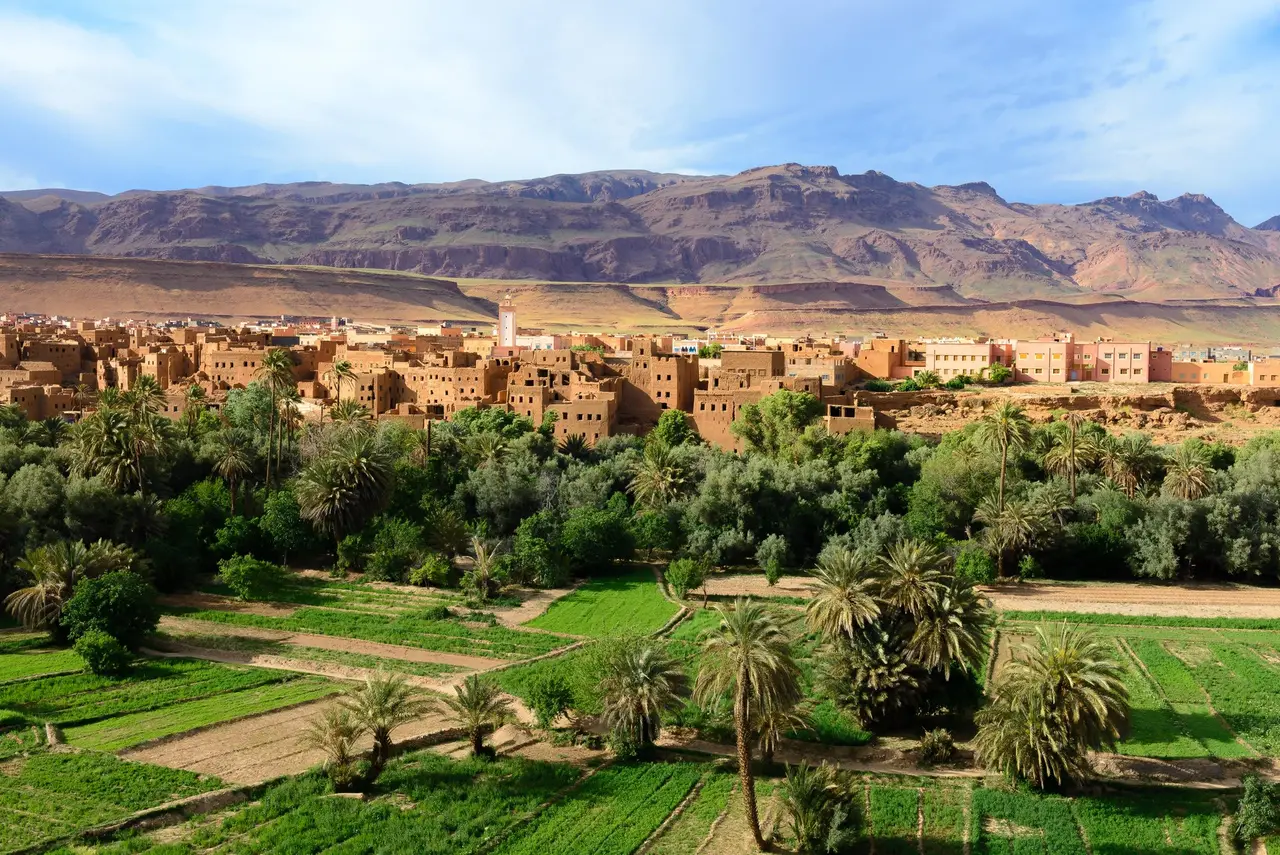
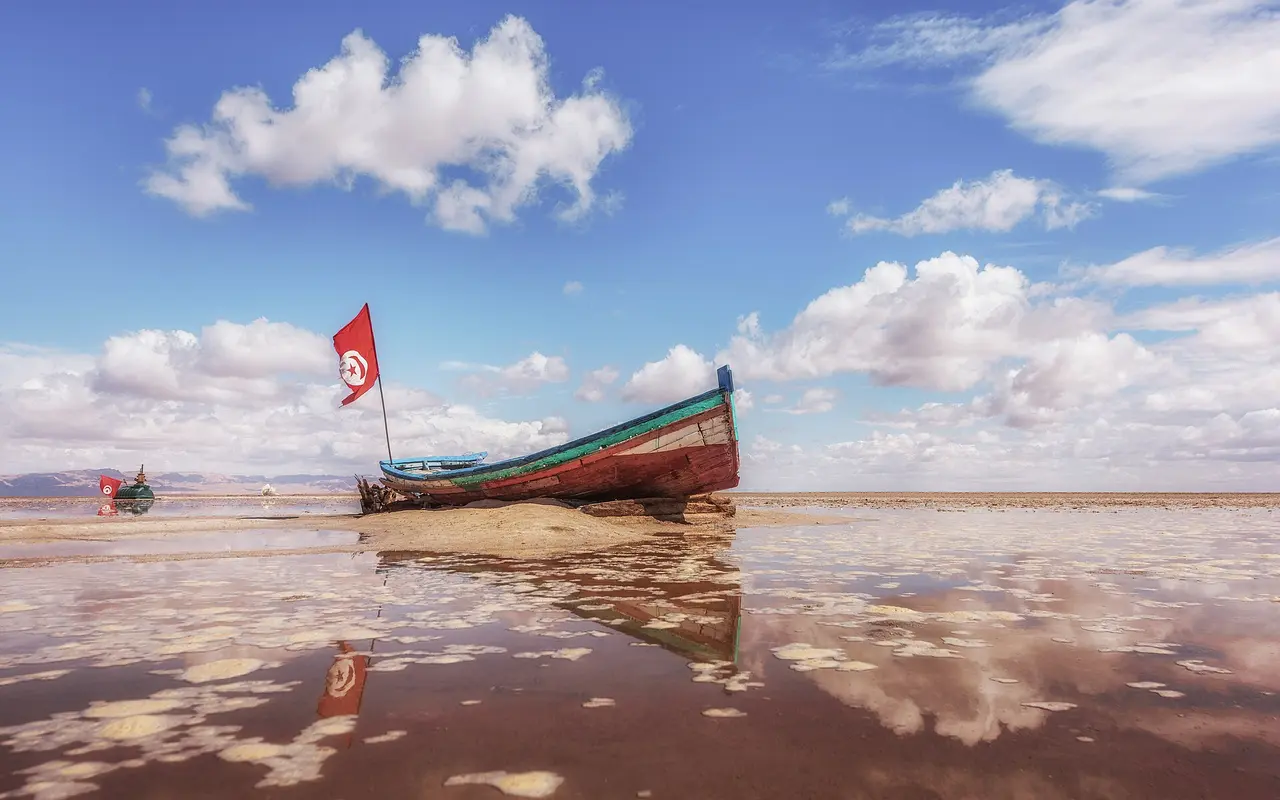
The south is best from October to April, when days stay mild and nights cool. Tozeur is the base for its palm grove and the mountain oases of Chebika, Tamerza and Mides. The causeway across Chott el-Jerid then leads to Douz, gateway to the Grand Erg Oriental, for a night at a desert camp among the dunes. Matmata and its troglodyte homes complete the loop. The far south, a military zone along the Libyan and Algerian borders, remains strongly advised against by the French authorities.

Djerba and the Mediterranean coast

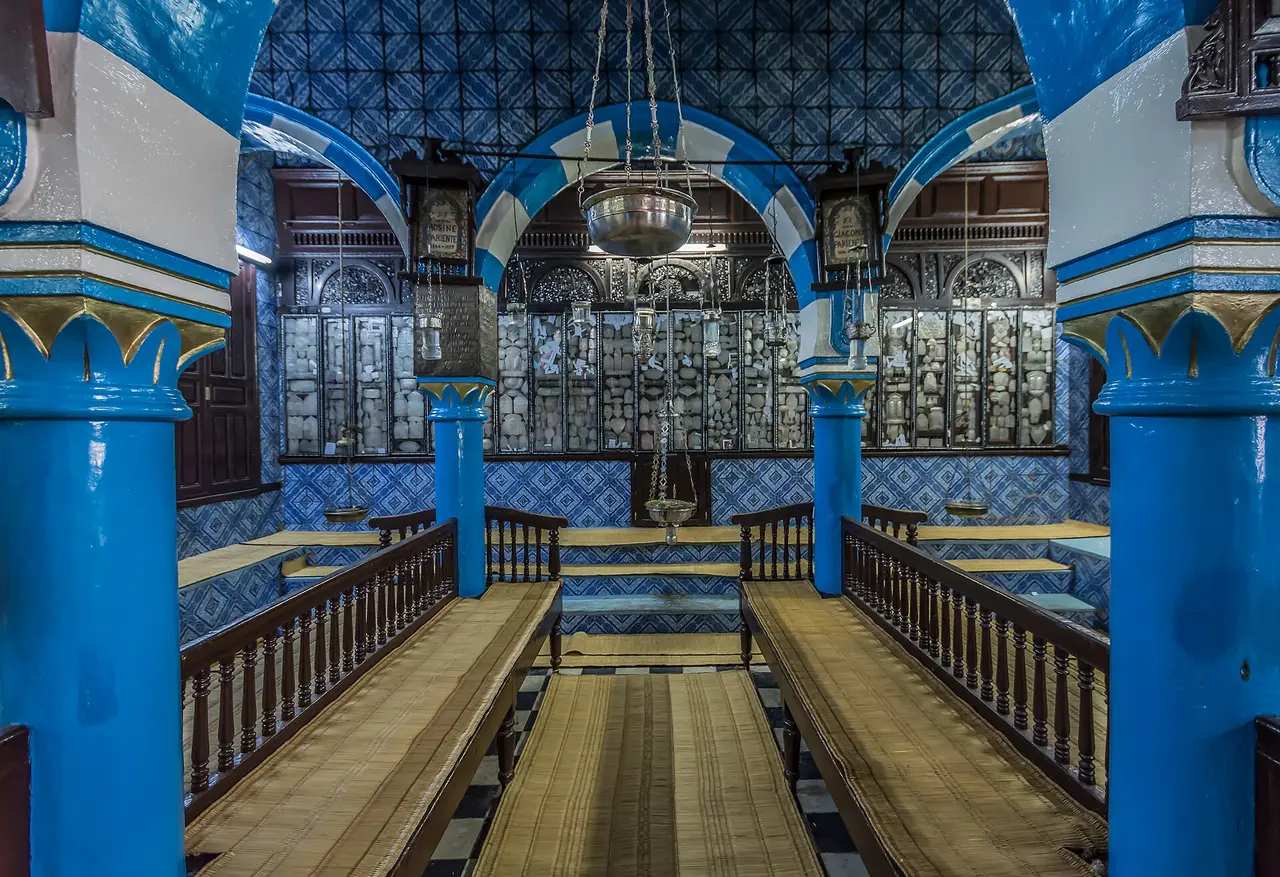
Djerba, linked to the mainland by the Ajim ferry and a Roman causeway, combines fine sandy beaches, potters' villages, the Ghriba synagogue and street-art murals in Erriadh. Further north, the Sahel coast strings together Sousse, Monastir and Mahdia, more urban but well served by train. The sea is still above 25 °C in September, the ideal month for swimming without the July and August crowds. To extend a Mediterranean trip, Malta is just an hour's flight away.

The green north, from Dougga to Tabarka

Far from desert clichés, the north-west offers olive-covered hills, cork-oak forests and two major Roman sites: Dougga, the best-preserved ancient city in North Africa, and Bulla Regia with its underground villas. Tabarka adds a Genoese fort, coral seabeds and trails towards Ain Draham. This green Tunisia recalls neighbouring Sicily and Italy more than the Sahara, and is best visited in spring, when the fields are in bloom.

Cities to visit in Tunisia

Featured destinations appear first.

How much it costs

Per person per day, excluding international travel.
Budget
34 €/ day
776 € for 2 people, 7 days, return flights included
Accommodation
14 €
Food
9 €
Local transport
5 €
Sights and activities
6 €
Comfort
72 €/ day
1 408 € for 2 people, 7 days, return flights included
Accommodation
30 €
Food
18 €
Local transport
12 €
Sights and activities
12 €
Premium
190 €/ day
3 300 € for 2 people, 7 days, return flights included
Accommodation
85 €
Food
40 €
Local transport
30 €
Sights and activities
35 €
Prices checked: Relevé septembre 2026. Sources : lemagvoyage.fr (budget Tunisie 2026 : chambre double 20-40 € en adresse simple, 40-80 € en milieu de gamme, 80-160 € en haut de gamme ; repas local 4-10 €, restaurant touristique 10-25 € ; location de voiture 25-45 €/jour ; excursion désert 35-80 €/jour), planificateur.a-contresens.net (budget moyen relevé par des voyageurs : 62 €/jour dont hébergement 21 €, repas 15 €, transport 13 €, activités 9 €), partir.com (coût de la vie mis à jour le 19 janvier 2026). Vol A/R Paris-Tunis estimé 150 € backpacker (Transavia en réservant 6 semaines à l'avance, tarifs affichés dès 91-137 € sur trip.com, edreams.fr, govoyages.com), 200 € comfort (bagage en soute inclus), 320 € premium (vol direct à horaires choisis) ; partir.com indique 220 € en tarif bas et 400 € en moyenne annuelle toutes saisons. Hors juillet-août et vacances scolaires. Chambre double partagée à deux pour comfort et premium, chambre simple en maison d'hôtes pour backpacker (les auberges de jeunesse sont rares).

Getting there

Airports serving Tunisia, from main hubs to secondary ones.
  • DJEDjerba Zarzis International AirportMellitaMain
  • TUNTunis Carthage International AirportTunisMain
  • EBMEl Borma AirportEl BormaSecondary
  • GAEGabès Matmata International AirportGabèsSecondary
  • GAFGafsa Ksar International AirportGafsaSecondary
  • MIRMonastir Habib Bourguiba International AirportMonastirSecondary

Entry, health and safety

For FR travellers

Entry requirements

No visa for a tourist stay

Pas de visa pour un séjour touristique de moins de trois mois. Depuis le 1er janvier 2025, tous les visiteurs doivent présenter un passeport valable au moins trois mois à la date d'entrée : ne partez pas avec la seule carte d'identité. Au-delà de trois mois, visa et carte de séjour sont à demander au ministère tunisien de l'Intérieur ; un dépassement non autorisé donne lieu à une taxe de sortie proportionnelle à la durée.

Stay allowed for up to 90 days.

Passport valid for 3 months beyond your return date.

Health

Advised: Vaccinations du calendrier français à jour (diphtérie, tétanos, poliomyélite, coqueluche, rougeole), hépatites A et B selon la durée du séjour, fièvre typhoïde selon les conditions de voyage, rage notamment pour les jeunes enfants en zone rurale.

Cas de rougeole en hausse (alerte de mars 2026). Circulation du virus du Nil occidental : se protéger des moustiques. Chiens errants nombreux autour des grandes villes, consulter immédiatement après toute morsure. Assurance couvrant frais médicaux et rapatriement indispensable. Zones formellement déconseillées : extrême Sud saharien (zone militaire aux frontières libyenne et algérienne) et monts de l'Ouest (Chambi, Semmama, Mghila, Selloum, Orbata). SAMU 190, protection civile 198.

Safety

Increased caution

Emergency

197

Checked in septembre 2026 against the official source. Entry rules change: check the official source before you travel, it alone is authoritative.

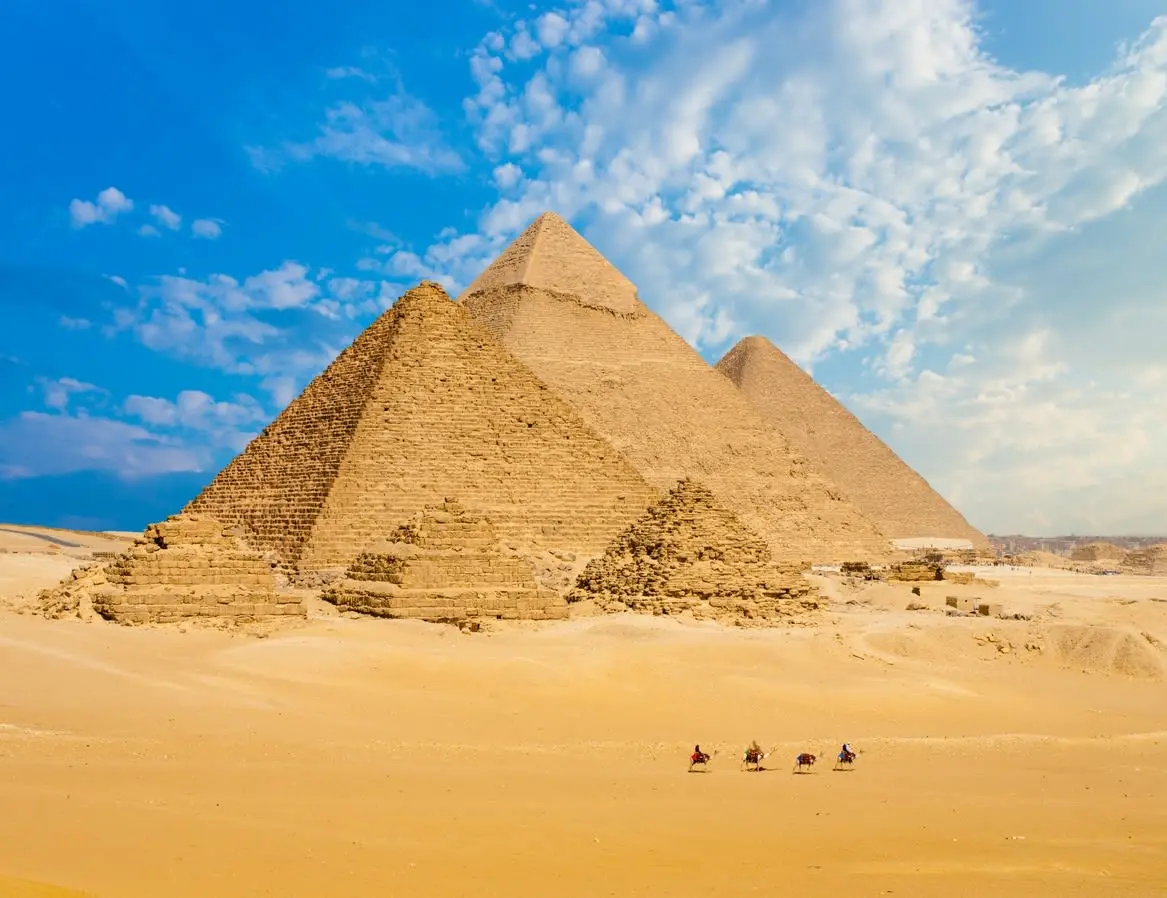
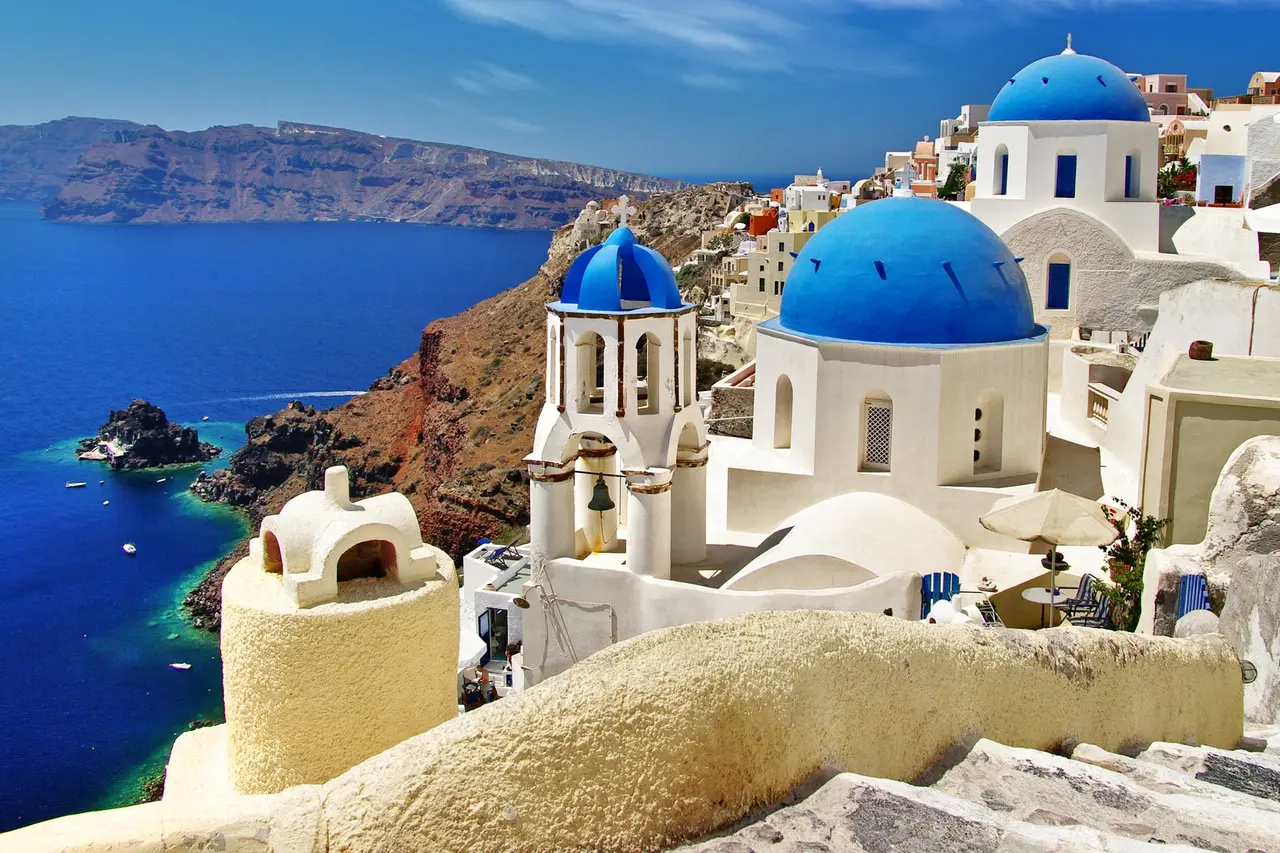
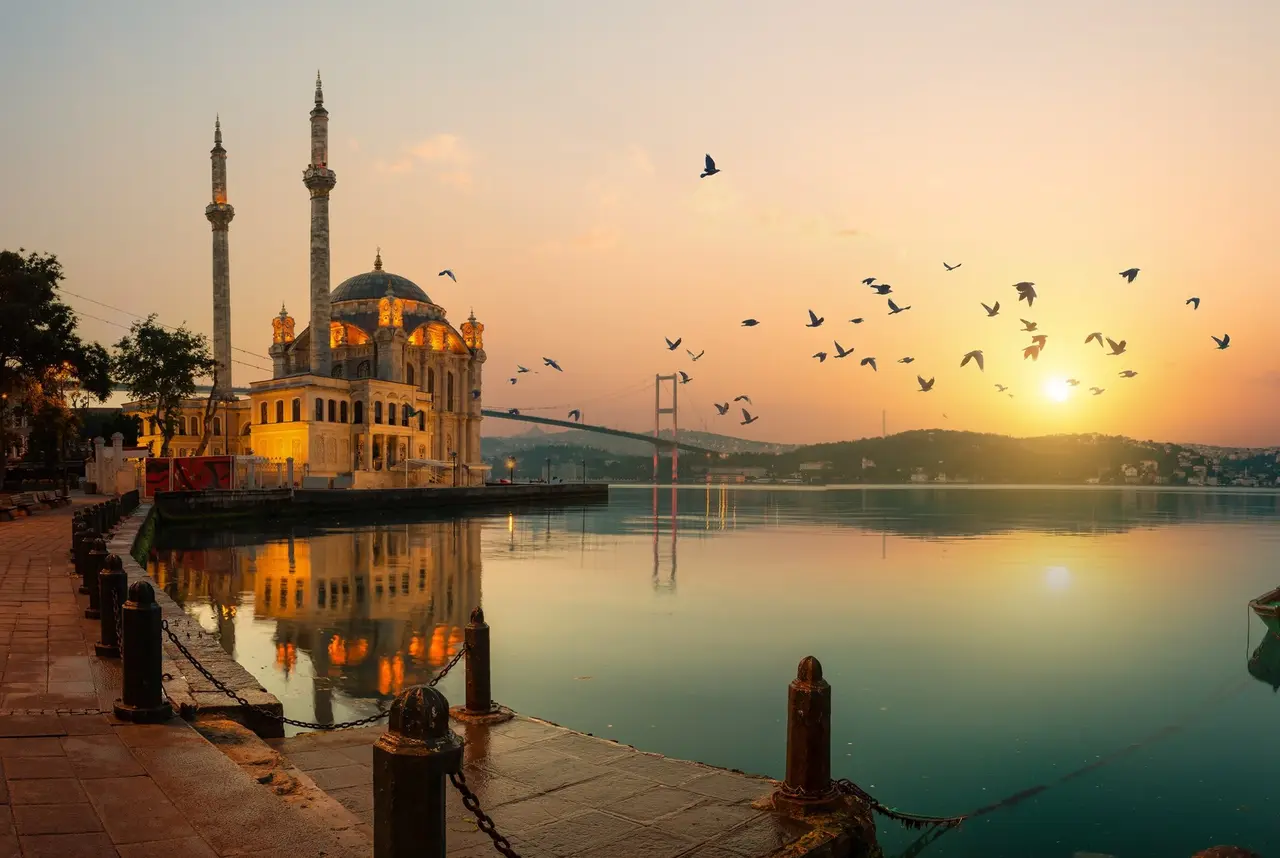
Tunisia in pictures

Photo credits : Diego Delso, CC BY-SA 4.0, Wikimedia Commons ; Silar, CC BY-SA 4.0, Wikimedia Commons ; Atef Ouni, CC BY-SA 4.0, Wikimedia Commons ; IssamBarhoumi, CC BY-SA 4.0, Wikimedia Commons

Not to be missed in Tunisia

Eight must-sees that capture the country's variety, from the Bardo mosaics to the dunes of the Grand Erg Oriental.

Tunis medina

A maze of covered souks and Ottoman palaces around the Zitouna mosque, listed by UNESCO.

Bardo Museum

One of the finest collections of Roman mosaics in the world, housed in a former beylical palace.

Sidi Bou Said

The white-and-blue village perched above the Gulf of Tunis, best seen at sunset.

El Jem amphitheatre

A near-intact 35,000-seat Roman colosseum in the middle of a small Sahel town.

Dougga

The capitol, theatre and temples of an entire Roman city, peaceful among the olive groves.

Great Mosque of Kairouan

The oldest mosque in the Maghreb, with its vast marble courtyard and square minaret.

Chebika and Tamerza oases

Palm groves tucked into canyons of the Saharan Atlas, with waterfalls and abandoned villages.

Douz dunes

The gateway to the Grand Erg Oriental, for a camel ride and a night under the stars.

Practical information

Currency
Tunisian dinar (TND), not convertible: exchange locally and keep your receipts
Time zone
UTC+1 with no daylight saving time
Languages
Tunisian Arabic, with French widely spoken
Power sockets
Types C and E, 230V
Getting around
Louages (shared taxis) between towns, trains on the Tunis-Sousse-Sfax line
Ramadan
Restaurants closed by day outside tourist areas, lively atmosphere in the evening
Weekend
Saturday and Sunday

Similar destinations

Other countries you might like as much as Tunisia.

Similar regions

Other regions you might like as much as Tunisia.

Frequently asked questions

Can you enter Tunisia with a national ID card?
It is best not to rely on one: since 1 January 2025, all visitors must show a passport valid for at least three months on entry. French citizens need no visa for a tourist stay of under three months, and Canadians none for up to 90 days.
What daily budget should you plan for Tunisia?
Allow about 34 € per person per day on a tight budget, 72 € for comfort with guesthouses and a rental car, and 190 € for a premium trip, excluding flights. A return flight from Paris starts at around 150 € outside peak periods.
When is the best time to go?
April to May and September to October offer the best balance of warmth, swimmable sea and comfortable sightseeing. Winter suits the Saharan south and the Roman sites but not the beach, while July and August are hot, expensive and very crowded.
Is the Tunisian Sahara open to travellers?
Yes for Tozeur, Douz, Matmata and Ksar Ghilane, with heightened vigilance. The far south, a military zone near the Libyan and Algerian borders, and the western mountains around Mount Chambi remain strongly advised against by foreign ministries.
Do you need a rental car to visit Tunisia?
Not on the coast, where trains and louages easily link Tunis, Sousse and Sfax. For the south and the mountain oases, a rental car, at 25 to 45 € a day, saves a great deal of time and gives far more freedom.
Can you combine Tunisia with another country?
Overland routes to Algeria and Libya are advised against, but Morocco is less than three hours' flight from Tunis. Djerba and Tunis also have flights to southern Europe, making a two-stop return journey easy to arrange.

Plan your trip to Tunisia

Day-by-day itinerary, budget, bookings and packing in a single app.
Aperçu de l'application PlanTripNow