Skip to content

Visit the Cook Islands: Rarotonga, Aitutaki, Budget and When to Go

The Cook Islands are a Polynesian archipelago of fifteen islands associated with New Zealand, known for Muri lagoon on Rarotonga and the lagoon of Aitutaki. People come for a slow pace, turquoise lagoons, mountain trails and a pleasant dry season from May to October.

At a glance

Currency
New Zealand Dollar (NZ$)
Time difference
UTC-10
Visa
None
Tourist stay of up to 31 days
7-day budget
€1,400
Per person, comfort profile, excluding international flights.
Recommended length
3 days
For a first trip, without rushing.

Why visit the Cook Islands?

The Cook Islands are a state in free association with New Zealand, a Polynesian archipelago of the South Pacific. People come for the lagoons of Rarotonga and Aitutaki, the Cross-Island Track, the Avarua market and humpback whales, in a tropical climate that is mild in winter.

When to visit Cook Islands

Temperatures, rainfall and crowds month by month, to pick your window.
When to visit Cook Islands
MonthTemperaturesRainCrowdsVerdict
January23 to 28 °C17 dModerate28 C, 267 mm and 17 rainy days: hot, wet season, cyclones possible, quiet lodging and reduced rates.
February23 to 29 °C17 dModerate29 C and 237 mm: cyclone season, sea at 27 C, a lot of rain, few visitors.
March23 to 29 °C17 dQuiet29 C and 220 mm, sea at its warmest 28 C: the end of the wet season, cyclone risk, very few people.
April22 to 28 °C13 dModerate28 C and 231 mm: the rain recedes, last cyclones possible, fine weather returning, prices falling.
May21 to 27 °C9 dModerate27 C and 9 rainy days: the start of the dry season, the first fine days, moderate crowds.
June20 to 26 °C6 dBusy26 C and 6 rainy days: dry season established, calm lagoon, rising crowds, a good month for Aitutaki.
July19 to 25 °C5 dPacked25 C and 5 rainy days: high season, New Zealand school holidays, humpback whales, book months ahead.
August19 to 25 °C3 dPacked25 C, 3 rainy days, sea at 24 C: the driest in rainy days, humpback whales, lodging full.
September19 to 26 °C5 dBusy26 C and 5 rainy days: still whales, steady sun, fewer people than in August, a very good month.
October20 to 26 °C5 dModerate26 C and 5 rainy days: the end of the whale season, stable weather, a good time for prices.
November21 to 27 °C6 dQuiet27 C and 174 mm: the start of the wet season, sea at 25 C, few visitors, lower rates.
December22 to 28 °C11 dModerate28 C and 229 mm: wet season, year-end holidays, flights full for Christmas, cyclone risk from November.
Source: Normales d'Avarua, Rarotonga (weather2travel.com), temperatures, mer, pluie et jours de pluie ; moyenne = moyenne de max et min. Hemisphere sud : saison seche de mai a octobre, saison humide et cyclonique de novembre a avril. Baleines a bosse de juillet a octobre. Releve novembre 2026.

What to discover in the Cook Islands?

Rarotonga and its coast road

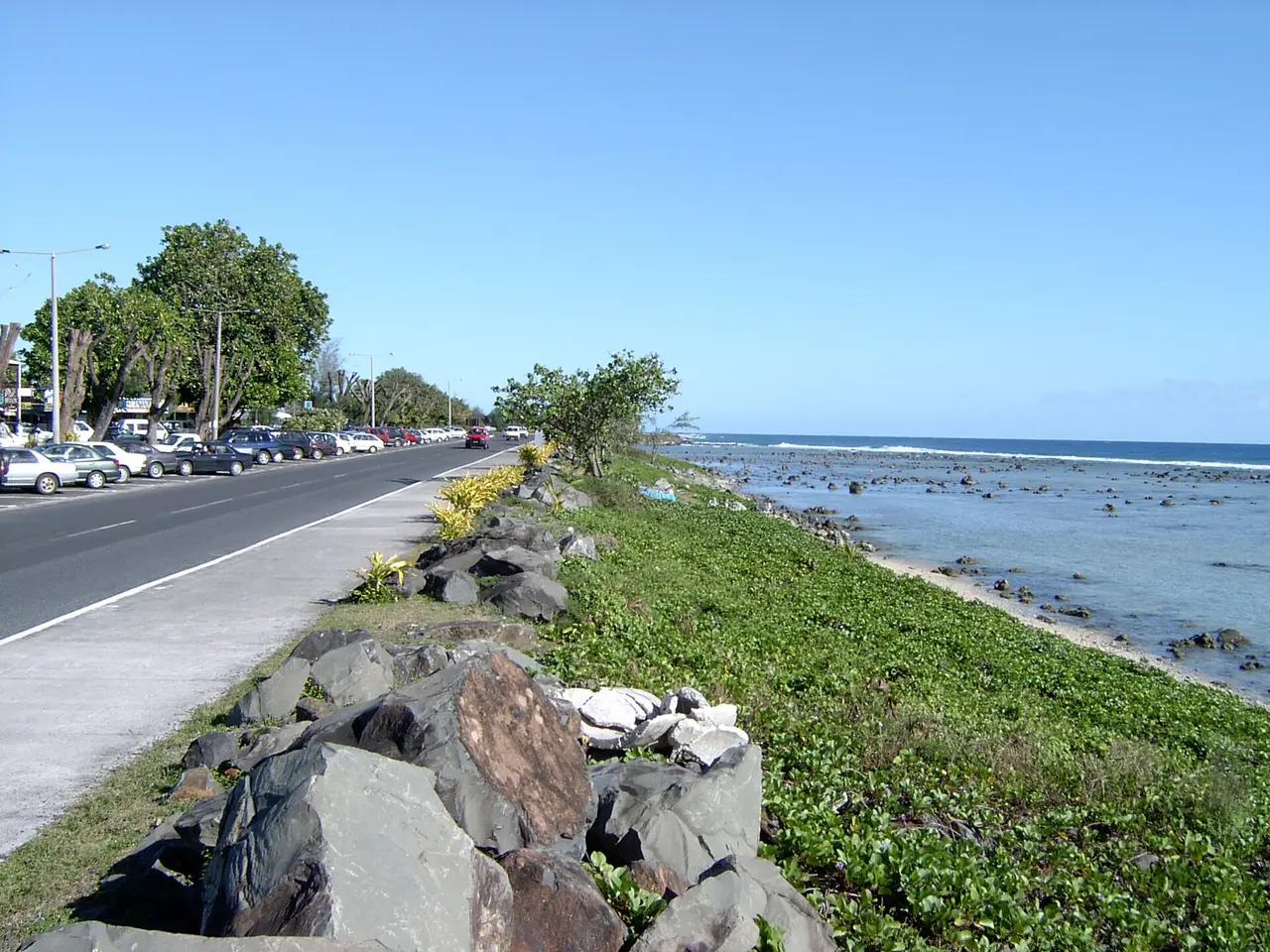
Rarotonga is the main island, with a 32-kilometre coast road served by buses in both directions. A scooter costs 15 to 35 NZD a day, with a 40 NZD local licence. The island circuit is done in a day, with stops for snorkelling. Allow three nights for the island, and book lodging from June to September, when the buses and scooters are busiest.

Muri, Titikaveka and the southern lagoons

Muri lagoon, in the south-east, is best known for snorkelling, with its islets. Titikaveka, west of Muri, offers a quieter beach, a calm lagoon and snorkelling near the reef. Bring sunscreen and reef shoes. Boat trips in the lagoon are booked the day before, especially from June to September, and the lagoon depth changes with the tides, so check the tide table before you go in.

The Cross-Island Track and the interior

The island-crossing trail leads to the Te Rua Manga needle, in the heart of the mountains. Start early in the morning with good shoes, water and preferably a guide after rain, as the trail becomes slippery. Allow several hours. In the wet season, late-afternoon storms are frequent, and the trail may close after heavy rain, so ask your host about the conditions the day before.

Avarua and its market

Avarua is the capital, a small waterfront town, where the Saturday market is a must for crafts, fruit and local dishes. The town is visited in a few hours, on foot or by bus. Avoid cruise days if you want calm, and plan to pay in cash at the small stalls, where cards are not always accepted, and arrive before ten o'clock for the best choice.

Aitutaki and One Foot Island

Aitutaki is reached by a domestic flight of about 45 minutes from Rarotonga. The lagoon is the main attraction, with the boat and snorkelling trip to One Foot Island, very popular, to book. Lodging is pricier and limited: book long ahead, especially from June to September, the high season, and keep a one-night margin before the return flight to Rarotonga.

Seasons, whales and cyclones

The dry season runs from May to October, with only 3 rainy days in August and humpback whales from July to October. The wet, cyclonic season runs from November to April, with up to 267 mm of rain in January, with some roads flooded. New Zealand school holidays in July and December push prices up, so book flights and lodging very early.

Cities to visit in Cook Islands

Featured destinations appear first.
Coming soon.

Sample itineraries

Three routes built around the time you actually have.
3daysRecommended

Cook Islands in 3 days: Rarotonga, Muri lagoon and the island circuit

  1. Rarotonga: Muri and Avarua · 3 nights

Best for: A short stay on the main island: the island circuit on the coast road, Muri lagoon for snorkelling and the Avarua market, by scooter or bus.

How much it costs

Per person per day, excluding international travel.
Budget
67 €/ day
5 338 € for 2 people, 7 days, return flights included
Accommodation
15 €
Food
20 €
Local transport
12 €
Sights and activities
20 €
Comfort
200 €/ day
7 200 € for 2 people, 7 days, return flights included
Accommodation
90 €
Food
45 €
Local transport
25 €
Sights and activities
40 €
Premium
770 €/ day
15 180 € for 2 people, 7 days, return flights included
Accommodation
450 €
Food
150 €
Local transport
50 €
Sights and activities
120 €
Prices checked: Relevé novembre 2026. Budget quotidien de 130 à 225 NZD en économique, 250 à 535 NZD en intermédiaire, 1 430 NZD en luxe (cookislandspocketguide.com, tripbase.com) ; lit en dortoir de 20 à 30 NZD, chambre privée de 50 à 100 NZD ; scooter de 15 à 35 NZD par jour plus 5 NZD d'assurance et un permis local de 40 NZD ; repas : de 20 NZD par jour en auto-restauration à 150 NZD en restaurants haut de gamme. Aucun relevé date 2026. Vol : A/R Paris-Rarotonga de 1 400 à 2 600 EUR, moyenne de 2 230 EUR, de 1 831 EUR en mai à 2 659 EUR en janvier (ou-et-quand.net, kayak.fr, momondo.fr, bourse-des-vols.com), souvent avec deux escales ; estimation 2 200 EUR. Conversion approximative : 1 NZD = 0,55 EUR. Hébergement : dortoir pour backpacker, chambre double partagée a deux pour comfort et premium. Aitutaki, accessible en vol intérieur, est plus cher.

Getting there

Airports serving Cook Islands, from main hubs to secondary ones.
  • RARRarotonga International AirportAvaruaMain

Entry, health and safety

For FR travellers

Entry requirements

No visa for a tourist stay

Les îles Cook sont un État en libre association avec la Nouvelle-Zelande, hors Union européenne. Selon les sources consultées, le séjour touristique est dispense de visa jusqu'à 31 jours, avec un passeport valide au moins 6 mois après la date de départ, une preuve d'hébergement pour tout le séjour et un billet retour ou de continuation ; un permis visiteur est délivré à l'arrivée. La regle n'à pas pu être confirmée sur une page officielle pour les ressortissants français : a vérifier auprès du ministère des Affaires étrangères et de l'Immigration des îles Cook.

Stay allowed for up to 31 days.

Health

Saison des cyclones de novembre a avril : assurance annulation conseillée. Soins limites hors de Rarotonga : assurance voyage avec rapatriement indispensable. Vérifier si votre permis de conduire est accepte pour les scooters, un permis local est exige. La monnaie est le dollar néo-zélandais, les îles ont aussi leurs propres pièces.

Safety

Normal precautions

Emergency

999

Checked in novembre 2026 against the official source. Entry rules change: check the official source before you travel, it alone is authoritative.

Cook Islands in pictures

Photo credits : Patrick Nunn, CC BY-SA 4.0, Wikimedia Commons ; Georgia mann, CC BY-SA 4.0, Wikimedia Commons ; onj, CC BY 3.0, Wikimedia Commons

What to see and do in the Cook Islands

The archipelago's essentials, from lagoons to mountains.

Muri Lagoon

A shallow lagoon on Rarotonga, with coral islets and easy snorkelling, much loved by visitors.

Cross-Island Track

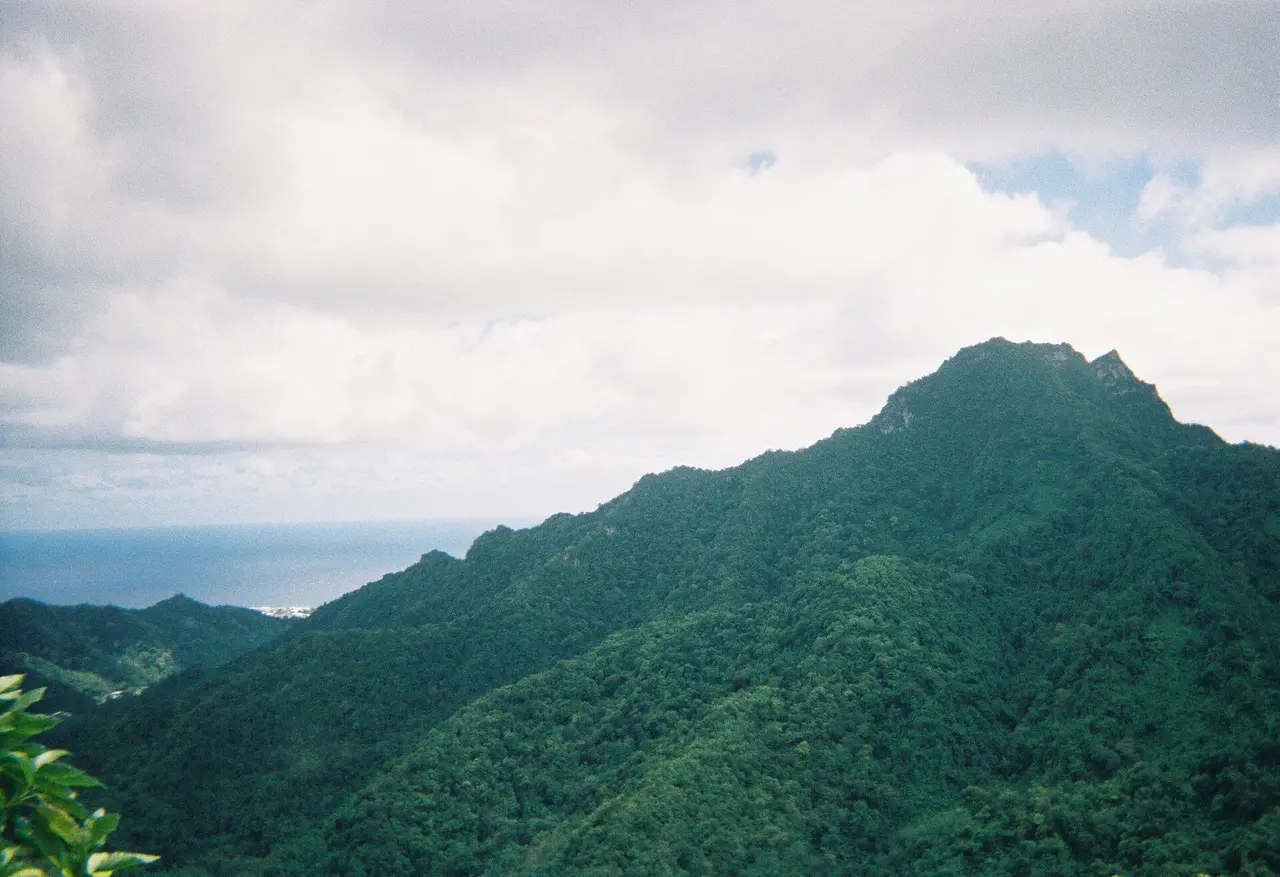
A crossing of Rarotonga through the mountains, to the Te Rua Manga needle, to do with good shoes.

Avarua market

A Saturday market in the capital, with crafts, fruit, tapa and local dishes, very lively in late morning.

Titikaveka

A white-sand beach in the south of Rarotonga, with a calm lagoon and a nearby reef for snorkelling.

Aitutaki Lagoon

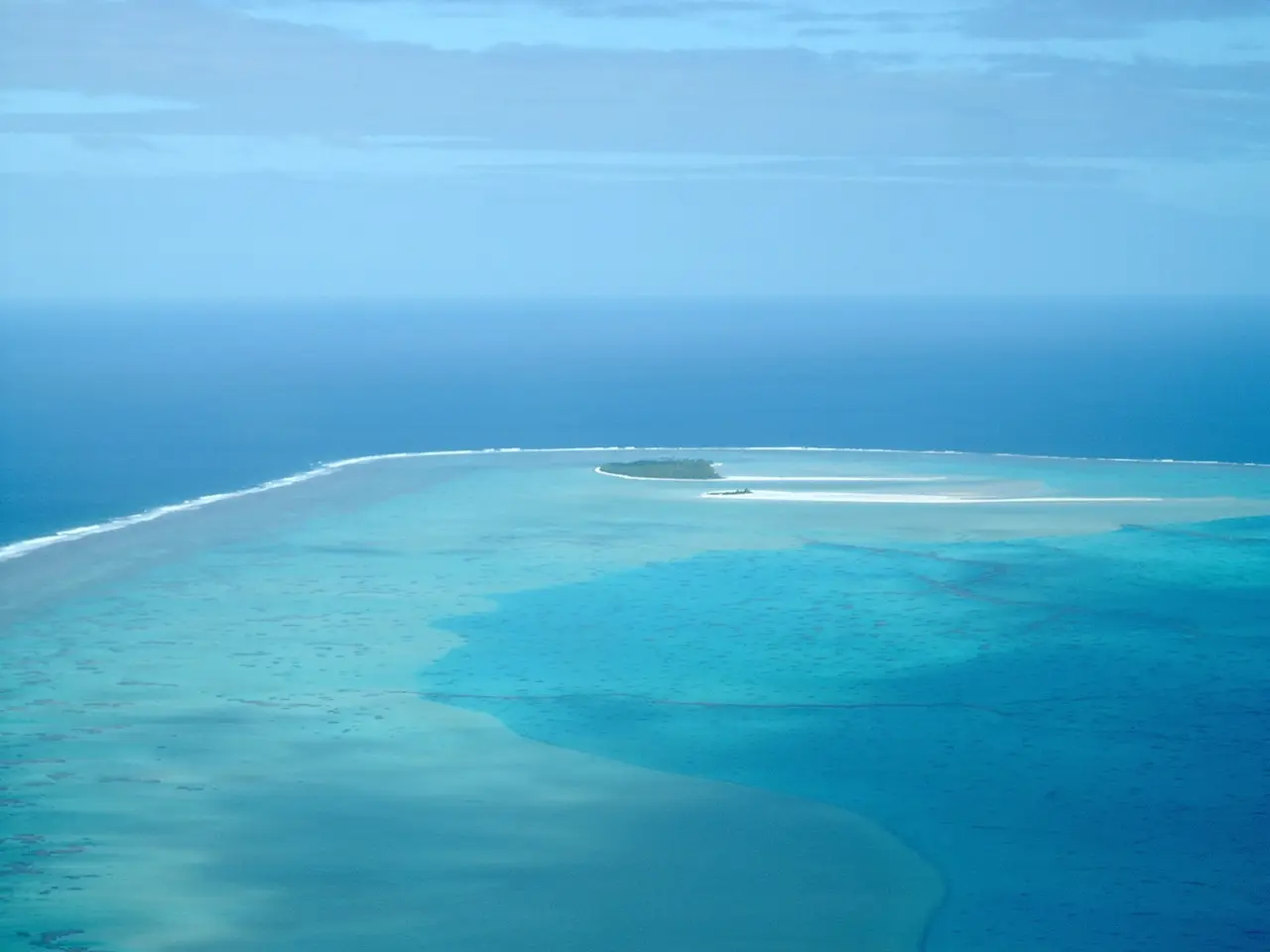
A vast turquoise lagoon dotted with islets, to explore by boat with a stop at One Foot Island.

One Foot Island

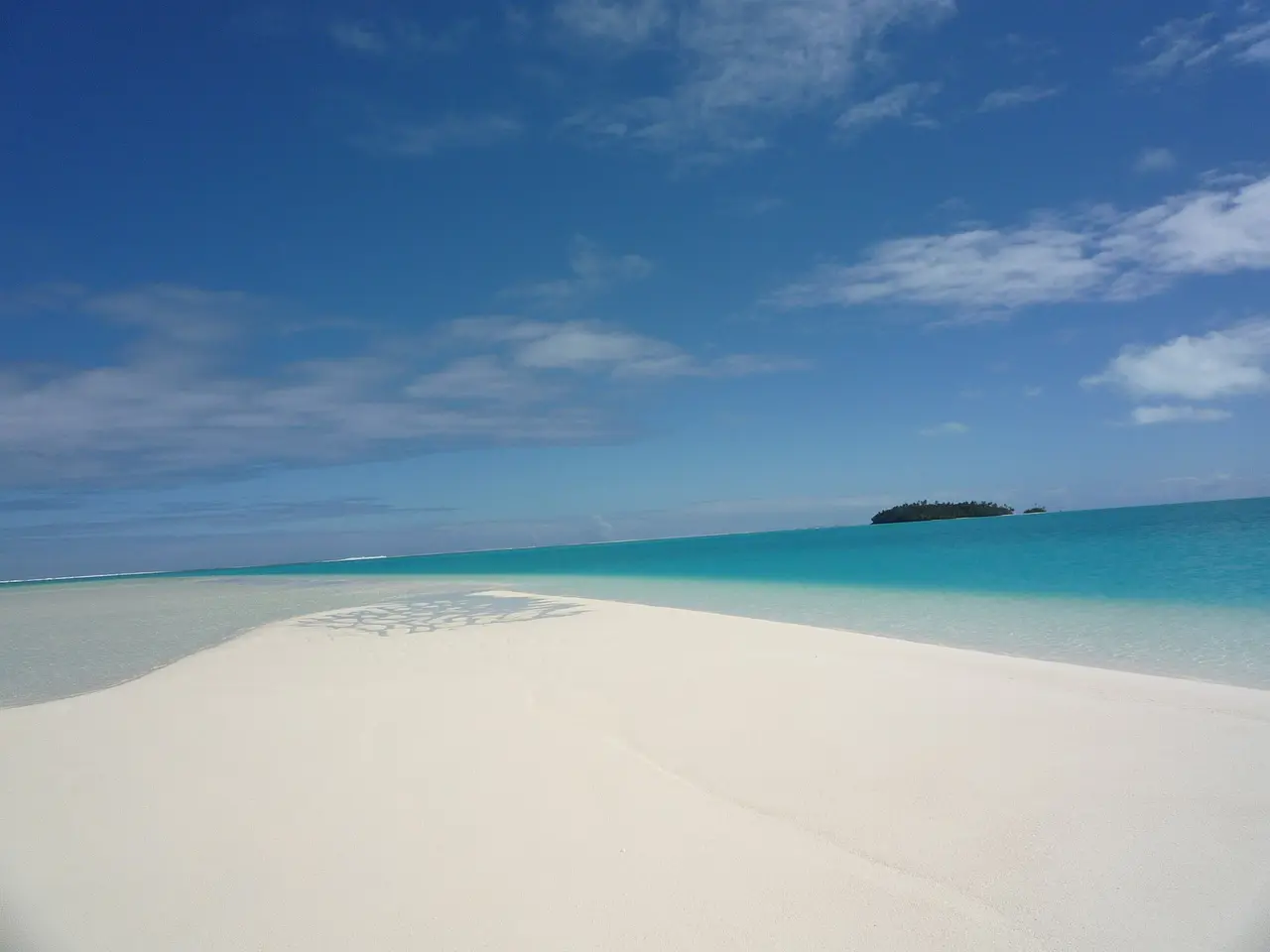
An Aitutaki islet with white sand, with a post office where you can have your passport stamped.

Humpback whales

Encounters at sea from July to October, with their calves, off Rarotonga.

Practical information for the Cook Islands

Visa-free stay
31 days according to sources, to confirm for French citizens
Passport
Valid at least 6 months after departure
Lodging
Proof required for the whole stay, with a return or onward ticket
Scooter
15 to 35 NZD a day, plus insurance and a 40 NZD local licence
Coast road
32 km around Rarotonga, buses in both directions
Aitutaki
A domestic flight of about 45 minutes, pricier lodging
Dry season
May to October, 3 rainy days in August, whales from July to October
Cyclones
November to April, cancellation insurance advised
Avarua market
Saturday morning, cash advised
Time zone
UTC-10, which is 11 hours behind Paris in winter

Frequently asked questions about the Cook Islands

How many days do you need to visit the Cook Islands?
Seven days let you see Rarotonga in three nights and Aitutaki in four. For Rarotonga alone, three to five days are enough. Flights from Paris are long, with two stopovers, so allow some margin.
What is the best month to go to the Cook Islands?
May to October: dry season, 3 to 6 rainy days, sea at 24 to 26 C. July and August are high season, with the whales. Avoid January to March, 220 to 267 mm of rain and cyclone risk.
Can you rent a scooter in the Cook Islands?
Yes, 15 to 35 NZD a day, plus 5 NZD insurance and a 40 NZD local licence. Check whether your French licence is accepted, and wear a helmet. The coast road is easy but slippery after rain.
Do you need a visa for the Cook Islands?
The stay is visa-free for up to 31 days according to sources, with a passport valid 6 months after departure, proof of lodging and a return ticket. To confirm for French citizens with the Cook Islands foreign ministry.
Are the Cook Islands expensive?
Moderately on Rarotonga: 130 to 225 NZD a day on a budget, 250 to 535 NZD mid-range. Aitutaki is pricier. The flight from Paris weighs most, around 2,200 EUR on average.
Can you see whales in the Cook Islands?
Yes, from July to October, humpback whales come with their calves off Rarotonga. Trips are booked in advance. Sightings are not guaranteed, so keep a spare day in your plan and ask the operator about the best time of day.
What is Aitutaki's appeal compared with Rarotonga?
Aitutaki's lagoon is larger and more turquoise, with One Foot Island. Rarotonga offers mountains, buses and more meal choice. Many combine the two; Aitutaki is pricier and limited, and reached by a domestic flight of about 45 minutes.
Should you worry about cyclones in the Cook Islands?
The cyclone season runs from November to April, with the most rain in January. Cancellation insurance is advised for those months. From May to October, the risk is very low and the weather steady.

Plan your trip to Cook Islands

Day-by-day itinerary, budget, bookings and packing in a single app.
Aperçu de l'application PlanTripNow