Galápagos Islands trip: which islands to visit and when to go

Sea lions asleep on harbour benches, giant tortoises in highland meadows, marine iguanas on black lava and sharks below your snorkel mask: the Galápagos take at least a week to explore, either on a cruise or island-hopping from the three inhabited ports.

Why travel to the Galápagos Islands?

The Galápagos are a volcanic archipelago about 1,000 km off the Ecuadorian coast, the first site inscribed on the UNESCO World Heritage List in 1978. The national park covers about 97 % of the land, and the fearless wildlife can be watched from a few metres away. It was here, in 1835, that Darwin made observations that proved decisive for his theory of evolution.

What to see in the Galápagos, island by island?

Santa Cruz, the central island

Santa Cruz is home to the archipelago's main town, Puerto Ayora, and most hotels and agencies. You land at Baltra airport, on a neighbouring islet linked by bus, a few minutes' ferry across the Itabaca channel and then the road, about an hour in total to the port. Its central position makes it the best base for day trips to the nearby islets. The humid, green highlands are home to wild giant tortoises and lava tunnels. Plan at least three nights to combine town, beaches and highlands.

San Cristóbal, the administrative island

The easternmost inhabited island is home to Puerto Baquerizo Moreno, the provincial capital, and an airport ten minutes' walk from the centre, making it easy to start or end a trip here. Sea lions take over the waterfront, the beaches and even the public benches. Several sites can be visited without a guide from town: La Lobería beach, the interpretation centre and Cerro Tijeretas, where you can snorkel in calm water. In the highlands, El Junco lagoon is one of the archipelago's rare freshwater lakes. Allow two to three nights.

Isabela and its volcanoes

The largest island in the archipelago, Isabela alone accounts for more than half of the land area and lines up six volcanoes, several of them still active. Its only village, Puerto Villamil, borders a long white-sand beach and a lagoon visited by flamingos. The hike to the Sierra Negra caldera takes a full day, with a walk of about 16 km return. Isabela is reached by speedboat from Santa Cruz in about two hours, on often choppy seas. Three nights let you enjoy the island without rushing, far from the bustle of Puerto Ayora.

Floreana, the island of pioneers

A small southern island with only around a hundred residents, Floreana was one of the first to receive settlers, and its 1930s story, marked by the mysterious disappearance of several European residents, still inspires books and films. Visitors come on a day trip from Santa Cruz, with about two hours by boat each way, or on a cruise that stops at Post Office Bay and Punta Cormorant. Accommodation options are very limited: book well in advance if you want to spend the night.

The central islets

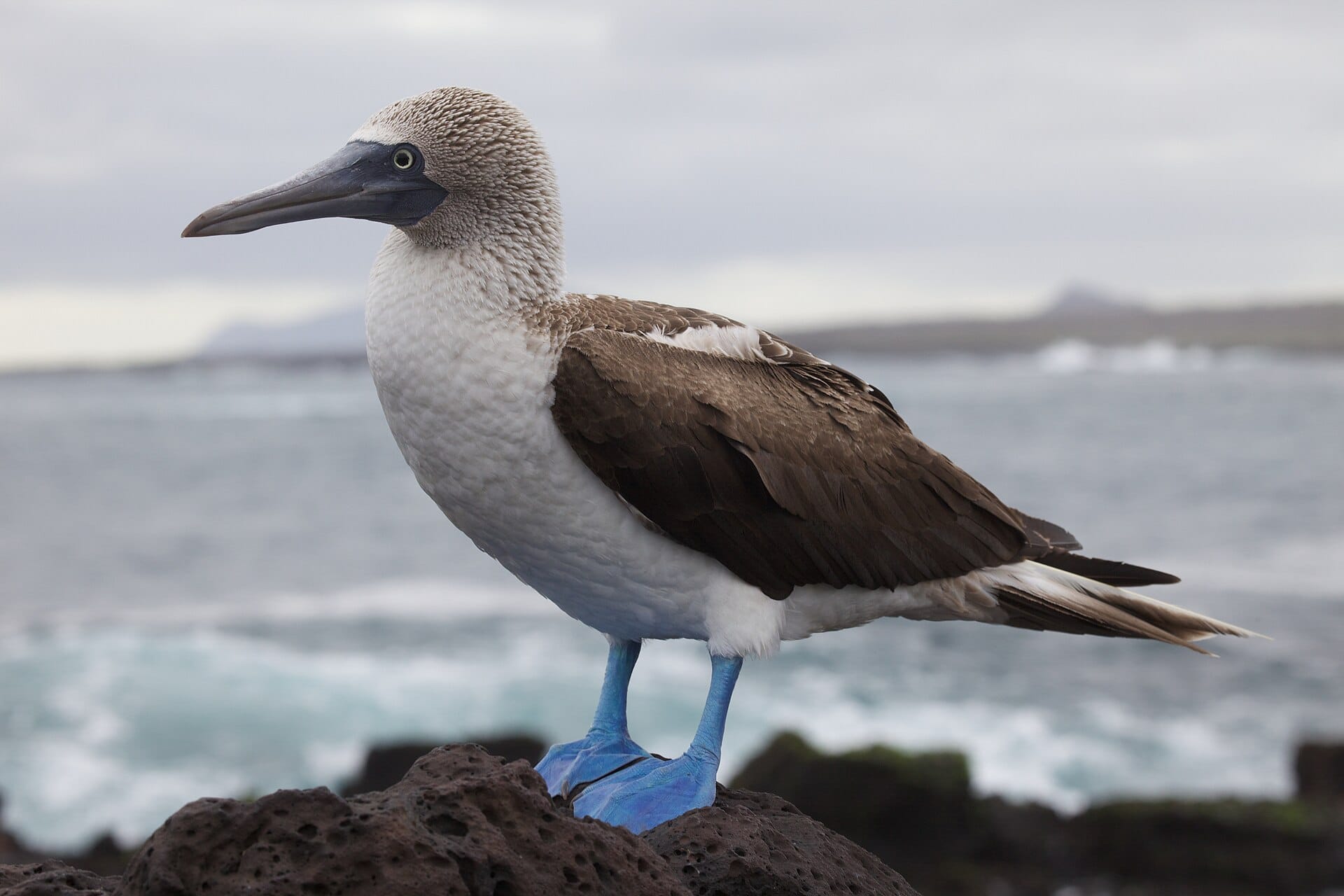
Around Santa Cruz, several uninhabited islets can be visited on day trips with a licensed guide, on boats with limited places: North Seymour for its colonies of blue-footed boobies and frigatebirds, South Plaza for land iguanas against red vegetation, Bartolomé for its lunar landscape and Santiago for the frozen lava flows of Sullivan Bay. Places sell out fast in high season: book these trips several weeks before you arrive. Allow a full day per excursion, including a very early start.

The outer islands, cruise only

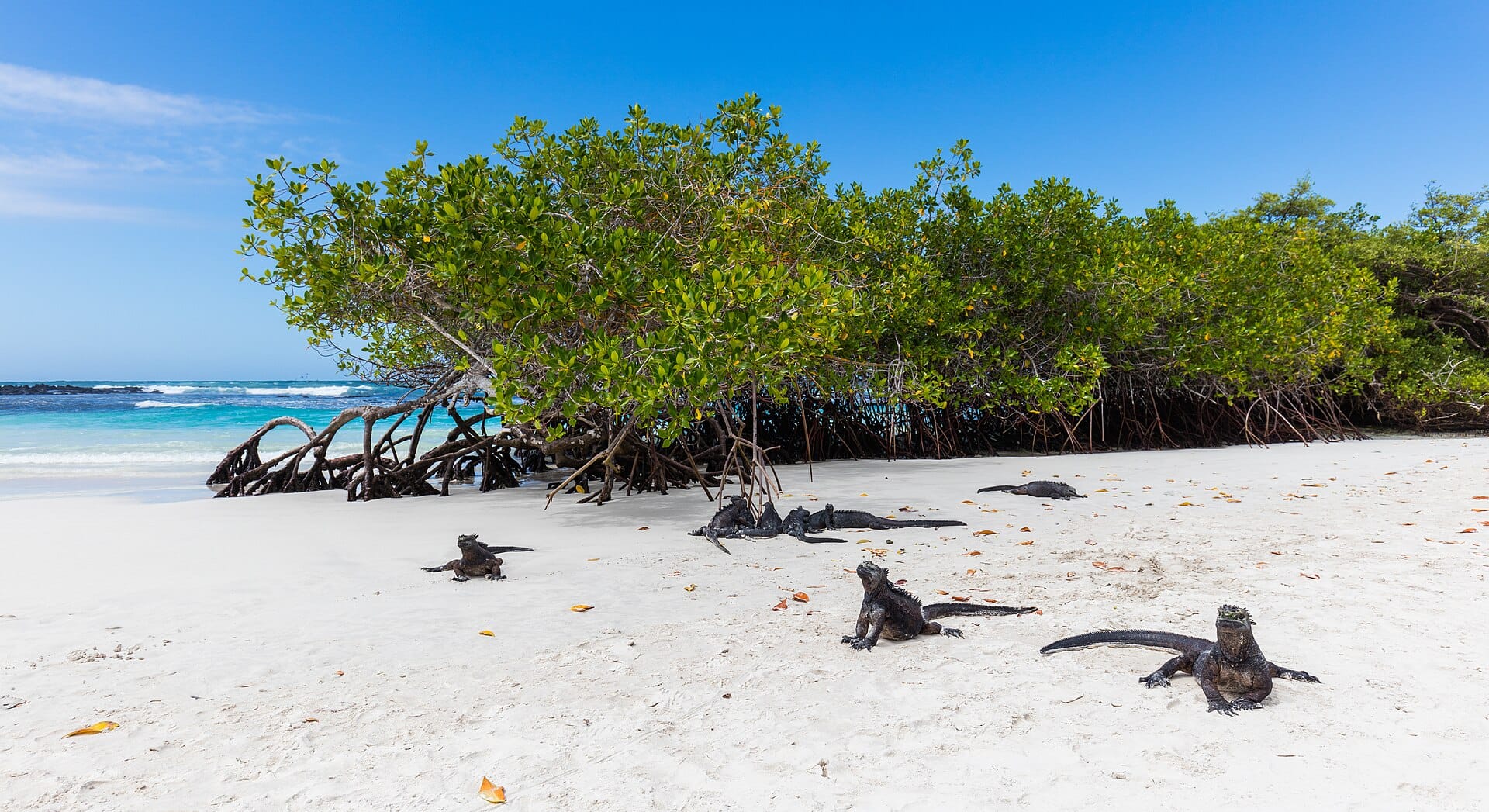
The outlying islands can only be visited aboard an authorised cruise boat, on itineraries set by the park, usually four to eight days long. Española, in the south-east, hosts almost all of the Galápagos albatross colonies from April to December. Genovesa, in the north, is nicknamed bird island for its red-footed boobies and frigatebirds. Fernandina, in the west, is the youngest and one of the most active: its lava shores host large marine iguana colonies. If these three islands appeal to you, a cruise is essential.

Two seasons, two faces of the archipelago

From December to May, the warm season brings strong sunshine, short showers, calmer seas and warmer water, ideal for snorkelling. From June to November, the cold Humboldt current cools the water and the sky is often veiled by garúa, a light drizzle; seas are rougher, but marine life is richer, and a wetsuit becomes necessary. July, August and the year-end holidays are the most sought-after periods, with prices at their highest. Like the rest of Ecuador, the archipelago uses the US dollar.

Cities to visit in Galápagos Islands

Featured destinations appear first.
Coming soon.

Galápagos Islands in pictures

Galápagos must-sees

Swimming spots, bird colonies, volcanoes and wildlife encounters, from the inhabited ports to the most remote islands.

Charles Darwin Research Station

A research centre in Puerto Ayora showcasing giant tortoise breeding programmes and the preserved body of Lonesome George, the last tortoise from Pinta Island.

Tortuga Bay

A long white-sand beach reached by a paved path of about 2.5 km from Puerto Ayora, with a sheltered cove where swimming is safe.

El Chato Reserve

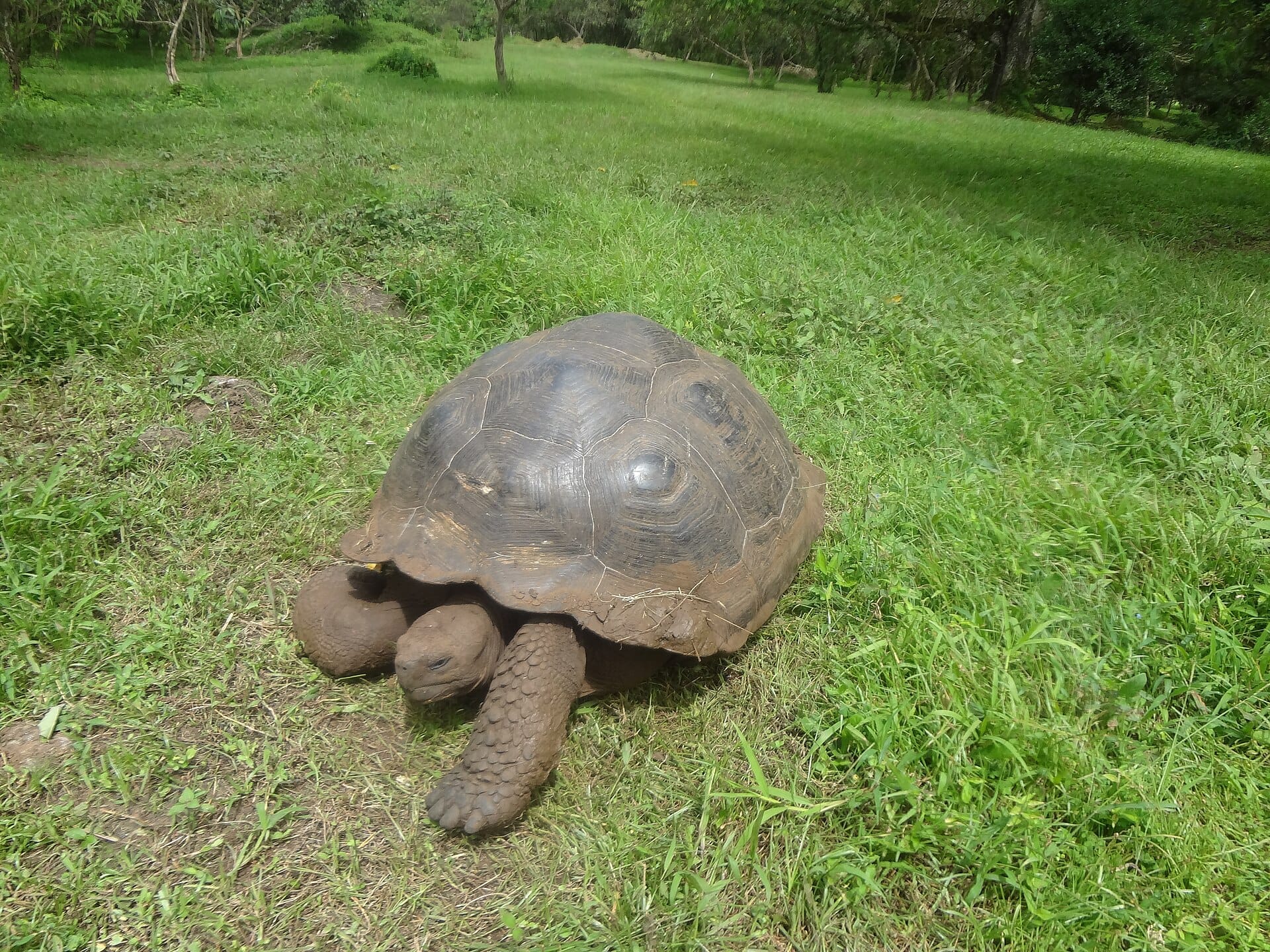
In the Santa Cruz highlands, wild giant tortoises graze in meadows and ponds, watched on foot along marked trails.

Las Grietas

A volcanic fissure filled with clear water, a mix of fresh and salt water, where you swim between two lava walls, half an hour from Puerto Ayora.

Kicker Rock

A volcanic rock split in two off San Cristóbal, where you snorkel with rays, sea turtles and sometimes hammerhead sharks.

Sierra Negra Volcano

On Isabela, one of the largest calderas in the world, surrounded by colourful lava fields and reached on a long guided hike.

Los Túneles

Lava arches and tunnels at water level south of Isabela, where you can spot blue-footed boobies, sea turtles and seahorses.

Post Office Bay

On Floreana, a barrel has served as a mailbox since the whaling era: visitors drop postcards and take away those they can deliver by hand.

Bartolomé's Pinnacle Rock

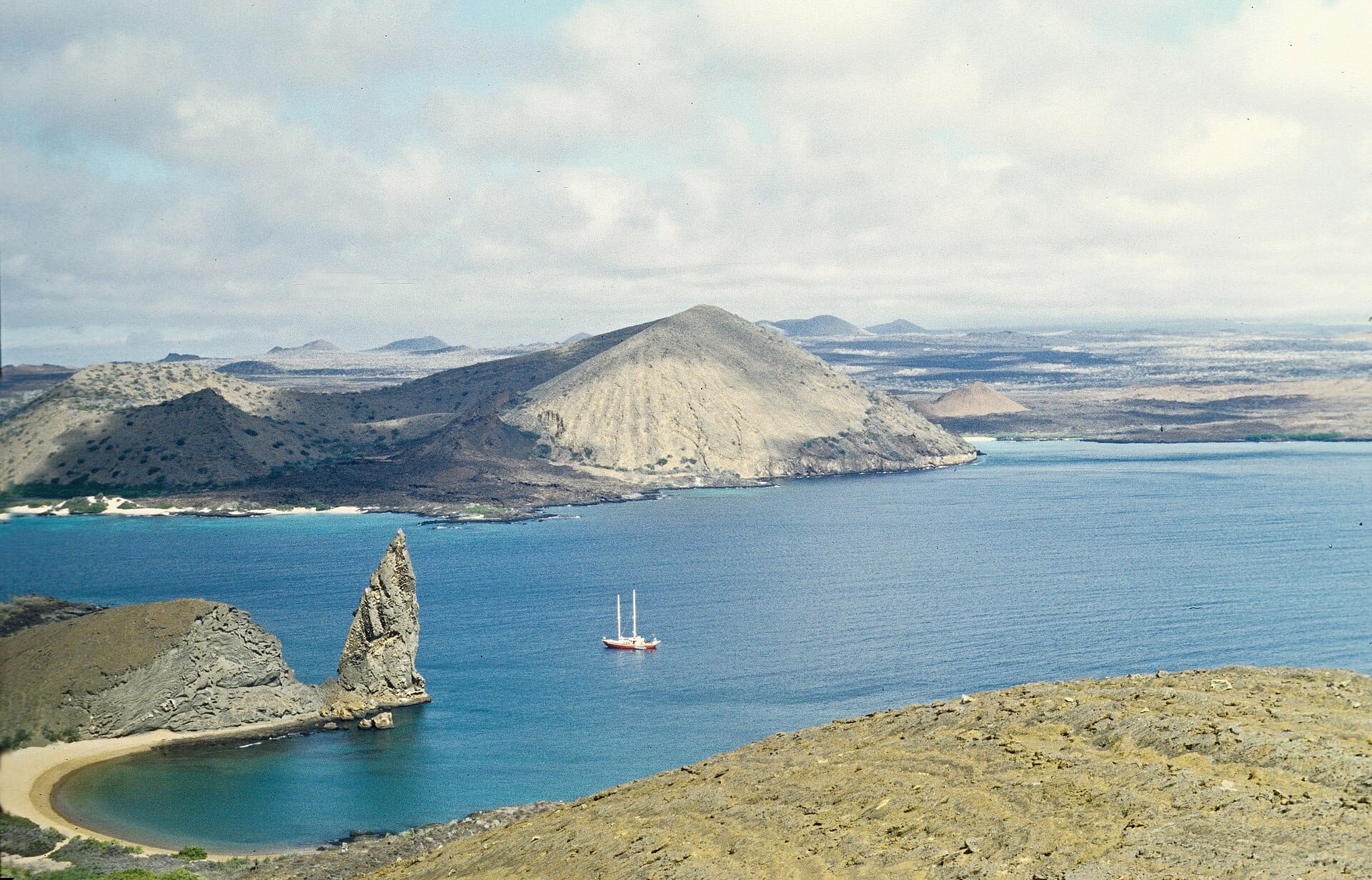
The archipelago's iconic rock spire, seen from the islet's summit after a wooden staircase, with Galápagos penguins in the nearby bay.

Punta Suárez

On Española, a coastal trail crosses colonies of albatrosses and red-and-green marine iguanas, past a blowhole shooting water several metres high.

Frequently asked questions about the Galápagos

Cruise or island-hopping: which is best for the Galápagos?
A cruise gives access to remote islands such as Española or Genovesa and cuts out long crossings, but costs considerably more. Staying in hotels on Santa Cruz, San Cristóbal and Isabela, with day trips, is more flexible and cheaper, at the cost of sometimes rough boat rides.
Do you have to leave the airport in Guayaquil to reach the Galápagos?
No. Most flights from Quito make a technical stop in Guayaquil without you having to leave the airport. Worth knowing: Guayaquil and its province are areas where France advises against all but essential travel.
Can you visit the Galápagos without a guide?
Partly. Around the towns, several sites are freely accessible: Tortuga Bay and Las Grietas on Santa Cruz, La Lobería and Cerro Tijeretas on San Cristóbal, Concha de Perla on Isabela. The uninhabited islets, Sierra Negra and all boat trips require a licensed naturalist guide.
When can you see the albatrosses on Española?
Galápagos albatrosses arrive on Española around late March or April to breed and leave around December. Between January and March, the island is almost empty of them. Check that your cruise includes Punta Suárez, where the main colonies are.
How many days do you need in the Galápagos?
Allow at least seven days on the islands, not counting flights from the mainland. With less, crossings between islands and early excursions eat up most of the stay. Ten days let you combine three inhabited islands, or a five to eight-day cruise with a few nights on land.
Is seasickness a problem between the islands?
Often, yes. The speedboats to Isabela and San Cristóbal are bumpy, especially from June to November. Sit at the back, take preventive medication before boarding and choose morning departures, generally on calmer seas.
Do you need a wetsuit to swim in the Galápagos?
From December to May, the water is warm enough to swim without a wetsuit at sheltered sites. From June to November, the Humboldt current cools it noticeably and a shorty wetsuit is strongly recommended. Agencies and cruise boats generally rent them on site.
Are the Galápagos volcanoes active?
Yes. Several volcanoes on Isabela and Fernandina have erupted in recent years, including Sierra Negra in 2018, Wolf in 2022 and La Cumbre on Fernandina in 2024. Eruptions mostly affect uninhabited areas, but some trails can be closed temporarily.
Can you see giant tortoises without taking a cruise?
Yes, easily. The Santa Cruz highlands, around the El Chato reserves, let you watch them in the wild. Breeding centres also exist in Puerto Ayora, on Isabela near Puerto Villamil and on San Cristóbal at Cerro Colorado.

Plan your trip to Galápagos Islands

Day-by-day itinerary, budget, bookings and packing in a single app.
Aperçu de l'application PlanTripNow