Skip to content

Kruger National Park: when to go, what to see and how to plan

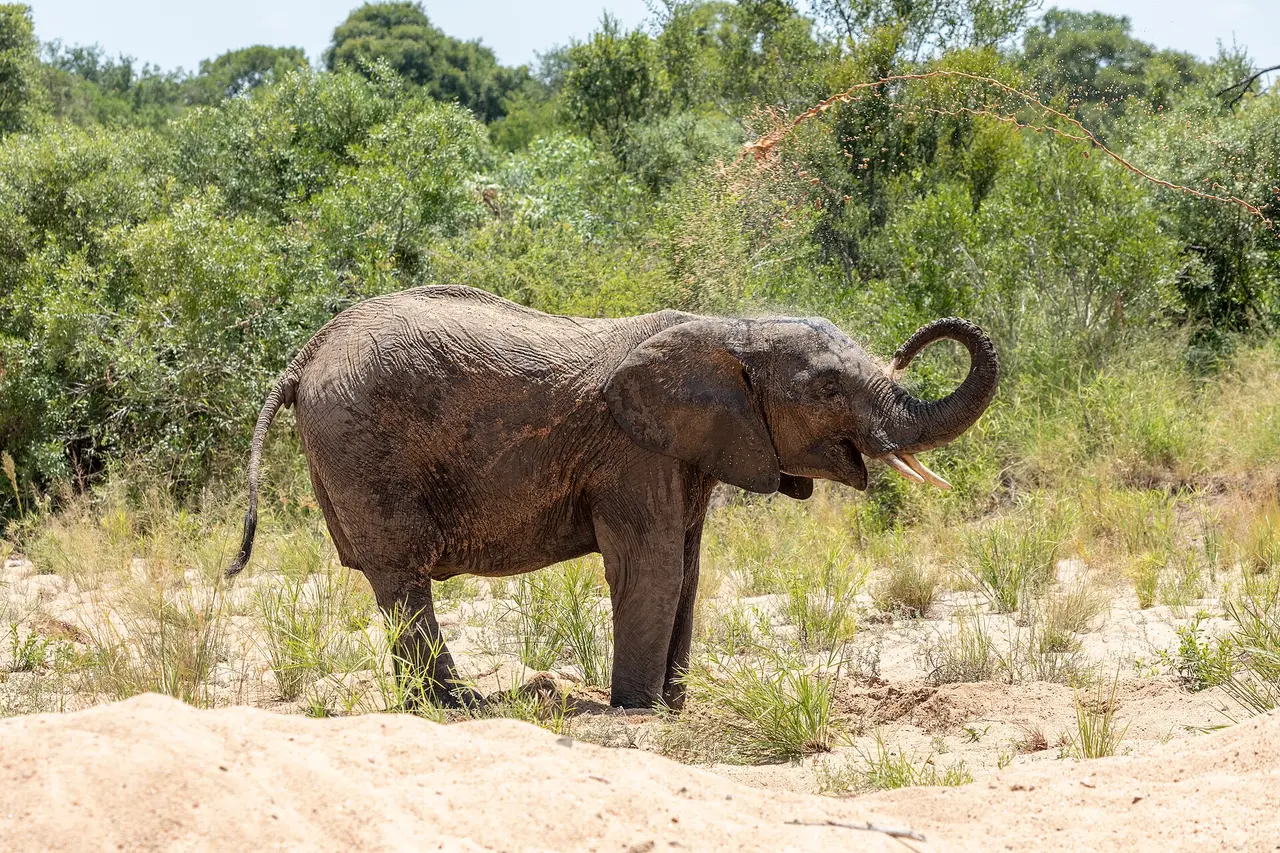
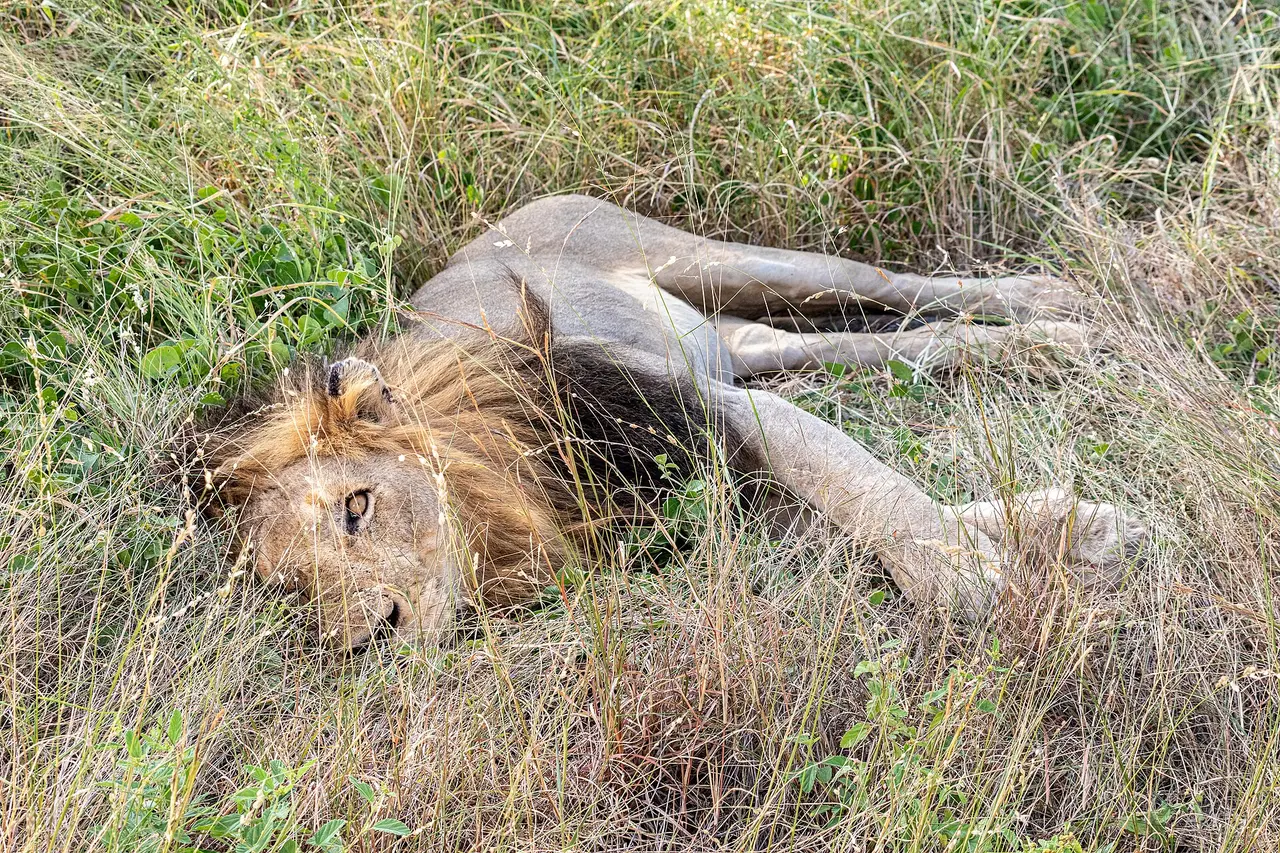
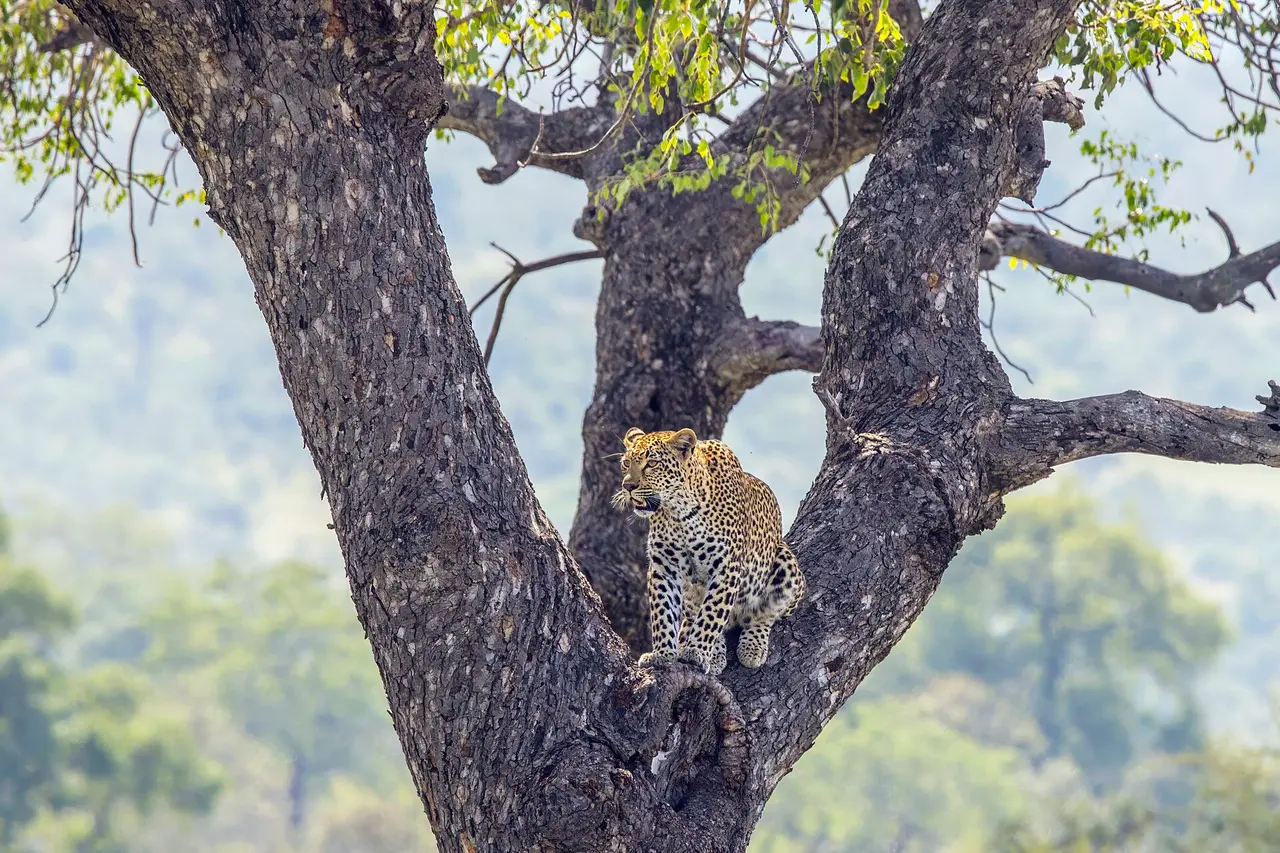
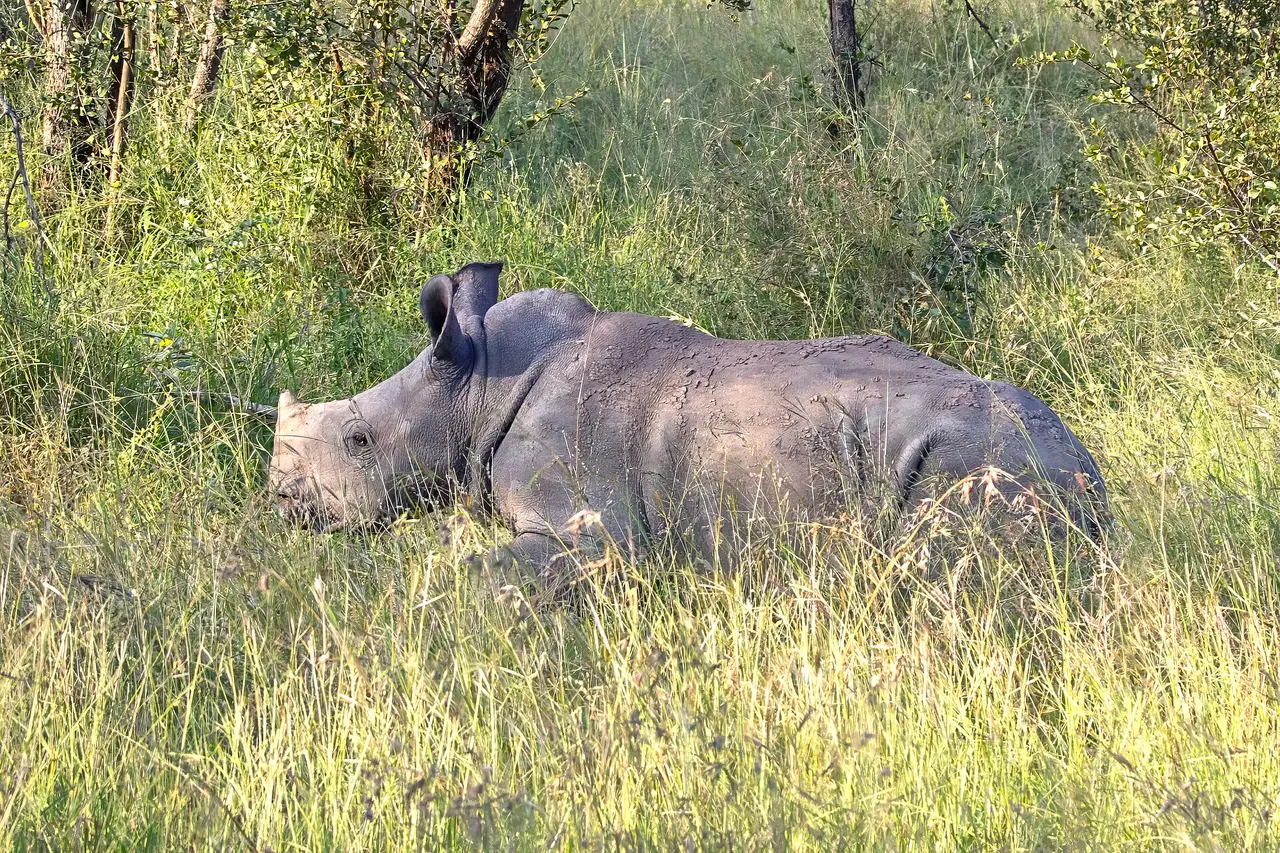
Created in 1926 from the Sabie reserve, Kruger is one of Africa's easiest parks for a first safari: you drive your own car, sleep in fenced camps and come across elephants, lions and rhinos within the first hours.

At a glance

Currency
South African Rand
Time difference
UTC+2
Visa
None
Tourist stay of up to 90 days
7-day budget
€1,323
Per person, comfort profile, excluding international flights.

What is the best season for a Kruger safari?

From May to September, the dry season thins the vegetation and gathers animals around rivers, with 27 to 31 °C by day and cool nights. From November to March, the rainy season brings green landscapes and births, but more heat and a higher malaria risk. The non-resident entrance fee has been 692 rand per day since November 2026.

When to visit Kruger National Park

Temperatures, rainfall and crowds month by month, to pick your window.
When to visit Kruger National Park
MonthTemperaturesRainCrowdsVerdict
January20 to 33 °C9 dModerateRainy season, 33 °C, dense vegetation and births, higher malaria risk.
February21 to 33 °C8 dQuietHot and humid, plenty of migratory birds, a quiet park outside weekends.
March19 to 32 °C8 dQuietEnd of the rains, tall grass making big cats harder to spot.
April16 to 31 °C5 dModerateStart of the dry season, 31 °C, South African Easter holidays.
May10 to 29 °C3 dModerateDry and mild, wildlife starts gathering near waterholes.
June6 to 27 °C2 dModerateDry winter, cool 6 °C nights, excellent wildlife visibility.
July6 to 27 °C1 dBusyThe driest month, 27 °C by day, South African school holidays: full camps.
August9 to 28 °C2 dBusyIdeal dry season for safaris, sparse vegetation.
September14 to 31 °C3 dBusyRising heat, animals gathered around rivers: one of the best periods.
October17 to 32 °C6 dModerateVery hot before the rains, first storms and greenery returning.
November19 to 33 °C9 dQuietFirst rains and impala births, a greener, quieter park.
December20 to 33 °C9 dPackedSouth African year-end holidays: southern camps packed, daily visitor quotas.
Source: Normales de Skukuza (sud du parc) via climatestotravel.com (minimales, maximales et jours de pluie, période non précisée), moyennes calculées comme la demi-somme, relevé novembre 2026. Hémisphère sud : saison sèche de mai à septembre, la meilleure pour l'observation ; saison des pluies de novembre à mars. Parc intérieur, sans température de mer.

What to discover in Kruger National Park?

The south, kingdom of the Big Five

The south of the park, between Skukuza, Lower Sabie and Crocodile Bridge, has the highest density of animals and visitors. The H4-1 road along the Sabie River is known for leopards, the H4-2 towards Crocodile Bridge for white rhinos. Skukuza, the largest camp, has an airport, a museum and restaurants. In peak season, the main roads can get congested around lion sightings. Set off as soon as the gates open, while big cats are still active, and keep binoculars within reach.

Satara and the central plains

Around Satara, the great savanna plains host herds of zebra, wildebeest and buffalo, followed by lions, cheetahs and hyenas. It is one of the best areas to watch big cats hunting. Further north, Olifants camp overlooks the river of the same name from a cliff, with a spectacular view of elephants coming to drink. Satara camp, simpler than Skukuza, remains one of the best bases for two or three nights of safari.

The wild north and the Limpopo River

Beyond Letaba, northern Kruger is quieter, drier and covered in mopane, the elephants' favourite tree. Around Punda Maria and Pafuri, where the Limpopo meets the Luvuvhu, riverine forests draw birdwatchers for species found nowhere else in the park. Plan for long distances: the park is about 350 km from north to south, and the speed limit is 50 km/h. Northern camps are smaller and quieter, often with availability even in peak season.

Self-drive or guided safari

In a rental car, you follow tarred or gravel roads at your own pace, never leaving the vehicle outside designated areas, and must be back in camp before the gates close. Camp rangers offer dawn, sunset and night drives, the only times you can be out after closing. Neighbouring private reserves such as Sabi Sand offer off-road drives with a tracker, at much higher prices. Camps sell maps and field guides, and post recent sightings on a board every day.

The Panorama Route and Blyde River Canyon

West of the park, the Panorama Route follows the Drakensberg escarpment. The Blyde River Canyon, one of the largest green canyons in the world, is seen from the Three Rondavels and God's Window viewpoints. The Bourke's Luck Potholes, carved by water, are visited on walkways. Allow a day by car from Graskop or Hazyview before or after the safari. Book a night in Graskop to see the canyon at sunrise, when the mist lifts.

Cities to visit in Kruger National Park

Featured destinations appear first.
Coming soon.

How much it costs

Per person per day, excluding international travel.
Budget
99 €/ day
2 826 € for 2 people, 7 days, return flights included
Accommodation
16 €
Food
15 €
Local transport
25 €
Sights and activities
43 €
Comfort
189 €/ day
4 086 € for 2 people, 7 days, return flights included
Accommodation
68 €
Food
30 €
Local transport
28 €
Sights and activities
63 €
Premium
400 €/ day
7 040 € for 2 people, 7 days, return flights included
Accommodation
250 €
Food
20 €
Local transport
40 €
Sights and activities
90 €
Prices checked: Relevé novembre 2026, conversion au taux BCE du 14 octobre 2026 (1 EUR = 18,44 ZAR). Droit d'entrée du parc pour les non-résidents : 692 rands par adulte et par jour depuis le 1er novembre 2026 (relevés ATTA et Rio Times, à confirmer sur sanparks.org), soit env. 37,50 € par jour inclus dans le poste activités. Hébergement : bungalows des camps SANParks, de 2 084 rands (Skukuza, bungalow) à 2 913 rands (bungalow en bord de rivière) par unité selon le tarif 2025-2026, camping ou huttes pour backpacker ; profil premium en lodge confortable avec repas, hors réserves privées de luxe. Chambre partagée à deux. Voiture de location env. 46 à 49 dollars par jour (Kayak, Cheapflights), partagée à deux, essence comprise ; safaris guidés des rangers pour comfort et premium. Vol A/R Paris-Johannesburg 720 € par personne (budget pays Afrique du Sud, septembre 2026), puis 4 h 30 de route ou vol intérieur vers Skukuza ou Mbombela.

Entry, health and safety

For FR travellers

Entry requirements

No visa for a tourist stay

Dispense de visa préalable pour un séjour touristique de moins de 90 jours : un permis de séjour de 90 jours est délivré à l'arrivée. Passeport valable au moins 30 jours après la date de sortie prévue, avec deux pages vierges au minimum.

Stay allowed for up to 90 days.

Health

Required: Fièvre jaune uniquement en cas d'arrivée depuis une zone endémique ou de transit de plus de 12 heures dans un pays à haut risque.

Advised: Vaccins habituels à jour ; hépatite A et fièvre typhoïde selon les conditions du séjour ; rage pour les séjours prolongés en zone rurale.

Le parc Kruger est en zone de paludisme : traitement préventif à discuter avec un médecin, répulsif et vêtements longs le soir, surtout de novembre à avril. Afrique du Sud en vigilance renforcée (France Diplomatie, sécurité mise à jour le 4 novembre 2026) : aux portes de Phabeni et Numbi, méfiance envers de faux véhicules de police, éviter de circuler à la nuit tombée aux abords du parc. Dans le parc, interdiction de sortir du véhicule hors des zones prévues, vitesse limitée et respect des horaires d'ouverture des portes.

Safety

Increased caution

Emergency

10111 (police), 10177 (ambulance), 112 depuis un mobile

Checked in novembre 2026 against the official source. Entry rules change: check the official source before you travel, it alone is authoritative.

Kruger National Park in pictures

Photo credits : Dietmar Rabich, CC BY-SA 4.0, Wikimedia Commons ; Charles J. Sharp, CC BY-SA 4.0, Wikimedia Commons ; Claidheamhmor, CC BY-SA 4.0, Wikimedia Commons ; Bjørn Christian Tørrissen ( https://bjornfree.com/ ), CC BY-SA 4.0, Wikimedia Commons

Kruger National Park must-sees

Areas, roads and landscapes not to miss.

H4-1 road

A Sabie riverside road known for leopards.

Satara plains

Open savanna rich in lions and cheetahs.

Olifants camp

A camp perched above the elephants' river.

Sunset Dam

A busy waterhole near Lower Sabie.

Pafuri

Limpopo forests, a birdwatchers' paradise.

Blyde River Canyon

A green canyon and the Three Rondavels viewpoint.

Sabi Sand reserve

Private off-road safaris on the park's edge.

Practical information for Kruger National Park

Entrance fee
692 rand per adult per day for non-residents since 1 November 2026, half for children.
Entry to South Africa
No prior visa for French and many EU citizens for under 90 days; passport with two blank pages.
Getting there
Flight to Johannesburg, around 720 euros return from Paris, then 4 hours 30 by road or a flight to Skukuza or Mbombela.
Malaria
Risk area all year, higher from November to April: discuss prevention with a doctor.
Opening hours
Gates and camps open from sunrise to sunset, with posted, strictly enforced times.
Safety
Fake police checks reported at Phabeni and Numbi gates: avoid driving near the park at night.
Bookings
Book SANParks camps months ahead for July and December, with daily quotas at the gates.
Rules
No leaving the vehicle, no feeding animals and no more than 50 km/h on tar.

Frequently asked questions about Kruger National Park

Can you do a Kruger safari without a guide?
Yes, it is one of the few major African parks where you can drive freely in a rental car, on signposted roads. A guided dawn or night drive, booked at the camp, usefully completes the experience.
How many days do you need in Kruger?
Two to three days in the south often let you see the Big Five. Allow five days to a week to cross the park to the centre and north, or to add the Panorama Route and a private reserve.
What budget for Kruger?
About 100 euros per person per day camping with a shared car, entrance fee included, and 190 euros in a camp bungalow with guided drives, excluding flights. Private reserve lodges cost far more.
Is malaria a risk in Kruger?
Yes, the park is in a malaria area, with a higher risk during the rainy season, from November to April. Preventive treatment should be discussed with a doctor before departure, alongside repellent and long sleeves.
Kruger or a private reserve?
Kruger offers freedom and reasonable prices, but you stay on the roads. Neighbouring private reserves allow off-road driving and close encounters with a tracker, for a much higher budget. Many travellers combine both.

Plan your trip to Kruger National Park

Day-by-day itinerary, budget, bookings and packing in a single app.
Aperçu de l'application PlanTripNow