Skip to content

Patagonia: when to go, what to see and how to plan

In Patagonia, distances are counted in flight hours or days on the road: more than 2,000 km separate Bariloche from Ushuaia. People come for the glaciers of Los Glaciares park, the El Chaltén trails and the wildlife of the Atlantic coast, in the southern summer, when days last up to 17 hours.
  • 1 city

At a glance

Currency
Argentine Peso
Time difference
UTC-3
Visa
None
Tourist stay of up to 90 days
7-day budget
€1,246
Per person, comfort profile, excluding international flights.

What is the best season for Patagonia?

From November to March, the southern summer brings 16 to 19 °C in El Calafate and very long days, the only real trekking season; wind is frequent and violent, though. April brings red forests, then winter closes part of the refuges. French and most EU visitors enter Argentina without a visa for under three months, with a passport valid for the whole stay.

When to visit Patagonia

Temperatures, rainfall and crowds month by month, to pick your window.
When to visit Patagonia
MonthTemperaturesRainCrowdsVerdict
January7 to 19 °C1 dPackedPeak southern summer, 19 °C and 17-hour days, but strong wind and busy El Chaltén trails.
February7 to 19 °C2 dPackedStill summery, the best month for the Fitz Roy trek and lake cruises.
March5 to 17 °C3 dBusyLate summer, thinning crowds and the first colours of the lenga forests.
April1 to 13 °C3 dQuietSouthern autumn, red forests and a calm mood, nights near freezing.
May-2 to 9 °C4 dVery quietMany lodgings close in El Chaltén, temperatures dropping.
June-4 to 6 °C4 dVery quietWinter, short days and snow: the Perito Moreno Glacier stays accessible from El Calafate.
July-4 to 5 °C3 dVery quietThe coldest month, ski season in Ushuaia and Bariloche, Argentine winter holidays.
August-3 to 7 °C3 dVery quietStill cold, snowy landscapes and very few visitors.
September-1 to 11 °C2 dVery quietEnd of winter, southern right whales in the Valdés Peninsula gulfs.
October1 to 14 °C2 dQuietSpring, refuges reopen and Magellanic penguins return to the coast.
November4 to 16 °C2 dModerateLengthening days, 16 °C and rising wind: a good compromise before peak season.
December6 to 18 °C2 dBusyStart of peak season, 18 °C, bookings essential for the holidays.
Source: Normales d'El Calafate (200 m) via climatestotravel.com, page Argentine (minimales, maximales et jours de précipitations, période non précisée), moyennes calculées comme la demi-somme, relevé novembre 2026. Hémisphère sud : l'été va de décembre à février. Ushuaia est plus frais et plus humide (14 °C l'été, 8 à 9 jours de pluie par mois), Bariloche plus chaud l'été. Vent fréquent et violent, surtout de novembre à mars. Ville intérieure, sans température de mer.

What to discover in Patagonia?

The Perito Moreno Glacier

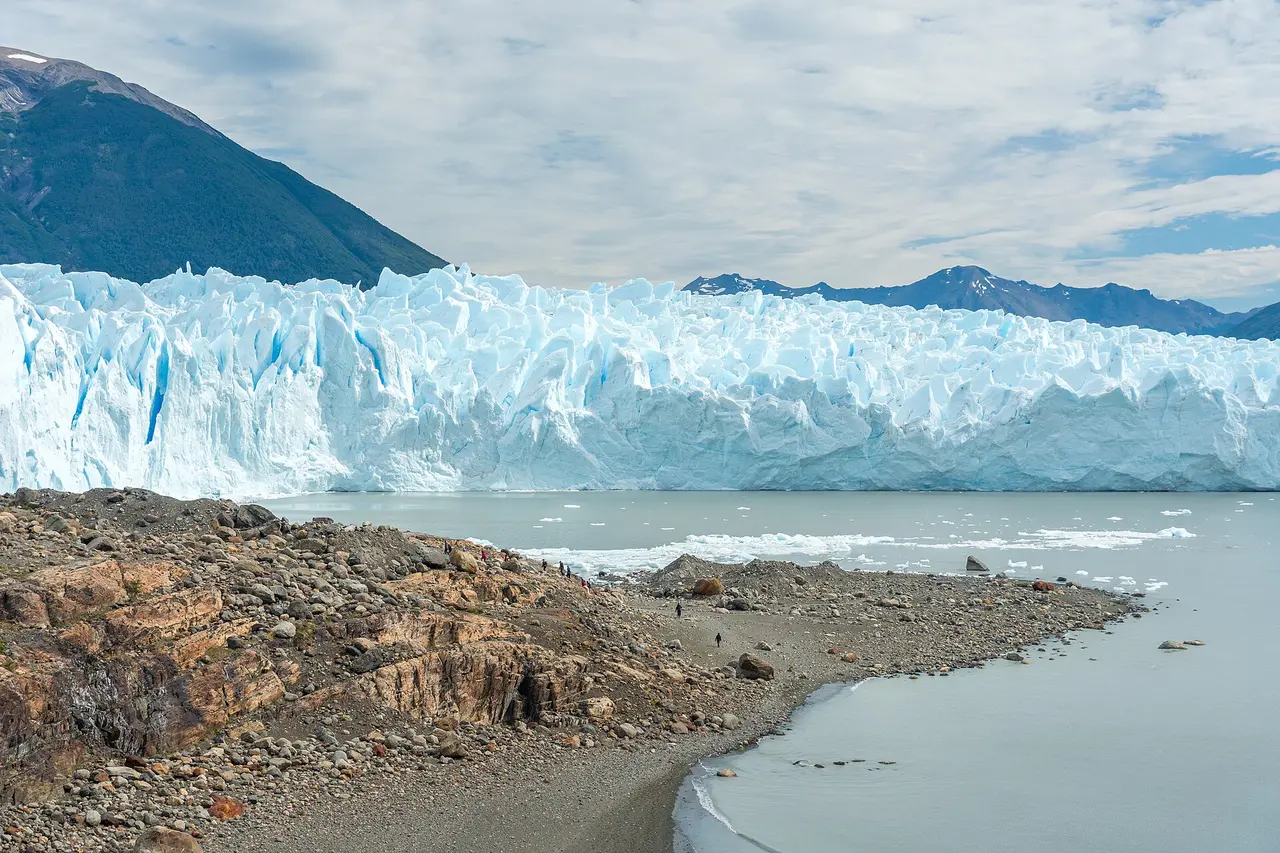
80 km from El Calafate, in UNESCO-listed Los Glaciares National Park, the Perito Moreno Glacier advances towards the Magallanes peninsula along a 5 km front, about 60 m above the water. Walkways let you watch blocks of ice crash into the lake. Boats approach the front, and minitrekking with crampons takes place on the ice. The entrance fee is paid in pesos at the park gate. Allow an extra half day in case the weather closes in, as conditions change very fast.

El Chaltén and Fitz Roy

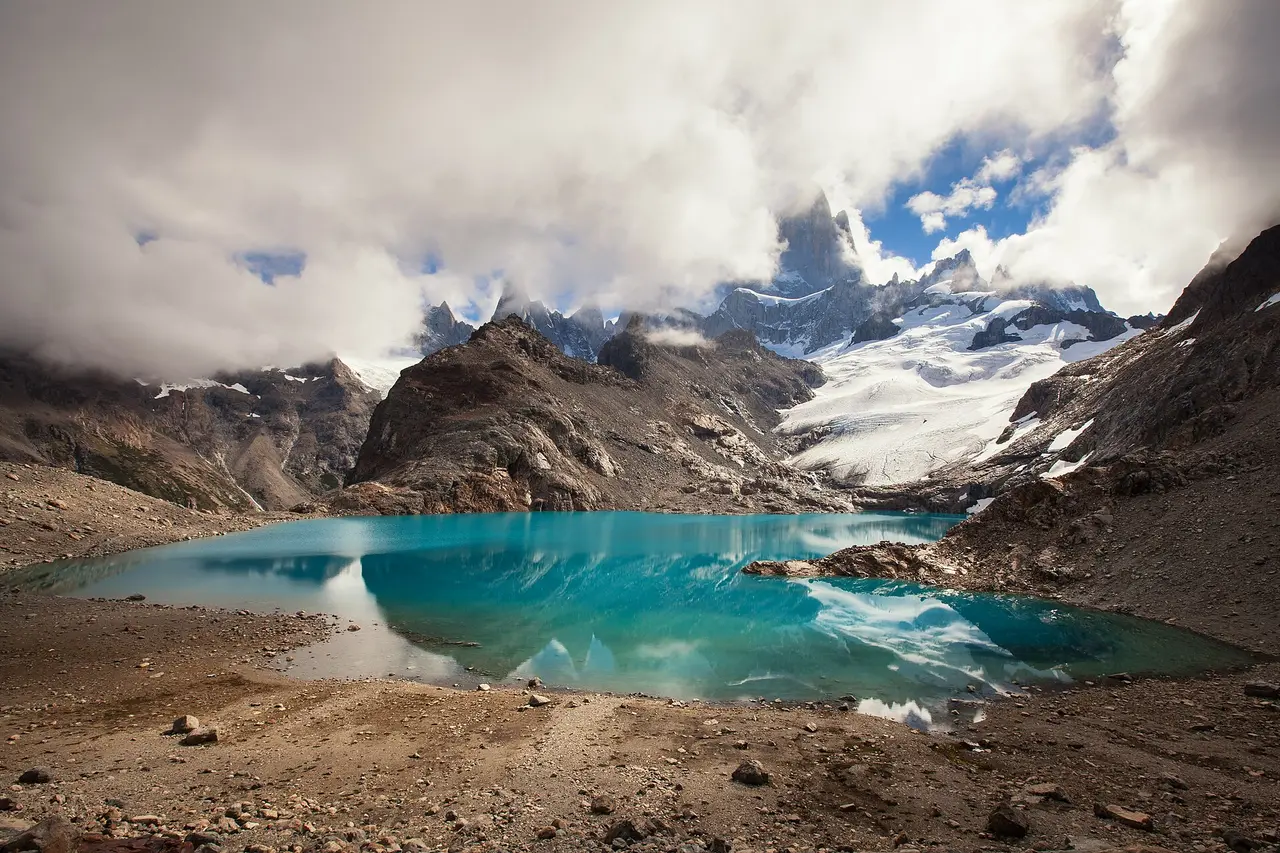
Founded in 1985 at the foot of the 3,405 m Fitz Roy massif, El Chaltén calls itself Argentina's trekking capital. Trails start right from the village: Laguna Torre in an easy day, Laguna de los Tres, at the foot of the granite spires, in 20 km return with a very steep final hour. The village is 3 hours by bus from El Calafate. Start early: the wind often picks up around midday. Since July 2026, access to the trails of the El Chaltén sector has been subject to a fee.

The lakes and glaciers of Los Glaciares

Lake Argentino, the country's largest, is explored by boat from Puerto Bandera to the Upsala and Spegazzini glaciers, among deep blue icebergs. Further north, Lake Viedma borders the glacier of the same name, reached by boat from El Chaltén. The region's estancias, former sheep farms, offer grilled lamb meals and horse rides across the steppe. Allow a full day for the cruise, with a meal on board or a packed lunch.

Ushuaia and Tierra del Fuego

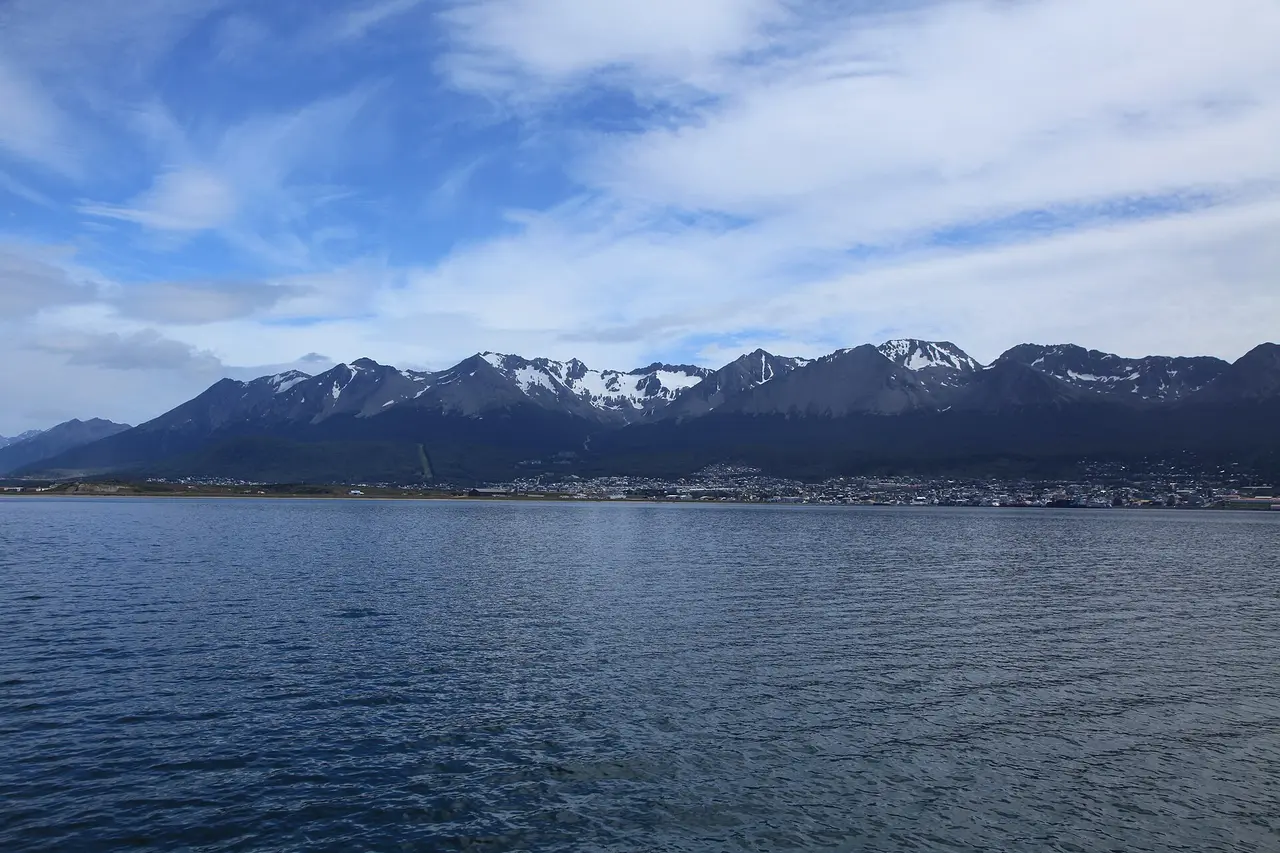
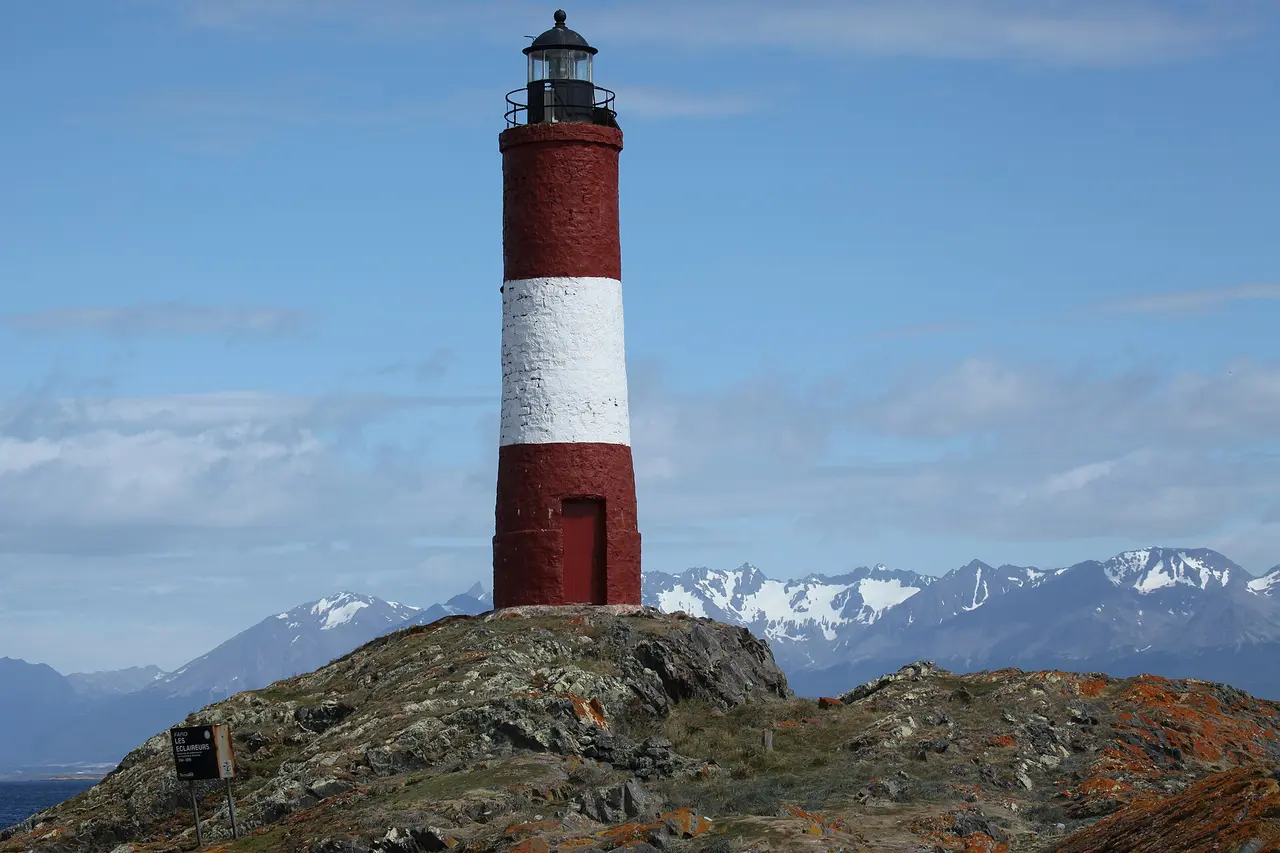
Billed as the world's southernmost city, Ushuaia stretches between the mountains and the Beagle Channel. Cruises head to Les Éclaireurs lighthouse and islands home to sea lions and cormorants; from October to March, some trips approach the Martillo Island penguin colony. Tierra del Fuego National Park, 12 km away, is explored on foot or by the little End of the World train. It is also the main departure port for Antarctic cruises. The town is also worth visiting in winter, with skiing and dog sledding above the bay.

The Valdés Peninsula and the Atlantic coast

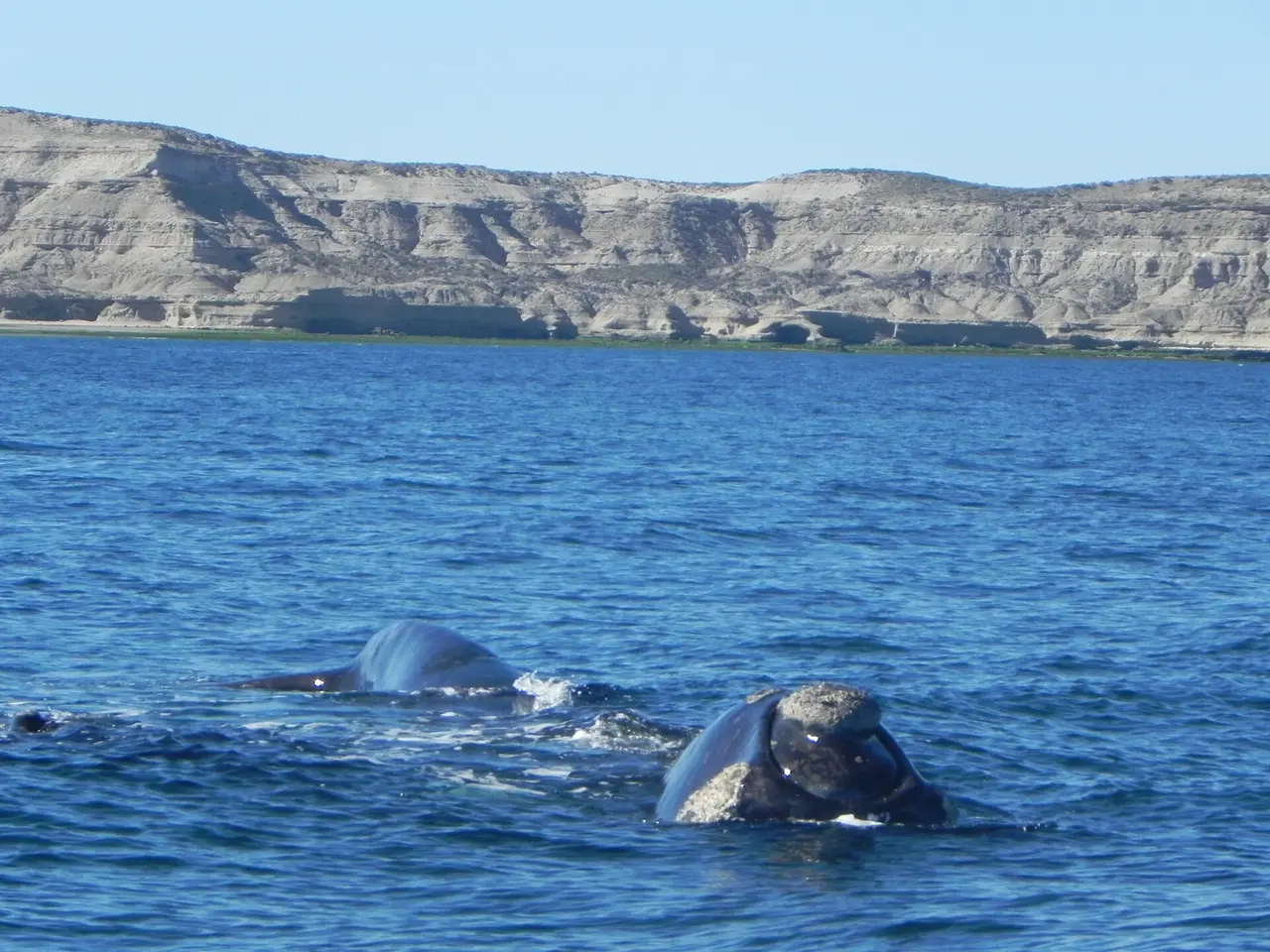
On the Chubut coast, the UNESCO-listed Valdés Peninsula welcomes southern right whales from June to December, viewed by boat from Puerto Pirámides. Elephant seals, sea lions and, from March to April, orcas hunting on the beach complete the picture. Further south, Punta Tombo hosts one of the largest mainland Magellanic penguin colonies, from September to April. In Gaiman, tea houses recall the 19th-century Welsh settlement. Allow two to three days from Puerto Madryn, with a rental car.

Bariloche and the Lake District

In the north, Bariloche borders Lake Nahuel Huapi, in the heart of Argentina's oldest national park. The Seven Lakes Route links the town to San Martín de los Andes through forests and mountain lakes, and the Circuito Chico is cycled in a day. In winter, Cerro Catedral draws skiers. To get from Bariloche to El Calafate, a domestic flight avoids more than 1,400 km of Route 40. Chocolate and craft beer also make the town's reputation.

Cities to visit in Patagonia

Featured destinations appear first.

How much it costs

Per person per day, excluding international travel.
Budget
90 €/ day
3 760 € for 2 people, 7 days, return flights included
Accommodation
25 €
Food
20 €
Local transport
20 €
Sights and activities
25 €
Comfort
178 €/ day
4 992 € for 2 people, 7 days, return flights included
Accommodation
53 €
Food
40 €
Local transport
35 €
Sights and activities
50 €
Premium
398 €/ day
8 072 € for 2 people, 7 days, return flights included
Accommodation
143 €
Food
75 €
Local transport
60 €
Sights and activities
120 €
Prices checked: Relevé novembre 2026, conversion USD-EUR à environ 1,14 et GBP-EUR à 1,16. Hébergement : El Calafate, hôtel moyen env. 65 livres la nuit (HotelsCombined, mai 2026), 3 étoiles env. 121 dollars et 5 étoiles env. 326 dollars (Gotripzi, 2026) ; dortoir pour le profil backpacker. Chambre partagée à deux pour comfort et premium. Transport : cars longue distance (El Calafate-El Chaltén) pour backpacker, voiture de location ou excursions pour comfort et premium. Activités : entrée du parc national Los Glaciares pour non-résidents, 50 000 pesos par jour depuis le 1er juin 2026 selon un relevé non officiel, payable en pesos ; navigation sur le lac Argentino ; minitrekking sur le glacier pour premium. Vol A/R Paris-Buenos Aires env. 1 100 € (Liligo 1 046 € sur 3 mois, ou-et-quand.net 1 093 € en novembre 2026) plus Buenos Aires-El Calafate env. 150 € (Momondo 144 à 176 €), soit 1 250 € retenus. Forte inflation : prix à revérifier.

Entry, health and safety

For FR travellers

Entry requirements

No visa for a tourist stay

Pas de visa pour un séjour de moins de trois mois. Passeport valable pendant toute la durée du séjour. Pour passer au Chili (Torres del Paine), passeport également exigé et déclaration de tous les produits d'origine animale ou végétale à la frontière, sous peine d'amende.

Stay allowed for up to 90 days.

Health

Advised: Vaccins habituels à jour (diphtérie, tétanos, poliomyélite, rougeole) ; hépatite A conseillée.

Argentine en vigilance normale. En Patagonie, vents violents et changements de temps brutaux sur les sentiers : partir équipé et signaler son itinéraire aux gardes du parc. Indice UV très élevé au printemps et en été : crème solaire et lunettes. Eau froide et courants forts dans les lacs et rivières glaciaires. Distances très longues entre stations-service. Inflation forte : prévoir des pesos en espèces pour les entrées de parcs.

Safety

Normal precautions

Emergency

911 (police), 107 (urgences médicales)

Checked in novembre 2026 against the official source. Entry rules change: check the official source before you travel, it alone is authoritative.

Patagonia in pictures

Photo credits : Fernando, CC BY-SA 4.0, Wikimedia Commons ; Almonroth, CC BY-SA 3.0, Wikimedia Commons ; Liam Quinn from Canada, CC BY-SA 2.0, Wikimedia Commons ; Fernanda Cabral Jeronimo, CC BY-SA 4.0, Wikimedia Commons ; Thomas Fuhrmann, CC BY-SA 4.0, Wikimedia Commons ; Natasha Gownaris, CC BY-SA 4.0, Wikimedia Commons

Patagonia's must-sees

Glaciers, mountains and coasts not to miss.

Perito Moreno Glacier

A 5 km ice front and spectacular falling seracs.

Fitz Roy

3,405 m granite spires above El Chaltén.

Laguna de los Tres

A glacial lake at the foot of Fitz Roy, at the end of a demanding hike.

Beagle Channel

A cruise from Ushuaia between lighthouses and sea lion colonies.

Valdés Peninsula

Right whales, elephant seals and orcas on the Atlantic coast.

Torres del Paine

A Chilean massif of granite towers, a few hours from El Calafate.

Seven Lakes Route

A mountain road between Bariloche and San Martín de los Andes.

Practical information for Patagonia

Entry
No visa for French citizens and many EU nationals for under three months; passport valid for the whole stay.
Getting there
Flight to Buenos Aires, around 1,100 euros return from Paris, then a domestic flight to El Calafate, Ushuaia or Bariloche.
Distances
More than 2,000 km between Bariloche and Ushuaia: domestic flights for long distances, buses for regional links.
Money
High inflation: bring pesos in cash for park fees, as foreign cards are sometimes refused.
Wind and UV
Violent gusts and very strong sun: windbreaker, sunglasses and sunscreen are essential.
Crossing into Chile
Passport and compulsory declaration of fresh food at the Cerro Castillo border.
Bookings
Book El Chaltén and Torres del Paine lodging several months ahead for summer.

Frequently asked questions about Patagonia

How many days do you need for Patagonia?
A week is enough for El Calafate, Perito Moreno and El Chaltén, or to add Torres del Paine. Allow two to three weeks to combine glaciers, Ushuaia, the Valdés Peninsula and Bariloche, with several domestic flights.
Argentine or Chilean Patagonia?
The two combine easily from El Calafate. The Argentine side offers Perito Moreno, Fitz Roy and Ushuaia; the Chilean side, Torres del Paine and the fjords. The Cerro Castillo border is crossed by bus with a passport.
What budget for Patagonia?
About 90 euros per person per day in dorms with buses, and 180 euros in hotels with excursions, excluding flights. Patagonia is Argentina's most expensive region, and inflation makes prices vary a lot from month to month.
Can you see penguins in Patagonia?
Yes, from September to April: Magellanic penguins at Punta Tombo and on the Valdés Peninsula, and on Martillo Island from Ushuaia, where a few gentoo penguins also live. In winter, the colonies are empty.
Do you need to be a serious hiker for El Chaltén?
No for Laguna Torre or the viewpoints near the village, open to any walker. Laguna de los Tres, however, requires good fitness: 20 km return and a very steep final climb.

Plan your trip to Patagonia

Day-by-day itinerary, budget, bookings and packing in a single app.
Aperçu de l'application PlanTripNow