Skip to content

Visiting Yucatán: choosing your base between Mérida and Valladolid

In the north-west of the peninsula, the state of Yucatán is best explored from two bases. Mérida opens up the Puuc Route, the cenotes and Celestún, while Valladolid leads to Chichén Itzá, Ek Balam and Río Lagartos. Izamal, the yellow city, links the two.
  • 1 city

At a glance

Currency
Mexican Peso (MX$)
Time difference
UTC-6
Visa
None
Tourist stay of up to 180 days
7-day budget
€798
Per person, comfort profile, excluding international flights.

Why visit Yucatán?

Yucatán is a state in south-eastern Mexico, in the north-west of the peninsula of the same name, with Mérida as its capital. It holds Uxmal and Chichén Itzá, both UNESCO World Heritage sites, swimming cenotes and two flamingo reserves on the Gulf of Mexico. France Diplomatie advises against travel to no part of the state.

When to visit Yucatán

Temperatures, rainfall and crowds month by month, to pick your window.
When to visit Yucatán
MonthTemperaturesRainCrowdsVerdict
January17 to 31 °C4 dBusyCool mornings around 17 °C and 31 °C at midday: prime time for the ruins, and the flamingos are at Celestún.
February18 to 32 °C3 dModerateOnly three rainy days all month: one of the safest times to link Uxmal, Izamal and Chichén Itzá.
March19 to 35 °C2 dBusySkies stay dry, but crowds pack Chichén Itzá around the spring equinox. Set off early.
April21 to 36 °C2 dModerateAlready 36 °C in Mérida by afternoon: see the ruins at opening time and save the cenotes for midday.
May22 to 37 °C5 dQuietThe hottest month, averaging close to 37 °C in the afternoon. Few visitors, but avoid walking in the midday sun.
June23 to 35 °C12 dQuietThe rains set in, on about one day in three, and hurricane season begins on the Atlantic coast.
July23 to 35 °C12 dModerateHot and humid, but the flamingos gather around Ría Lagartos. Check the hurricane forecast before booking.
August23 to 35 °C13 dModerateThirteen rainy days and 35 °C: keep plans flexible, especially on the coast during hurricane season.
September23 to 34 °C14 dVery quietThe wettest month, and the Zika peak according to France Diplomatie. Repellent is essential; best avoided.
October21 to 33 °C8 dVery quietRain eases and the sea stays at 28 °C, but hurricanes remain possible until the end of November.
November19 to 32 °C4 dQuietA very good compromise: 32 °C at midday, four rainy days, few visitors so far and the flamingos back at Celestún.
December18 to 31 °C4 dPackedThe climate is at its mildest and Mérida's prices at their highest, especially over the holidays. Book early.
Source: Cadré sur Mérida, à l'intérieur des terres. Températures et jours de pluie (≥ 0,1 mm) : normales 1991-2020 de Mérida, Centro/Observatorio, via Wikipédia, consulté le 1er novembre 2026. Mer : moyennes de Progreso, seatemperature.info, converties de °F en °C. Cyclones et Zika : France Diplomatie, mise à jour du 15 septembre 2026. Flamants : Yucatán Today, 1er janvier 2026. Affluence et prix : estimations éditoriales, KAYAK situe décembre comme mois le plus cher à Mérida.

What to discover in Yucatán, base by base?

Before you go: this is not the Cancún coast

The mix-up is common. The state of Yucatán covers the north-west of the peninsula, bordered by the Gulf of Mexico, Campeche and Quintana Roo, which was split off from it in 1902. Cancún, Tulum and the Caribbean beaches therefore lie across the state line. Here, the trip is about Maya sites, Franciscan convents, cenotes and lagoons. The sea at Progreso ranges from 24 °C in January to nearly 29 °C in September, but it is not what justifies the journey.

Western base: Mérida for the Puuc and the cenotes

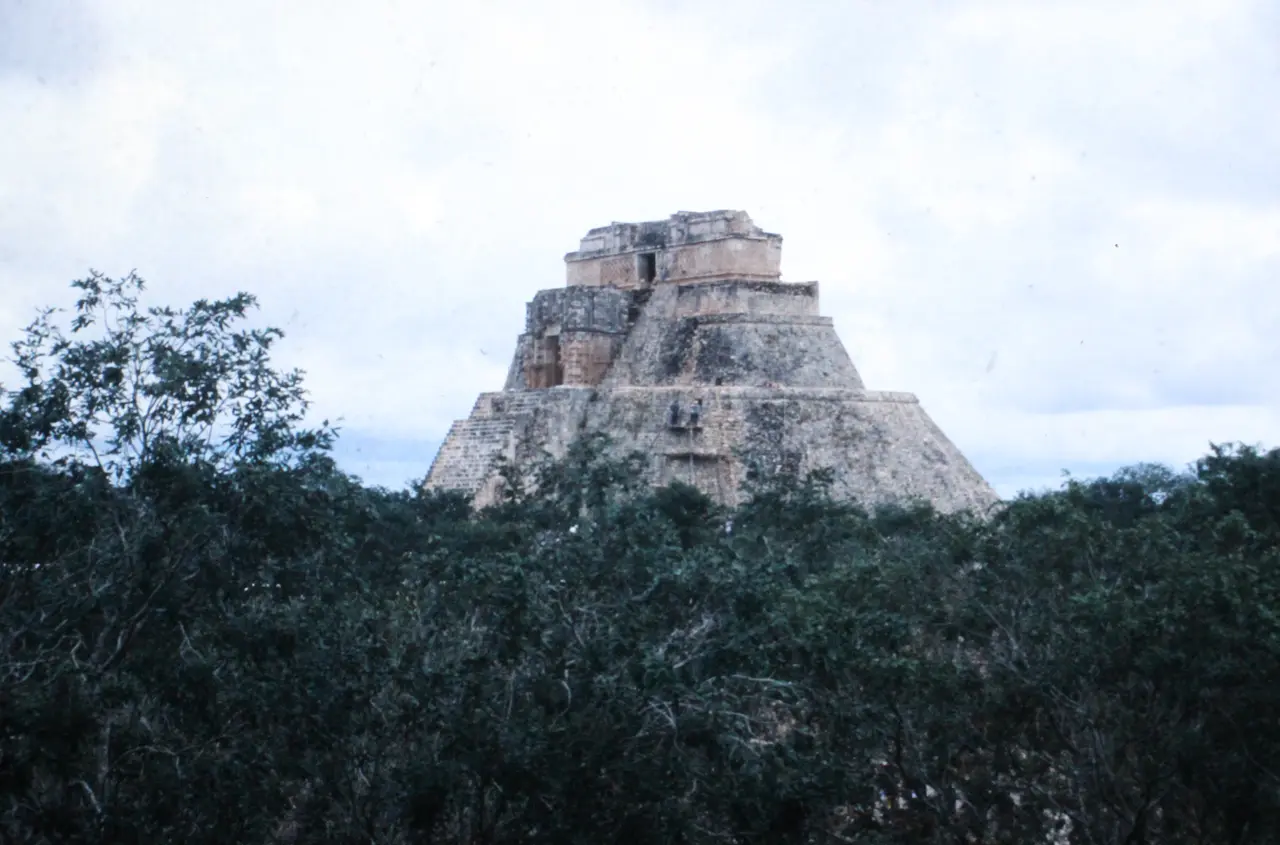
Mérida, the state capital, handles most trips in the west. Uxmal is about 1 hr 15 by road, or 81 km. Listed by UNESCO in 1996, it is the most representative site of the Puuc style, with its oval-outlined Pyramid of the Magician and its Governor's Palace. Kabah, joined to Uxmal by an 18 km causeway, lines up hundreds of masks of the rain god Chaac on the Codz Poop. Closer in, the Homún cenotes are 47 minutes by car, or about an hour by shared van from calle 52.

Halfway stop: Izamal, the yellow city

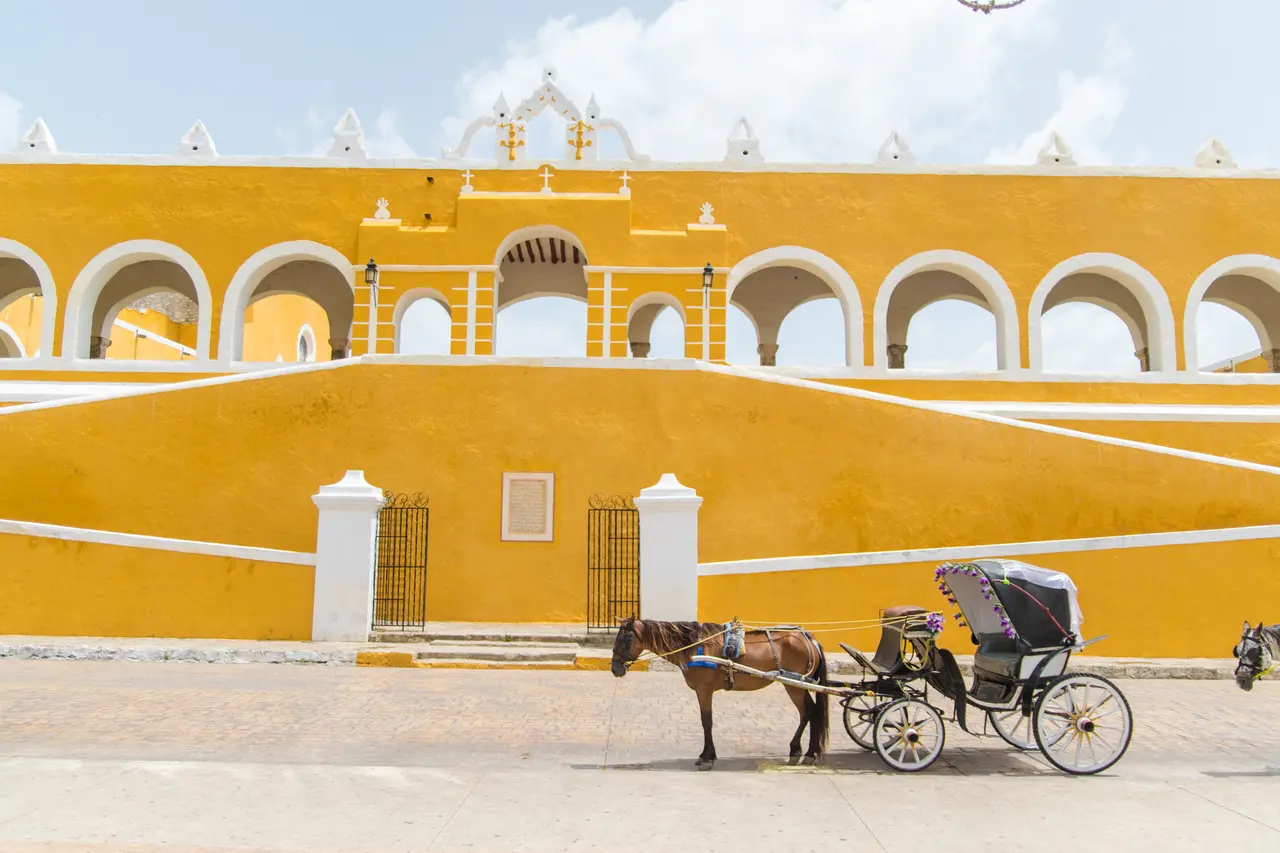
An hour by car from Mérida and 1 hr 30 from Valladolid, Izamal usefully breaks the crossing. The yellow of its façades goes back to a decision by a mayor in office from 1959 to 1961. The Franciscan convent of San Antonio de Padua, completed in 1561, dominates the centre, while the Kinich Kakmó pyramid spreads over more than 8,000 m² a few streets away. One night is enough. Without a car, the bus takes about two hours from Mérida, and the Tren Maya also serves the town, as it does Chichén Itzá and Valladolid.

Eastern base: Valladolid for Chichén Itzá and Ek Balam

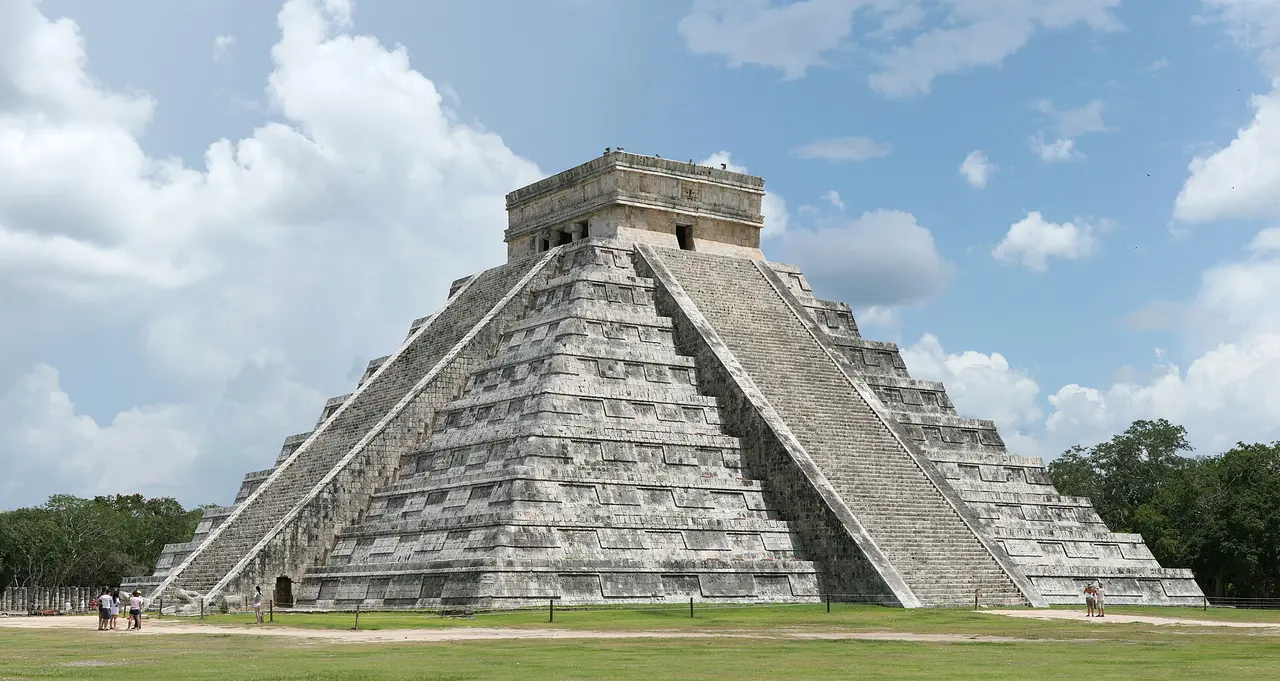
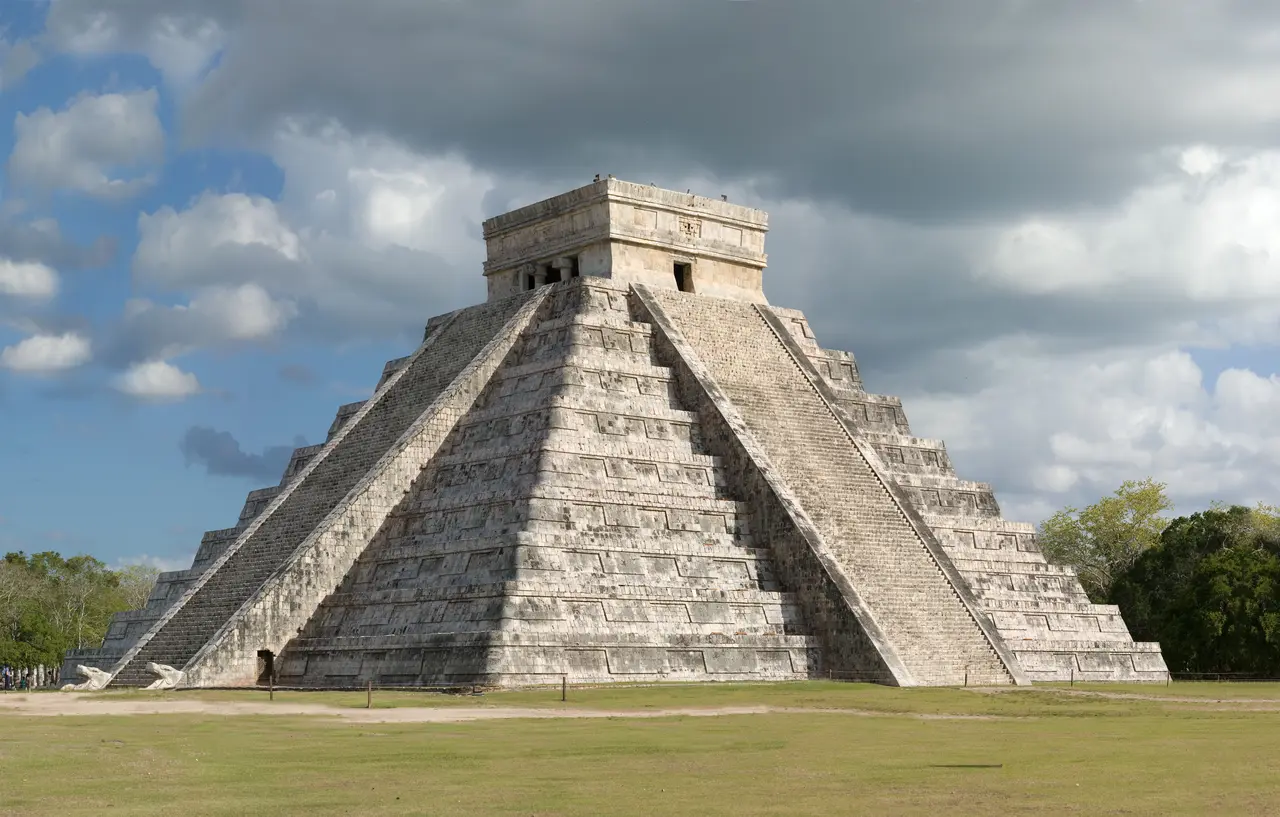
Sleeping in Valladolid saves the long return trip from Mérida, nearly two hours each way. Chichén Itzá, listed by UNESCO in 1988, is just 40 minutes away. El Castillo has not been climbable since 2006, but the Great Ball Court, 168 m by 70, and the Sacred Cenote easily fill a morning. Ek Balam, 25 km north of town, adds an acropolis known for its stucco work. The rest of the time, Valladolid offers the San Bernardino convent, its colonial streets and Cenote Zací, open for swimming near the centre.

Two lagoons, two flamingo seasons

The calendar decides which side to visit. In the west, the Celestún estuary, about 1 hr 20 by road from Mérida, holds the most flamingos from November to March. Trips are paid per boat, not per person, at rates set by the cooperatives, so sharing the boat cuts the bill. From March to October the birds gather in the east, in the Ría Lagartos Biosphere Reserve, 1 hr 40 from Valladolid, where the great majority of pairs nest. No direct bus goes there, so you change at Tizimín.

Cities to visit in Yucatán

Featured destinations appear first.

How much it costs

Per person per day, excluding international travel.
Budget
44 €/ day
2 920 € for 2 people, 7 days, return flights included
Accommodation
13 €
Food
14 €
Local transport
7 €
Sights and activities
10 €
Comfort
114 €/ day
3 900 € for 2 people, 7 days, return flights included
Accommodation
36 €
Food
38 €
Local transport
20 €
Sights and activities
20 €
Premium
255 €/ day
5 874 € for 2 people, 7 days, return flights included
Accommodation
85 €
Food
65 €
Local transport
45 €
Sights and activities
60 €
Prices checked: Relevé du 1er novembre 2026, hors fêtes, cadré sur Mérida et Valladolid. Taux BCE du 30 octobre 2026 : 1 € = 21,1237 MXN. Hôtels : KAYAK Mérida (moyenne 71 €/nuit en semaine ; prix dès pour les 7-8 novembre : Hotel San José 26 €, Hyatt Regency 170 €). Les trois profils = chambre double partagée, montant par personne ; dortoir non retenu, seul tarif trouvé ancien (septembre 2025). Repas : Numbeo Mérida (30 contributeurs, 27/10/2026 : 249 MXN repas simple, 1 000 MXN pour deux), part éditoriale pour petit-déjeuner et collations. Transport : Rome2Rio, données indicatives (Mérida-Valladolid en bus ADO 17 à 26 €, autres lignes 5 à 15 €). Voiture : fort écart entre comparateurs, 8 €/j petite voiture KAYAK contre 60 à 69 €/j Skyscanner ; 60 €/j retenu, partagé à deux, sur trois jours en comfort ; voiture moyenne KAYAK 77 €/j partagée en premium. Essence Numbeo 28,28 MXN/l. Activités : estimation éditoriale à partir des entrées 2026 relevées par la presse locale, non confirmées par un tarif officiel (Chichén Itzá 676 MXN selon Por Esto, 697 MXN selon une note de mars, Ek Balam 691 MXN). Vol A/R Paris-Mérida : 1 152 €/personne, moyenne 12 mois KAYAK, fourchette 1 028 à 1 322 €, aucun vol direct, même prix pour les trois profils. Paris-Cancún, vols directs : 898 €/personne, moyenne 12 mois KAYAK, transfert jusqu'au Yucatán en sus.

Entry, health and safety

For FR travellers

Entry requirements

No visa for a tourist stay

Pas de visa pour un voyage touristique de 180 jours maximum, avec un passeport en cours de validité. À l'arrivée, vérifiez la durée accordée et conservez l'original du tampon, du ticket E-gate ou du FMMD. Toute activité rémunérée ou bénévole est interdite en tourisme. Un séjour dans le Quintana Roo voisin (Cancún) entraîne une taxe de séjour obligatoire, justificatif à présenter à la sortie du territoire.

Stay allowed for up to 180 days.

Health

Required: Fièvre jaune obligatoire uniquement pour les voyageurs en provenance de zones d'endémie.

Advised: Être à jour du calendrier français, dont diphtérie, tétanos, poliomyélite, coqueluche et rougeole. Selon le séjour, à voir avec un médecin : hépatites A et B, typhoïde, rage, chikungunya et dengue.

État en vigilance renforcée, en jaune sur la carte, comme le reste du pays hors zones déconseillées ; aucune zone orange ou rouge au Yucatán. Le Yucatán figure parmi les États à risque de piqûres de moustiques vectrices de maladies, dont dengue et chikungunya, et parmi les deux États les plus touchés par le Zika, avec un pic en septembre. Ne boire que de l'eau en bouteille ou rendue potable. Les hôpitaux refusent les patients sans garantie financière : assurance soins et rapatriement indispensable. Cyclones de début juin à fin novembre sur la côte Atlantique. Plages souvent dangereuses et rarement surveillées. La péninsule du Yucatán fait partie des régions où se concentrent les accidents de la route impliquant des Français.
Safety

Increased caution

Emergency

911

Checked in novembre 2026 against the official source. Entry rules change: check the official source before you travel, it alone is authoritative.

Yucatán in pictures

Photo credits : Fcb981, CC BY-SA 3.0, Wikimedia Commons ; Eneas De Troya, CC BY 2.0, Wikimedia Commons ; Gary Todd from Xinzheng, China, CC0, Wikimedia Commons ; jtyoder-601591, CC0, Wikimedia Commons ; Bernard DUPONT, CC BY-SA 2.0, Wikimedia Commons ; Gage Skidmore, CC BY-SA 4.0, Wikimedia Commons ; Kirt Edblom, CC BY-SA 2.0, Wikimedia Commons ; Sharon Hahn Darlin, CC BY 2.0, Wikimedia Commons ; TSolange, CC BY-SA 4.0, Wikimedia Commons ; Catedrales e Iglesias/Cathedrals and Churches, CC BY 2.0, Wikimedia Commons

Yucatán's must-sees

Six specific places, spread from one end of the state to the other: they fit into a week, provided you change base along the way.

Pyramid of the Magician

Uxmal's most recognisable monument, with five levels and oval outlines that are rare in Maya architecture.

El Castillo

Chichén Itzá's pyramid is admired from the ground: around the equinoxes, shadows form a serpent descending the staircase.

Izamal convent

San Antonio de Padua, completed in 1561, stretches its yellow arcades around a huge atrium.

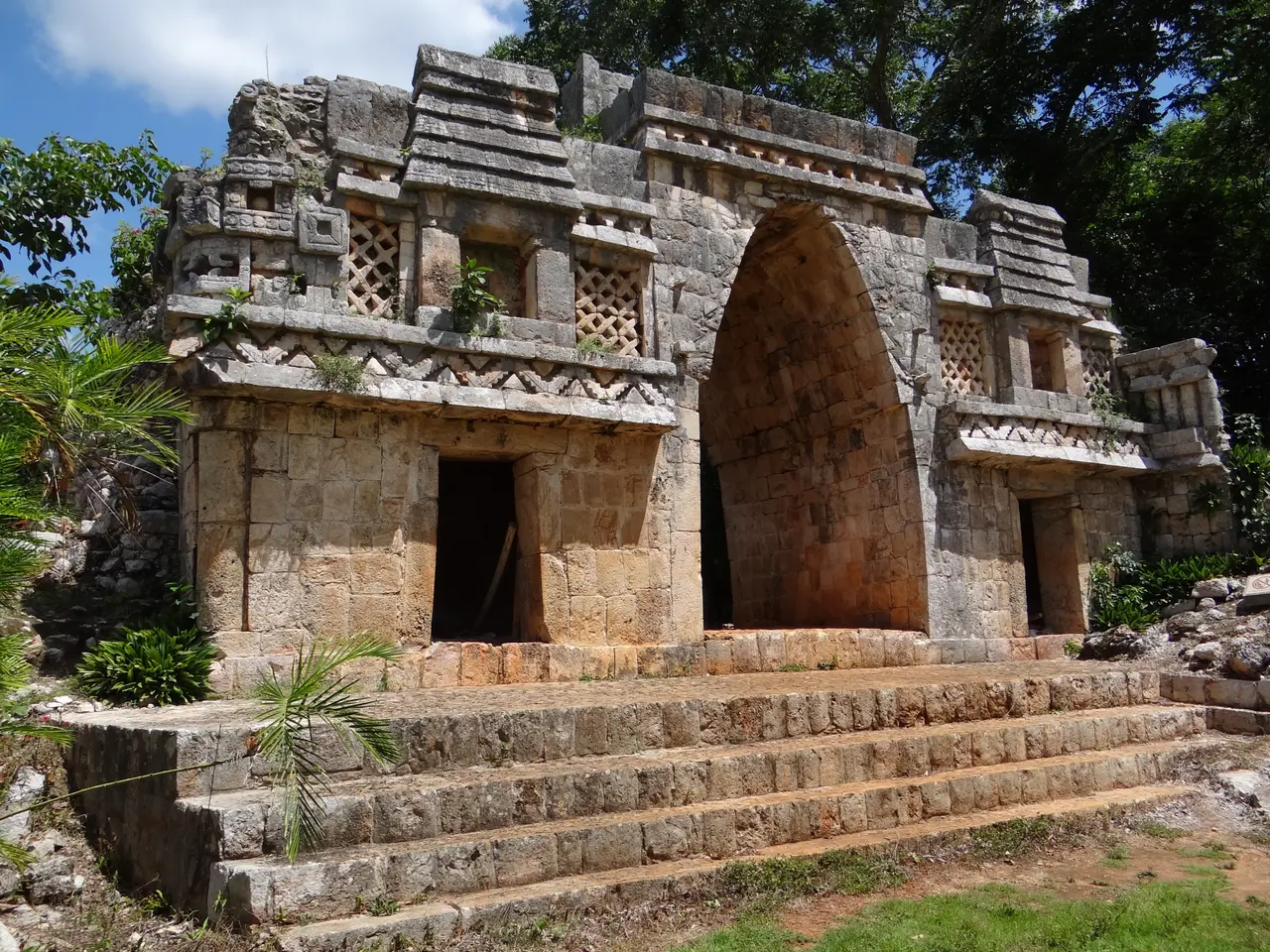
Labná arch

A carved Maya passageway on the Puuc Route, tied to Uxmal's UNESCO listing along with Kabah and Sayil.

Cenote Zací

A freshwater swim steps from the centre of Valladolid, with no excursion to arrange.

Celestún estuary

A protected wetland where flamingos winter, best watched from the cooperatives' boats.

Practical information for Yucatán

Emergencies
911, the number given by France Diplomatie; 088 reaches the police or reports extortion.
Safety
Increased vigilance, as in most of the country. No part of Yucatán is rated orange or red.
Arrival
No direct Paris-Mérida flight. Paris-Cancún is direct, then 1 hr 45 by road to Valladolid.
Mosquitoes
Dengue, chikungunya and Zika: use repellent and long sleeves, especially in the rainy season.
Hurricanes
A risk from early June to the end of November on the Atlantic coast: follow local authorities' advice.
Water
Drink only bottled or purified water.
Swimming
Beaches are often dangerous and rarely supervised, says France Diplomatie. Never dive alone.

Frequently asked questions about Yucatán

Is Cancún in Yucatán?
No. Cancún and Tulum are in the neighbouring state of Quintana Roo, on the Caribbean, although they belong to the Yucatán Peninsula. The state of Yucatán, centred on Mérida, faces the Gulf of Mexico. Valladolid is nonetheless about 1 hr 45 by road from Cancún.
Is Yucatán dangerous?
France Diplomatie rates it increased vigilance, like the rest of the country outside advised-against zones, with no orange or red area. The risks to bear in mind are the roads, mosquitoes and hurricanes from June to November. Its page also gives advice on driving and card payments.
How many days do you need in Yucatán?
Three days cover Mérida, a cenote and Uxmal. Five days take you on to Valladolid, Chichén Itzá and Ek Balam. Allow seven days to link Celestún and Río Lagartos by car, since Río Lagartos has no direct bus and legs often exceed 80 km.
Do you need a car in Yucatán?
Not to link Mérida, Izamal and Valladolid, which have bus services, with the Tren Maya also reaching the last two. A car is very useful for the Puuc Route and essential for a quick trip to Río Lagartos, which has no direct bus. Drive with care, as accidents are common on the peninsula.
When is the best time to visit Yucatán?
From November to February, with three or four rainy days a month and 31 to 32 °C at midday in Mérida. May nears 37 °C in the afternoon, and rain exceeds eleven days a month from June to September, in the middle of hurricane season.
Where can you see flamingos in Yucatán?
At Celestún from November to March, and at Ría Lagartos from March to October, when the birds gather in the east to nest. Celestún is an easy trip from Mérida, about 1 hr 20 by road. Ría Lagartos pairs better with Valladolid, 1 hr 40 away.

Plan your trip to Yucatán

Day-by-day itinerary, budget, bookings and packing in a single app.
Aperçu de l'application PlanTripNow