Skip to content

Visit Sapa : treks, rice terraces and when to go

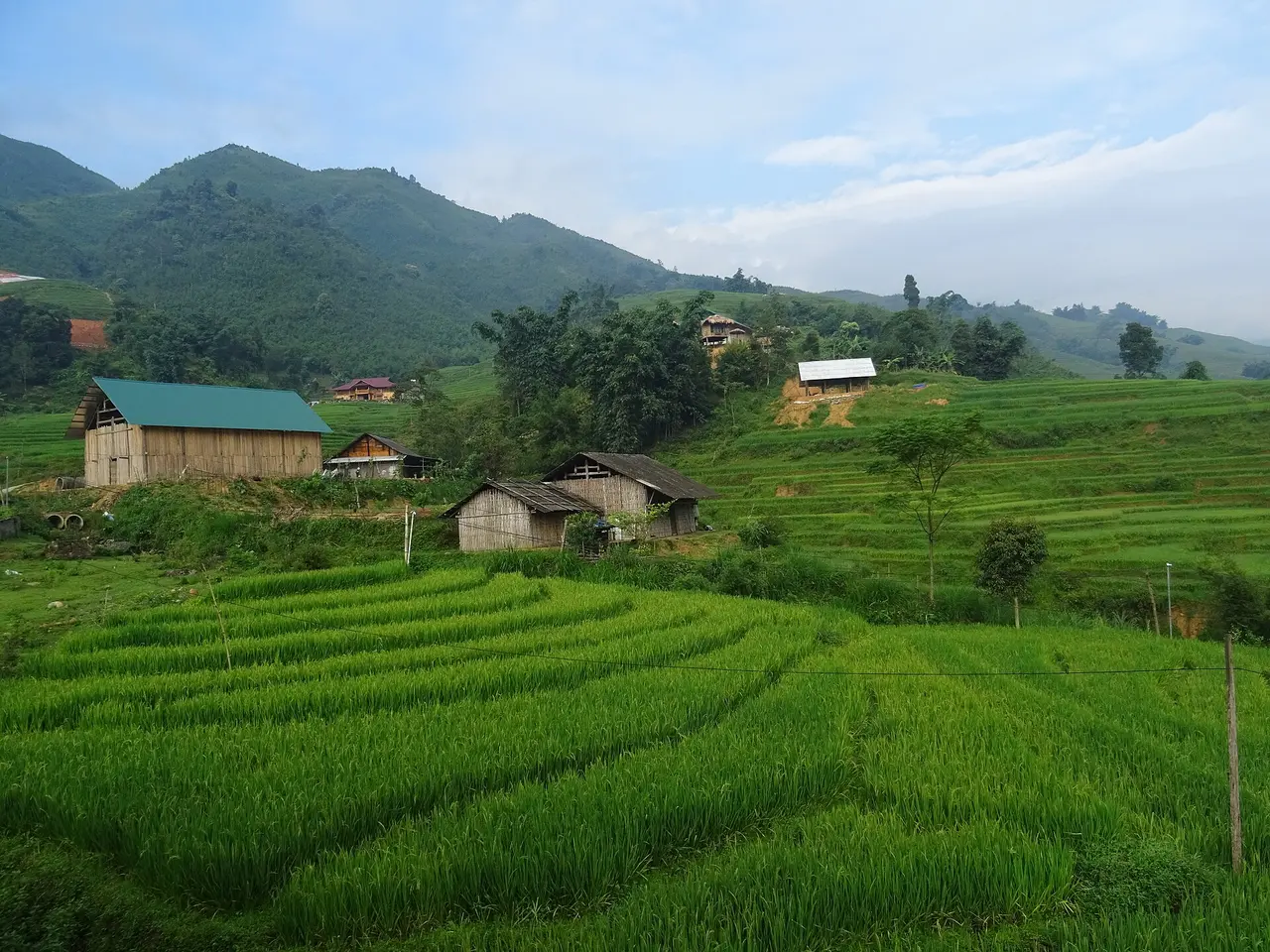
At around 1,500 metres above sea level, Sapa looks out over valleys carved into rice terraces, farmed by the Black Hmong, Red Dao and Giay. People come to walk from village to village, stay with local families and, on clear days, watch Fansipan dominate the horizon.

At a glance

Visa
None
Tourist stay of up to 45 days
7-day budget
€525
Per person, comfort profile, excluding international flights.

Why go to Sapa?

Sapa, a mountain town in Lao Cai province, is the trekking base of northern Vietnam: the Muong Hoa valley, Hmong and Dao villages, and Fansipan, 3,147 metres, reachable by cable car since 2016. Allow 5 to 6 hours by bus or a night on the train from Hanoi. The rice terraces turn golden from late August to late September.

When to visit Sapa

Temperatures, rainfall and crowds month by month, to pick your window.
When to visit Sapa
MonthTemperaturesRainCrowdsVerdict
January6 to 12 °C16 dQuietThe coldest month, 12 °C in the afternoon and nights that can come close to freezing during cold snaps: frequent drizzle and bare terraces, but the cheapest month to fly.
February8 to 14 °C16 dModerateStill cool and often misty, with peach and plum trees in bloom; Tet (6 February in 2027) brings Vietnamese families and pushes up bus and hotel prices.
March11 to 18 °C16 dQuietSpring sets in at around 18 °C with rainfall still low: dry trails, few visitors and a good window for climbing Fansipan on foot.
April14 to 21 °C18 dModerateThe sunniest month, 21 °C during the day; in late April the terraces start to be flooded, and the 30 April holidays fill the town.
May16 to 22 °C22 dModerateRice planting and mirror-like reflections in the terraces, but rainfall already exceeds 300 mm: walk in the morning, before the storms.
June18 to 23 °C24 dBusyThe terraces turn green and the cool air draws Vietnamese holidaymakers escaping the Hanoi heat; showers almost every day and often overcast skies.
July18 to 23 °C26 dBusyThe wettest month, over 450 mm: muddy trails, leeches and a risk of landslides, with flights from Paris at their peak, around 1,130 euros median.
August17 to 23 °C23 dBusyDeep green, then the first golden crops on the lower fields at the end of the month; rain is still very heavy, so keep your trekking days flexible.
September16 to 22 °C20 dPackedGolden rice terrace season, until the harvest in late September: the busiest month, especially around 2 September, so book early.
October14 to 19 °C19 dModerateRainfall drops sharply and the fields are harvested; the least sunny month, with frequent mist, but a pleasant 19 °C for walking.
November10 to 16 °C14 dQuietDrier and quieter, 16 °C in the afternoon and 10 °C at night: peaceful treks in the Muong Hoa valley, with a fleece and windproof jacket essential.
December7 to 13 °C14 dModerateThe least rainy month but cold: frost is possible on the ridges and on Fansipan, and the rare snowfalls draw crowds from Hanoi.
Source: Températures (moyennes des maxima, minima et moyennes quotidiennes) et nombre de jours de pluie : normales de la station de Sa Pa publiées par l'Institut vietnamien des sciences et technologies du bâtiment (QCVN 02:2022/BXD), reprises dans l'article Wikipédia en vietnamien « Sa Pa (thị xã) » (relevé du 10 novembre 2026, période d'observation non précisée). Station située vers 1 500 m d'altitude : pas de température de la mer. Prix : vols Paris-Hanoï sur Kayak (janvier le mois le moins cher à 749 € en médiane, juillet 1 132 € et août 1 112 €), relevé du 10 novembre 2026 ; Têt 2027 le 6 février. Calendrier des rizières et affluence : estimation éditoriale.

Sapa's must-sees

Peaks, waterfalls and markets to add to your days of walking through the rice terraces.

Fansipan cable car

More than 6 kilometres of cable from the Muong Hoa valley up to the ridge, then steps or a funicular to the summit, at 3,147 metres.

Silver Waterfall

A cascade tumbling down the mountainside beside the Tram Ton pass road, viewed from a stepped path, about a dozen kilometres from town.

Love Waterfall

A walk of about half an hour through the forest of Hoang Lien National Park, near Tram Ton pass, leads to this more secluded waterfall.

Muong Hoa carved rocks

Dozens of boulders covered in ancient patterns among the rice fields, between Lao Chai and Ta Van, whose origin and meaning are still debated.

Bac Ha market

The Sunday morning market, two and a half to three hours away by road, gathers Flower Hmong in colourful dress around buffalo, textiles and corn liquor.

Dao herbal bath

In Ta Phin, an infusion of medicinal plants gathered in the forest, served in a wooden tub, a traditional Red Dao recipe to recover after a hike.

What to do in Sapa and its valleys?

The town: lake, church square and Ham Rong mountain

Founded as a hill station by the French administration in the early 20th century, Sapa has kept its stone church in the middle of a square where a lively evening market takes place, especially at weekends. The small lake, five minutes away on foot, takes about twenty minutes to walk around. Above the centre, Ham Rong mountain is climbed in about an hour, through flower and rock gardens, up to a viewpoint over the valley. Buses from Hanoi drop passengers in the heart of town, heavily built up since the 2010s: for peace and quiet, stay in the villages instead.

The Muong Hoa valley: Lao Chai, Ta Van and Ban Ho

This is the classic hike: about ten kilometres downhill from town to Lao Chai, a Hmong village, then Ta Van, home to the Giay, through terraces that hug the slopes of the Muong Hoa river. A valley access ticket is collected at the entrance to the villages. Ta Van has most of the guesthouses and suits a homestay night; the next day, carry on to Ban Ho, more isolated, where Tay people live. Allow 5 to 6 hours of walking for the first stage, with a return possible by car or motorbike taxi.

Cat Cat and Ta Phin, the villages on the town's doorstep

For a first half day, Cat Cat lies about 2 kilometres from the centre down a steep road: a Black Hmong village set up for visitors, with a waterfall, indigo weaving workshops and an entrance ticket. The way back up is on foot or by motorbike taxi. Less touristy, Ta Phin, about a dozen kilometres away, is home to Hmong and Red Dao people, recognisable by their scarlet headdresses. You can visit a cave there and try the Dao herbal bath. Allow half a day for the round trip by motorbike or car.

Tram Ton pass and the Fansipan side

West of town, the road over Tram Ton pass climbs to nearly 2,000 metres, one of the highest road passes in the country, some fifteen kilometres from Sapa. Along the way come waterfalls and forests of Hoang Lien National Park, which protects the range of the same name. This is the starting point for climbing Fansipan on foot, 3,147 metres, over two days with a night in a mountain hut, or in one long day for very fit hikers. The cable car, by contrast, leaves from the Muong Hoa valley. Beyond the pass begins Lai Chau province.

The rice terrace calendar: water, green, then gold

The terraces change appearance through the year. From late April to early June, they are flooded and replanted: mirror-like reflections, but the rains begin. July and August cover them in deep green, at the cost of almost daily showers and muddy trails. The golden harvest runs from late August to late September depending on altitude, the busiest period. From October to March, the fields are bare but rainfall is much lower, and the north stays dry while central Vietnam, around Hoi An, enters flood season. For a first trip, aim for September.

How much it costs

Per person per day, excluding international travel.
Budget
26 €/ day
1 964 € for 2 people, 7 days, return flights included
Accommodation
5 €
Food
8 €
Local transport
4 €
Sights and activities
9 €
Comfort
75 €/ day
2 650 € for 2 people, 7 days, return flights included
Accommodation
25 €
Food
18 €
Local transport
7 €
Sights and activities
25 €
Premium
175 €/ day
4 050 € for 2 people, 7 days, return flights included
Accommodation
60 €
Food
40 €
Local transport
20 €
Sights and activities
55 €
Prices checked: Relevé du 10 novembre 2026. La BCE ne publie pas de taux pour le dong : conversion au taux ExchangeRate-API du 10 novembre 2026 (1 € = 28 613 VND ; 1 € = 1,121 USD). Hébergement : lits en dortoir et chambres en maison d'hôtes de 2 à 9 € sur Hostelworld (page Sapa, 67 établissements, consultée le 10 novembre 2026, prix non datés) ; hôtels selon Booking.com (moyennes affichées sans période : 3 étoiles 26 USD, 4 étoiles 56 USD, 5 étoiles 108 USD la nuit, source commerciale). Repas : Numbeo n'a pas de page pour Sa Pa ; valeurs de Hanoï utilisées comme approximation (mise à jour du 10 novembre 2026, 1 131 relevés de 87 contributeurs : repas bon marché 1,74 €, repas de milieu de gamme pour deux 20,89 €, bière pression locale 1,04 €). Transport : bus couchettes Hanoï-Sapa de 200 000 à 450 000 VND l'aller selon la catégorie, limousines de 400 000 à 450 000 VND (vietnamtourism.com, guide 2026, source commerciale non officielle). Activités : téléphérique du Fansipan aller-retour 850 000 VND par adulte, formule téléphérique, train de Muong Hoa et funiculaire 1 370 000 VND (yourvietnamtravel.com, article du 21 avril 2026, tarifs à confirmer auprès de Sun World) ; village de Cat Cat 150 000 VND (vietnamtourism.com, relevé de septembre 2026). Vol A/R Paris-Hanoï hors vacances scolaires estimé à 800 € par personne (Kayak, relevé du 10 novembre 2026 : fourchette habituelle 733 à 1 119 €, moyenne 866 €, janvier 749 € en médiane, juillet-août au-delà de 1 100 €). Hébergement par nuit et par personne : dortoir pour le profil routard, chambre double partagée à deux pour les autres. Le poste transport inclut l'aller-retour Hanoï-Sapa réparti sur la semaine ; le poste activités inclut le téléphérique du Fansipan, les billets des villages et un guide (partagé, privé en premium). weekTwoPax = 7 jours x 2 personnes + 2 vols.

Getting there

Airports serving Sapa, from main hubs to secondary ones.
  • CXRCam Ranh International Airport / Cam Ranh Air BaseNha Trang/nha Trang aiurportCam RanhMain
  • DADDa Nang International AirportDa NangMain
  • HANNoi Bai International AirportHanoiMain
  • HPHCat Bi International AirportHaiphongMain
  • LTHLong Thanh International Airport (Under Construction)Ho Chi Minh CityMain
  • PQCPhú Quốc International AirportPhu Quoc IslandMain

Entry, health and safety

For FR travellers

Entry requirements

No visa for a tourist stay

Exemption de visa depuis le 15 août 2023 pour tout séjour de 45 jours au plus, jours d'entrée et de sortie compris. Au-delà, e-visa à demander avant le départ sur le portail national de l'immigration (jusqu'à 90 jours, entrées multiples). Exemption et visa ne sont ni prolongeables ni renouvelables sur place ; la date limite inscrite dans le passeport à l'arrivée fait foi et tout dépassement expose à une amende, voire à une enquête administrative de plusieurs semaines. Passeport valable au moins six mois à la date d'entrée.

Stay allowed for up to 45 days.

Passport valid for 6 months beyond your return date.

Health

Advised: Vaccinations du calendrier français à jour (diphtérie, tétanos, poliomyélite, coqueluche, rougeole) ; selon la durée et les conditions du séjour, hépatite A, fièvre typhoïde, hépatite B (séjours fréquents ou longs), rage (séjours en milieu rural), chikungunya, dengue et encéphalite japonaise (cas humains recensés dans les provinces du Nord).

Rage endémique : ne pas approcher les animaux errants, y compris dans les villages. Alcool artisanal frelaté au méthanol particulièrement répandu dans les provinces du Nord : n'acheter que des bouteilles scellées en grande enseigne. Côté sécurité, tout le pays est en vigilance renforcée sans zone déconseillée ; France Diplomatie signale des vols à l'arraché et des escroqueries en hausse dans les zones touristiques, dont Sa Pa, et des glissements de terrain et coupures de routes en saison des pluies. Fiches France Diplomatie mises à jour le 15 septembre 2026.

Safety

Increased caution

Emergency

113 (police), ambassade de France à Hanoï +84 24 39 44 57 00

Checked in novembre 2026 against the official source. Entry rules change: check the official source before you travel, it alone is authoritative.

Practical information for Sapa

From Hanoi by bus

Sleeper buses and minibuses take 5 to 6 hours on the Lao Cai expressway, arriving in the centre of Sapa.

Night train

About 8 hours from Hanoi to Lao Cai station, then an hour by road over 35 kilometres to Sapa; book a sleeper cabin.

Temperatures

Much cooler than Hanoi: a fleece all year round, a proper coat from December to February, when nights can approach 0 °C.

Village tickets

Cat Cat, the Muong Hoa valley and Ham Rong mountain each have their own entrance ticket, paid on site, usually in cash.

Trekking guide

Recommended in the valley, essential for climbing Fansipan on foot; Hmong and Dao guides know the trails and the host families.

Payment

ATMs and card payment in town; cash in dong is essential in the villages and at homestays.

Rainy season

From May to September: slippery trails, leeches and a risk of landslides. Wear shoes with good grip and check road conditions before setting off.

Sapa in pictures

Photo credits : Christophe95, CC BY-SA 4.0, Wikimedia Commons ; Isderion ( talk ), CC BY-SA 3.0 de, Wikimedia Commons ; Vivu Vietnam, CC BY-SA 4.0, Wikimedia Commons

Frequently asked questions about Sapa

Do you need a guide to walk from Lao Chai to Ta Van?
Not necessarily: the main trail is busy and part of it follows a road. A local guide becomes useful for paths across the terraces, often poorly marked and slippery, and to arrange a homestay night. Hiring a Hmong or Dao guide also supports the villages.
When do Sapa's rice terraces turn golden?
From late August to late September, depending on the altitude of the fields: the lowest ripen first. Mid-September usually offers the best balance between golden crops and the end of the heavy rains. The National Day weekend, on 2 September, draws many Vietnamese visitors.
Can you climb Fansipan without the cable car?
Yes, from Tram Ton pass and with a guide: most hikers take two days with a night in a mountain hut, and the fittest one day of 10 to 12 hours. The trail is steep, very muddy in wet weather, and the cold at the summit is biting.
Night train or bus from Hanoi to Sapa?
The bus is faster, 5 to 6 hours on the expressway, and drops you in the centre of Sapa. The night train reaches Lao Cai after about 8 hours, then there is another hour by road: it is more comfortable for sleeping and saves a day of sightseeing.
Does it snow in Sapa in winter?
Rarely. During cold snaps in December and January, nights approach 0 °C and frost sometimes covers the ridges, especially on Fansipan and at Tram Ton pass. Snowfall in town remains exceptional and then draws crowds from Hanoi.
Are two days enough for Sapa and Fansipan?
It is tight: one day for the Fansipan cable car, another for the walk from Lao Chai to Ta Van. Three days let you add Cat Cat or Ta Phin and a homestay night. Many travellers then continue with a cruise in Ha Long Bay, via Hanoi.
What is a homestay night in Ta Van like?
You usually sleep on a mattress in a shared room or small dormitory, under a mosquito net, with a family dinner cooked by your hosts. Comfort is simple and nights are cool. Book through your guide or a platform, and bring cash.
How should you handle Hmong vendors who follow hikers?
Hmong women often walk with groups for kilometres, help on slippery stretches and then offer their embroidery. A polite, clear refusal from the start avoids misunderstandings. If they have helped you, a purchase is appreciated; avoid buying from children, however.
Is Bac Ha market worth the trip from Sapa?
Yes if you are there on a Sunday: allow 2.5 to 3 hours by road each way, leaving early in the morning. The market mainly gathers Flower Hmong in very colourful costumes, with a corner set aside for buffalo. On Saturdays, Can Cau market, further north, is more rural.
Can you hike around Sapa in the middle of the rainy season?
Yes, with care: from May to September, showers make the terraces slippery, leeches appear and landslides sometimes cut the roads. Set off in the morning, wear shoes with good grip and give up steep trails after heavy rain.
Why is salmon on the menu in Sapa's restaurants?
The "salmon" on menus is mostly rainbow trout, farmed with sturgeon in the cold water of the mountain streams since the mid-2000s. They are served as hotpot or salad in town. Also try grilled skewers, rice cooked in bamboo tubes and thang co, a Hmong stew.

Plan your trip to Sapa

Build your day-by-day itinerary and manage budget, bookings and packing in PlanTripNow.
Aperçu de l'application PlanTripNow