

Travel to Australia: when to go, budget and itineraries
- 8 cities · 4 regions
At a glance
- Currency
- Australian Dollar (A$)
- Time difference
- UTC+8 à UTC+11
- Visa
- None
- Tourist stay of up to 90 days
- 7-day budget
- €875
- Per person, comfort profile, excluding international flights.
Why visit Australia?
Australia holds within a single territory the largest coral structure on Earth, deserts inhabited for 65,000 years by Aboriginal peoples, and coastal cities ranked among the world's most liveable. Its wildlife is unique: kangaroos, koalas and platypuses live nowhere else in the wild. The distances mean choosing two or three regions rather than trying to see everything.
When to visit Australia
| Month | Temperatures | Rain | Crowds | Verdict |
|---|---|---|---|---|
| January | 20 to 27 °C | 8 d | Packed | Peak austral summer and school holidays: packed beaches and the priciest lodging, book well ahead. |
| February | 20 to 27 °C | 9 d | Busy | The year's wettest month, yet the sea sits at 24C and the crowds start to ease. |
| March | 18 to 26 °C | 10 d | Moderate | The best balance: gentle warmth, swimmable sea, and Mardi Gras lighting up the city in early March. |
| April | 15 to 24 °C | 8 d | Moderate | Gorgeous autumn light over the harbour; only the Easter break nudges prices up for a few days. |
| May | 12 to 21 °C | 8 d | Quiet | Quiet low season with clear 21C days, ideal for walking the coastal path crowd-free. |
| June | 10 to 18 °C | 9 d | Moderate | The Vivid festival lights the harbour until mid-June and fills hotels despite chilly evenings. |
| July | 9 to 18 °C | 7 d | Moderate | The coolest month, but often dry and sunny, with whale watching off the cliffs. |
| August | 10 to 19 °C | 6 d | Quiet | The year's quietest stretch: least rain, low rates, and an occasionally biting wind. |
| September | 12 to 22 °C | 6 d | Moderate | Spring kicks in with little rain and jacarandas on the way; late-September holidays stir the beaches a little. |
| October | 15 to 23 °C | 8 d | Moderate | Ideal mildness for Bondi and the Blue Mountains, before the sea truly warms up. |
| November | 17 to 24 °C | 9 d | Moderate | Sculpture by the Sea links Bondi to Tamarama; comfortable warmth before the December rush. |
| December | 18 to 26 °C | 8 d | Busy | Everything books out for the New Year's Eve fireworks: the year's tariff peak around the harbour. |
What to see in Australia?
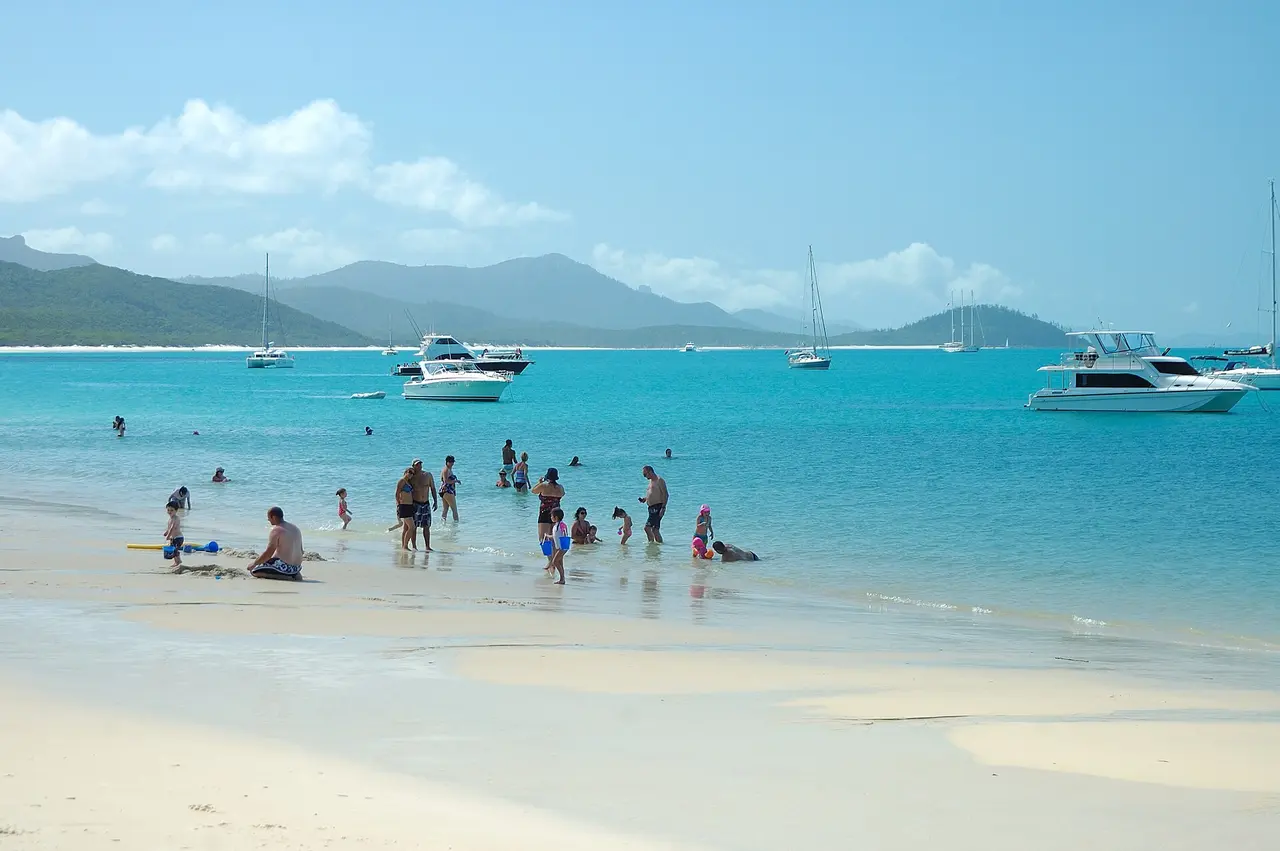
Tropical Queensland and the Great Barrier Reef
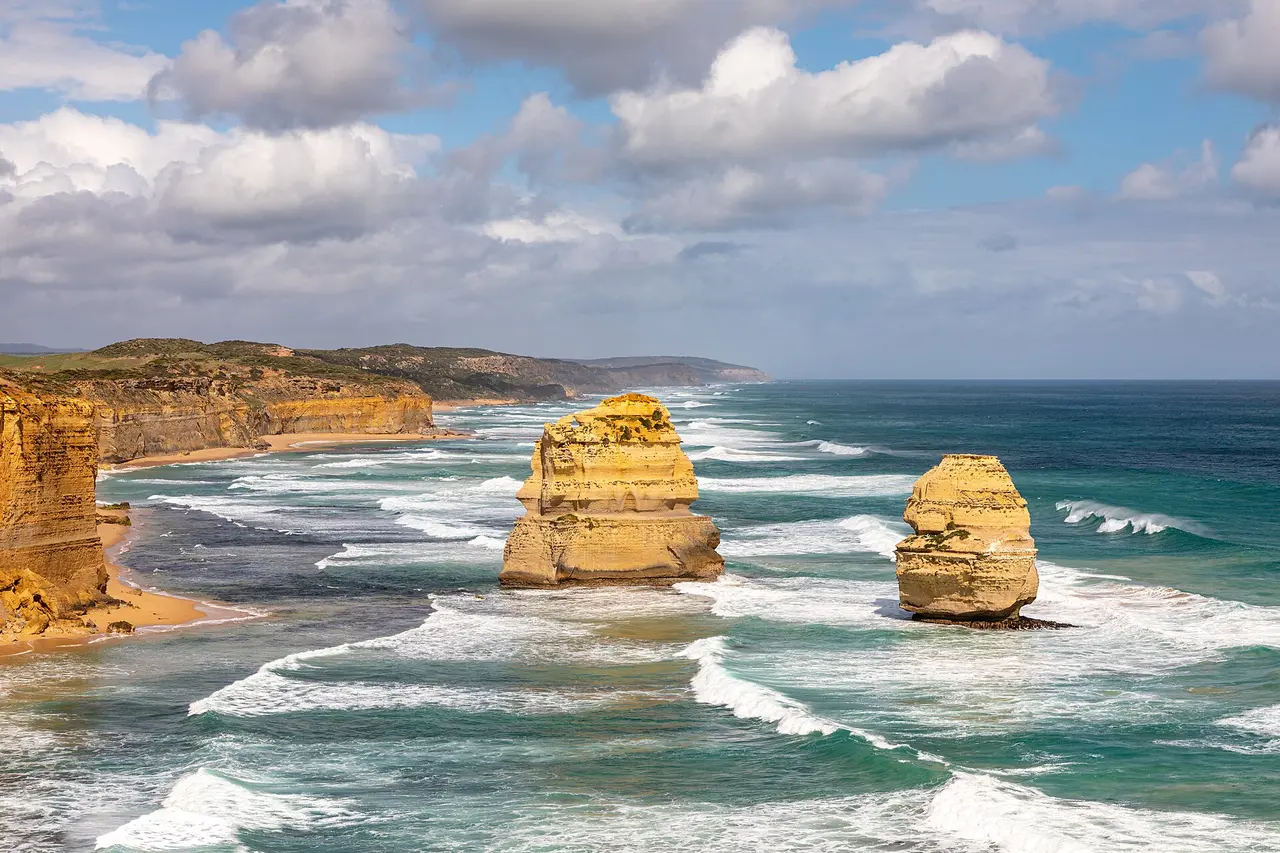
Melbourne, Victoria and the Great Ocean Road
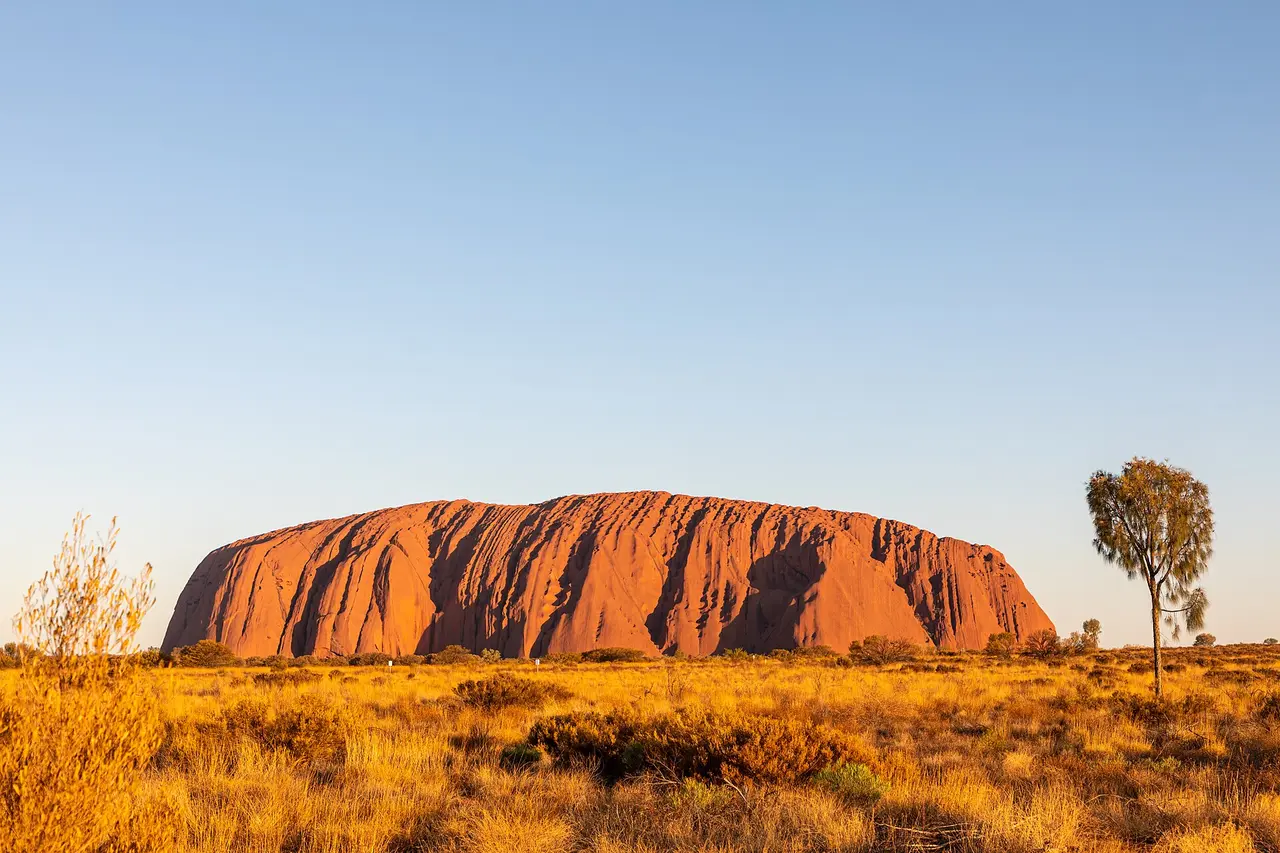
The Red Centre and the Northern Territory
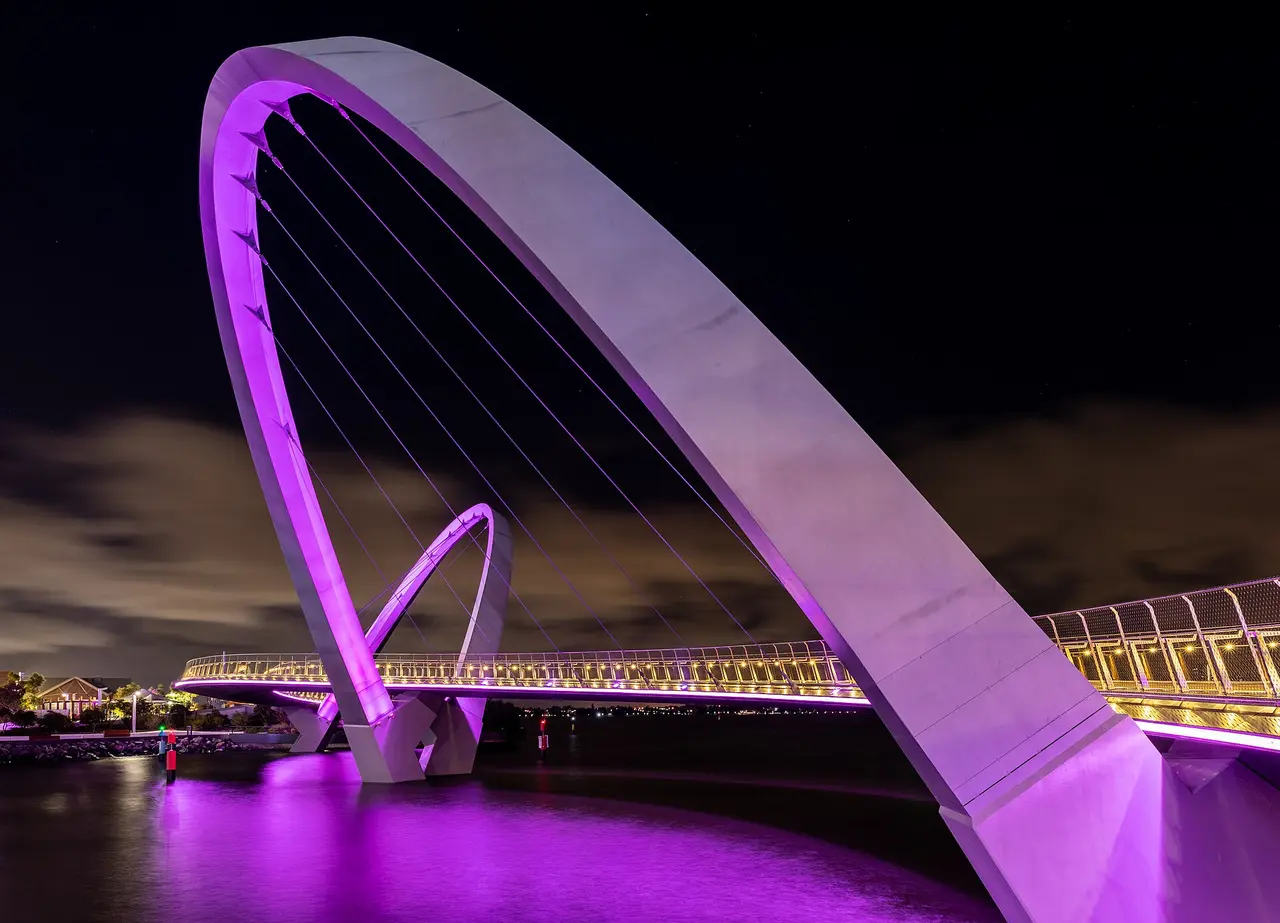
Western Australia and Perth
Tasmania
Cities to visit in Australia
Regions to explore in Australia
How much it costs
- Accommodation
- 20 €
- Food
- 17 €
- Local transport
- 6 €
- Sights and activities
- 9 €
- Accommodation
- 52 €
- Food
- 32 €
- Local transport
- 15 €
- Sights and activities
- 26 €
- Accommodation
- 104 €
- Food
- 64 €
- Local transport
- 32 €
- Sights and activities
- 87 €
Getting there
- ABXAlbury AirportEast AlburySecondary
- ALHAlbany AirportAlbanySecondary
- ARMArmidale AirportArmidaleSecondary
- ARYArarat AirportAraratSecondary
- ASPAlice Springs AirportAlice SpringsSecondary
- AYQAyers Rock Connellan AirportYularaSecondary
Entry, health and safety
For FR travellersEntry requirements
No visa for a tourist stay
Pas de visa classique mais une autorisation électronique de voyage eVisitor (sous-classe 651) obligatoire avant l'embarquement, gratuite, pour un séjour touristique ou d'affaires de 3 mois maximum. Il faut voyager avec le passeport déclaré lors de la demande.
Stay allowed for up to 90 days.
Health
Advised: Mise a jour des vaccins habituels (diphtérie, tétanos, poliomyélite, coqueluche, rougeole). Selon le voyage : encéphalite japonaise, hépatite B, fièvre jaune si provenance d'une zone endémique.
Aucun accord bilatéral de sécurité sociale : assurance couvrant frais médicaux, hospitalisation et rapatriement impérative. Dengue et encéphalite japonaise dans le nord tropical. Épisodes de forte dégradation de l'air (fumées d'incendies) possibles à Sydney, Canberra et Melbourne.
Safety
Normal precautions
Emergency
000
Australia in pictures
Australia's must-sees
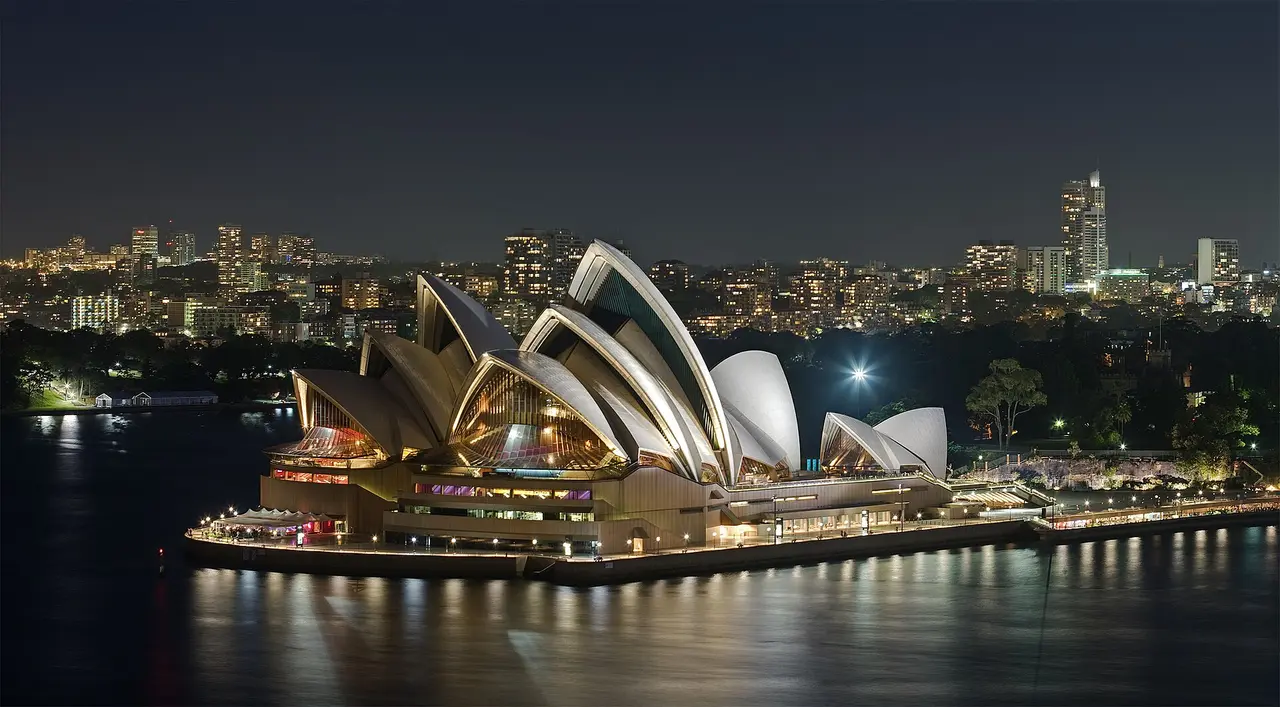
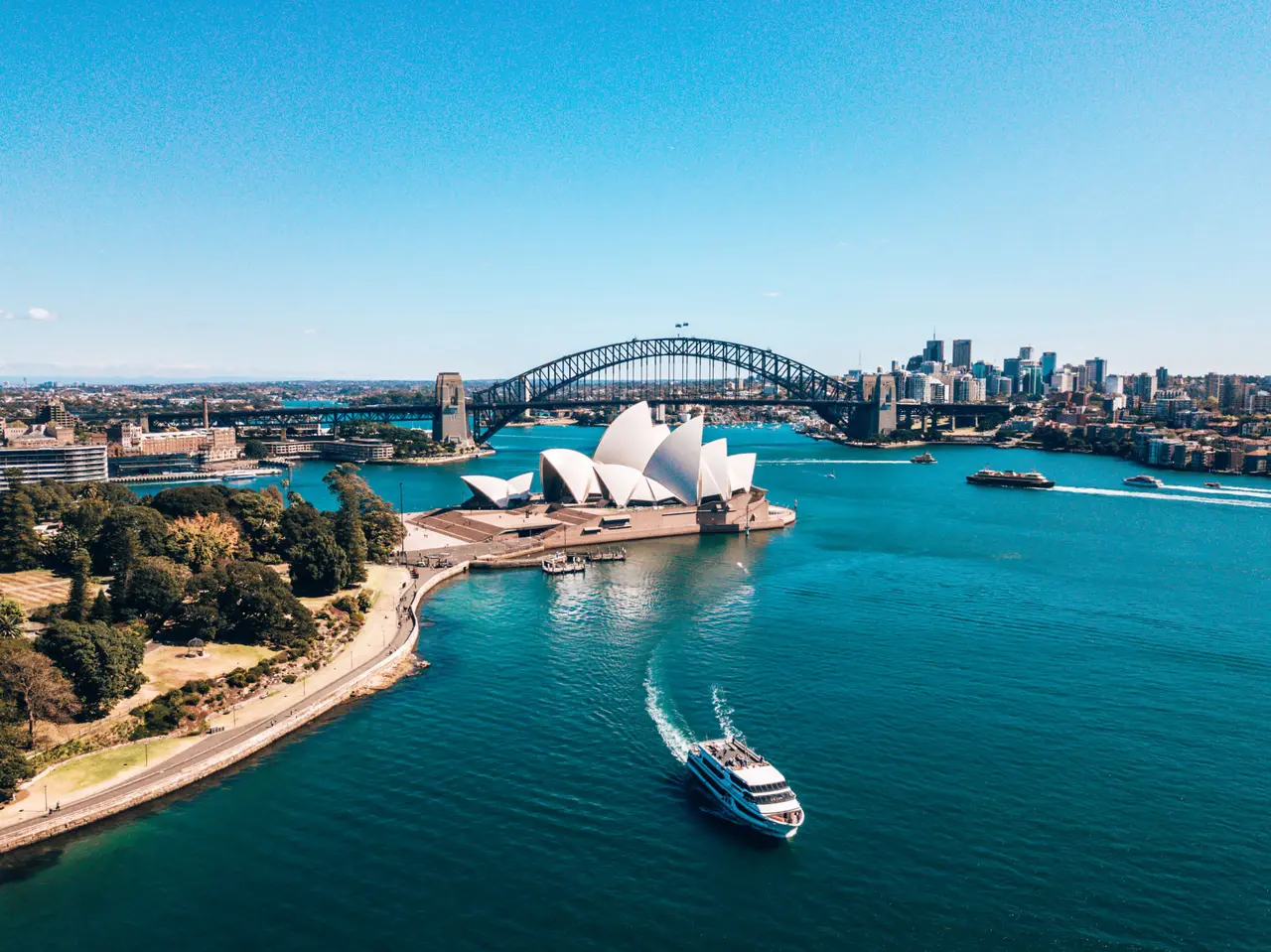
Sydney Opera House
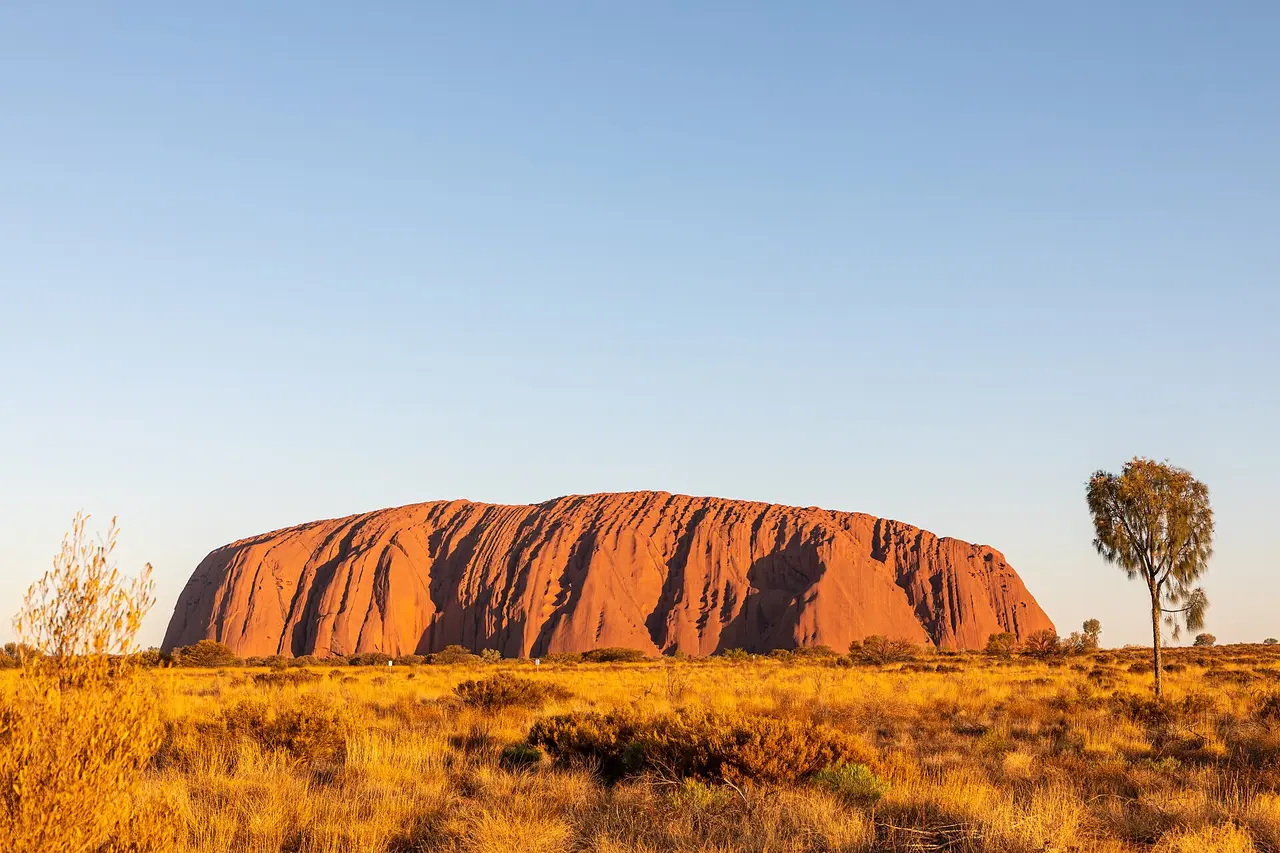
Uluru
Great Barrier Reef
Great Ocean Road
Whitehaven Beach
Kakadu National Park
Blue Mountains
Kangaroo Island
MONA, Hobart
Daintree
Practical information for a trip to Australia
- Entry authorisation
- Free eVisitor for French citizens, paid ETA (about AUD 20) for Canadians, both obtained online before boarding.
- Driving side
- Left. A foreign licence is accepted with an official translation or an international driving permit.
- Power sockets
- Type I, 230 V. A specific adapter is essential, different from the one used in Asia.
- Biosecurity
- Strict checks on arrival: declare all food, plant products and hiking gear, or face a fine.
- Jellyfish
- Irukandji and box jellyfish are present in the tropical north from November to May. Stinger suits are provided on boats.
- Sun
- Among the highest UV levels in the world. Hat, sunglasses and factor 50 even on overcast days.
- Tipping
- Not expected and not easy to do. Wages are high and displayed prices include the 10 percent GST.
- Payment
- Contactless accepted everywhere, often with a 1 to 2 percent surcharge. Cash is rarely needed.
- Distances
- Sydney to Perth is 3,300 km. Domestic flights are unavoidable; booking early roughly halves the fare.
- Tax refund
- GST can be refunded at the airport (Tourist Refund Scheme) on any single purchase over AUD 300 made within 60 days.
Similar destinations
Similar regions
Frequently asked questions about travelling to Australia
Do I need the eVisitor or the ETA to enter Australia?
Can I see Uluru and the Great Barrier Reef in two weeks?
Can you still climb Uluru?
When is jellyfish season in Queensland?
Is it better to land in Sydney or Melbourne?
Can you cross Australia by train?
Can you see wild koalas near Sydney?
Is the Great Barrier Reef still worth it after the bleaching events?
Is driving on the left hard in Australia?
How much is a domestic Sydney to Cairns flight?
Plan your trip to Australia