Skip to content

Plan a trip to Fiji: when to go, budget and itineraries

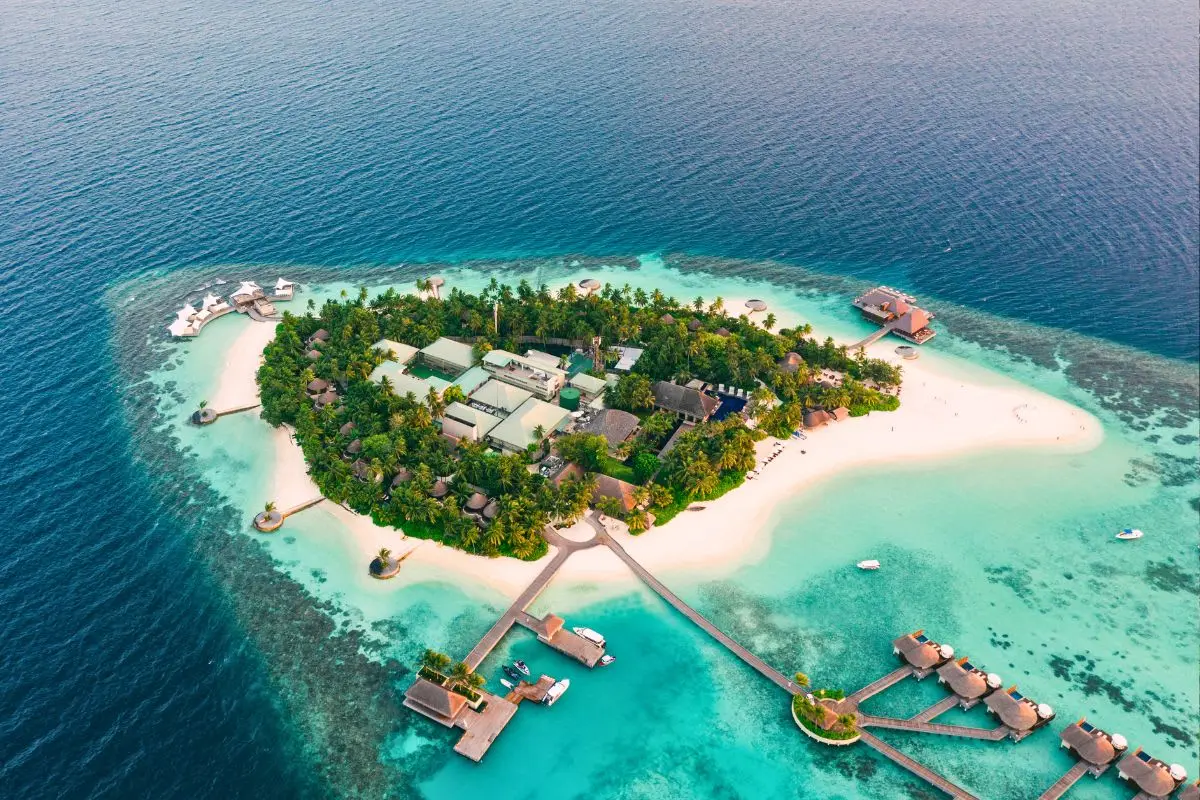
An archipelago of more than 300 islands where Pacific lagoons sit next to villages that still share kava in a circle. Between diving on coral reefs, hiking Taveuni's jungle trails and lazing on a sandbank island, Fiji moves at a pace that is rare elsewhere in the region.

At a glance

Currency
Fijian Dollar
Time difference
UTC+12
Visa
None
Tourist stay of up to 120 days
7-day budget
€1,176
Per person, comfort profile, excluding international flights.

Why visit Fiji?

Fiji combines warm year-round seas, some of the best-preserved coral reefs in the Pacific, and a Melanesian culture that is still very much alive in its villages. It is also one of the easiest gateways into Oceania from Europe, with a single stopover possible via Los Angeles or Hong Kong.

When to visit Fiji

Temperatures, rainfall and crowds month by month, to pick your window.
When to visit Fiji
MonthTemperaturesRainCrowdsVerdict
January24 to 30 °C16 dBusyPeak southern summer, humid heat with cyclone risk, though prices stay reasonable before February's heaviest rains.
February24 to 30 °C17 dQuietThe wettest, most cyclone-exposed month, best suited to bargain hunters willing to work around the rain.
March24 to 30 °C15 dQuietStill within the cyclone window, but the sea is at its warmest and hotels cut their rates.
April23 to 29 °C11 dModerateCyclone season winds down and sunshine returns, a solid compromise before the June rush.
May22 to 29 °C8 dModerateDrier air and cooler nights make this one of the best months for diving Viti Levu's reefs.
June21 to 28 °C6 dPackedDry high season kicks off alongside Australian school holidays, so book resorts well ahead.
July20 to 28 °C5 dPackedThe driest month of the year, near-guaranteed clear skies but prices peak across every island.
August20 to 28 °C6 dPackedStill deep in the Australian winter rush, the coolest sea of the year yet still ideal for snorkelling.
September21 to 28 °C7 dBusyDry season's last stretch brings bright days, the final comfortable window before humidity creeps back.
October22 to 29 °C8 dModerateA quiet low season with gently rising heat, good value before the year-end holiday rush.
November23 to 30 °C9 dModerateCyclone season officially opens, though the first weeks often stay calm and affordable.
December24 to 30 °C13 dPackedChristmas and New Year rush despite muggy heat and rising cyclone risk, with prices at their peak.
Source: Moyennes climatiques Nadi (aéroport international, hémisphère sud) recoupées Weather Spark / climate-data.org / weather-and-climate.com, relevé septembre 2026

What to see in Fiji?

Viti Levu, the main island

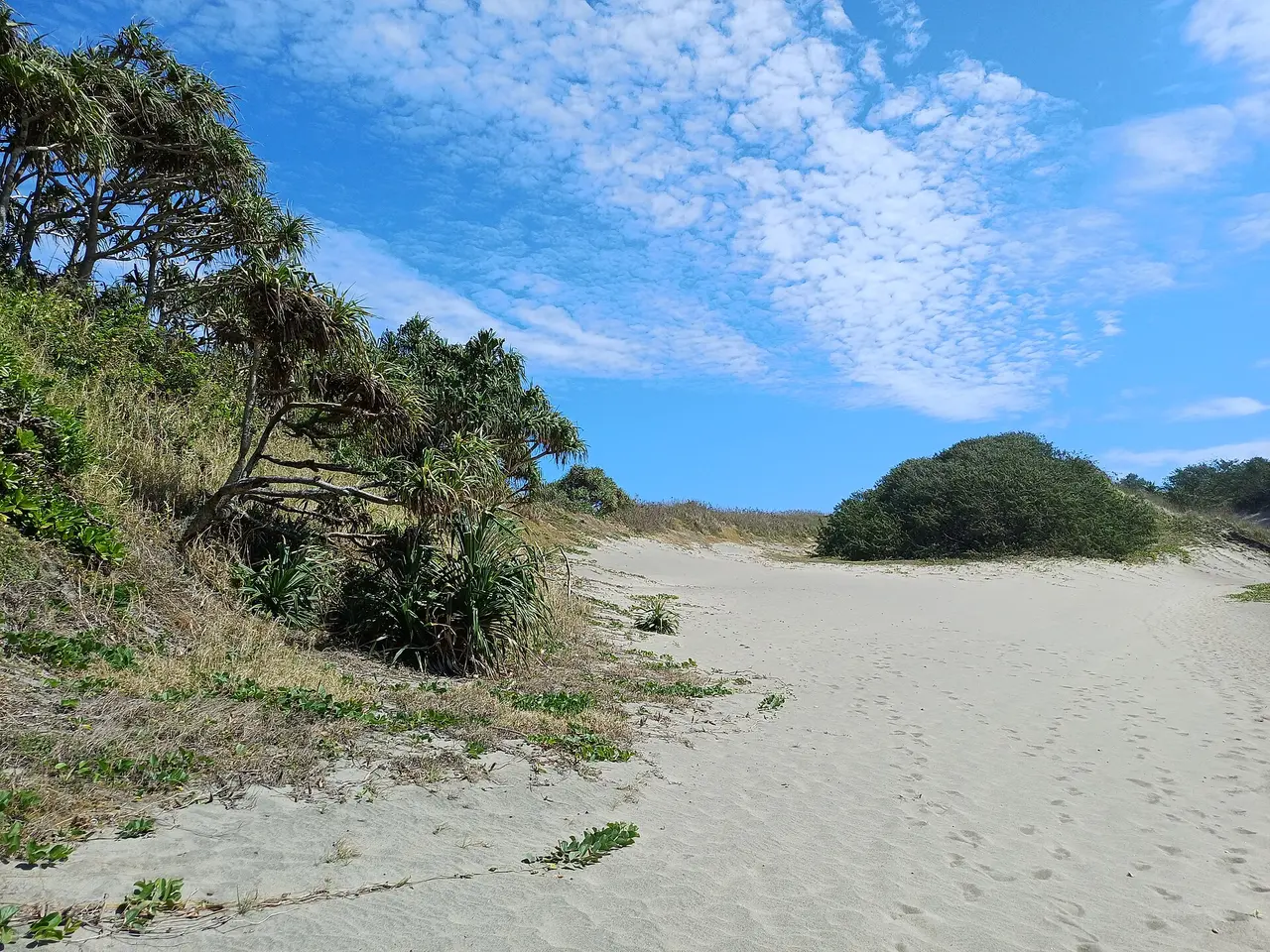
Viti Levu holds most of the country's infrastructure: Nadi international airport, the capital Suva at the other end of the island (about 3 hours by the Queens Road), and the Coral Coast in between. This is where the Sigatoka sand dunes and most family resorts are found. A full loop of the island takes at least 5 to 6 days if you want more than just the Nadi area.
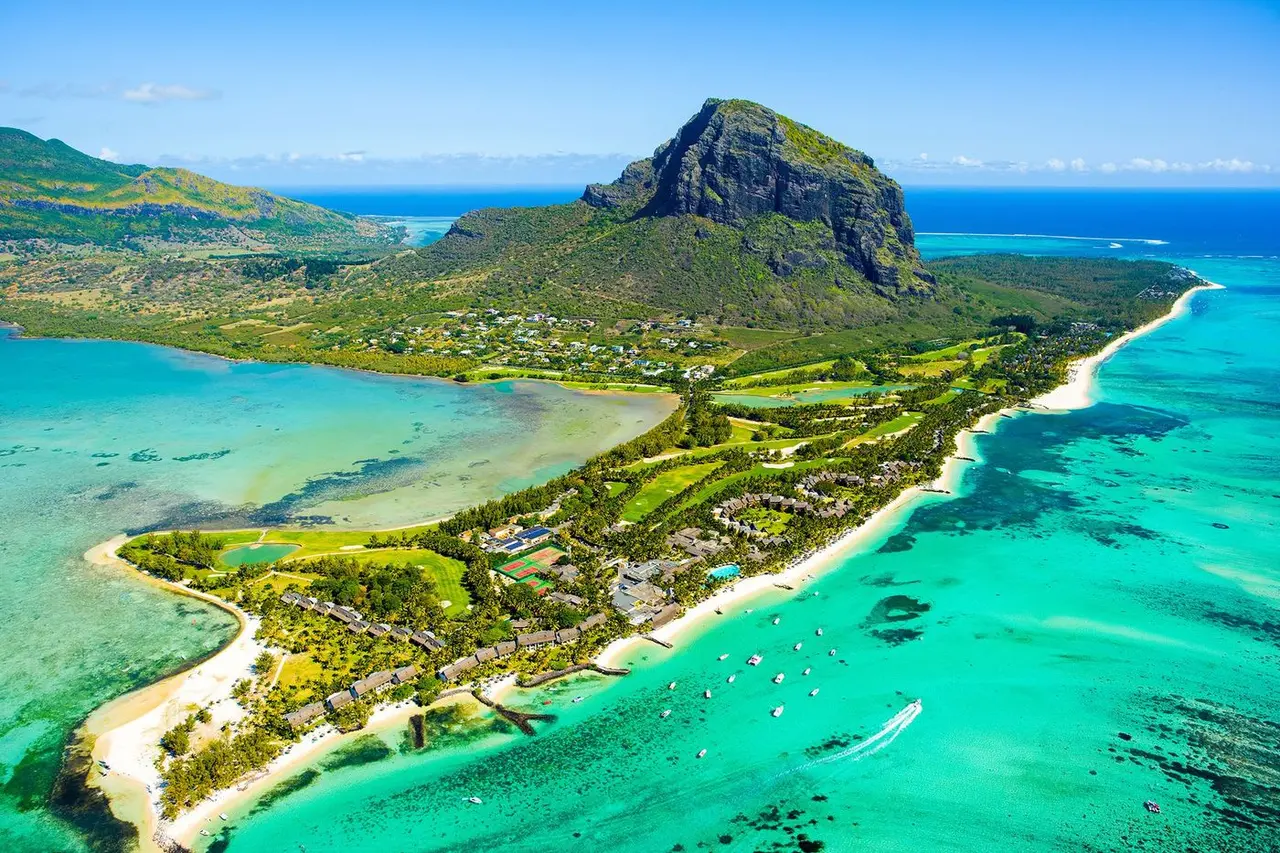
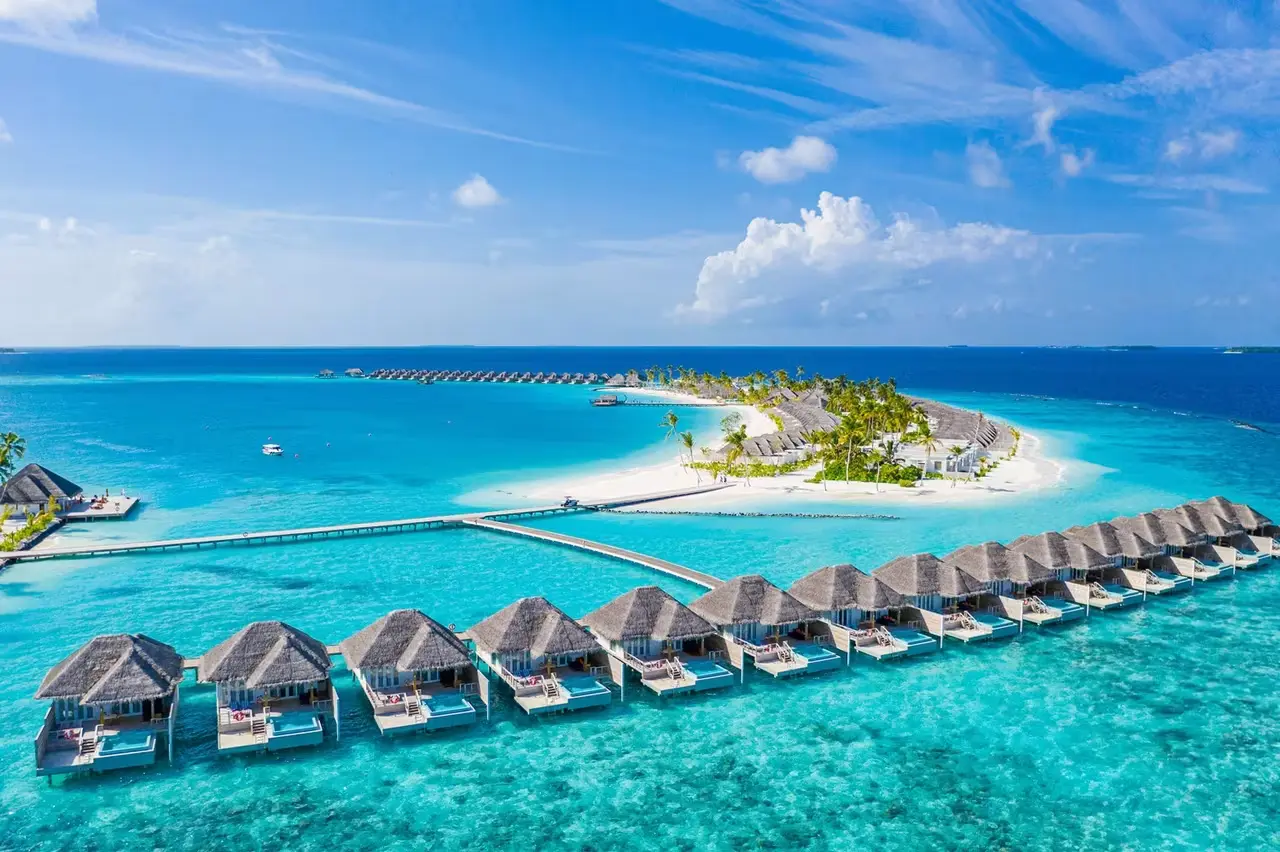
The Mamanuca and Yasawa archipelagos

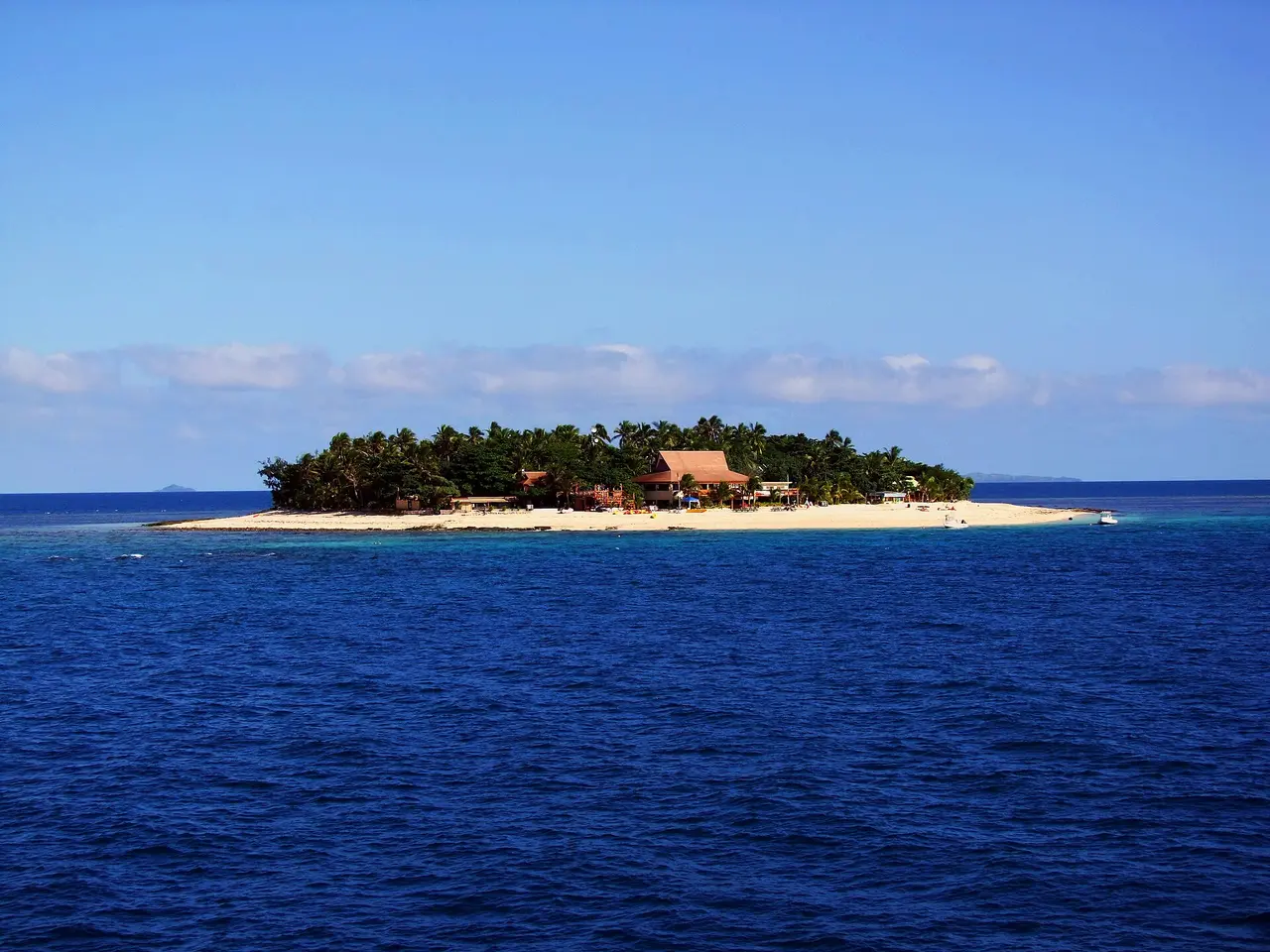
An hour's boat ride from Nadi, the Mamanucas offer sandbank islands reachable on a day trip, ideal for a short stay. Further north, the Yasawa Flyer ferry links some twenty islands in 3 to 4 hours up to the Blue Lagoon and the Sawa-i-Lau caves, with no wifi or paved road: budget at least 3 nights to get a real feel for it.

Vanua Levu and Garden Island Taveuni

Less visited, these two islands are reached from Nadi or Suva by a roughly forty-minute domestic flight. Taveuni, nicknamed Garden Island, holds the three-tier waterfalls of Bouma National Park and the Lavena coastal walk, while Savusavu draws visitors for its seafront volcanic hot springs and diving at Namena Reef, best explored slowly over at least three or four full days.

Diving and coral reefs

The Somosomo Strait, between Vanua Levu and Taveuni, ranks among the Pacific's best dive sites for its multicoloured soft corals, best seen between June and October when the water is clearest. Around Pacific Harbour, diving with bull sharks at the Shark Reef Marine Reserve runs almost year-round under professional supervision, in water that comfortably stays warm, above 24 degrees, all year round.

Fijian culture and traditions

The kava ceremony, a crushed root infused and shared in a circle, is an almost mandatory step of a village visit and is served at most cultural resorts. The lovo, a meal slow-cooked for hours in an earth oven, appears at traditional evenings, usually alongside meke singing and dancing that can easily run on for well over a full hour.

Cities to visit in Fiji

Featured destinations appear first.
Coming soon.

How much it costs

Per person per day, excluding international travel.
Budget
47 €/ day
3 498 € for 2 people, 7 days, return flights included
Accommodation
20 €
Food
15 €
Local transport
4 €
Sights and activities
8 €
Comfort
168 €/ day
5 192 € for 2 people, 7 days, return flights included
Accommodation
85 €
Food
30 €
Local transport
18 €
Sights and activities
35 €
Premium
425 €/ day
8 790 € for 2 people, 7 days, return flights included
Accommodation
220 €
Food
70 €
Local transport
45 €
Sights and activities
90 €
Prices checked: Relevé septembre 2026, agrégateurs de vols (momondo, Kayak, Trip.com) et guides de coûts locaux (Fiji Pocket Guide, Budget Your Trip, Fijieco). Vol A/R Paris-Nadi hors vacances scolaires (~1420 €/pax en septembre, sans vol direct, via Los Angeles ou Hong Kong). Hébergement en occupation double pour comfort/premium, lit en dortoir pour backpacker. Hors haute saison australienne (juin-septembre) et hors fêtes de fin d'année.

Getting there

Airports serving Fiji, from main hubs to secondary ones.
  • NANNadi International AirportNadiMain
  • SUVNausori International AirportNausoriMain
  • LBSLabasa AirportLabasaSecondary

Entry, health and safety

For FR travellers

Entry requirements

No visa for a tourist stay

Visa touristique délivré gratuitement à l'arrivée pour un séjour de quatre mois maximum, sur présentation d'un billet retour et d'une preuve d'hébergement.

Stay allowed for up to 120 days.

Passport valid for 6 months beyond your return date.

Health

Difficultés rapportées avec les services d'immigration de l'aéroport de Nadi pour les voyageurs en transit sans billet retour. Déclaration en douane obligatoire au-delà de 10 000 FJD transportés, à l'arrivée comme au départ.

Safety

Normal precautions

Emergency

917

Checked in septembre 2026 against the official source. Entry rules change: check the official source before you travel, it alone is authoritative.

Fiji in pictures

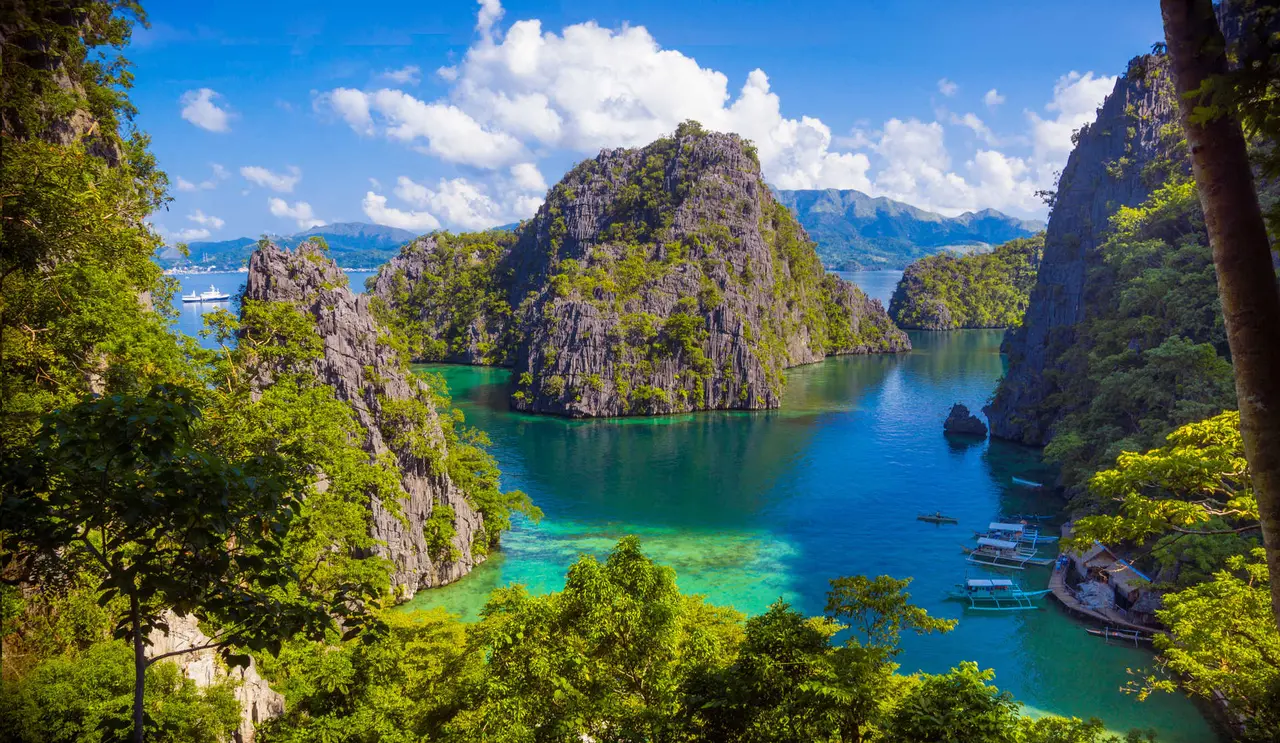
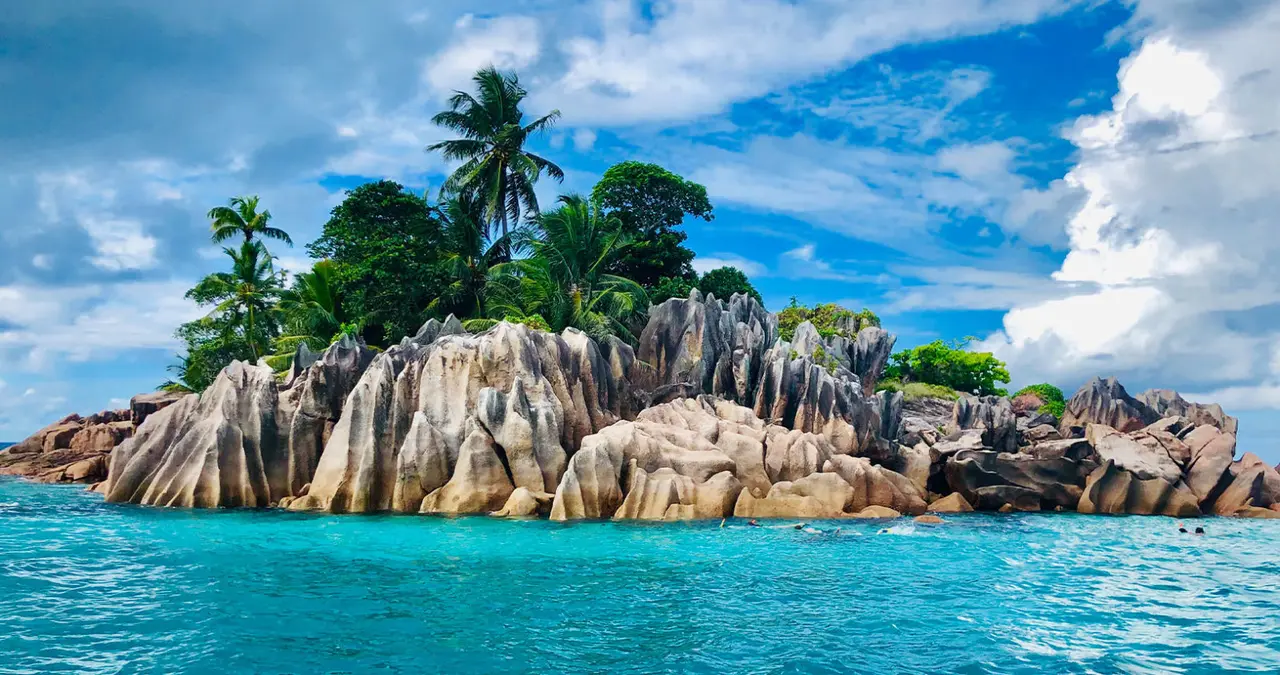
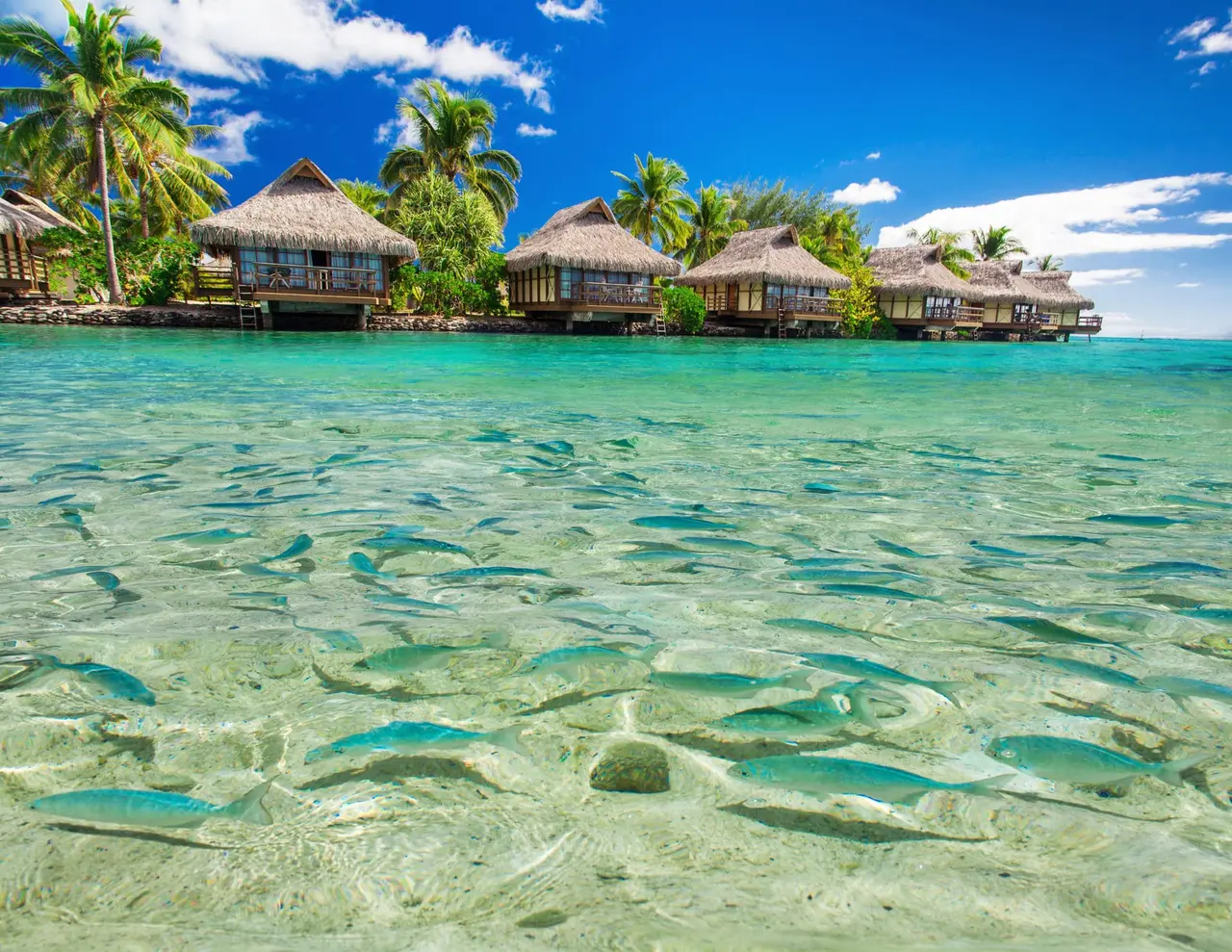
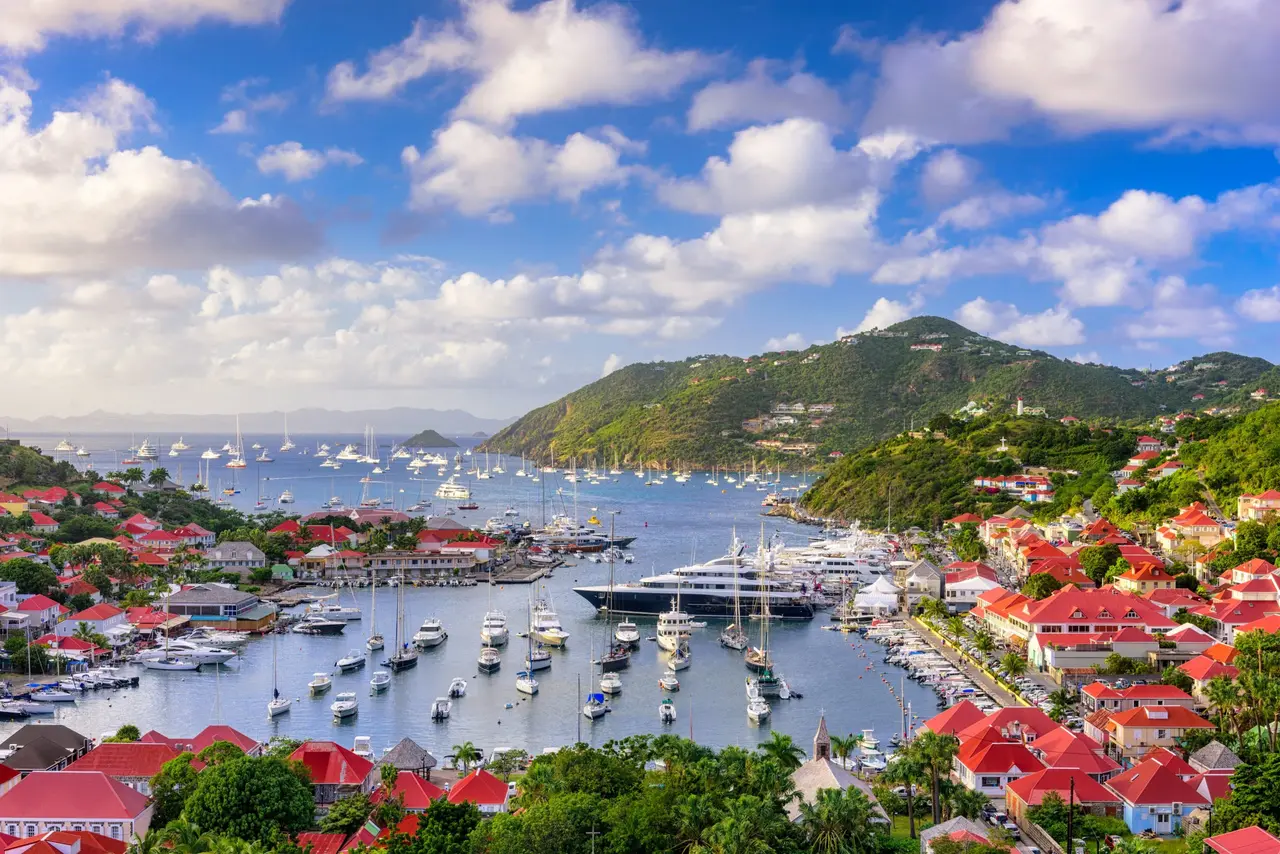
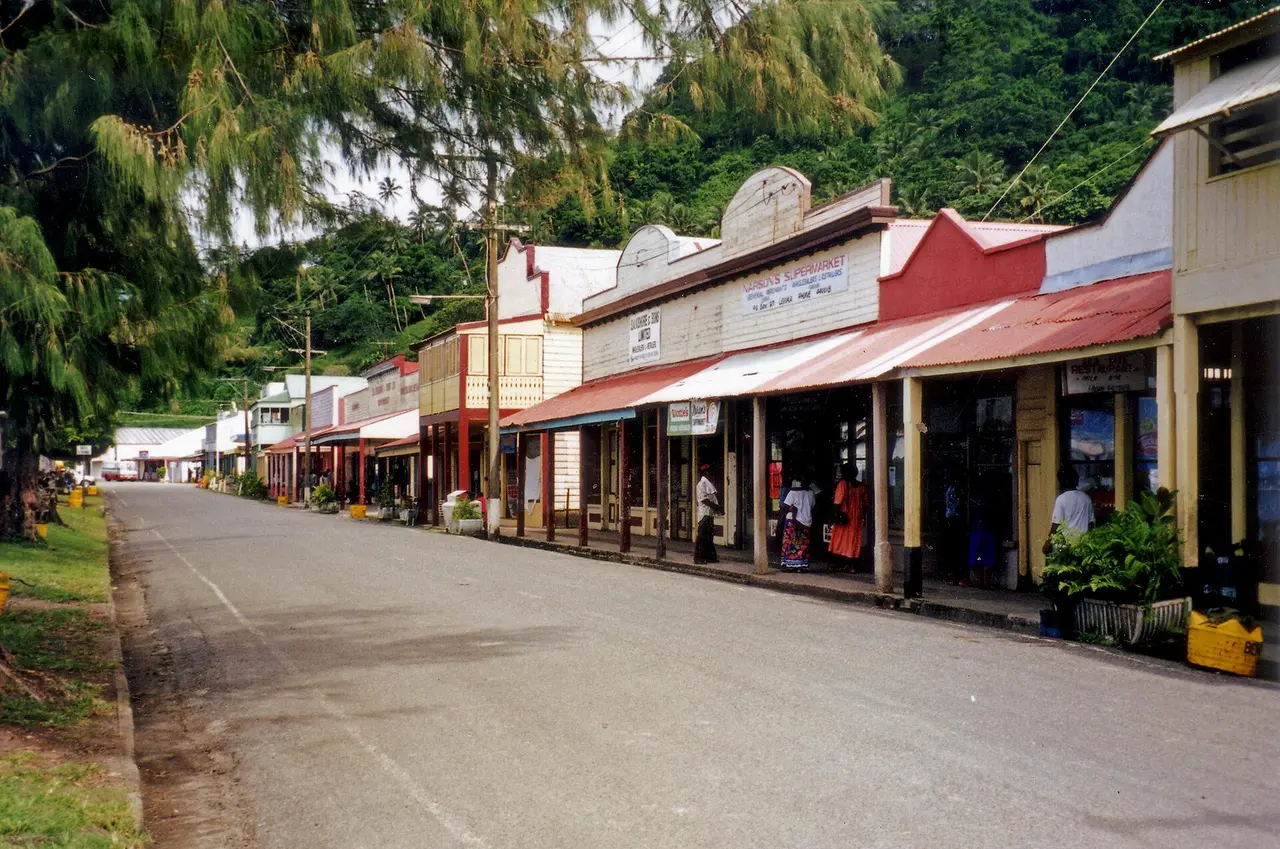
Photo credits : Isderion, CC BY-SA 3.0 de, Wikimedia Commons ; Radosław Botev, CC BY 3.0 pl, Wikimedia Commons ; Anton Leddin, CC BY-SA 3.0, Wikimedia Commons ; Maksym Kozlenko, CC BY-SA 4.0, Wikimedia Commons

Not to be missed

Seven experiences that sum up what Fiji does better than anywhere else in the Pacific.

Blue Lagoon, Yasawa

The archipelago's most photographed lagoon, reachable only by boat from Nadi via the Yasawa Flyer ferry.

Sawa-i-Lau caves

Limestone cavities where you swim into a secret chamber lit by a natural skylight.

Bouma Falls, Taveuni

Three successive waterfalls in the jungle, the first reachable on a 20-minute walk from the car park.

Rainbow Reef

Coral reef in the Somosomo Strait known for its multicoloured soft corals and strong visibility.

Shark Reef Marine Reserve

Guided bull shark diving near Pacific Harbour, at a site managed by local conservation groups.

Sigatoka Sand Dunes

A national park of wind-shaped sand dunes, an hour's drive from Nadi along the Coral Coast.

Kava ceremony

A social ritual shared in a circle in villages, often offered to visitors on a cultural excursion.

Practical info

Currency
Fijian dollar (FJD)
Time zone
UTC+12, no daylight saving applied
Languages
English, Fijian and Fiji Hindi
Cyclone season
November to April, peaking January to March
Customs declaration
Required for cash over FJD 10,000
Tap water
Safe to drink in Nadi and Suva, check elsewhere and on outer islands
Power sockets
Type I, 240V, same as Australia
Car rental
International driving permit recommended, drive on the left
Tipping
Not expected in restaurants, appreciated at upmarket resorts

Similar destinations

Other countries you might like as much as Fiji.

Similar regions

Other regions you might like as much as Fiji.

Frequently asked questions

Do you need to fly to visit several islands in Fiji?
Not always: the Mamanucas and Yasawas are reached by boat from Nadi. Reaching Vanua Levu or Taveuni from Viti Levu, however, is mostly done on a roughly forty-minute domestic flight.
What's the difference between the Mamanuca and Yasawa Islands?
The Mamanucas sit closer to Nadi, about an hour by boat, with resorts reachable on a day trip. The Yasawas are further out and wilder, served by a single daily ferry, with less infrastructure and a more authentic feel.
Is kava served everywhere in Fiji?
It's a widespread social custom, offered in many villages and cultural resorts. The drink, made from pepper plant root, has a mildly numbing effect on the tongue and contains no alcohol.
Is Fiji dangerous during cyclone season?
The season runs from November to April, peaking between January and March. Tourist infrastructure is well used to these events, but it's worth checking Fiji Meteorological Service bulletins before and during the trip.
How long should you plan for the Yasawa Islands from Nadi?
The Yasawa Flyer ferry takes about 3 to 4 hours to reach the archipelago's northern islands. To make the trip worthwhile, plan at least 3 nights there rather than a single day excursion.
Do you need a 4x4 to explore Taveuni?
The main coastal road is fine in a regular car, but some tracks leading to inland waterfalls, or roads after heavy rain, become difficult without four-wheel drive and local advice.

Plan your trip to Fiji

Day-by-day itinerary, budget, bookings and packing in a single app.
Aperçu de l'application PlanTripNow