Belgium

At the crossroads of Europe, Belgium packs remarkably well-preserved medieval towns, a renowned food scene and influential European institutions into a compact territory. Brussels, Bruges, Ghent and Antwerp are easily explored within a few days, between architecture, museums and culinary specialities.

Why visit Belgium?

Belgium stands out for its rich historic towns, with Bruges and Ghent inscribed as World Heritage sites, alongside renowned gastronomy spanning abbey beers, artisanal chocolate and fries. Its compact size allows several cities to be combined within a single trip.

What to discover in Belgium?

Brussels, the capital, blends the UNESCO-listed Grand Place, the iconic Atomium and the European quarter, home to the main institutions of the European Union. An hour's drive away, Bruges unfolds its canals, gabled houses and medieval belfry offering sweeping views over the rooftops, while Ghent combines Gothic heritage with a particularly lively student atmosphere. Antwerp, a dynamic port city, stands out for its cathedral, its fashion scene and its historic diamond district, once at the heart of global trade and craftsmanship.
Beyond its cities, Belgium cultivates a strong culinary identity: abbey and Trappist beers, artisanal chocolate renowned the world over, waffles and fries served with a wide variety of sauces. Further south, the Ardennes offer forests, rivers and castles for hikers and lovers of unspoiled nature. This diversity, packed into a fairly small territory, makes Belgium an easy and rewarding destination to explore fully even on a fairly short trip.

Cities to visit in Belgium

Featured destinations appear first.
Coming soon.

Belgium in pictures

Highlights

The must-sees of a trip to Belgium.

Brussels Grand Place

A UNESCO-listed square surrounded by baroque guild houses and the Gothic town hall, at the historic heart of the Belgian capital.
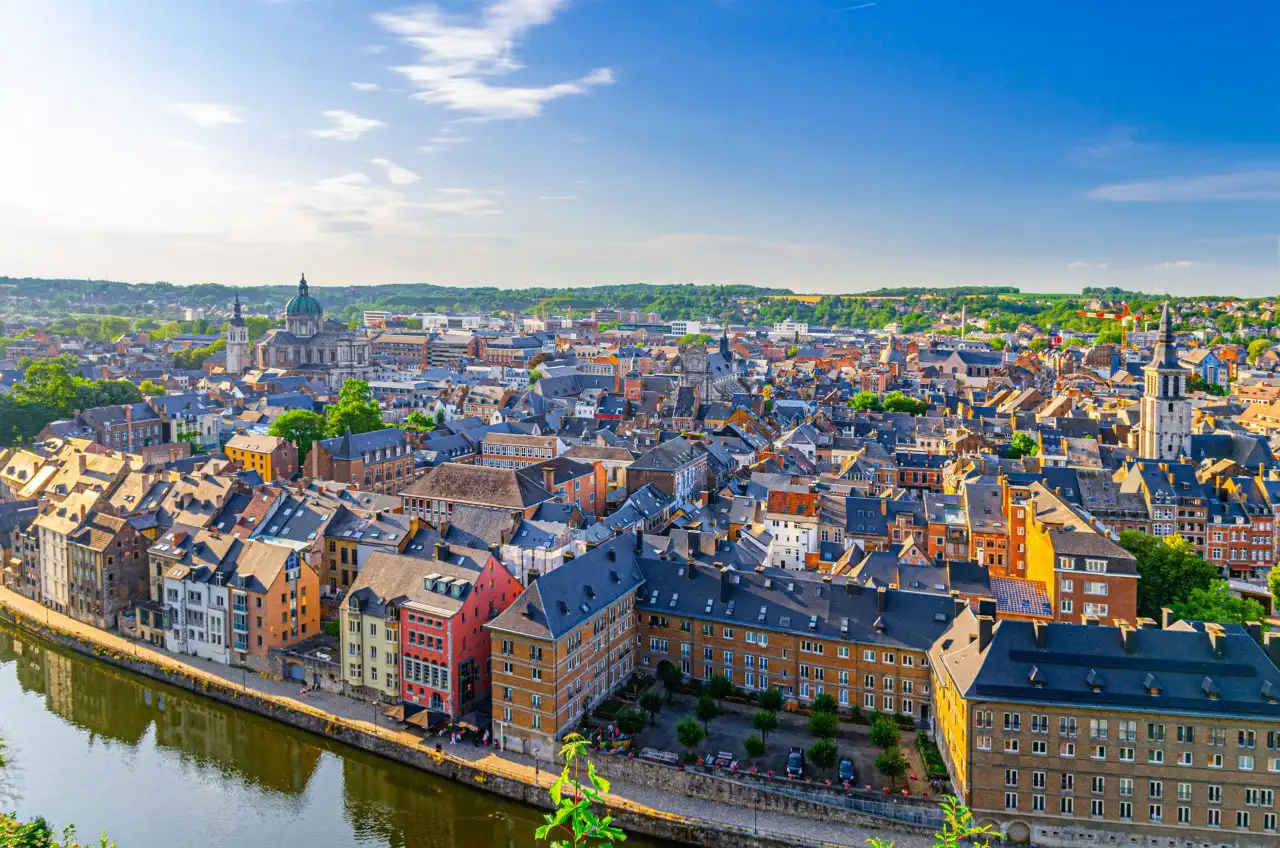
Bruges canals

A remarkably well-preserved medieval town, with its canals, gabled houses and a belfry offering panoramic views over the surrounding rooftops.

Authentic Ghent

A Gothic city brought to life by its student population, its Castle of the Counts and quays along the Lys river, quieter than its neighbours.

Creative Antwerp

A port city renowned for its cathedral, contemporary fashion scene and historic diamond district, built on a flourishing commercial past.

Beer and chocolate

A renowned brewing tradition with abbey and Trappist beers, complemented by artisanal chocolate-making skills passed down across several generations of families.

Green Ardennes

Forests, rivers and castles ideal for hiking and kayaking, in the south of the country, far from the bustle of Belgium's larger cities.

Practical information

Capital
Brussels
Area
30,528 km²
Population
Around 11.7 million
Language
Dutch, French and German
Currency
Euro (EUR)
Time zone
UTC+1 (CET)
Climate
Temperate oceanic, rainfall year-round
Best season
May to September

Frequently asked questions

Do I need a visa to visit Belgium?
Belgium is part of the Schengen area, so European citizens and those of many other countries can enter without a visa for short tourist stays. It is advisable to check requirements based on nationality before departure.
What is the best time to visit Belgium?
Spring and summer, from May to September, offer the most pleasant conditions with longer days and milder weather, although rain remains fairly common year-round in this country's temperate oceanic climate.
Which cities should I visit in Belgium?
Brussels, Bruges, Ghent and Antwerp form the essential stops of a Belgian trip, each offering a distinct atmosphere between European institutions, medieval canals, student life and a contemporary creative scene.
Which currency is used in Belgium?
The euro is Belgium's official currency. Card payments are widely accepted in shops, restaurants and public transport across the country, making cash largely unnecessary for everyday spending during a typical visit.
What culinary specialities should I try in Belgium?
Abbey and Trappist beers, artisanal chocolate, waffles and fries served with a wide range of sauces are among the essential culinary experiences to enjoy during any food-focused stay in Belgium.
What languages are spoken in Belgium?
Dutch is spoken in Flanders, French in Wallonia and German in a small region in the east of the country. Brussels, the capital, is officially bilingual in French and Dutch.

Plan your trip to Belgium

Day-by-day itinerary, budget, bookings and packing in a single app.
Aperçu de l'application PlanTripNow