Brazil travel guide: when to go, budget and itineraries

Legendary beaches, Amazon rainforest, thundering waterfalls and cities that move to a samba beat: Brazil is a country to experience on a grand scale. This guide brings together region-by-region climate, a costed budget, 7, 10 and 15-day itineraries and current entry rules so you can plan with no surprises.
  • 9 cities · 3 regions

Why visit Brazil?

Brazil is the largest country in South America and packs in a rare range: 7,400 km of coastline, half of the Amazon rainforest, the wildlife-rich Pantanal wetlands and UNESCO-listed colonial towns. People come for Rio and its beaches, but also for the nature and an intense cultural life.

What to see in Brazil?

Rio de Janeiro and the Costa Verde

Rio covers the essentials in three nights: Corcovado early in the morning, Sugarloaf at sunset, a day between Copacabana and Ipanema. To the south, the Costa Verde strings together colonial villages and islands: Paraty is four hours by bus, Ilha Grande one more boat crossing beyond. Allow at least two nights per stop to enjoy them. High season runs December to March, peaking around Copacabana's New Year's Eve.
São Paulo and the Southeast

São Paulo has no postcard view but the best cultural and food scene in the country: MASP on Avenida Paulista, the Beco do Batman murals, restaurants from every corner of the world. Two days is enough before heading to Minas Gerais or the coast. The city is also the main air hub: most domestic flights route through it, which costs a real half-day at every connection.

The Northeast and Salvador de Bahia

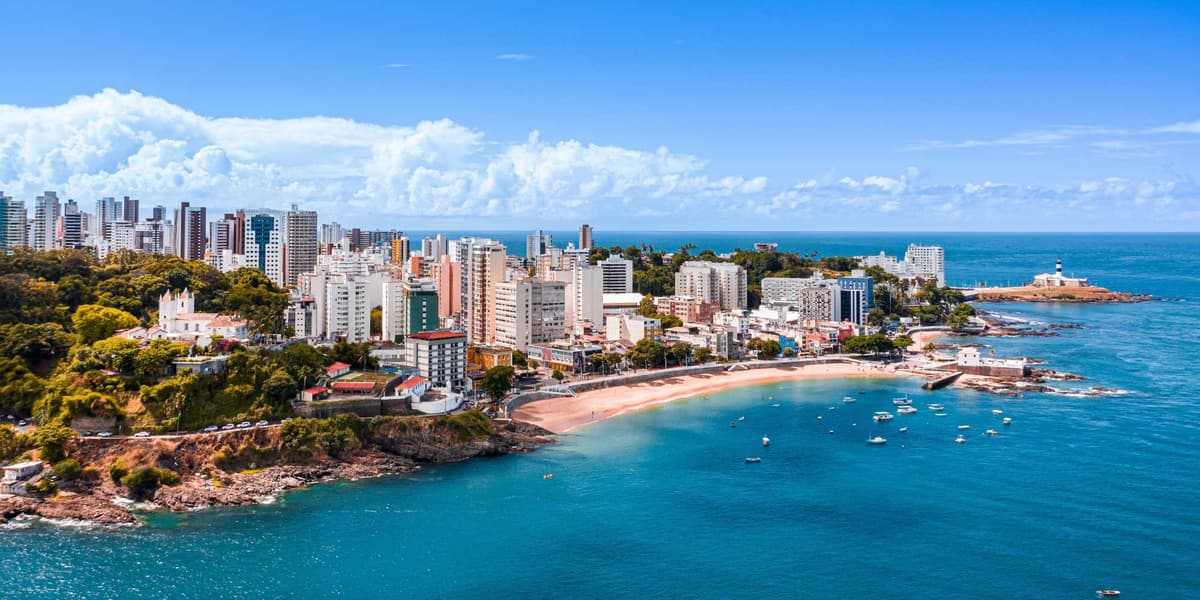
The Northeast means more than 2,000 km of coastline that stays warm and dry from May to September, while the Southeast enters winter. Salvador de Bahia is its heart: the baroque Pelourinho, capoeira, palm-oil cooking. Further north, the Lençóis Maranhenses dunes fill with turquoise lagoons between July and September. Plan a domestic flight, as road distances run into days. See the Bahia region for a beach and culture stay.

The Amazon

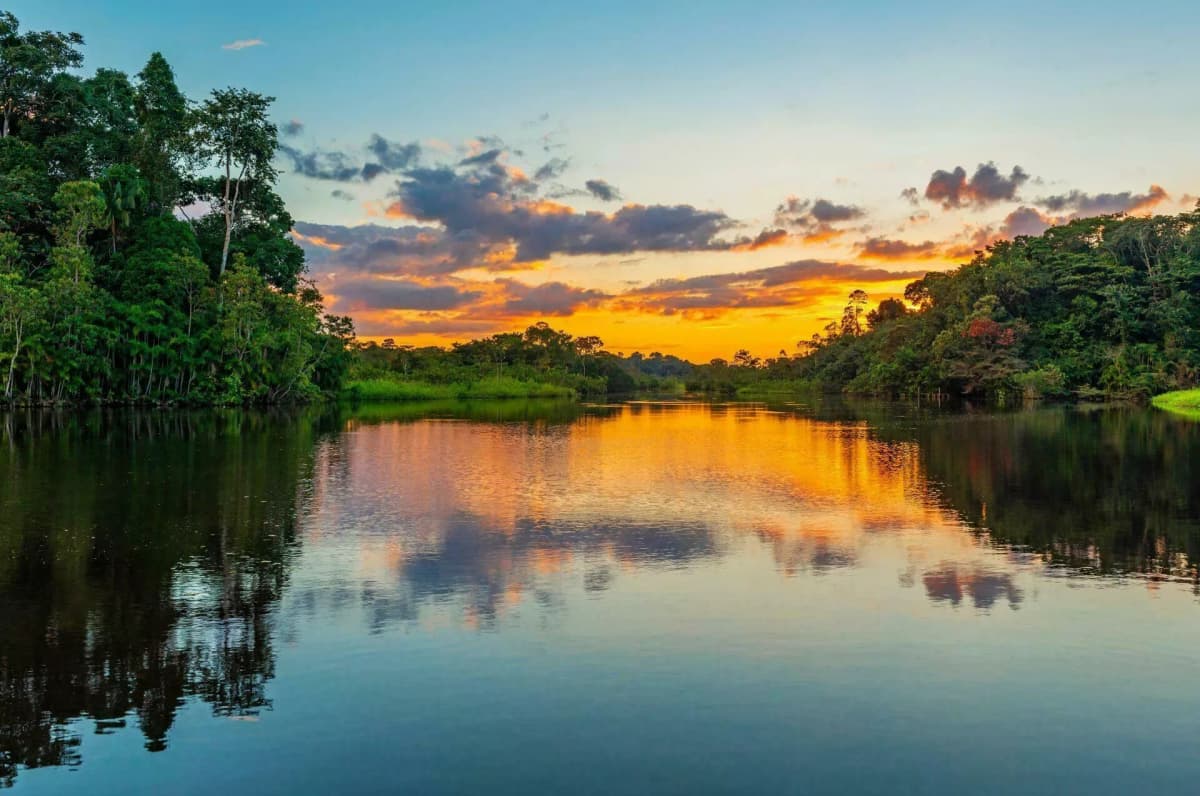
Manaus is the gateway: from there, lodges on the Rio Negro are one to three hours away by boat, where the black water keeps mosquitoes down. Two to three nights allow dawn canoe trips, a guided forest walk and night-time caiman spotting. The flight from Rio takes about four hours. High-water season, December to May, opens up the flooded creeks; the dry season exposes sandy river beaches. See the Amazon region.

The Pantanal and the Centre-West

The Pantanal offers the best wildlife viewing in the country, well ahead of the Amazon for actually seeing animals: jaguars, tapirs, capybaras, macaws. The prime window is July to October, in the dry season, when wildlife gathers near the rivers. Access is via Cuiabá to the north or Campo Grande to the south. Nearby, Bonito has exceptionally clear rivers for snorkelling, with a daily quota system that means booking ahead.

The Iguazu Falls and the border area

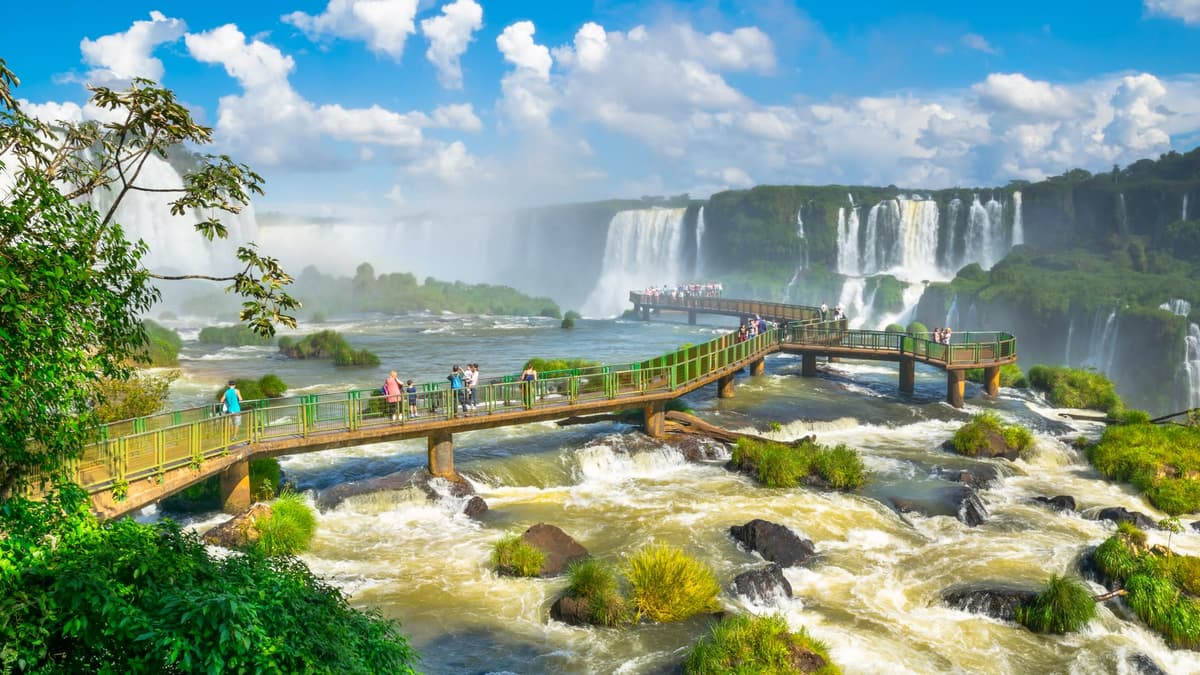
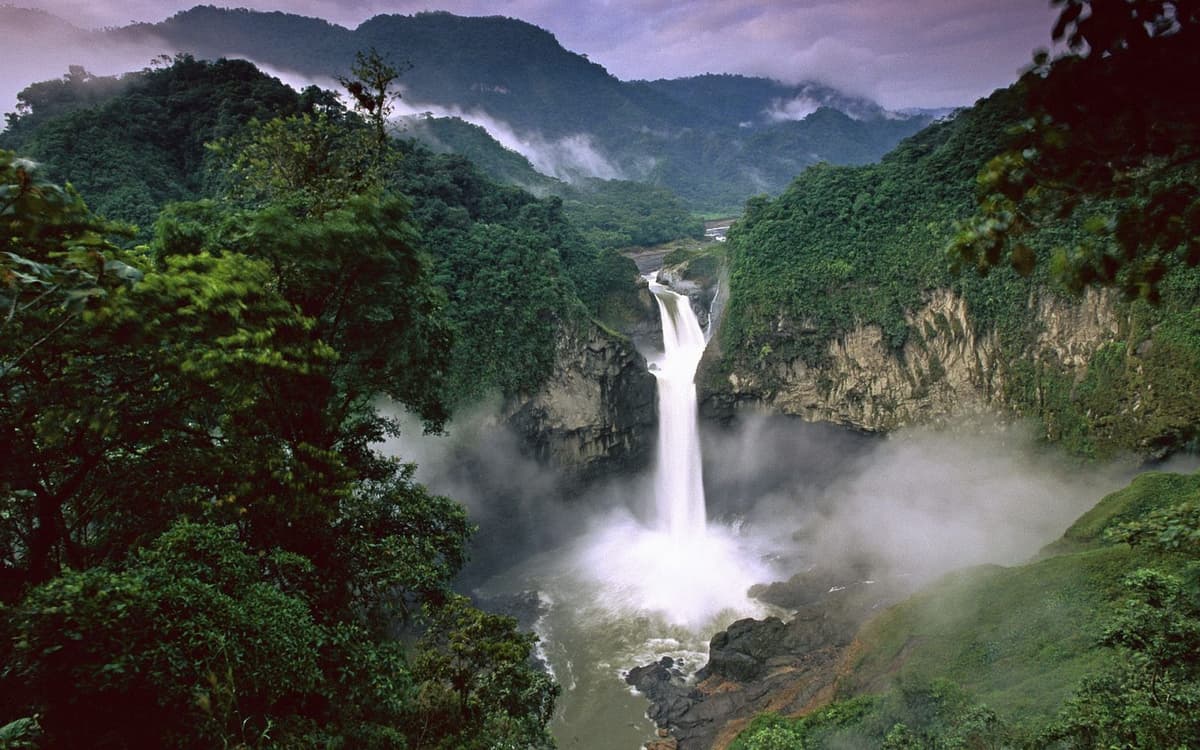
On the Argentine border, Iguazu spreads 275 cascades across nearly three kilometres. Two days is enough: the Brazilian side first for the panorama and the Devil's Throat walkway, the Argentine side next to get up close. The park closes around 5pm and a poncho is useful year-round. Foz do Iguaçu is linked by air to Rio and São Paulo in under two hours. See the Iguazu region.

Minas Gerais and the baroque towns

In the eighteenth century the mining state used gold from its hills to build a string of baroque towns that survive intact: Ouro Preto with its churches carved by Aleijadinho, Tiradentes, São João del-Rei. Ouro Preto is two hours by road from Belo Horizonte, itself a short flight from Rio. Two to three nights are enough for a walking circuit between two or three towns, on steep cobbles that turn slippery in the rain.

Cities to visit in Brazil

Featured destinations appear first.

Regions to explore in Brazil

Featured destinations appear first.

Brazil in pictures

Brazil's must-sees

From Rio's icons to the natural wonders of the North, the sites that shape a first trip.

Christ the Redeemer

The 38-metre statue atop Corcovado, reached by cog railway, gives the most famous view over Rio and its bay.

Sugarloaf Mountain

Two cable cars in succession climb this granite peak, spectacular at sunset over Guanabara Bay.

Iguazu Falls

275 cascades across three kilometres on the Argentine border, one of the most powerful waterfall systems on the planet.

Pelourinho, Salvador

Salvador's UNESCO-listed colonial centre, with pastel facades, gilded churches and open-air capoeira circles.

Meeting of the Waters

Near Manaus, the dark Rio Negro and the sandy Amazon flow side by side for six kilometres without mixing.

Lençóis Maranhenses

A desert of white dunes dotted with turquoise lagoons between July and September, found nowhere else.

Fernando de Noronha

A protected volcanic archipelago off the Northeast, known for its beaches, dolphins and diving, with capped access and an eco fee.

Rio's Sambadrome

The Niemeyer-designed avenue where samba schools parade during Carnival, in February or early March.

Ouro Preto

A former gold-rush capital, a fully preserved baroque town in the mountains of Minas Gerais.

Pantanal

The world's largest tropical wetland, the best place in South America to spot jaguars in the dry season.

Bonito

Rivers of rare clarity for snorkelling and flooded caves, with a daily quota system to book early.

Similar destinations

Other countries you might like as much as Brazil.

Similar regions

Other regions you might like as much as Brazil.

Frequently asked questions about Brazil

How many days to see Rio and Iguazu Falls?
Allow at least a week: three to four nights in Rio for Corcovado, Sugarloaf and the beaches, two nights in Foz do Iguaçu to see both sides of the falls, plus a day for the domestic flight between them.
Can you visit the Amazon easily from Manaus?
Yes. Manaus has flights from Rio and São Paulo, and most lodges arrange the boat transfer, one to three hours on the Rio Negro. Two to three nights on site is enough for the main outings.
Do you need to book far ahead for Rio Carnival?
Yes, several months. Hotels in Copacabana and Ipanema sell out by the previous autumn and often require a minimum stay. Sambadrome seats also go early. Outside Carnival, March offers the same weather for far less.
Is Rio de Janeiro dangerous for tourists?
The French foreign ministry rates the big cities as heightened vigilance. In practice you cut the risk by staying in tourist districts, not flashing a phone or jewellery, using ride-hailing apps at night and avoiding favelas outside a guided visit.
Is the yellow fever vaccine required for Brazil?
It is not required on entry for a traveller coming from Europe, but it is strongly recommended before any trip to Brazil, especially the Amazon, the Pantanal and rural Centre-West areas. A certificate may be asked for if you transit through an at-risk country.
How do Northeast beaches differ from Rio's?
The Northeast, around Salvador, Recife and Fortaleza, is warmer year-round, drier from May to September and edged by water at 26 degrees. Rio has a distinct summer season from December to March and cooler sea the rest of the year.
Can you pay in euros or dollars in Brazil?
No, only the real is accepted. Foreign bank cards work everywhere and contactless is standard, even for small amounts. Still, carry some cash in reais for markets, boat rides and rural areas where card machines can be unreliable.
Is Fernando de Noronha worth the extra cost?
The archipelago charges a daily environmental preservation fee and a national park ticket, on top of a flight from Recife or Natal. For beaches ranked among the country's finest, dolphins and outstanding diving, most visitors find it worth it over three to four days.

Plan your trip to Brazil

Day-by-day itinerary, budget, bookings and packing in a single app.
Aperçu de l'application PlanTripNow