Travel to China: when to go, budget and itineraries

From the Forbidden City to the limestone peaks of Yangshuo, China is now crossed at more than 300 km/h. A first trip usually combines Beijing, Xi'an and Shanghai, then ventures towards Sichuan, Yunnan or Guangxi depending on time and season.

Why travel to China?

China packs four thousand years of history, ultramodern megacities and UNESCO-listed landscapes into a single country. Its high-speed rail network, the largest on earth, links Beijing to Shanghai in under five hours. Since 2024, French citizens enter visa-free for 30 days, which has clearly revived independent travel across Asia.

What to see in China

Beijing and the imperial north

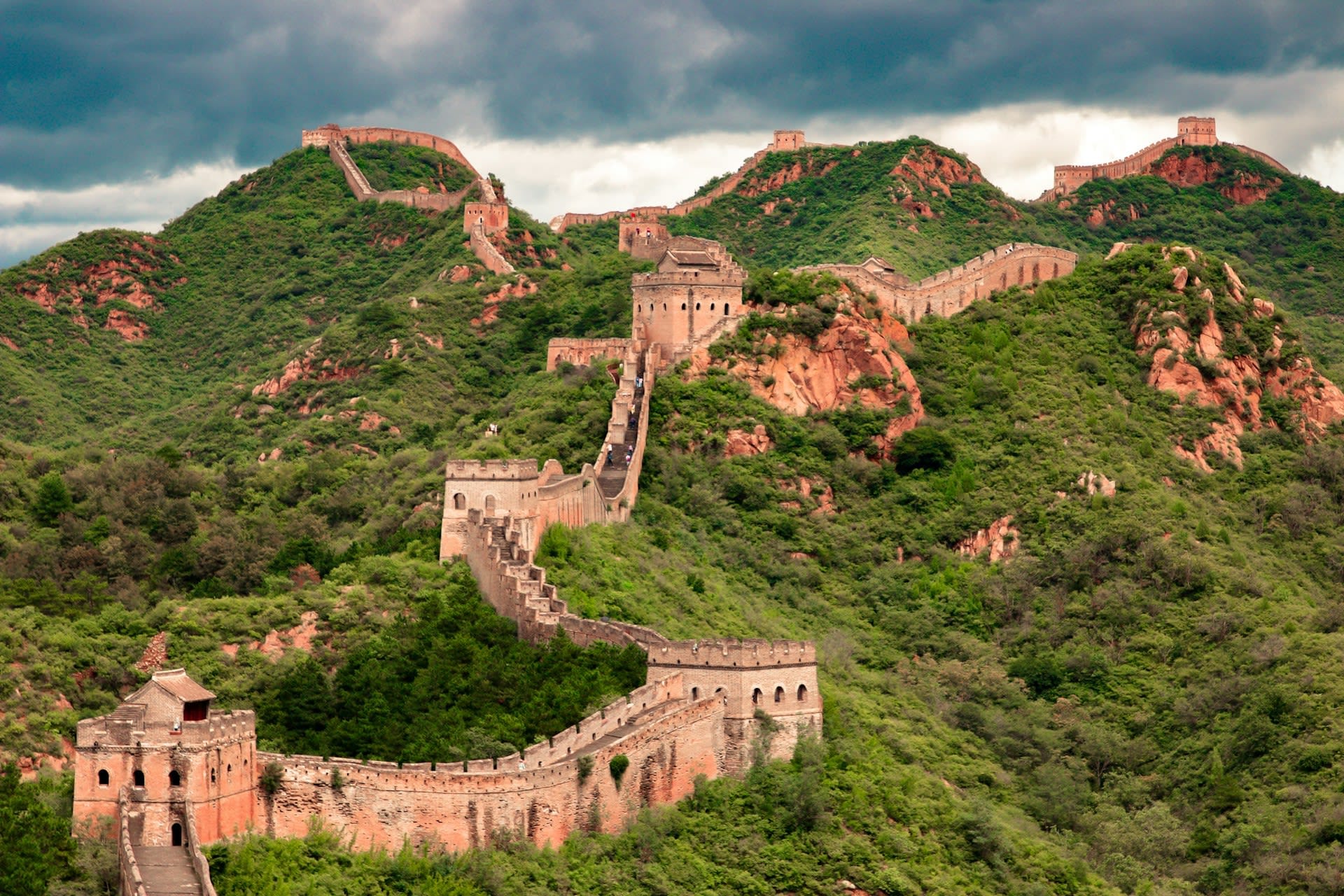
The capital concentrates the Forbidden City, the Temple of Heaven, Tiananmen Square and the Summer Palace, all reachable on foot or by metro. Allow three full days, plus a full day for the Great Wall: the Mutianyu section, 1h30 by road, is less crowded than Badaling and has a cable car and a toboggan run. To the northwest, Datong adds the Yungang Buddhist grottoes, 51,000 statues carved in the 5th century.

Xi'an and the old Silk Road

Former capital of thirteen dynasties, Xi'an is linked to Beijing by a 4h30 high-speed train. The Terracotta Army, 40 minutes to the east, must be booked online and is best visited at opening (8:30 a.m.) to beat the crowds. The 14 km Ming ramparts can be cycled at sunset, and the Muslim Quarter comes alive in the evening around its noodle and skewer stalls.

Shanghai and the Yangtze delta

Shanghai takes two days: the Bund facing the Pudong towers, the French Concession, Yu Garden and the Shanghai Museum. Around it, the Jiangnan region lines up water towns: Suzhou and its classical gardens 25 minutes away by train, Hangzhou and West Lake under an hour. A three to four-day extension is enough to close this cultural triangle before heading west or south.

Sichuan and the Chengdu pandas

Chengdu, 3h40 from Xi'an by fast train, is the base for Sichuan. The giant panda research base opens at 7:30 a.m., when the animals feed, and takes half a day. The Leshan Giant Buddha, carved into the cliff and 71 metres tall, is a 1h30 train ride away. The city itself is best experienced in its teahouses and its fiery cuisine.

Guangxi: Guilin, Yangshuo and Longji

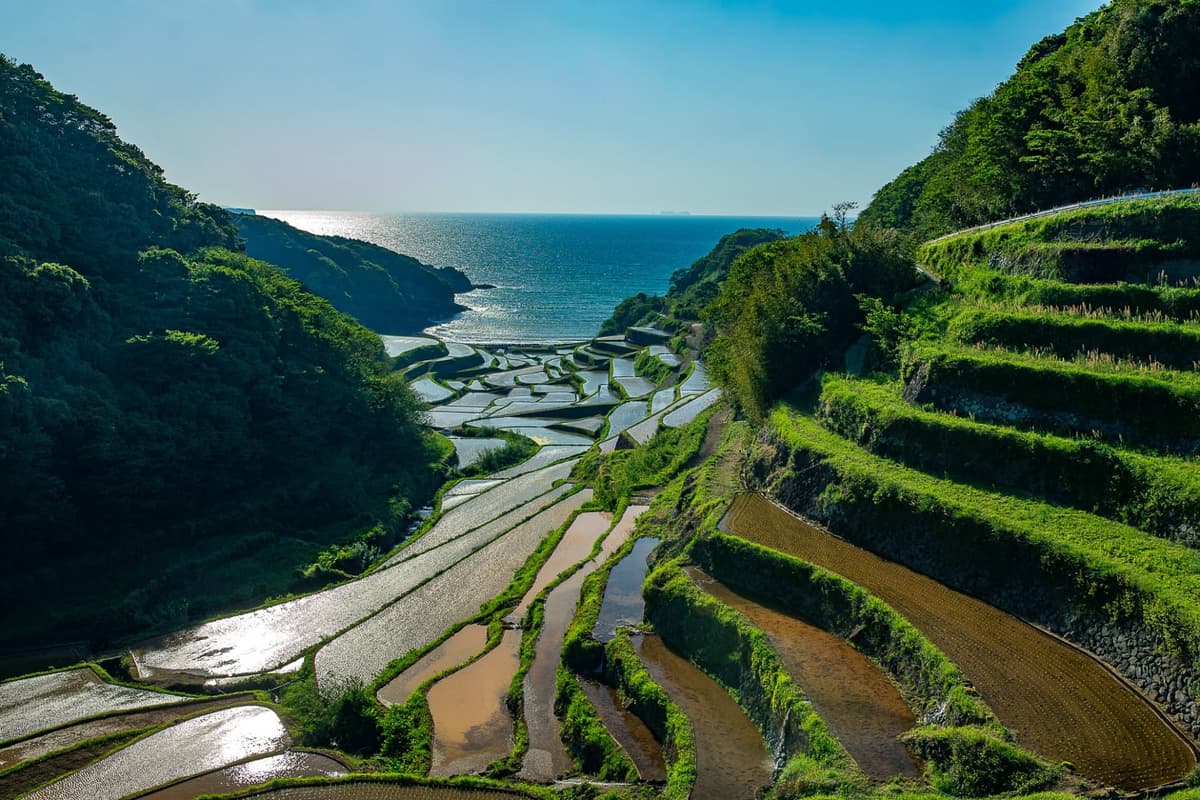
The karst south holds China's most photographed scenery. The Li River cruise between Guilin and Yangshuo lasts about four hours through a landscape of limestone peaks. From Yangshuo you cycle through the rice fields of the Yulong valley, and the Longji terraces, 2h30 to the north, are green from May to October. Plan three nights so you are not rushing everything.

Yunnan and the ancient towns of the southwest

On the edge of Tibet and Southeast Asia, Yunnan lines up temperate Kunming, the old town of Dali on Erhai Lake, and Lijiang, a maze of canals listed by UNESCO. Tiger Leaping Gorge is a two-day hike. The region needs a week of its own and combines poorly with the north on a first trip: keep it for a second visit or a long circuit.

Getting around: high-speed rail

The network exceeds 45,000 km of high-speed lines and makes domestic flights almost pointless between major cities. Tickets are bought on the 12306 app or via Trip.com, up to 15 days ahead, and your passport is your ticket at the gate. Arrive 40 minutes early: Chinese stations work like airports, with security checks and boarding halls. Beijing-Shanghai: 4h20 for 1,300 km.
Cities to visit in China

Featured destinations appear first.
Coming soon.

China in pictures

Must-see sites

A selection of iconic places, from the desert north to the subtropical landscapes of the south.

The Great Wall

The Mutianyu section, restored and served by a cable car, can be visited in a day from Beijing, about 1h30 by road.

The Forbidden City

The largest palace complex in the world, 72 hectares in central Beijing, walked south to north in half a day, closed on Mondays off-season.

The Terracotta Army

Nearly 8,000 life-size soldiers buried in the 3rd century BC, 40 minutes from Xi'an, online booking required.

The Shanghai Bund

The colonial waterfront along the Huangpu, facing the Pudong skyline, spectacular at dusk when the towers light up.

The Chengdu panda base

A breeding centre on the city outskirts, open from 7:30 a.m.: the best window to see the pandas active.

The Li River

Four hours of cruising between Guilin and Yangshuo among limestone peaks, the scene printed on the 20-yuan note.

The Yungang grottoes

A set of 45 caves cut into sandstone near Datong, with a 17-metre seated Buddha, UNESCO-listed.

The old city of Pingyao

The only intact fortified Ming city, in Shanxi, walked on foot within its six kilometres of ramparts.

The Longji rice terraces

Terraces stacked over 800 metres of elevation near Longsheng, best between the flooding in April and the harvest in October.

Mount Huangshan

Granite peaks and seas of cloud in Anhui, a night at the summit for sunrise, reached by cable car.

The Leshan Giant Buddha

The largest stone Buddha statue in the world, 71 metres, carved at the meeting of three rivers south of Chengdu.

Similar destinations

Other countries you might like as much as China.

Similar regions

Other regions you might like as much as China.

Frequently asked questions about travelling in China

Do I need a VPN for China and when should I install it?
Yes, to keep access to Google, WhatsApp, Instagram and Gmail, all blocked. Subscribe to a paid VPN and install it before departure: the providers' own websites are unreachable from within China.
Can I pay in China with Alipay or WeChat without a Chinese bank account?
Yes. Since 2023 Alipay and WeChat Pay accept foreign Visa and Mastercard cards. Set the app up before the trip: it is the standard payment method, including with small vendors and for taxis.
How many days for Beijing, Xi'an and Shanghai?
Allow at least eight to ten days: three days in Beijing with the Great Wall, two in Xi'an for the Terracotta Army, two in Shanghai, plus the high-speed train legs between the three cities.
How long is the Beijing to Shanghai train?
Between 4h20 and 6h depending on the service, for 1,318 km. Departures are frequent all day from Beijing South and Shanghai Hongqiao. Book first class for the fastest daytime services.
Can I visit Tibet freely from Chengdu?
No. The Tibet Autonomous Region requires a special permit, arranged only through an agency, plus a guide and an organised tour. Allow at least three weeks for the permit before your entry date.
Which section of the Great Wall should I pick from Beijing?
Mutianyu for a first trip: restored, with a cable car, less crowded than Badaling. Jinshanling for hiking on unrestored stretches. Simatai can also be visited at night. All are 1h30 to 2h by road.
Do Hong Kong and Macao count towards the 30 visa-free days?
No. Hong Kong and Macao have their own entry rules and are not part of mainland China. Crossing into either ends the visa-free stay: on re-entering the mainland, a fresh 30-day count begins.
Do I need to book the Terracotta Army and the Forbidden City?
Yes, both. The Forbidden City caps daily entries and is booked three to seven days ahead; the Terracotta Army is booked online the day before. In both cases the ticket is named and tied to your passport.
Where are the pandas and what time should I go?
At the Chengdu research base, 40 minutes from the centre. Arrive at opening, around 7:30 a.m.: pandas are fed in the morning and active, then sleep in the afternoon. The visit takes two to three hours.

Plan your trip to China

Day-by-day itinerary, budget, bookings and packing in a single app.
Aperçu de l'application PlanTripNow