Cyprus

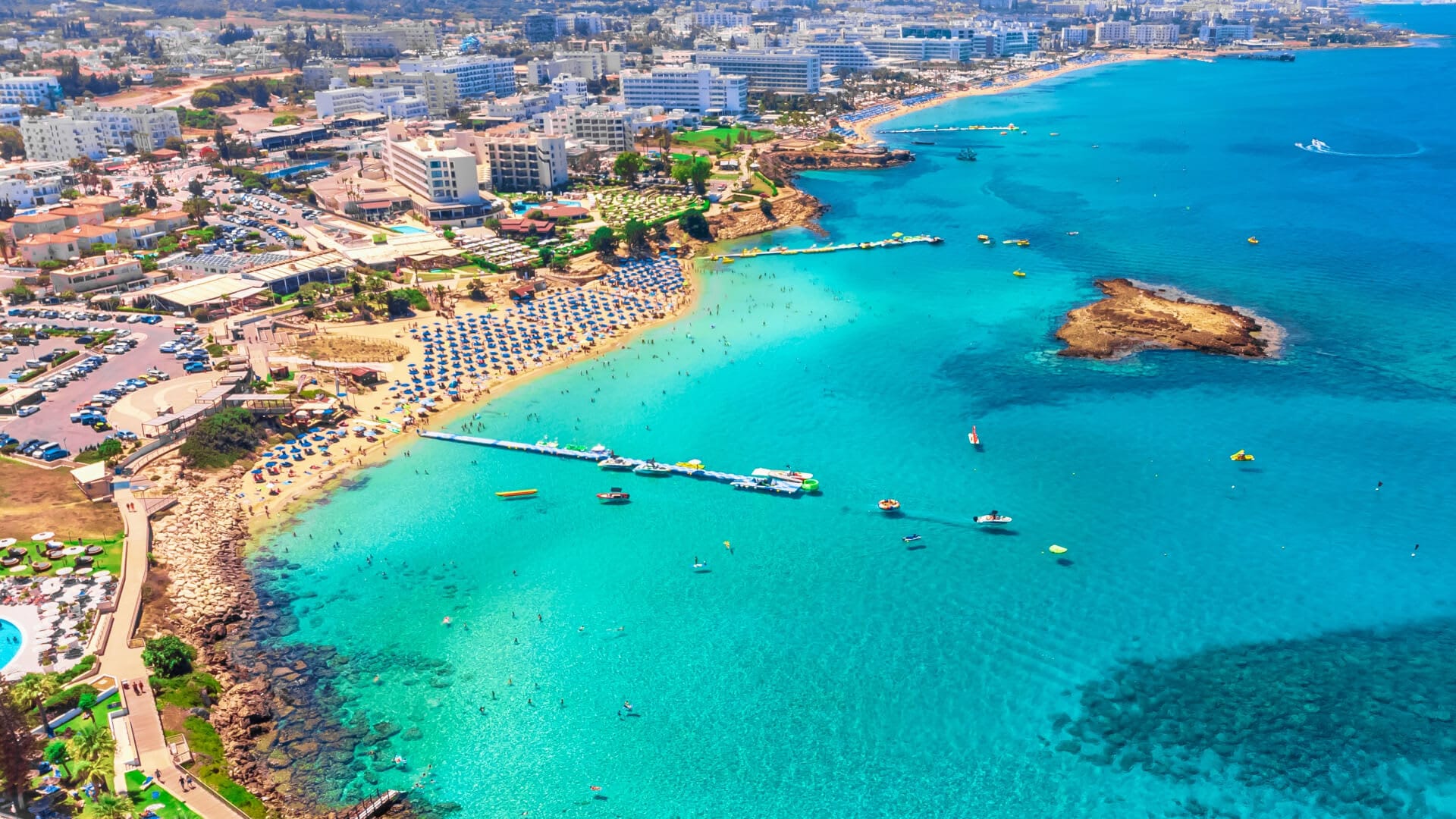
Set at the crossroads of Europe, Asia and the Middle East, Cyprus combines Mediterranean beaches, the Troodos mountains and remarkably well-preserved ancient ruins. The island enjoys sunshine for much of the year, ideal for both relaxed beach time and cultural and historical exploration.

Why visit Cyprus?

Cyprus draws visitors with its fine sandy beaches and turquoise waters, its UNESCO-listed Roman mosaics in Paphos, and the mountain villages of the Troodos range. The island enjoys generous sunshine most of the year, ideal for combining beach time with heritage.

What to discover in Cyprus?

Nissi Beach and Lara Bay, home to nesting sea turtles, rank among the finest stretches of the Cypriot coast, alongside the quieter coves of the Akamas Peninsula. In Paphos, remarkably well-preserved Roman mosaics and the Tombs of the Kings bear witness to a rich ancient past, inscribed on the UNESCO World Heritage list. The archaeological sites of Kourion and Salamis round out this historic panorama with their theatres and ruins facing the sea, shaped by successive Greek and Roman civilisations across the centuries on this Mediterranean island.
Inland, the Troodos mountains offer summer coolness, traditional villages and Byzantine monasteries adorned with frescoes. Nicosia, the capital, stands out as the last divided capital in Europe, where a fortified old town meets contemporary architecture side by side. Between Limassol and Larnaca, lively coastal cities round out the itinerary nicely with their modern marinas, medieval fortresses and lively waterfront nightlife scenes for visitors.

Cities to visit in Cyprus

Featured destinations appear first.
Coming soon.

Cyprus in pictures

Highlights

The must-sees of a trip to Cyprus.

Turquoise beaches

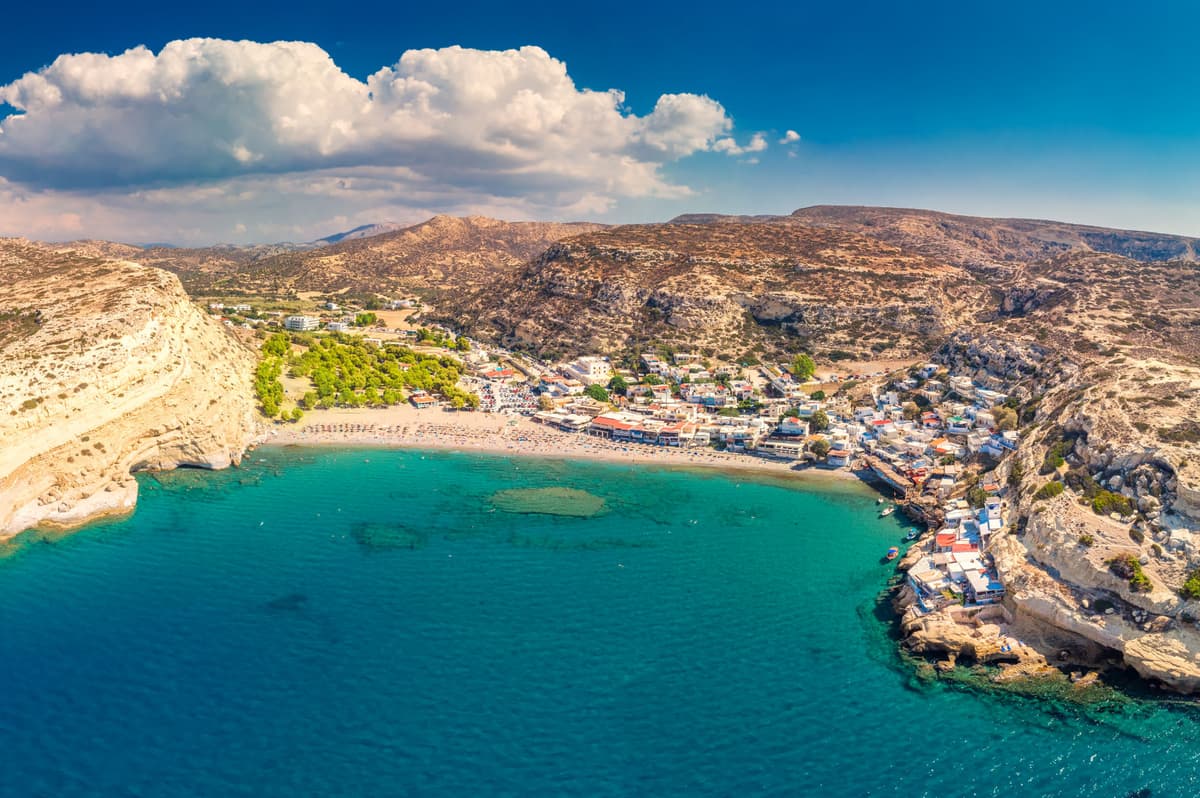
Nissi Beach and Lara Bay, a refuge for nesting sea turtles, rank among the island's finest beaches, with clear waters and fine golden sand.

Paphos mosaics

Remarkably well-preserved Roman mosaics and the Tombs of the Kings, inscribed on the UNESCO World Heritage list, witnesses to a rich ancient Cypriot past.

Troodos mountains

Traditional villages and Byzantine monasteries adorned with frescoes, in a mountain range offering coolness and hiking trails away from the coastal heat.

Kourion and Salamis

Two ancient cities with theatres and ruins facing the sea, bearing witness to the successive Greek and Roman influences that shaped the island of Cyprus.

Divided Nicosia

The last divided capital in Europe, where a fortified old town, lively markets and contemporary architecture sit side by side across the Green Line.

Lively coastal cities

Limassol and Larnaca offer modern marinas, medieval fortresses and seafront promenades, combining lively nightlife with well-preserved historical heritage and culture.

Practical information

Capital
Nicosia
Area
9,251 km²
Population
Around 1.2 million
Language
Greek and Turkish
Currency
Euro (EUR) in the Republic of Cyprus
Time zone
UTC+2 (EET)
Climate
Mediterranean, hot dry summers, mild winters
Best season
April to June and September to October

Frequently asked questions

Do I need a visa to visit Cyprus?
Cyprus is a member of the European Union. European citizens can enter freely, while other nationalities may require a Pro-Visa for the Republic of Cyprus. It is advisable to check current requirements before departure.
What is the best time to visit Cyprus?
Spring, from April to June, and early autumn, in September and October, offer pleasant weather with less heat than summer, well suited to both beach time and visiting the island's cultural sites.
Why is Nicosia a divided capital?
Nicosia has been split since 1974 by a demarcation line between the area administered by the Republic of Cyprus and the north of the island. This historical divide is still visible in the fortified old town.
What currency is used in Cyprus?
The euro is the official currency in the Republic of Cyprus, a member of the eurozone. It is worth checking separately on currency arrangements if the trip includes the northern part of the island.
Which beaches should I visit in Cyprus?
Nissi Beach near Ayia Napa and Lara Bay, home to nesting sea turtles, rank among the most popular beaches, alongside the quieter coves of the Akamas Peninsula further west along the coast.
What language is spoken in Cyprus?
Greek is the main language in the southern part of the island, while Turkish is dominant in the north. English is widely spoken and understood in tourist areas, making communication easy for visitors.

Plan your trip to Cyprus

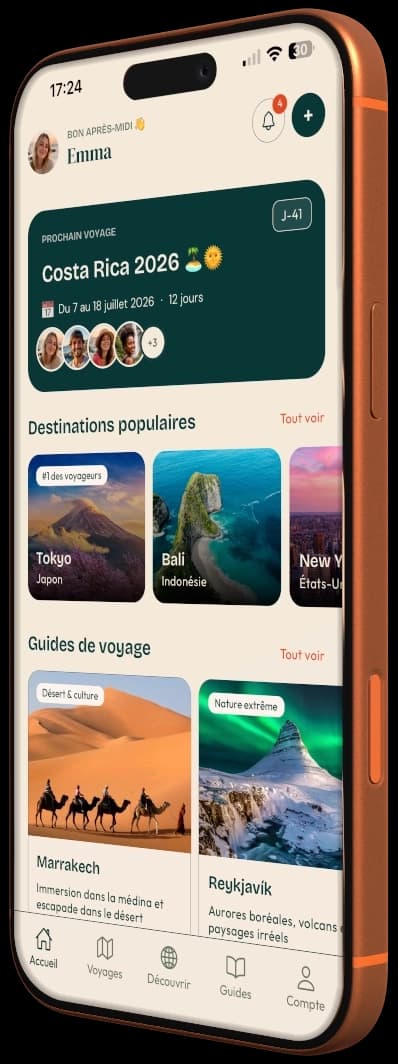
Day-by-day itinerary, budget, bookings and packing in a single app.
Aperçu de l'application PlanTripNow