Croatia

From Dubrovnik to the Dalmatian islands, from the turquoise Adriatic to the nature parks, Croatia blends heritage, beaches and preserved nature. Historic cities and a spectacular coastline make it a sought-after destination.

Why visit Croatia?

Croatia appeals with its Adriatic coast, sunny islands and historic cities. Turquoise waters, nature parks and UNESCO-listed heritage make it a much-loved Mediterranean destination in summer.

What to discover in Croatia?

Croatia is one of the most beautiful destinations in the Mediterranean, famous for its Adriatic coast with turquoise waters. Dubrovnik, a fortified city listed by UNESCO, and Split, around Diocletian's Palace, reflect remarkable heritage. The Dalmatian coast lines up coves, beaches and stone villages.
The country has more than a thousand islands, such as Hvar, Brac and Korcula, ideal for swimming, sailing and relaxation. Inland, the national parks of Plitvice and Krka offer lakes, waterfalls and preserved nature. The Mediterranean cuisine highlights fish, olive oil and local wines. Between historic cities, sunny islands and natural landscapes, Croatia suits beach stays, sailing and road trips along the coast, ideally from May to September.

Cities to visit in Croatia

Featured destinations appear first.
Coming soon.

Croatia in pictures

Croatia's highlights

Croatia combines the Adriatic coast, sunny islands, historic cities and nature parks.

Adriatic coast

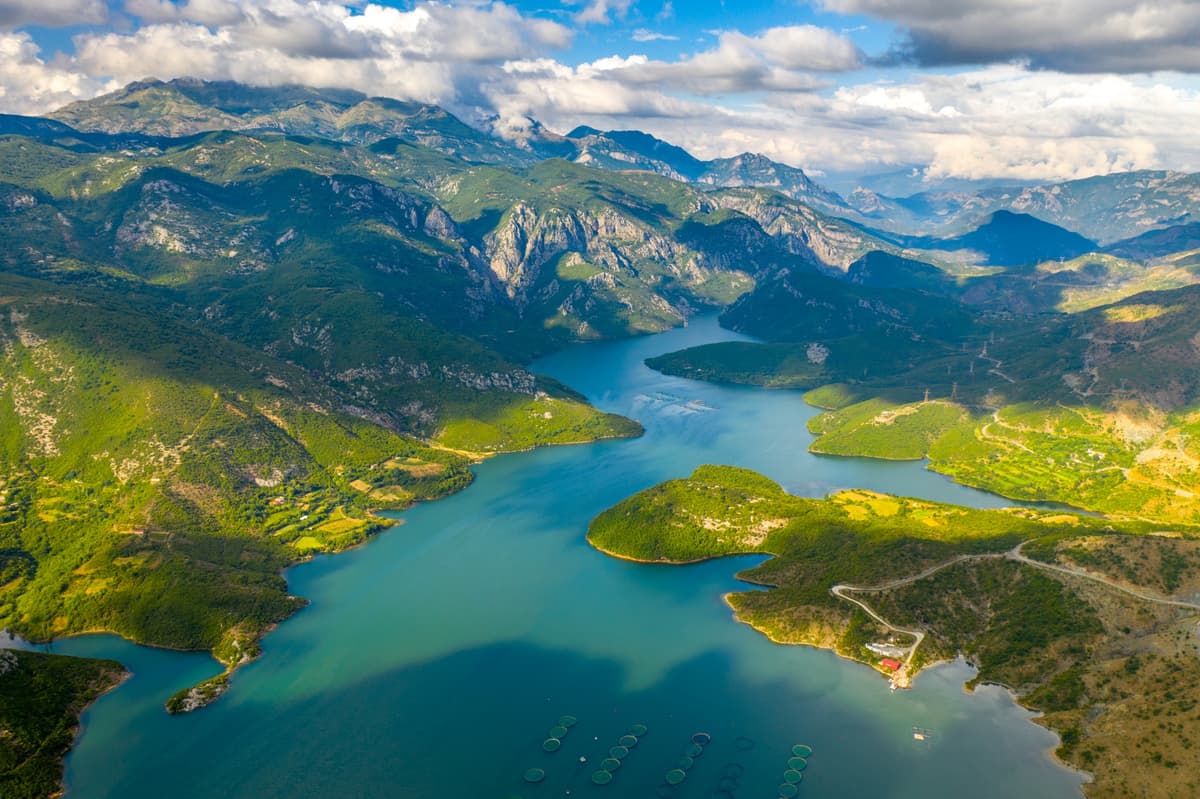
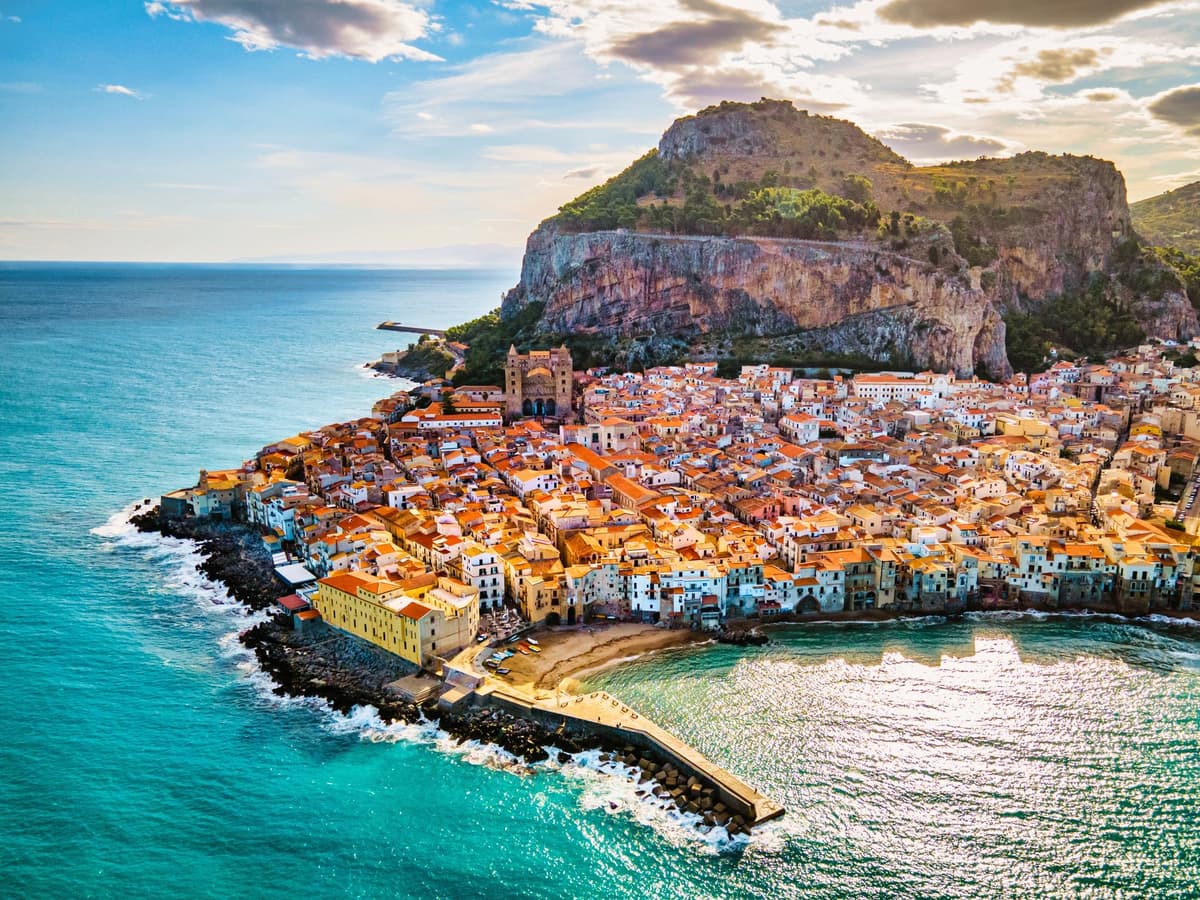
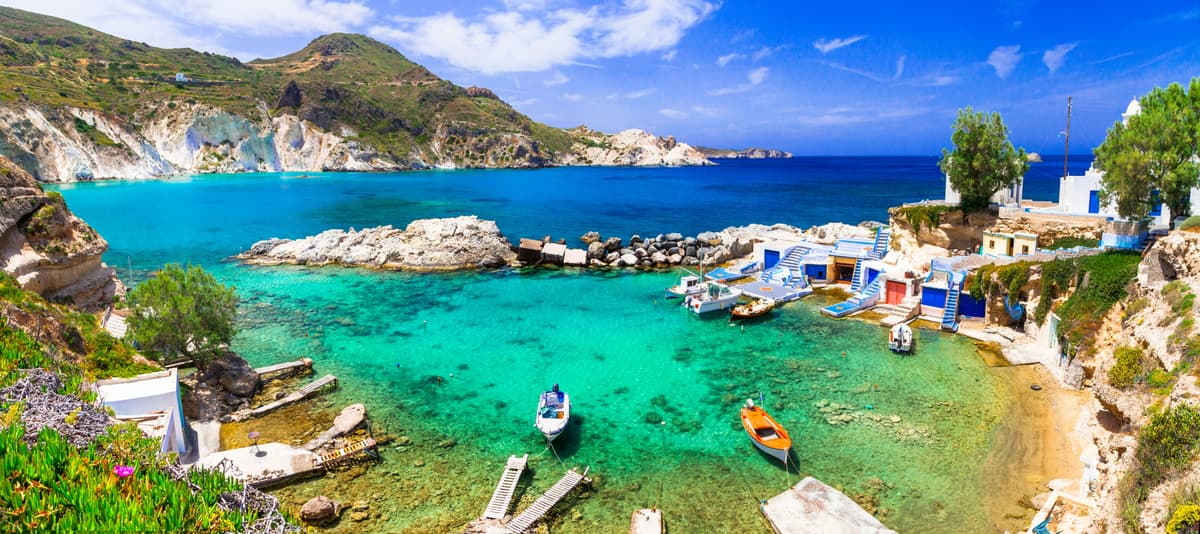
Turquoise waters, coves and pebble beaches line a spectacular coastline, ideal for swimming, sailing and relaxing.
Historic cities

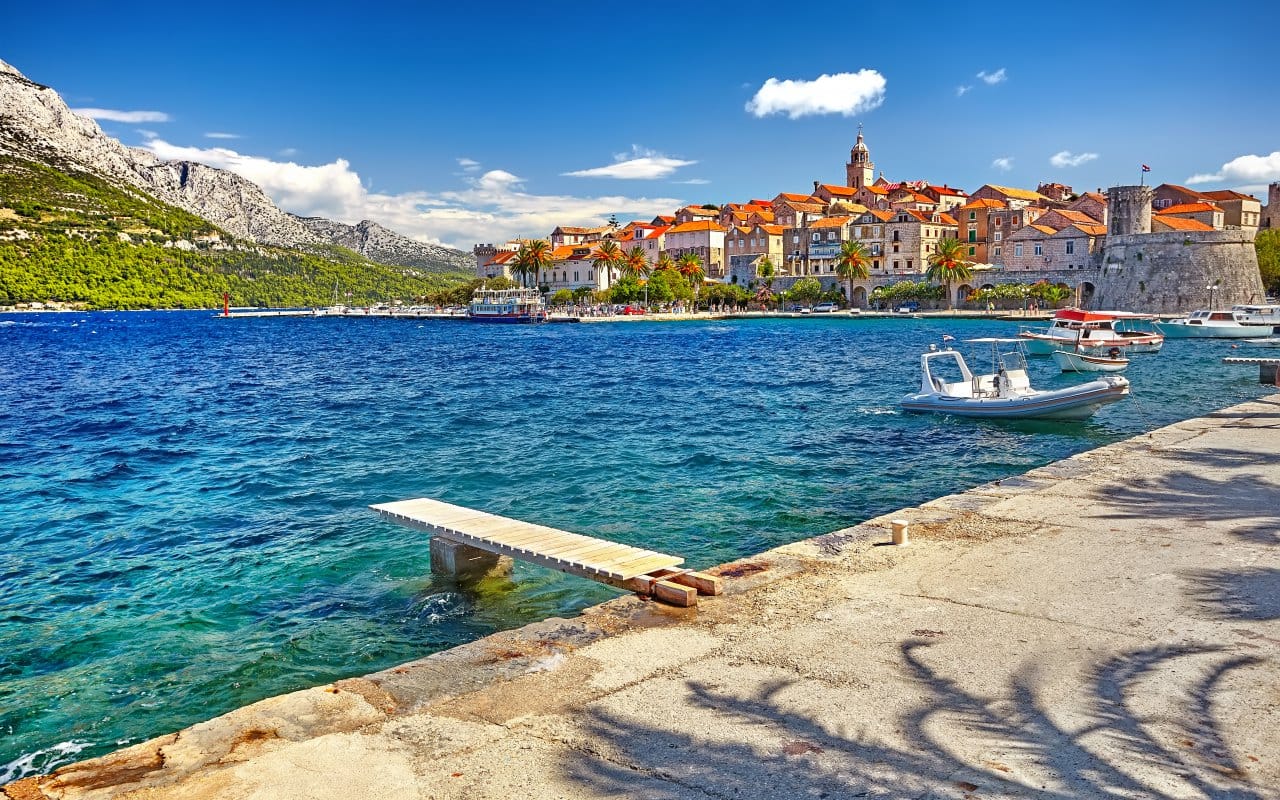
Dubrovnik and Split, listed by UNESCO, reveal walls, palaces and stone alleys, witnesses to rich Mediterranean heritage.

Dalmatian islands

Hvar, Brac and Korcula offer picturesque villages, beaches and a relaxed atmosphere, ideal for sailing and island getaways.

Nature parks

The lakes and waterfalls of Plitvice and Krka, listed by UNESCO, are among the most beautiful natural landscapes in Europe.

Sailing and navigation

With its thousands of islands and harbours, Croatia is a leading destination for sailing and cruising in the Mediterranean.

Mediterranean cuisine

Fresh fish, olive oil, seafood and local wines make up a flavourful cuisine, to savour by the sea.

Practical information about Croatia

Capital
Zagreb
Area
About 56,594 km²
Population
About 3.9 million inhabitants
Official language
Croatian
Currency
Euro (€)
Time zone
UTC+1
Dominant climate
Mediterranean on the coast, continental inland
Best season
May to September

Frequently asked questions about Croatia

When is the best time to visit Croatia?
May to September to enjoy the coast and islands. July and August are sunny but busy; June and September offer a good balance of weather and crowds.
Do I need a visa to travel to Croatia?
Croatia has been part of the Schengen Area since 2023: EU nationals move freely. Non-EU travellers should check entry requirements depending on nationality.
What are the must-sees in Croatia?
Dubrovnik, Split, the Dalmatian islands and the national parks of Plitvice and Krka are among the country's most iconic destinations.
What budget should I plan for a trip to Croatia?
Croatia remains relatively affordable, but high season raises prices on the coast. Dubrovnik is pricier than inland or the less touristy islands.
How do I get around in Croatia?
A car is ideal for following the coast, complemented by ferries connecting the islands and the mainland. Buses efficiently serve the main cities.
Which Croatian islands should I visit?
Hvar for the buzz, Brac for its beaches, Korcula for its historic charm and the Kornati for nature are among the most popular islands.

Plan your trip to Croatia

Day-by-day itinerary, budget, bookings and packing in a single app.
Aperçu de l'application PlanTripNow