French Polynesia

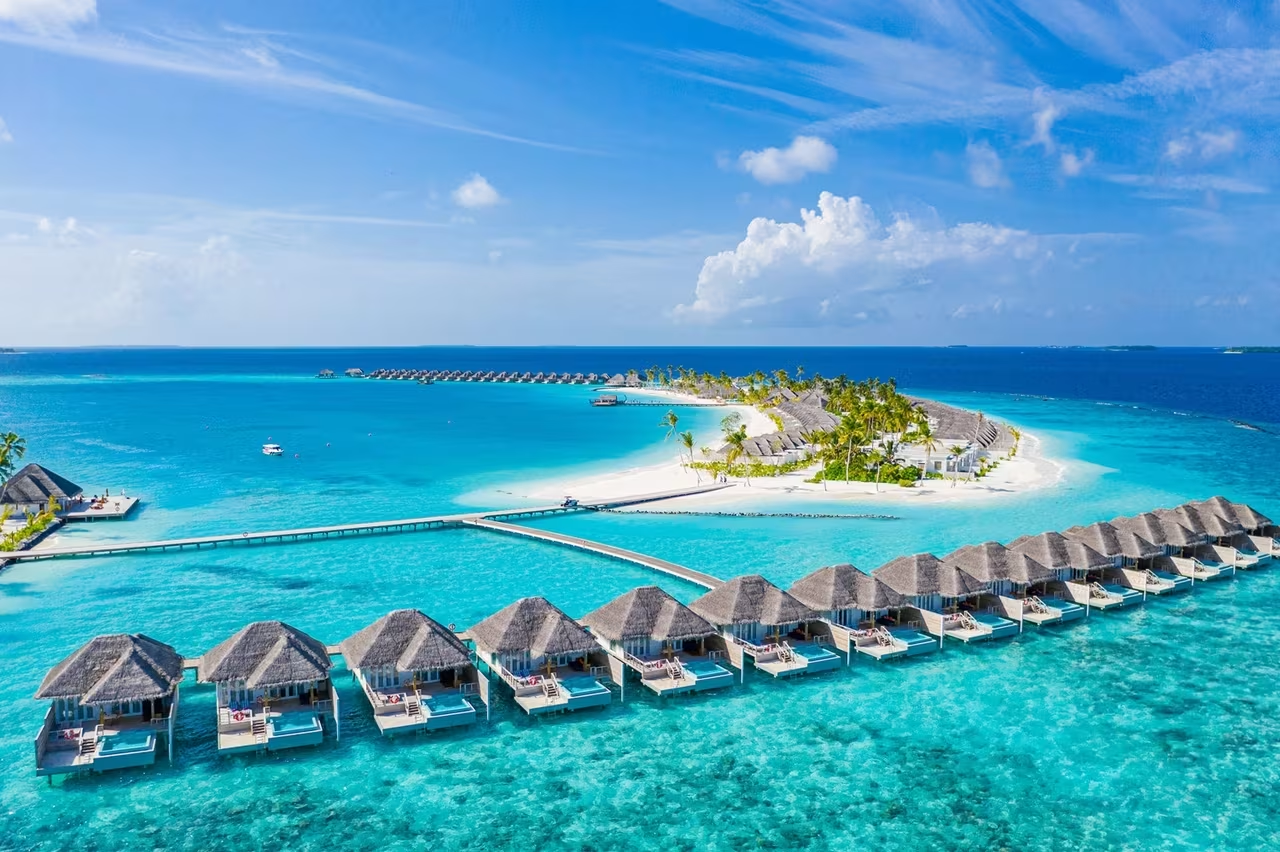
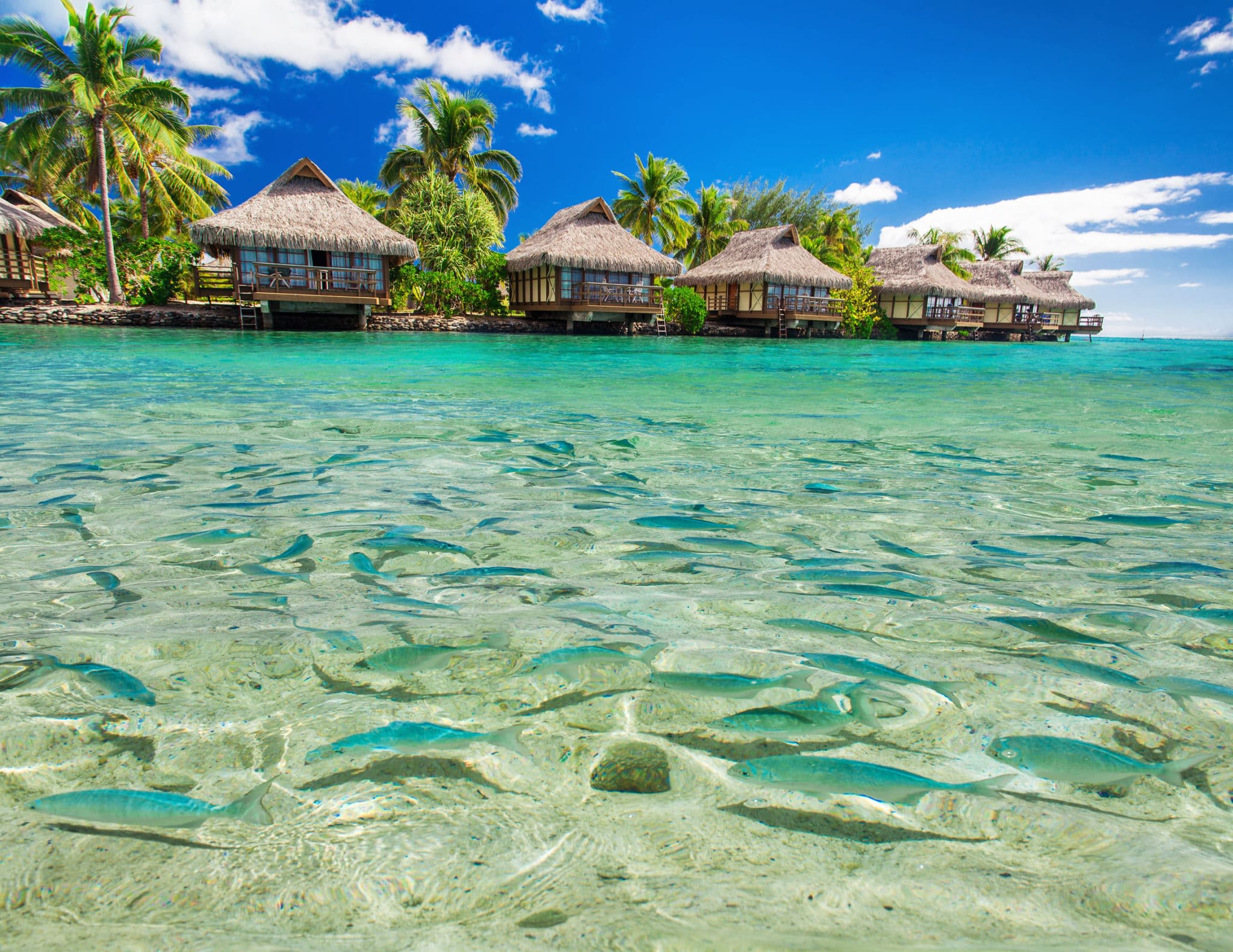
Scattered across five archipelagos in the heart of the South Pacific, French Polynesia embodies the image of the perfect lagoon: turquoise waters, overwater bungalows and Tahitian culture. A timeless destination, between volcanic islands and coral atolls.

Why visit French Polynesia?

French Polynesia stands out for the diversity of its 118 islands spread across five archipelagos, from mountainous volcanic islands to flat coral atolls. A French territory in the Pacific, it offers lagoons among the most spectacular in the world, a living Tahitian culture expressed through dance and traditional navigation, and an iconic overwater bungalow hospitality style.

What to discover in French Polynesia?

Tahiti, the main island and gateway to the territory, combines Papeete, its lively market and lush volcanic mountains. Moorea, just offshore, charms with Cook's Bay and hiking trails offering views over the lagoon. Bora Bora, world-famous, concentrates a turquoise lagoon, Mount Otemanu and the overwater bungalows so iconic of Polynesian imagery.
Beyond these Society Islands, the Tuamotu archipelago offers coral atolls such as Rangiroa and Fakarava, renowned for diving among the marine life of their passes. The more remote Marquesas reveal rugged volcanic landscapes and remarkable carved craftsmanship. Polynesian culture, carried by dance, traditional tattooing and ancestral navigation, permeates the whole territory, alongside a cuisine blending marinated raw fish and tropical produce.

Cities to visit in French Polynesia

Featured destinations appear first.
Coming soon.

French Polynesia in pictures

The must-sees

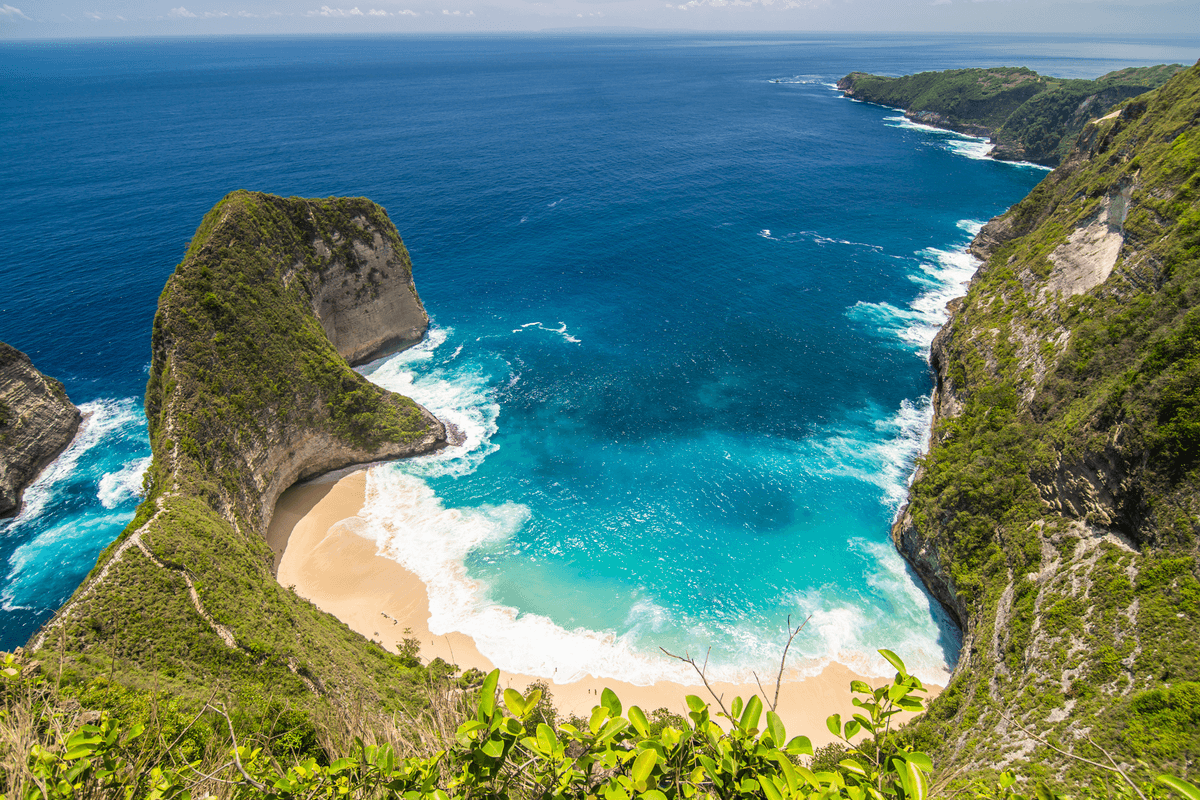
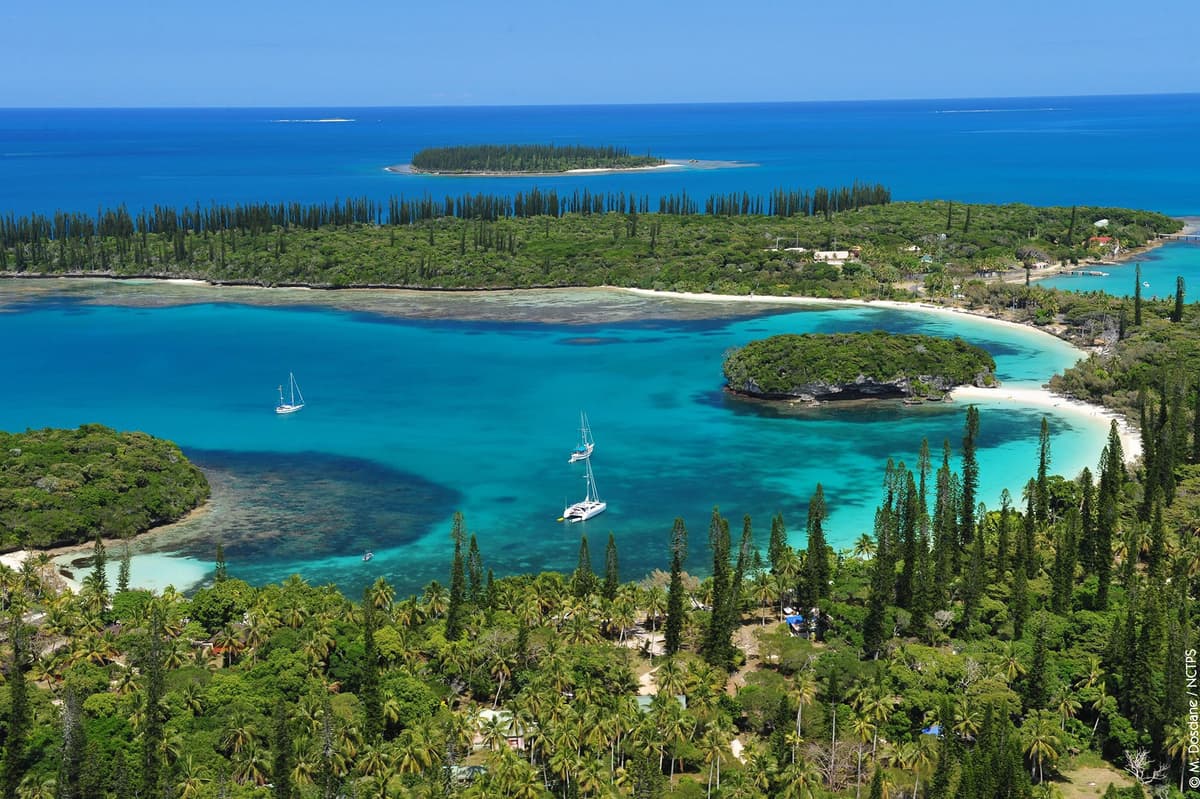
Turquoise lagoons, overwater bungalows and Tahitian culture: here is what not to miss in French Polynesia.

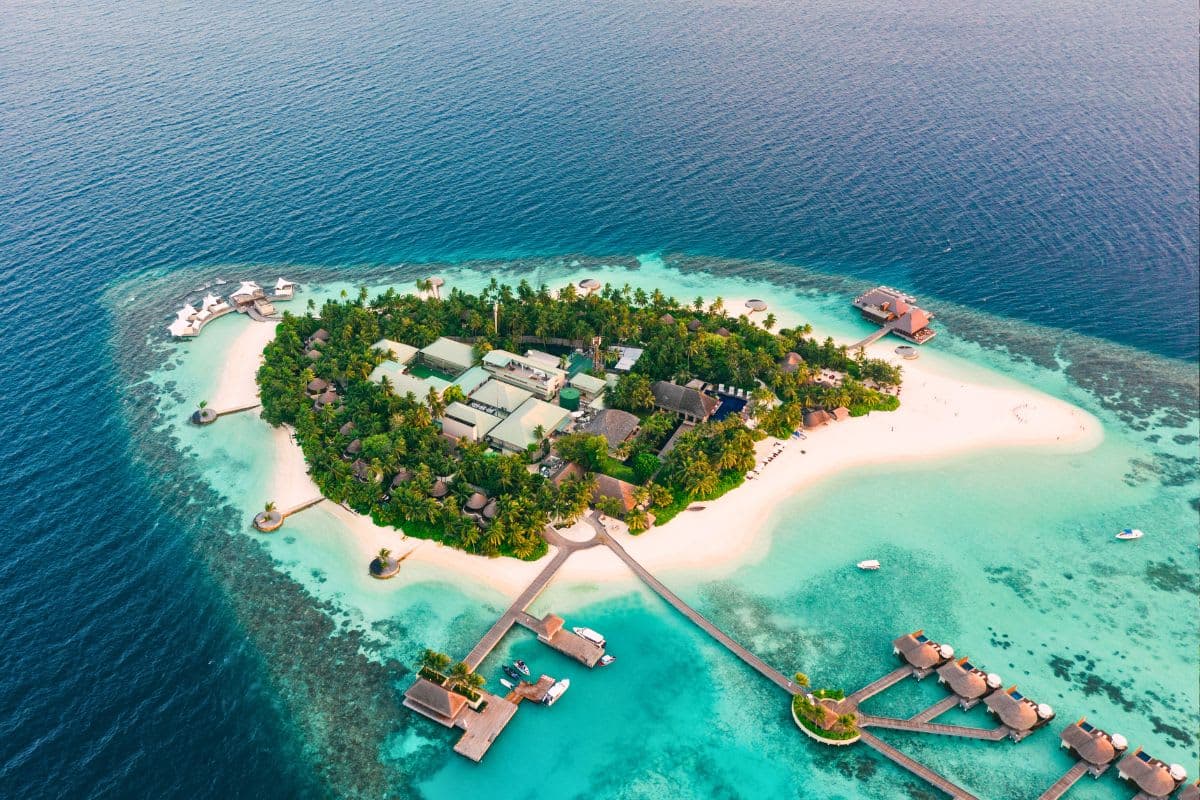
Bora Bora's lagoon

This turquoise lagoon overlooked by Mount Otemanu embodies the iconic image of French Polynesia, with its overwater bungalows.

Cook's Bay in Moorea

Surrounded by volcanic peaks, this spectacular bay offers hiking, viewpoints and lagoon excursions.

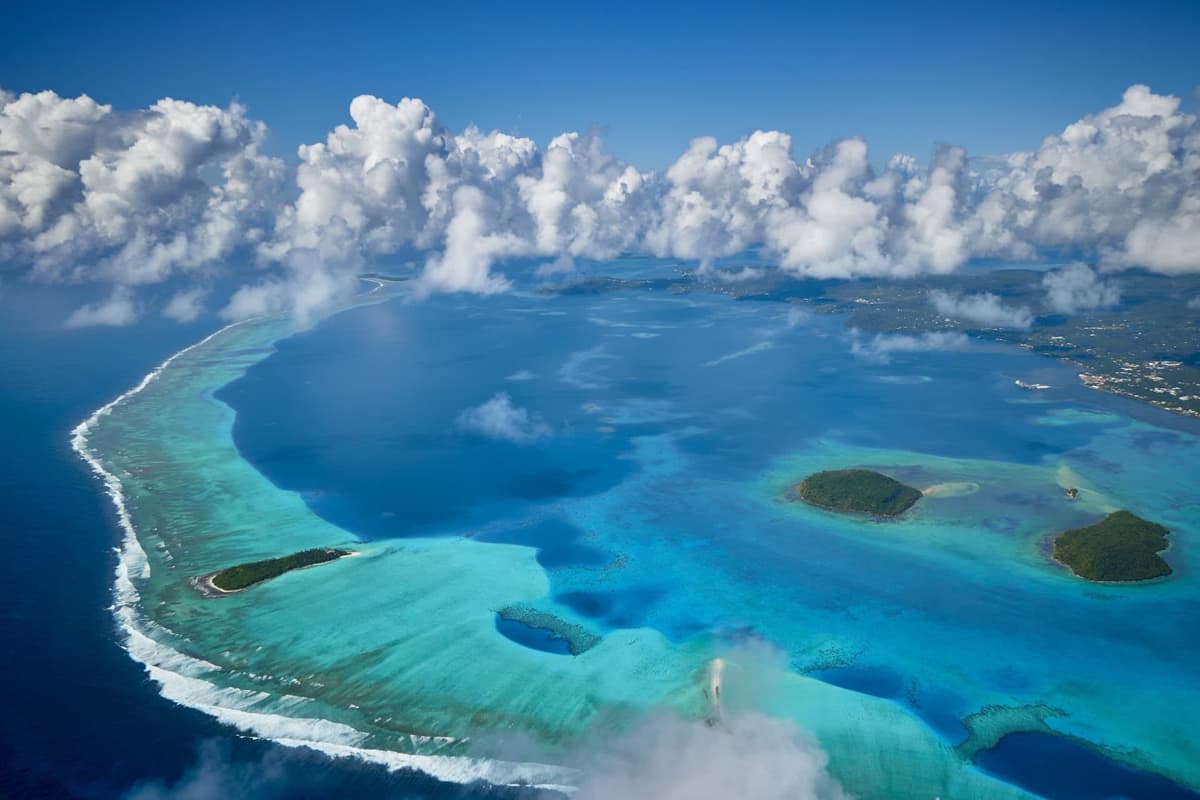
The Tuamotu atolls

Rangiroa and Fakarava rank among the best diving sites in the world, renowned for their passes rich in marine life.

Tahiti and Papeete

The main island combines a lively market, lush mountains and black volcanic sand beaches, a starting point for the other archipelagos.

The Marquesas Islands

More remote, these rugged volcanic islands reveal remarkable carved craftsmanship and spectacular landscapes.

Tahitian culture

Traditional dance, Polynesian tattooing and ancestral navigation continue to animate the territory's cultural life.

Practical information

Capital
Papeete (Tahiti)
Area
About 4,000 km² of land, spread across 118 islands
Population
About 280,000 inhabitants
Languages
French, Tahitian and Polynesian languages
Currency
Pacific franc (CFP)
Time zone
UTC-10
Climate
Tropical
Best season
May to October (dry season)

Frequently asked questions

When to visit French Polynesia?
The dry season, from May to October, offers milder, less humid weather, ideal for diving and lagoon excursions.
Do you need a passport for French Polynesia?
A valid ID is enough for French nationals; other nationalities should check the specific entry requirements for the territory.
How many days are needed to visit French Polynesia?
About ten days allows you to discover Tahiti, Moorea and Bora Bora; two to three weeks leave time to explore the Tuamotu or the Marquesas.
Which island should you choose in French Polynesia?
Bora Bora suits a romantic stay, Moorea suits hiking, and the Tuamotu suit diving among the marine life of the passes.
How do you travel between the islands?
Domestic flights connect the main islands from Tahiti, complemented by sea links for some closer archipelagos.
Is French Polynesia suitable for families?
Yes, especially in Moorea and Tahiti, where calm lagoons, water activities and varied accommodations suit a family stay.

Plan your trip to French Polynesia

Day-by-day itinerary, budget, bookings and packing in a single app.
Aperçu de l'application PlanTripNow