Indonesia travel guide: when to go, budget and itineraries

From Bali to the Komodo dragons, Indonesia stretches across 17,000 islands, some forty active volcanoes and cultures that shift from one coast to the next. Travellers come for the rice fields, the diving and the temples, knowing the distances force you to pick a region rather than chase everything.
  • 4 cities · 3 regions

Why visit Indonesia?

Indonesia packs pre-dawn volcano climbs, the world's largest Buddhist temple at Borobudur and some of the planet's best diving around Komodo and Raja Ampat into a single trip. The cost of living stays low, the dry season runs from April to October across Bali and Java, and a one to two-hour domestic flight is enough to hop between islands.

What to see in Indonesia

Bali, the gateway to the trip

A small island of 5,600 km2, Bali holds most of the country's tourist infrastructure. The south (Canggu, Seminyak, Uluwatu) revolves around beaches and restaurants; Ubud, an hour inland, works as a cultural base with its rice fields and temples. Plan at least four nights so you are not stuck on the road, and avoid south-north transfers at rush hour, when 40 km can take two hours.
Java, volcanoes and the great temples

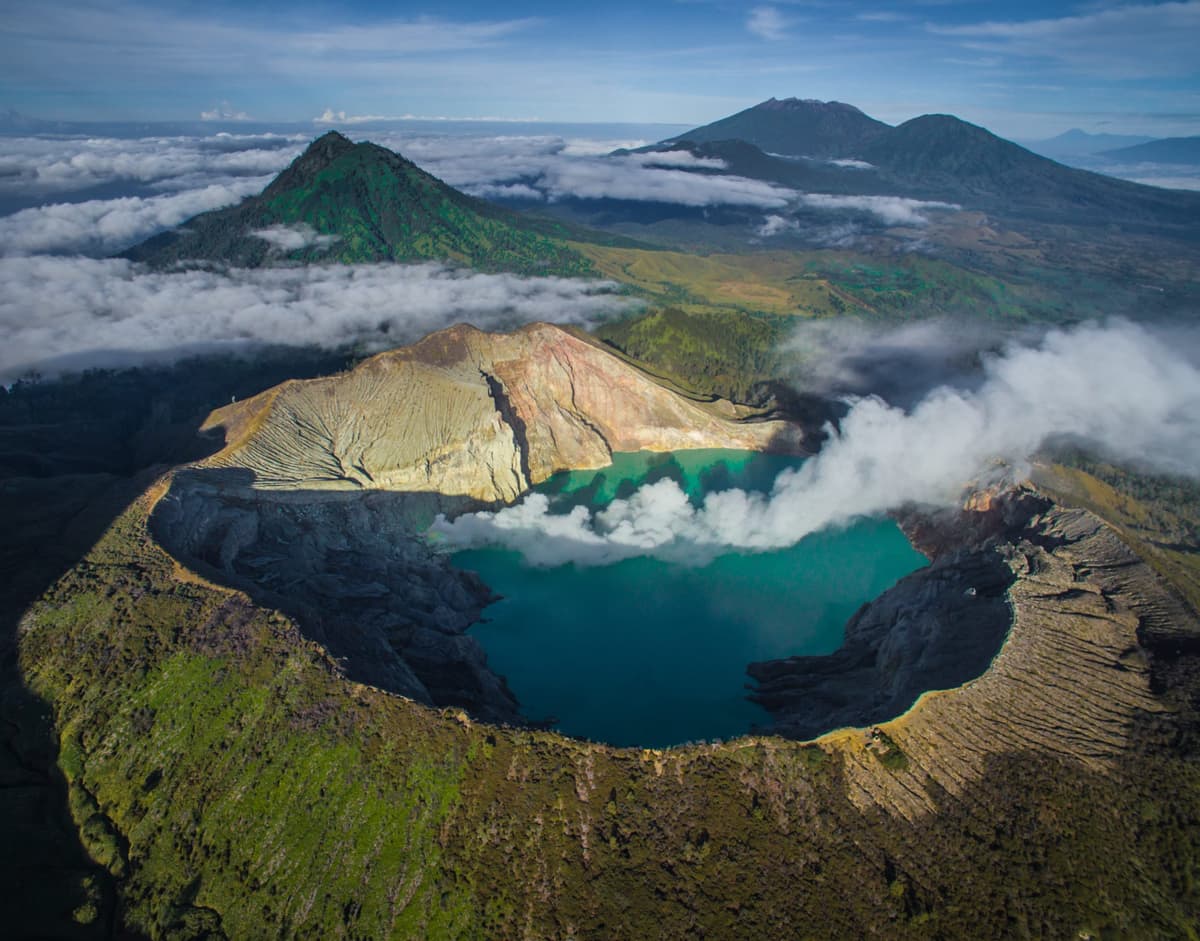
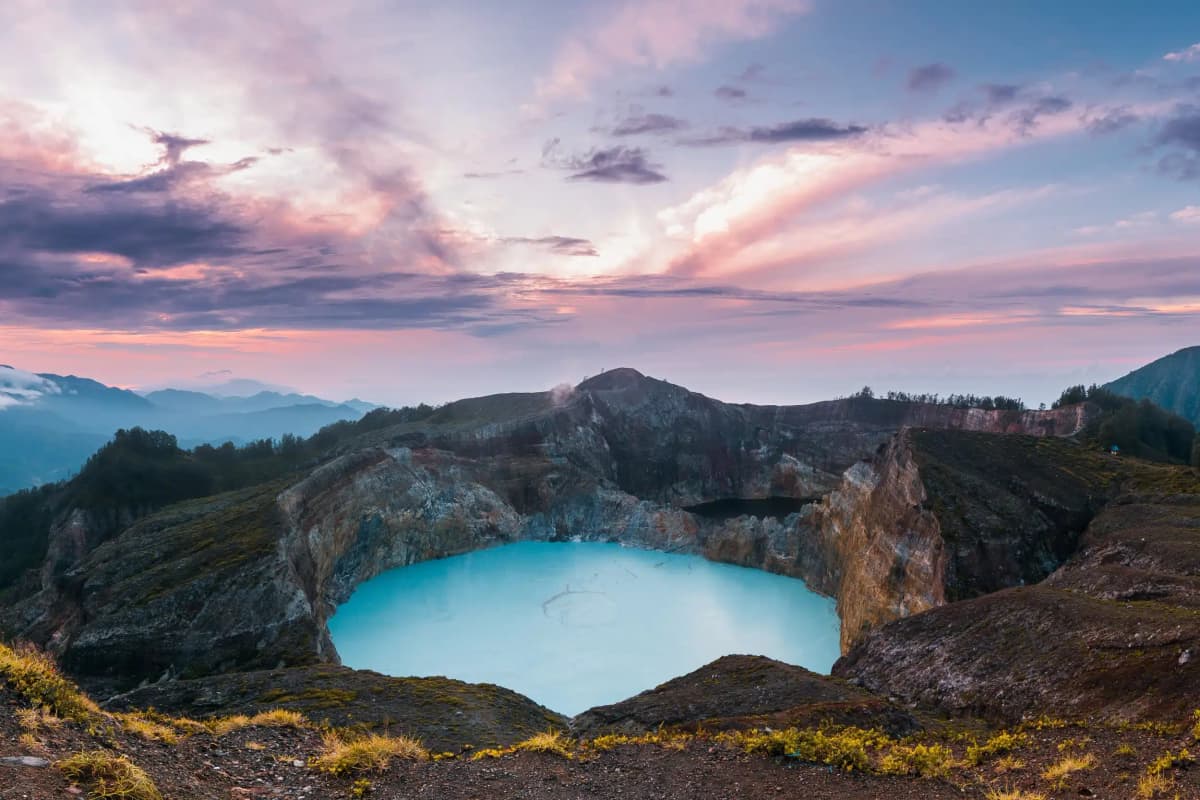
The most populated island on Earth, Java is crossed west to east in a week. Yogyakarta opens access to Borobudur and Prambanan, both UNESCO-listed; further east, the Bromo and Kawah Ijen calderas are visited on night hikes, starting around 1 to 3 a.m. to reach the rim at sunrise. The train links Jakarta to Surabaya in comfort at a moderate fare.

Lombok and the Gili Islands

Bali's neighbour, Lombok has wilder beaches in the south (Kuta, Selong Belanak) and Mount Rinjani, whose climb takes two to three days with a guide. Offshore, the three Gilis are reached by fast boat from Bali in one to two hours: Gili Trawangan for nightlife, Gili Air for balance, Gili Meno for quiet. No cars run there, you get around on foot or by bike.

Flores and Komodo National Park

From Labuan Bajo, in western Flores, one to three-day cruises reach Rinca and Komodo islands, the only places on Earth to see the giant monitor lizards in the wild. The same loop takes in the Padar hill, the pink beach and the manta rays of Manta Point. The park permit is bought the day before; the sea is calmer from April to October.

Sulawesi and Tana Toraja

Less visited, Sulawesi stands out for the Toraja culture in the central mountains: tongkonan houses with boat-prow roofs, cliff-carved graves guarded by wooden effigies, and funeral ceremonies lasting several days, mainly from July to September. From Makassar, allow eight hours by road to Rantepao, the regional hub, then two to three days of walks between villages. The north of the island, around Bunaken and the Lembeh Strait, adds some of the best wall and muck diving in the country, best from March to November.

Sumatra, the jungle and the orangutans

The sixth-largest island on Earth, Sumatra draws travellers to Bukit Lawang, three hours from Medan, where one to three-day treks cross paths with wild orangutans on the edge of Gunung Leuser park. Lake Toba, further south, fills a volcanic caldera 100 km long, with the Batak island of Samosir in its middle. Distances are long and the roads slow, often 40 km/h on mountain sections: Sumatra sits badly with a short trip and is best kept for a second visit of two weeks or more.

Getting around between the islands

The country spans 5,000 km east to west: domestic flights are unavoidable and stay cheap, often 30 to 70 EUR a leg, as across the rest of Southeast Asia. Ferries and fast boats link Bali, Lombok and the Gilis. For a first two-week trip, it is better to stick to two islands; anyone comparing with a circuit in Thailand will find transport times noticeably longer here.

Cities to visit in Indonesia

Featured destinations appear first.

Regions to explore in Indonesia

Featured destinations appear first.

Indonesia in pictures

Must-sees in Indonesia

Eleven sites that justify the trip on their own, from the giant Buddhist temple to the sulphur craters.

Borobudur temple

The world's largest Buddhist monument, on Java. Timed ticket and a climb capped at 1,200 visitors a day; the sunrise visit is highly sought after.

Prambanan temple

A 9th-century Hindu complex near Yogyakarta with slender towers over 45 m tall. Ramayana dance performances on some evenings.

Mount Bromo

A smoking cone in the middle of a sea of sand, within the Tengger massif. Up around 3.30 a.m. for the Penanjakan viewpoint.

Kawah Ijen

A crater in eastern Java famous for its blue sulphur flames, seen at night, and its turquoise acid lake. Gas mask provided.

Jatiluwih rice fields

UNESCO-listed terraces in central Bali, quieter than Tegalalang. Marked trails from 1.5 to 6 km.

Kelingking Beach

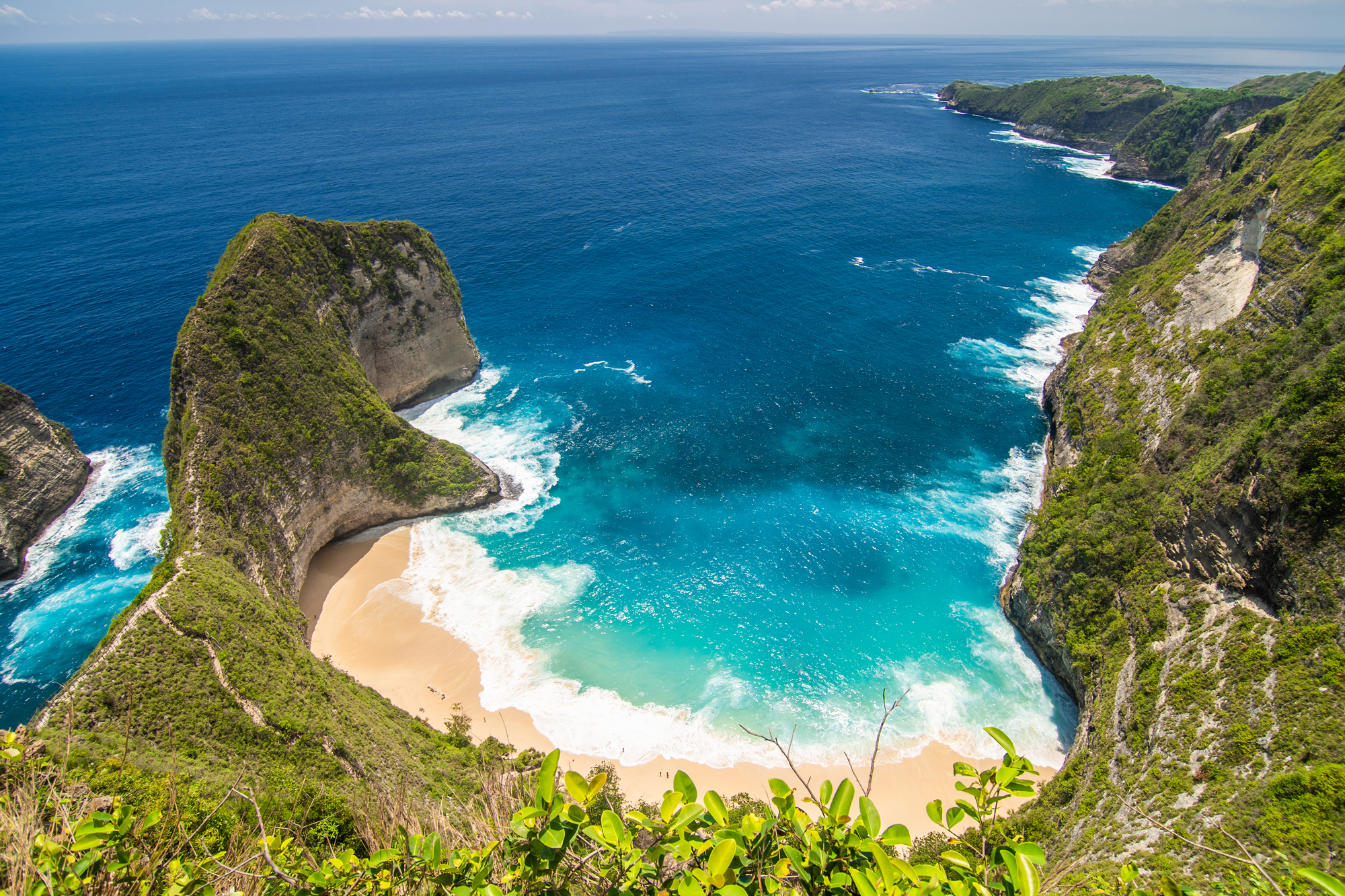
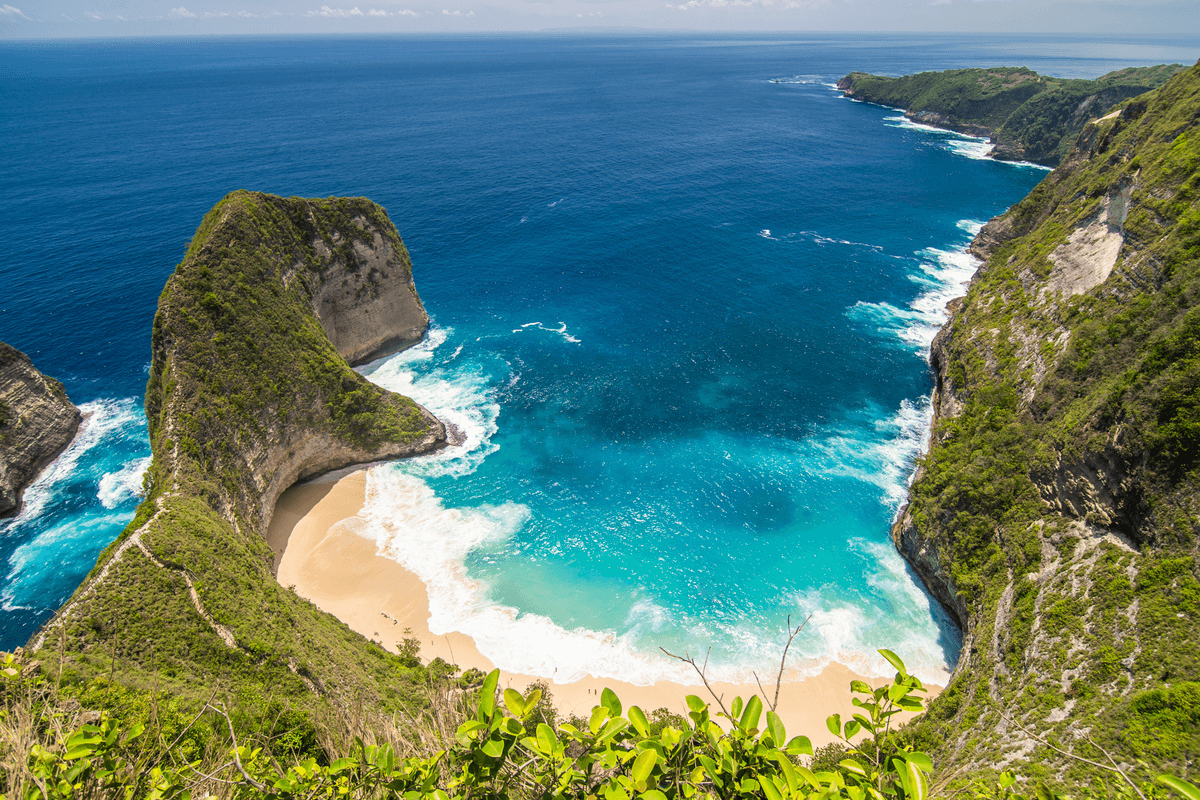
A dinosaur-head cliff on Nusa Penida. The viewpoint is free; the descent to the sand takes 45 minutes each way.

Padar Island

A panoramic ridge over three bays with different-coloured beaches, in Komodo park. A 20-minute climb from the anchorage.

Tana Toraja

Valleys of central Sulawesi known for tongkonan houses and funeral rites, mainly between July and September.

Bukit Lawang

The gateway village to Gunung Leuser park in Sumatra, base for treks to see wild orangutans, from one to three days.

Tanah Lot temple

A shrine set on a wave-battered rock on Bali's west coast. Much photographed at sunset, reached at low tide.

Similar destinations

Other countries you might like as much as Indonesia.

Similar regions

Other regions you might like as much as Indonesia.

Frequently asked questions about Indonesia

Do I have to choose between Bali and the Gili Islands for a first trip?
No, the two combine easily: a fast boat links southern or eastern Bali to Gili Trawangan or Gili Air in one to two hours. Still, plan at least three nights on the Gilis to make the crossing worthwhile.
How many days to see Java and Bali together?
Allow ten days minimum: three in Yogyakarta for Borobudur and Prambanan, two for Bromo, one for Ijen, then three to four nights on Bali. Below that, Java's long night drives crowd out the sightseeing.
Can you see the Komodo dragons from Bali in a day?
No. You need to reach Labuan Bajo in western Flores by a roughly 90-minute flight from Denpasar, then board a cruise of at least one full day. Plan three nights there for Rinca, Padar and Manta Point.
Does the rainy season make Bali impossible?
No: from November to March, showers mostly fall in late afternoon and last one to two hours. The rice fields are at their greenest and prices are low. Only the crossings to Nusa Penida and the Gilis are sometimes cancelled because of swell.
Is climbing Mount Bromo difficult?
No, it suits any walker: a 4x4 drives up to the viewpoint, then 30 to 45 minutes of flat walking across the sea of sand lead to the crater base, followed by 250 steps. The nighttime cold, around 5 C, surprises more than the effort.
Does Nyepi really shut down the whole island of Bali?
Yes. For 24 hours in March, Denpasar airport closes, the streets empty, mobile internet is cut and hotels ask guests to stay inside with lights off in the evening. The other islands are not affected.
Is Nusa Penida a day trip or should you stay overnight?
Both work. On a day trip from Sanur you see Kelingking and Broken Beach, but the sites are packed by midday. Staying one to two nights on the island lets you photograph Kelingking alone at first light.
Is malaria a concern on Bali and Java?
No, there is no malaria risk on Bali, in Jakarta or in the major cities. The risk exists year-round in Papua, the Moluccas and East Nusa Tenggara, and in rural areas of Sumatra and Sulawesi.

Plan your trip to Indonesia

Day-by-day itinerary, budget, bookings and packing in a single app.
Aperçu de l'application PlanTripNow