Skip to content

Planning a trip to Ireland: when to go, budget and itineraries

From the Cliffs of Moher to the Giant's Causeway, from Dublin's pubs to the peat bogs of Connemara, Ireland is best explored by car along spectacular coastal roads. This page gathers month-by-month climate, a costed budget and three itineraries that do not overlap.
  • 1 city

At a glance

Currency
Euro (€)
Time difference
UTC+0
Visa
None
Tourist stay of up to 90 days
7-day budget
€1,169
Per person, comfort profile, excluding international flights.

Why visit Ireland?

Ireland combines Atlantic cliffs, medieval castles and a pub culture where traditional music and conversation matter as much as the pint. The Wild Atlantic Way, a 2,600 km coastal route, shapes the western half of the country, while Dublin concentrates literature, history and nightlife. The oceanic climate stays changeable year-round, which makes a car the best way to adapt the day's plans to the weather.

When to visit Ireland

Temperatures, rainfall and crowds month by month, to pick your window.
When to visit Ireland
MonthTemperaturesRainCrowdsVerdict
January2 to 8 °C13 dVery quietThe quietest month of the year, Dublin hotels at rock-bottom rates and pubs without a queue.
February2 to 9 °C11 dVery quietStill winter but the days grow longer, Valentine's Day the only reason prices tick up.
March3 to 10 °C11 dModerateSt Patrick's Day on 17 March fills Dublin and Cork for ten days, book accommodation well ahead.
April4 to 12 °C11 dModerateSpring settles over Connemara, and Easter holidays push visitor numbers up.
May7 to 15 °C11 dModerateLong days and blooming landscapes make this the ideal month for the Giant's Causeway without the summer crowds.
June9 to 18 °C10 dBusySchools break up at the end of June, and car rental rates climb ahead of the summer peak.
July11 to 20 °C12 dPackedFull high season, traditional festivals everywhere, but B&Bs book out weeks in advance.
August11 to 19 °C12 dPackedThe warmest month stays cool, around 15°C, and the busiest, with prices peaking on the west coast.
September10 to 17 °C11 dModerateGolden light over the Cliffs of Moher, fewer tour buses, still plenty of sunny spells.
October7 to 14 °C12 dQuietHalloween, an Irish-born festival, livens up Dublin in late October before the rain takes over again.
November4 to 10 °C13 dVery quietThe autumn lull, short days and westerly winds, only Christmas markets start bringing towns to life.
December3 to 8 °C13 dModerateChristmas markets and New Year in Dublin push prices back up despite grey, windy weather.
Source: Normales 1991-2020 de Met Éireann pour Dublin Airport (relevé officiel, page mensuelle consultée septembre 2026), recoupées avec Climates to Travel pour Dublin. Cadré sur Dublin et la côte est, plus sèche que la côte atlantique ouest (Galway, Kerry, Connemara), signalé dans les verdicts concernés. Température de mer relevée sur la mer d'Irlande (baie de Dublin).

What to see in Ireland?

Dublin, between history and pubs

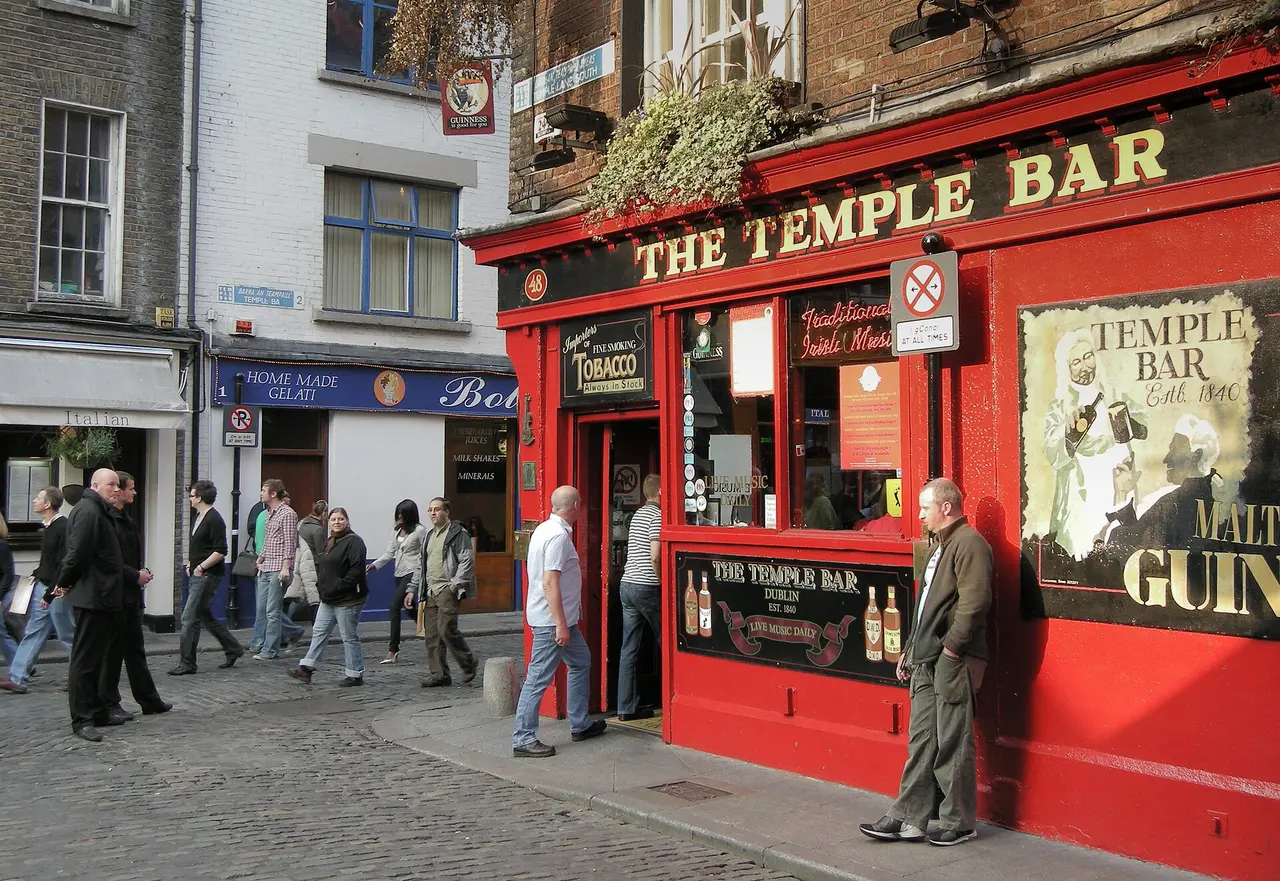
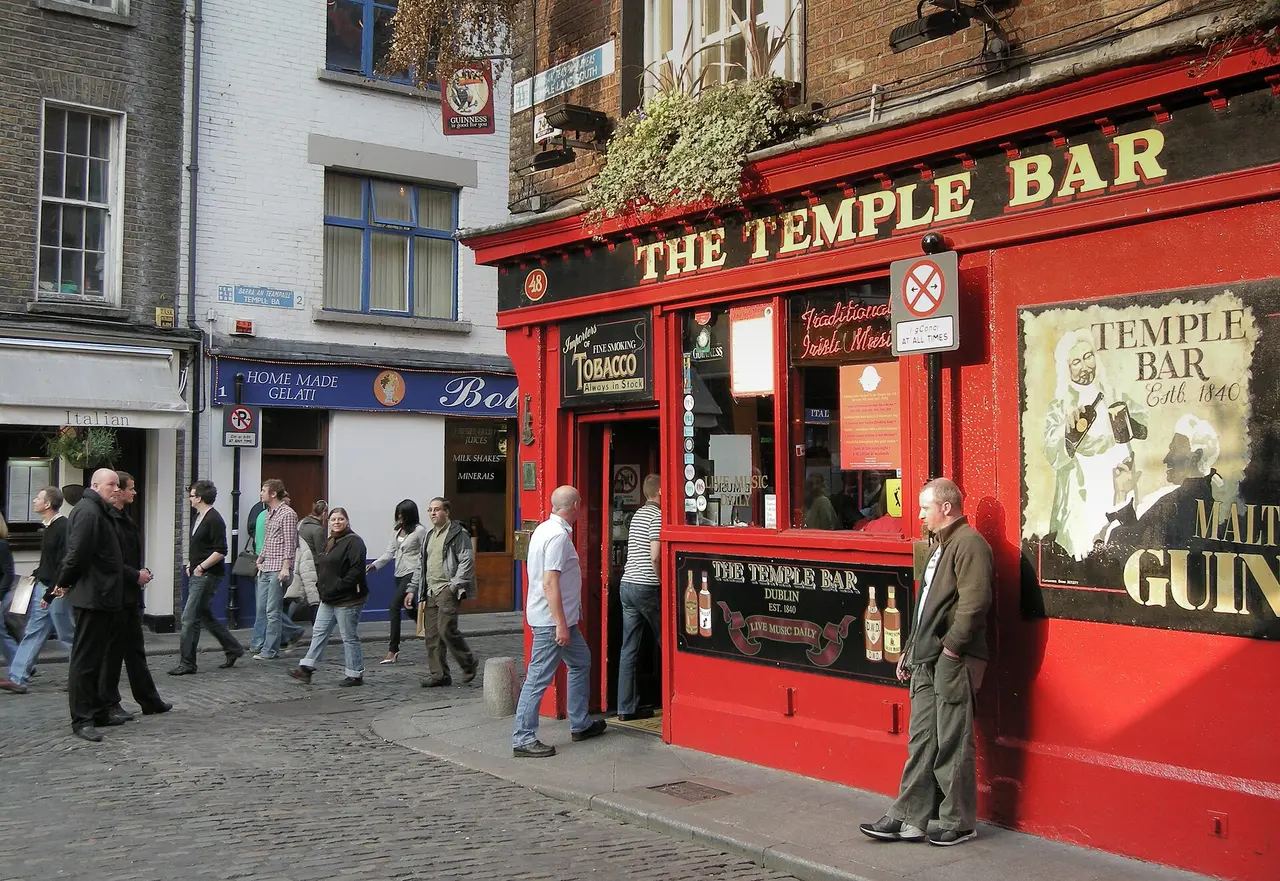
Two days cover the essentials: Trinity College and its 9th-century illuminated Book of Kells, the Guinness Storehouse housed in the former brewery, and the Temple Bar quarter at night, where traditional music spills onto the pavement from the pubs. Kilmainham Gaol, closed in 1924, tells the story of Irish independence in a building that has stayed intact. Add one more night for a day trip to the Neolithic passage tomb of Newgrange, 45 minutes away by road.
The Ring of Kerry and the Atlantic South

The 170 km Ring of Kerry loop, in County Kerry, is best driven counter-clockwise to avoid the tour coaches that travel the other way. Killarney National Park, with its lakes and ancient woodland, deserves a walk of its own away from the road. Further south, the less-visited Dingle Peninsula offers the Slea Head Drive and its Iron Age stone forts facing the Atlantic.

The Cliffs of Moher, the Burren and Galway

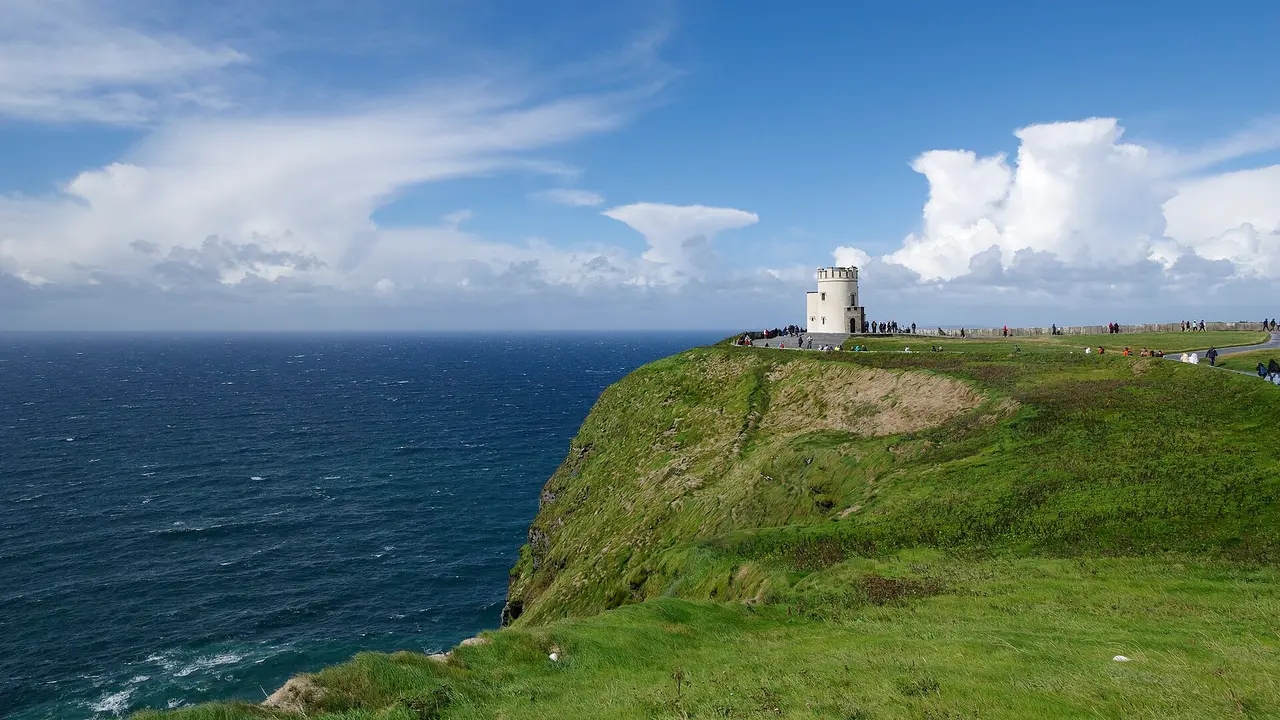
The Cliffs of Moher rise 214 metres above the ocean in County Clare: arriving before 10am or after 5pm avoids most of the crowds. Right next door, the Burren unfolds a karst limestone landscape unique in Europe, where Arctic and Mediterranean plants grow side by side. Galway, a lively university town, serves as a base for a ferry to the Aran Islands and the prehistoric fort of Dún Aonghasa, perched 100 metres above the waves.

Connemara and the wild West

Connemara National Park unfolds peat bogs, heather moorland and the Twelve Bens mountains, crossed by narrow roads where sheep have the right of way. Further north, Westport, a Georgian town at the foot of Croagh Patrick, the country's most-climbed pilgrimage mountain, keeps a lively music scene after dark. County Donegal, even more remote, hides the Slieve League cliffs, nearly three times higher than Moher and without the crowds.

Belfast and the Giant's Causeway, in Northern Ireland

The border with Northern Ireland, part of the United Kingdom, has no checkpoint at all, but you do need to switch currency to pounds sterling. Belfast keeps the memory of the Troubles alive in the nearby Bogside district and at Titanic Belfast, built on the original shipyard site. Further west, the 40,000 basalt columns of the Giant's Causeway, UNESCO-listed, are best seen early in the morning, ahead of the coaches from Belfast and Dublin.

Driving and getting around Ireland

Driving is on the left, on county roads that are often narrow and hedge-lined: slowing down on blind bends avoids most scares. Fuel is paid in euros in the Republic of Ireland and in pounds sterling in Northern Ireland. The weather can change within hours at any time of year, which is why a flexible plan works better than a schedule timed to the hour.

Cities to visit in Ireland

Featured destinations appear first.

How much it costs

Per person per day, excluding international travel.
Budget
85 €/ day
1 410 € for 2 people, 7 days, return flights included
Accommodation
35 €
Food
28 €
Local transport
10 €
Sights and activities
12 €
Comfort
167 €/ day
2 558 € for 2 people, 7 days, return flights included
Accommodation
75 €
Food
50 €
Local transport
14 €
Sights and activities
28 €
Premium
307 €/ day
4 518 € for 2 people, 7 days, return flights included
Accommodation
150 €
Food
90 €
Local transport
22 €
Sights and activities
45 €
Prices checked: Relevé septembre 2026. Vol aller-retour Paris-Dublin autour de 110 EUR par personne hors haute saison (agrégateurs Skyscanner et Google Flights, tarifs Ryanair/Aer Lingus observés hors Saint-Patrick, juillet-août et fêtes de fin d'année ; des city-breaks ponctuels descendent sous 50 EUR mais ne reflètent pas un aller-retour type). Hébergement et repas cadrés sur Dublin (Dublin Spirit, guide budget 2026 ; Hostelz/Hostelworld pour les dortoirs, 30-50 EUR/nuit hors été). Transport local sur la base du plafond journalier Leap Card TFI (environ 6-7 EUR/jour en 2026), majoré pour trajets occasionnels en taxi ou intercité. Hébergement par personne et par nuit : dortoir pour backpacker, chambre double partagée à deux pour comfort et premium.

Getting there

Airports serving Ireland, from main hubs to secondary ones.
  • DUBDublin AirportDublinMain
  • NOCIreland West Airport KnockCharlestownMain
  • ORKCork International AirportCorkMain
  • SNNShannon AirportShannonMain
  • CFNDonegal AirportDonegalSecondary
  • KIRKerry AirportFarranforeSecondary

Entry, health and safety

For FR travellers

Entry requirements

No visa for a tourist stay

Membre de l'Union européenne, mais l'Irlande n'est pas dans l'espace Schengen : les ressortissants français entrent librement, sans visa, avec une carte nationale d'identité ou un passeport en cours de validité. Séjour autorisé jusqu'à 3 mois. Une carte d'identité affichant une date de fin de validité dépassée bénéficie en théorie de la prolongation française de 5 ans, mais mieux vaut privilégier un passeport valide pour éviter un refus d'embarquement par la compagnie aérienne.

Stay allowed for up to 90 days.

Health

Advised: Mise à jour des vaccinations habituelles (diphtérie, poliomyélite, tétanos). Aucun vaccin exigé pour l'entrée sur le territoire.

Aucune vaccination obligatoire à l'entrée. Carte européenne d'assurance maladie à demander avant le départ, valable en Irlande. Sécurité : vigilance normale sur tout le territoire, l'Irlande est jugée sûre mais des vols à la tire visent les touristes dans les pubs, les bus, les navettes aéroport, les auberges de jeunesse et les parkings de sites touristiques.

Safety

Normal precautions

Emergency

112

Checked in septembre 2026 against the official source. Entry rules change: check the official source before you travel, it alone is authoritative.

Ireland in pictures

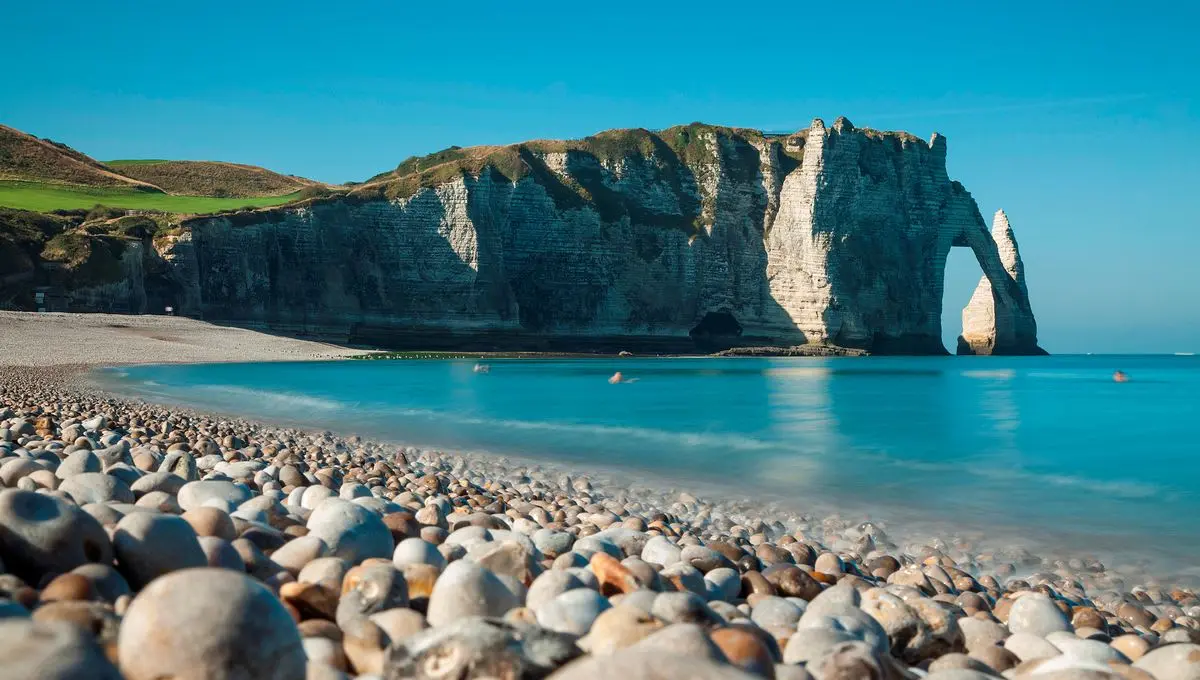
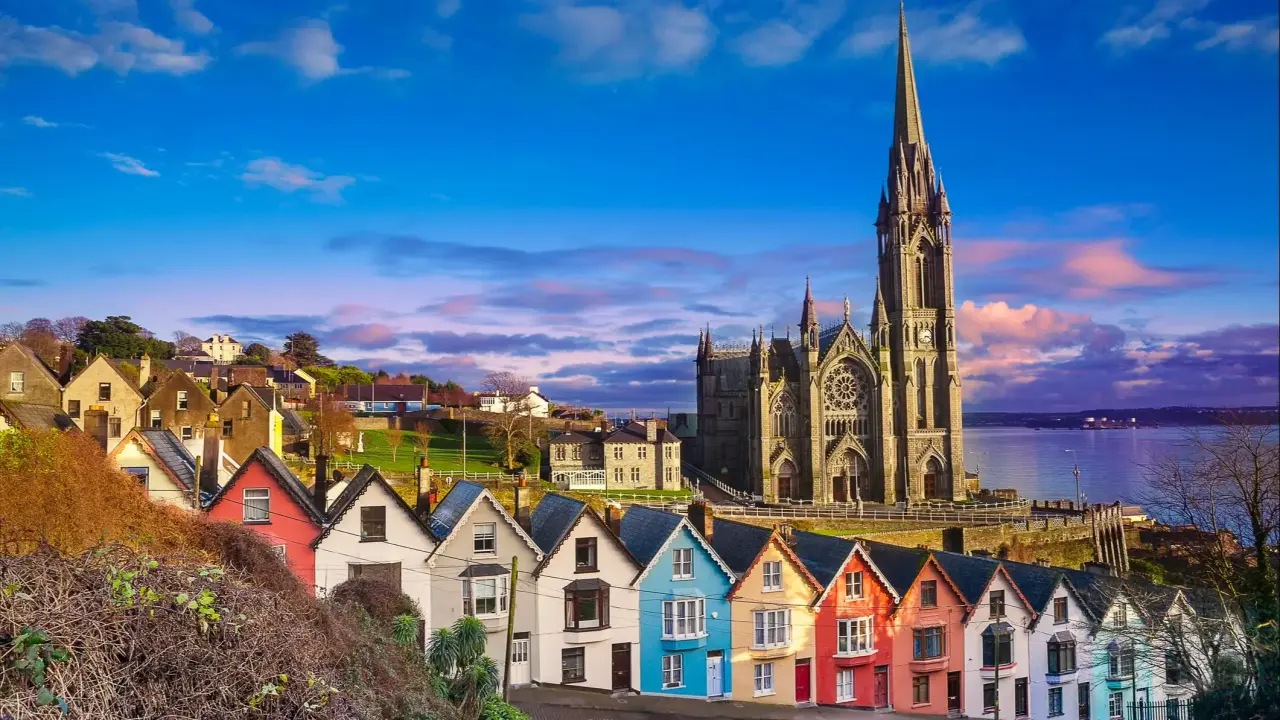
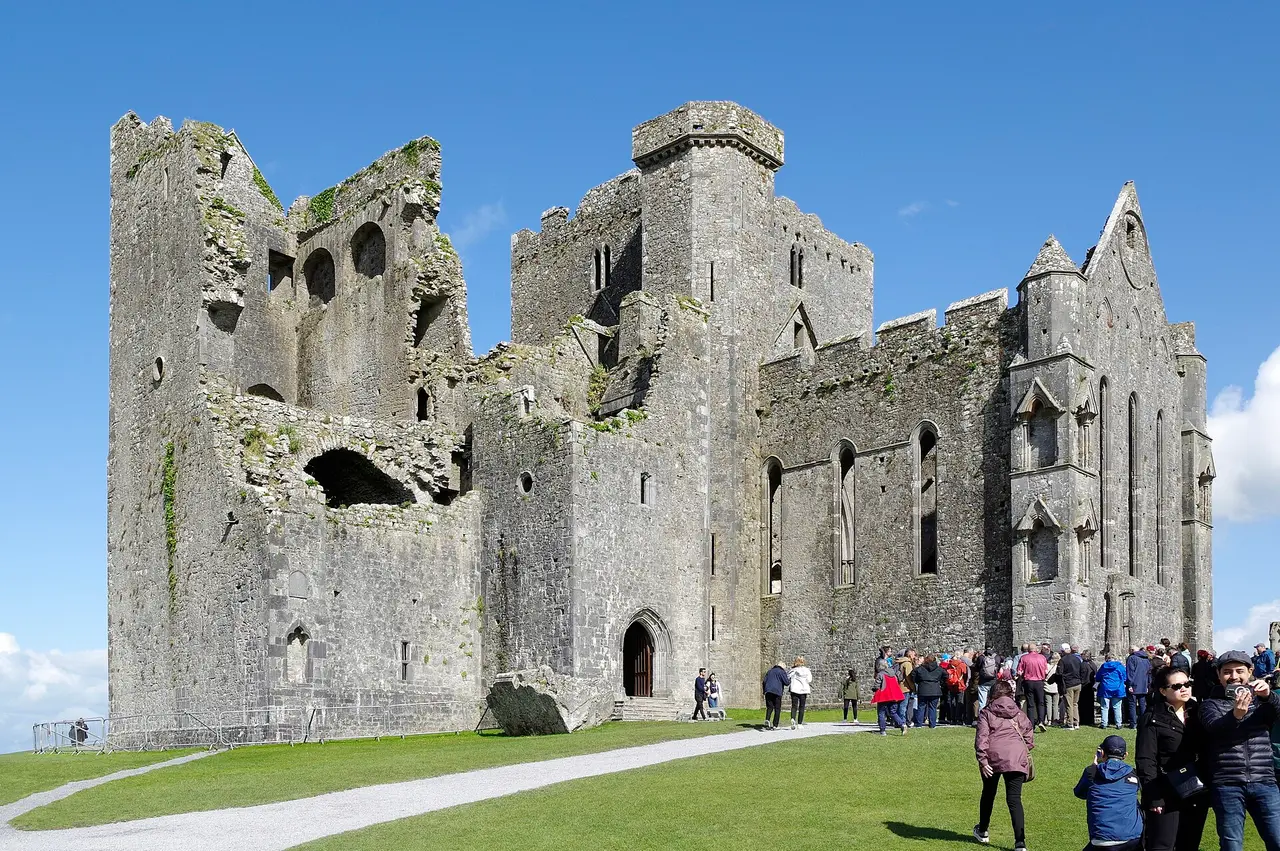
Photo credits : Berthold Werner, CC BY-SA 4.0, Wikimedia Commons ; Gordon Leggett, CC BY-SA 4.0, Wikimedia Commons ; Superbass, CC BY-SA 4.0, Wikimedia Commons ; JoachimKohler-HB, CC BY-SA 4.0, Wikimedia Commons ; Jim, CC BY 2.0, Wikimedia Commons

Not to miss

Eight sites that justify the trip on their own, from Atlantic cliffs to prehistoric forts.

Cliffs of Moher

214 metres of cliffs dropping sheer into the Atlantic in County Clare, best visited early morning to avoid the crowds.

Giant's Causeway

40,000 hexagonal basalt columns, UNESCO-listed, on the Antrim coast in Northern Ireland.

Ring of Kerry

A 170 km coastal loop best driven counter-clockwise, between beaches, mountains and the lakes of Killarney.

Guinness Storehouse

Dublin's former brewery turned into a museum, topped by a panoramic bar on the top floor.

Aran Islands

Reached by ferry from Galway, home to the prehistoric fort of Dún Aonghasa, perched on a 100-metre cliff.

Kilkenny Castle

A medieval fortress on the banks of the River Nore, in a market town that has stayed largely intact.

Slieve League

Donegal cliffs nearly three times higher than Moher, reached via a narrow mountain road.

Titanic Belfast

A museum built on the shipyard where the liner was assembled, in Belfast, Northern Ireland.

Practical information

Currency
Euro (EUR) in the Republic of Ireland, pound sterling (GBP) in Northern Ireland
Time zone
One hour behind France all year round
Driving
On the left, on county roads that are often narrow
Power plug
Type G (as in the UK), 230V, bring an adapter
Payment
Cards accepted almost everywhere, including in rural areas
North-South border
No checkpoint between the Republic of Ireland and Northern Ireland, only the currency changes
Tap water
Safe to drink everywhere
Tipping
Around 10% at restaurants if service is not already included
Flight from Paris
About 1h40 direct flight to Dublin
Weather
Changeable year-round, pack a rain jacket even in summer

Similar destinations

Other countries you might like as much as Ireland.

Similar regions

Other regions you might like as much as Ireland.

Frequently asked questions

Do I need a visa to visit Ireland?
No, French citizens enter freely with a valid ID card or passport, for a stay of up to 3 months. Ireland is not part of the Schengen Area but remains open without formalities to EU citizens.
Do I need to rent a car to visit Ireland?
Strongly recommended outside Dublin. Intercity buses exist but serve the remote sites of the Ring of Kerry, Connemara or Donegal poorly. Driving is on the left, on county roads that can be very narrow.
What is the best time to visit Ireland?
May, June and September offer the best balance of weather, crowds and prices. July-August is the warmest but also the busiest and most expensive, especially on the west coast and for accommodation.
How much does a trip to Ireland cost?
Budget around 85 euros a day for a dorm bed and casual food, 165 euros for a double room with a few paid activities, or over 300 euros for upscale accommodation. A Paris-Dublin flight runs around 110 euros round trip outside peak season.
Can I visit Northern Ireland with a French ID card?
Yes, the border between the Republic of Ireland and Northern Ireland, part of the United Kingdom, has no passport checkpoint at all. Only the currency changes: pounds sterling in the north, euros in the south.
When is St Patrick's Day in Ireland?
On 17 March, across the whole country, with parades in Dublin and Cork that draw large crowds for about ten days around the date. Book accommodation several months ahead if you are targeting this period.
The Ring of Kerry or the Dingle Peninsula, do I have to choose?
No, the two complement each other: the Ring of Kerry is better known and busier, while the Dingle Peninsula offers comparable scenery with much less traffic. A 10-day itinerary or longer allows time for both.
How many days should I plan for a first trip to Ireland?
Ten days let you combine Dublin with part of the South or the Atlantic West without doubling back. A week is enough for a Dublin-Kerry-Galway loop, fifteen days to add Northern Ireland or the Dingle Peninsula.
Are any vaccines required for Ireland?
No vaccine is required to enter Irish territory. Just make sure your routine vaccinations are up to date, including diphtheria, polio and tetanus, as for any other trip within western Europe.

Plan your trip to Ireland

Day-by-day itinerary, budget, bookings and packing in a single app.
Aperçu de l'application PlanTripNow