Iceland

A land of fire and ice, Iceland unfolds volcanoes, waterfalls, geysers and glaciers in striking landscapes. Northern lights in winter and the midnight sun in summer make it a unique nature destination.

Why visit Iceland?

Iceland fascinates with its volcanic landscapes, waterfalls and unique natural phenomena. Geysers, glaciers, hot springs and northern lights make it an exceptional nature destination, ideal for adventure and wide open spaces.

What to discover in Iceland?

Iceland is a nature destination like no other, nicknamed the land of fire and ice. The island concentrates volcanoes, lava fields, glaciers, geysers and spectacular waterfalls such as Gullfoss and Seljalandsfoss. The Golden Circle and the Ring Road let you discover these wonders on an unforgettable road trip.
Reykjavik, the world's northernmost capital, blends culture, design and a warm atmosphere. Natural hot springs, such as the Blue Lagoon, invite relaxation. In winter, the northern lights light up the sky; in summer, the midnight sun extends the days. Wildlife, fjords and black sand beaches complete striking landscapes. Ideal for lovers of adventure, hiking and photography, Iceland offers immersion in raw, preserved nature, in any season.

Cities to visit in Iceland

Featured destinations appear first.
Coming soon.

Iceland in pictures

Iceland's highlights

Iceland combines volcanoes, waterfalls, hot springs and northern lights.

Volcanoes and lava

Active volcanoes, lava fields and lunar landscapes reflect intense geological activity, unique in Europe.

Waterfalls and geysers

Gullfoss, Seljalandsfoss and the Strokkur geyser offer striking natural spectacles, at the heart of the famous Golden Circle.

Northern lights

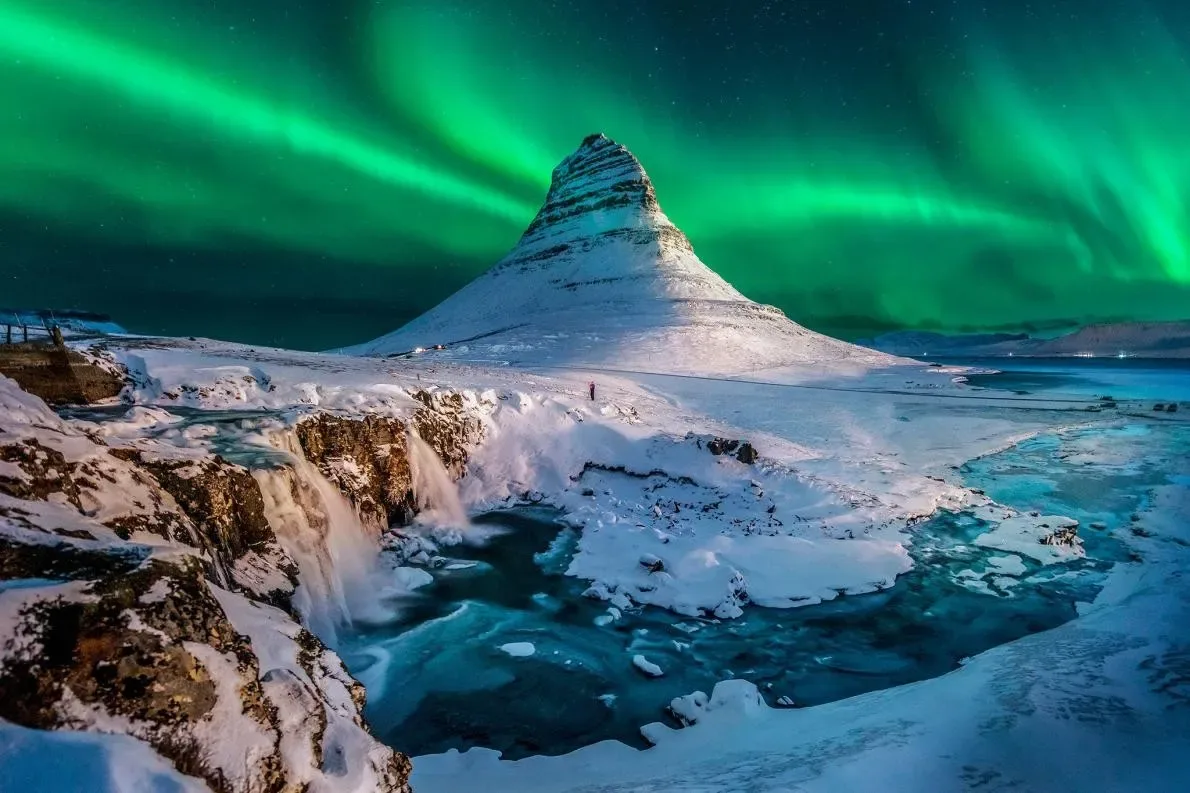
From September to April, the Icelandic sky lights up with northern lights, one of the most beautiful natural phenomena in the world.

Hot springs

The Blue Lagoon and many natural geothermal springs invite relaxation in spectacular volcanic settings.

Glaciers and fjords

Glaciers, glacial lagoons and spectacular fjords offer grand landscapes, ideal for hiking and adventure.

Nature road trip

The Ring Road circles the island through volcanoes, black beaches and villages, for one of the most beautiful road trips in the world.

Practical information about Iceland

Capital
Reykjavik
Area
About 103,000 km²
Population
About 390,000 inhabitants
Official language
Icelandic
Currency
Icelandic krona (ISK)
Time zone
UTC+0
Dominant climate
Subarctic oceanic
Best season
June to August; winter for the northern lights

Frequently asked questions about Iceland

When is the best time to visit Iceland?
June to August for the midnight sun, open roads and hiking. September to April for the northern lights, with harsher weather.
Do I need a visa to travel to Iceland?
Iceland is part of the Schengen Area although outside the EU: EU nationals move freely. Non-EU travellers should check entry requirements depending on nationality.
What are the must-sees in Iceland?
The Golden Circle, the Blue Lagoon, the southern waterfalls, the Jokulsarlon glacial lagoon and Reykjavik are among the most iconic sites.
What budget should I plan for a trip to Iceland?
Iceland is an expensive destination. Accommodation, car rental and dining are high; self-catering and travelling off-season help reduce spending.
Can I see the northern lights in Iceland?
Yes, from September to April, on a clear night away from light. The phenomenon depends on solar activity and weather, with no guarantee, but winter offers the best chances.
How do I get around in Iceland?
A car is essential to explore the island, notably via the Ring Road. A 4x4 is recommended for the interior and mountain roads in summer.

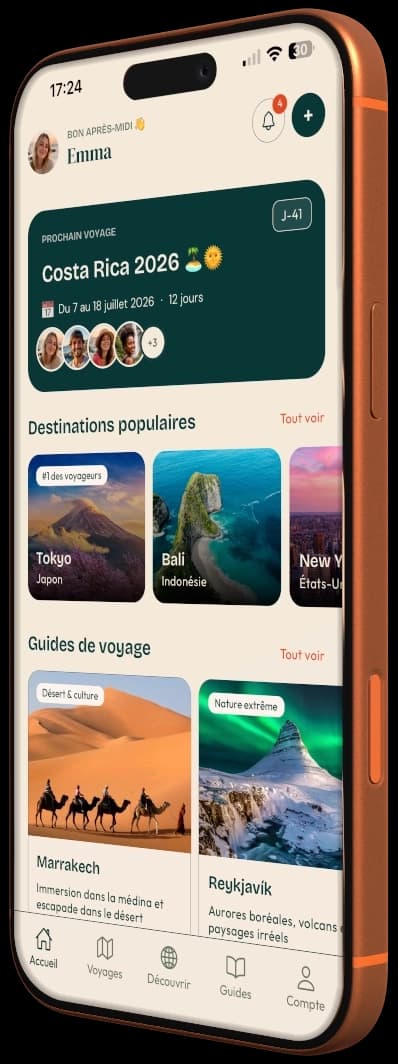
Plan your trip to Iceland

Day-by-day itinerary, budget, bookings and packing in a single app.
Aperçu de l'application PlanTripNow