Italy

From Rome to Venice, from Tuscany to the Amalfi Coast, Italy blends ancient heritage, art cities and sweetness of life. Renowned cuisine and Mediterranean landscapes make it a timeless destination.

Why visit Italy?

Italy appeals with its exceptional heritage, art cities and renowned cuisine. Ancient sites, Renaissance masterpieces, Mediterranean coasts and rolling countryside make it one of the most popular destinations in Europe.

What to discover in Italy?

Italy is an open-air museum, rich in heritage spanning from Roman antiquity to the Renaissance. Rome reveals the Colosseum and the Vatican, Florence its artistic masterpieces, Venice its canals unique in the world. Each region cultivates its own identity, cuisine and traditions.
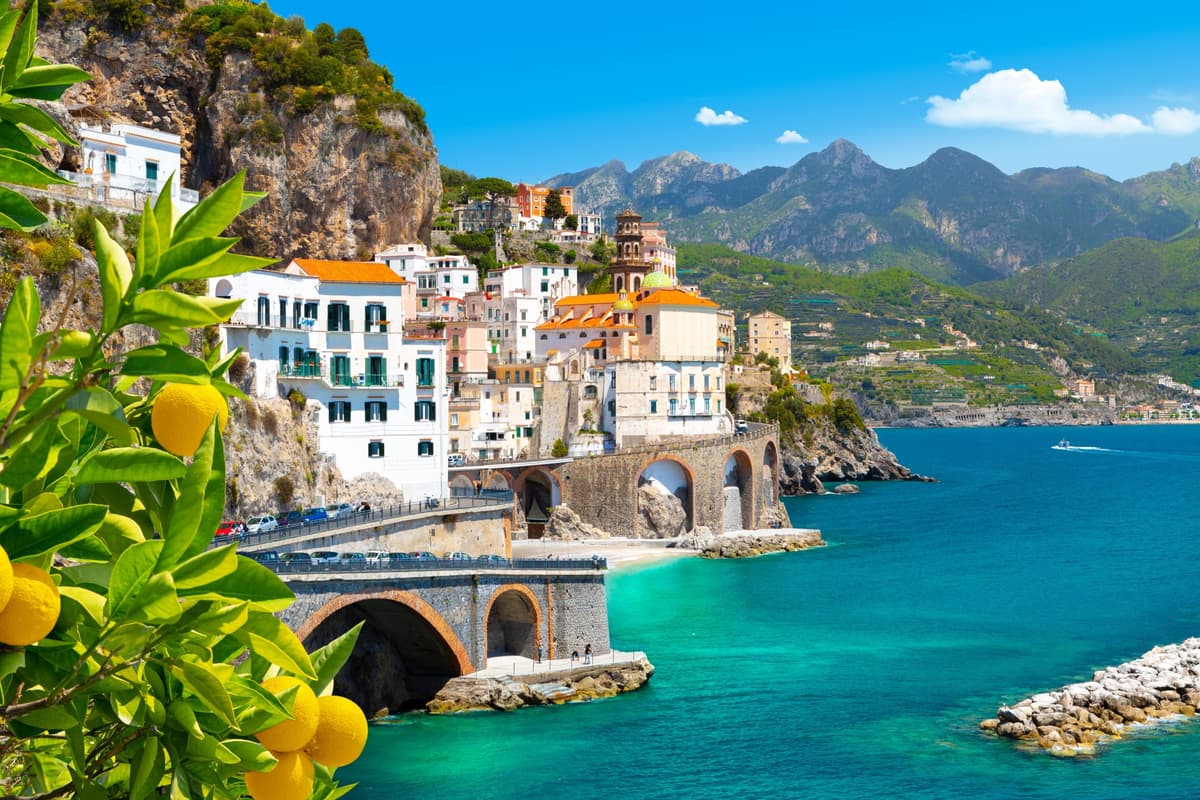
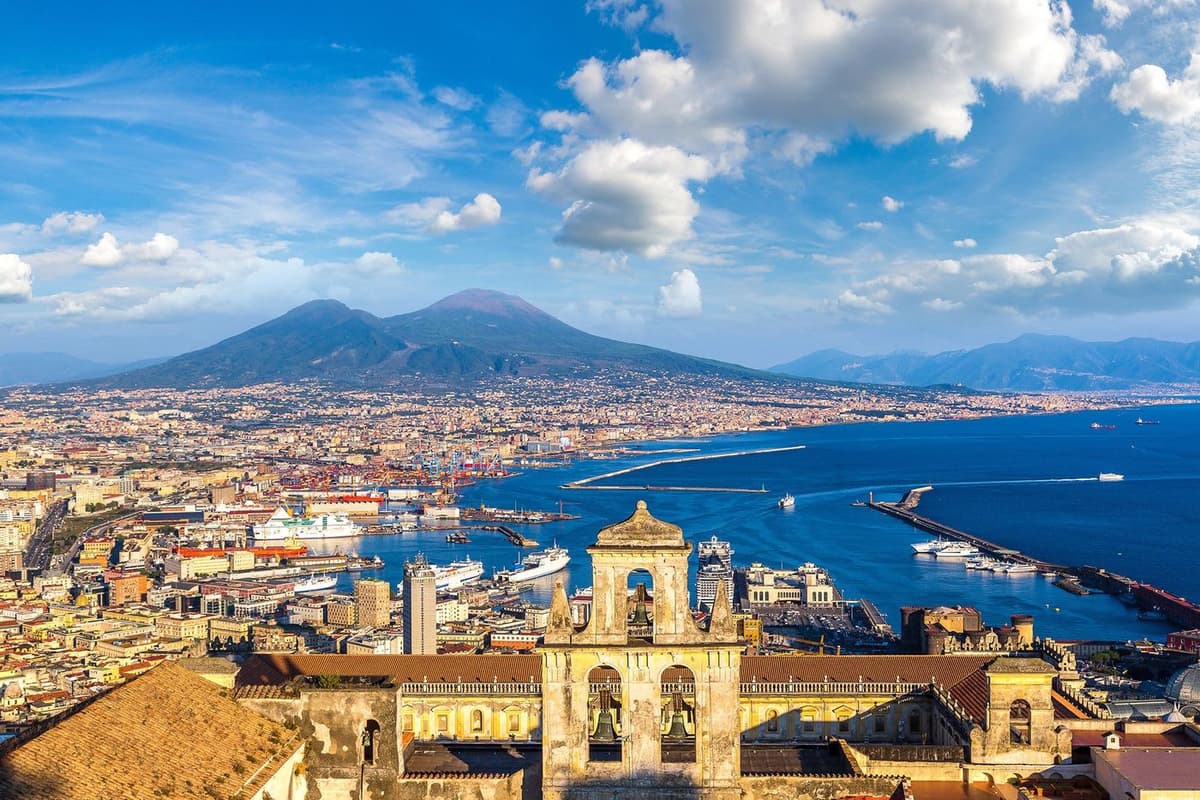
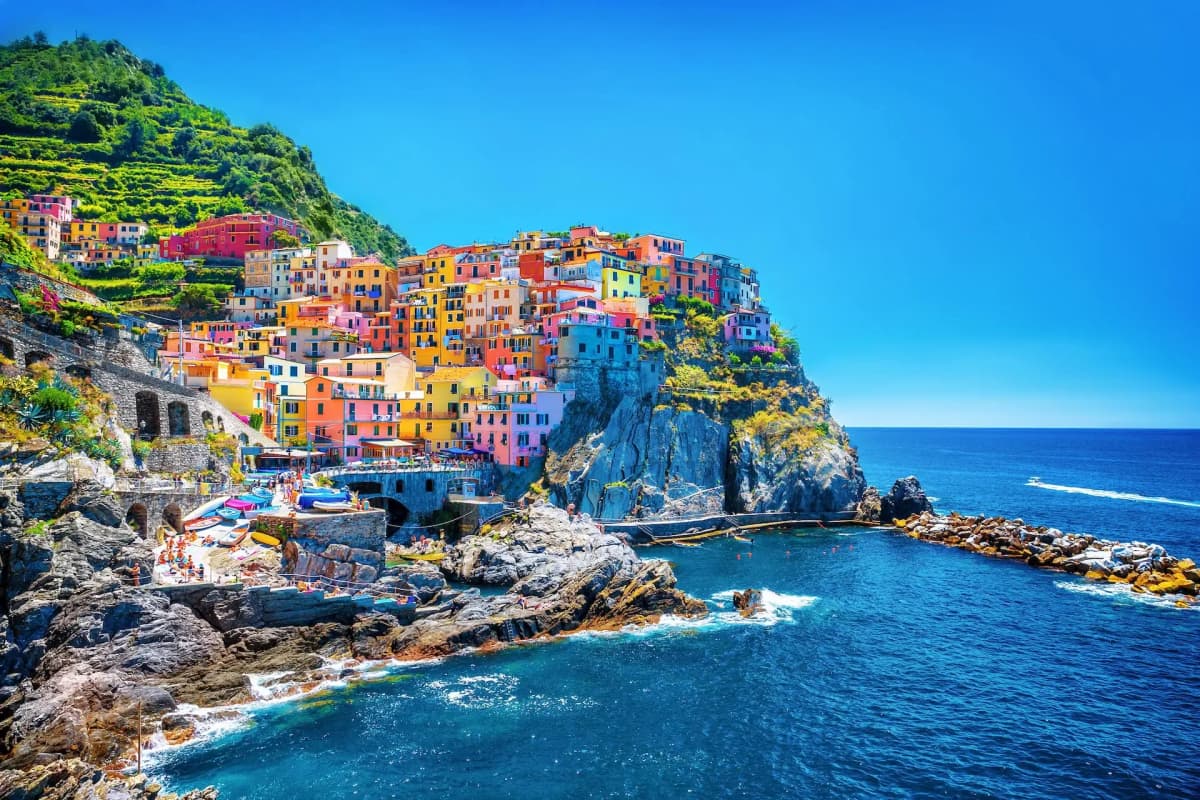
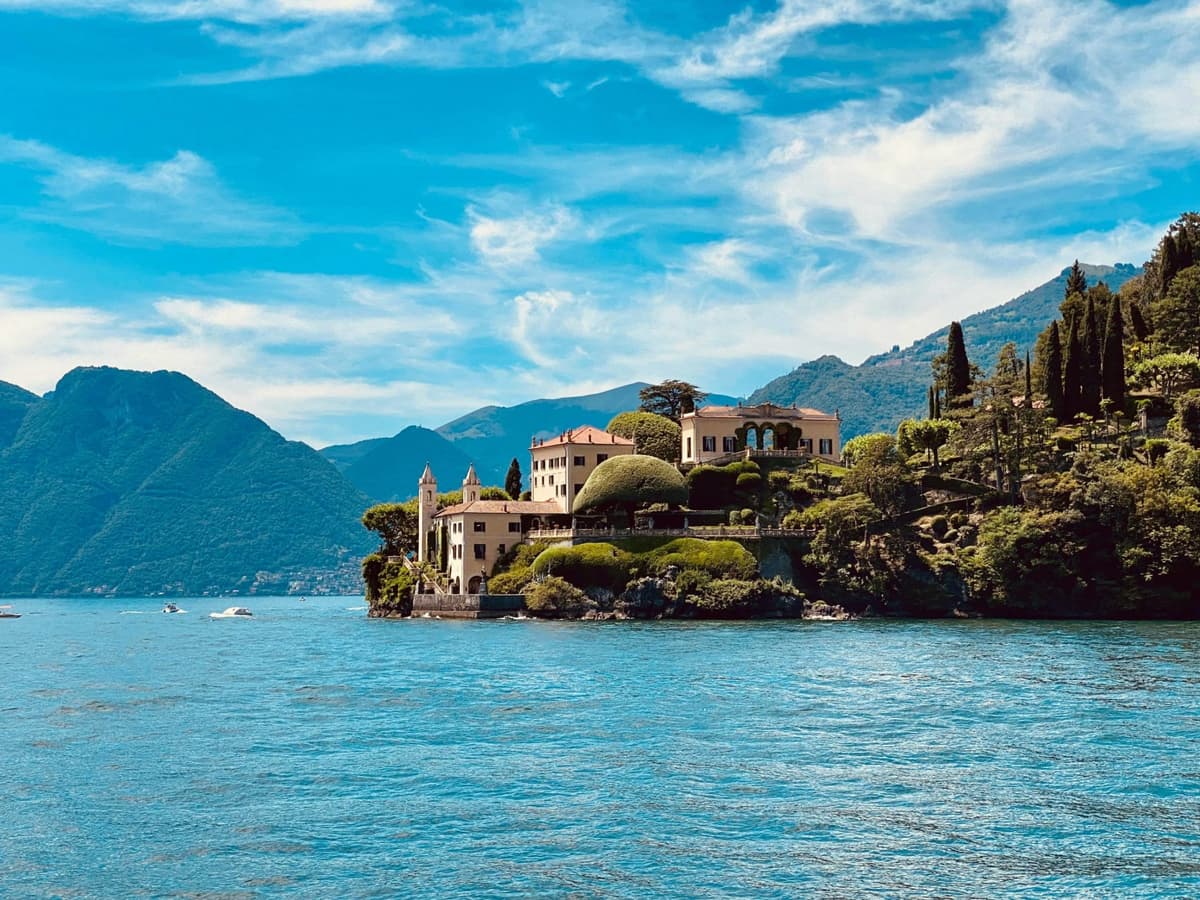
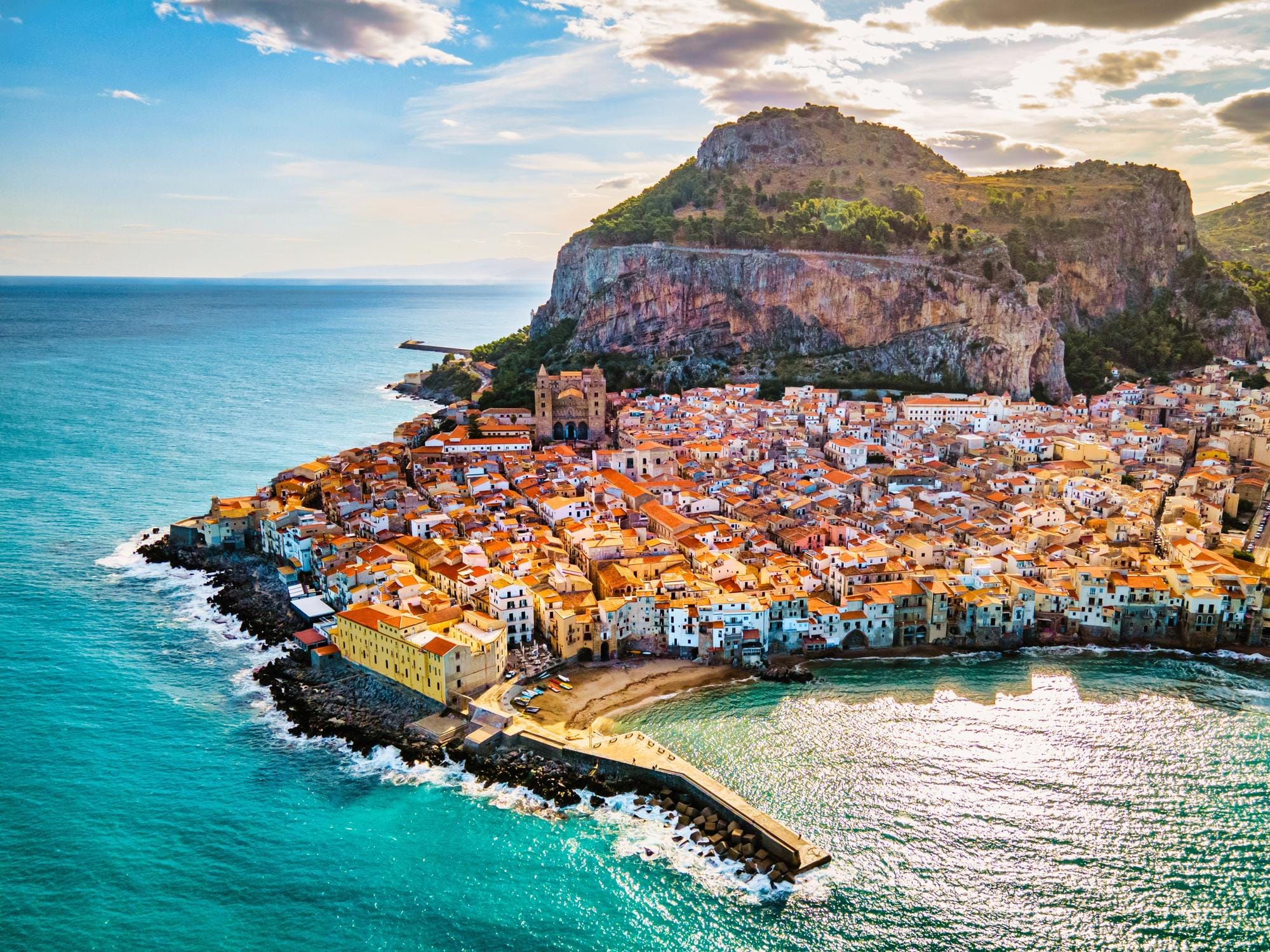
Beyond the art cities, the country offers varied landscapes: Tuscan hills, northern lakes, the Amalfi and Sardinian coasts, Sicilian volcanoes. The cuisine, celebrated everywhere, comes in pasta, pizza, wines and regional specialities. Travellers appreciate the dolce vita, hilltop villages, lively markets and a coastline ideal for relaxation. Between UNESCO-listed sites, seaside escapes and culinary discoveries, Italy lets you combine culture, nature and pleasure in a single trip, in any season.

Cities to visit in Italy

Featured destinations appear first.
Coming soon.

Italy in pictures

Italy's highlights

Italy combines ancient heritage, art, cuisine and Mediterranean landscapes.

Ancient heritage

The Colosseum, Pompeii and Roman remains reflect a thousand-year history, among the most visited archaeological sites in the world.

Art cities

Rome, Florence, Venice and Milan gather masterpieces, museums and exceptional architecture, at the heart of the Renaissance legacy.

Italian cuisine

Pasta, pizza, wines and regional specialities make Italy a global culinary reference, to savour in every city and village.

Coasts and landscapes

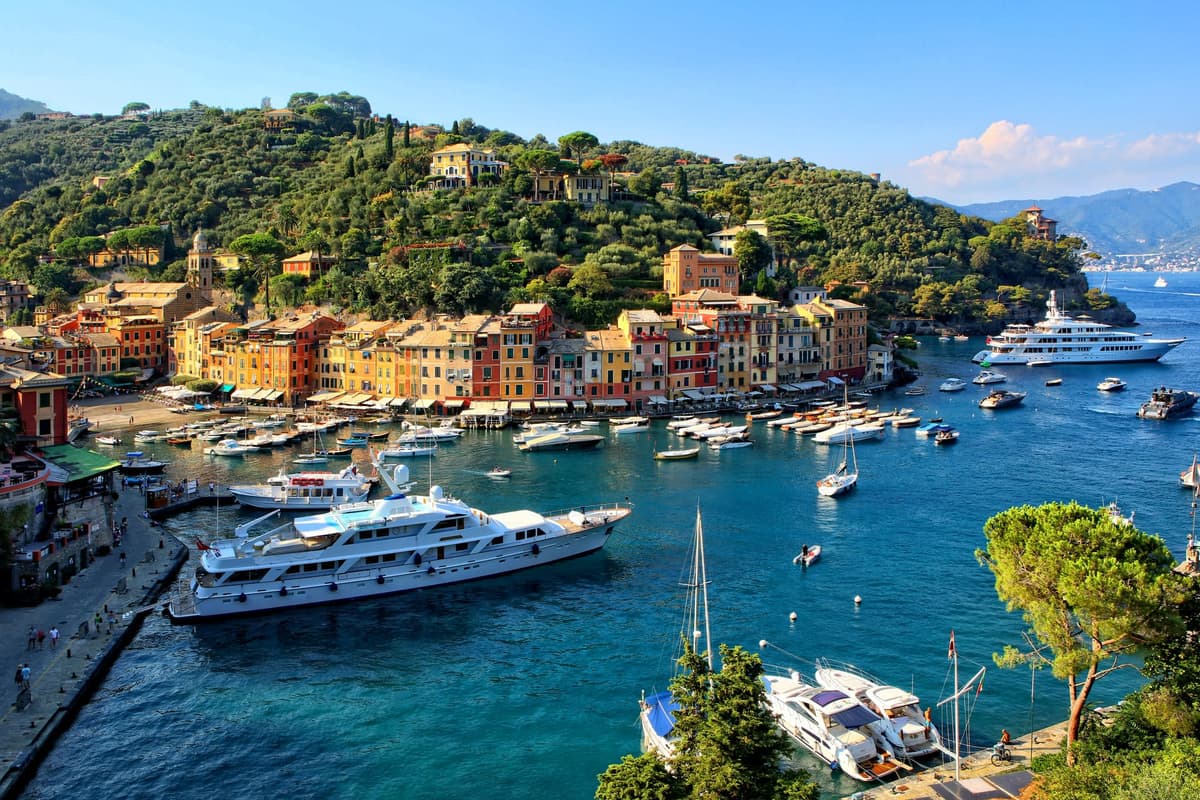
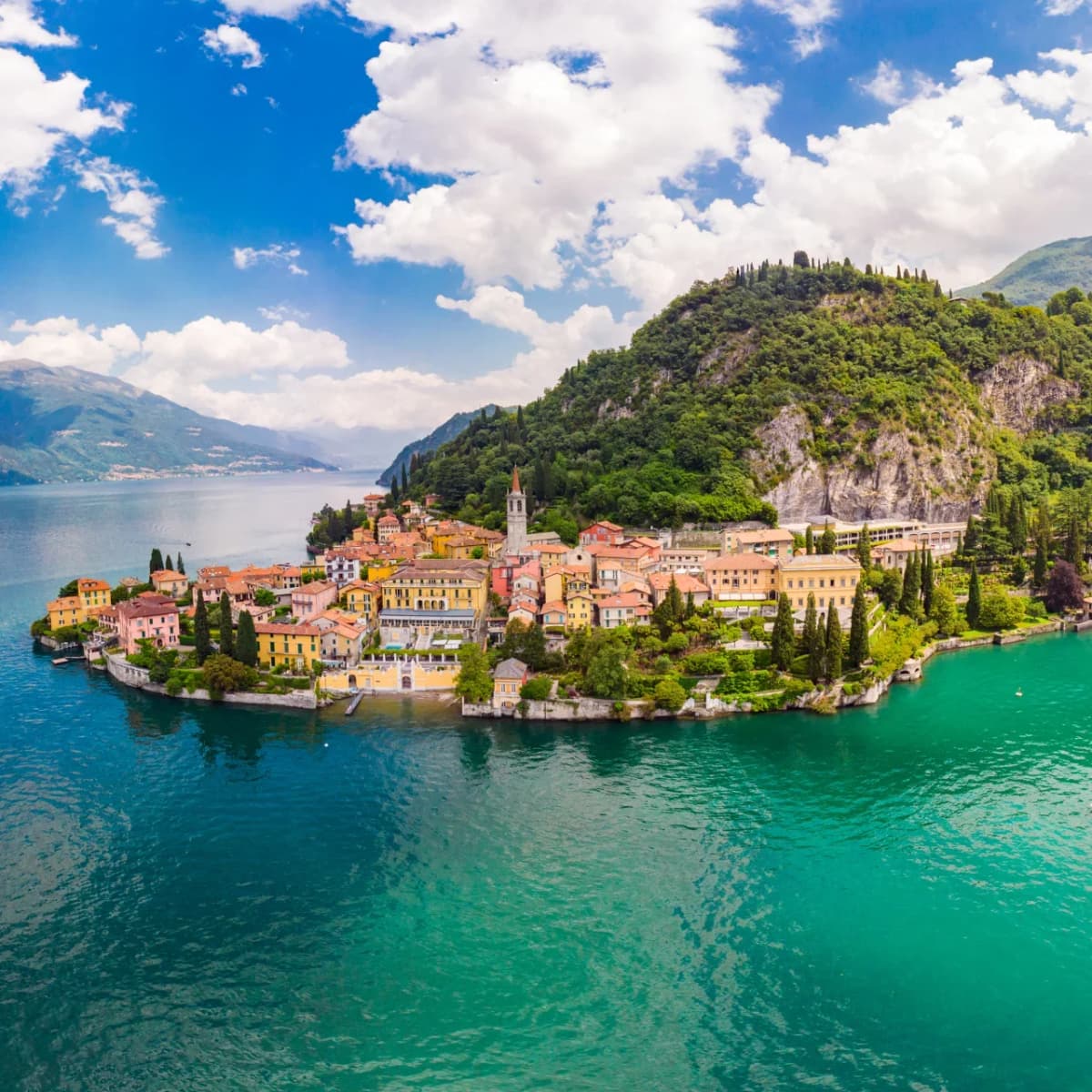
The Amalfi Coast, Cinque Terre, northern lakes and Sardinian beaches offer spectacular scenery, ideal for relaxation and photography.

Villages and countryside

Tuscan hills, Umbrian hilltop villages and medieval towns embody an authentic sweetness of life, far from the big cities.

Art of living

Cafes, lively squares, markets and the dolce vita set the pace of a warm daily life, beloved by travellers seeking a Mediterranean vibe.

Practical information about Italy

Capital
Rome
Area
About 301,340 km²
Population
About 59 million inhabitants
Official language
Italian
Currency
Euro (€)
Time zone
UTC+1
Dominant climate
Mediterranean, more continental in the north
Best season
April to June and September to October

Frequently asked questions about Italy

When is the best time to visit Italy?
Spring and autumn offer pleasant weather and fewer crowds. Summer is ideal for the coasts and islands, but can be hot and busy in the art cities.
Do I need a visa to travel to Italy?
Italy is part of the Schengen Area: EU nationals move freely. Non-EU travellers should check entry requirements depending on nationality.
What are the must-sees in Italy?
Rome, Florence, Venice, the Amalfi Coast, Tuscany and the Cinque Terre are among the most iconic sites, between heritage, art and landscapes.
What budget should I plan for a trip to Italy?
The budget varies by region. Venice, Florence and the Amalfi Coast are more expensive, while the south of the country generally remains more affordable.
How do I get around in Italy?
Trains efficiently connect major cities, including high-speed lines. A car is useful for Tuscany and rural regions, complemented by urban transport.
How many days to visit Italy?
One to two weeks let you combine several art cities and a coastal region. A city break in Rome, Florence or Venice is well covered in three to four days.

Plan your trip to Italy

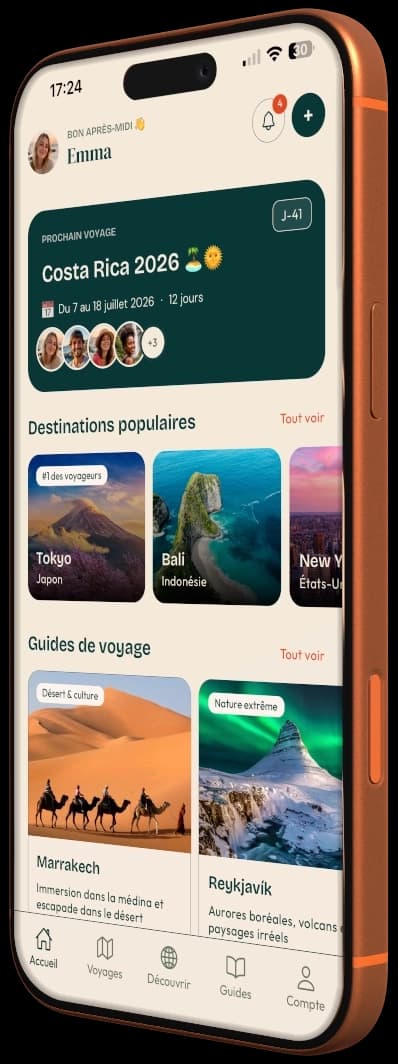
Day-by-day itinerary, budget, bookings and packing in a single app.
Aperçu de l'application PlanTripNow