Morocco travel guide: when to go, budget and itineraries

From the souks of Marrakech to the dunes of Erg Chebbi, from the imperial medinas of Fez to the Atlantic-battered ramparts of Essaouira, Morocco packs mountains, desert and ocean into one trip. Three hours by air from Paris, it can be travelled almost year round, as long as you pick the right season.
  • 7 cities · 1 region

Why visit Morocco?

Morocco packs four mountain ranges, more than 3,000 kilometres of coastline on two seas and the edge of the Sahara into a compact country. You can travel visa-free for up to 90 days, with dense tourist infrastructure and daily direct flights from France. Spring and autumn offer the best conditions, while summer stays scorching inland.

What to see in Morocco

Marrakech and the High Atlas

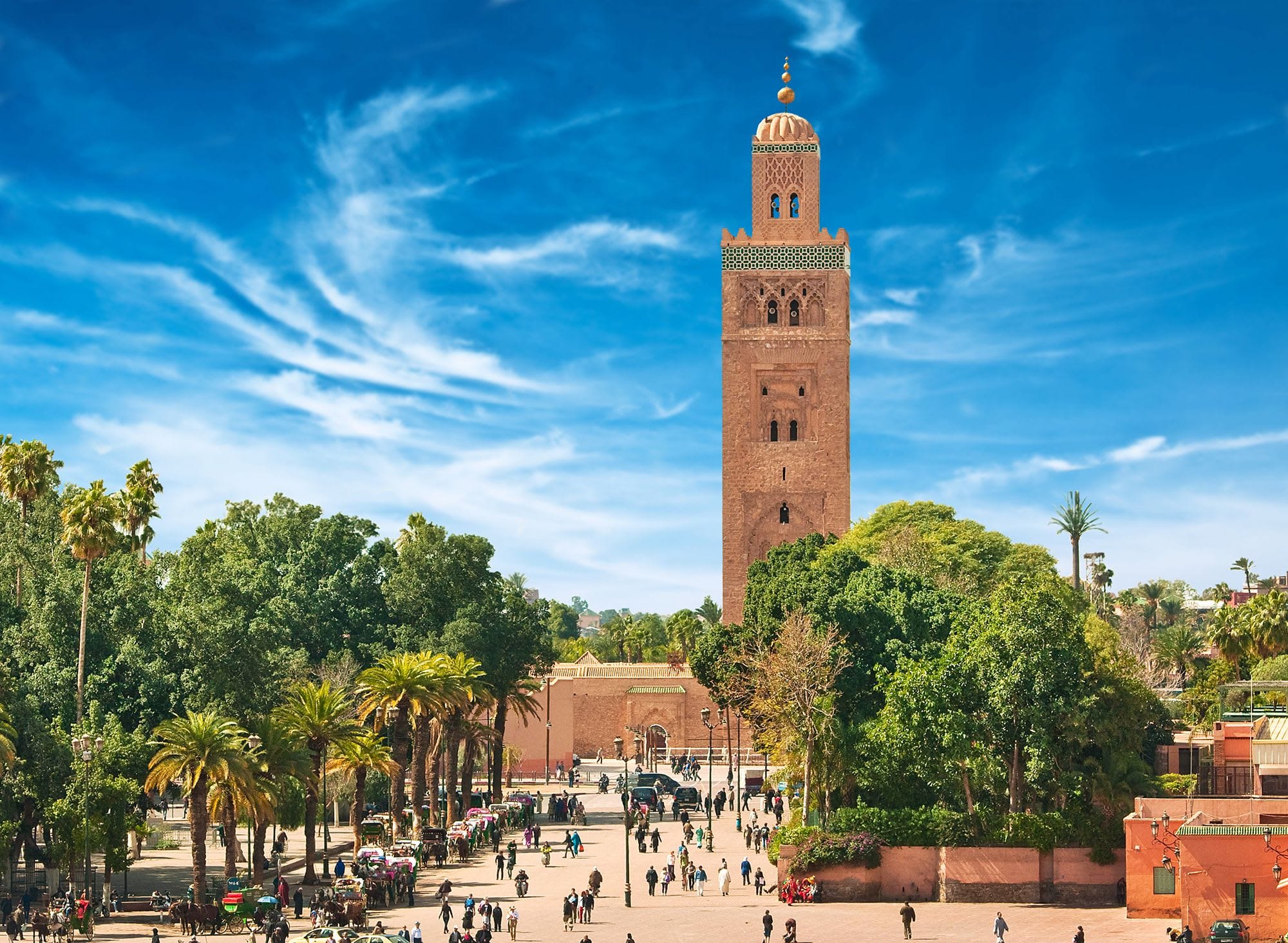
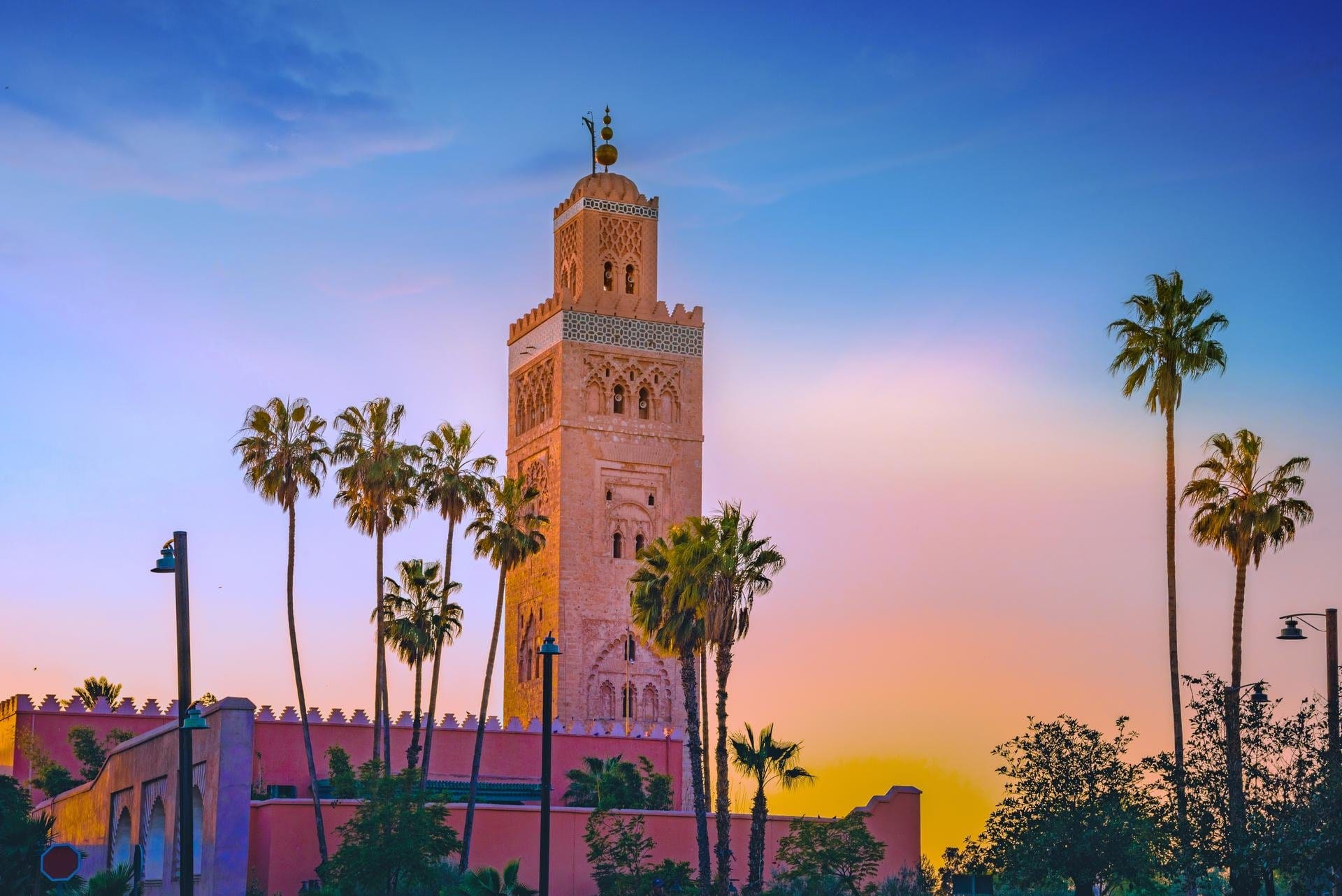
Marrakech is the country's most common gateway: three nights are enough for the medina, Jemaa el-Fna square, the Bahia Palace and Jardin Majorelle. Less than 90 minutes away, the High Atlas unfolds the Ourika and Imlil valleys, the starting point for climbing Toubkal at 4,167 metres. From Marrakech you can also reach the Ouzoud waterfalls on a day trip. Allow a week to combine the city, the mountains and a break in Essaouira on the coast.

Fez, Meknes and the imperial cities

Fez holds one of the largest car-free medinas in the world, a maze where half a day with a guide saves a lot of wasted time. The Bou Inania madrasa and the Chouara tanneries can be seen in a morning. About sixty kilometres away, Meknes and the Roman site of Volubilis, open 9am to 5:30pm, make a full day trip. Plan two to three nights in Fez: the city rewards those who let themselves get a little lost.

The Sahara and the southern valleys

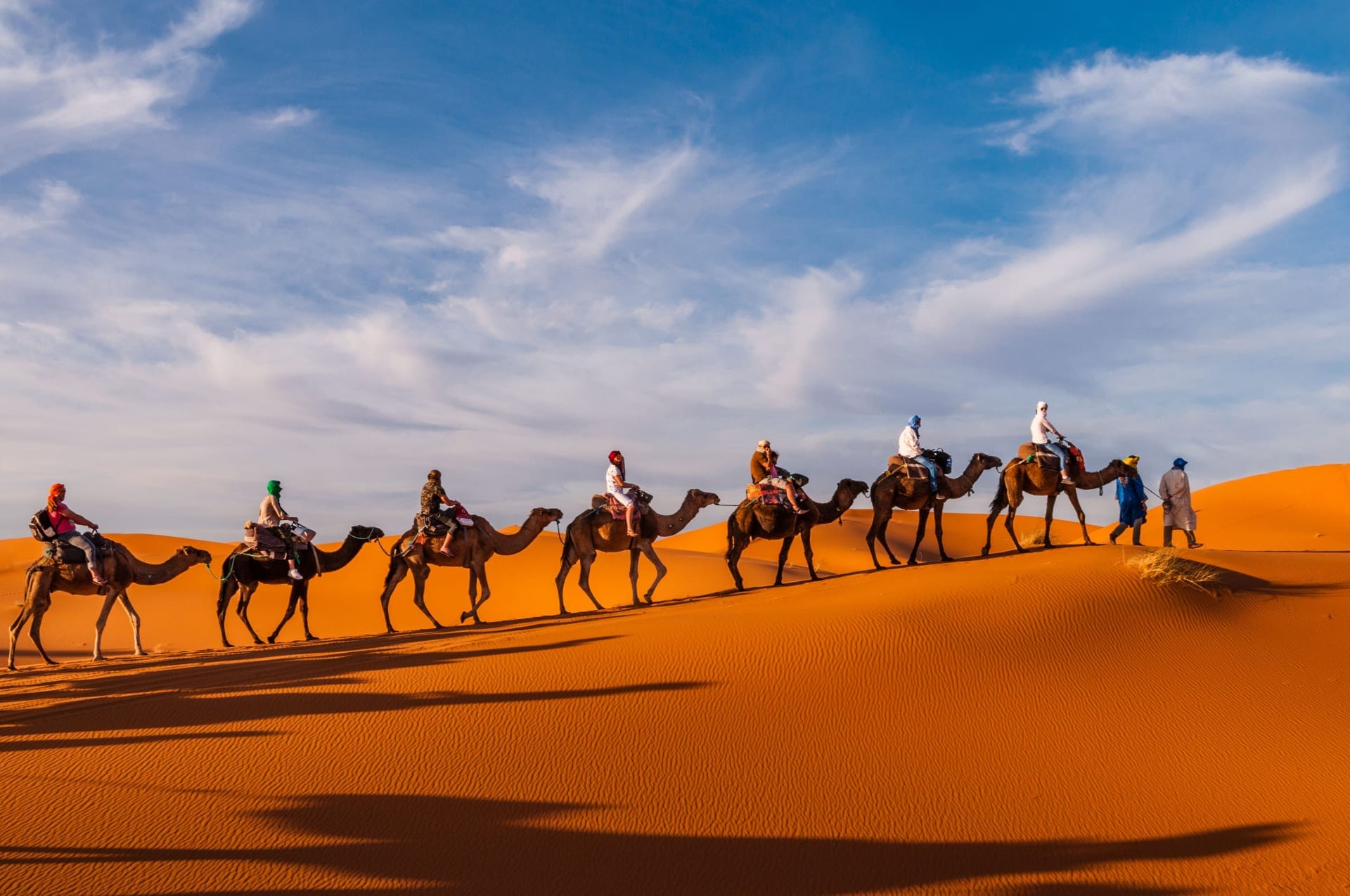
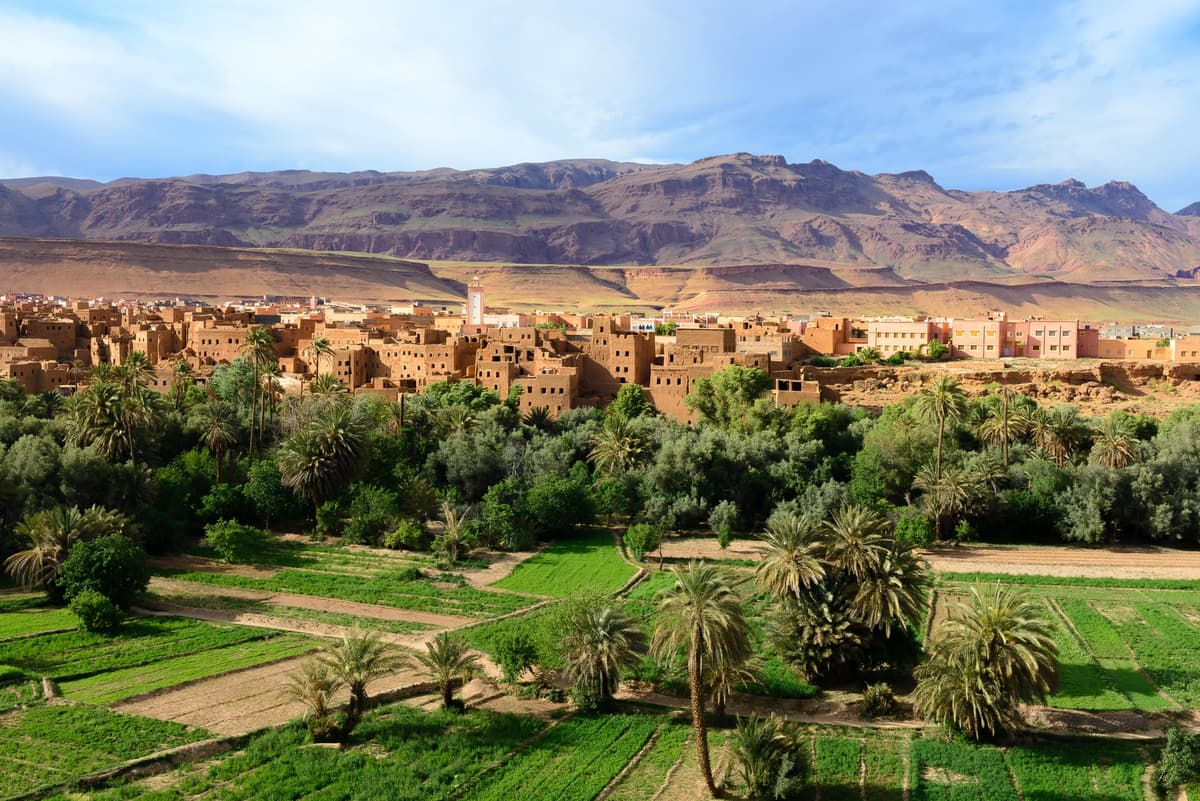
From Marrakech, allow two days of driving over the Tizi n'Tichka pass at 2,260 metres, then through the Dades and Todgha gorges, to reach the dunes of Erg Chebbi near Merzouga. A night at a desert camp, a camel trek at sunset and dawn over the sand are the south's signature experience. The classic Marrakech, desert, Fez loop needs at least four days, six to do it without constant rushing.

The Atlantic coast

Essaouira, three hours by bus from Marrakech, charms with its ramparts, fishing port and windy beaches loved by kitesurfers: two nights are enough. Further south, Agadir focuses on beach resorts and a mild winter. Casablanca takes a day for the Hassan II Mosque, whose 210-metre minaret towers over the ocean, and Rabat, the capital, for the Kasbah of the Oudayas and the stork-filled Chellah site.

The Rif and the blue north

Chefchaouen, tucked into the Rif at around 600 metres, lines up lanes painted entirely in blue and serves as a base for the Akchour waterfalls hike, a round trip of one day. Tangier, at the mouth of the Strait of Gibraltar, is a little over two hours from Casablanca on the Al Boraq high-speed line, the first in Africa. The north pairs well with Fez on a two-week loop.

Food, crafts and budget

A tagine in a small eatery costs 3 to 6 euros, a Friday couscous a bit more, and mint tea comes with every stop. The souks of Fez and Marrakech concentrate pottery, metalwork, leather and rugs, where haggling is the rule before any purchase. On budget, count roughly 30 euros a day backpacking and 85 euros in comfort, excluding a Paris to Morocco flight around 160 euros return outside school holidays.

Cities to visit in Morocco

Featured destinations appear first.

Regions to explore in Morocco

Featured destinations appear first.

Morocco in pictures

Morocco's must-sees

From the great dunes of the south to medinas listed as world heritage, a selection of sites that shape a first trip.

Jemaa el-Fna square

The beating heart of Marrakech, it comes alive every evening with storytellers, Gnawa musicians and grill stalls late into the night.

Jardin Majorelle

A botanical garden with cobalt-blue buildings created by Jacques Majorelle and later saved by Yves Saint Laurent, best booked online to skip the queue.

The Fez medina

A UNESCO-listed site, one of the largest car-free medinas in the world, with its open-air tanneries and the Al Quaraouiyine university.

Ait Benhaddou

An earthen ksar rising on a hillside, the backdrop of many films, stunning late in the day when the light turns the walls gold.

Erg Chebbi

A ribbon of dunes over 100 metres high near Merzouga, reached by camel for a night under canvas in the middle of the sand.

Chefchaouen's blue medina

A tangle of blue-washed lanes against the Rif, one of the most photographed villages in Morocco.

The Hassan II Mosque

In Casablanca, one of the largest mosques in the world, built over the ocean, open for guided tours except Friday morning.

The Todgha Gorge

A canyon with sheer walls of around 300 metres near Tinghir, popular with hikers and climbers, crossed by a narrow road.

Volubilis

One of the best-preserved Roman cities in North Africa, with its open-air mosaics, about thirty kilometres from Meknes.

Similar destinations

Other countries you might like as much as Morocco.

Similar regions

Other regions you might like as much as Morocco.

Frequently asked questions about travelling in Morocco

Marrakech or Fez for a first trip to Morocco?
Marrakech is more accessible, better connected and close to both the High Atlas and the desert, ideal for a short first stay. Fez has a more authentic, less touristy medina but needs more time and a guide. Many people combine the two over ten days.
How many days to reach the desert from Marrakech?
Allow at least three days and two nights to reach Erg Chebbi near Merzouga, with one night at a camp. Two-day trips to the Agafay desert or Zagora are shorter but far less spectacular than the great dunes.
Can you get to Chefchaouen easily from Marrakech?
No, the direct drive takes about nine hours. The easiest way is via Fez, four hours from Chefchaouen by bus or shared taxi, or to link the two cities on a northern loop starting from Casablanca or Tangier.
Is the Tizi n'Tichka pass open in winter?
It stays passable most of the year at 2,260 metres, but can close for a few hours after snowfall between December and February while it is cleared. A parallel motorway via Chichaoua now bypasses the pass.
Do you need a guide for the Fez medina?
It is not compulsory but very useful for the first half day: the lanes look alike and it is easy to lose your bearings. An official guide can be booked through your hotel or the tourist office for around 20 to 30 euros a half day.
Can you drink alcohol in Morocco?
Yes, but not everywhere: alcohol is sold in classified hotels, tourist restaurants and some supermarkets, not in medinas or small shops. Drinking in the street is frowned upon. Moroccan wine, notably from the Meknes area, is decent.
Is a national ID card enough to enter Morocco?
No. A passport valid for the whole length of the stay is required, including for package tours. French citizens do not need a visa for a tourist stay of up to 90 days.
Essaouira or Agadir for the Atlantic coast?
Essaouira appeals with its fortified medina, bohemian feel and kitesurf wind, though swimming is cool and choppy. Agadir, rebuilt after 1960, focuses on wide beaches, resorts and reliable winter sunshine.
Is Western Sahara open to tourists?
The coastal road down to Dakhla is open and used by surfers and campervans. France Diplomatie nonetheless rates areas away from that road as requiring heightened vigilance and formally advises against the approaches to the Mauritanian border.

Plan your trip to Morocco

Day-by-day itinerary, budget, bookings and packing in a single app.
Aperçu de l'application PlanTripNow