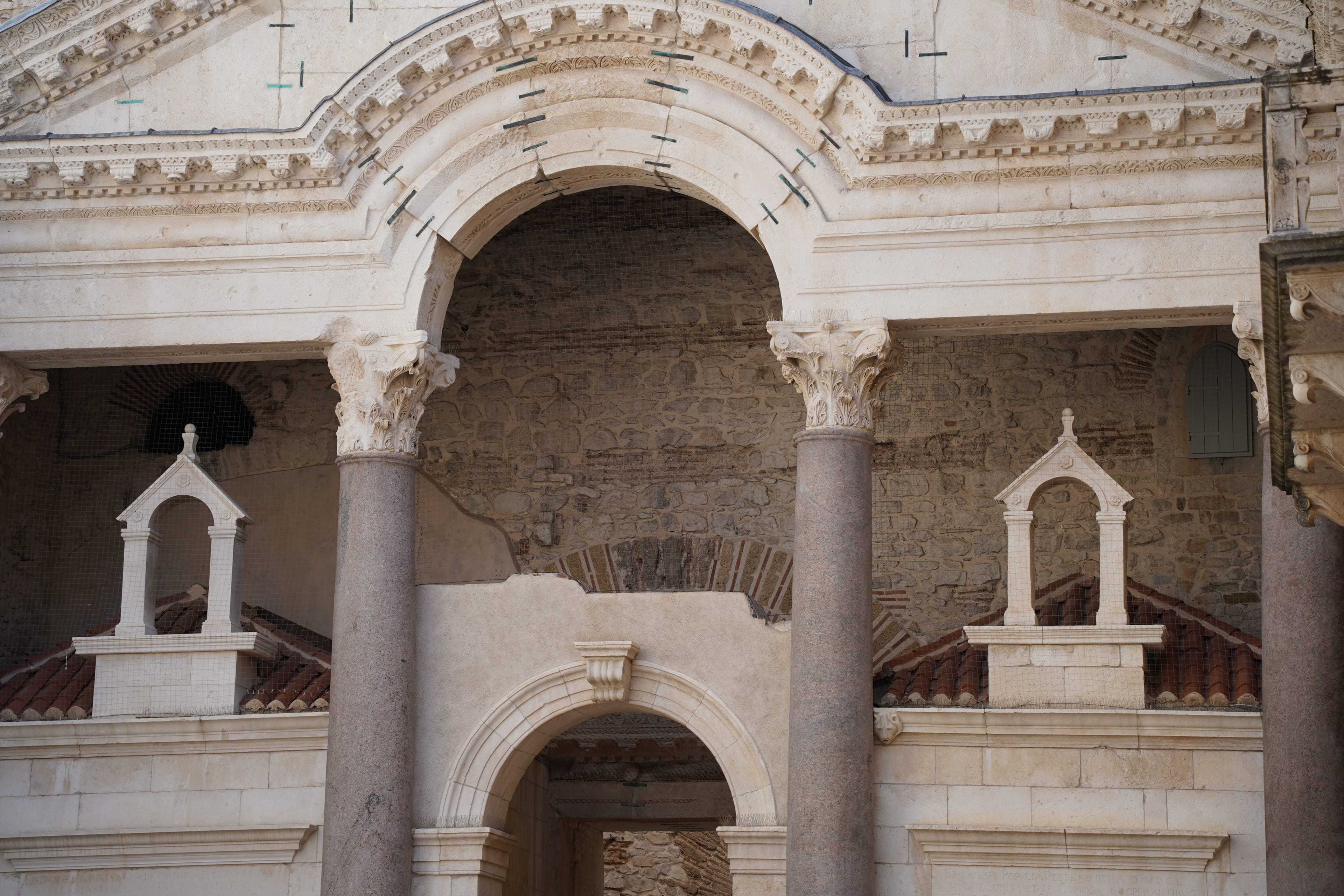
Built around the year 300 for the emperor Diocletian, the palace is not a ruin but a living neighbourhood: local residents still live within its walls, among cafés set in the arcades and washing hung above the lanes. Allow a full day for the cellars, the Peristyle, Saint Domnius Cathedral and Marjan hill. Above all, Split is the region's hub: its airport, bus station and ferry port are only minutes apart, which makes it the logical base for your first two nights.
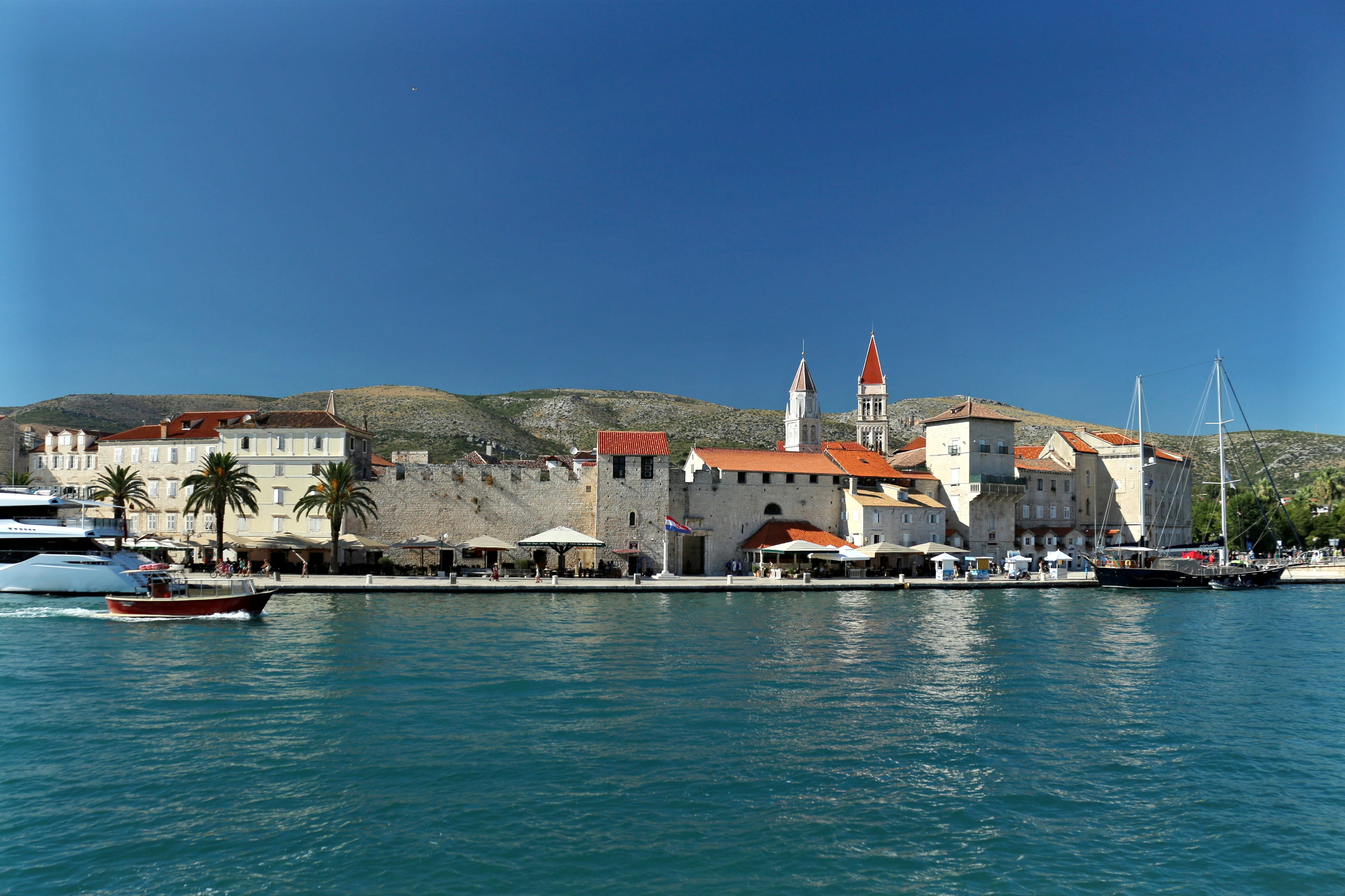
About thirty kilometres west of Split, Trogir sits entirely on an islet linked to the mainland by a bridge. UNESCO-listed since 1997, it takes half a day to see: Master Radovan's Romanesque portal at Saint Lawrence Cathedral, Kamerlengo fortress and Gothic palaces along the Riva. Between the two towns, the seven fortified villages of Kaštela have quieter beaches. Split airport lies right next to Trogir, ideal for a last night before an early flight.
Šibenik, about 90 km north of Split, is the only major Dalmatian town founded by Croats rather than by Romans or Greeks. Its Saint James Cathedral, built between 1431 and 1535 entirely of stone, is UNESCO-listed, as is Saint Nicholas fortress guarding the channel entrance. Then climb to Saint Michael's fortress for the view over the archipelago. Two nights are enough and let you move on to Krka the next morning, ahead of the tour coaches from Split.
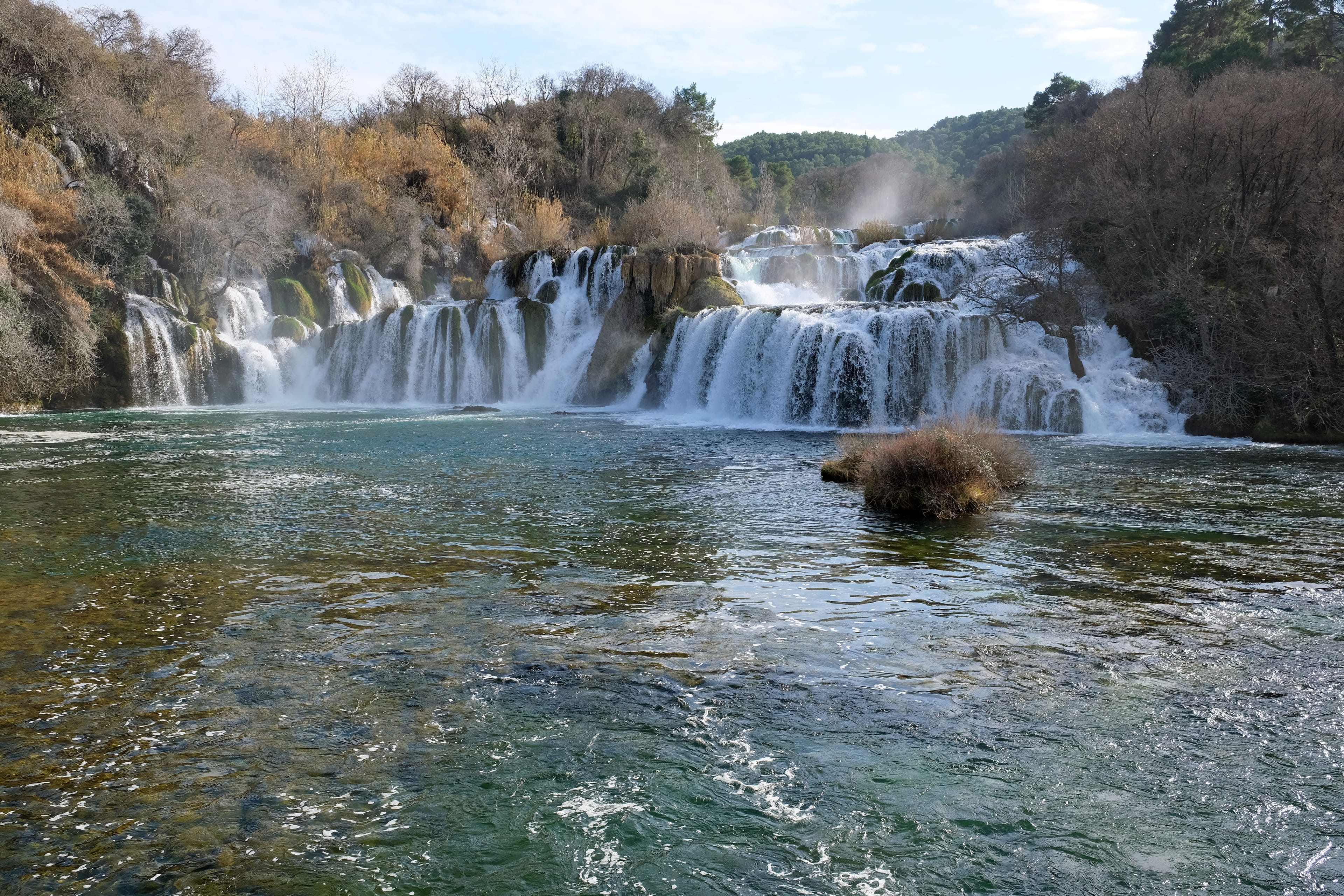
Behind the coast, the karst plateau hides emerald rivers. The Krka tumbles over seven travertine barriers in a national park open all year, where the adult ticket, on the park's 2027 price list, rises from €7 in winter to €40 from June to September: visiting in April, May or October, at €20, halves the price and cuts the crowds even more. Swimming has been banned there since 2021. Further south, the Cetina meets the sea at Omiš after a canyon used for rafting and canoeing from May to September, less than an hour from Split.
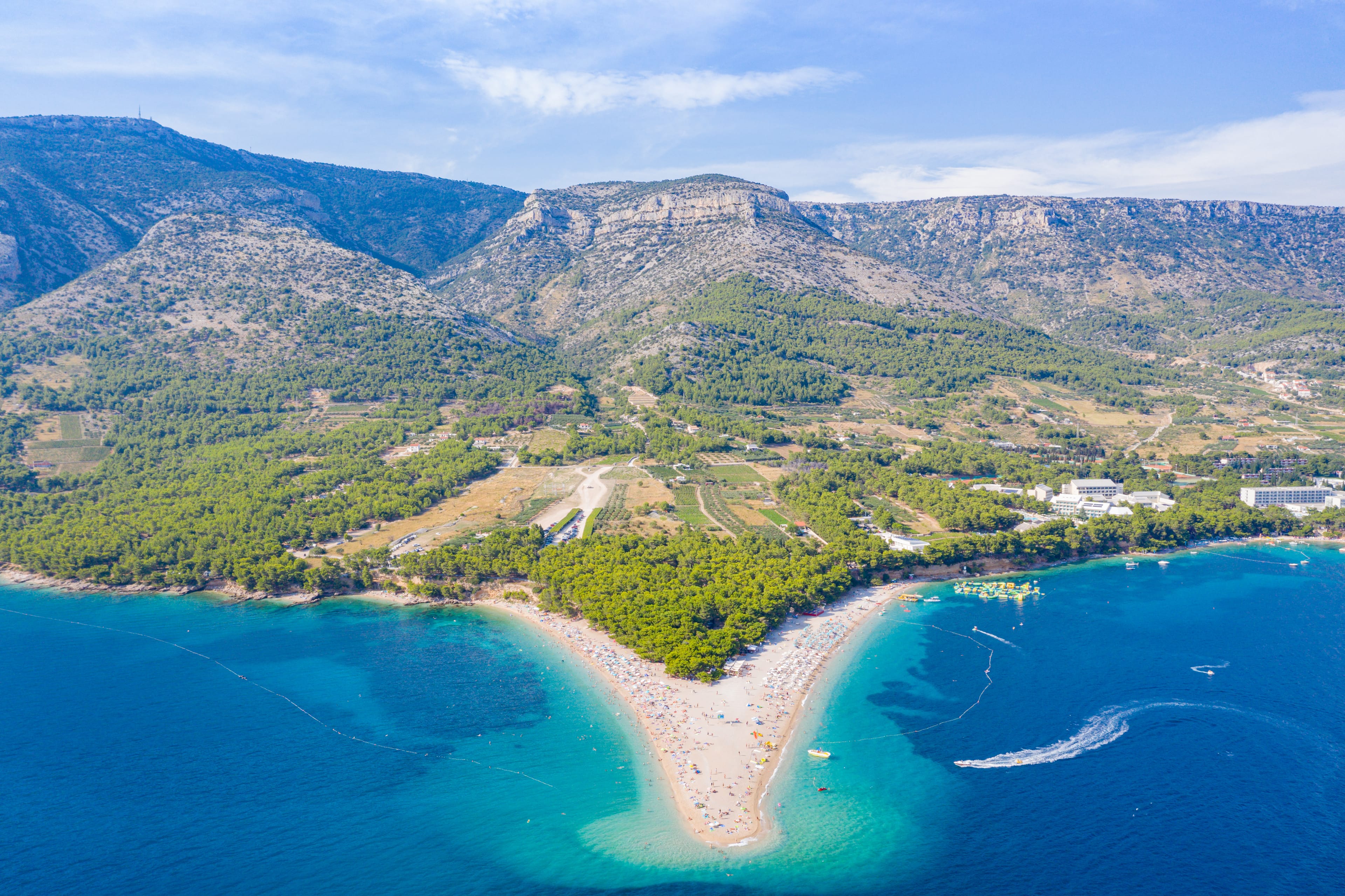
Brač, under an hour away by ferry, is the island of white stone and of Zlatni Rat beach at Bol; Vidova Gora, its 778 m summit, is the highest point of all the Adriatic islands. Hvar, about an hour by catamaran, blends Hvar town and its nightlife, the UNESCO-listed farmland of the Stari Grad plain and lavender fields in bloom from mid-June to July. Two nights per island is the minimum: on a day return, you spend more time in port than on the island.
Vis, the inhabited island furthest from the Dalmatian coast, served as a Yugoslav military base and stayed closed to foreign visitors until 1989. The result: few concrete buildings, vugava vineyards and two small harbours, Vis and Komiža. Allow about 2 h 20 by ferry from Split, a little less by catamaran, and three nights for Stiniva cove and the trip to the Blue Cave on Biševo, best seen between 10 am and 2 pm depending on the season, according to the Komiža tourist board. When the bora blows, crossings are cancelled: leave a margin before your flight.
South of Hvar, Korčula keeps a walled old town with streets laid out in a herringbone pattern to break the wind, and claims to be the birthplace of Marco Polo. Catamaran times from Split vary with the stops: check the operator's timetable before booking. Stay two or three nights: the grk vineyards of Lumbarda and the pošip of Čara are easy to reach by bike, and the moreška sword dance is performed on some summer evenings. Korčula makes an excellent final stop heading south, without going back to Split.
Jadrolinija and private operators switch to summer timetables from late May to late September; out of season, several inter-island links disappear and you have to go back through Split. Sharing a double room, allow around €150 per person per day for a comfortable trip outside July and August, €70 on a backpacker budget. September remains the best month: a 23 °C sea, falling prices and frequent ferries. From Split, overnight ferries sail to Ancona, handy for combining with
Italy, and buses run to Mostar in
Bosnia and Herzegovina.