Skip to content

Italy travel guide: when to go, what to see and what it costs

Italy rewards visitors all year, but each region has its season: the art cities in spring, the northern lakes in June, Sicily in the autumn shoulder. This guide pulls together month-by-month weather, three budget levels, itineraries from 7 to 15 days and the entry formalities.
  • 15 cities · 10 regions

At a glance

Currency
Euro (€)
Time difference
UTC+1
Visa
None
Tourist stay of up to 90 days
7-day budget
€1,078
Per person, comfort profile, excluding international flights.

Why visit Italy?

Italy holds more UNESCO World Heritage sites than any other country, from the Alps to Sicily. People come for the art of Rome, Florence and Venice, for a cuisine that changes every 100 kilometres, and for landscapes that run from the Dolomites to the Aeolian Islands. High-speed trains link Milan to Naples in under five hours, which makes the country easy to cover without a car.

When to visit Italy

Temperatures, rainfall and crowds month by month, to pick your window.
When to visit Italy
MonthTemperaturesRainCrowdsVerdict
January3 to 13 °C9 dQuietReal low season: art cities with no queues, but short days and museums closing early.
February4 to 14 °C8 dModerateVenice Carnival pushes lagoon prices up while the rest of the country stays quiet and cheap.
March6 to 17 °C8 dModerateDays lengthen and almond trees bloom in Sicily; still too cold to swim anywhere.
April8 to 20 °C9 dBusyEaster week and the 25 April holiday suddenly fill Rome, Florence and the Amalfi Coast.
May12 to 25 °C6 dBusyArguably the year's best balance: warm without excess, green countryside, long evenings.
June16 to 29 °C4 dBusyThe sea turns swimmable and afternoon storms break over the Alps and Apennines.
July19 to 32 °C2 dPackedHeavy heat in inland cities and peak prices along the entire coast.
August19 to 32 °C3 dPackedAround 15 August Italians leave en masse: packed beaches, half-shut cities.
September16 to 28 °C6 dBusyThe sea is still warm, the grape harvest starts and crowds ease after the first week.
October12 to 23 °C9 dModerateTruffle season in Piedmont and Umbria, golden light over Tuscany, first heavy rains.
November8 to 17 °C11 dQuietThe wettest month: acqua alta possible in Venice, but the big cities become affordable again.
December5 to 13 °C10 dModerateChristmas markets in South Tyrol and a pricey holiday week; skiing already open in the Dolomites.
Source: Cadrage sur l'Italie centrale (normales de Rome 1991-2020, Servizio Meteorologico dell'Aeronautica Militare recoupe avec Weather Atlas) ; temperature de la mer cote tyrrhenienne d'apres seatemperature.info, releve septembre 2026. Le nord alpin et la Sicile s'ecartent de ces moyennes.

What is there to discover in Italy?

Rome and Lazio

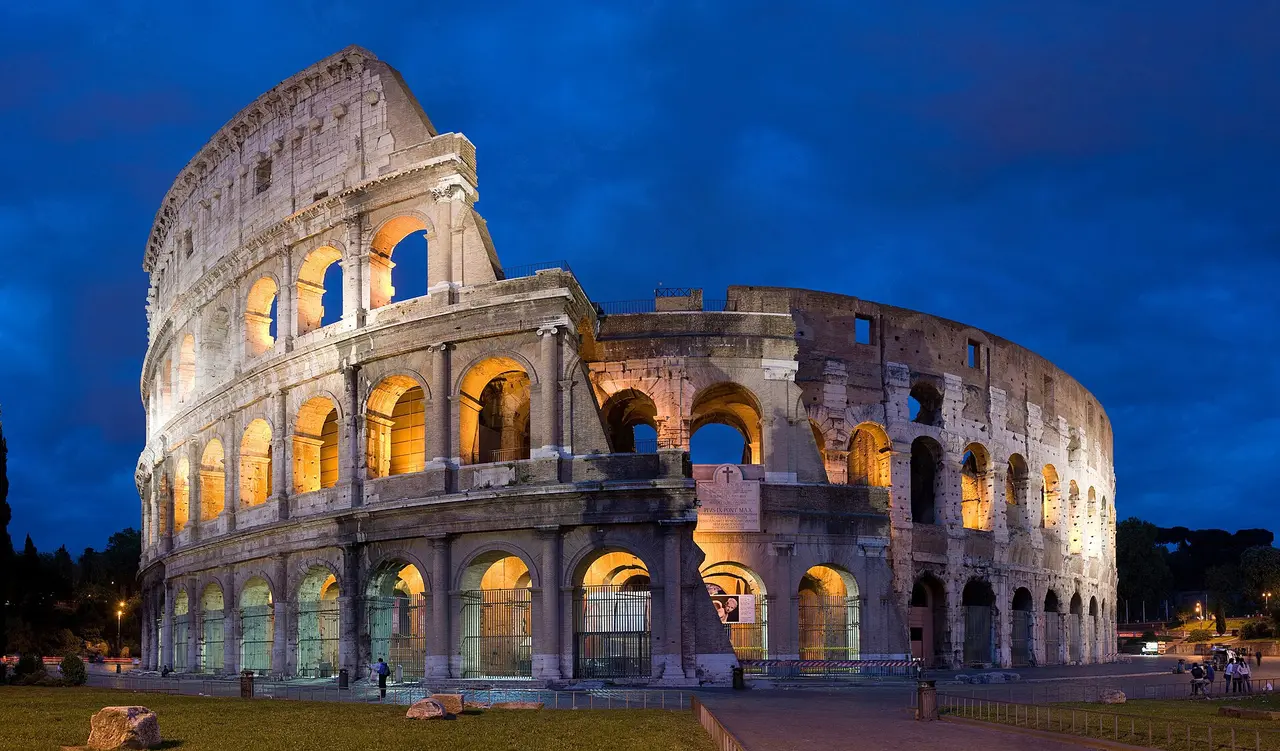
Rome needs at least three full days: one for the Colosseum, Forum and Palatine on a combined ticket valid 24 hours, one for the Vatican Museums and St Peter's, one for the baroque centre and Trastevere on foot. The Vatican Museums are quietest on Wednesday morning during the papal audience. Around the capital, Ostia Antica and the Villa d'Este at Tivoli each make a half-day trip by train. Book the Colosseum and the Sistine Chapel online, as on-site queues often top an hour in peak season.
Tuscany and Florence

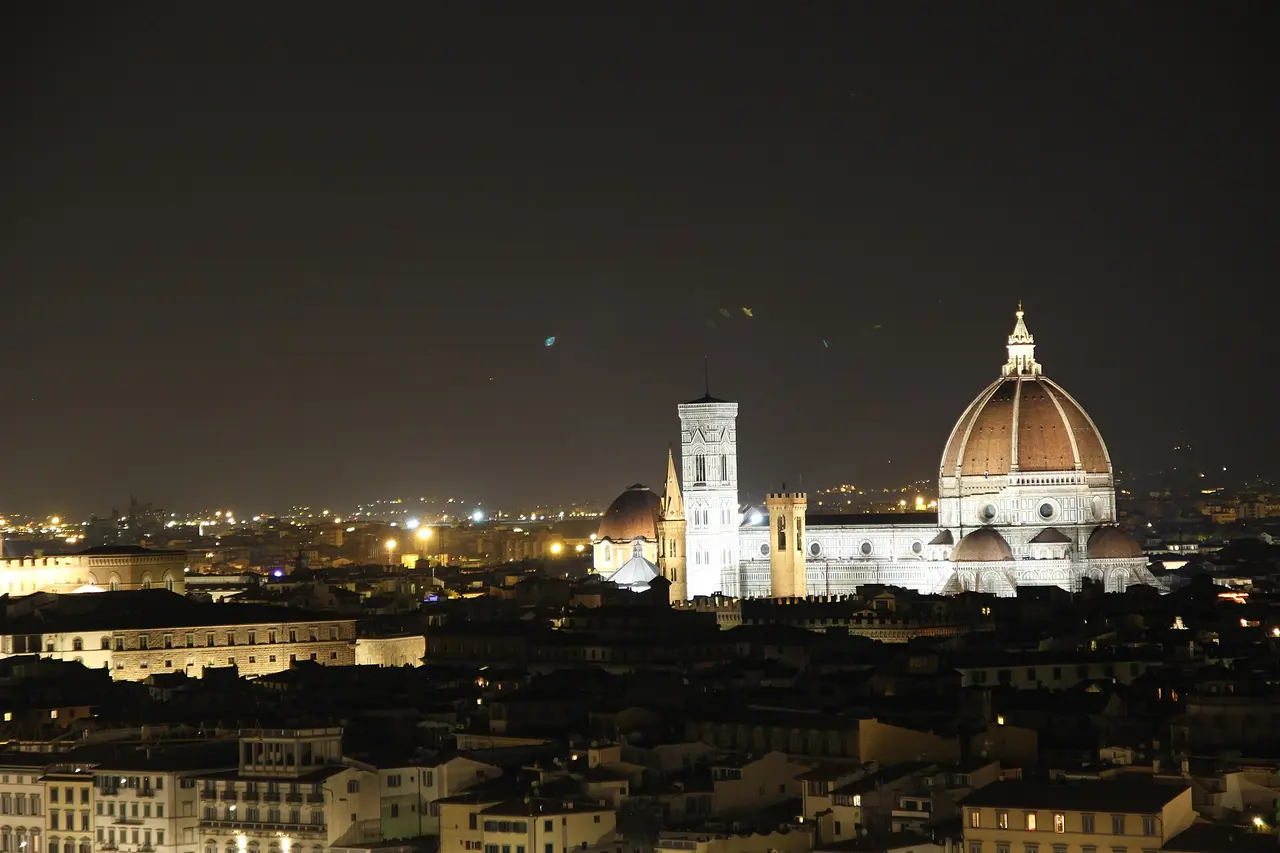
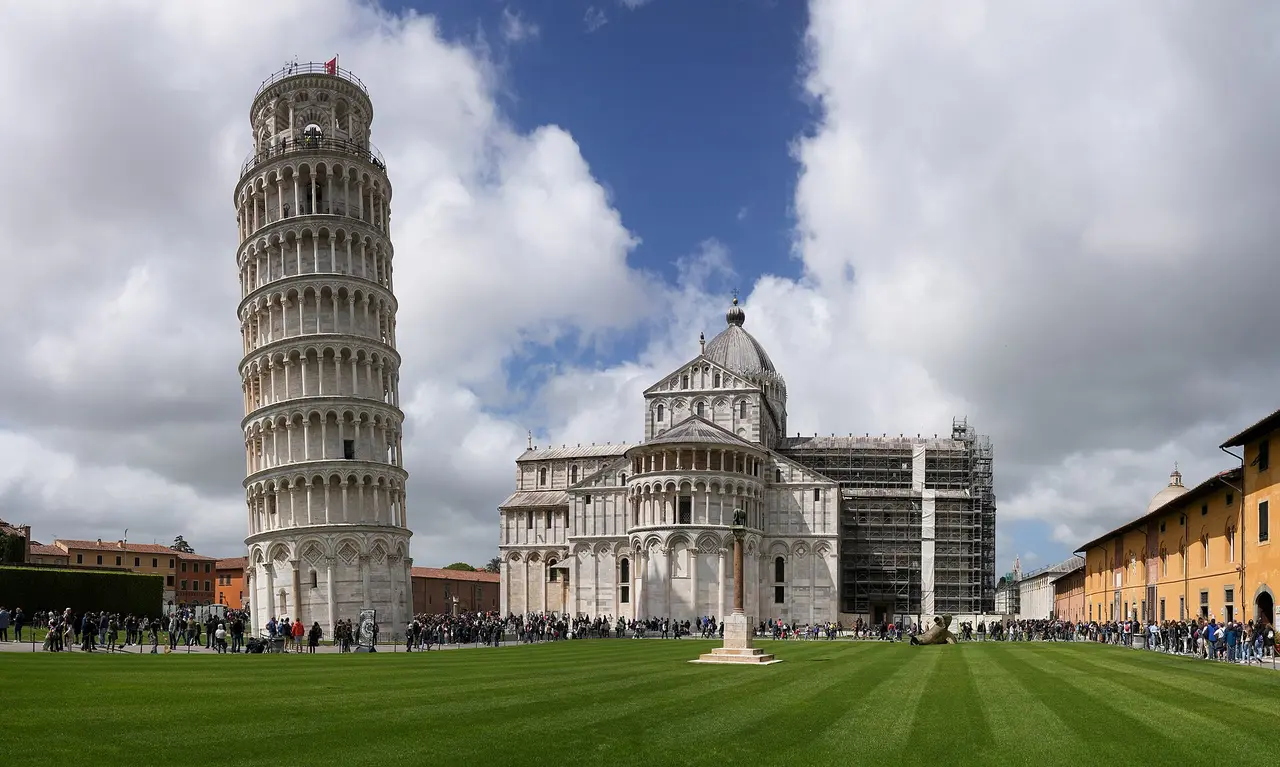
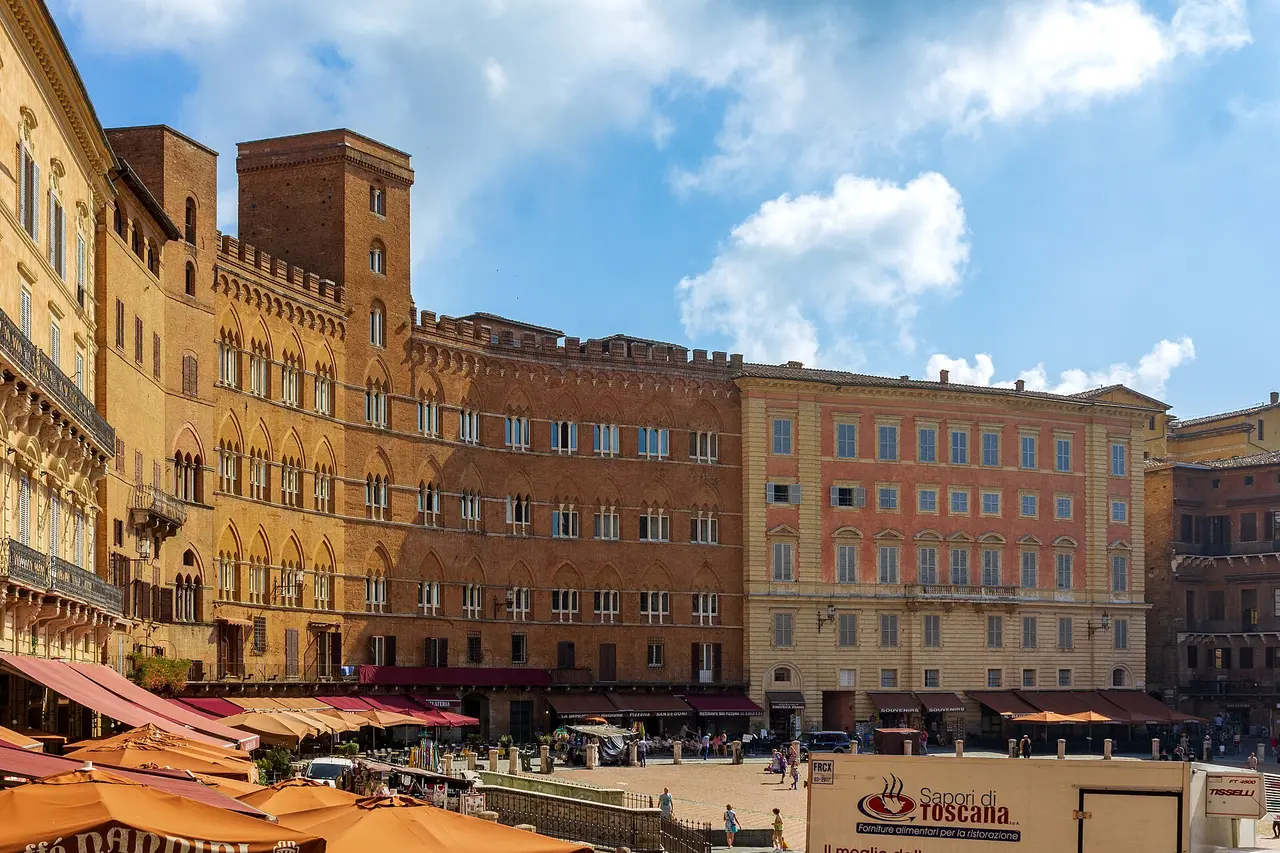
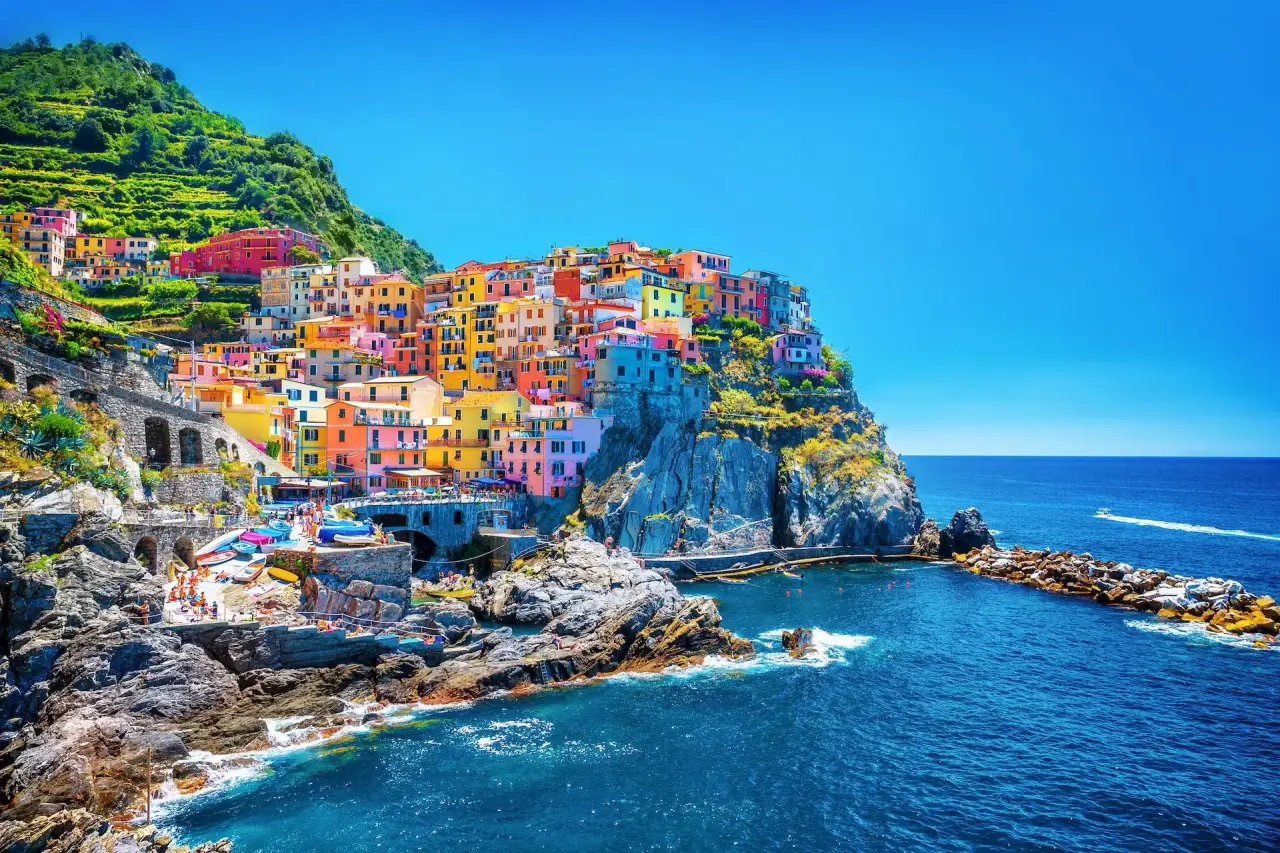
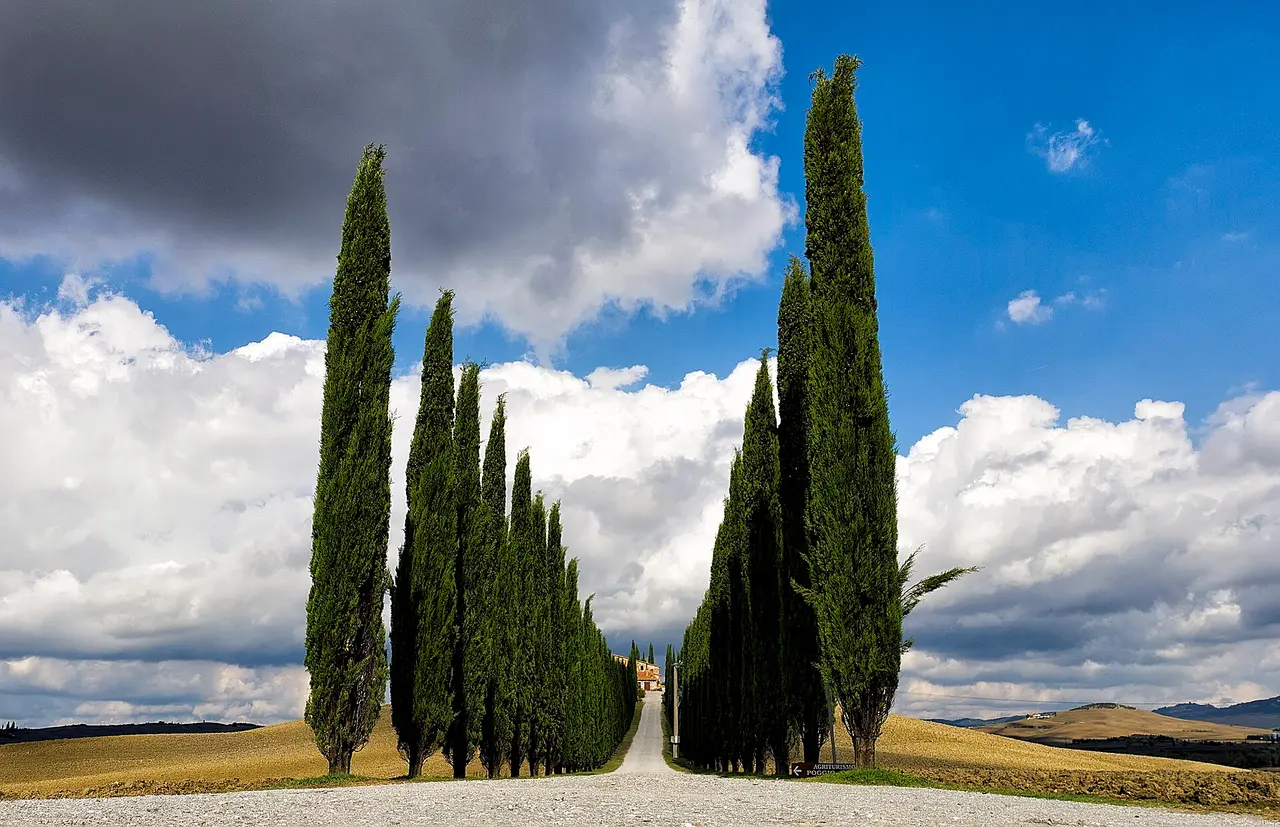
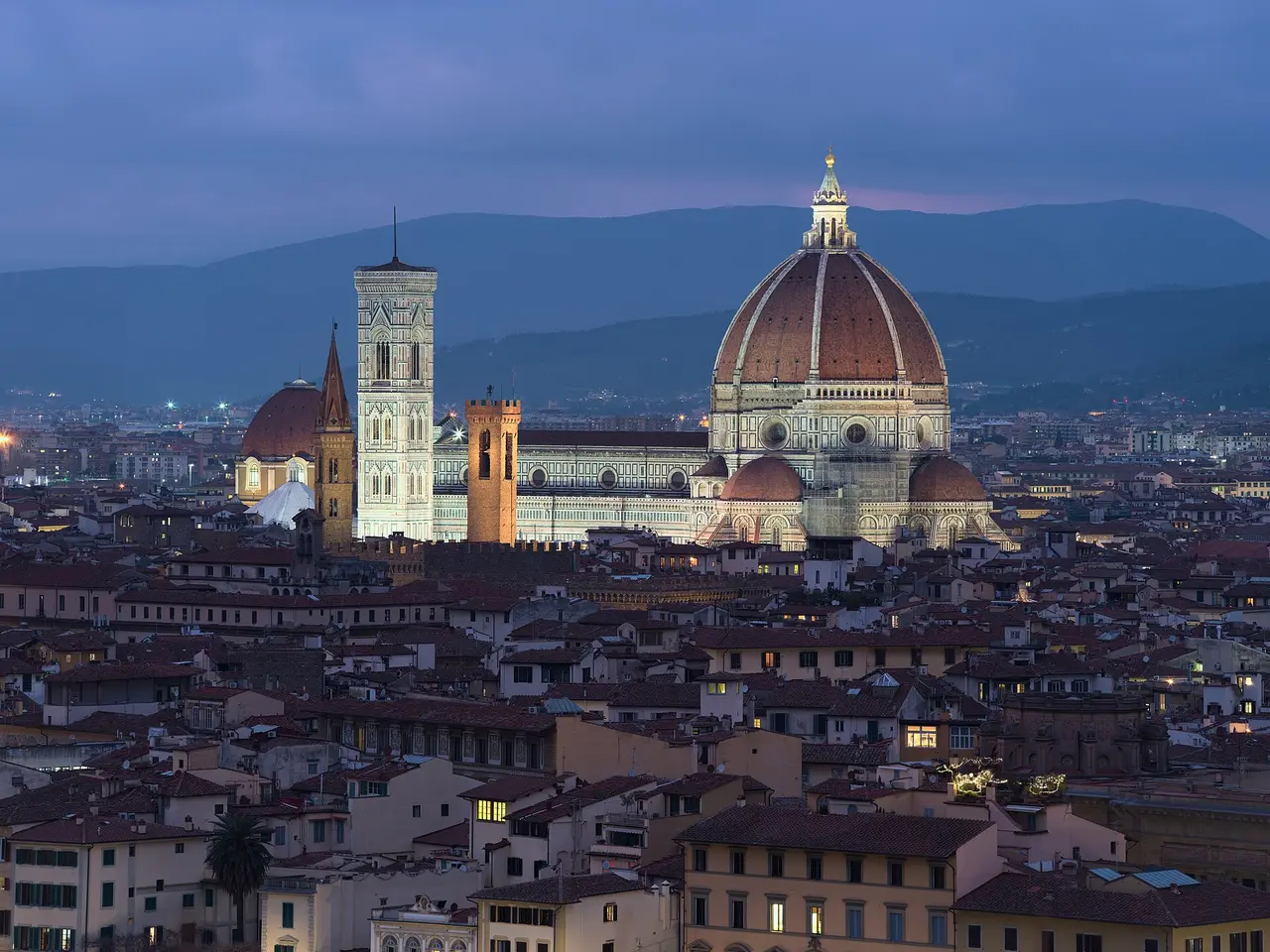
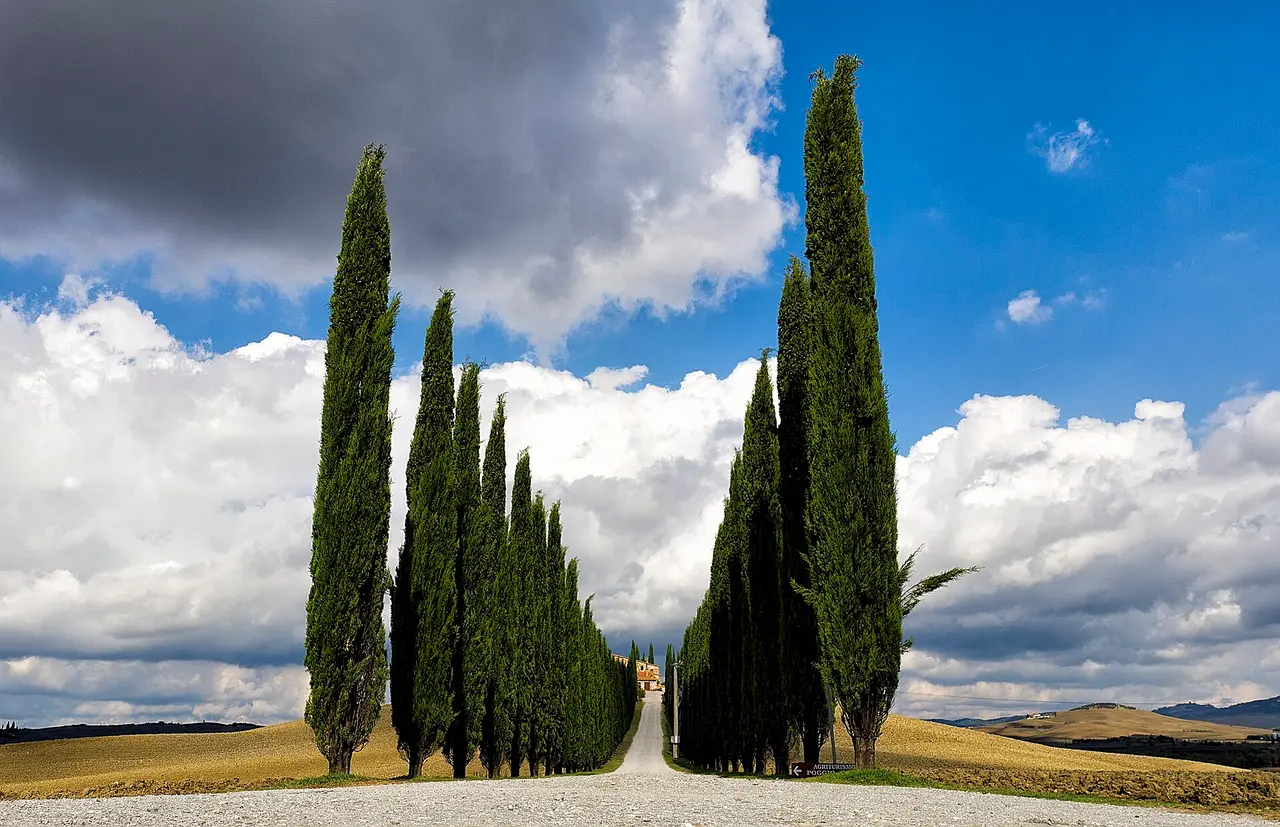
Florence covers on foot in two to three days, but the Uffizi and the Accademia must be booked in timed slots as soon as they open. Beyond the city, Tuscany suits a driving loop: Siena and its Piazza del Campo, the towers of San Gimignano, the cypress-lined roads of the Val d'Orcia, the Chianti wineries between Florence and Siena. Allow three to four days for the region. Pisa is a half-day from Florence, one hour by train. Read more about the Cinque Terre, on the northern edge of Tuscany.

Venice and the Veneto

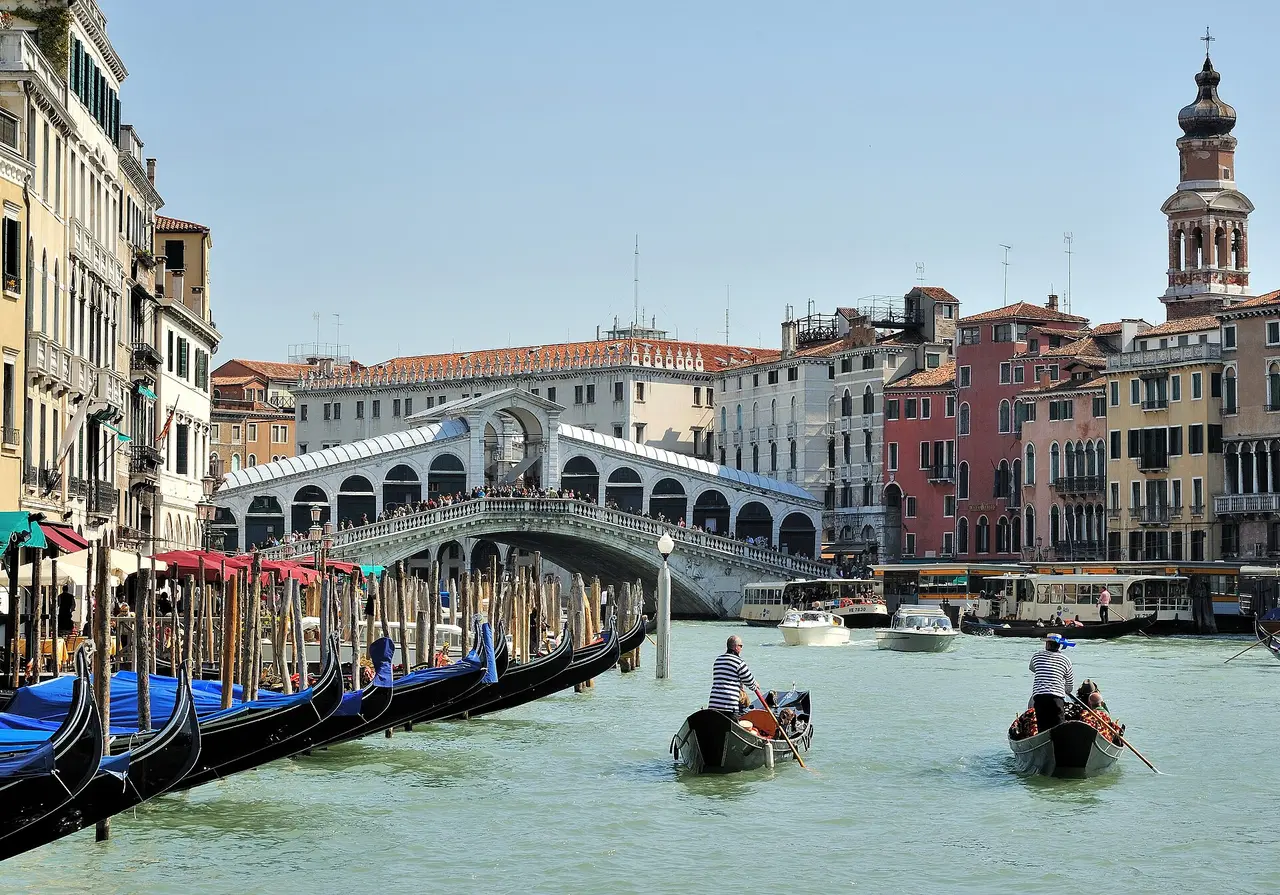
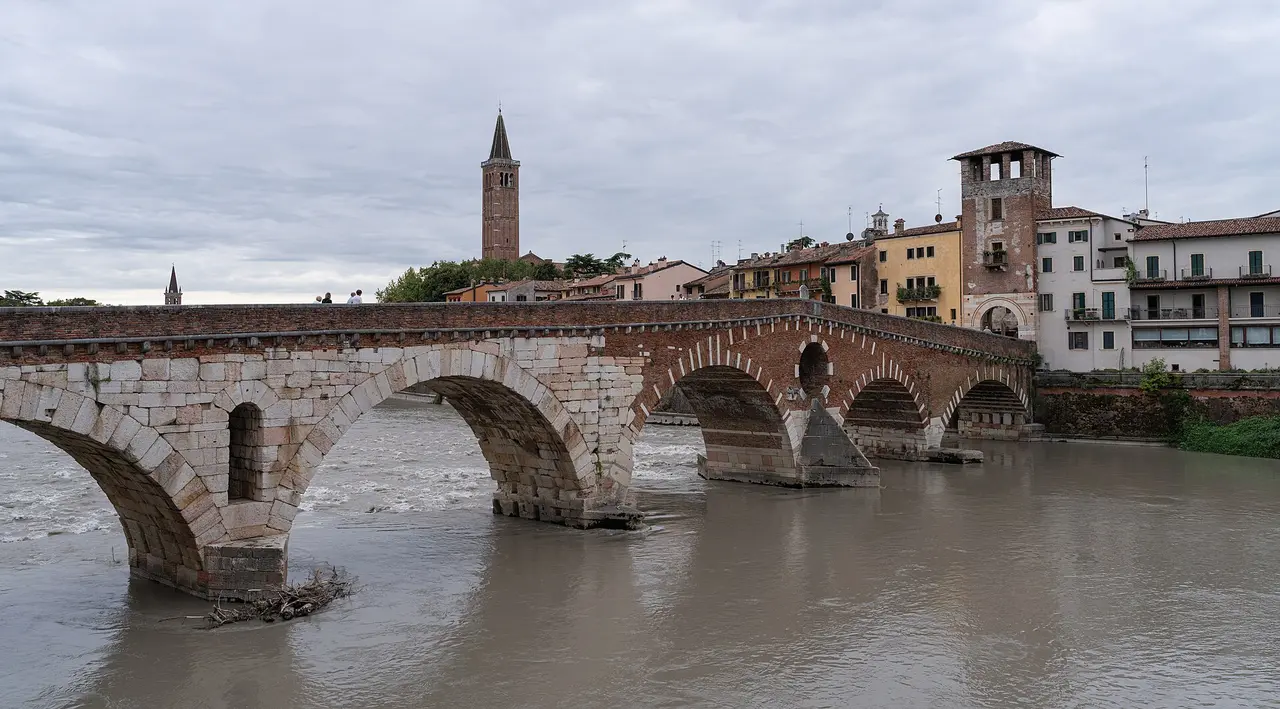
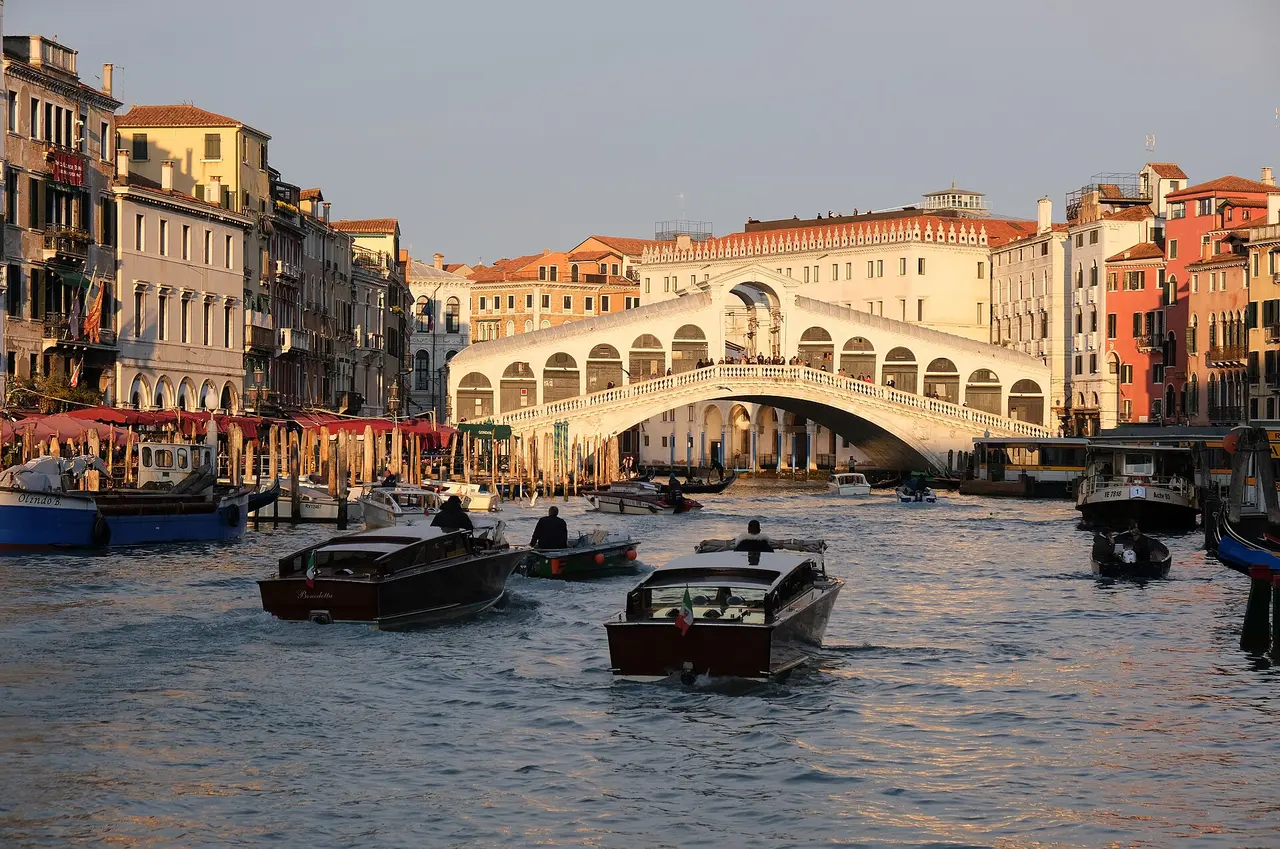
Venice is best early and late, once the day trippers have gone: sleep at least two nights in the historic centre, not in Mestre. One day covers Murano, Burano and Torcello by vaporetto. An access fee applies on certain busy days, so check online before you travel. The surrounding Veneto is worth the detour: Verona and its Arena, which stages operas in summer, Padua and the Scrovegni Chapel by reservation, the Palladian villas along the Brenta. Two days give a first sense of the region.

Milan, the lakes and the Dolomites

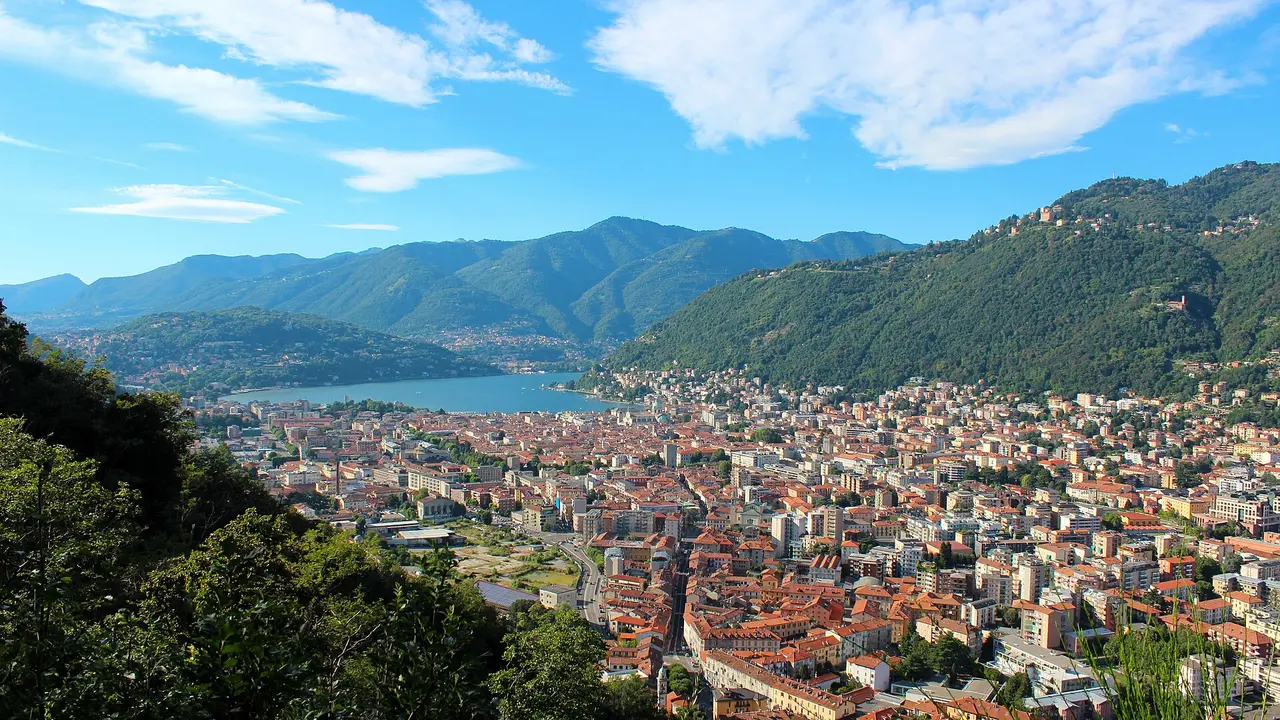
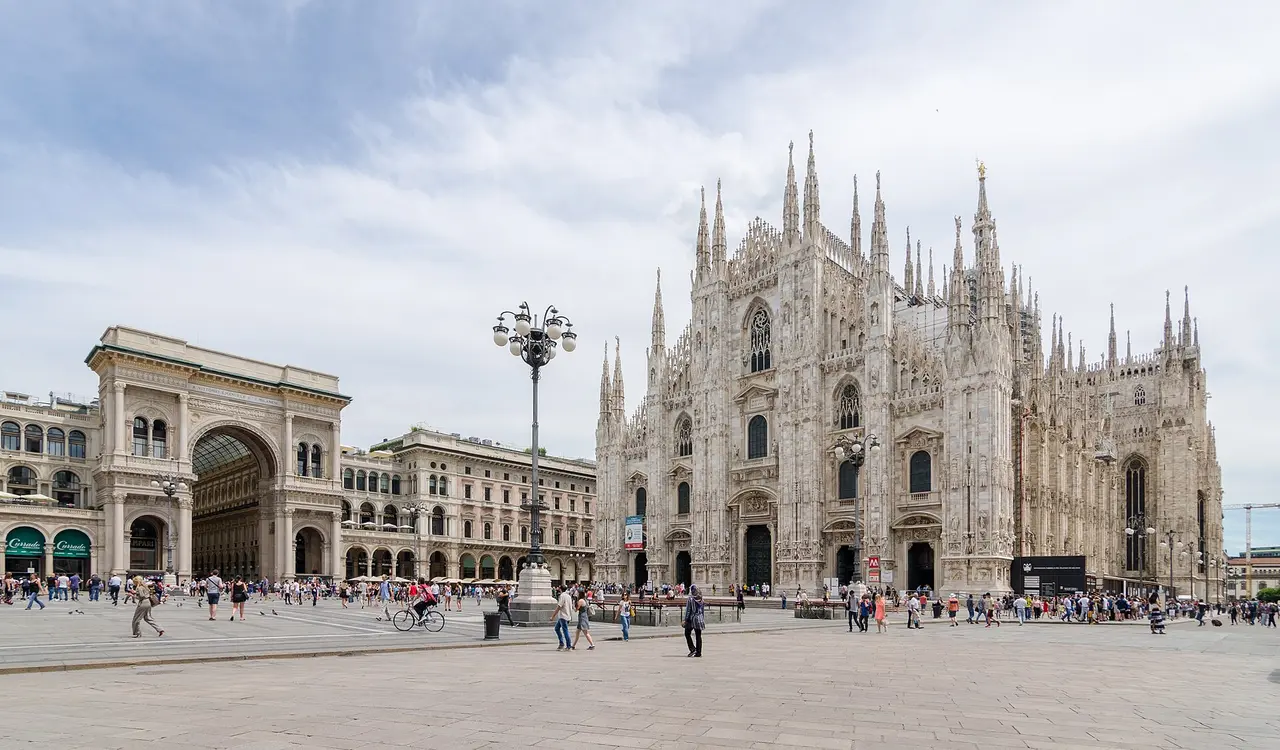
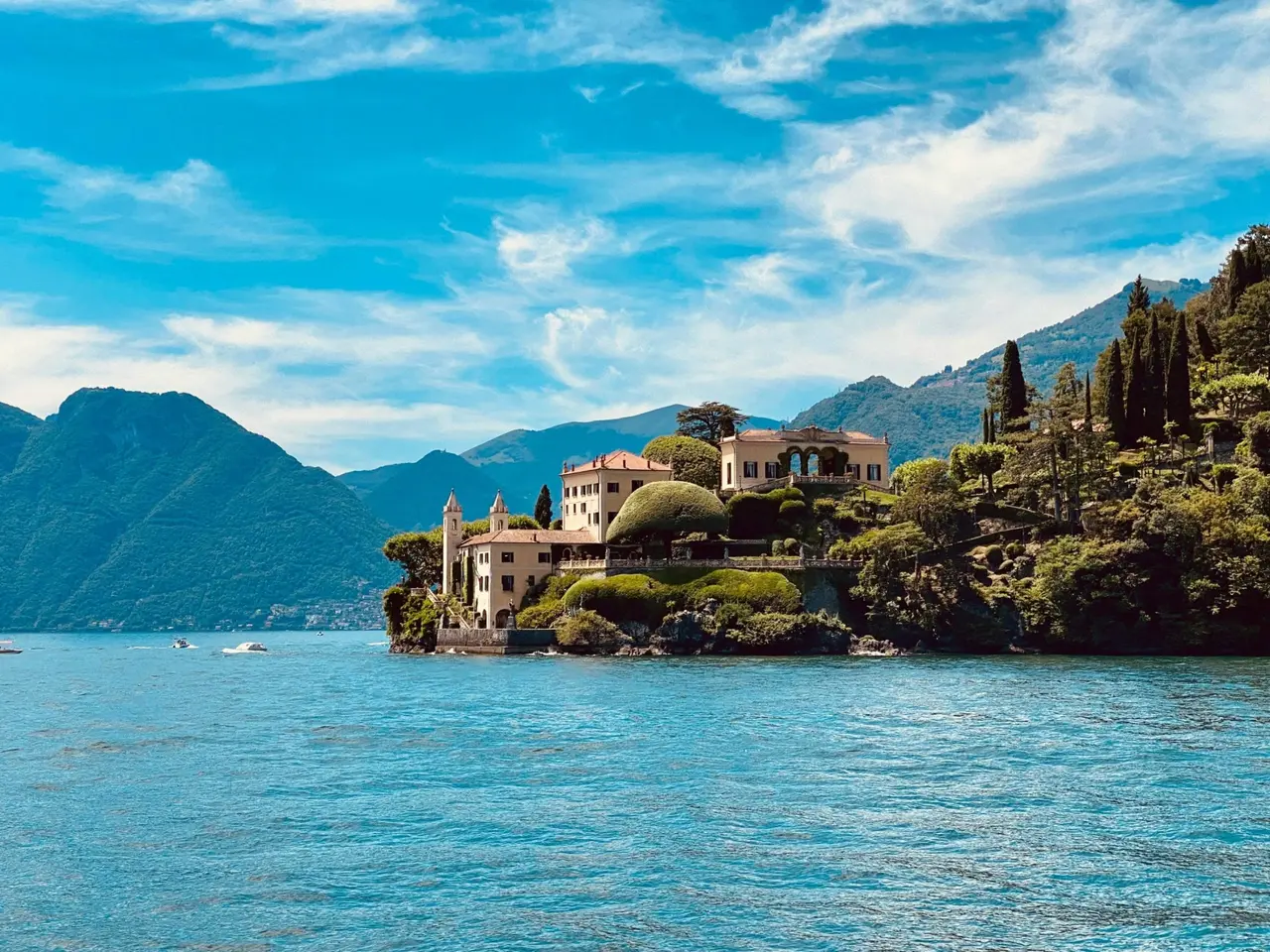
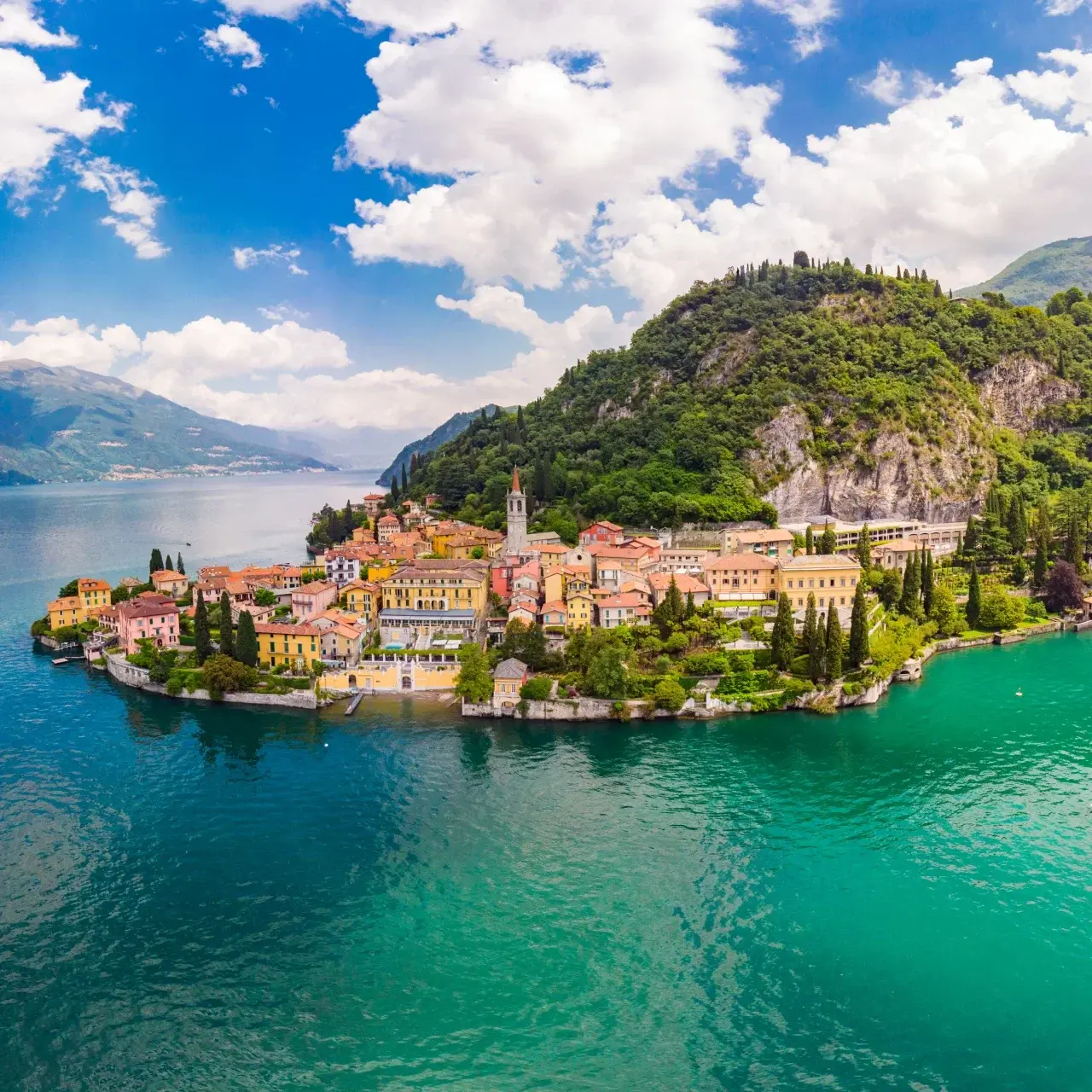
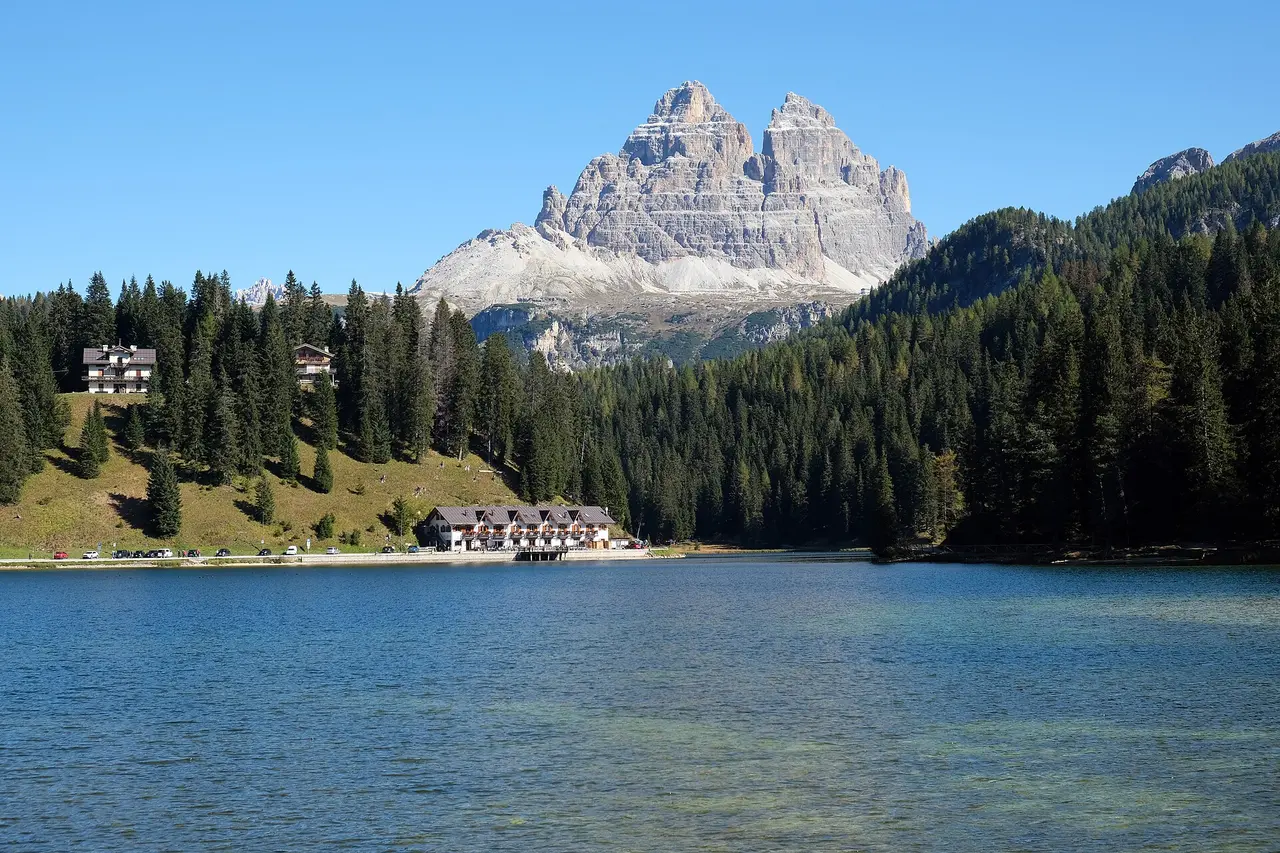
Milan takes a day and a half: Leonardo's Last Supper must be booked weeks ahead, and the Duomo terraces are reached by lift or stairs. To the north, Lake Como works best from Varenna, on the rail line, with hub-and-spoke ferries to Bellagio and Menaggio. The Dolomites, to the east, are hiked from June to September: the loop around the Tre Cime di Lavaredo takes three to four hours. See the northern lakes region to plan this part of the trip.

Naples, the Amalfi Coast and Campania

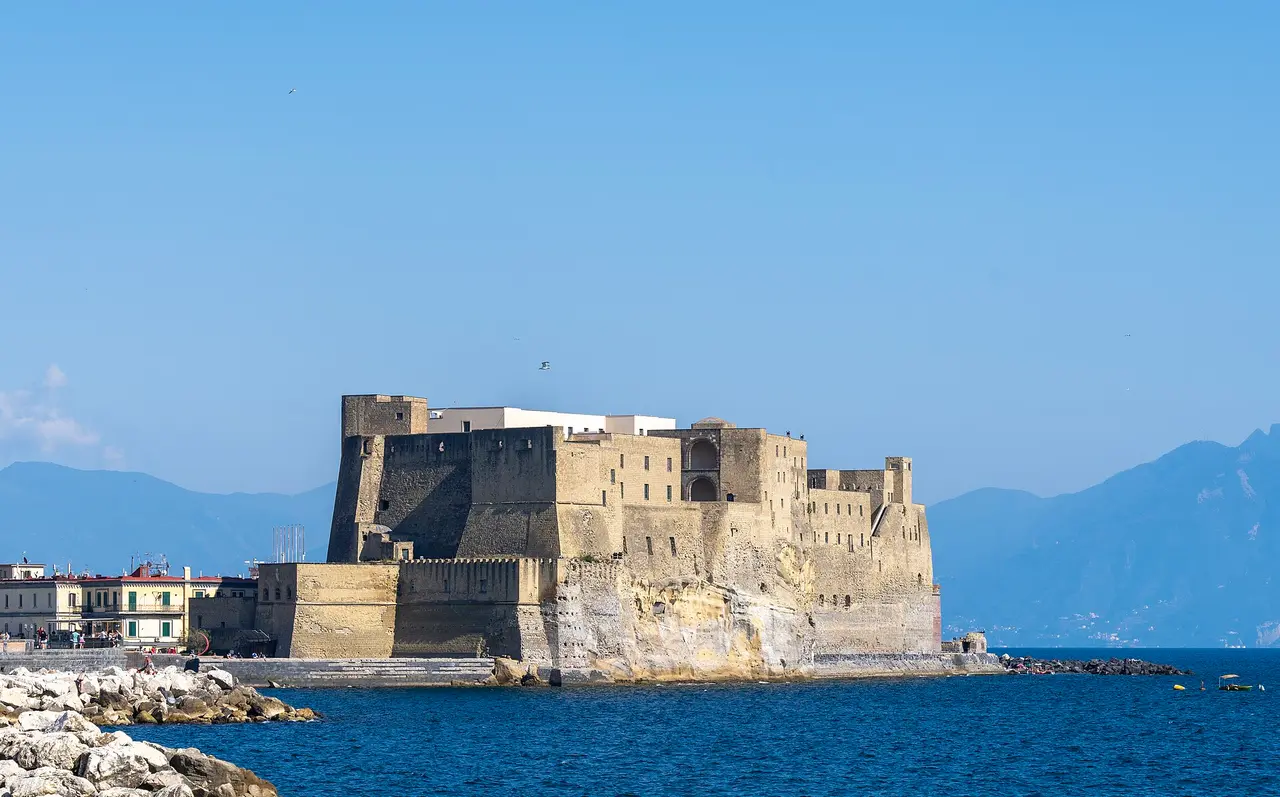
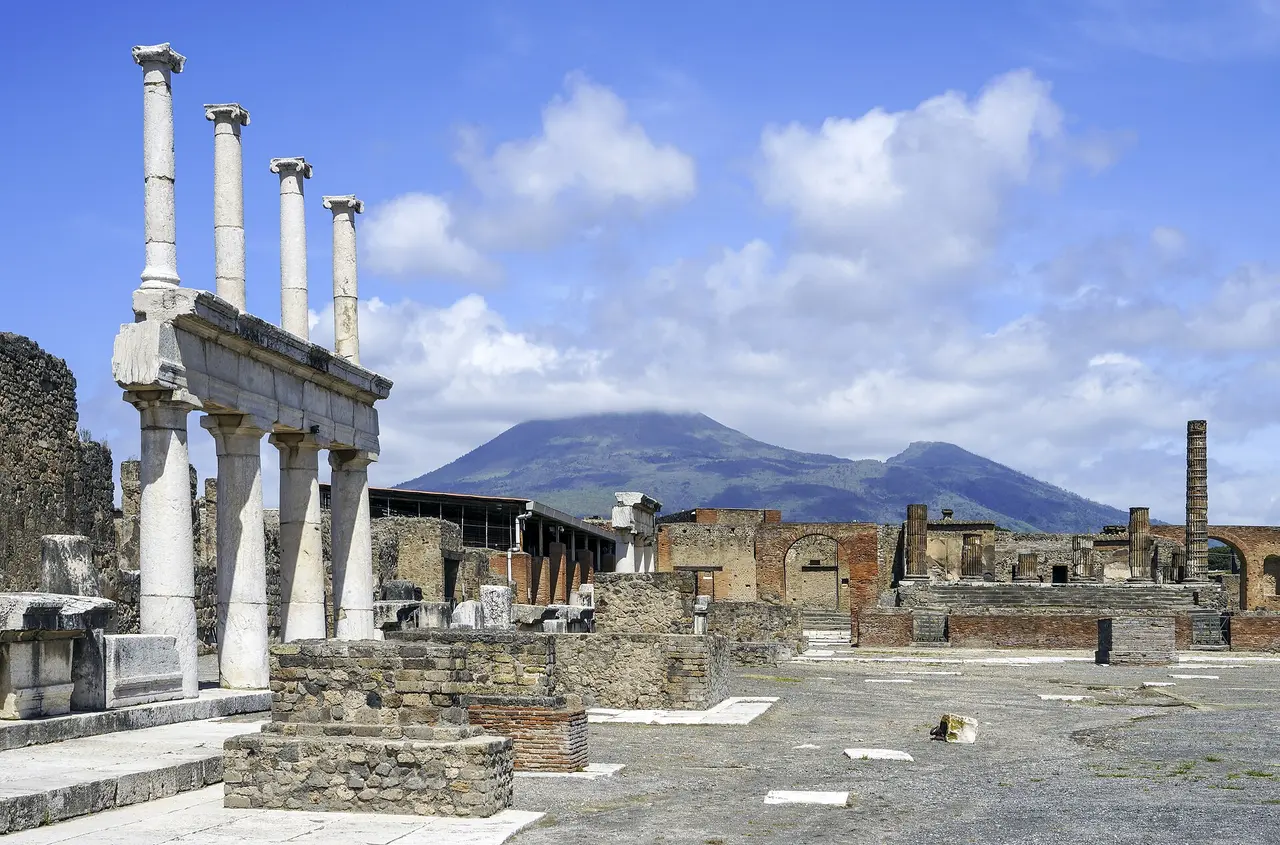
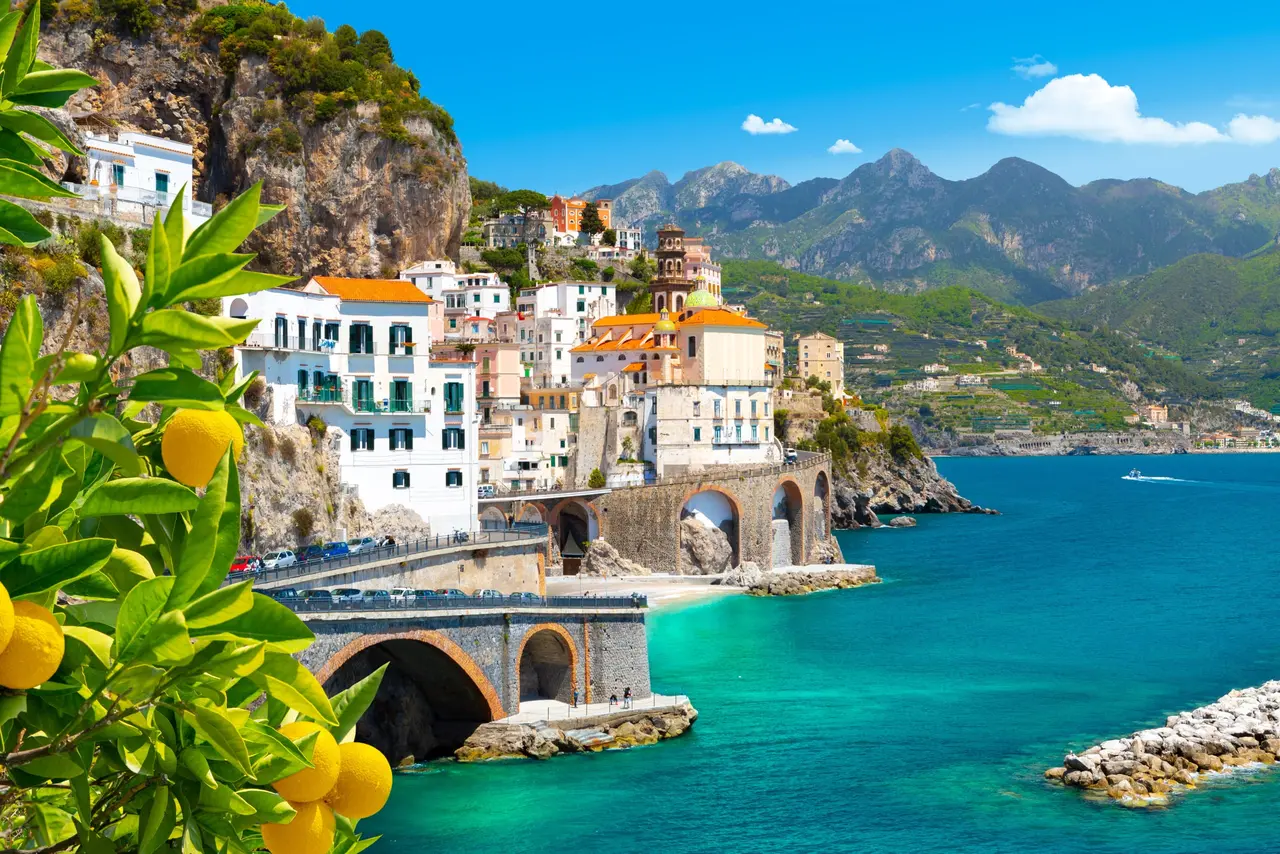
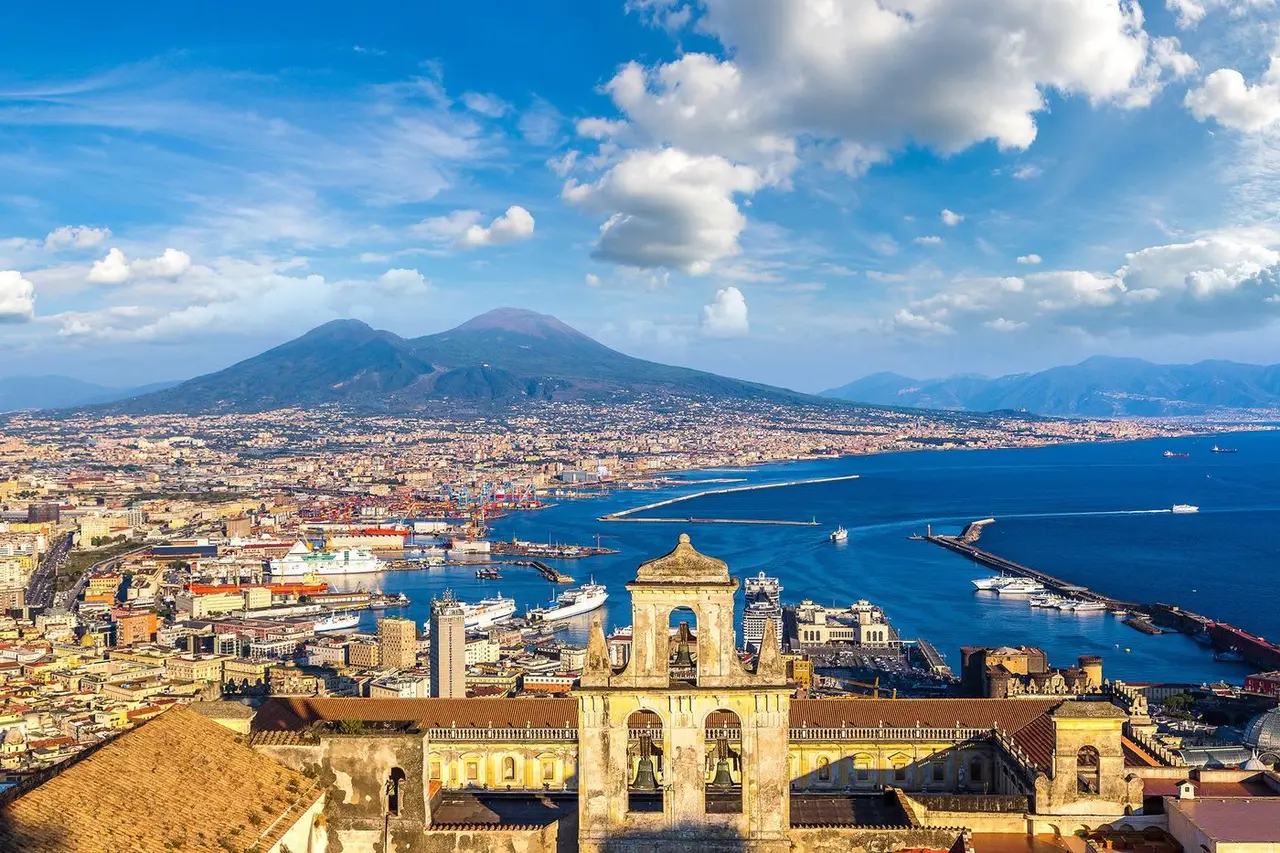
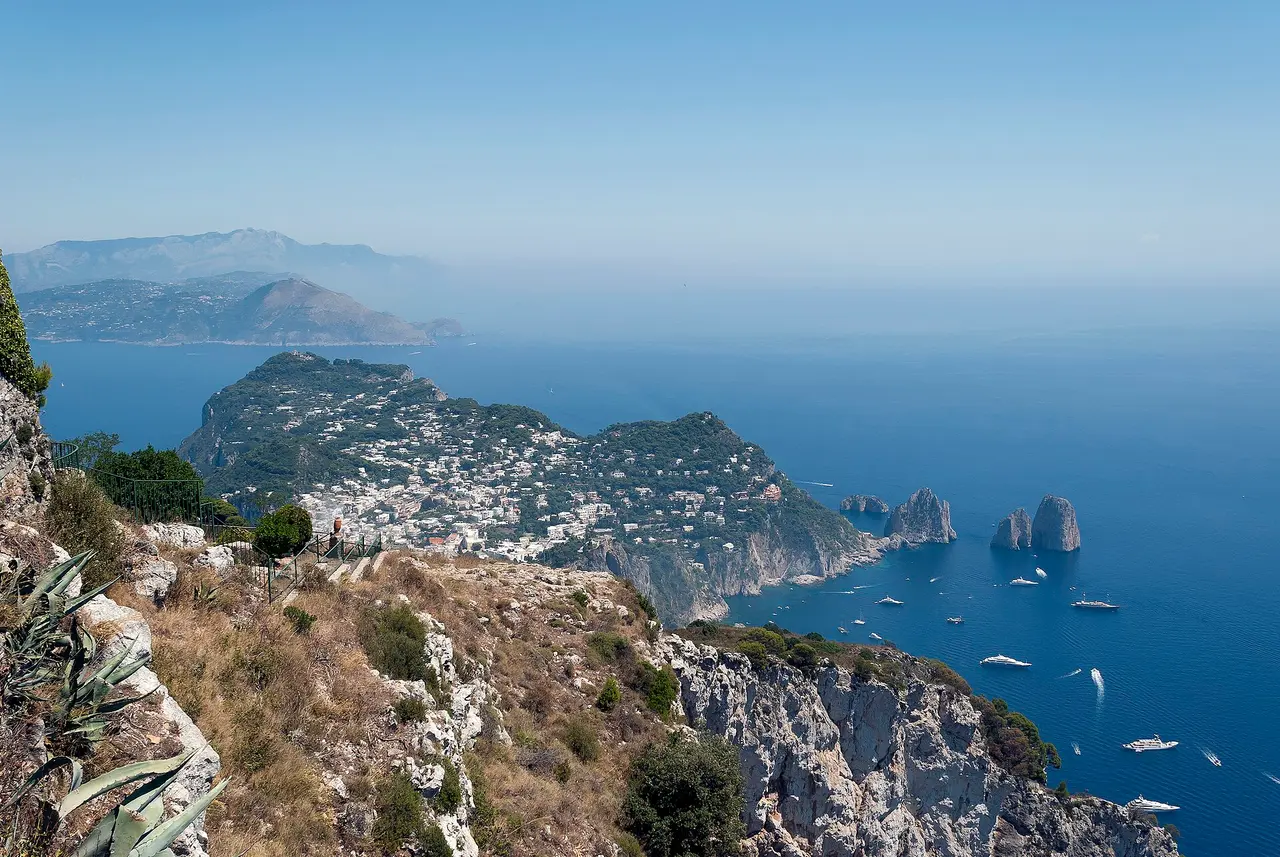
Naples deserves two to three days: the listed historic centre, the National Archaeological Museum which holds the original Pompeii frescoes, and Pompeii or Herculaneum in a day on the Circumvesuviana line. The Amalfi Coast is 90 minutes away: stay in Sorrento, better connected and cheaper than Positano, and take the seasonal ferry rather than the SITA bus. Capri is a day trip. For the whole region, allow five to six days including inland Campania and Paestum.

Sicily

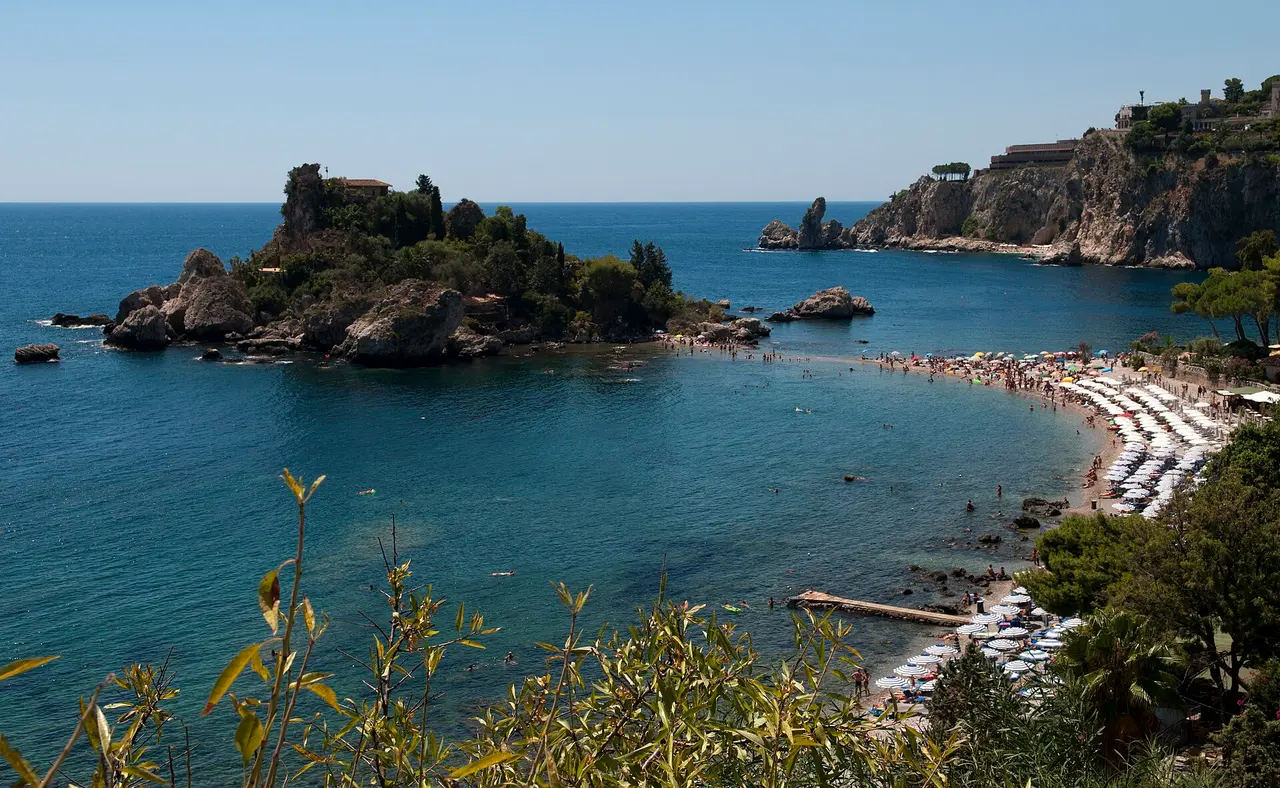
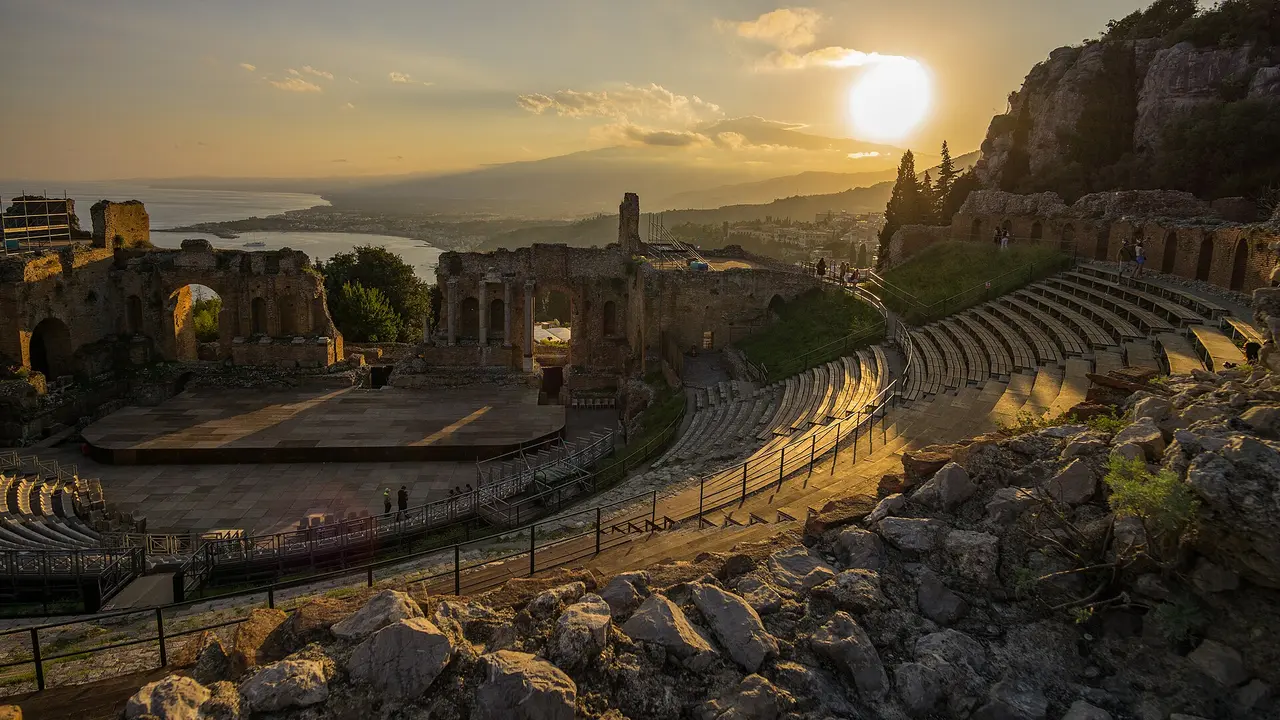
Sicily needs a week and a car. The east holds the essentials: Taormina and its Greek theatre facing Mount Etna, Syracuse and the island of Ortygia, the baroque of Noto and Modica. Etna is climbed by cable car then 4x4 to around 2,900 metres, or on foot with a licensed guide. The west, around Palermo and Trapani, adds the mosaics of Monreale, the Greek temples of Segesta and Selinunte and the Marsala salt pans. The Aeolian Islands are reached by hydrofoil from Milazzo between April and October.

Puglia and the deep South

Puglia is discovered over four to five days by car: Lecce for its soft-stone baroque, Alberobello and its trulli, the Salento coast down to Santa Maria di Leuca, Polignano a Mare on its cliff. Matera, in neighbouring Basilicata, is visited for its Sassi, districts of cave dwellings where you can sleep. Bari and Brindisi airports serve the region with direct flights from Paris for part of the year. This is the cheapest, least crowded Italy outside July and August.

Cities to visit in Italy

Featured destinations appear first.

Regions to explore in Italy

Featured destinations appear first.

How much it costs

Per person per day, excluding international travel.
Budget
70 €/ day
1 310 € for 2 people, 7 days, return flights included
Accommodation
32 €
Food
22 €
Local transport
6 €
Sights and activities
10 €
Comfort
154 €/ day
2 486 € for 2 people, 7 days, return flights included
Accommodation
75 €
Food
45 €
Local transport
12 €
Sights and activities
22 €
Premium
345 €/ day
5 160 € for 2 people, 7 days, return flights included
Accommodation
180 €
Food
90 €
Local transport
30 €
Sights and activities
45 €
Prices checked: Relevé septembre 2026. Cadrage sur l'itinéraire classique Rome-Florence-Venise, hors haute saison et hors semaine de Pâques (juillet-août et Pâques 40 à 80 pour cent plus chers, Venise et côte amalfitaine 20 à 40 pour cent au-dessus). Sources : agrégateurs de prix hôteliers et hostels (Hostelz, Radical Storage, Budget Your Trip) et relevés Trenitalia/ATAC pour les transports. Hébergement par personne pour une chambre double partagée a deux en comfort et premium, lit en dortoir en backpacker. Vol A/R Paris-Rome hors vacances scolaires estimé à 165 EUR par personne (momondo/Skyscanner, sept. 2026), soit 330 EUR pour deux. Taxe de séjour (2 à 7 EUR par nuit et par personne selon la ville) incluse dans le poste activités.

Getting there

Airports serving Italy, from main hubs to secondary ones.
  • BDSBrindisi AirportBrindisiMain
  • BGYIl Caravaggio International AirportOrio al SerioMain
  • BLQBologna Guglielmo Marconi AirportBolognaMain
  • BRIBari Karol Wojtyła International AirportBariMain
  • CAGCagliari Elmas AirportCagliariMain
  • CIACiampino–G. B. Pastine International AirportRomeMain

Entry, health and safety

For FR travellers

Entry requirements

No visa for a tourist stay

Aucun visa. Pour un séjour de trois mois maximum, les ressortissants français doivent détenir une pièce d'identité en cours de validité (carte nationale d'identité ou passeport, à l'exclusion de tout autre document). Le livret de famille n'est pas un document de voyage, y compris pour les mineurs.

Stay allowed for up to 90 days.

Health

Entrée non soumise a une preuve de vaccination pour les voyageurs venant de France. Cas de rougeole en hausse signalés en 2026. Été 2026 : activité éruptive de l'Etna avec perturbations de l'aéroport de Catane, et feux de forêt dans le Sud (Sicile, Calabre) ; éviter les zones concernées et suivre les consignes locales.

Safety

Normal precautions

Emergency

112

Checked in septembre 2026 against the official source. Entry rules change: check the official source before you travel, it alone is authoritative.

Italy in pictures

Photo credits : kallerna, CC BY-SA 4.0, Wikimedia Commons ; Dllu, CC BY-SA 4.0, Wikimedia Commons ; Enrico Pighetti from Civitanova Marche, Italia, CC BY 2.0, Wikimedia Commons ; This Photo was taken by Timothy A. Gonsalves . Feel free to use my photos, but please mention me as the author, CC BY-SA 4.0, Wikimedia Commons ; This Photo was taken by Wolfgang Moroder . Feel free to use my photos, but please mention me as the author and, CC BY-SA 3.0, Wikimedia Commons ; Jules Verne Times Two, CC BY-SA 4.0, Wikimedia Commons

Italy's must-see sights

Landmarks spread across the whole country, from the alpine north to the tip of the boot.

The Colosseum

Rome's ancient amphitheatre, best visited on a combined ticket including the Forum and Palatine, valid for 24 hours.

The Vatican Museums

They lead to the Sistine Chapel; quietest on Wednesday morning during the pope's audience in St Peter's Square.

The Uffizi Gallery

The greatest collection of Renaissance painting, in Florence, with compulsory timed-slot booking.

Pompeii

The Roman city buried by Vesuvius in AD 79, half an hour from Naples on the Circumvesuviana line.

St Mark's Basilica

Its golden mosaics dominate Venice's main square; an evening visit avoids the worst of the crowds.

The Leaning Tower of Pisa

The tilting bell tower on the Piazza dei Miracoli, an hour by train from Florence, climbed by reservation.

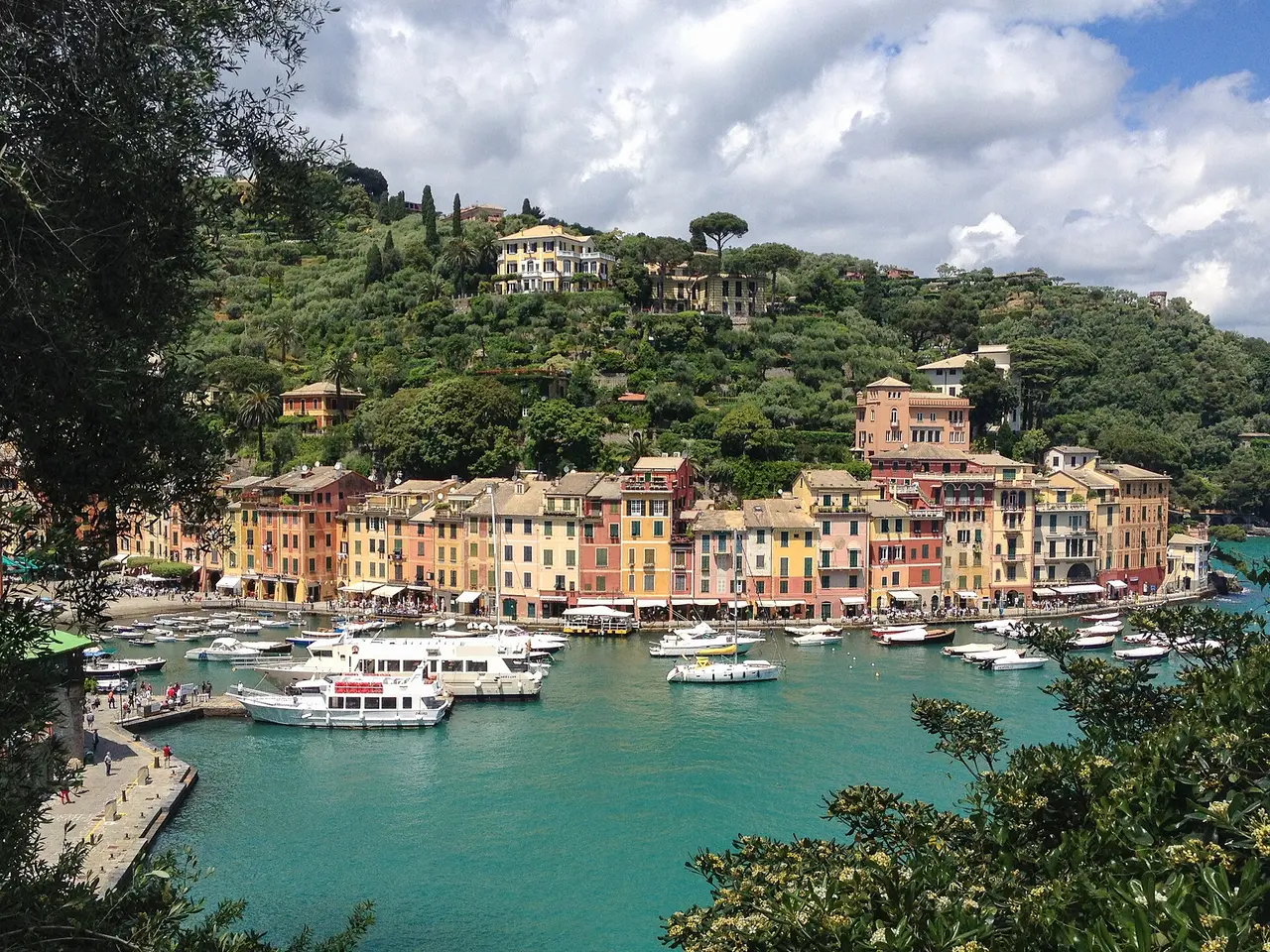
The Cinque Terre

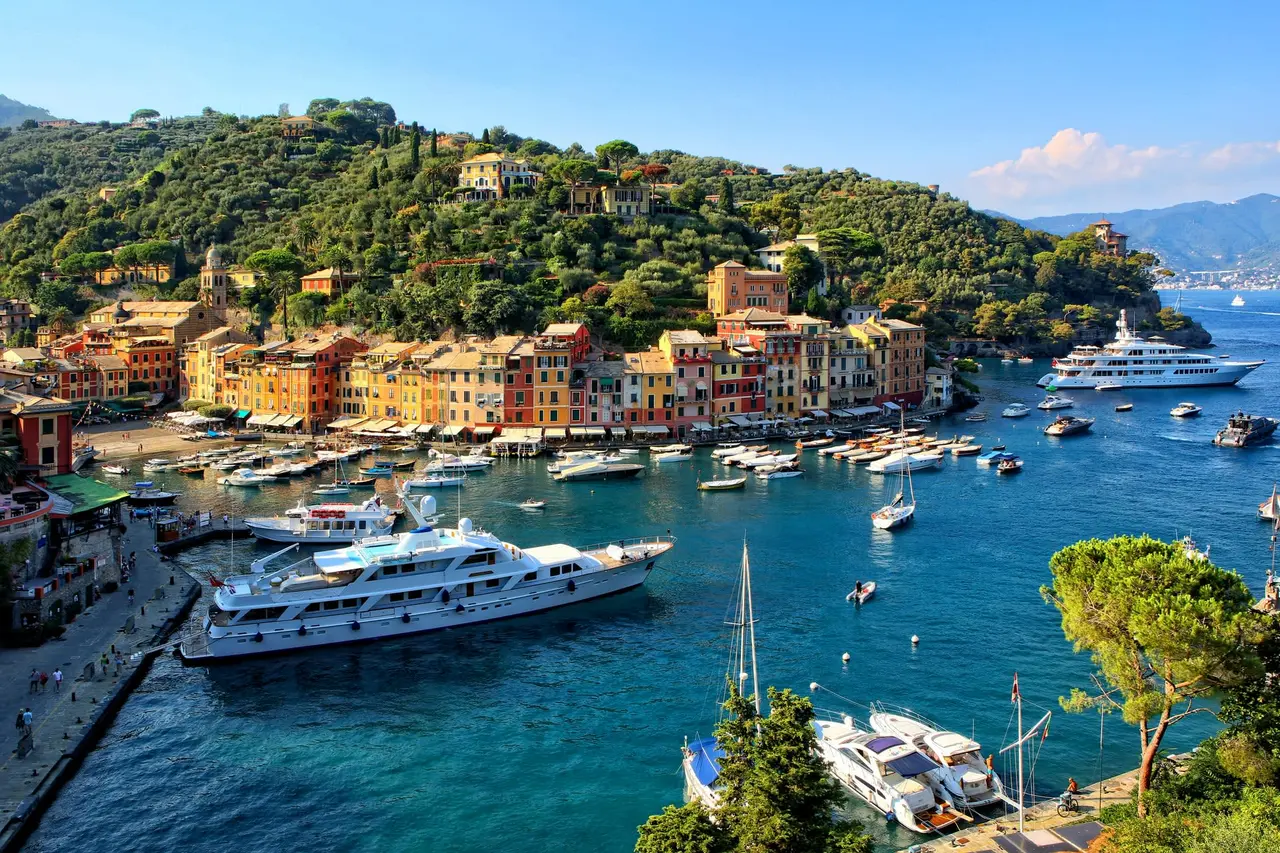
Five colourful villages linked by a coastal path and a local train; a single card covers trains and trails.

Mount Etna

Europe's highest active volcano, reached by cable car from Rifugio Sapienza then 4x4 towards the summit.

The Sassi of Matera

A maze of dwellings carved into the rock, lived in until the 1950s and now converted into hotels.

Lake Como

Villas and terraced gardens linked by ferry; a handy base at Varenna, on the Milan-Tirano railway.

Practical information for a trip to Italy

Tourist tax
From 2 to 7 EUR per person per night depending on the city, paid on site, often in cash.
Museum closing day
Many close on Monday, including the Uffizi; Naples' Archaeological Museum closes on Tuesday.
Essential bookings
Uffizi, Accademia, Colosseum and the Last Supper: timed slots to secure several weeks ahead.
Driving in city centres
Limited-traffic zones (ZTL) are camera-enforced; entering one by car means a fine, even to reach a hotel.
Regional train tickets
Validate at the green machines before boarding; reserved-seat high-speed tickets do not need validating.
Tap water
Drinkable everywhere, including at Rome's public fountains, the nasoni.
Power sockets
Types F and L, 230 V; a specific adapter may be needed for the three-pin L sockets.
Tipping
Not expected; a cover charge (coperto) is already billed. Round up or leave small change if the service pleased.
Ferragosto
Around 15 August, many city shops and restaurants close while Italians holiday on the coast.

Similar destinations

Other countries you might like as much as Italy.

Similar regions

Other regions you might like as much as Italy.

Frequently asked questions about travelling in Italy

How many days do I need to see Rome, Florence and Venice?
Seven days allow three nights in Rome, two in Florence and two in Venice, with high-speed trains between them. Any less and you must drop a city or skip the day trips around each one.
Do I need to book the Uffizi Gallery in advance?
Yes, a timed-slot booking is strongly advised year-round and all but essential from April to October. Without one, the wait often exceeds an hour and entry can be refused when the gallery is full.
How do I get from Rome to the Amalfi Coast?
High-speed train Rome to Naples in one hour ten, then the Circumvesuviana or a regional train to Sorrento, and finally a SITA bus or seasonal ferry to Positano and Amalfi. Allow half a day door to door.
Is the Roma Pass worth it?
It pays off if you combine the Colosseum, the Capitoline Museums and a third major site over three days, as it covers transport and cuts some queues. For a slower trip, individual tickets work out cheaper.
Can you visit the Cinque Terre without hiking?
Yes, a local train links the five villages in a few minutes each and runs all day. Seasonal boats offer another approach from the sea. The blue trail is the finest but sometimes closes after heavy rain.
When is the Palio di Siena held?
The horse race takes place on the Piazza del Campo on 2 July and 16 August. The square is packed and free standing room is taken from early morning; windows and stands are booked months ahead.
Train or plane between Milan and Naples?
The high-speed train takes about four hours forty from centre to centre, with no airport transfer. Flying only makes sense alongside an international connection. On this route the train is nearly always the better choice.
Is driving into Italian historic centres risky?
The centres of Florence, Rome, Bologna, Naples and many smaller towns sit in limited-traffic zones, filmed around the clock. An unauthorised entry triggers a fine sent months later, often marked up by the rental company.

Plan your trip to Italy

Day-by-day itinerary, budget, bookings and packing in a single app.
Aperçu de l'application PlanTripNow