Visit Dalmatia: islands, Roman towns and itineraries

A Roman emperor who built his retirement home by the sea, a cathedral of stone without a single wooden beam, turquoise waterfalls and islands you reach on the morning ferry: Dalmatia unfolds from one harbour to the next, at the pace of the crossings.

Why choose Dalmatia over the rest of Croatia?

Along less than 400 km of coast, Dalmatia holds most of Croatia's listed heritage and islands: Diocletian's Palace in Split, Trogir, Šibenik cathedral and the Stari Grad plain on Hvar. In one week you can combine a Roman city, a national park and two or three islands.

What to see in Dalmatia, from Split to the outer islands?

Split, a city inside a palace

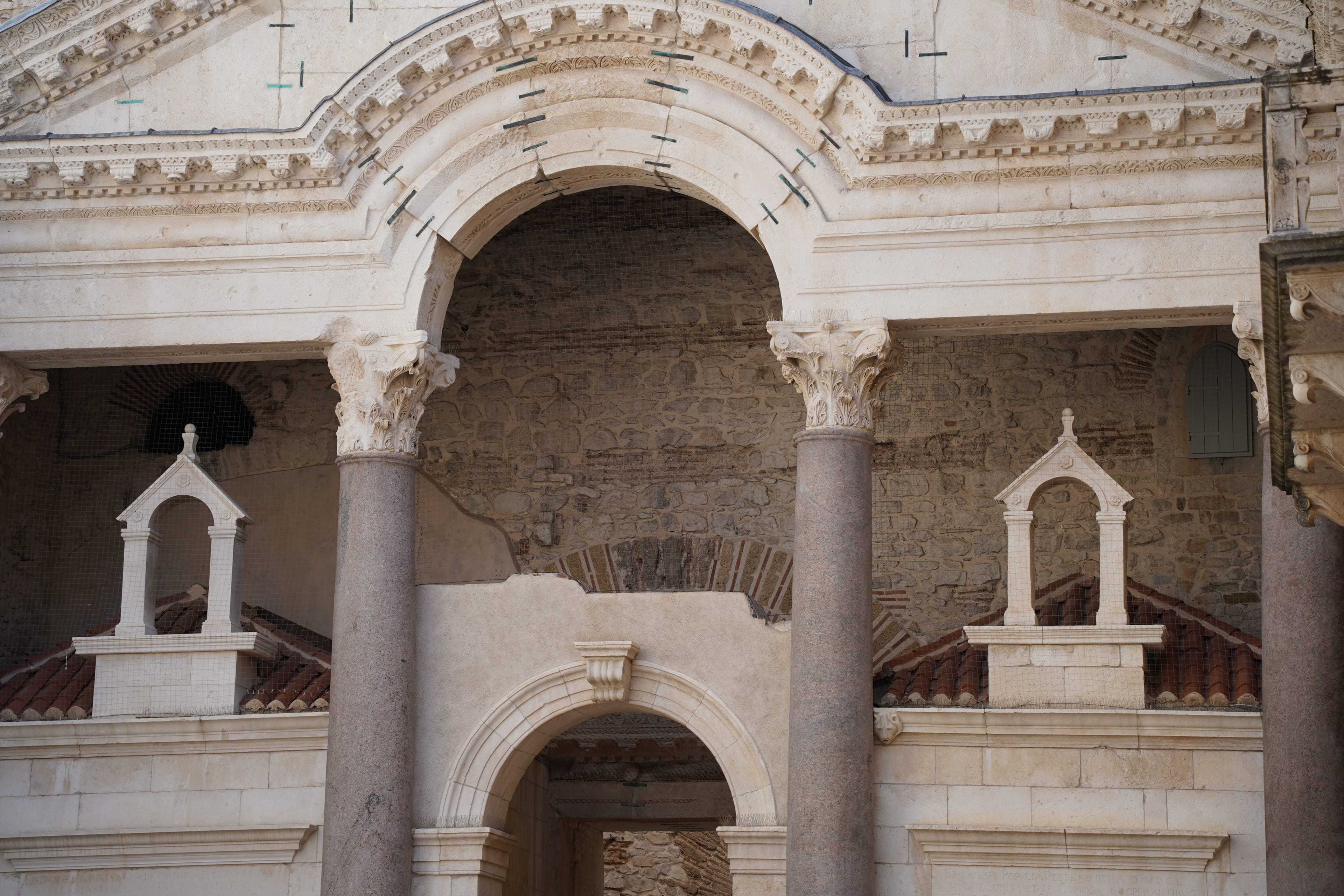
Built around the year 300 for the emperor Diocletian, the palace is not a ruin but a living neighbourhood: local residents still live within its walls, among cafés set in the arcades and washing hung above the lanes. Allow a full day for the cellars, the Peristyle, Saint Domnius Cathedral and Marjan hill. Above all, Split is the region's hub: its airport, bus station and ferry port are only minutes apart, which makes it the logical base for your first two nights.

Trogir and the Kaštela riviera

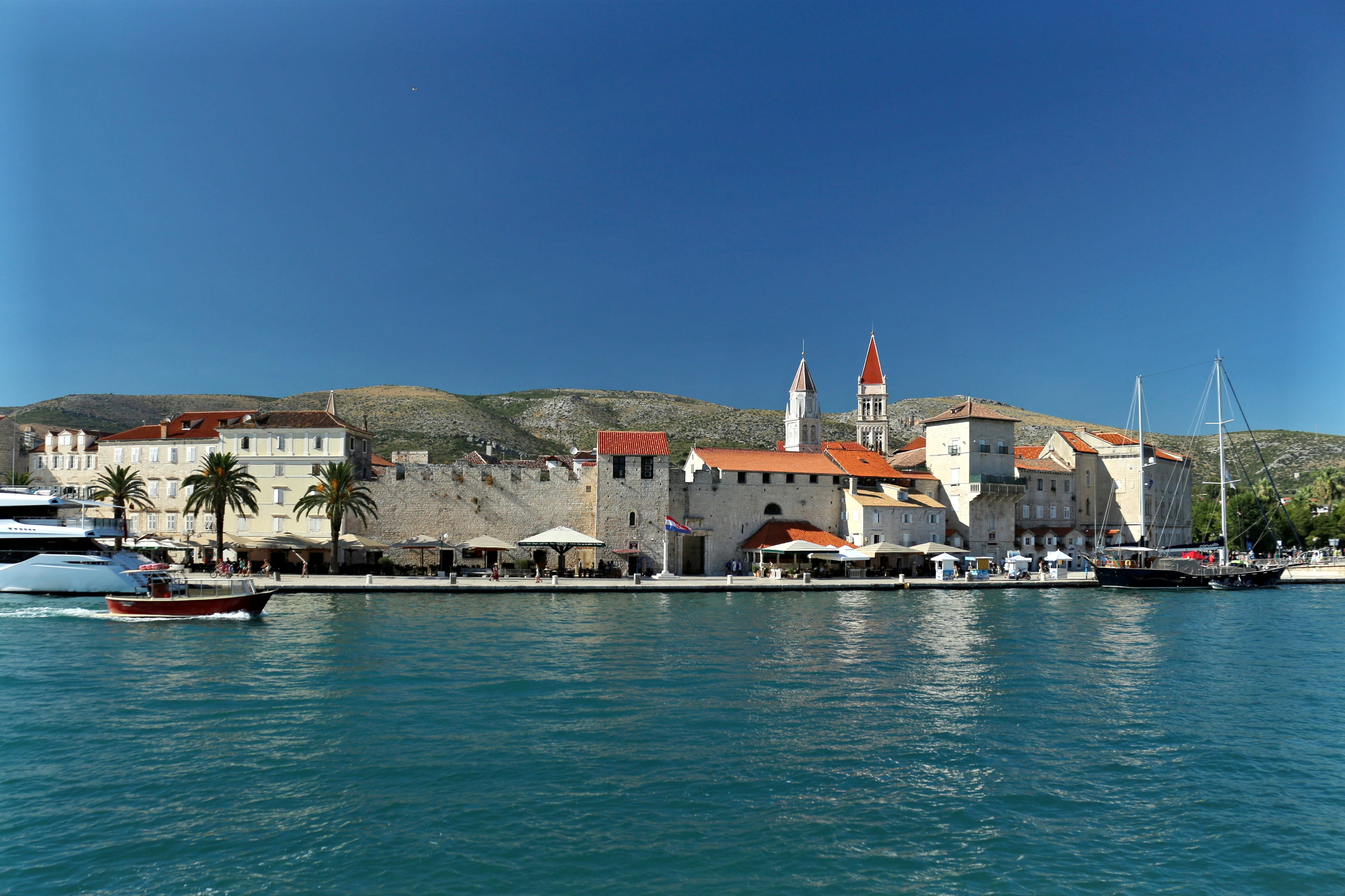
About thirty kilometres west of Split, Trogir sits entirely on an islet linked to the mainland by a bridge. UNESCO-listed since 1997, it takes half a day to see: Master Radovan's Romanesque portal at Saint Lawrence Cathedral, Kamerlengo fortress and Gothic palaces along the Riva. Between the two towns, the seven fortified villages of Kaštela have quieter beaches. Split airport lies right next to Trogir, ideal for a last night before an early flight.

Šibenik and the northern coast

Šibenik, about 90 km north of Split, is the only major Dalmatian town founded by Croats rather than by Romans or Greeks. Its Saint James Cathedral, built between 1431 and 1535 entirely of stone, is UNESCO-listed, as is Saint Nicholas fortress guarding the channel entrance. Then climb to Saint Michael's fortress for the view over the archipelago. Two nights are enough and let you move on to Krka the next morning, ahead of the tour coaches from Split.

The rivers of the hinterland

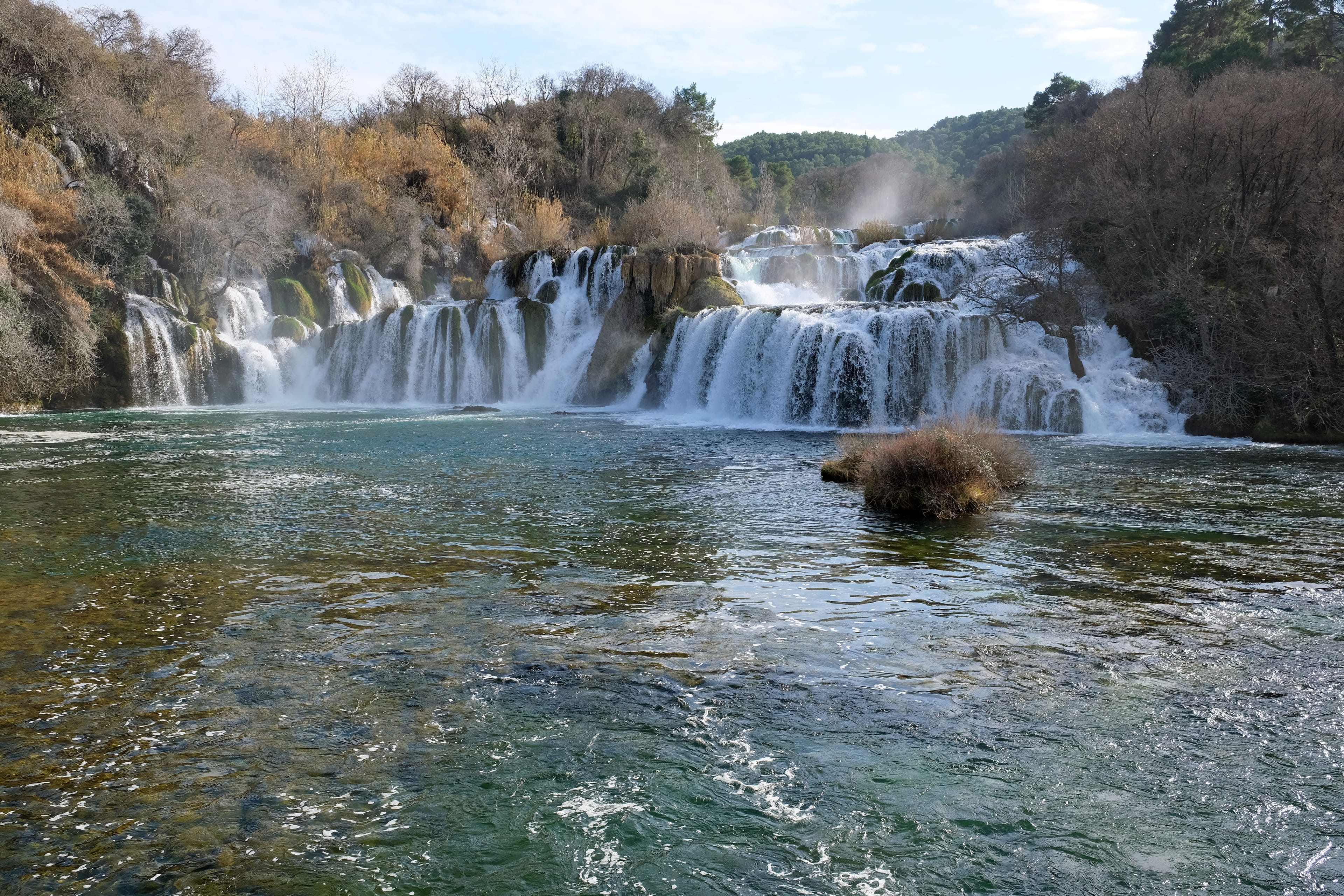
Behind the coast, the karst plateau hides emerald rivers. The Krka tumbles over seven travertine barriers in a national park open all year, where the adult ticket, on the park's 2027 price list, rises from €7 in winter to €40 from June to September: visiting in April, May or October, at €20, halves the price and cuts the crowds even more. Swimming has been banned there since 2021. Further south, the Cetina meets the sea at Omiš after a canyon used for rafting and canoeing from May to September, less than an hour from Split.

Hvar and Brač, the islands near Split

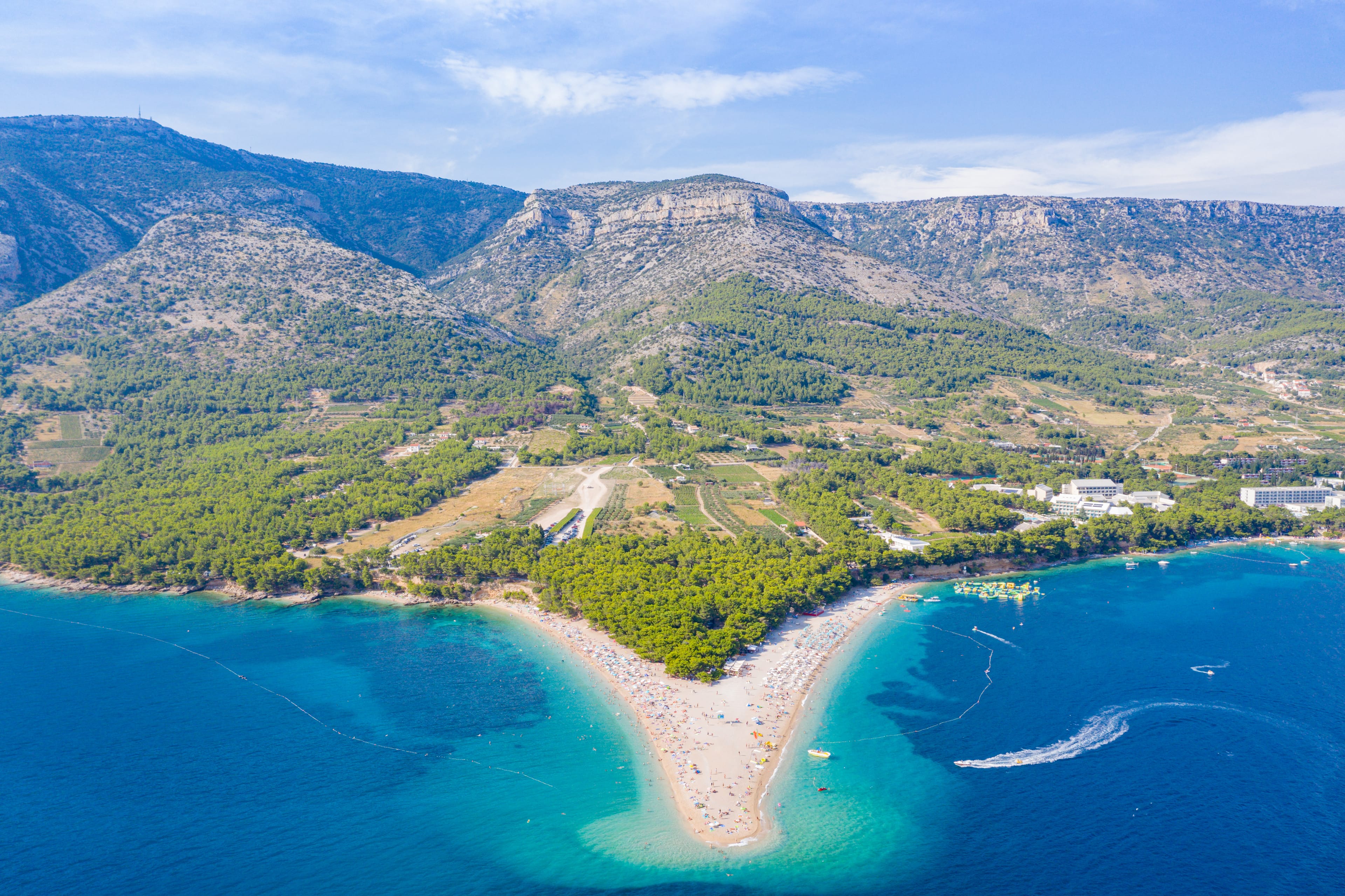
Brač, under an hour away by ferry, is the island of white stone and of Zlatni Rat beach at Bol; Vidova Gora, its 778 m summit, is the highest point of all the Adriatic islands. Hvar, about an hour by catamaran, blends Hvar town and its nightlife, the UNESCO-listed farmland of the Stari Grad plain and lavender fields in bloom from mid-June to July. Two nights per island is the minimum: on a day return, you spend more time in port than on the island.

Vis and the outer islands

Vis, the inhabited island furthest from the Dalmatian coast, served as a Yugoslav military base and stayed closed to foreign visitors until 1989. The result: few concrete buildings, vugava vineyards and two small harbours, Vis and Komiža. Allow about 2 h 20 by ferry from Split, a little less by catamaran, and three nights for Stiniva cove and the trip to the Blue Cave on Biševo, best seen between 10 am and 2 pm depending on the season, according to the Komiža tourist board. When the bora blows, crossings are cancelled: leave a margin before your flight.

Korčula and the southern archipelago

South of Hvar, Korčula keeps a walled old town with streets laid out in a herringbone pattern to break the wind, and claims to be the birthplace of Marco Polo. Catamaran times from Split vary with the stops: check the operator's timetable before booking. Stay two or three nights: the grk vineyards of Lumbarda and the pošip of Čara are easy to reach by bike, and the moreška sword dance is performed on some summer evenings. Korčula makes an excellent final stop heading south, without going back to Split.

Ferries, seasons and budget

Jadrolinija and private operators switch to summer timetables from late May to late September; out of season, several inter-island links disappear and you have to go back through Split. Sharing a double room, allow around €150 per person per day for a comfortable trip outside July and August, €70 on a backpacker budget. September remains the best month: a 23 °C sea, falling prices and frequent ferries. From Split, overnight ferries sail to Ancona, handy for combining with Italy, and buses run to Mostar in Bosnia and Herzegovina.
Cities to visit in Dalmatia

Featured destinations appear first.
Coming soon.

Dalmatia in pictures

Five sites that sum up Dalmatia

A tight selection, one site for each side of the region, to slot into any itinerary.

Diocletian's Peristyle

A colonnaded court at the heart of the palace, in front of the mausoleum turned cathedral. Concerts and terraces at night, under the arches that once framed the emperor.

Saint James Cathedral

Šibenik's masterpiece built entirely of stone, with no brick or wood. Its frieze of 71 carved human heads runs around the three apses.

Skradinski buk

The largest waterfall in Krka park, a series of pools stretching about 800 m. A boardwalk loop of roughly two hours, and boats up from Skradin.

Zlatni Rat beach

A spit of fine pebbles near Bol, on Brač, whose tip shifts with the currents and the wind. A renowned windsurfing spot in the afternoon.

Stiniva cove

A small Vis beach enclosed by two almost touching cliffs. Reached on foot by a steep path or by sea; best avoided at midday in August.

Frequently asked questions about Dalmatia

How many days do you need for Split, Krka and the Dalmatian islands?
One week covers Split, a day at Krka and two islands such as Brač and Hvar, with two nights each. With three or four days, stay on the mainland between Šibenik, Krka and Trogir. Adding Vis or Korčula takes around ten days.
Split or Trogir: where to stay to explore central Dalmatia?
Split is more practical for ferries, which all leave from its port, and has more restaurants. Trogir is quieter and next to the airport, but you need a bus or shuttle boat to reach Split. For a trip including the islands, stay in Split.
Can you still swim at the Krka waterfalls?
No. Swimming below Skradinski buk has been banned since 2021 to protect the travertine barriers. You will see the falls from the boardwalks: for a swim, plan a coastal beach the same day, with Šibenik and Trogir under an hour and a half by road.
Hvar, Brač or Vis: which island for a first trip to Dalmatia?
Brač is the easiest, under an hour from Split, with Zlatni Rat. Hvar has the most to see and lively summer nightlife. Vis suits travellers looking for peace and quiet who accept a crossing of more than two hours.
Should you book Jadrolinija catamarans ahead in July and August?
Yes, for July and August catamarans book at least the day before, and several days ahead for weekend departures. Tickets are sold on the operator's website or at the port. Car ferries cannot always be booked: arrive one to two hours early.
Can you visit Krka on a day trip from Split?
Yes, most agencies in Split sell a day at Krka, often combined with Šibenik or Trogir. The downside is arriving at the same time as every other coach. By sleeping in Šibenik or Skradin, you enter the park at opening time, in peace.
How much does a week in Dalmatia cost for two, flights included?
Outside July and August, allow about €1,400 for two on a backpacker budget and €2,500 for a comfortable trip, including a Paris to Split return flight, based on prices checked in October 2026. In high summer, accommodation can double and the total rises with it.
Do you need to rent a car to visit Dalmatia?
Not for a trip between Split and the islands: catamarans and buses are enough, and a car complicates summer crossings. It becomes useful for Krka, the Cetina hinterland or the inland villages of Brač and Hvar. Rent one for just two or three days.
Why has the island of Vis stayed so unspoilt?
As a Yugoslav army base, Vis stayed closed to foreign visitors until 1989. It therefore escaped the hotel building of the 1970s and 1980s, which explains its intact villages, its vineyards and its small number of large hotels.

Plan your trip to Dalmatia

Day-by-day itinerary, budget, bookings and packing in a single app.
Aperçu de l'application PlanTripNow