Discovering Mahé: beaches, mountains and when to go

White sand coves framed by granite boulders, a mountain forest rising above 900 metres, a lively Creole market and coral islets a few minutes away by boat: Mahé deserves at least four days before you head on to Praslin or La Digue.

Why stay on Mahé?

Mahé is home to the international airport, the capital Victoria and nearly nine in ten of the archipelago's inhabitants, making it the most varied island in the Seychelles. It combines granite beaches, hikes in Morne Seychellois National Park and snorkelling in the Sainte Anne and Port Launay marine parks.

What to see on Mahé, area by area?

Victoria and the east coast

Capital of the Seychelles, Victoria ranks among the smallest capitals in the world and can be covered on foot in half a day. The covered market, the clock tower, the colourful Hindu temple and the botanical garden are its landmarks. On Saturday morning the market is at its busiest, while the town almost empties on Sunday. The east coast, south of the capital, is the most built-up part of the island: the international airport lies about ten kilometres from Victoria, on land reclaimed from the lagoon.

The north and Beau Vallon bay

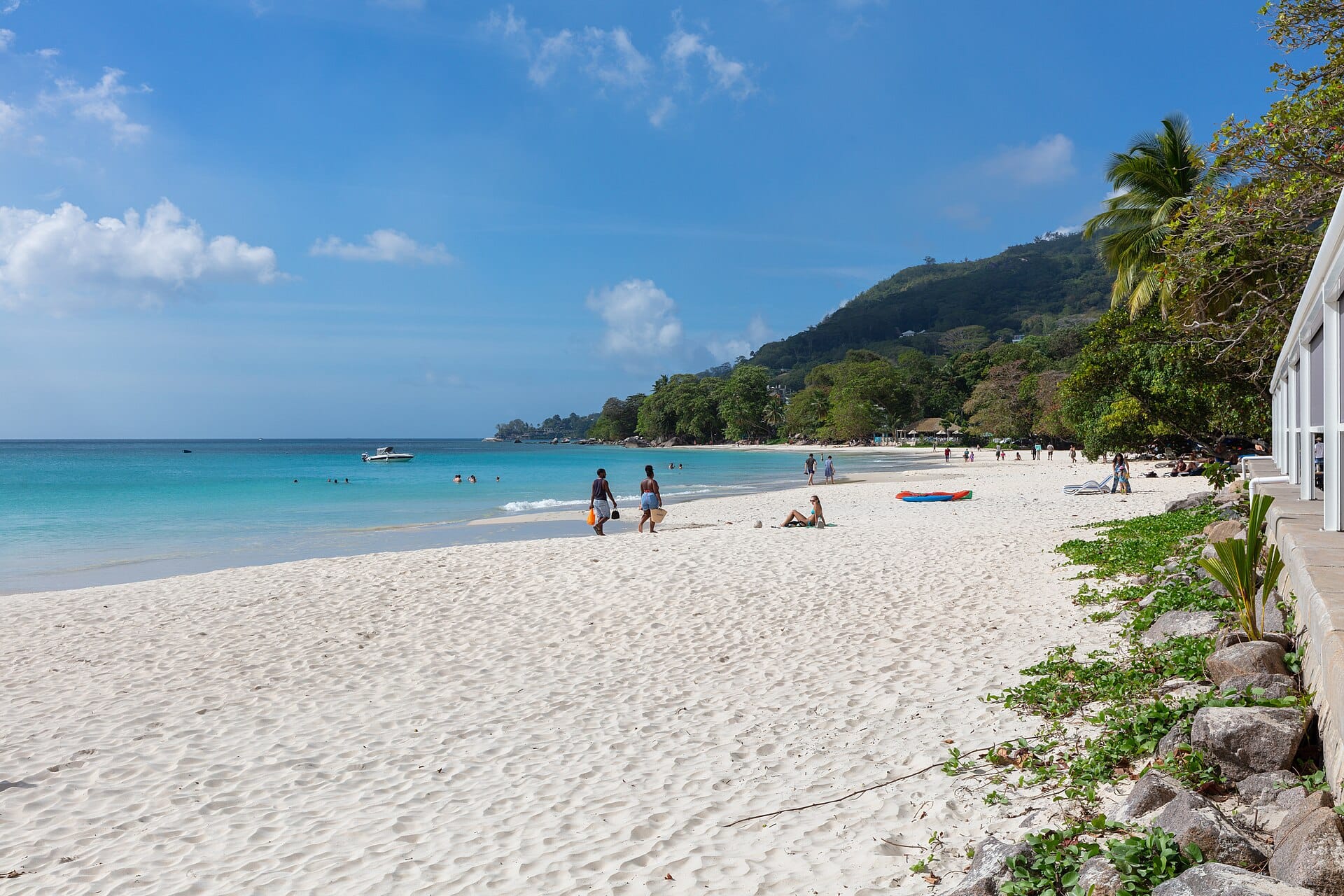
The north-west coast has the island's longest beach, about three kilometres of gently shelving sand, and most of its hotels, restaurants and dive centres. On Wednesday evenings, a street market brings together Creole food stalls and musicians. The sea is generally calm from May to October, sheltered from the south-east trades, and rougher from December to March. At the end of the road, past Bel Ombre, a coastal trail leads in about an hour to Anse Major, reachable only on foot or by boat.

The Morne Seychellois mountains

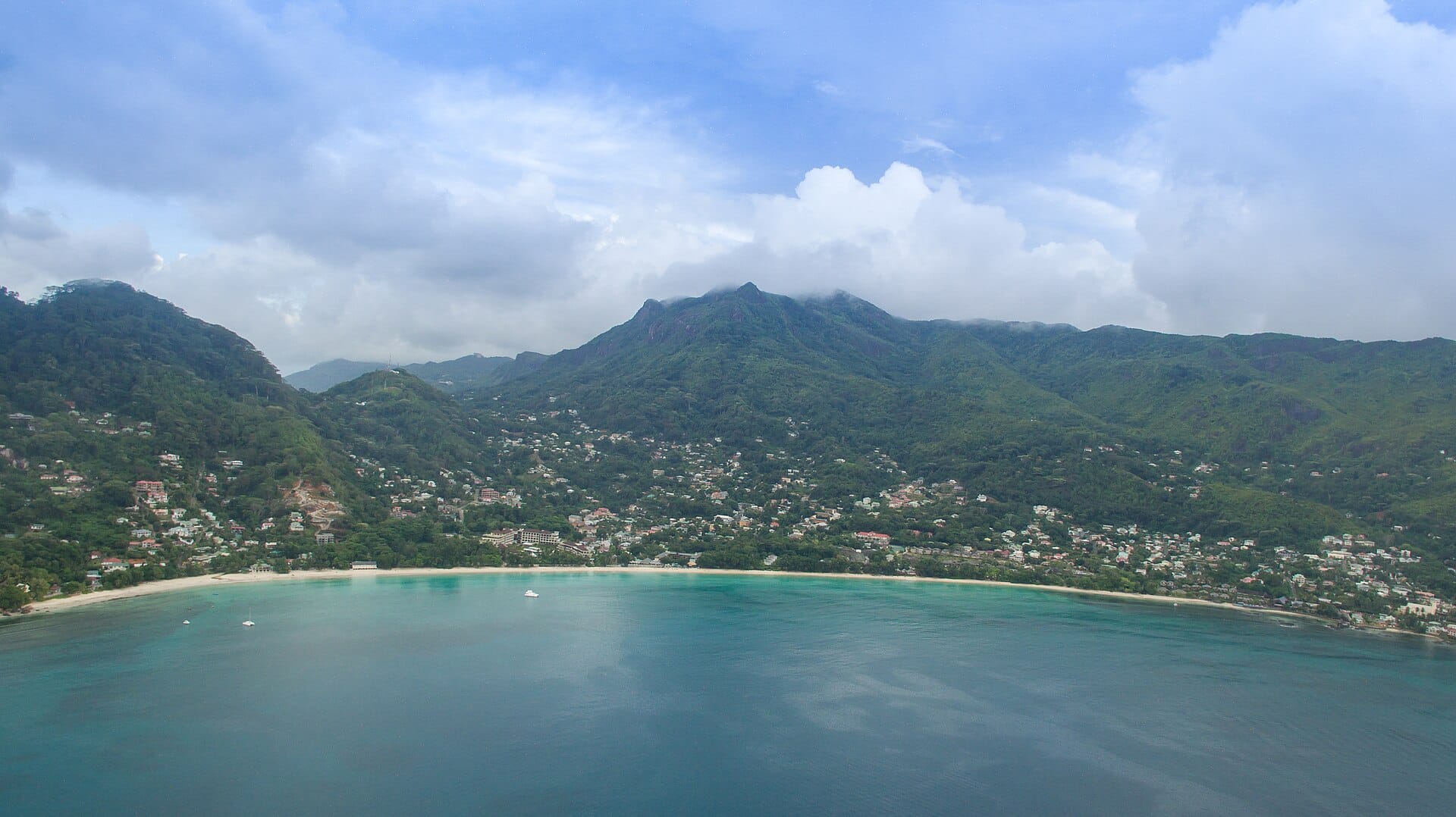
Morne Seychellois National Park covers a large part of the centre and north-west of the island, up to the archipelago's highest point at 905 metres. The Sans Souci road winds across it through rainforest, tree ferns and tea plantations. The most popular trails start here: Copolia, about an hour's climb, the steeper Morne Blanc, and the long, slippery ascent to the summit, best done with a guide. Set off before 9 am: clouds cling to the ridges by late morning and the humidity makes the rocks treacherous.

The west coast, from Port Launay to Anse Soleil

Less developed, the west coast alternates deep bays, mangroves and small coves. Port Launay Marine Park and Baie Ternay protect seagrass beds and reefs where turtles and parrotfish are regularly seen; visibility is best in April and May and in October and November, between the two monsoons. Further south, Anse Soleil and Anse Louis are small coves at the end of narrow roads. Allow about forty-five minutes' drive from Victoria via Sans Souci, and stay for sunset, as this side of the island faces west.

The south and its swell-exposed coves

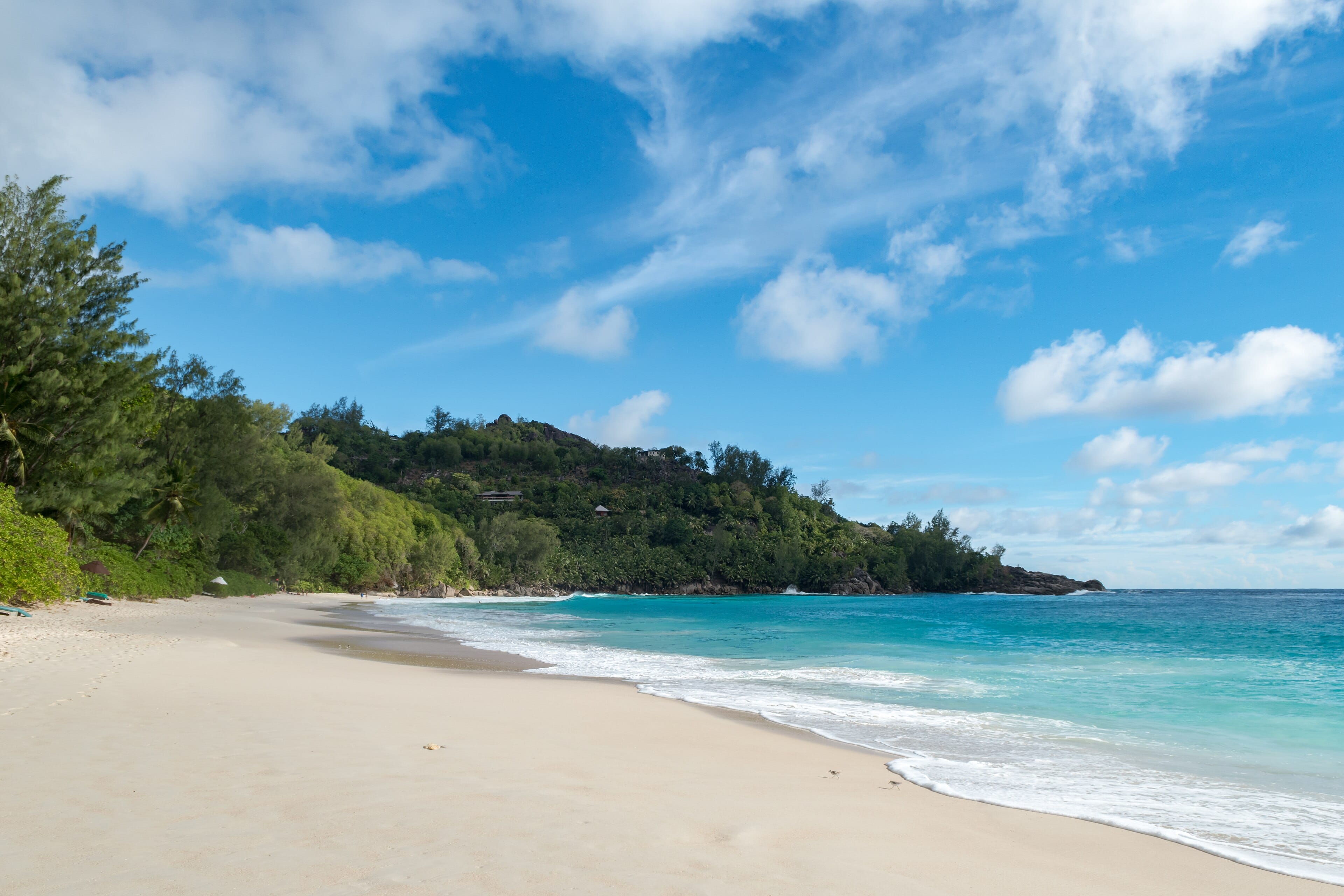
The south of Mahé is the wildest part of the island, with beaches lined by takamaka trees and few buildings. Anse Royale offers a sheltered lagoon ideal for snorkelling, while Anse Takamaka, Anse Intendance and Police Bay are pounded by the swell. From May to September, when the south-east trades blow, currents become dangerous and swimming should be avoided where there are no lifeguards. Allow a day by car to string the coves together, with a stop at the Jardin du Roi spice garden above Anse Royale.

The islets of Sainte Anne Marine Park

Facing Victoria, Sainte Anne Marine National Park, created in 1973, groups six reef-fringed islets: Sainte Anne, Moyenne, Round, Long, Cerf and Cachée. Day trips leave from Eden Island or Victoria harbour, often by glass-bottom boat, with a snorkelling stop and a Creole lunch on one of the islands. Moyenne is home to giant tortoises and a short nature trail, Cerf to a few beach restaurants. Book the day before in high season and favour high tide for snorkelling over the coral flats.

Cities to visit in Mahé

Featured destinations appear first.
Coming soon.

Mahé in pictures

Mahé's must-sees

Markets, trails, beaches and islets, all within an hour's drive or boat ride of one another.

Sir Selwyn Selwyn-Clarke Market

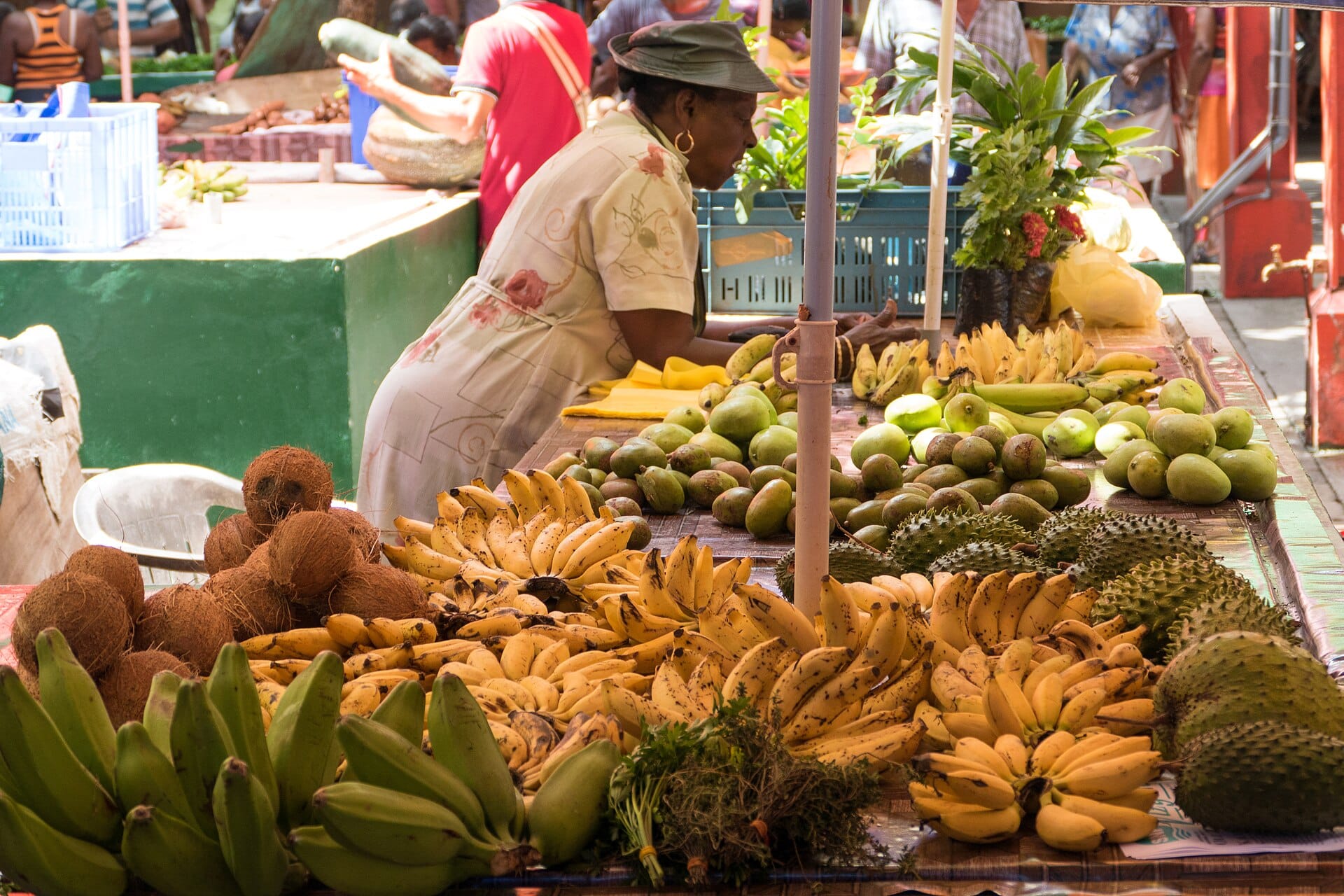
Victoria's covered market hall selling the day's catch, tropical fruit, spices, vanilla and chilli sauces. Activity peaks early on Saturday morning.

National Botanical Gardens

On the southern edge of Victoria, home to coco de mer palms, the emblem of the Seychelles, Aldabra giant tortoises and a collection of endemic plants.

Clock Tower

A small silver tower erected in 1903 at Victoria's central crossroads, called Lorloz in Creole, the capital's landmark and favourite meeting point.

Anse Major

An isolated cove in the north-west, reached by a coastal trail of about an hour over granite slabs, with no road or buildings and calm swimming outside swell.

Copolia trail

A forest climb of about an hour to a granite dome overlooking Victoria, Eden Island and the marine park islets. Marked path, slippery after rain.

Mission Ruins

Remains of a 19th-century school for the children of freed slaves, on the Sans Souci road, with a lookout over the west coast and Port Glaud.

Anse Intendance

A large palm-fringed beach in the south where turtles come to nest. Stunning to look at, but breakers and currents often rule out swimming.

Moyenne Island

An islet in Sainte Anne Marine Park long owned by a single resident, now a national park with giant tortoises, a forest trail and small beaches.

Jardin du Roi

A former spice plantation above Anse Royale: cinnamon, nutmeg, clove and vanilla along a self-guided trail, with a Creole restaurant and coastal views.

Frequently asked questions about Mahé

Beau Vallon or Anse Intendance: where to swim depending on the season?
From May to October, the south-east trades make the south coast dangerous: choose Beau Vallon and the sheltered north-west coast. From December to March the situation partly reverses, but Anse Intendance stays exposed to swell all year round and calls for great caution.
Can you drive around Mahé in a day?
Yes, the coastal road and the Sans Souci crossing can be looped in a day with stops, but driving on the left on narrow roads is slow. It is better to split it: one day for the south and its coves, another for the west coast and the mountains.
Do you need a guide to climb Morne Seychellois?
For the summit, yes: the trail is long, poorly marked in places and slippery, through forest often wrapped in cloud. Copolia and Morne Blanc, on the other hand, can be done without a guide, starting early with good shoes and water.
How do you get to Moyenne Island and Sainte Anne Marine Park?
On an organised trip from Eden Island or Victoria harbour, by glass-bottom boat or speedboat. Day outings usually combine snorkelling, a visit to Moyenne and a meal on an island. Park entrance fees are extra or included depending on the operator.
Is Mahé enough or should you also visit Praslin and La Digue?
Mahé alone justifies four to five days, but a first trip to the Seychelles benefits from adding Praslin, for the Vallée de Mai, and La Digue, for its granite beaches. The catamaran makes combining easy: allow at least three nights on each island.
Where can you see giant tortoises on Mahé?
At the National Botanical Gardens in Victoria, in an enclosure housing old Aldabra tortoises, and on Moyenne Island in Sainte Anne Marine Park, where they roam freely. Some hotels and the Jardin du Roi also keep a few.
What to buy at Victoria market?
Vanilla, cinnamon, nutmeg, local tea from the Sans Souci road and Creole chilli sauces are sold on the upstairs stalls and in nearby shops. Come early on Saturday for the atmosphere, and skip the fish hall in late morning.
Is it better to stay in Victoria or by the beach?
By the beach. Victoria has little accommodation and takes half a day to visit. Beau Vallon suits those after restaurants and diving, the south and west those after quiet, provided you rent a car, as buses are scarce in the evening.

Plan your trip to Mahé

Day-by-day itinerary, budget, bookings and packing in a single app.
Aperçu de l'application PlanTripNow