Skip to content

Masai Mara: when to go, what to see and how to plan

Less than an hour's flight from Nairobi, the Masai Mara is Kenya's most famous reserve. Its open plains, dotted with acacias, let you watch lions, cheetahs and leopards all year, and from July to October, the Mara River crossings by hundreds of thousands of wildebeest.

At a glance

Currency
Kenyan Shilling
Time difference
UTC+3
Visa
Required
Tourist stay of up to 90 days
7-day budget
€2,800
Per person, comfort profile, excluding international flights.

When to go to the Masai Mara?

From July to October, the great migration arrives from the Serengeti and the Mara River crossings draw the most visitors; the entry fee then rises to 200 dollars a day, against 100 dollars from January to June. January and February, dry and quieter, are very good for big cat viewing. The long rains fall from March to May.

When to visit Masai Mara

Temperatures, rainfall and crowds month by month, to pick your window.
When to visit Masai Mara
MonthTemperaturesRainCrowdsVerdict
January12 to 28 °C—ModerateShort dry season, 28 °C, plenty of resident wildlife and the lower entry fee.
February12 to 28 °C—ModerateHot and dry, good visibility, births among the grazers.
March12 to 27 °C—QuietThe long rains arrive, harder tracks, low rates.
April13 to 26 °C—Very quietHeart of the rainy season, some camps closed.
May13 to 25 °C—Very quietEnd of the rains, tall grass and few visitors.
June12 to 25 °C—ModerateStart of the dry and peak seasons, first herds may arrive.
July11 to 25 °C—PackedArrival of the great migration from Tanzania, entry fee doubled from July.
August11 to 25 °C—PackedPeak of the migration and the Mara River crossings, a very busy reserve.
September12 to 27 °C—PackedCrossings still frequent, golden light and cool nights.
October12 to 28 °C—BusyThe herds head back to the Serengeti, thinning crowds.
November12 to 27 °C—QuietShort rains, green landscapes and gentler camp rates.
December12 to 27 °C—ModerateDry weather returns, popular year-end holidays.
Source: Normales du Masai Mara via climatestotravel.com, page Kenya (minimales et maximales, période non précisée), moyennes calculées comme la demi-somme, relevé novembre 2026. Jours de pluie non publiés pour la réserve, laissés vides : grandes pluies de mars à mai, petites pluies en novembre. Altitude d'environ 1 500 à 2 100 m, nuits fraîches. Réserve intérieure, sans température de mer.

What to discover in the Masai Mara?

The national reserve and its big cats

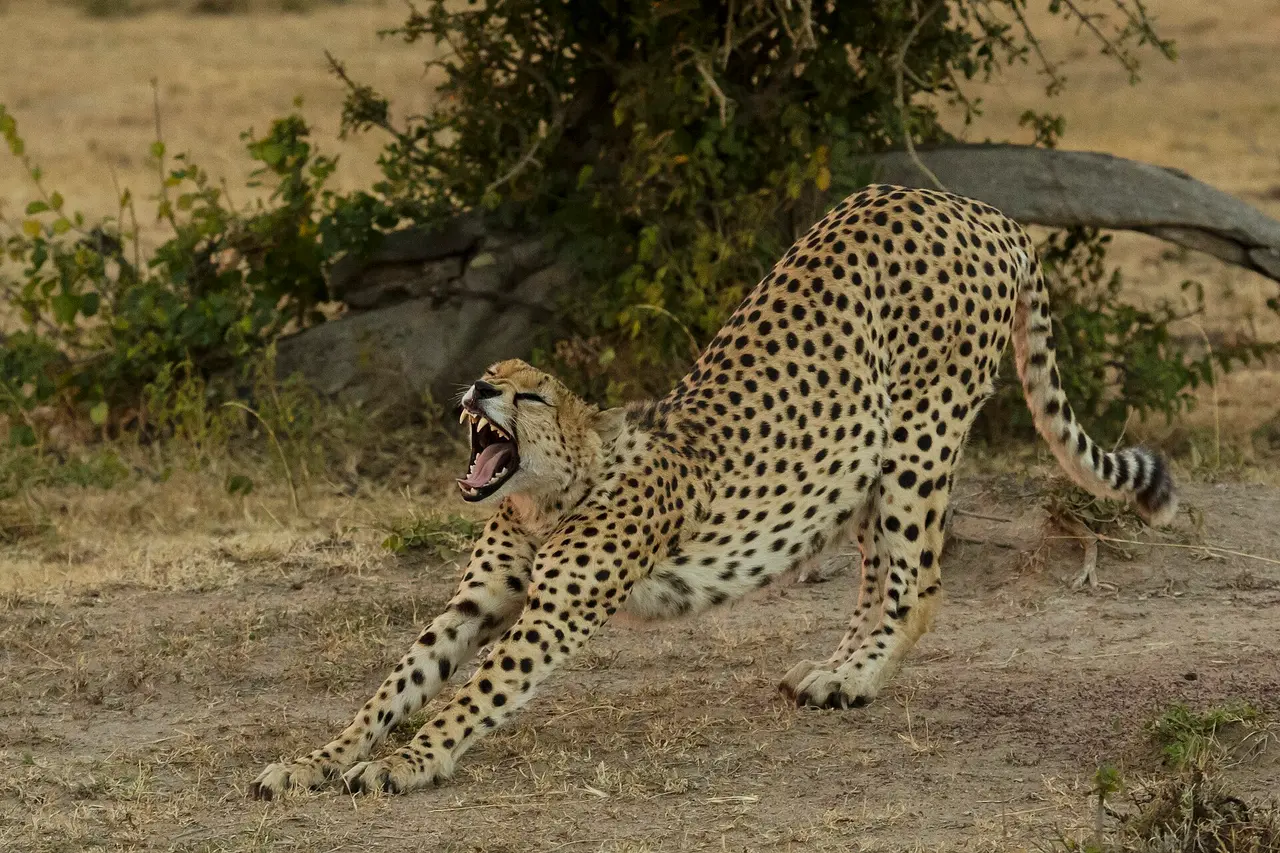
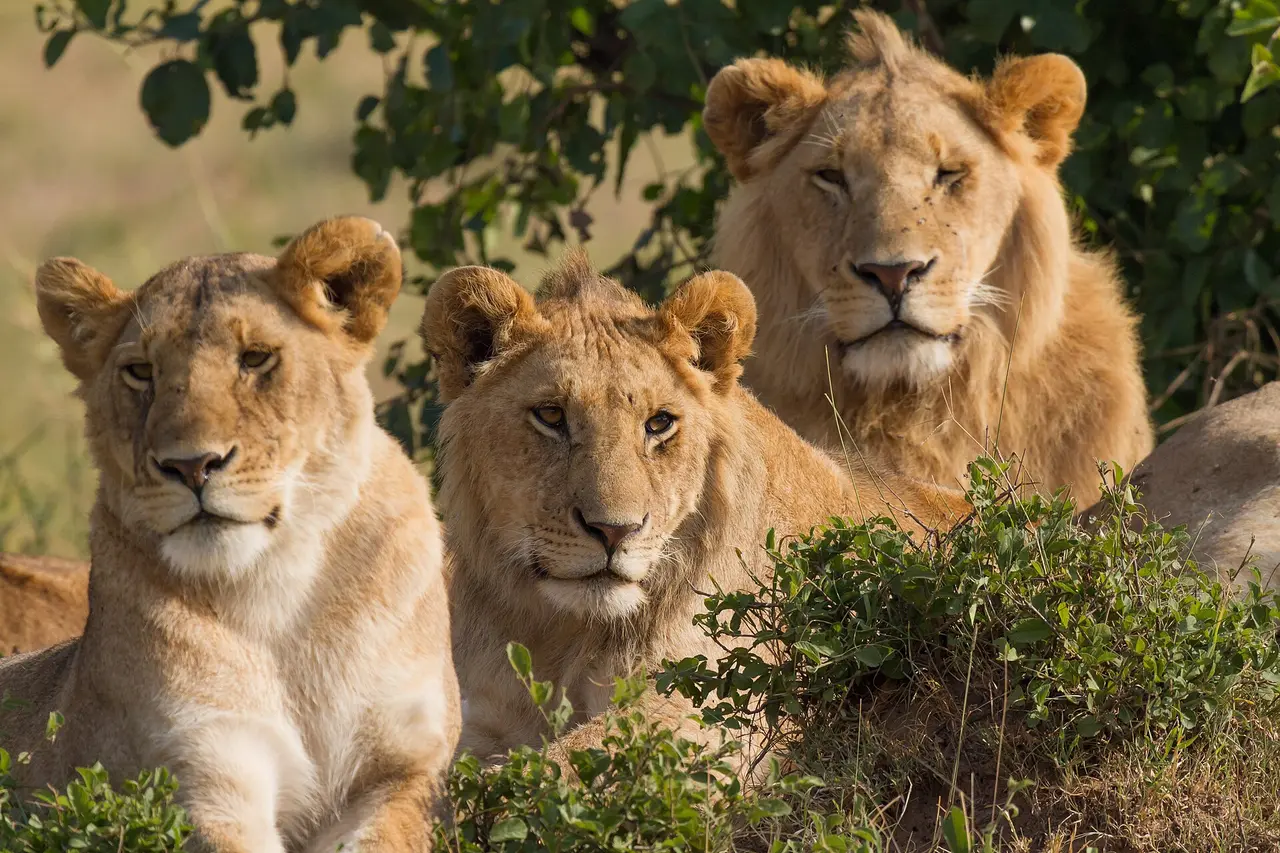
Created in 1961, the Masai Mara National Reserve covers about 1,500 km² of rolling savanna between the Oloololo escarpment and the Tanzanian border. Its wide open spaces make it one of the best places in Africa to see lions, often in large prides, cheetahs hunting and leopards along the rivers. Safaris are done by vehicle with a guide, in the morning and late afternoon, when animals are most active. The Mara Triangle sector, in the west and managed separately, is often less crowded.

The migration and the Mara crossings

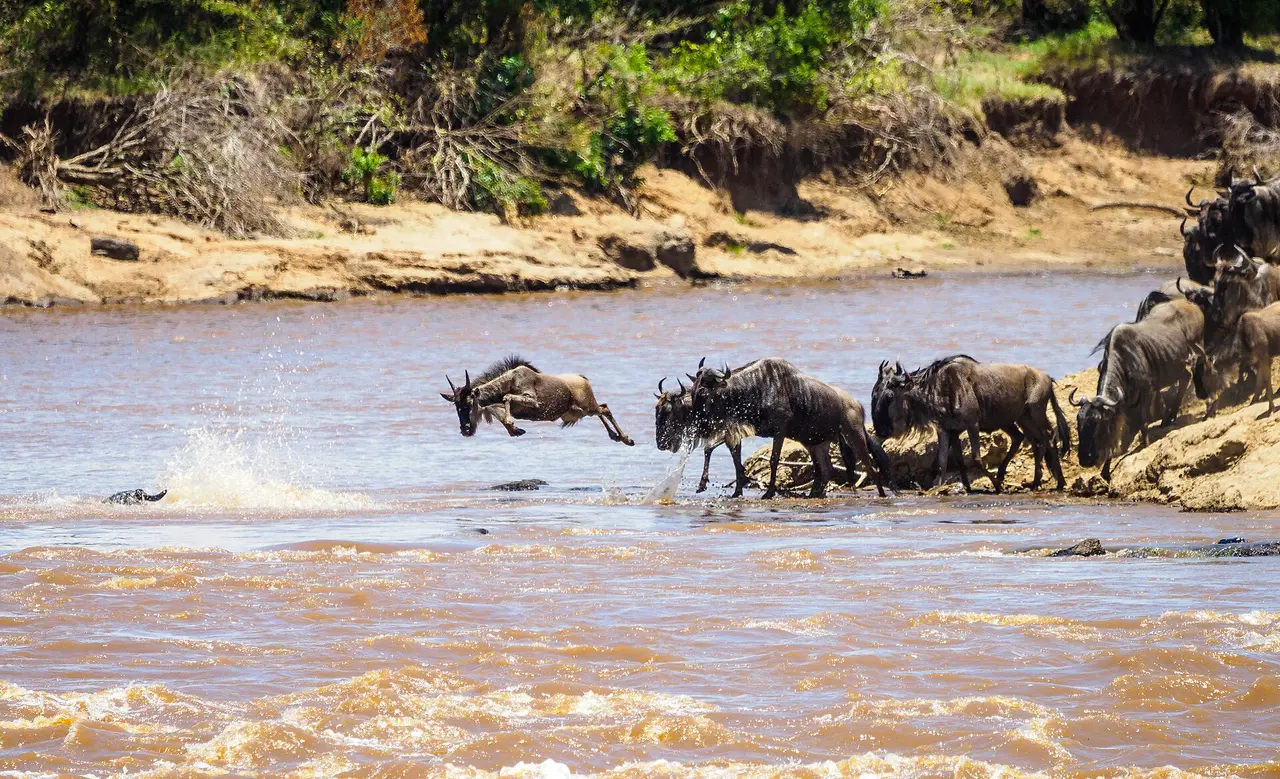
From July to October, wildebeest and zebras from the Serengeti repeatedly cross the Mara and Talek rivers, under threat from Nile crocodiles. Crossings are unpredictable: herds may hesitate for hours on the bank before plunging in. In peak season, many vehicles gather at crossing points; rangers manage the approach so as not to block the animals' path. The best crossing points lie in the north-west of the reserve, near the riverside camps, and patience is often rewarded.

The private conservancies

Around the reserve, conservancies leased from Maasai families, such as Naboisho, Olare Motorogi or Mara North, limit the number of vehicles and beds. They offer walking safaris with Maasai guides and night drives, both banned in the national reserve. Camps there are pricier, but the experience is far more intimate, away from the peak-season vehicle jams. Camp rates usually include meals, guided drives and sometimes park fees, which makes comparing offers easier.

Balloon flights and Maasai culture

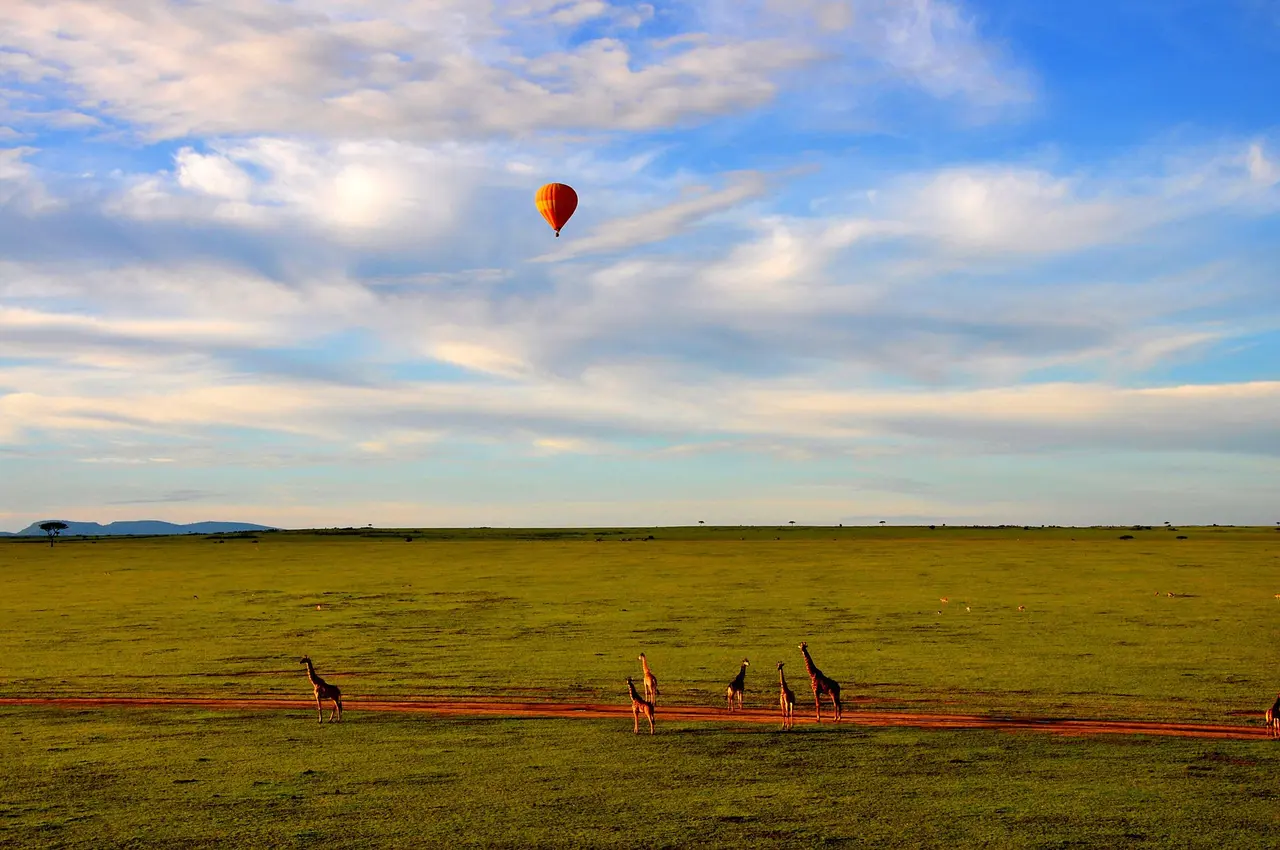
Balloon flights take off at dawn over the plains and end with breakfast in the savanna; they are often booked ahead in peak season. The Maasai still live around the reserve: village visits, arranged through your camp or a trusted guide, should benefit the community directly. Always ask before photographing anyone. Agree on the visit fee in advance, and allow a small tip for the dances and songs performed for visitors.

Combining it with the rest of Kenya

The Mara combines easily with the Rift Valley lakes, Naivasha and its hippos, Nakuru and its rhinos, on the way from Nairobi. Bush flights also link the reserve to Amboseli, at the foot of Kilimanjaro, or to the Indian Ocean coast to finish with a few beach days. Allow five to six hours by road between Nairobi and the reserve, or under an hour by plane. For a first trip to Kenya, a week is enough to combine the Mara and the Rift Valley.

Cities to visit in Masai Mara

Featured destinations appear first.
Coming soon.

How much it costs

Per person per day, excluding international travel.
Budget
205 €/ day
4 402 € for 2 people, 7 days, return flights included
Accommodation
35 €
Food
15 €
Local transport
55 €
Sights and activities
100 €
Comfort
400 €/ day
7 132 € for 2 people, 7 days, return flights included
Accommodation
150 €
Food
20 €
Local transport
90 €
Sights and activities
140 €
Premium
900 €/ day
14 132 € for 2 people, 7 days, return flights included
Accommodation
550 €
Food
30 €
Local transport
150 €
Sights and activities
170 €
Prices checked: Relevé novembre 2026, conversion 1 USD = 0,89 € (Wise, octobre 2026). Droit d'entrée de la réserve pour les non-résidents : 100 dollars par adulte et par jour de janvier à juin et 200 dollars de juillet à décembre 2026 (barème du comté de Narok rapporté par plusieurs opérateurs), moyenne retenue dans les activités. Coût d'un safari tout compris selon Imara Africa Safaris (2026) : 250 à 350 dollars par jour en budget, 350 à 600 dollars en milieu de gamme, 700 à 1 500 dollars et plus en camp de luxe, hors droits d'entrée. Tente ou chambre partagée à deux. Transport : minibus ou 4x4 depuis Nairobi, vol de brousse pour premium. Vol A/R Paris-Nairobi 766 € par personne (Kayak, moyenne sur 12 mois relevée le 12 octobre 2026), hors eTA de 30 dollars.

Entry, health and safety

For FR travellers

Entry requirements

Visa required

Autorisation électronique de voyage (eTA) obligatoire, à obtenir avant l'embarquement uniquement sur le site officiel etakenya.go.ke (France Diplomatie, fiche mise à jour le 25 septembre 2026). Tarif à partir de 30 USD en traitement normal, environ trois jours ouvrés, avec un supplément de 100 USD pour un traitement immédiat ; le site officiel conseille de déposer la demande au moins deux semaines avant le départ et rappelle qu'on ne peut voyager qu'une fois l'autorisation approuvée (tarifs et délais relevés le 12 octobre 2026). Séjour touristique jusqu'à trois mois, prolongeable de trois mois auprès du service de l'immigration pour 50 USD. Passeport valable au moins six mois avec au moins une page vierge. Le travail, même bénévole, sans permis est sanctionné et les contrôles sont fréquents.

Stay allowed for up to 90 days.

Passport valid for 6 months beyond your return date.

Health

Required: Fièvre jaune exigée uniquement pour les voyageurs venant d'un pays où la maladie est endémique ou y ayant transité plus de 12 heures.

Advised: Être à jour du calendrier vaccinal français (diphtérie, tétanos, poliomyélite, coqueluche, rougeole). Fièvre jaune fortement recommandée (maladie endémique au centre et à l'ouest du pays), dans un centre agréé au moins 10 jours avant le départ, avec carnet de vaccination international. Selon la durée et les conditions du séjour : hépatites A et B, fièvre typhoïde, méningite ACWY (surtout en saison sèche), rage, et pour les voyageurs exposés chikungunya, dengue et mpox ; tuberculose pour les enfants de moins de 15 ans.

Paludisme présent dans la région du Mara : protection contre les moustiques et traitement préventif à discuter avec un médecin. Kenya en vigilance renforcée sur l'essentiel du territoire, dont la région du Mara (France Diplomatie, zonage du 25 septembre 2026) ; zones formellement déconseillées le long de la frontière somalienne, loin de la réserve. Dans la réserve, rester dans le véhicule sauf zones autorisées et ne pas circuler de nuit, suivre les consignes des gardes. Route Nairobi-Narok dangereuse de nuit : préférer le vol de brousse ou un départ matinal. Urgences : 999 ou 112.
Safety

Increased caution

Emergency

999

Checked in novembre 2026 against the official source. Entry rules change: check the official source before you travel, it alone is authoritative.

Masai Mara in pictures

Photo credits : Danijel Mihajlovic, CC BY-SA 4.0, Wikimedia Commons ; Benh LIEU SONG, CC BY-SA 3.0, Wikimedia Commons ; Thomas Fuhrmann, CC BY-SA 4.0, Wikimedia Commons ; Wajahatmr, CC BY-SA 3.0, Wikimedia Commons ; Daniel Case, CC BY-SA 4.0, Wikimedia Commons ; Hobbyfotowiki, CC0, Wikimedia Commons

Masai Mara must-sees

Spectacles and experiences not to miss.

Mara River crossings

Wildebeest and zebras facing crocodiles, from July to October.

The Mara's lions

Large prides on the reserve's open plains.

Conservancies

Walking and night safaris with Maasai guides.

Balloon flight

Floating over the plains at sunrise.

Mara Triangle

The western sector of the reserve, below the Oloololo escarpment.

Practical information for the Masai Mara

Entry to Kenya
Electronic Travel Authorisation (eTA) required, from 30 dollars, only on the official etakenya.go.ke site; passport valid six months.
Entry fee
100 dollars a day from January to June, 200 dollars from July to December 2026, per non-resident adult.
Getting there
Paris-Nairobi flight around 770 euros, then a bush flight from Wilson airport or five to six hours by road.
Health
Malaria: mosquito protection and preventive treatment to discuss with a doctor.
Safety
Heightened vigilance in Kenya; avoid driving the Narok road at night and follow rangers' instructions.
Bookings
Camps near the crossing points should be booked months ahead for August and September.
Clothing
Neutral colours, a fleece for dawn drives, cool nights at 1,500 m and above.

Frequently asked questions about the Masai Mara

When to see the Mara River crossings?
Most often from July to October, peaking in August and September, but the timing varies each year with the rains. Allow at least three days on site to increase your chances of witnessing a crossing.
How much does a Masai Mara safari cost?
Allow about 205 euros per person per day on a budget safari from Nairobi, and 400 euros in a mid-range camp, park fees included and excluding flights. Conservancy camps often exceed 900 euros a day.
How many days should you stay in the Masai Mara?
Two nights are enough for a first safari, three to four during the migration. The drive from Nairobi takes half a day each way, which makes a bush flight worthwhile for a short stay.
National reserve or conservancy?
The reserve gives access to the Mara River crossing points but has vehicle jams in peak season. Conservancies, pricier, limit vehicles and allow walking and night safaris. Many travellers split their stay between both.
Masai Mara or Serengeti?
The Mara is smaller, easier to reach from Nairobi and ideal from July to October. The Serengeti, in Tanzania, is far larger and offers the migration all year depending on the area. The two can be combined by plane.

Plan your trip to Masai Mara

Day-by-day itinerary, budget, bookings and packing in a single app.
Aperçu de l'application PlanTripNow