Maui travel: what to do, when to go and how to plan the island

On Maui, a single day can start on the summit of a volcano over 3,000 meters high, under a freezing sky, and end on a warm beach watching whales spout. In between lie rainforests, waterfalls, ranching villages and crystal-clear bays.

Why choose Maui among the Hawaiian Islands?

In the 50th state of the United States, Maui packs into a single island a shield volcano you can drive up, Haleakala, a windward coast covered in rainforest and sheltered beaches to the south and west. It is also one of the best humpback whale watching spots in the archipelago between December and April.

What to discover on Maui, area by area?

Kahului, Wailuku and the central isthmus

Kahului airport sits on the flat isthmus linking the island's two volcanoes: every road starts here, less than an hour from most resort areas. Wailuku, the neighboring county seat, keeps a few historic buildings and opens onto the Iao Valley, about fifteen minutes away. Further south, Maalaea harbor is home to the Maui Ocean Center aquarium and many boat trip departures. Few people stay here, but everyone passes through.

The west: Lahaina, Kaanapali and Kapalua

The west coast is the sunniest and has the most hotels, from Kaanapali to Kapalua. Lahaina, a former whaling port and former capital of the Hawaiian Kingdom, was destroyed by the wildfire of August 8, 2023, which killed more than one hundred people. Rebuilding is under way and access to the burn zone remains controlled: pass through with respect, without turning the site into a photo backdrop. To the north, Honolua Bay offers snorkeling in summer and big surf in winter.

The south: Kihei, Wailea and Makena

Sheltered by Haleakala, the south is the driest part of Maui: rain is rare and the sea is often calm in the morning. Kihei is lined with modest-sized lodgings and family beaches, Wailea with resorts linked by a coastal path of about 2.5 km. Beyond, Makena and its large undeveloped beach mark the end of the built-up area. Further on, La Perouse Bay crosses a black lava flow. The wind often picks up in the early afternoon: swim early.

Upcountry: Kula, Makawao and Paia

On the slopes of the volcano, roughly between 500 and 1,200 meters above sea level, Upcountry lives to the rhythm of ranches, lavender farms and small distilleries. Makawao still looks like a town of Hawaiian cowboys, the paniolos, with a rodeo over the Fourth of July weekend. Kula, higher up, enjoys cool air and views of both coasts. Below, Paia is a colorful surf village and the gateway to the Road to Hana. Bring a sweater: it is noticeably cooler than by the sea.

The Haleakala summit

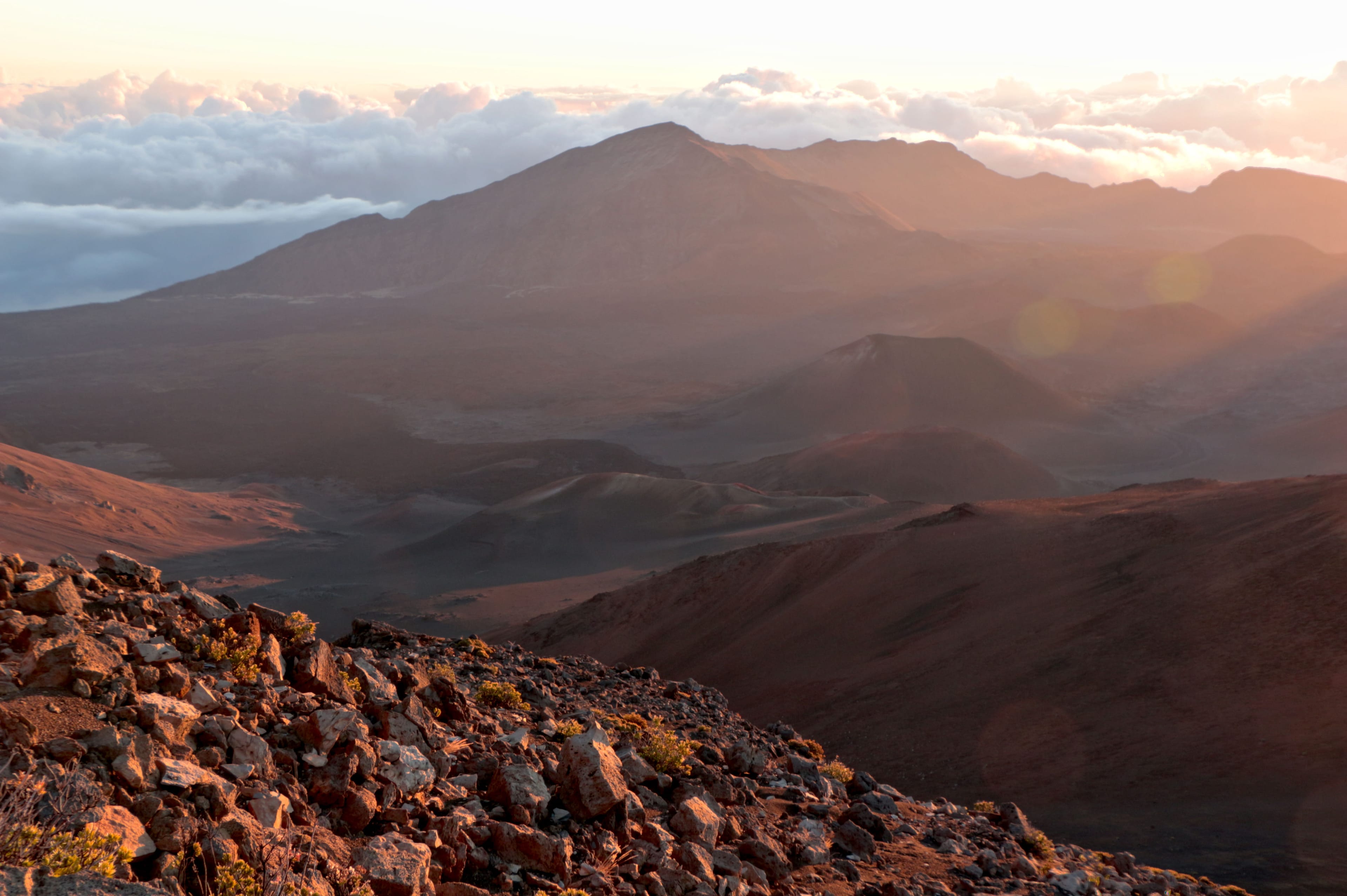
Haleakala National Park tops out at 3,055 meters, and the road up from Kahului takes about two hours. For sunrise, vehicle entry between 3 a.m. and 7 a.m. is by reservation only, on top of the park entrance fee. At the summit it is often close to freezing before dawn, with wind: a beanie and a down jacket are not overkill. In the afternoon, the Sliding Sands trail descends into the crater among cinder cones, but climbing back at this altitude is hard work.

The Road to Hana and East Maui

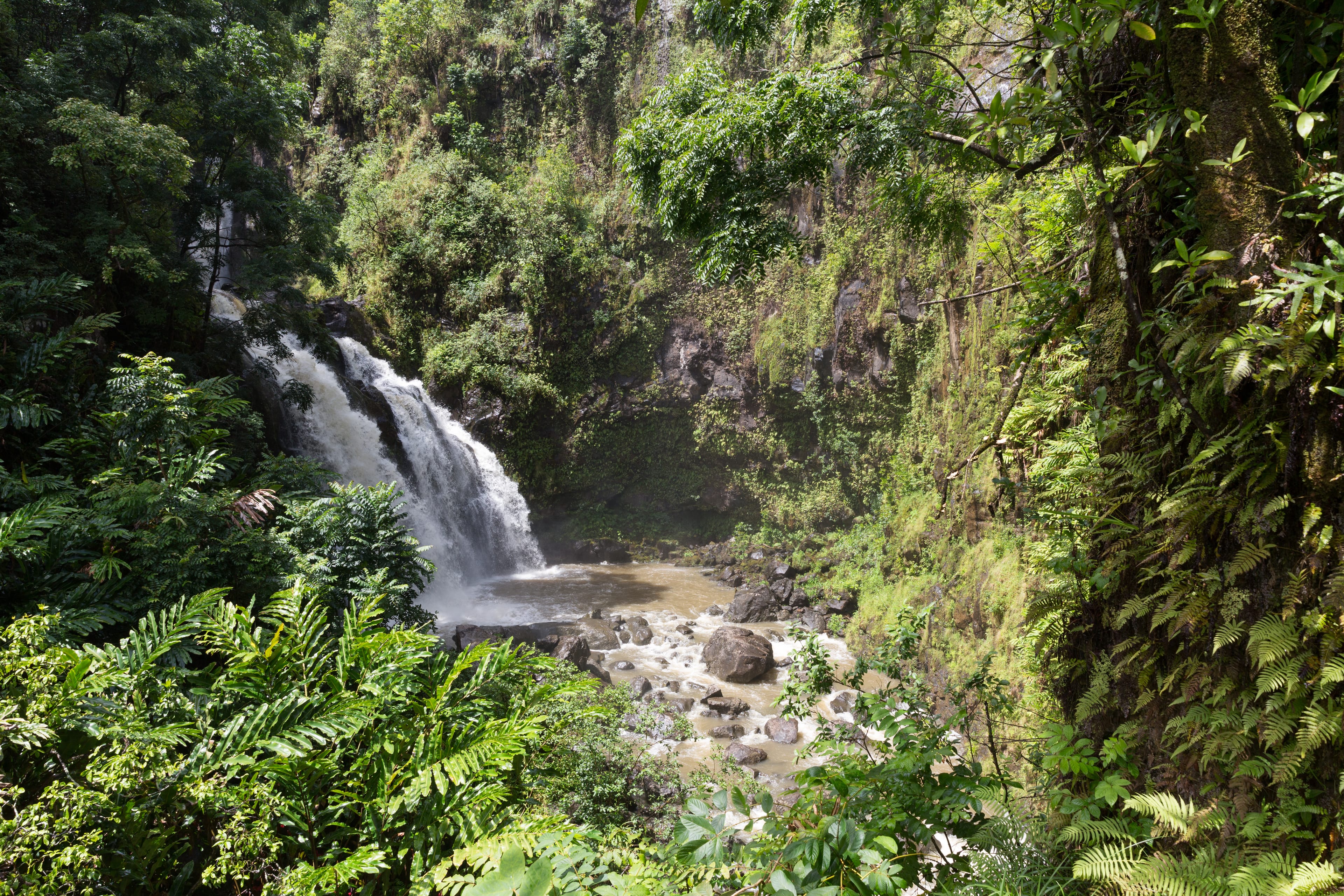
The Hana Highway winds for about 80 km along the windward coast, crossing more than fifty one-lane bridges between waterfalls, bamboo groves and ocean viewpoints. Allow a full day for the round trip, leaving before 8 a.m., and a night in Hana if possible to enjoy the east without rushing. Beyond Hana, the Kipahulu District of the national park is home to the Ohe'o pools. It rains a lot here: landslides and occasional closures are possible, and roadside parking is ticketed.

Molokini, offshore waters and whale season

The submerged crater of Molokini, about ten kilometers off the south coast, is reached by boat from Maalaea or Kihei for snorkeling in very clear water, ideally in the morning before the swell. From December to April, peaking from January to March, humpback whales come to calve in the shallow waters between Maui, Lanai and Molokai, protected by a national marine sanctuary. Whale watching trips last about two hours, and you often see them spout from the beach.
Cities to visit in Maui

Featured destinations appear first.
Coming soon.

Maui in pictures

Maui must-sees

From the volcano summit to the seabed, the sights that alone justify crossing the Pacific.

Haleakala sunrise

The sun rises over a sea of clouds from the summit of the volcano. A vehicle reservation is mandatory and warm clothes are essential for the pre-dawn wait.

Molokini Crater

A half-submerged volcanic crescent and marine reserve with very clear water. Morning boat trips to watch reef fish and sometimes sea turtles.

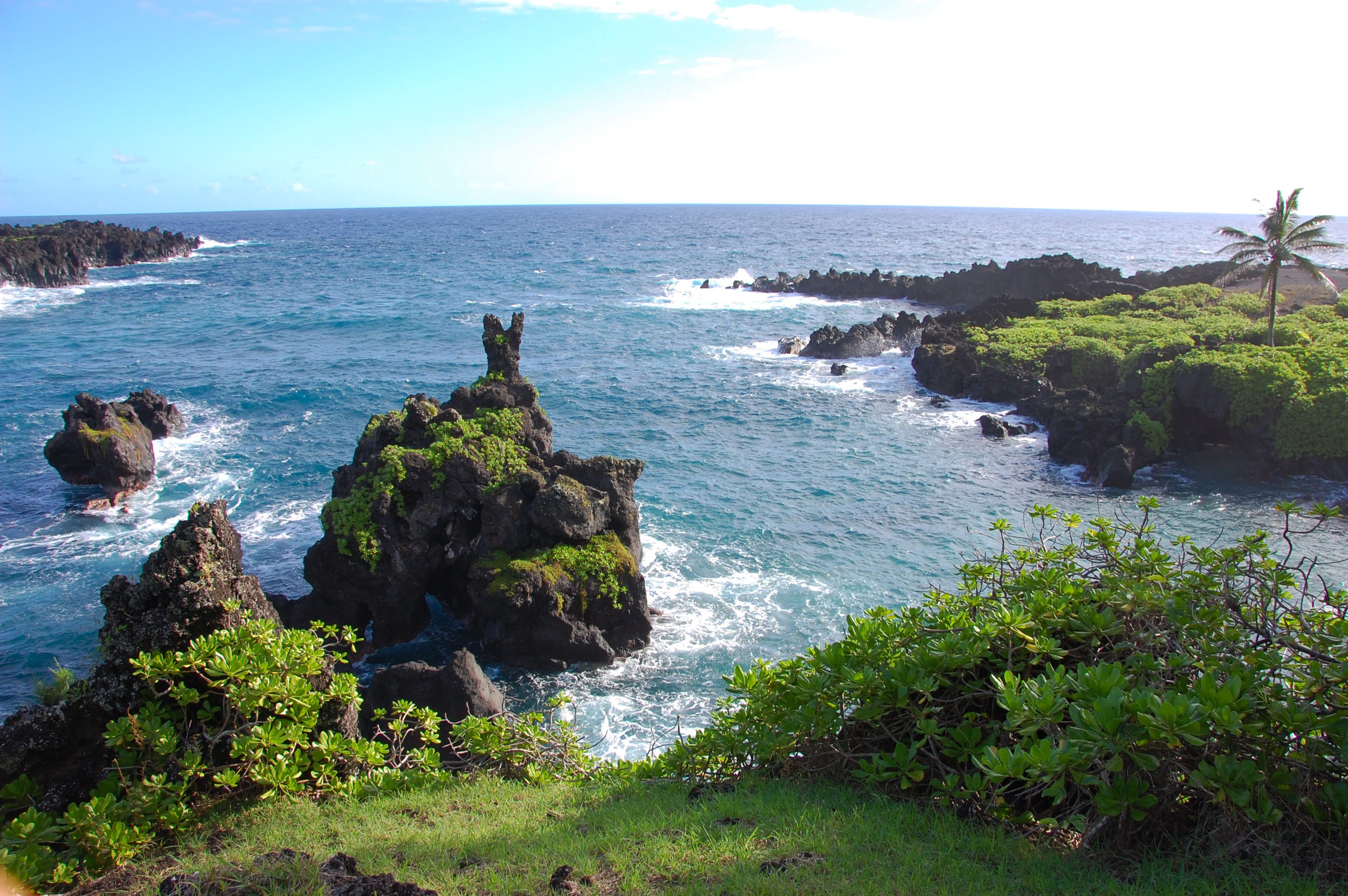
Waianapanapa State Park

Black sand beach, lava caves and sea arches on the Road to Hana. Reservations are mandatory for non-residents, covering entry and parking.

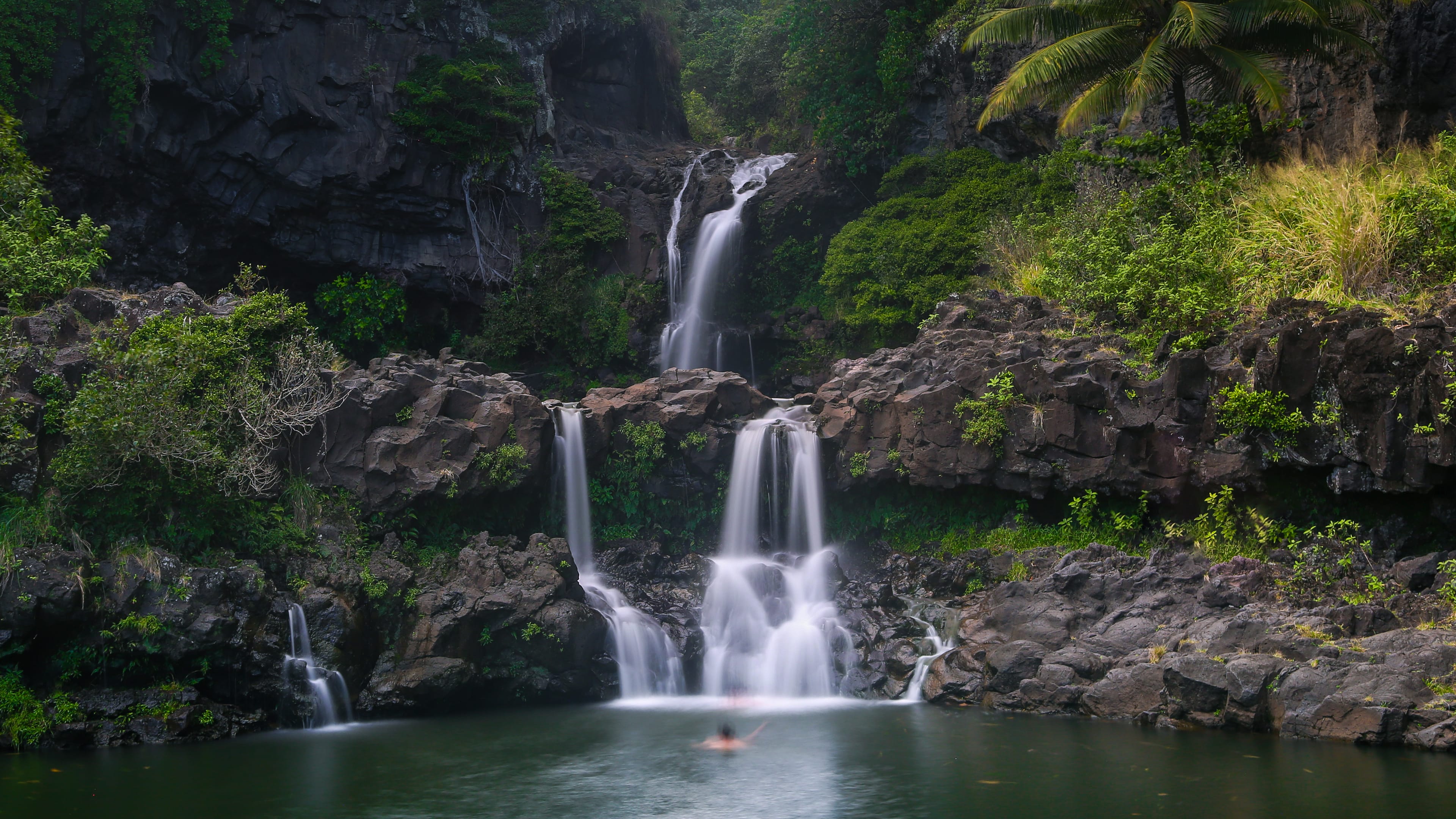
Ohe'o pools

A series of pools and waterfalls in the Kipahulu District of the national park, beyond Hana. Swimming depends on conditions and is often banned after rain.

Pipiwai Trail

A hike of about 6 km round trip through a forest of giant bamboo to Waimoku Falls, about 120 meters high. Allow two to three hours.

Iao Valley

Lush, rainy valley overlooked by the Iao Needle, a vegetation-covered pinnacle, site of a decisive battle in the unification of Hawaii in 1790.

Black Rock at Kaanapali

Lava headland at the end of Kaanapali Beach, known for snorkeling along the cliff and the traditional evening cliff dive from the rock.

Honolua Bay

Marine conservation area in the northwest of the island: coral reefs in summer, renowned surf breaks in winter. Reached by a short forest trail.

Hookipa Beach

World-famous windsurfing and surfing spot near Paia. In the late afternoon, green sea turtles often haul out to rest on the sand.

Big Beach at Makena

Long undeveloped golden beach in a southern state park. The shorebreak is powerful: swimming here is for strong swimmers only.

Frequently asked questions about Maui

How do I book the Haleakala sunrise?
On recreation.gov, one reservation per vehicle covers entry between 3 a.m. and 7 a.m. Slots open 60 days in advance and go fast; a small batch is released online two days before. Sunset, on the other hand, requires no reservation.
Can you visit Lahaina after the 2023 wildfire?
The west coast, Kaanapali and Kapalua welcome visitors again, and tourism is part of the economic recovery. The destroyed area of Lahaina is still being rebuilt with controlled access: check locally and avoid detours out of curiosity.
Should I stay overnight in Hana to drive the Road to Hana?
It is not required, but a night in Hana changes the experience: you enjoy the sights early in the morning and avoid driving the 80 km of curves back in the dark. Lodging there is scarce, so book well ahead.
Kihei, Wailea or Kaanapali: where to stay on Maui?
Kaanapali offers a lively beach and sunsets, but is far from Haleakala and Hana. Wailea is about large, quiet resorts, Kihei about simpler rentals. For a week, the south is the best base for exploring.
Can you see humpback whales from the beach on Maui?
Yes, from December to April it is common to see spouts and breaches from shore, especially on the south and west coasts facing Lanai. McGregor Point lookout, on the road to Lahaina, is well known for it.
Is the Piilani Highway in south Maui drivable?
It links Kipahulu to Upcountry along an arid coast, with narrow and sometimes rough sections. Some rental contracts exclude it. Check its condition before setting off and do not drive it at night.
How many days do you need on Maui?
Allow at least six days: one for Haleakala, one for the Road to Hana, one for Molokini, and the rest between beaches and Upcountry. With ten days, add a night in Hana and a trip to Lanai or Molokai.
Is it cold at the top of Haleakala?
Yes, temperatures before dawn are often close to freezing, sometimes below in winter, with wind that makes it feel colder. Bring a down jacket, beanie and gloves, even if you are staying at a beach hotel at 30 °C.
Can I take sand or lava rocks home from Maui?
It is strongly discouraged and, in national parks, prohibited. Hawaiians regard these as part of the land, and removing sand or rocks from beaches and protected sites can be penalized.

Plan your trip to Maui

Day-by-day itinerary, budget, bookings and packing in a single app.
Aperçu de l'application PlanTripNow