Skip to content

Scotland: when to go, what to see and how to plan

From Edinburgh's lanes to the cliffs of Skye, Scotland is best explored by car, on single-track roads lined with lochs, castles and heather moors. The weather changes several times a day, but that is also what gives the Highlands their light.
  • 1 city

At a glance

Currency
British Pound (£)
Time difference
UTC+0 (UTC+1 en été)
Visa
None
Tourist stay of up to 180 days
7-day budget
€1,260
Per person, comfort profile, excluding international flights.

What do you need to travel to Scotland?

Most visa-exempt visitors, including EU citizens, need a passport and a 20-pound Electronic Travel Authorisation (ETA), required since April 2025 and valid for two years, applied for on the official UK website. Direct flights link Paris to Edinburgh in 1 hour 45, around 140 euros return. May and September offer the best balance of weather, light and crowds, before and after the midges.

When to visit Scotland

Temperatures, rainfall and crowds month by month, to pick your window.
When to visit Scotland
MonthTemperaturesRainCrowdsVerdict
January1 to 6 °C14 dVery quietVery short days, 7 hours of light, snow on the peaks: a season for distilleries and pubs.
February1 to 7 °C12 dVery quietCold and damp, mountain roads sometimes closed; skiing in the Cairngorms.
March2 to 9 °C12 dVery quietDays lengthening fast, many attractions still on winter hours.
April3 to 12 °C10 dQuietA cool spring, lambs in the glens and few people on Skye.
May6 to 14 °C11 dModerateOften the driest month, 14 °C and up to 17 hours of daylight, before the midges.
June9 to 17 °C12 dBusyAlmost white nights in the north, but the first midges in the Highlands.
July11 to 19 °C11 dPackedThe mildest month, 19 °C, busy Skye and west coast roads, midges active.
August10 to 18 °C12 dPackedEdinburgh's festivals and Highland Games: a unique atmosphere but sky-high lodging.
September8 to 16 °C12 dModeratePurple heather, thinning crowds and golden light: a very good compromise.
October5 to 12 °C14 dQuietAutumn colours and the red deer rut, more frequent rain and wind.
November3 to 9 °C13 dVery quietGrey and windy, many seasonal closures on the islands.
December0 to 6 °C14 dQuietChristmas markets then Hogmanay in Edinburgh, 31 December in high demand.
Source: Normales d'Inverness (Highlands) via climatestotravel.com, période non précisée par la source, relevé novembre 2026 ; Édimbourg est 1 °C plus doux en hiver et un peu moins pluvieux, la côte ouest et les îles nettement plus arrosées. Température de la mer au large d'Inverness, même source.

What to discover in Scotland?

Edinburgh, two listed towns

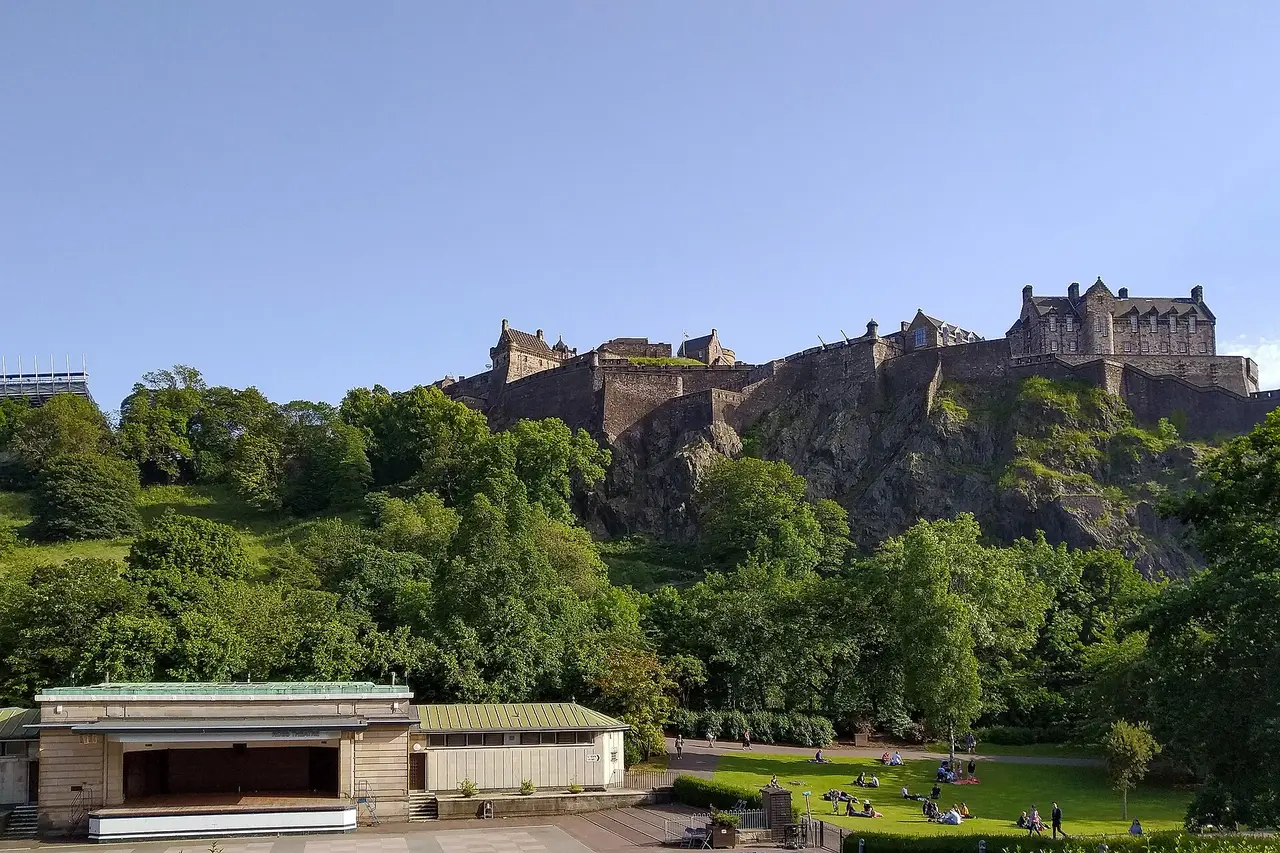
The medieval Old Town, perched on its volcanic ridge, and the 18th-century Georgian New Town have been UNESCO-listed together since 1995. The Royal Mile runs down from the castle to the Palace of Holyroodhouse, the royal residence in Scotland. Arthur's Seat, a 251 m former volcano, is climbed in an hour from the centre. In August, the Fringe turns the city into a vast stage, but hotel prices double. Since July 2026, a 5% visitor levy is added to overnight stays.

The Highlands, from Glencoe to Loch Ness

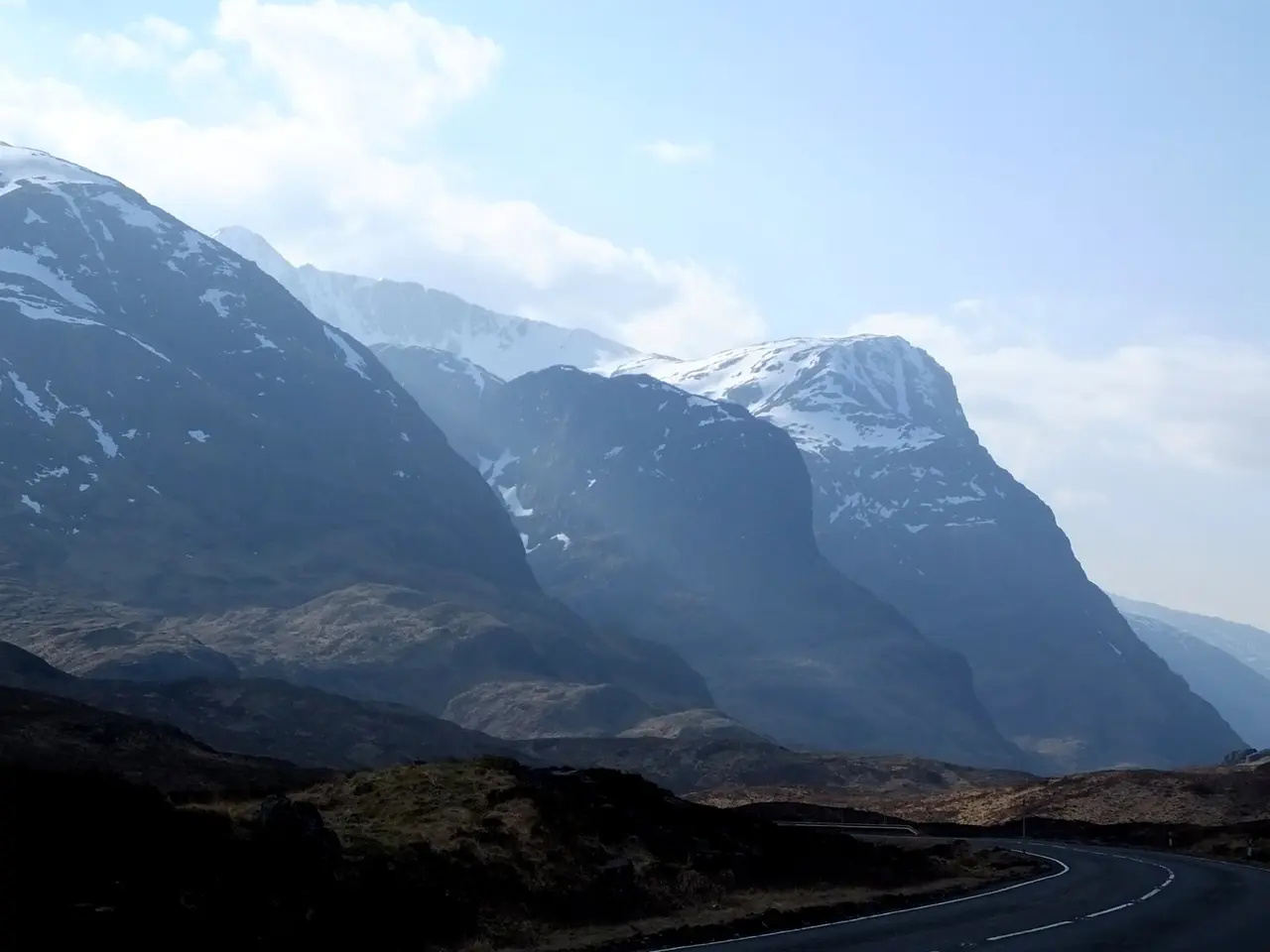
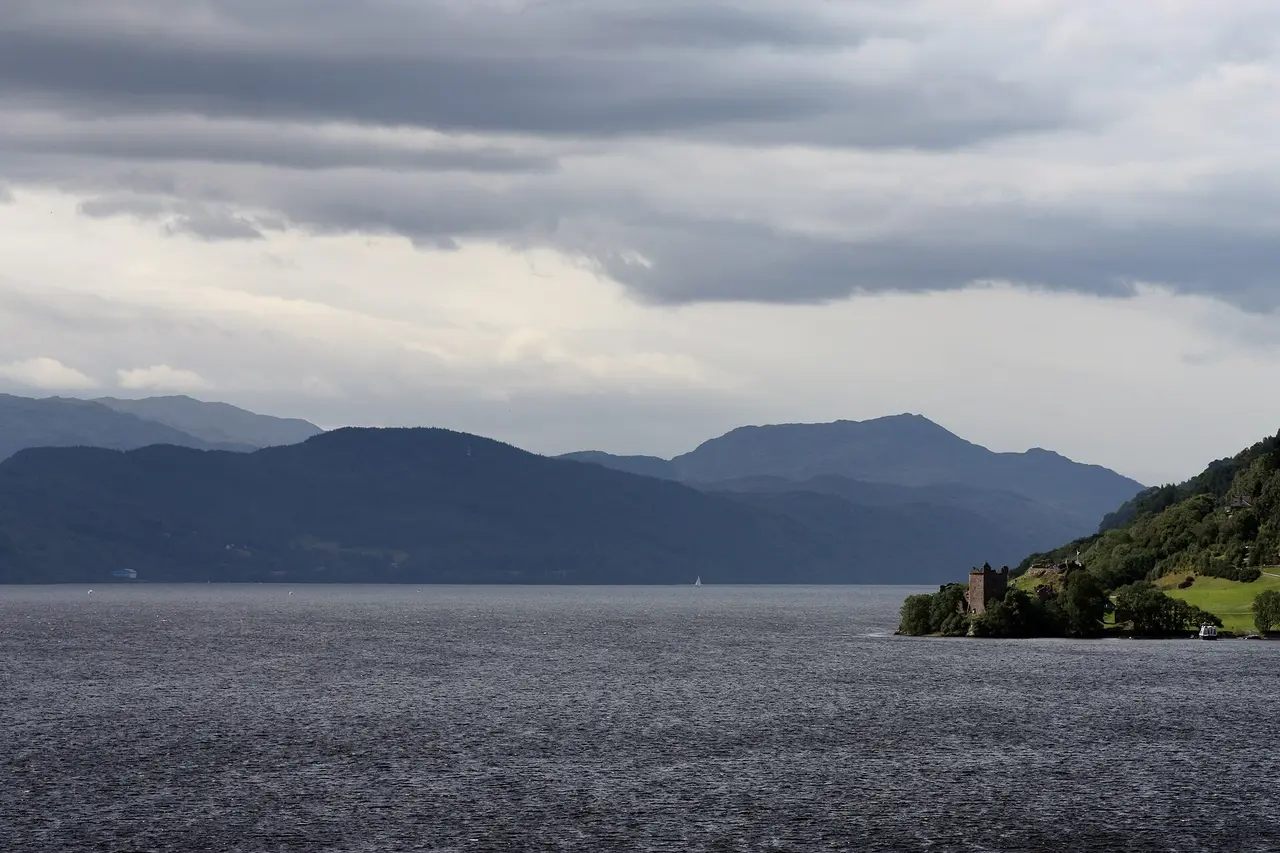
North of the fault line crossing the country, the Highlands line up bare mountains, deep glens and lochs. Glencoe, between the peaks of the Three Sisters, is one of the most spectacular drives in the country. Fort William, at the foot of Ben Nevis, the UK's highest peak at 1,345 m, is the hikers' base. Loch Ness, 37 km long and 230 m deep, is best seen from the ruins of Urquhart Castle.

The Isle of Skye and the west coast

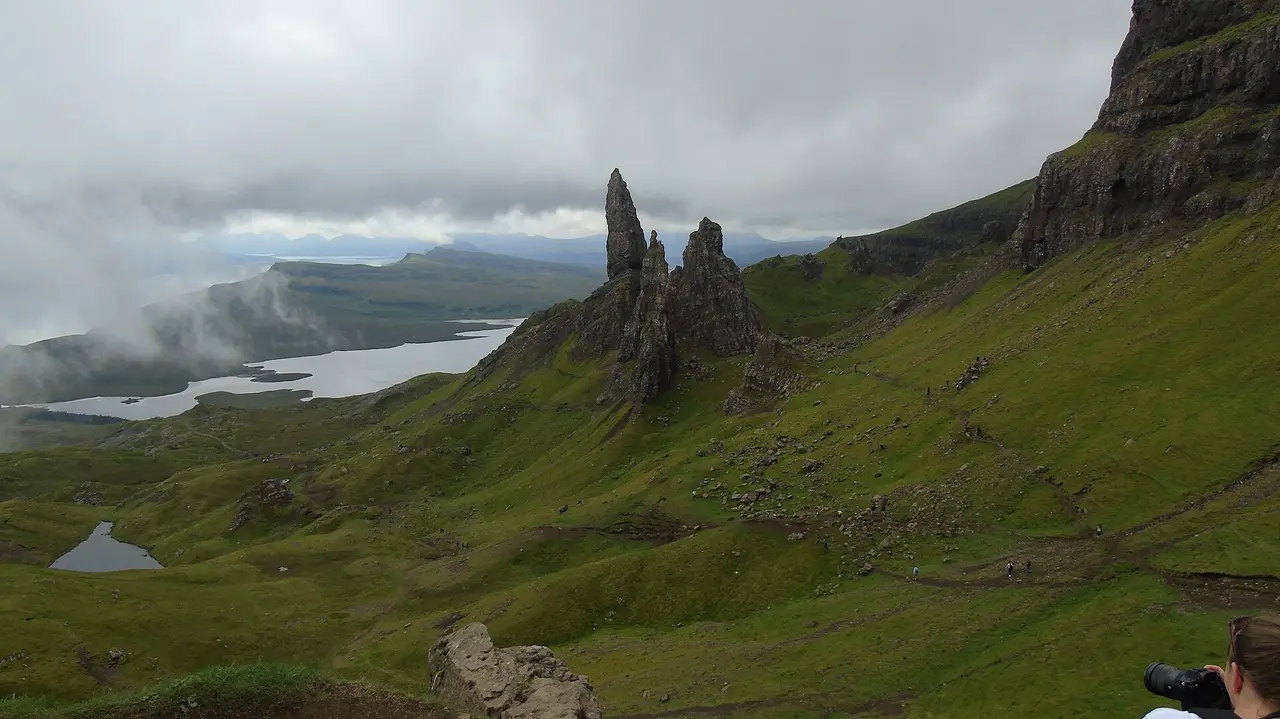
Linked to the mainland by a bridge since 1995, Skye has Scotland's most photographed landscapes: the Old Man of Storr pinnacle, the Quiraing landslips, the Fairy Pools below the Cuillin. Further south, the 21-arch Glenfinnan viaduct of 1901 sees the Jacobite steam train pass in season between Fort William and Mallaig. Book lodging on Skye several months ahead for summer.

Whisky and distilleries

Scotland has more than 150 working distilleries, around fifty of them in Speyside, the Spey valley in the north-east. Most offer one-hour tours with tastings, to book in summer. Islay, on the west coast, produces renowned peaty whiskies and is reached by ferry from Kennacraig. Drivers can ask for a kit to take their tasting away and enjoy it in the evening.

Further roads and islands

The North Coast 500, a loop of about 830 km from Inverness, follows the wild northern and western coasts; allow at least five days. The Outer Hebrides hide white sand beaches and stone circles such as Callanish. Further north, Orkney preserves the Neolithic village of Skara Brae, older than the pyramids of Giza. Thanks to Scotland's right to roam, you can walk and wild camp on most land, responsibly.

Cities to visit in Scotland

Featured destinations appear first.

How much it costs

Per person per day, excluding international travel.
Budget
97 €/ day
1 638 € for 2 people, 7 days, return flights included
Accommodation
35 €
Food
30 €
Local transport
20 €
Sights and activities
12 €
Comfort
180 €/ day
2 800 € for 2 people, 7 days, return flights included
Accommodation
70 €
Food
50 €
Local transport
35 €
Sights and activities
25 €
Premium
360 €/ day
5 320 € for 2 people, 7 days, return flights included
Accommodation
160 €
Food
90 €
Local transport
50 €
Sights and activities
60 €
Prices checked: Relevé novembre 2026, conversion GBP-EUR à environ 1,16. Hébergement : B&B des Highlands de 90 à 150 livres la chambre (guides de budget 2025-2026, annonces VisitScotland de 120 à 210 livres à Applecross), auberges de jeunesse pour le profil backpacker ; taxe de séjour de 5 % à Édimbourg depuis le 24 juillet 2026 (conseil municipal d'Édimbourg), plafonnée à cinq nuits. Chambre partagée à deux pour comfort et premium. Transport : cars Citylink et trains pour backpacker, voiture de location partagée à deux pour comfort et premium. Activités : château d'Édimbourg, visites de distilleries, excursions sur Skye. Vol A/R Paris-Édimbourg 140 € par personne (Liligo 138 € sur 3 mois, ou-et-quand.net 142 € en octobre 2026). Hors août, quand Édimbourg double ses prix.

Entry, health and safety

For FR travellers

Entry requirements

No visa for a tourist stay

Pas de visa pour un séjour touristique ou familial de 6 mois maximum, mais une autorisation électronique de voyage (ETA) est obligatoire avant le départ depuis le 2 avril 2025. Elle coûte 20 GBP, se demande en ligne ou via l'application officielle du gouvernement britannique, autorise des entrées multiples de 6 mois maximum et reste valable deux ans ou jusqu'à l'expiration du passeport. La carte nationale d'identité n'est plus acceptée, le passeport est exigé.

Stay allowed for up to 180 days.

Health

Royaume-Uni en vigilance normale. Dans les Highlands, météo très changeante même en été : vêtements imperméables et chauds, itinéraire communiqué avant toute randonnée en montagne. Moucherons piqueurs (midges) de juin à septembre sur la côte ouest et les îles : répulsif adapté. Conduite à gauche et nombreuses routes à voie unique avec aires de croisement. Tiques dans la lande. Urgences : 999 ou 112.

Safety

Normal precautions

Emergency

999

Checked in novembre 2026 against the official source. Entry rules change: check the official source before you travel, it alone is authoritative.

Scotland in pictures

Photo credits : sylvia duckworth, CC BY-SA 2.0, Wikimedia Commons ; Terence wiki, CC BY-SA 4.0, Wikimedia Commons ; Syxaxis Photography, CC BY-SA 4.0, Wikimedia Commons ; Eusebius, CC BY 3.0, Wikimedia Commons ; Daniel Kraft, CC BY-SA 3.0, Wikimedia Commons ; Lauren, CC BY-SA 2.0, Wikimedia Commons ; Diliff, CC BY-SA 3.0, Wikimedia Commons

Scotland's must-sees

Cities, landscapes and sites not to miss.

Edinburgh Castle

A fortress on a volcanic rock overlooking the capital.

Glencoe

A steep-sided valley between the Three Sisters peaks.

Old Man of Storr

The iconic rock pinnacle of northern Skye.

Urquhart Castle

Ruins on the shore of Loch Ness.

Glenfinnan Viaduct

A 21-arch railway bridge by Loch Shiel.

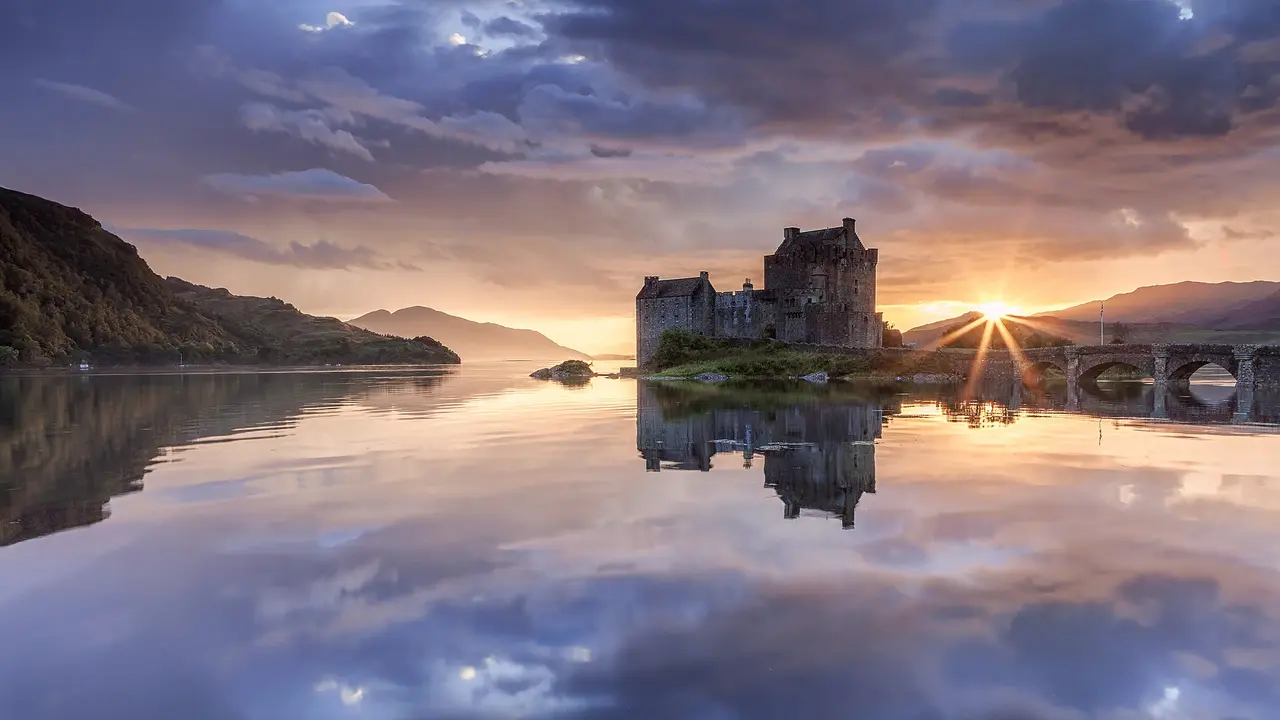
Eilean Donan Castle

A castle on an islet where three lochs meet.

Practical information for Scotland

Entry
Passport and 20-pound ETA, valid two years, for visa-exempt visitors including EU citizens; ID cards refused except in special cases.
Getting there
Direct flights from Paris to Edinburgh or Glasgow, about 1 hour 45, around 140 euros return.
Driving
On the left, often on single-track roads: pull into passing places to let others by.
Midges
Biting midges from June to September on the west coast: specific repellent or a head net.
Weather
Rain possible every month, especially in the west: layers and a waterproof jacket, even in July.
Visitor levy
5% on overnight stays in Edinburgh since 24 July 2026, capped at five nights.
Currency
Pound sterling; cards accepted almost everywhere, including small villages.
Daylight
Up to 18 hours of daylight in June in the north, barely 7 hours in December.

Frequently asked questions about Scotland

What is the best time to visit Scotland?
May and September combine long days, often drier weather and few midges. July and August are the mildest but the busiest and priciest, especially in Edinburgh during the festivals. Winter brings very short days.
Do you need an ETA to visit Scotland?
Yes. Scotland is part of the United Kingdom: visa-exempt visitors such as French and other EU citizens need a passport and a 20-pound Electronic Travel Authorisation, applied for online or on the official UK ETA app before departure.
How many days do you need for Scotland?
A week lets you combine Edinburgh, the Highlands, Loch Ness and the Isle of Skye by car. Allow ten days to two weeks to add the North Coast 500 or the Hebrides.
Can you visit Scotland without a car?
Yes for Edinburgh, Glasgow, Inverness and Fort William, well linked by train and Citylink coaches. Organised tours serve Skye and Loch Ness. For single-track roads and the islands, a car remains far more flexible.
What budget should you plan for Scotland?
About 95 euros per person per day in hostels with buses, and 180 euros in a B&B with a rental car, excluding flights. Prices rise sharply in August in Edinburgh and on Skye, where you need to book early.
How do you avoid midges?
Favour May or September, windy spots and the middle of the day; midges are most active at dawn, dusk and in calm, damp weather. A specific repellent and a head net are usually enough.

Plan your trip to Scotland

Day-by-day itinerary, budget, bookings and packing in a single app.
Aperçu de l'application PlanTripNow