Skip to content

Plan a trip to the United Kingdom: when to go, budget and itineraries

Four nations within one border: London and its free museums, the stone villages of the Cotswolds, the lochs and the Isle of Skye in Scotland, the mountains of Wales. An expensive but dense country, best seen by train, where English is enough and it rains less than its reputation suggests.
  • 6 cities · 12 regions

At a glance

Currency
British Pound (£)
Time difference
UTC+0
Visa
None
Tourist stay of up to 180 days
7-day budget
€1,218
Per person, comfort profile, excluding international flights.

Why visit the United Kingdom?

The United Kingdom packs a world-class capital, a tended countryside, two mountain regions and a rugged coast into a compact territory, all linked by a dense rail network. The national museums are free, English as a lingua franca smooths everything, and from France the Eurostar puts continental Europe less than three hours from London.

When to visit United Kingdom

Temperatures, rainfall and crowds month by month, to pick your window.
When to visit United Kingdom
MonthTemperaturesRainCrowdsVerdict
January3 to 8 °C12 dQuietThe quietest month once the holidays are over, cheap hotels but very short, often grey days.
February3 to 9 °C10 dQuietStill winter and its damp cold, but the light returns and the free museums are empty.
March4 to 12 °C8 dModerateThe least rainy month of the year, parks full of daffodils, still reasonable prices outside the Easter weekend.
April6 to 15 °C9 dBusyReal spring and spectacular gardens, but Easter pushes crowds and prices up sharply.
May9 to 18 °C8 dBusyThe best window: long days, mild warmth, open terraces and crowds still manageable.
June12 to 22 °C8 dBusyDaylight until 10pm, festivals everywhere, book early because the city fills up fast.
July14 to 24 °C8 dPackedPeak visitor numbers with the school holidays, queues everywhere and hotel prices at their highest.
August14 to 23 °C8 dPackedCrowded and sometimes muggy, but the Notting Hill carnival is worth it in late August.
September12 to 20 °C8 dBusyAn ideal late season, still mild and bright, crowds drop off as soon as school resumes.
October9 to 16 °C11 dModerateAutumn colours in the royal parks and good value, except the late-October half-term week.
November5 to 12 °C11 dQuietThe darkest month and one of the wettest, but the Christmas lights are already switching on.
December3 to 9 °C11 dBusyChristmas markets, ice rinks and shop windows are worth the cold, but everything empties out after the 26th.
Source: Cadré sur Londres et le sud de l'Angleterre, zone d'entrée de la quasi-totalité des visiteurs. Normales 1991-2020 Met Office (station Heathrow) recoupées avec Climatestotravel (Londres), relevé septembre 2026. Le nord de l'Écosse est plus frais et plus humide.

What to see in the United Kingdom?

London and its region

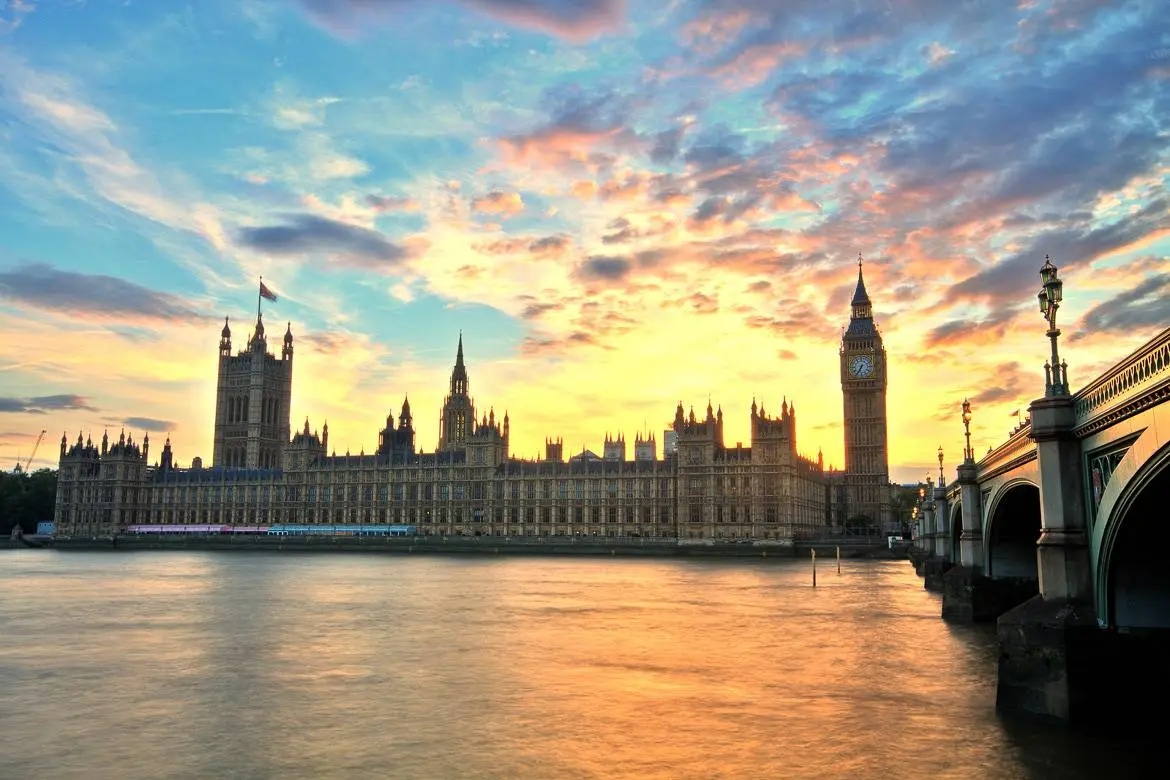
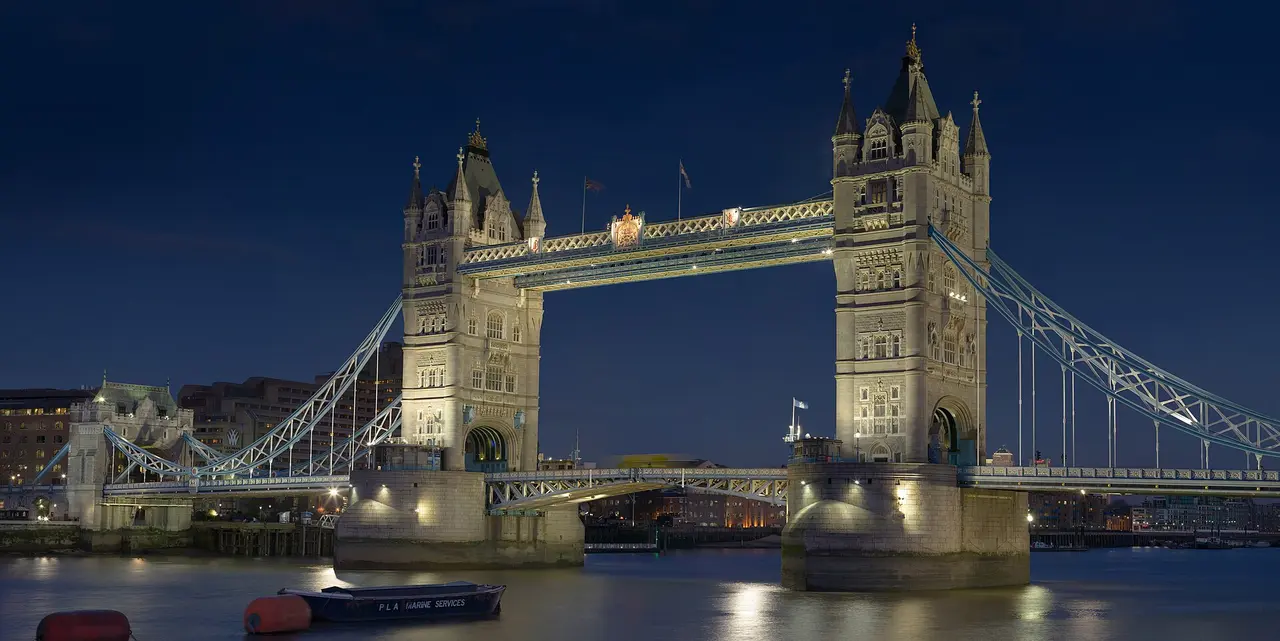
Allow at least three full days for the capital: one around Westminster and the Thames, one for museums (British Museum, National Gallery, Tate Modern, all free), one for a neighbourhood such as Shoreditch, Greenwich or Notting Hill. The daily transport cap comes to about 10 EUR in zones 1-2. Windsor, Oxford and Cambridge are day trips under an hour away by train.

The south-west: Cotswolds, Bath and the coast

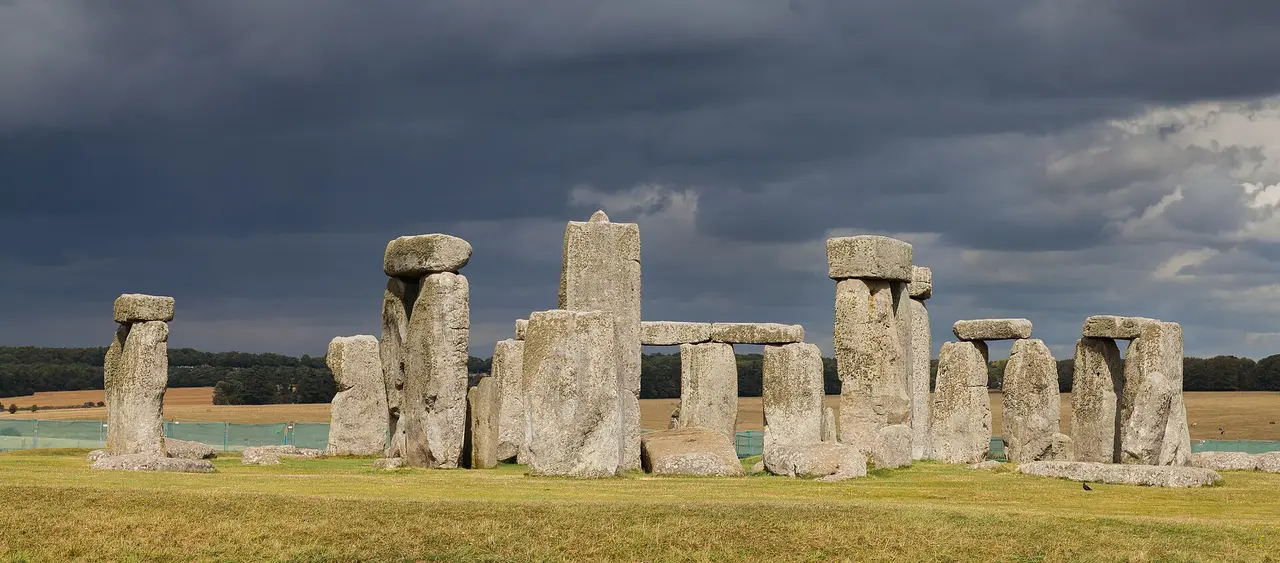
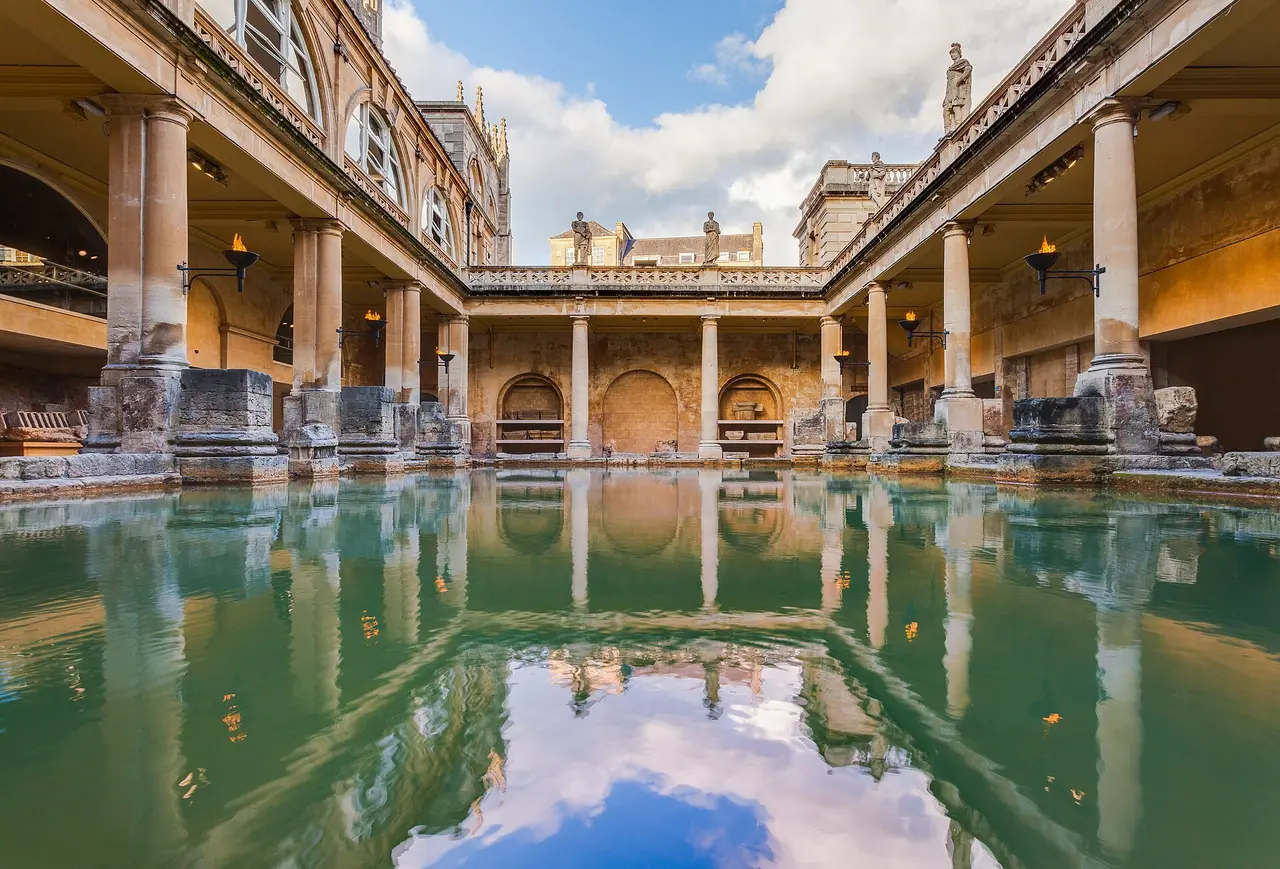
Two hours from London, the Cotswolds line up honey-coloured villages between Bibury and Stow-on-the-Wold, best explored by car over two days. Bath adds its Roman baths and Georgian crescent, and pairs naturally with Stonehenge, 40 minutes away by road, for a three-day escape in total. Further south-west, Cornwall offers cliffs and beaches but needs a whole week of its own to do it justice.

Northern England: York and the Lake District

York is walkable in two days: the circuit of the walls takes two hours, the Minster and the Shambles lanes half a day. The Lake District, three hours further west, runs on hiking and lakes: two nights in Windermere or Keswick allow a cruise on the water, the one-hour walk up Orrest Head and the drive over the Honister pass. Expect rain in every season, so pack accordingly.

Scotland: Edinburgh and the Highlands

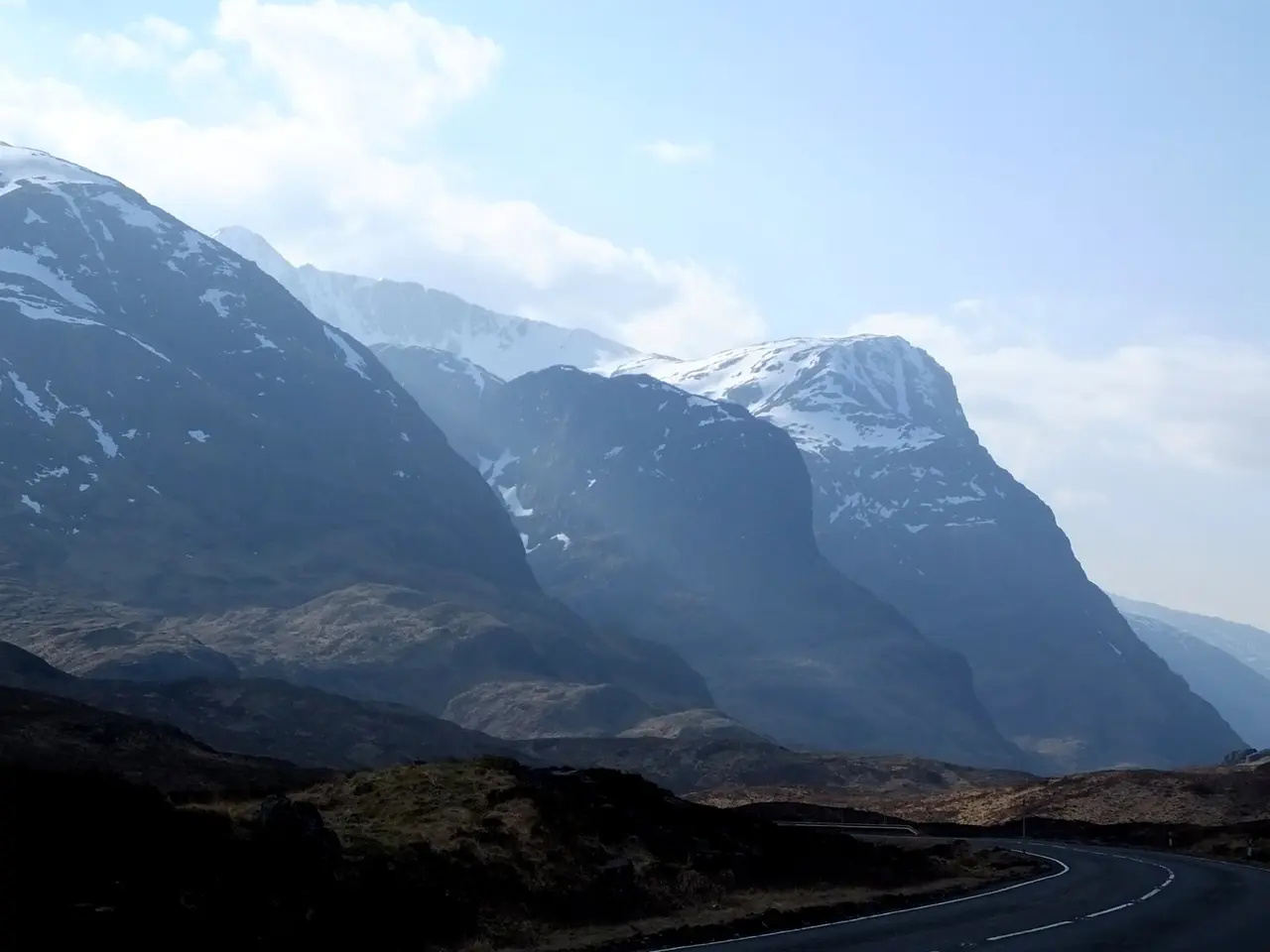
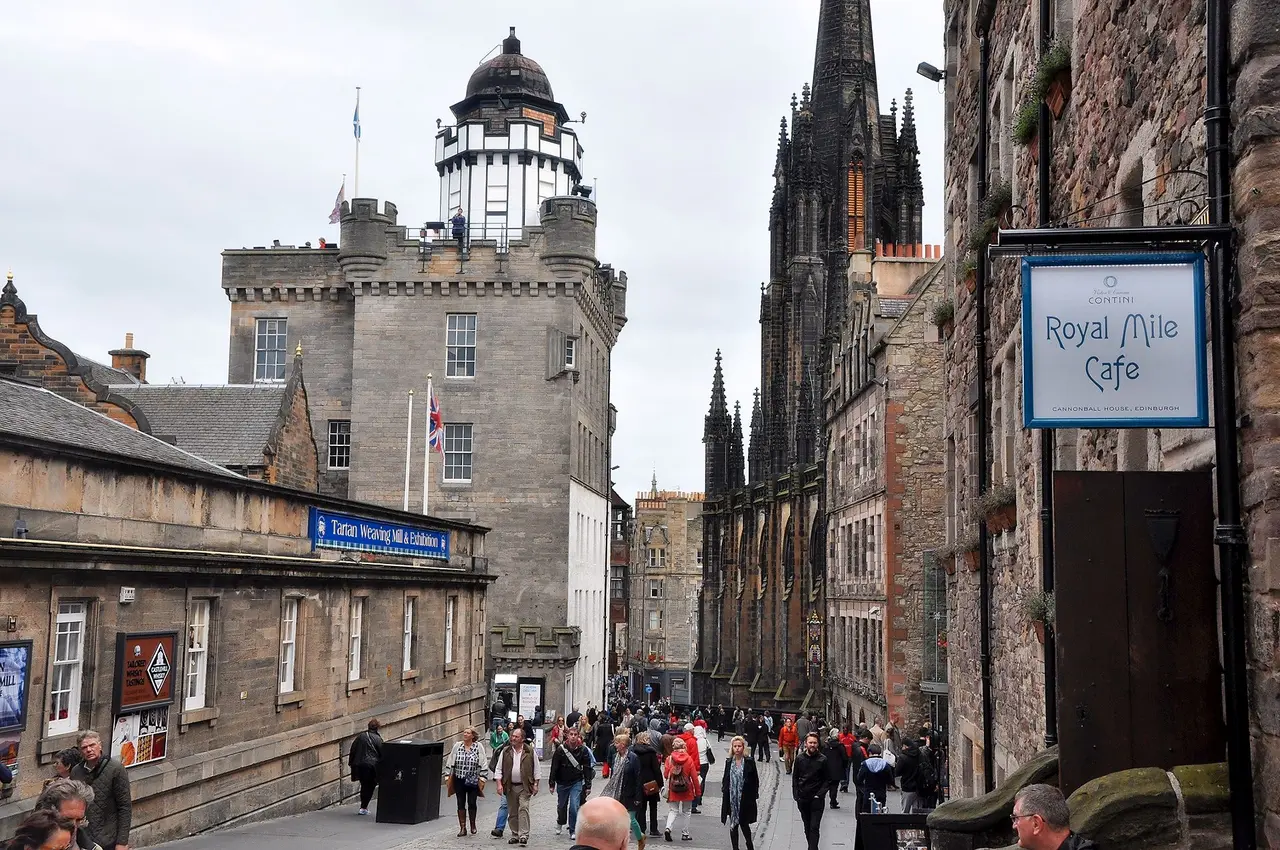
Edinburgh takes two days between the castle, the Royal Mile and the free national museum; in August the Fringe overwhelms the city and doubles hotel prices overnight. To the north, the Highlands and the Isle of Skye need a rental car and three to four days: Glencoe, the Glenfinnan viaduct, the Old Man of Storr. Petrol stations up there are scarce and close early, so fill the tank whenever you can.

Wales and Northern Ireland

Wales fits into three days: Cardiff and its castle, Snowdonia National Park and the climb up Snowdon by rack railway, then the medieval fortresses of Conwy and Caernarfon on the coast. Northern Ireland, reached by ferry or a short flight, lines up Belfast, the Giant's Causeway and a spectacular coastal drive; it flows naturally on towards Ireland for those with more days to spare.

Getting there and around

From Paris, the Eurostar reaches London in 2h20 for 120 to 180 EUR return, flights run around 130 EUR. Once there, trains serve every major city: named tickets bought several weeks ahead cost three times less than the walk-up fare. For the Cotswolds, the Lake District and the Highlands, a car is essential, driving on the left included. The country invites comparison with France for rail density.

Cities to visit in United Kingdom

Featured destinations appear first.

Regions to explore in United Kingdom

Featured destinations appear first.

How much it costs

Per person per day, excluding international travel.
Budget
70 €/ day
1 240 € for 2 people, 7 days, return flights included
Accommodation
35 €
Food
18 €
Local transport
10 €
Sights and activities
7 €
Comfort
174 €/ day
2 696 € for 2 people, 7 days, return flights included
Accommodation
78 €
Food
48 €
Local transport
18 €
Sights and activities
30 €
Premium
415 €/ day
6 070 € for 2 people, 7 days, return flights included
Accommodation
180 €
Food
95 €
Local transport
55 €
Sights and activities
85 €
Prices checked: Relevé septembre 2026. Cadré sur Londres et un itinéraire anglais classique, le reste du Royaume-Uni (Écosse rurale, pays de Galles, nord de l'Angleterre) revient 15 à 25 % moins cher sur l'hébergement. Sources : Hostelz et etavisauk.org (budgets backpacker), guides de coût Machupicchu.org et Travelfika pour Londres 2026, relevés hôteliers Booking. Conversion GBP-EUR retenue 1 GBP = 1,17 EUR. Hébergement par personne : lit en dortoir (backpacker), chambre double partagée à deux (comfort et premium). Vol A/R Paris-Londres estimé 130 EUR par personne hors vacances scolaires (momondo, Skyscanner, septembre 2026) ; l'Eurostar est une alternative fréquente à 120-180 EUR l'aller-retour.

Getting there

Airports serving United Kingdom, from main hubs to secondary ones.
  • ADXLeuchars Station AirfieldLeuchars, FifeSecondary
  • BBSBlackbushe AirportCamberley, SurreySecondary
  • BEBBenbecula AirportBalivanichSecondary
  • BEQRAF HoningtonBury Saint Edmunds, SuffolkSecondary
  • BEXRAF BensonWallingford, OxfordshireSecondary
  • BHDGeorge Best Belfast City AirportBelfastSecondary

Entry, health and safety

For FR travellers

Entry requirements

No visa for a tourist stay

Pas de visa pour un séjour touristique ou familial de 6 mois maximum, mais une autorisation électronique de voyage (ETA) est obligatoire avant le départ depuis le 2 avril 2025. Elle coûte 20 GBP, se demande en ligne ou via l'application officielle du gouvernement britannique, autorise des entrées multiples de 6 mois maximum et reste valable deux ans ou jusqu'à l'expiration du passeport. La carte nationale d'identité n'est plus acceptée, le passeport est exigé.

Stay allowed for up to 180 days.

Health

Le Royaume-Uni est en vigilance normale. La menace terroriste est évaluée au niveau 4 sur 5 ("Severe") par les autorités britanniques, et au niveau 3 sur 5 ("Substantial") en Irlande du Nord.

Safety

Normal precautions

Emergency

999

Checked in septembre 2026 against the official source. Entry rules change: check the official source before you travel, it alone is authoritative.

United Kingdom in pictures

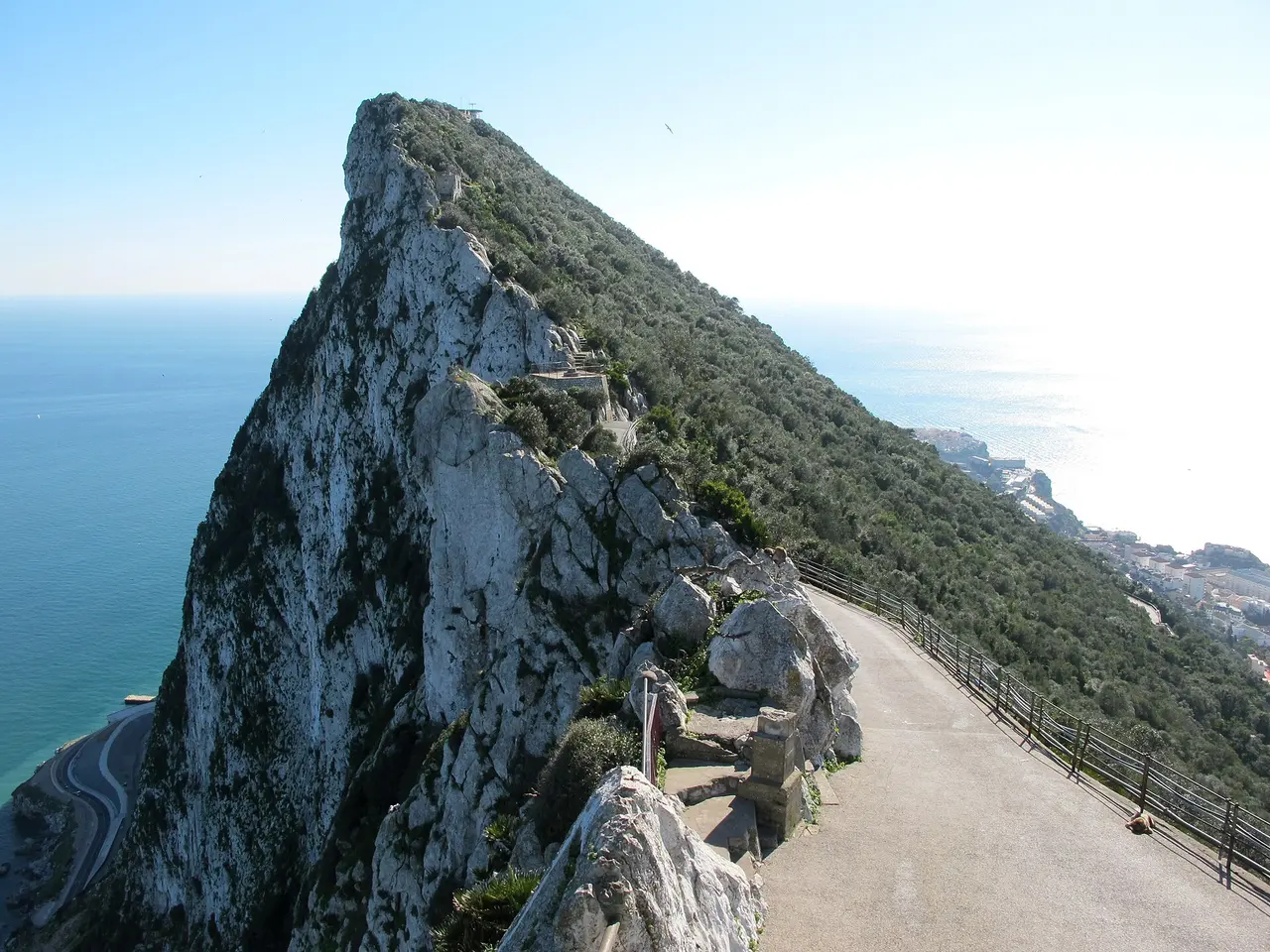
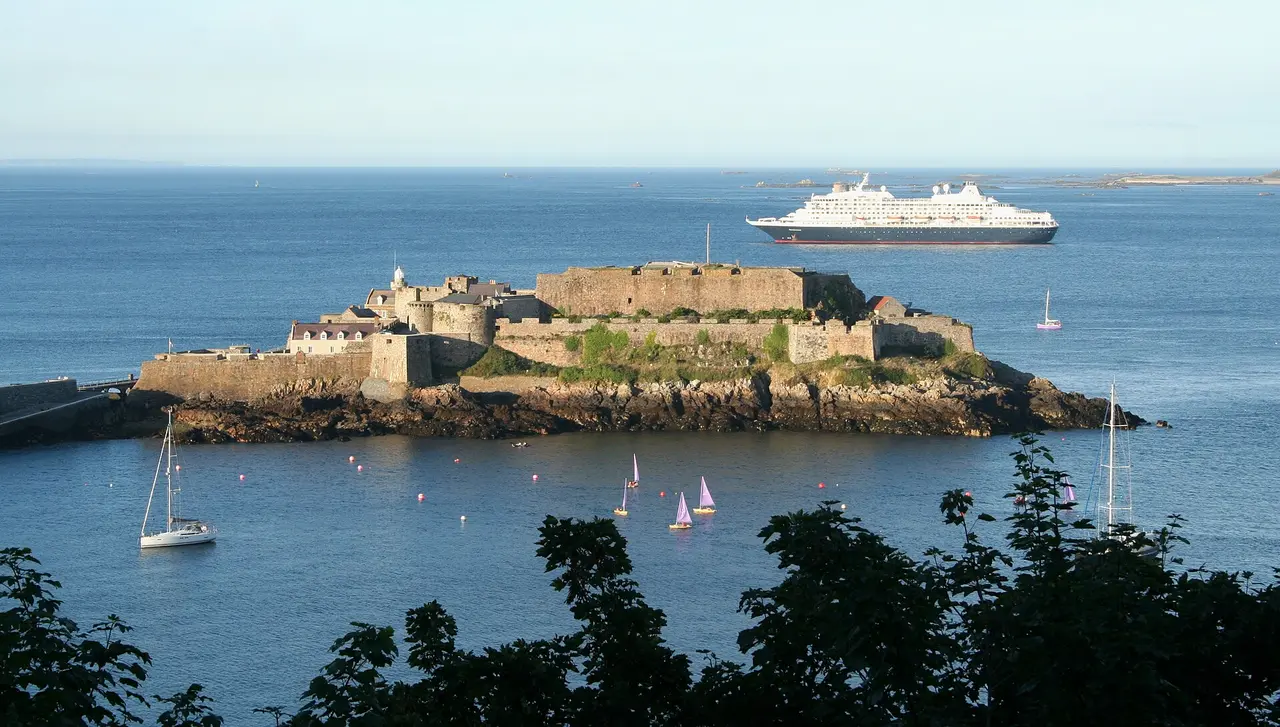
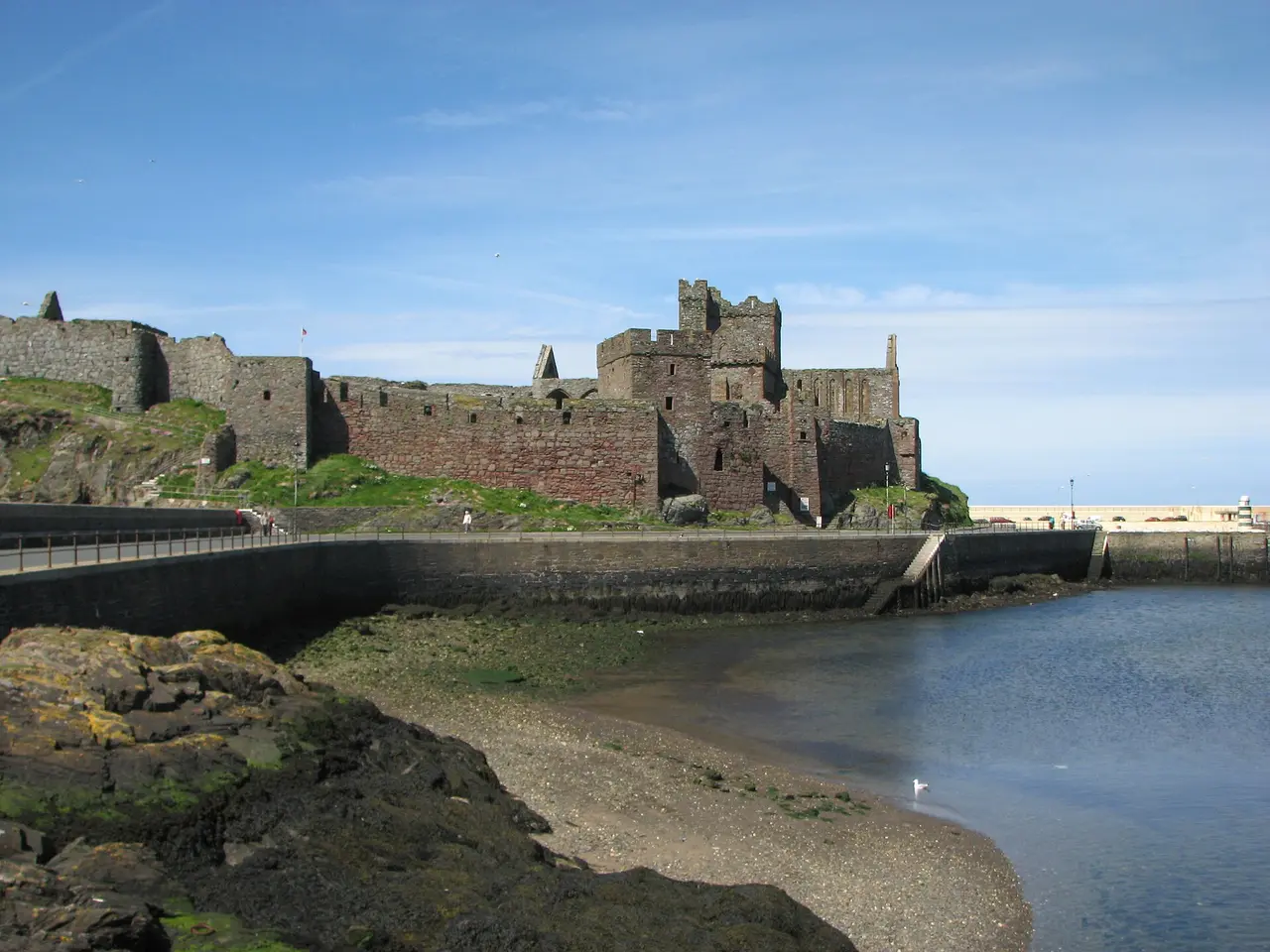
Photo credits : Diliff, CC BY-SA 3.0, Wikimedia Commons ; Herbert Frank from Wien (Vienna), AT, CC BY 2.0, Wikimedia Commons ; Diego Delso, CC BY-SA 4.0, Wikimedia Commons ; rboed*, CC BY 2.0, Wikimedia Commons ; Julian Herzog ( Website ), CC BY 4.0, Wikimedia Commons ; Saffron Blaze, CC BY-SA 3.0, Wikimedia Commons

What to see in the United Kingdom

Landmark sites spread across the four nations, from the monuments of London to the landscapes of the Highlands.

Tower of London

Thousand-year-old fortress on the Thames holding the Crown Jewels; book online to avoid an hour-long queue.

British Museum

Rosetta Stone, Parthenon marbles and Assyrian reliefs in a free museum; set aside at least half a day.

Stonehenge

Megalithic circle on Salisbury Plain, more than four thousand years old; a timed ticket is required all year.

Edinburgh Castle

Citadel on a volcanic crag above the old town, with the Stone of Destiny and the One O'Clock Gun at 1pm.

Isle of Skye

Jagged peninsulas of the Inner Hebrides: Old Man of Storr, Quiraing and the Neist Point cliffs, reached by a road bridge.

Lake District

National park of lakes and fells that inspired the Romantic poets; walks for every level around Windermere and Keswick.

Giant's Causeway

Forty thousand hexagonal basalt columns on the Antrim coast in Northern Ireland, a World Heritage Site.

Mount Snowdon

Highest peak in Wales at 1085 metres, reached on foot in five hours or by rack railway from Llanberis.

Bath

Roman baths still fed by their hot spring and Georgian architecture at the Royal Crescent, the whole city listed.

Practical information

Entry requirement
Electronic Travel Authorisation (ETA) required before departure, GBP 20, valid two years and multiple stays of six months.
Identity document
Passport required: national ID cards have not been accepted since October 2021.
Currency
Pound sterling (GBP), euros not accepted; contactless payment universal, including on buses.
Power socket
Type G with three rectangular pins, 230 V; an adapter is essential from continental Europe.
Driving
On the left; an EU licence is fine, with London's Congestion Charge and the ULEZ zone for older vehicles.
National museums
Free (British Museum, National Gallery, Tate, National Museum of Scotland); temporary exhibitions charge admission.
Tipping
Around 10 to 12.5 percent in restaurants, often already added as a service charge; nothing expected at the pub bar.
Trains
Named tickets: booking 4 to 8 weeks ahead halves or thirds the price; a Railcard pays off from three journeys.
Tap water
Drinkable everywhere.
Weather
Rain possible year-round but moderate totals in London; pack a waterproof layer rather than an umbrella.

Similar destinations

Other countries you might like as much as United Kingdom.

Similar regions

Other regions you might like as much as United Kingdom.

Frequently asked questions about the United Kingdom

Do I need an ETA to visit London from France?
Yes. Since April 2025 the Electronic Travel Authorisation is mandatory for all French citizens, even for a weekend. It costs GBP 20, is applied for online or through the official app and stays valid for two years.
Can I enter the United Kingdom with just an ID card?
No. Since October 2021 national ID cards are no longer accepted at UK border control: a valid passport is required for all EU nationals, regardless of the length or purpose of the stay, tourist or otherwise.
How many days for London and Scotland?
Plan on at least ten days: three in London, one or two in a stopover city like York, two in Edinburgh and the rest in the Highlands. In a week you have to pick one or the other.
Eurostar or plane to reach London?
The Eurostar takes 2h20 centre to centre for 120 to 180 EUR return, with no airport transfer. Flying costs about 130 EUR but adds an hour each way to Roissy and to Heathrow or Gatwick.
When is the Edinburgh festival and should I avoid it?
The Fringe and the International Festival run through all of August. The city is thrilling but overwhelmed, accommodation doubles and books from spring: perfect if that is the point, best avoided otherwise.
Are the London Underground and buses expensive?
A single fare is about 3 EUR, but the daily cap limits spending to roughly ten euros in zones 1-2, applied automatically when paying contactless or with an Oyster card.
Can I pay in euros in the United Kingdom?
No, only pound sterling is accepted almost everywhere. Contactless card payment works virtually everywhere, including on buses and for small amounts, which means withdrawing local cash is rarely necessary during a short trip.
Do I need to rent a car for a first trip?
Not for London, York or Edinburgh, all well served by train. A car becomes useful for the Cotswolds, the Lake District, Snowdonia and above all the Highlands, where public transport is sparse.

Plan your trip to United Kingdom

Day-by-day itinerary, budget, bookings and packing in a single app.
Aperçu de l'application PlanTripNow