Skip to content

Visiting Dakar : what to see, when to go and how many days

Dakar sits on a peninsula battered by the Atlantic, between the colonial Plateau, the clifftop Corniche and Goree island opposite. Plan 2 days on the spot, 2 more for Lake Retba, the Almadies beaches or a trip north to Saint-Louis.

At a glance

Visa
None
Tourist stay of up to 90 days
7-day budget
€679
Per person, comfort profile, excluding international flights.

Why visit Dakar?

Dakar is the westernmost city of mainland Africa, a capital of more than three million people facing the ocean, with the memorial island of Goree, UNESCO-listed, twenty minutes away by ferry, and a leading art and music scene. The climate sets the calendar: dry and windy from November to May, humid and stormy from July to October.

When to visit Dakar

Temperatures, rainfall and crowds month by month, to pick your window.
When to visit Dakar
MonthTemperaturesRainCrowdsVerdict
January19 to 26 °C0 dBusyPeak dry season: 26 C, a cool trade wind and blue skies, the best window, though sometimes a dust haze off the Sahara.
February18 to 25 °C0 dBusyThe mildest and windiest month; the sea at 20 C, too cool for a long swim but ideal for surfing at Ngor.
March18 to 25 °C0 dModerateStill dry and pleasant; in a Dakar art biennale year, the city's galleries come alive in May, worth planning for now.
April19 to 25 °C0 dModerateEnd of the dry season, heat still contained; trips to Lake Retba and Goree island in good conditions.
May21 to 26 °C0 dModerateHumidity starts to rise, the sea warms to 23 C; in odd years, the Dakar Biennale fills the whole city.
June24 to 29 °C1 dQuietHeavy air and the first rains ahead of the wet season; low tourist season, falling rates.
July25 to 30 °C4 dQuietStart of the wet season: short violent storms, high humidity, but the vegetation suddenly turns green.
August25 to 31 °C10 dModerateThe wettest month, ten days of downpours and possible flooding in the suburbs; the diaspora returns home and fills the flights.
September25 to 31 °C9 dQuietStill very humid and stormy, the sea warm at 27 C; roads inland can be cut after a heavy storm.
October26 to 31 °C2 dQuietThe rains space out, the hottest month of the year up to 31 C; the wet season ends, before travellers return.
November24 to 30 °C0 dBusyDry weather and the trade wind return: an excellent time, warm by day and cool at night, before December's influx.
December21 to 28 °C0 dPackedHigh season: year-end holidays, the diaspora and European travellers; rooms scarce and dear, so book early.
Source: Normales 1991-2020 NOAA NCEI (aeroport de Dakar), recoupees avec la fiche climat de Wikipedia. Presqu'ile atlantique, climat sahelien adouci par les alizes marins ; temperatures de la mer d'apres les moyennes cotieres. Releve septembre 2026.

Dakar's must-sees

Nine places that give a fair idea of the city and its surroundings, from the memorial island to the circular market.

Goree island

A car-free UNESCO-listed island, with the House of Slaves, the Fort d'Estrees and the castel, 20 minutes by ferry.

African Renaissance Monument

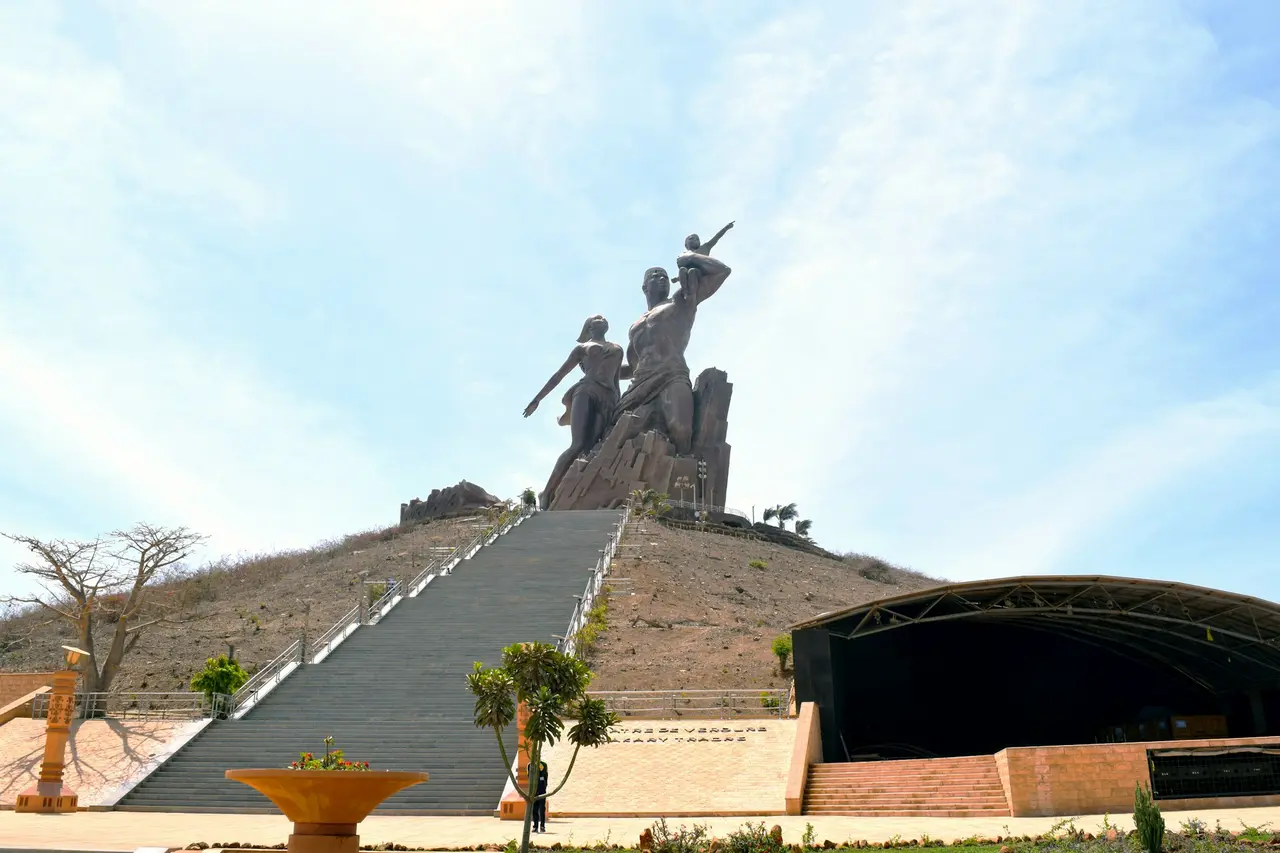
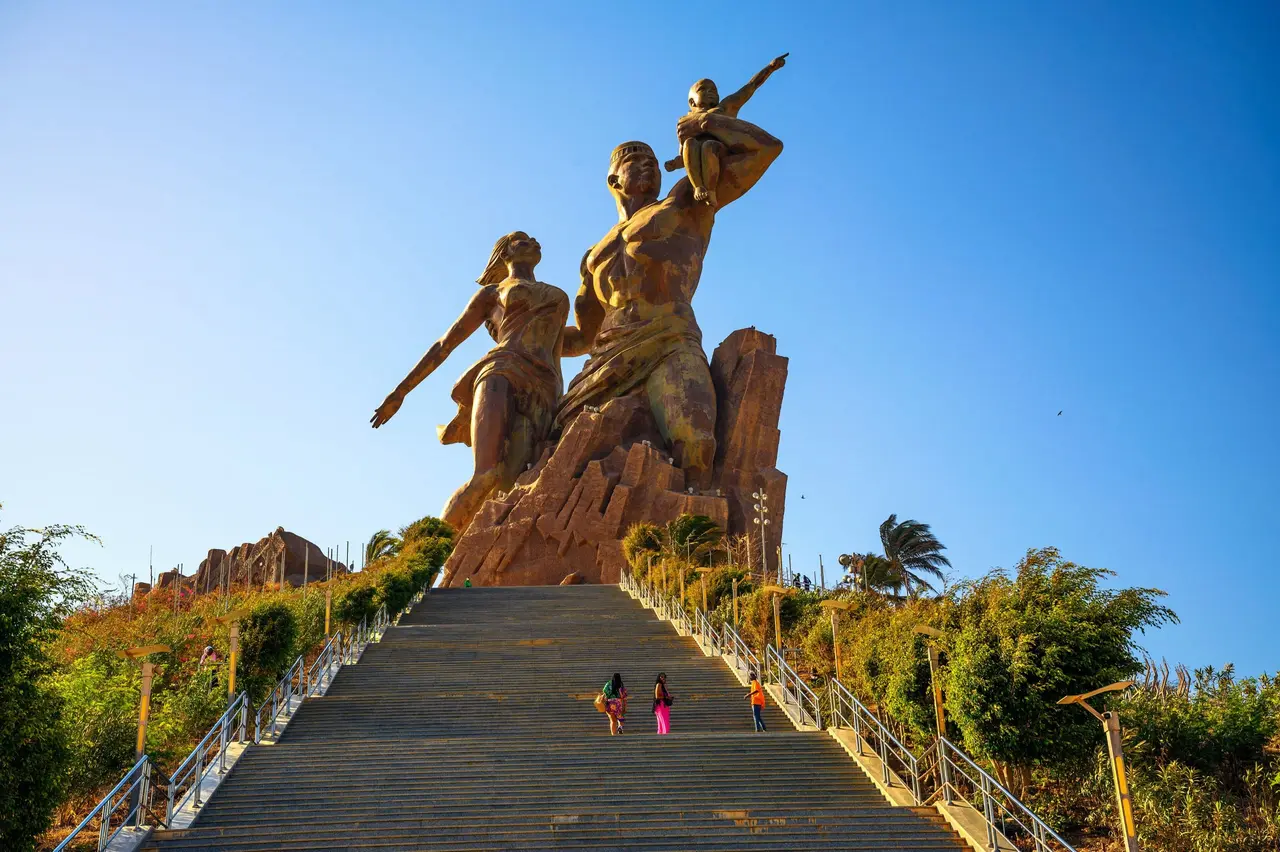
A 49-metre bronze statue on the Ouakam hills, taller than the Statue of Liberty, with a climb into the head.

Kermel market

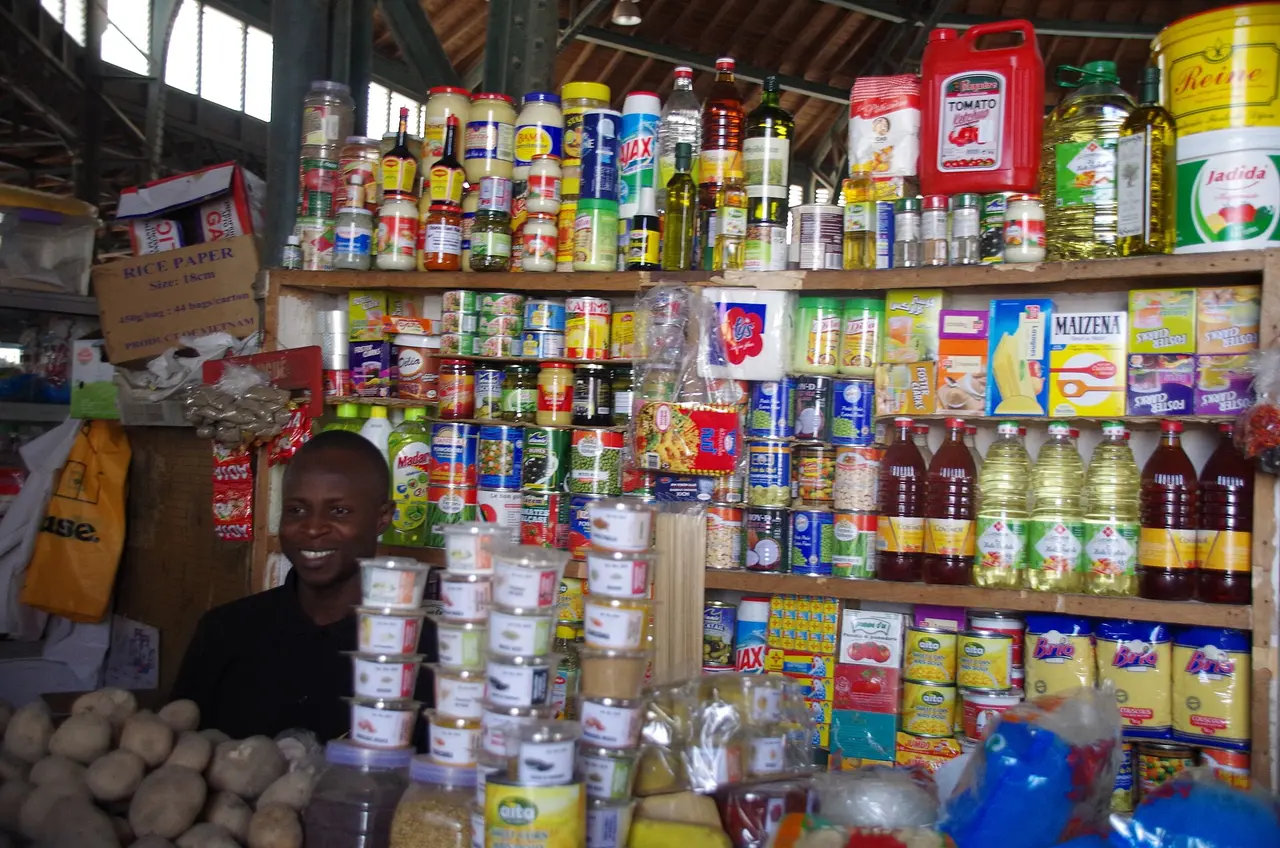
A circular hall from 1860 rebuilt after a fire, flowers, fish and spices in the Plateau district.

Lake Retba (Pink Lake)

A salt lake with pink tints depending on the light, hand salt harvesting and dunes toward the ocean, an hour away by road.

Pointe des Almadies

The westernmost tip of mainland Africa, between fish restaurants, clubs and surf spots.

Museum of Black Civilisations

A large museum opened in 2018 on the history and arts of the continent and the diaspora, in central Dakar.

N'Gor island

A small island five minutes by pirogue from N'Gor beach, with calm coves and restaurants at the water's edge.

Mosque of the Divinity

A white mosque built in a cove at the foot of the Corniche, open to visits outside prayer times.

The Corniche Ouest

A clifftop road along the Atlantic, used by Dakar's runners at sunrise and sunset.

What to see in Dakar?

The Plateau and the city centre

The Plateau is the business and government district, inherited from the colonial period: Independence Square, the Cathedral of African Remembrance, the terminus of the TER train and the presidential palace. The two big markets face each other: Kermel, a circular hall from 1860 rebuilt after a fire, and Sandaga, more working-class and maze-like. The Theodore Monod IFAN museum, a little to the south, holds one of the finest collections of West African masks and statuary.
The Corniche and the Renaissance Monument

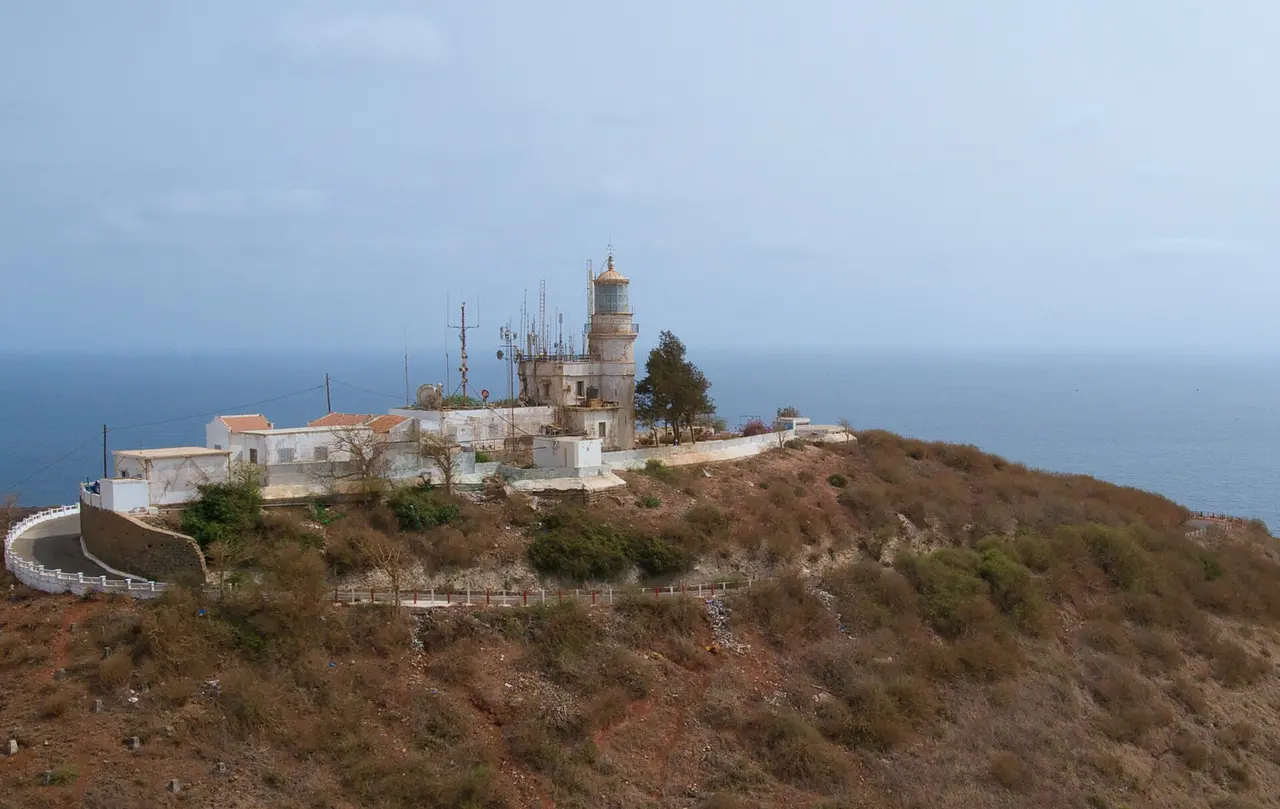
The Corniche Ouest follows the cliff for several kilometres, an open-air gym for the people of Dakar at sunrise and sunset. It passes below the Mamelles lighthouse and the African Renaissance Monument, a 49-metre bronze statue unveiled in 2010, taller than the Statue of Liberty and much debated in Dakar itself; you can climb into the head for the view. The Mosque of the Divinity, in a cove below, can be visited outside prayer times.

Les Almadies, N'Gor and Yoff

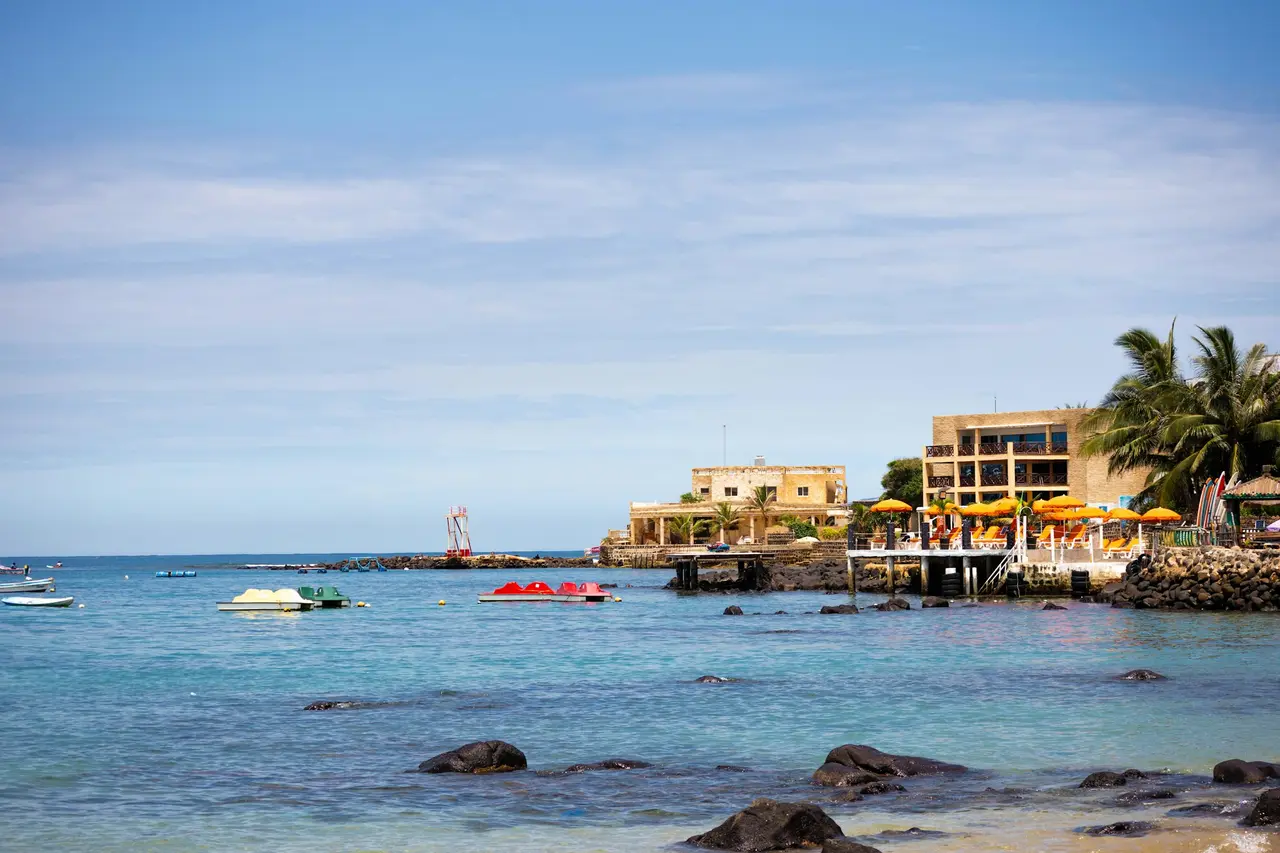
At the western tip of the peninsula, the Pointe des Almadies is the westernmost point of mainland Africa. It is the district of fish restaurants, clubs and hotels, with the surf beaches of N'Gor and Yoff. A five-minute pirogue reaches N'Gor island and its coves. In Yoff, the Lebou village keeps its own rules and a busy fish market in the late afternoon, when the pirogues come in.

Goree island and the House of Slaves

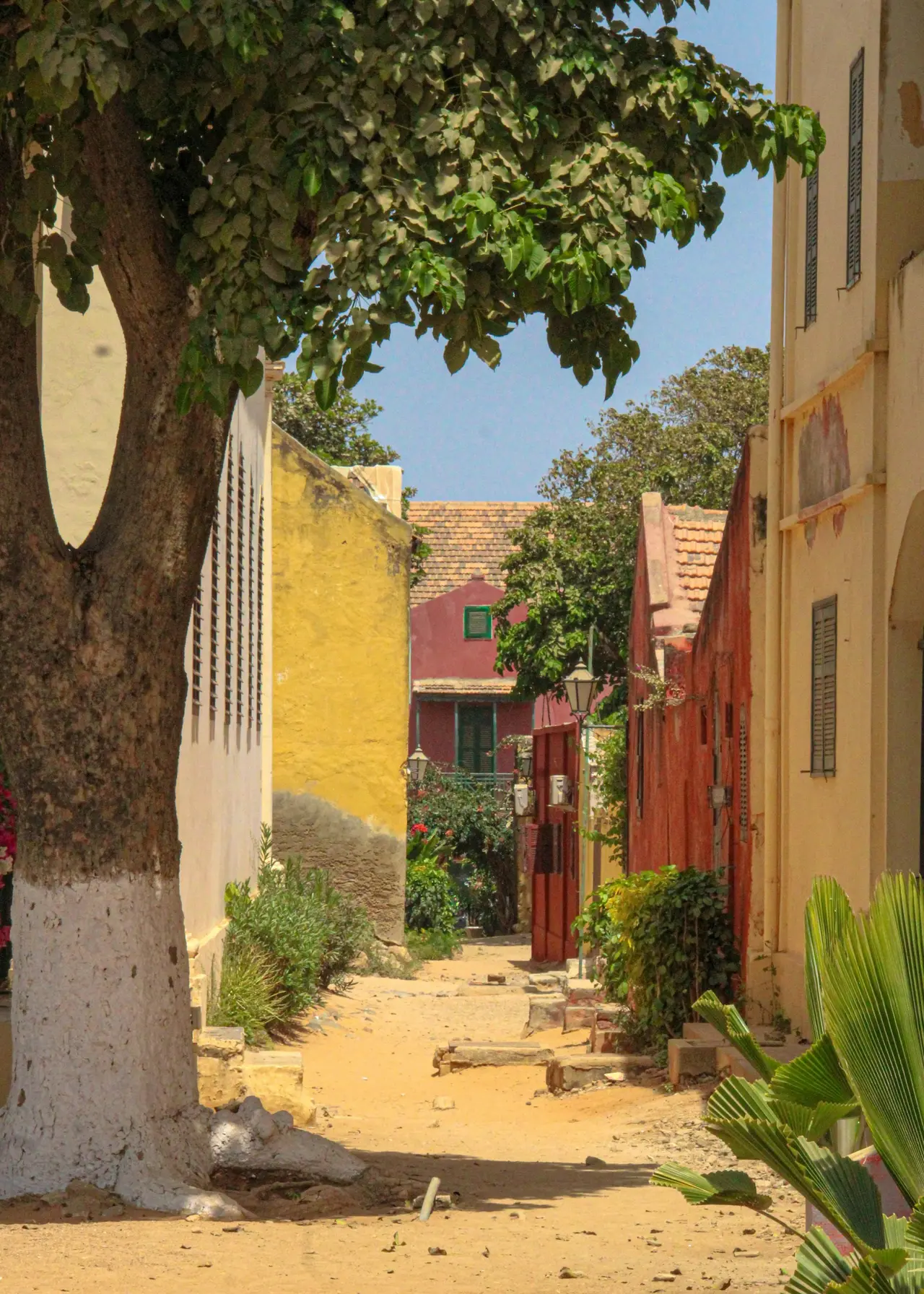
Twenty minutes by ferry from the port, Goree is a car-free island under a kilometre long, UNESCO-listed in 1978. You visit the House of Slaves and its Door of No Return, a symbol of the Atlantic slave trade even though historians debate its actual role, the historical museum in the Fort d'Estrees, and the castel that crowns the island. Allow a full day and check the time of the last ferry, in the early evening.

Beyond Dakar: Lake Retba, Saint-Louis and the Sine-Saloum

Lake Retba, the Pink Lake, the former finish of the Paris-Dakar rally, is an hour away by road, between salt harvesting and dunes that fall into the ocean. Saint-Louis, the former capital of French West Africa, on a listed island, is 4 hours away and needs at least one night. The Sine-Saloum delta, to the south, is explored by pirogue. All of Senegal, from Casamance to the Bassari country, then links by road or domestic flights.

How much it costs

Per person per day, excluding international travel.
Budget
47 €/ day
1 458 € for 2 people, 7 days, return flights included
Accommodation
20 €
Food
12 €
Local transport
5 €
Sights and activities
10 €
Comfort
97 €/ day
2 158 € for 2 people, 7 days, return flights included
Accommodation
30 €
Food
30 €
Local transport
12 €
Sights and activities
25 €
Premium
280 €/ day
4 720 € for 2 people, 7 days, return flights included
Accommodation
95 €
Food
70 €
Local transport
40 €
Sights and activities
75 €
Prices checked: Prix relevés en septembre 2026 : hostelz, budgetyourtrip et retours de voyageurs pour l'hébergement, dibiteries et restaurants du Plateau et des Almadies pour les repas, tarifs des bus Dakar Dem Dikk, du TER et courses de taxi negociees pour les transports, skyscanner/momondo/Air France pour le vol. Vol aller-retour Paris-Dakar (direct, 5 h 40) estimé à 400 EUR par personne hors haute saison, septembre étant le mois le moins cher ; comptez 550 à 700 EUR autour des fêtes. Le franc CFA (XOF) est arrimé à l'euro (1 EUR = 655,957 XOF). Hébergement : dortoir ou auberge pour backpacker, chambre double partagée a deux pour comfort et premium. L'aéroport Blaise Diagne est à 45 km de Dakar (autoroute a péage ou TER). En décembre-janvier, l'hébergement monte nettement.

Getting there

Airports serving Dakar, from main hubs to secondary ones.
  • DKRLéopold Sédar Senghor International AirportDakarMain
  • DSSBlaise Diagne International AirportDakarMain
  • BXEBakel AirportBakelSecondary
  • CSKCap Skirring AirportCap SkirringSecondary
  • KGGKédougou AirportKédougouSecondary
  • KLCKaolack AirportKaolackSecondary

Entry, health and safety

For FR travellers

Entry requirements

No visa for a tourist stay

Exemption de visa pour un séjour touristique de moins de 3 mois ; passeport avec une validité supérieure à 6 mois obligatoire. Le vaccin contre la fièvre jaune n'est plus obligatoire à l'entrée depuis mars 2026, il reste recommande.

Stay allowed for up to 90 days.

Passport valid for 6 months beyond your return date.

Health

Advised: Fièvre jaune, diphtérie-tétanos-poliomyélite, rougeole, hépatites A et B recommandés selon la fiche française.

Paludisme présent toute l'année sur l'ensemble du pays, a moindre risque à Dakar même ; hausse des cas de rougeole signalée ; alerte attentat générale en cours.

Safety

Increased caution

Emergency

17

Checked in septembre 2026 against the official source. Entry rules change: check the official source before you travel, it alone is authoritative.

Practical information for Dakar

Transport

Dakar Dem Dikk buses and cars rapides for cheap travel, the Yango and Heetch apps for ride-hailing, taxis to be haggled before boarding, TER to Diamniadio.

Airport

Blaise Diagne (DSS) 45 km out: the toll motorway in about 45 minutes, or the TER then a shuttle; allow extra time at rush hour.

Currency

The CFA franc (XOF), pegged to the euro at 655.957; cash is essential in markets, cards accepted in large hotels and supermarkets.

Yellow fever

The vaccine is no longer mandatory on entry since March 2026 but is recommended; antimalarials are advised for the whole country.

Tap water

Avoid it: drink bottled water, including for brushing teeth.

Ramadan

In 2026, roughly mid-February to mid-March: a slower pace by day, quieter restaurants, lively evenings after the breaking of the fast.

Goree island

The last ferry is in the early evening; check the day's schedule, as the crossing can be suspended in rough weather.

Haggling

Expected in markets and with taxis: open with a low price, stay polite, and agree the taxi fare before setting off.

Electricity

Type C and E sockets as in France, 230 volts; occasional power cuts are still possible.

Best time to go

November to February for dry air and a cool trade wind; avoid August-September, the wettest and most humid.

Dakar in pictures

Photo credits : Bigfall91, CC BY-SA 4.0, Wikimedia Commons ; Fawaz.tairou, CC BY-SA 4.0, Wikimedia Commons ; Jeff Attaway from Abuja, Nigeria, CC BY 2.0, Wikimedia Commons ; Wikikevya, CC BY-SA 4.0, Wikimedia Commons

Similar destinations

Other cities you might like as much as Dakar.

Frequently asked questions about Dakar

Is the yellow fever vaccine mandatory for Dakar?
Since March 2026 it is no longer required on entry for travellers coming from Europe, but it stays strongly recommended. Proof of vaccination can still be requested if you arrive from a country where yellow fever occurs, or for onward regional travel.
How do you get to Goree island from Dakar?
The ferry leaves the pier at the port, at the end of Boulevard de la Liberation, and takes about twenty minutes. There are several sailings a day, more frequent at weekends; the last one back is in the early evening and is best not missed.
Is Lake Retba really pink?
Its colour comes from a micro-algae and a high salinity, and it varies a lot: clear in the dry season, at midday and with little wind, almost absent after the rains. Recent flood years have diluted the lake and dulled the effect.
Is Dakar a safe city for travellers?
Dakar is visited without major problems by taking the precautions of any big city: pickpocketing in markets and on the Corniche, care at night away from busy areas. Official sources note a regional terrorism risk and advise against the border zones and part of Casamance.
How do you get from Dakar airport to the city centre?
Blaise Diagne airport is 45 km out. The simplest option is a private transfer or a ride-hail on the toll motorway, about 45 minutes outside rush hour. The TER links Diamniadio to the Plateau station, but you first have to reach the station from the airport by shuttle.
Can you swim in Dakar?
Yes, mainly at Les Almadies, N'Gor, Yoff and the Goree beaches, but the water is cool from January to April, around 20 degrees, because of cold upwelling. The Atlantic swell and currents mean swimming at lifeguarded beaches.
What can you do from Dakar as a day trip?
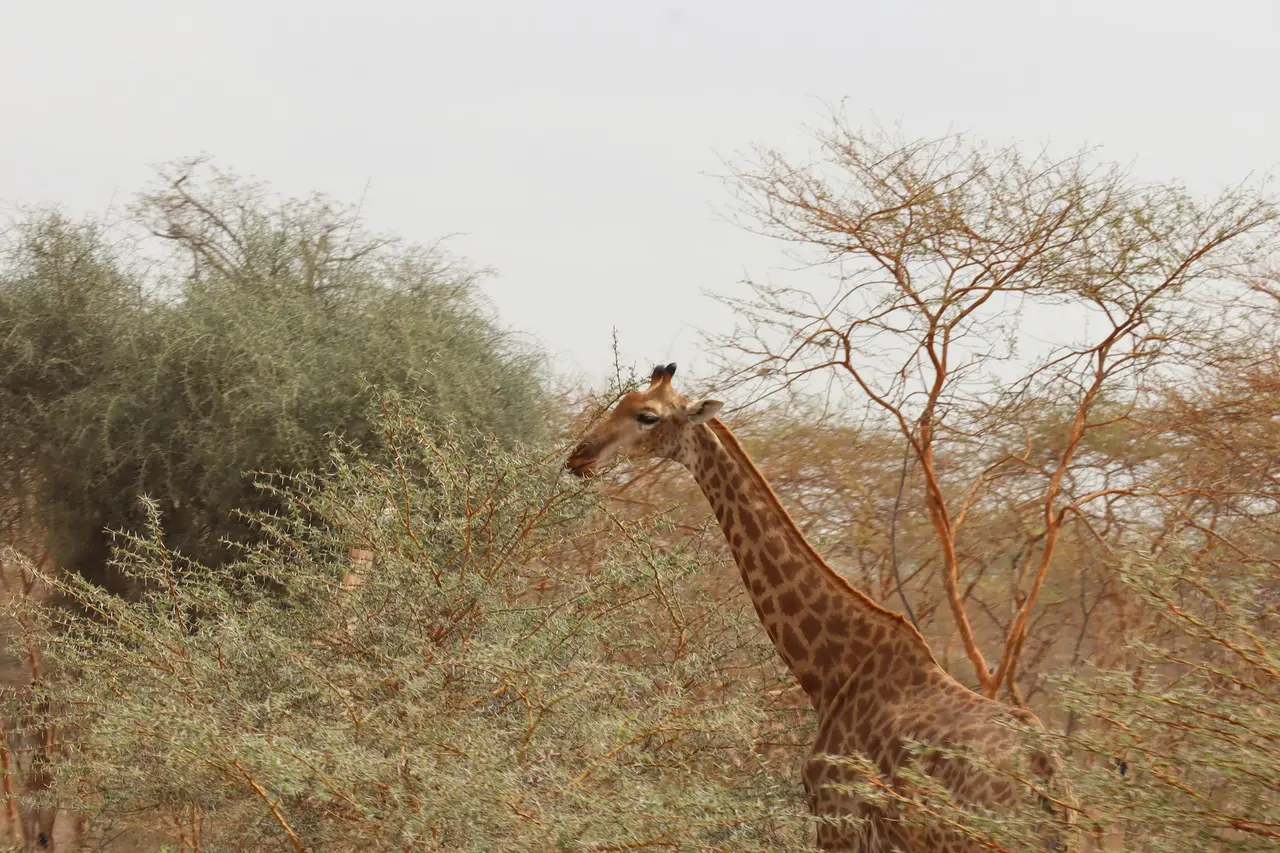
Goree island, Lake Retba and its salt road, the Bandia reserve with its giraffes, or the beaches and the Somone lagoon on the Petite Cote are all day trips, counting one to two hours by road depending on the destination.

Plan your trip to Dakar

Build your day-by-day itinerary and manage budget, bookings and packing in PlanTripNow.
Aperçu de l'application PlanTripNow