Skip to content

Going to Moshi : preparing your Kilimanjaro climb

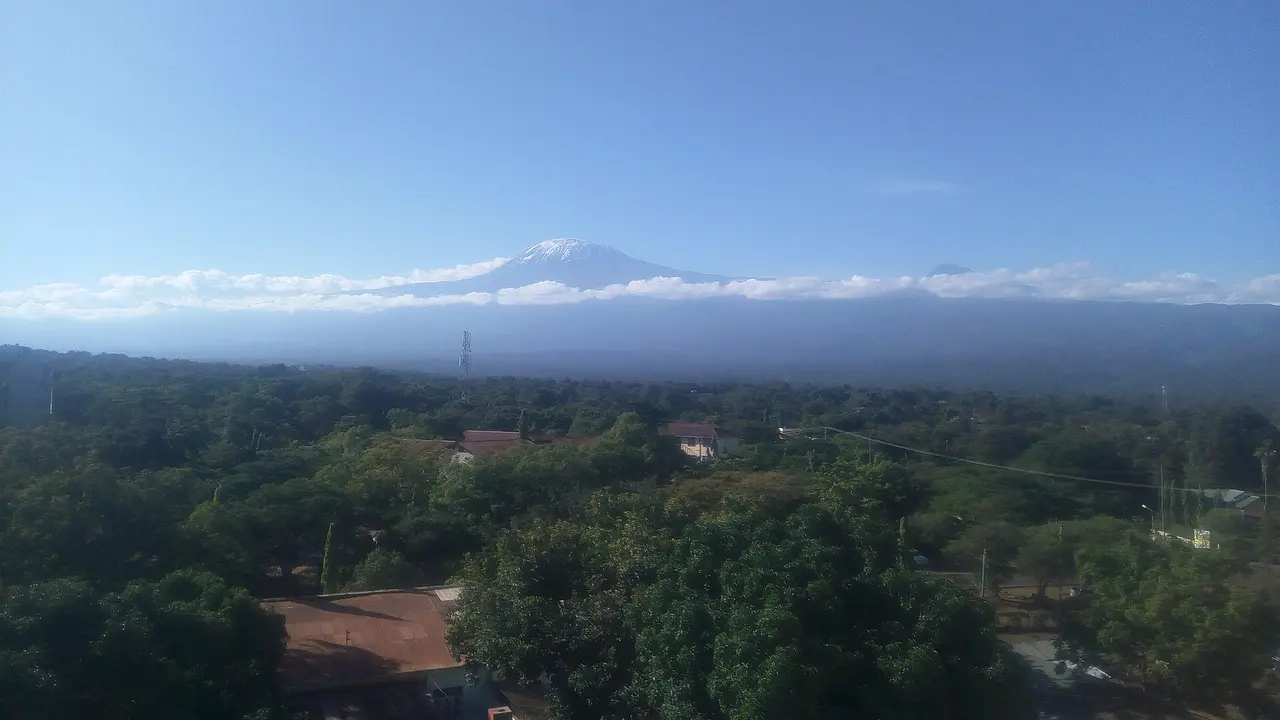
On clear days, Kilimanjaro's ice cap rises above the rooftops of Moshi. Around this calm town, known for its cleanliness, spread coffee farms, Chagga villages and waterfalls. Most travellers spend one or two nights before and after the climb, and a few more days for the surroundings.

Why stay in Moshi?

Moshi is the closest town to the Kilimanjaro trailheads, a 5,895-metre summit, and concentrates climbing agencies, guides and gear rental shops. Sitting at around 800 metres, it also offers day trips to coffee farms, waterfalls on the volcano's slopes and turquoise springs.

Moshi's must-sees

A legendary mountain and a few nearby outings to help you acclimatise.

Mount Kilimanjaro

An isolated volcano rising to 5,895 metres at Uhuru Peak, the roof of Africa, reachable without technical climbing but demanding serious acclimatisation over six to eight days.

Materuni Waterfall

A tall waterfall dropping into a lush gorge above the Chagga village of Materuni, reached after about an hour's walk through banana and coffee plants.

Chemka Hot Springs

A turquoise, warm spring-fed pool among fig trees, ideal for swimming and relaxing after the climb. Come on a weekday to avoid the crowds.

Lake Chala

A deep blue crater lake straddling the Kenyan border, ringed by wooded walls. Monkeys are often seen there at sunrise.

Marangu Chagga caves

A network of tunnels once dug by the Chagga to hide during clan conflicts, visited with a guide from the village.

What to do in Moshi, before and after Kilimanjaro?

The town centre and the central market

Moshi can be covered on foot in a morning: the clock tower, the central market piled with bananas, avocados and coffee beans, the mosque and the Hindu temples reflect a long-established merchant community. Climbing agencies, cafés and gear rental shops cluster in a few central streets. Stay in the Shanty Town area, quieter and leafier, about ten minutes from the centre. The Memorial second-hand market, on the outskirts, is the place to complete any forgotten gear.

Kilimanjaro's slopes and climbing routes

The Machame and Marangu gates are about 45 minutes to an hour by road from Moshi; those of the Lemosho and Rongai routes are further. Allow seven to eight days on Lemosho or Machame for proper acclimatisation: five-day climbs show markedly higher failure and acute mountain sickness rates. The best windows run from January to early March and June to October. The national park, a UNESCO site since 1987, requires climbers to go with a licensed agency and guide.

Chagga villages, coffee and waterfalls

The Chagga have grown arabica coffee on the volcano's lower slopes for over a century. The village of Materuni, about 45 minutes above Moshi, offers a half day combining a walk of about an hour to a tall waterfall and a workshop where coffee is roasted and pounded by hand. In Marangu, old caves dug for protection against raids can be visited with a local guide. These warm-up outings are ideal the day before a climb, without tiring you out beforehand.

Chemka, Lake Chala and heading north

The Chemka (Kikuletwa) springs, about an hour's drive south, form a pool of clear, warm water lined with fig trees, very busy at weekends. Lake Chala, a crater lake on the Kenyan border, takes nearly two hours on rough roads. Moshi pairs naturally with a safari: Arusha, the starting point for the Serengeti and Ngorongoro, is about an hour and a half by road. Kilimanjaro airport serves both towns and links northern Tanzania to Europe, often with a stopover.

Getting there

Airports serving Moshi, from main hubs to secondary ones.
  • DARJulius Nyerere International AirportDar es SalaamMain
  • JROKilimanjaro International AirportArushaMain
  • MWZMwanza International AirportMwanzaMain
  • ZNZAbeid Amani Karume International AirportZanzibarMain
  • ARKArusha AirportArushaSecondary
  • DODDodoma AirportDodomaSecondary

Practical information for Moshi

Airport

Kilimanjaro International (JRO), about 45 minutes by road; most climbing agencies include the transfer.

Visa

Required for French citizens, to be applied for online via the official Tanzanian e-visa portal before departure.

Yellow fever

Certificate required if arriving from a country at risk, including after a long transit in neighbouring Kenya: check before booking.

Malaria

Present in Moshi, lower at altitude: preventive treatment advised, to be discussed with your doctor before departure.

Insurance

Check that it covers high-altitude trekking up to 6,000 metres and medical evacuation, often excluded from standard policies.

Trek tipping

Well-established custom for guides, cooks and porters at the end of the climb, handed over in a ceremony; ask your agency for the suggested scale.

Porters

Choose a partner agency of the Kilimanjaro Porters Assistance Project, which monitors porters' loads, wages and equipment.

Gear rental

Cold-rated sleeping bags, down jackets and poles can be rented in Moshi: check condition and cleanliness the day before departure.

Safety

The Kilimanjaro region is under heightened vigilance according to France Diplomatie; avoid walking alone at night outside the centre.

Power sockets

Type G, sometimes type D, 230 V: bring an adapter and a power bank, as there is no electricity on the mountain.

Moshi in pictures

Photo credits : Prosper Phissoo, CC BY-SA 4.0, Wikimedia Commons ; Ray in Manila, CC BY 2.0, Wikimedia Commons ; Thomas Andy Branson, CC BY-SA 4.0, Wikimedia Commons ; Joachim Huber, CC BY-SA 2.0, Wikimedia Commons ; auteur inconnu, CC BY-SA 3.0, Wikimedia Commons ; Lebu Ayiga, CC BY 4.0, Wikimedia Commons

Frequently asked questions about Moshi

Machame or Lemosho: which Kilimanjaro route should you choose?
Lemosho, over seven to eight days, offers the best acclimatisation and a wilder start from the west, but costs a little more. Machame, nicknamed the Whiskey route, is busier and often done in six or seven days. Avoid short versions, responsible for most failed attempts.
Should you sleep in Moshi or Arusha before the climb?
Moshi is closer to the Machame and Marangu gates, which shortens the first morning's transfer. Arusha suits better if you continue with a safari in the north. Many travellers climb from Moshi and then leave on safari from Arusha.
Can you see Kilimanjaro's summit from Moshi?
Yes, but clouds often cover the mountain during the day. Your best chances are early morning and late afternoon, especially in the dry season. The rooftop terraces of some central hotels and cafés offer the clearest view.
How many days should you plan for Kilimanjaro overall?
Allow seven to eight days of walking, plus a night in Moshi beforehand for the briefing and gear check, and a night afterwards to recover. Planning ten days on site avoids any race against time if a flight is delayed.
Is altitude sickness common on Kilimanjaro?
Yes, a large share of climbers feel headaches or nausea above 4,000 metres. Climb slowly, drink plenty and report any symptom to your guide. If it worsens, only immediate descent works. See a doctor before departure.
What to do in Moshi on a rest day after the climb?
The Chemka springs are ideal for easing tired legs in warm water, about an hour's drive away. Otherwise, a coffee farm visit in Materuni or a wander around the central market is enough, with no further physical effort.
Can you climb Kilimanjaro in the rainy season?
It is possible, but April and May, in the heart of the long rains, bring muddy trails, poor visibility and more snow at the top. November, the short rains season, remains workable on the Rongai route on the drier northern side.
What souvenir should you bring back from Moshi?
Arabica coffee from Kilimanjaro's slopes, bought directly from cooperatives or Chagga villages, is the most local choice. Kanga fabrics from the central market and wooden carvings from shops in the centre are also common.

Plan your trip to Moshi

Build your day-by-day itinerary and manage budget, bookings and packing in PlanTripNow.
Aperçu de l'application PlanTripNow