Skip to content

Planning a Tanzania safari: when to go, budget and itineraries

From wildebeest crossing the Mara River to the alleys of Stone Town, a Tanzania trip starts with a calendar: the migration, the rains and camp rates shift every month. Here you will find the climate month by month, a costed budget and realistic itineraries.
  • 3 cities · 1 region

At a glance

Currency
Tanzanian Shilling
Time difference
UTC+3
Visa
Required
7-day budget
€2,219
Per person, comfort profile, excluding international flights.

Why go on safari in Tanzania?

Tanzania is home to the Serengeti and the Ngorongoro Crater, where most of the great wildebeest migration unfolds, and to Kilimanjaro, the highest point in Africa at 5,895 m. It is also one of the few countries where a safari and a beach week on Zanzibar connect through a single direct domestic flight.

When to visit Tanzania

Temperatures, rainfall and crowds month by month, to pick your window.
When to visit Tanzania
MonthTemperaturesRainCrowdsVerdict
January16 to 29 °C11 dBusyA short dry spell between the rains, with wildebeest herds gathering in the southern Serengeti.
February16 to 29 °C11 dBusyPeak calving season at Ndutu, thousands of wildebeest born daily with predators close behind.
March17 to 29 °C14 dModerateWorth the gamble early in the month, before the long rains turn the tracks to mud.
April17 to 26 °C20 dVery quietBest avoided: the long rains peak, several camps close and Zanzibar gets heavy showers too.
May16 to 24 °C14 dVery quietGreen season at the lowest rates of the year, provided you can live with frequent rain.
June15 to 23 °C5 dModerateDry weather and short grass return as the migration heads to the western corridor and Grumeti River.
July14 to 23 °C4 dPackedThe first Mara River crossings, but vehicles queue and lodges fill up months ahead.
August14 to 24 °C4 dPackedThe most sought-after month: dry skies, concentrated wildlife and 13 °C nights that call for a fleece.
September15 to 26 °C3 dBusyThe driest month, crossings still underway up north and slightly thinner crowds than August.
October16 to 28 °C5 dModerateA good compromise before the short rains, with animals around waterholes and rates starting to ease.
November16 to 28 °C13 dQuietShort rains fall as afternoon showers, herds drift south and the parks empty out.
December16 to 28 °C14 dBusyFreshly green landscapes and the festive season: book early for Christmas week.
Source: Valeurs cadrées sur Arusha (1 350 m), porte d'entrée du circuit nord des safaris (Serengeti, Ngorongoro, Tarangire), moyennes climatiques Climates to Travel recoupées avec Weather2Travel, relevé septembre 2026. La côte et Zanzibar sont plus chauds (29 à 33 °C) et le cratère du Ngorongoro nettement plus frais.

What to discover in Tanzania?

The northern safari circuit

Starting from Arusha, the northern circuit strings together Tarangire, Lake Manyara, the Ngorongoro Crater and the Serengeti. Allow four days at the very least, six if you do not want to spend your days on the road: the drive from Karatu to the central Serengeti alone takes four to five hours. Park fees add up fast, 70.80 USD per person per day in the Serengeti, plus 295 USD per vehicle to drive down into the crater. The dry season, June to October, gathers wildlife around waterholes and vehicles around the big cats.
Moshi and the slopes of Kilimanjaro

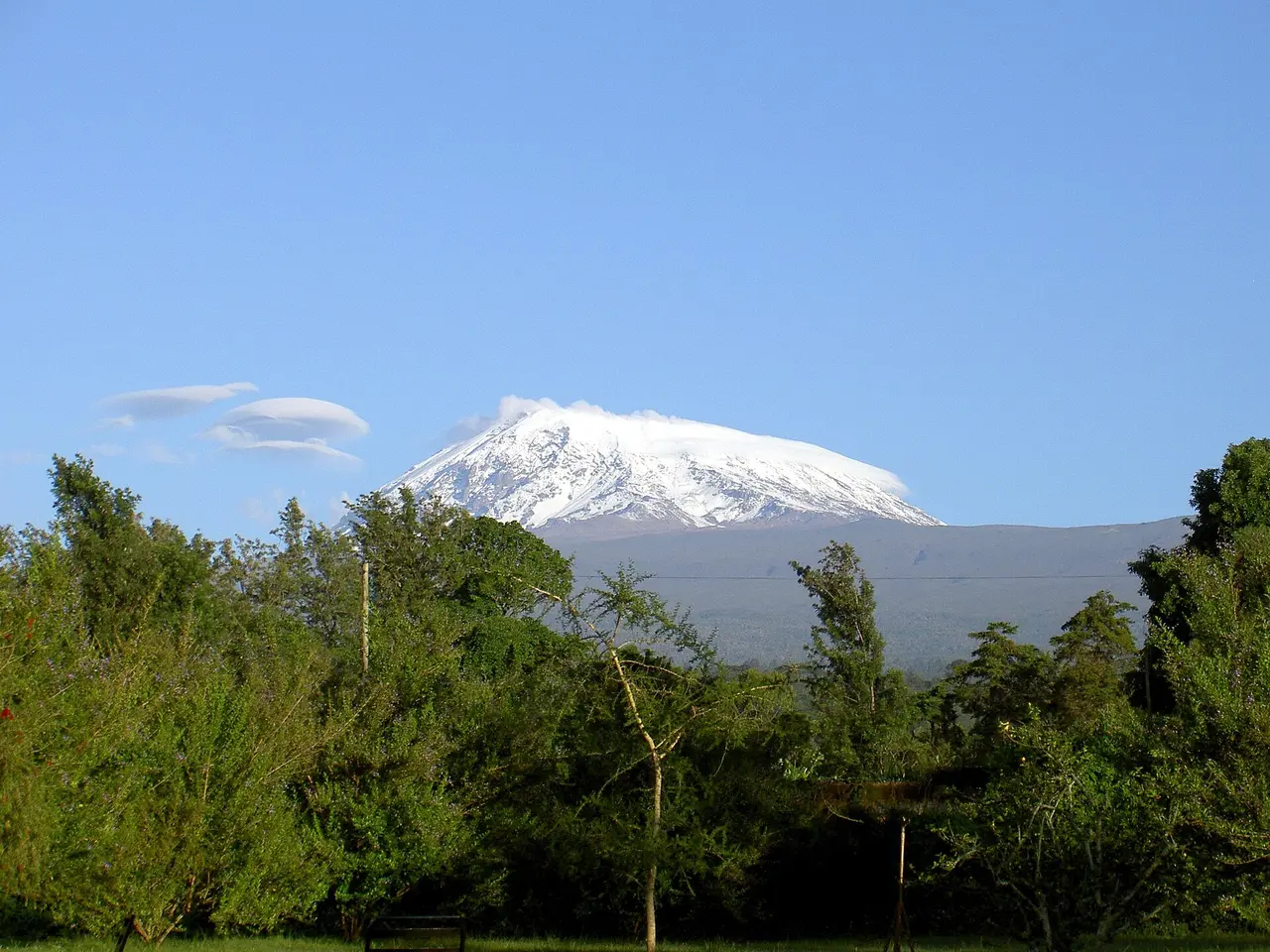
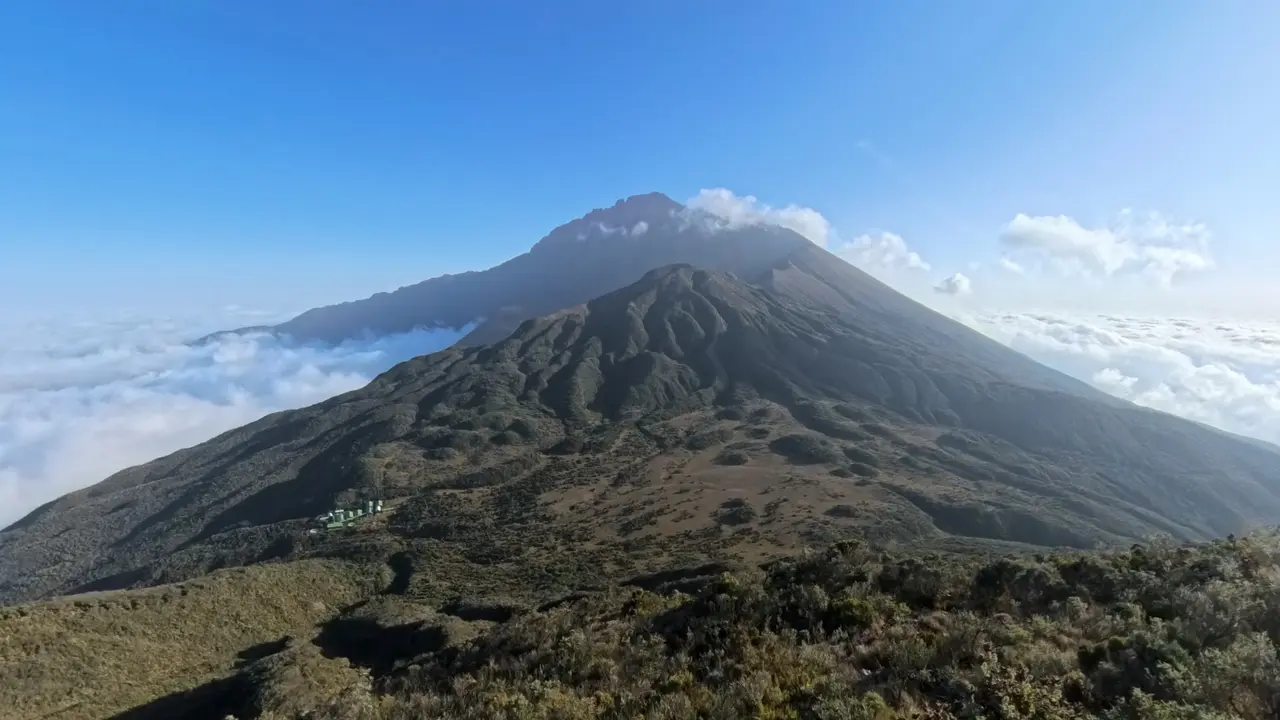
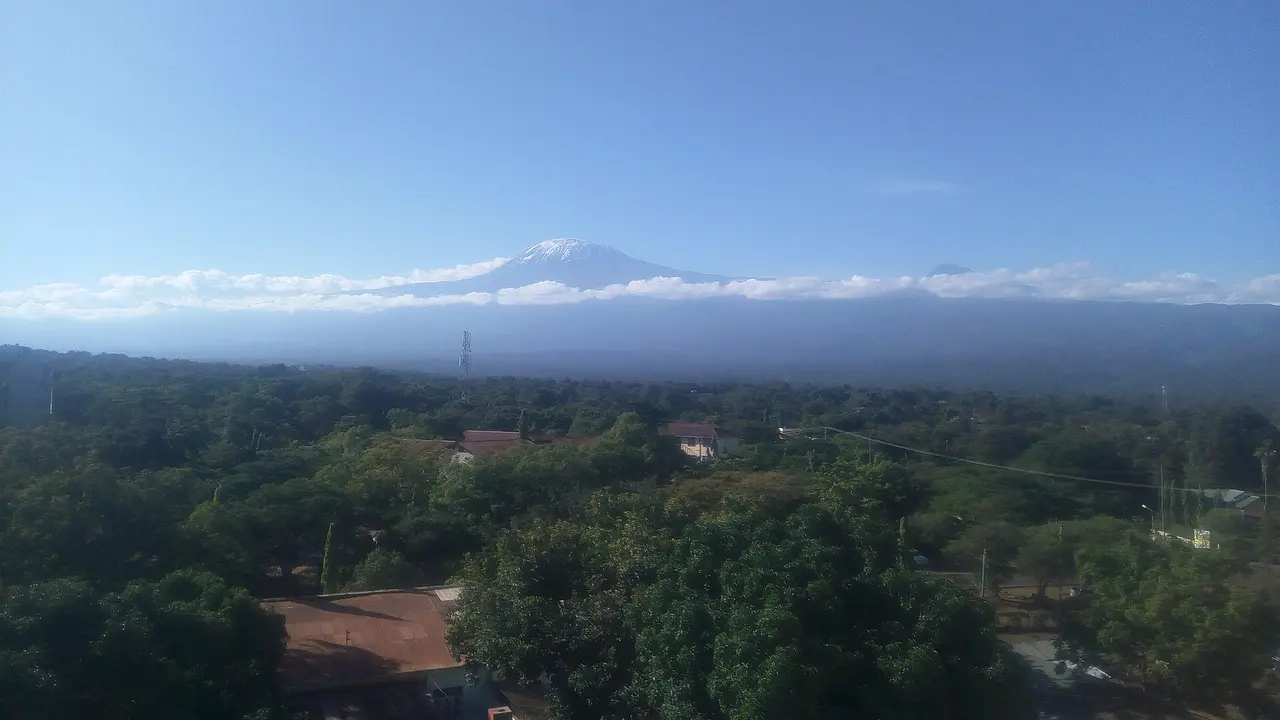
Moshi, an hour from Kilimanjaro International Airport, is the base for climbs. The summit, Uhuru Peak, takes six to eight days depending on the route: the longer the itinerary, the better the acclimatisation and the higher the success rate. The driest windows run from January to March and from June to October. Without going to the top, the slopes make a good day out: Chagga village coffee farms, where you roast beans with the growers, and the Materuni waterfalls thirty minutes' drive away.

Zanzibar and the Spice Islands

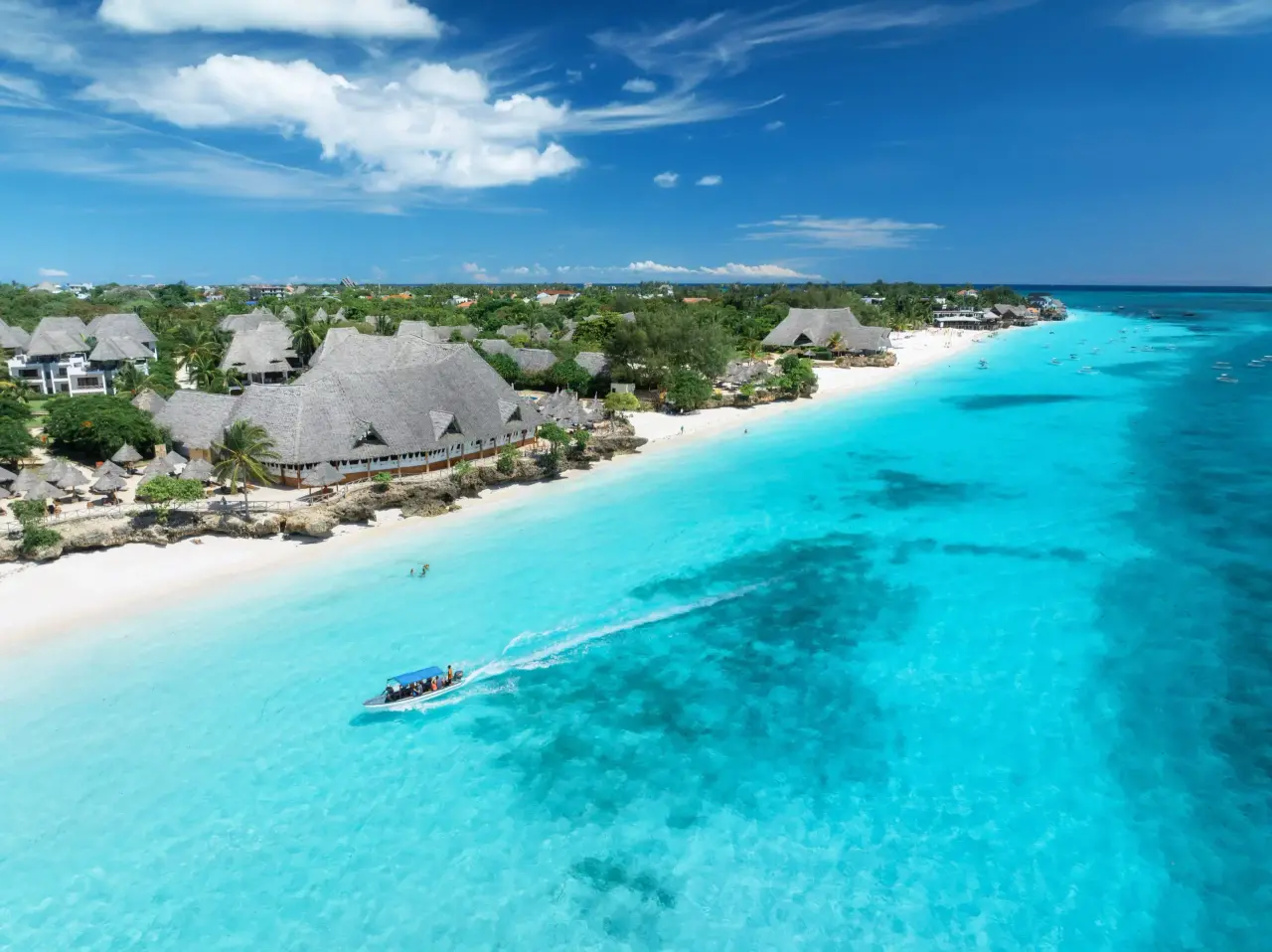
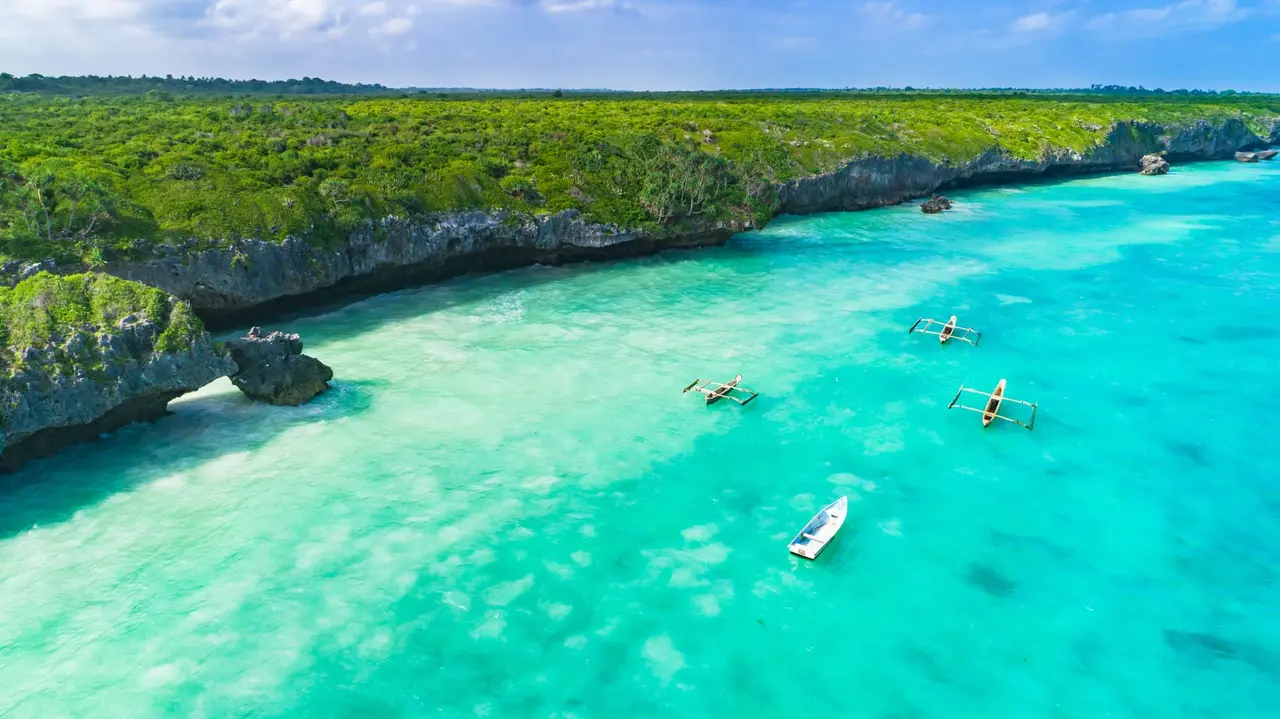
Unguja, the main island, divides between Stone Town, the old Swahili quarter, and beaches that differ sharply by coast. In the north, Nungwi and Kendwa keep swimmable water at low tide; on the east coast, Paje and Jambiani have a lagoon that drains for hundreds of metres, great for kitesurfing but frustrating for swimming. Three nights by the sea are enough after a safari. Budget for the mandatory 44 USD insurance to enter the island. To extend in the Indian Ocean, the granite islands of the Seychelles connect by air via Dar es Salaam or the Gulf.

The southern parks: Nyerere and Ruaha

Less famous than the Serengeti, Nyerere (formerly Selous) and Ruaha see far fewer vehicles. You reach them by bush plane from Dar es Salaam or Zanzibar, which raises the budget but saves hours of rough track. The Rufiji River allows boat safaris, and camps offer walking safaris with an armed ranger. Many close during the long rains of April and May, so aim for June to October. For a more independent self-drive safari in a rental car, South Africa remains a cheaper alternative.

Dar es Salaam and the Swahili coast

Dar es Salaam, the country's largest city, is rarely a destination in itself but rather a one-night stop before the southern parks or the ferry to Zanzibar, a crossing of about two hours. Kariakoo market and the Kivukoni fish market are best visited in the morning. Some sixty kilometres north, Bagamoyo holds the ruins of a former slave-trade port. Further south, Mafia Island draws divers for its whale sharks, seen in season roughly between October and March.

Safari budget and seasons

Tanzania is not a cheap destination: a group camping safari starts at around 180 to 250 USD per day all inclusive, and private lodge safaris quickly pass 500 USD. Over a week mixing parks and Zanzibar, allow roughly 132 EUR a day as a backpacker, 317 EUR in comfort and 774 EUR at the top end, plus a Paris to Kilimanjaro return flight of around 800 EUR. The lowest rates fall in April and May, during the long rains. July to September, the migration peak, combines full rates with lodges booked out months ahead.

Cities to visit in Tanzania

Featured destinations appear first.

Regions to explore in Tanzania

Featured destinations appear first.

How much it costs

Per person per day, excluding international travel.
Budget
132 €/ day
3 448 € for 2 people, 7 days, return flights included
Accommodation
22 €
Food
13 €
Local transport
30 €
Sights and activities
67 €
Comfort
317 €/ day
6 038 € for 2 people, 7 days, return flights included
Accommodation
115 €
Food
29 €
Local transport
83 €
Sights and activities
90 €
Premium
774 €/ day
12 436 € for 2 people, 7 days, return flights included
Accommodation
412 €
Food
55 €
Local transport
147 €
Sights and activities
160 €
Prices checked: Relevé septembre 2026. Budget moyen par jour sur une semaine type : 4 jours de safari sur le circuit nord (Tarangire, Serengeti, Ngorongoro) puis 3 jours à Zanzibar, hors haute saison (éviter juillet-septembre et Noël). Safaris : tarifs 2026 publiés par Duma Explorer et African Safari Mag (juin 2026) : camping en groupe 180-250 USD/j, lodges en privé 400-700 USD/j, camps de luxe 900 USD/j et plus ; droits d'entrée Serengeti 70,80 USD/j TVA incluse, Tarangire et Manyara 53 USD/j, descente dans le cratère 295 USD par véhicule ; pourboires guide et équipe 20-40 USD/j comptés dans les activités. Vie courante : guide des coûts 2026 de tanzaniaembassyinfo.com et BudgetYourTrip (dortoir 10-20 USD, restaurant local 3-8 USD, dala dala moins de 1 USD). Visa (50 USD) et assurance obligatoire pour Zanzibar (44 USD, France Diplomatie, fiche du 13/07/2026) répartis dans les activités. Conversion 1 USD = 0,86 EUR (taux du 11/09/2026). Vol aller-retour Paris - Kilimandjaro avec escale à 800 EUR par personne hors vacances scolaires (Air France, Lufthansa et Discover, Google Flights, septembre à décembre 2026). Hébergement par personne et par nuit : lit en dortoir ou camping partagé pour backpacker, chambre double partagée à deux pour comfort et premium. Prix en dollars soumis au change.

Getting there

Airports serving Tanzania, from main hubs to secondary ones.
  • DARJulius Nyerere International AirportDar es SalaamMain
  • JROKilimanjaro International AirportArushaMain
  • MWZMwanza International AirportMwanzaMain
  • ZNZAbeid Amani Karume International AirportZanzibarMain
  • ARKArusha AirportArushaSecondary
  • DODDodoma AirportDodomaSecondary

Entry, health and safety

For FR travellers

Entry requirements

Visa required

Visa touristique obligatoire (50 USD ou 50 EUR), à demander en ligne sur visa.immigration.go.tz ou à l'arrivée dans les principaux aéroports et ports ; seuls les dollars émis après 2006 sont acceptés. Assurance voyage obligatoire pour Zanzibar (44 USD, valable 90 jours).

Passport valid for 6 months beyond your return date.

Health

Required: Fièvre jaune : obligatoire pour les voyageurs venant d'un pays endémique ou y ayant transité plus de 12 heures ; la preuve est souvent exigée indistinctement à l'arrivée.

Advised: Hépatite A et typhoïde selon les conditions de séjour, hépatite B et tuberculose pour les séjours longs, méningite ACWY, rage, dengue et chikungunya en cas d'épidémie.

Traitement préventif du paludisme recommandé. Dengue en hausse, notamment à Dar es Salaam ; choléra présent dans les quartiers insalubres. Dépistage Ebola aux frontières. Vigilance renforcée sur les zones touristiques (Arusha, Kilimandjaro, Zanzibar) ; région de Mtwara et frontière mozambicaine formellement déconseillées, Kagera, Kigoma, Lindi et Ruvuma déconseillées sauf raison impérative.

Safety

Increased caution

Checked in septembre 2026 against the official source. Entry rules change: check the official source before you travel, it alone is authoritative.

Tanzania in pictures

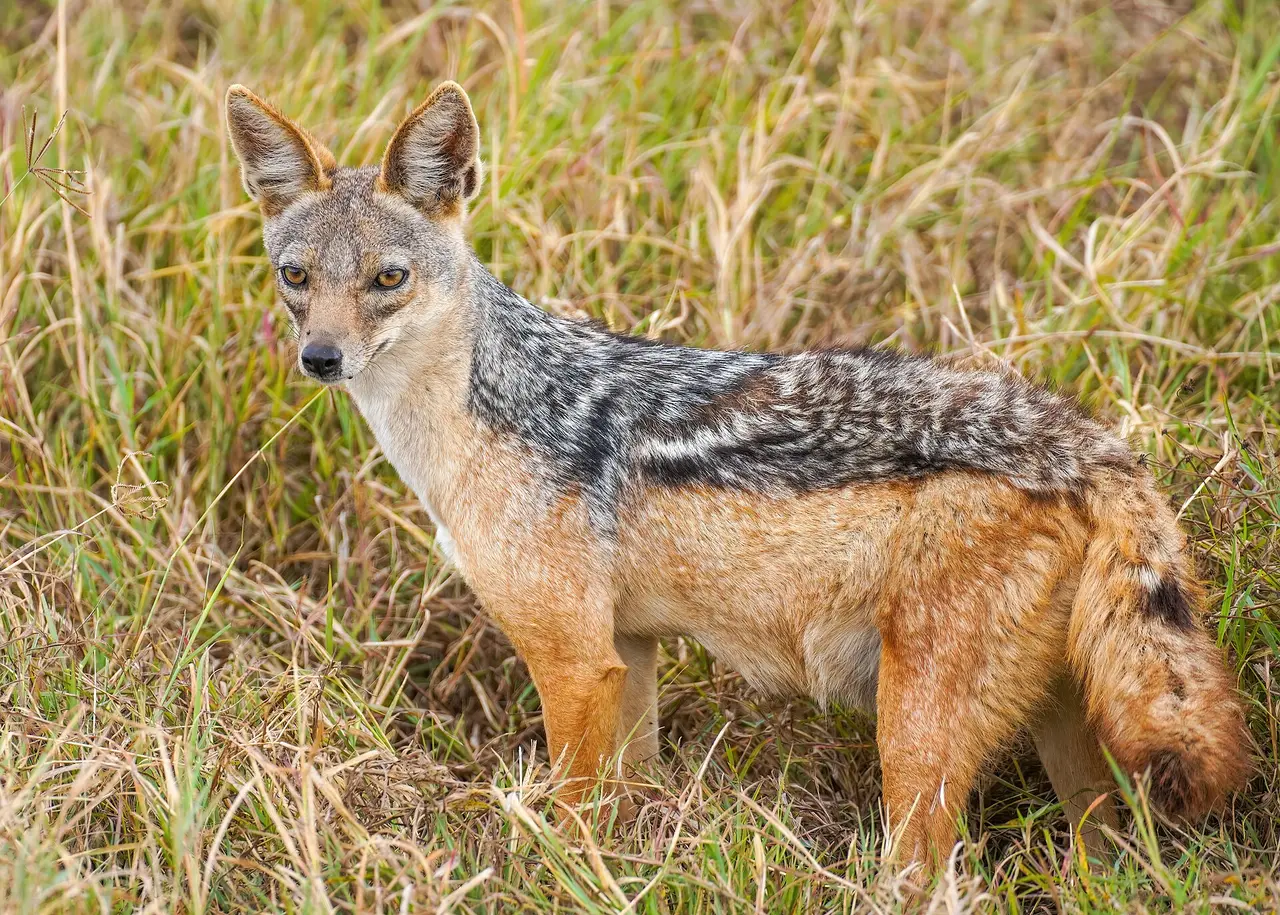
Photo credits : auteur inconnu, CC BY-SA 3.0, Wikimedia Commons ; Giles Laurent, CC BY-SA 4.0, Wikimedia Commons ; Eric Kilby, CC BY-SA 2.0, Wikimedia Commons ; Leyo, CC BY-SA 2.5 ch, Wikimedia Commons ; Wolves201, CC BY-SA 4.0, Wikimedia Commons

Tanzania's must-sees

Sites that justify the trip on their own, between savanna, crater and Indian Ocean.

Serengeti National Park

Vast plains crossed every year by hundreds of thousands of wildebeest and zebra, with lions and cheetahs seen year round in the Seronera valley.

Ngorongoro Crater

A collapsed caldera listed by UNESCO, whose floor gathers buffalo, lions, flamingos and a few black rhinos, best watched right at morning opening time.

Tarangire National Park

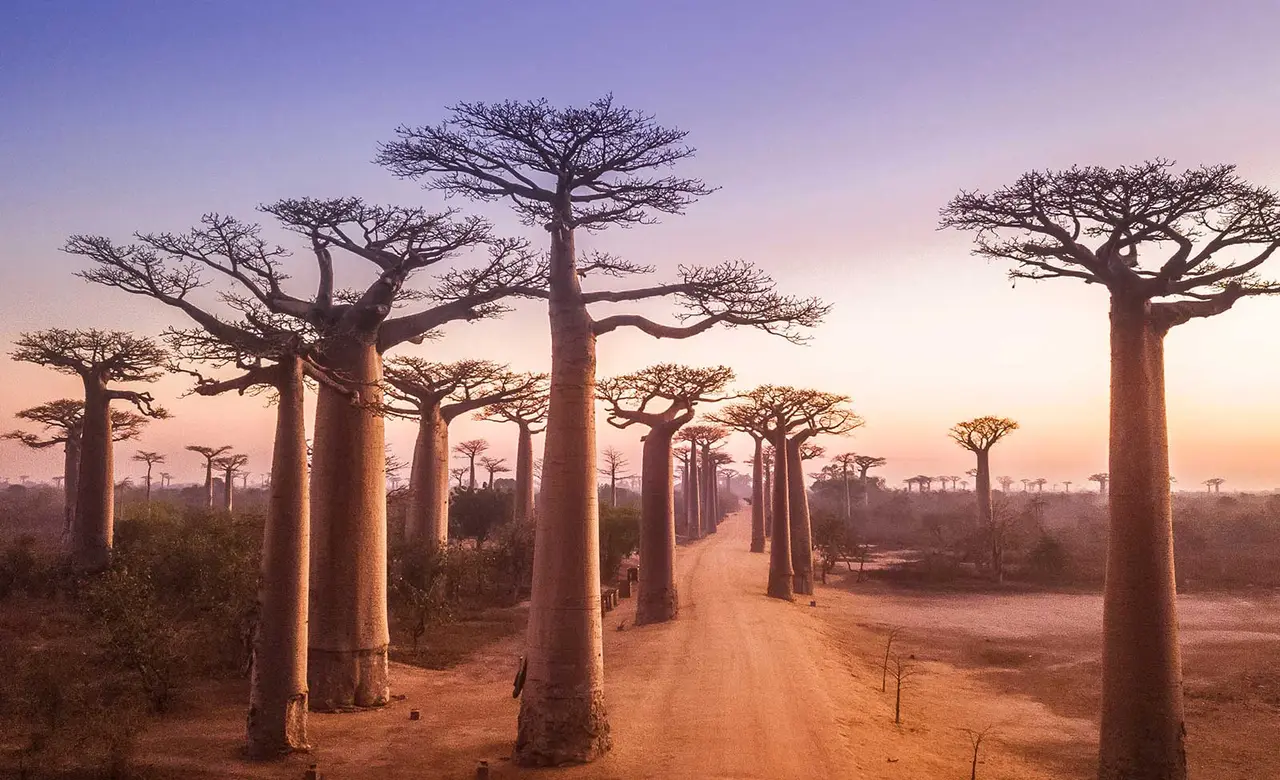
Giant baobabs and large elephant herds gathering along the Tarangire River in the dry season, often quieter than its northern neighbours.

Olduvai Gorge

A major palaeontological site on the road to the Serengeti, where the Leakeys' digs uncovered hominin fossils, with a small museum on the ravine's edge.

Lake Manyara

An alkaline lake at the foot of the Rift escarpment, frequented by flamingos and baboons, visited in half a day from Mto wa Mbu.

Stone Town

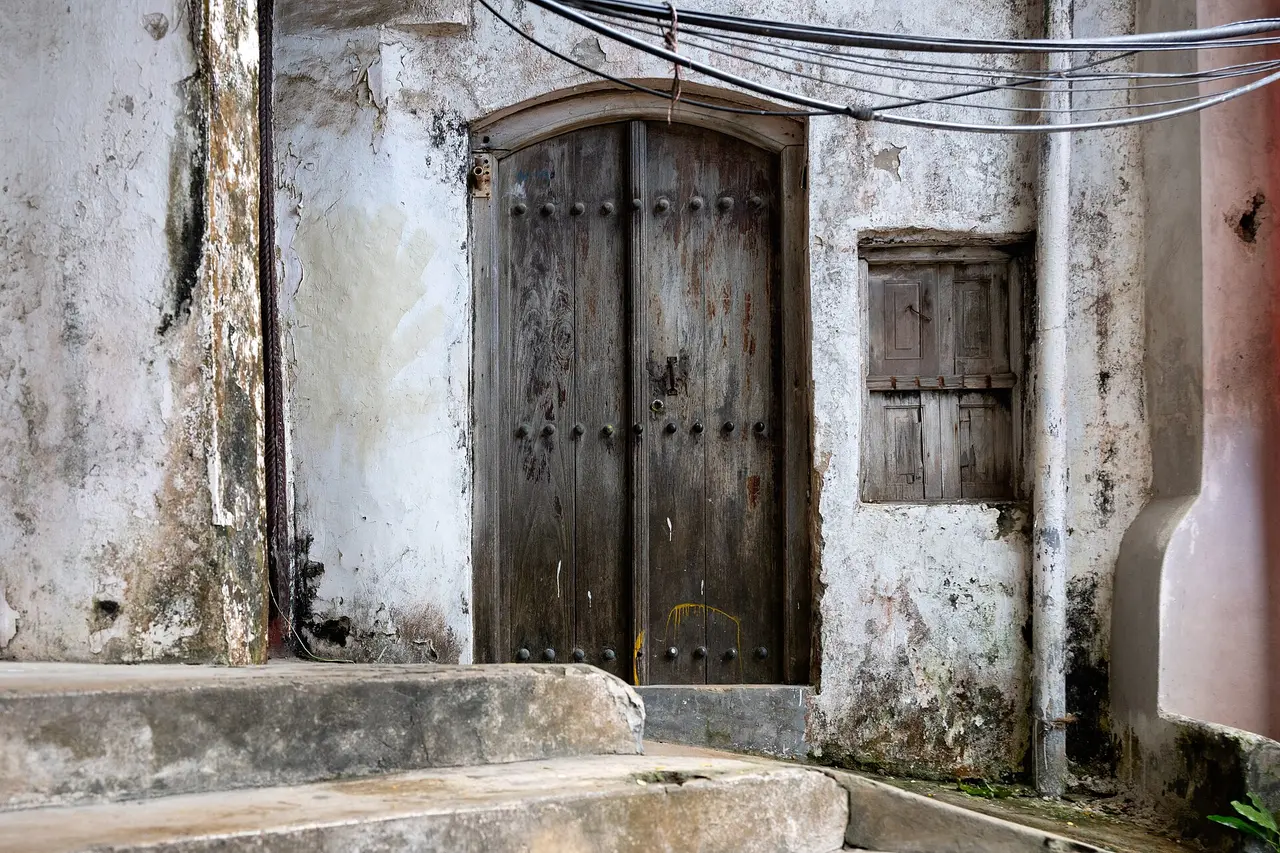
Zanzibar's UNESCO-listed old Swahili town, with carved doors, former sultanate palaces and the waterfront Forodhani night market.

Mnemba Atoll

A small protected atoll off north-east Zanzibar, reached by dhow for a morning of snorkelling among reef fish, turtles and sometimes dolphins.

Jozani Forest

Zanzibar's last large forest, home to the island's endemic red colobus monkey, explored in an hour on trails and a mangrove boardwalk.

Chagga coffee farms

Chagga villages on the slopes of Kilimanjaro where you follow the picking, roasting and tasting of arabica coffee grown in the shade of banana trees.

Practical information for Tanzania

Visa
Required, 50 USD, online at visa.immigration.go.tz or on arrival
Zanzibar insurance
Mandatory to enter the island, 44 USD, valid 90 days
Dollar notes
Only notes issued after 2006 are accepted
Safari tipping
About 20 to 25 USD per day for the guide, plus camp staff
Plastic bags
Banned, remove them from your luggage before arrival
Power sockets
Mostly type G (British), adapter essential
Driving
On the left; avoid driving at night outside towns
Dress on Zanzibar
Shoulders and knees covered away from the beach, mostly Muslim island
Tap water
Not drinkable, use bottled or filtered water
Languages
Swahili and English
Currency
Tanzanian shilling (TZS), US dollars accepted in parks and lodges

Similar destinations

Other countries you might like as much as Tanzania.

Similar regions

Other regions you might like as much as Tanzania.

Frequently asked questions about Tanzania

Can you see the Mara River crossing on the Tanzanian side?
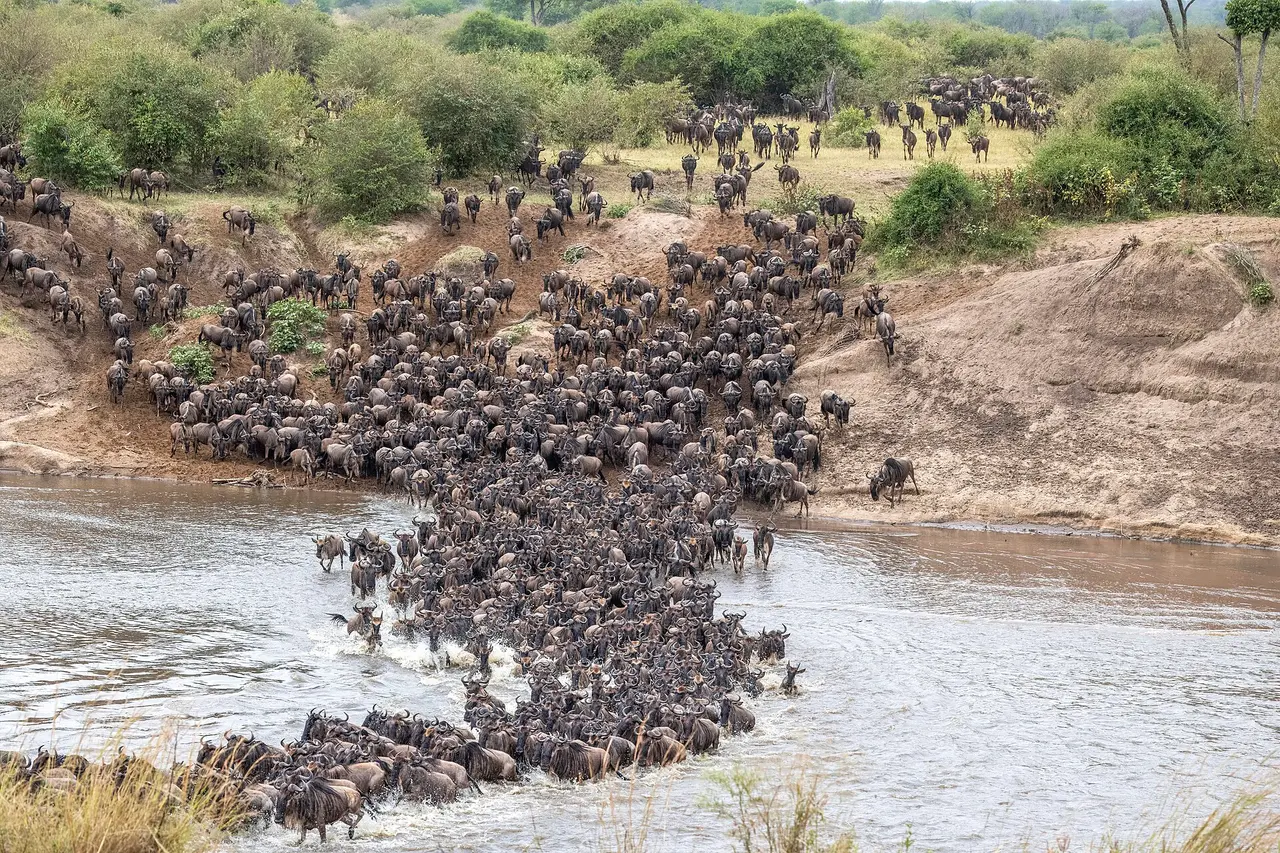
Yes, in the northern Serengeti around Kogatende, where crossings mostly happen from July to September. They remain unpredictable: a herd can hesitate for hours on the bank. Plan at least three nights in a northern camp to improve your chances.
How much does it cost to drive into the Ngorongoro Crater?
Expect 295 USD per vehicle for the descent fee, on top of the conservation area entry fees paid by each passenger. Sharing a 4x4 between six people cuts the bill sharply, which is one of the main arguments for group safaris.
How many days do you need to combine the Serengeti and Zanzibar?
Ten days is a sensible minimum: five safari days between Ngorongoro and the Serengeti, then a direct flight from a park airstrip to Zanzibar for five days between Stone Town and the northern beaches. With only a week, choose one or the other.
Does Zanzibar's mandatory insurance also apply on the mainland?
No. Since 1 October 2024 it applies only to travellers entering Zanzibar. It costs 44 USD per person, is valid for 90 days and is best bought online before departure to avoid queuing on arrival.
How many days does it take to climb Kilimanjaro?
Allow six to eight days depending on the route. The shortest itineraries leave little time to acclimatise and have higher failure rates due to altitude sickness. Add a night in Moshi before and after the climb.
Is a yellow fever certificate checked on arrival in Tanzania?
Officially it is only required from travellers coming from a country where the disease is present, or who transited there for more than twelve hours. In practice proof is often asked of everyone, so getting vaccinated avoids trouble at the airport.
Should you choose Zanzibar's north or east coast?
The north coast, around Nungwi and Kendwa, keeps water at low tide and suits swimming. The east coast, from Paje to Jambiani, drains for hundreds of metres but draws kitesurfers. Check the tide table before booking.

Plan your trip to Tanzania

Day-by-day itinerary, budget, bookings and packing in a single app.
Aperçu de l'application PlanTripNow