Benin

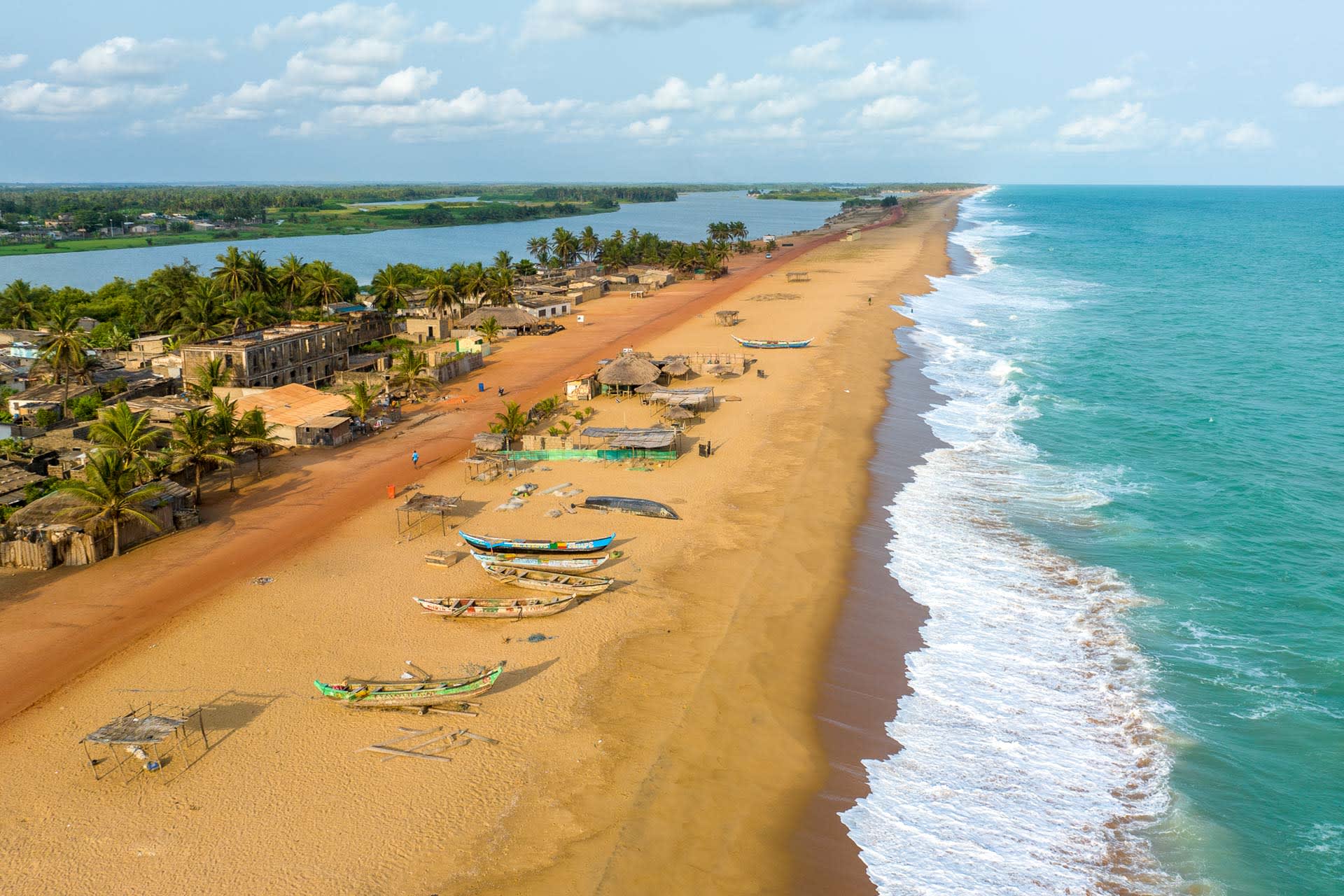
Benin is often described as the birthplace of Vodun and holds a deep historical memory, from the royal palaces of Abomey to the Slave Route of Ouidah. Between the stilt village of Ganvié, the bustling market of Cotonou and the wildlife of Pendjari National Park, the country proves rich in both heritage and nature.

Why visit Benin?

Benin stands out for the depth of its historical and spiritual heritage, between the UNESCO-listed royal palaces of Abomey and the memory of the slave trade preserved in Ouidah. The stilt village of Ganvié and the wild landscapes of Pendjari National Park complete a journey between culture and nature.

What to discover in Benin?

Ouidah holds a central place in the country's history through the Slave Route, leading to the Door of No Return, a powerful symbol of remembrance for the transatlantic slave trade. The town is also regarded as a major centre of Vodun, a traditional religion still very present in daily life and celebrated each year during a dedicated festival gathering both believers and visitors. Near Cotonou, the country's main economic hub, the stilt village of Ganvié, built on Lake Nokoué, surprises visitors with a way of life entirely organised around water, from floating houses to floating schools.
In Abomey, the royal palaces, a UNESCO World Heritage site, tell the story of the powerful Kingdom of Dahomey through bas-reliefs, statues and royal collections preserved on site. Further north, Pendjari National Park, one of the most biodiverse in West Africa, shelters elephants, lions and numerous bird species within a preserved savanna setting, ideal for wildlife watching at dawn.

Cities to visit in Benin

Featured destinations appear first.
Coming soon.

Benin in pictures

Must-see highlights

A few emblematic experiences to discover the richness of Benin.

The Slave Route

Walk this path of remembrance leading to the Door of No Return, a major symbol of the history of the slave trade in West Africa.

Royal palaces of Abomey

Discover the remains of the Kingdom of Dahomey, a UNESCO World Heritage site valued for its exceptional historical and artistic significance.

Stilt village of Ganvié

Sail through this village built on stilts in the middle of Lake Nokoué, entirely organised around everyday life on the water.

Pendjari National Park

Spot elephants, lions and antelopes in one of the richest and best preserved wildlife sanctuaries in all of West Africa.

Dantokpa market

Explore one of the largest open-air markets in West Africa, in the heart of Cotonou, full of fabrics, spices, crafts and local produce.

Vodun traditions

Immerse yourself in the practices and annual festival of Vodun, a traditional religion deeply rooted in Beninese culture for centuries.

Practical information

Capital
Porto-Novo
Area
114,763 km²
Population
around 13 million people
Language
French (official), Fon, Yoruba and other local languages
Currency
CFA franc (XOF)
Time zone
WAT (UTC+1)
Climate
Tropical, more humid in the south, drier in the north
Best season
November to February, dry season

Frequently asked questions

What is the capital of Benin?
Porto-Novo is the country's official capital, while Cotonou, by far the largest city and seat of government, actually serves as its true economic, administrative and cultural centre for most residents today.
What is the best time to visit Benin?
The dry season, from November to February, offers a noticeably more pleasant climate and easier travel conditions, making it the most recommended period to discover the country comfortably and safely.
Do I need a visa for Benin?
Most visitors need to obtain a visa before departure or on arrival, depending on their nationality. It is recommended to check the exact requirements with Beninese consular authorities before travelling.
Which sites in Benin are UNESCO-listed?
The royal palaces of Abomey, remnants of the former Kingdom of Dahomey, are among the Beninese sites inscribed on the UNESCO World Heritage list for their historical and artistic value.
What is Vodun?
Vodun is a traditional religion originating in Benin, still very widely and openly practised today, and celebrated every single year during a national festival dedicated to its rites, deities and traditions.
How do you get around in Benin?
Motorcycle taxis, locally known as zemidjans, are widespread in towns, while travel between cities mainly relies on the road network, with regular connections between the main urban centres and villages.

Plan your trip to Benin

Day-by-day itinerary, budget, bookings and packing in a single app.
Aperçu de l'application PlanTripNow