Visit French Guiana: when to go, entry rules and what to see

French Guiana is French Amazonia: a coastal strip where almost everyone lives, and behind it a forest the size of Portugal, with no roads. People come for the Salut Islands, the Kourou space centre, the Maroni river and the wildlife. The yellow fever vaccine is compulsory.

Why visit French Guiana?

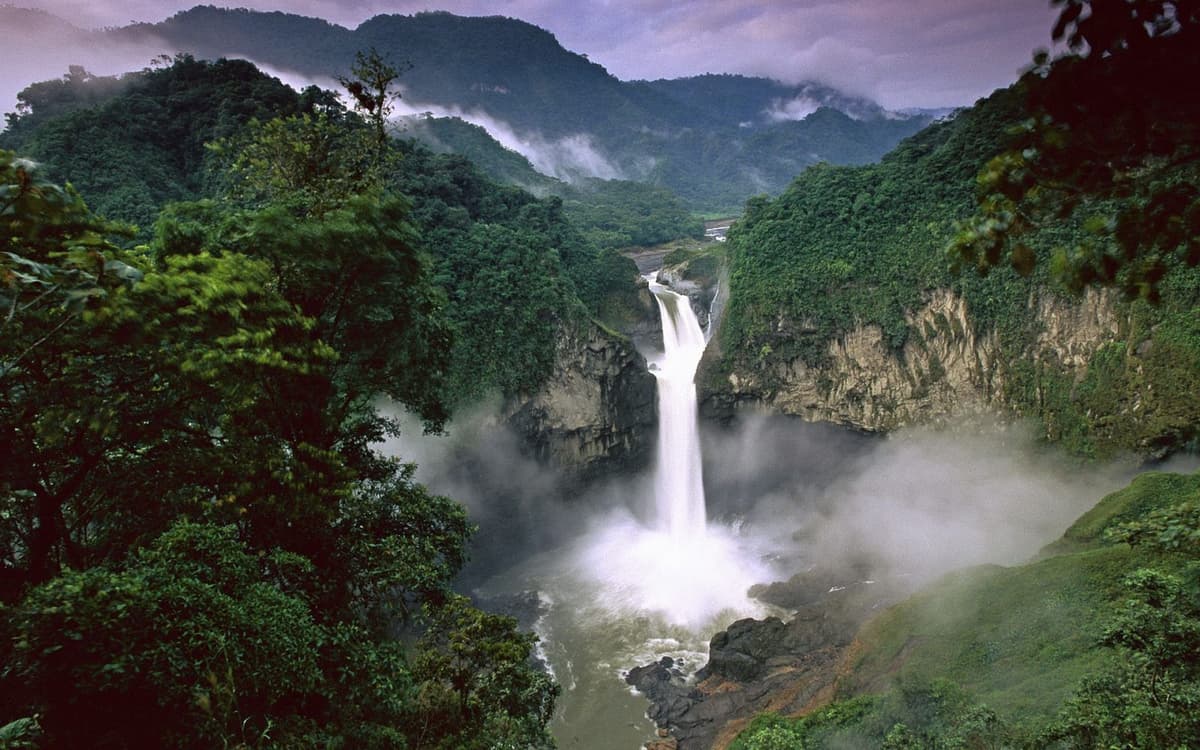
French Guiana is the only Amazonian territory of the European Union: primary forest over 96 percent of its area, one of the planet's richest ranges of biodiversity, and a Creole, Amerindian, Bushinenge, Hmong and mainland-French blend. This department of France is visited outside the usual frame: little tourist infrastructure, travel by pirogue and a demanding equatorial climate.

What is there to discover in French Guiana?

Cayenne, Kourou and the Salut Islands

Cayenne, the capital, is a few streets around the Place des Palmistes and its Creole market on Wednesday and Saturday; Fort Cepere overlooks the harbour and the beaches of Remire-Montjoly host turtle nesting. An hour's drive away, Kourou lives to the rhythm of launches from the Guiana Space Centre, whose tour is free by reservation. Offshore, the Salut Islands, Royale, Saint-Joseph and Ile du Diable, keep the ruins of the penal colony that held Dreyfus and the model for Papillon; you get there by catamaran from Kourou.
The Amerindian west and the Maroni

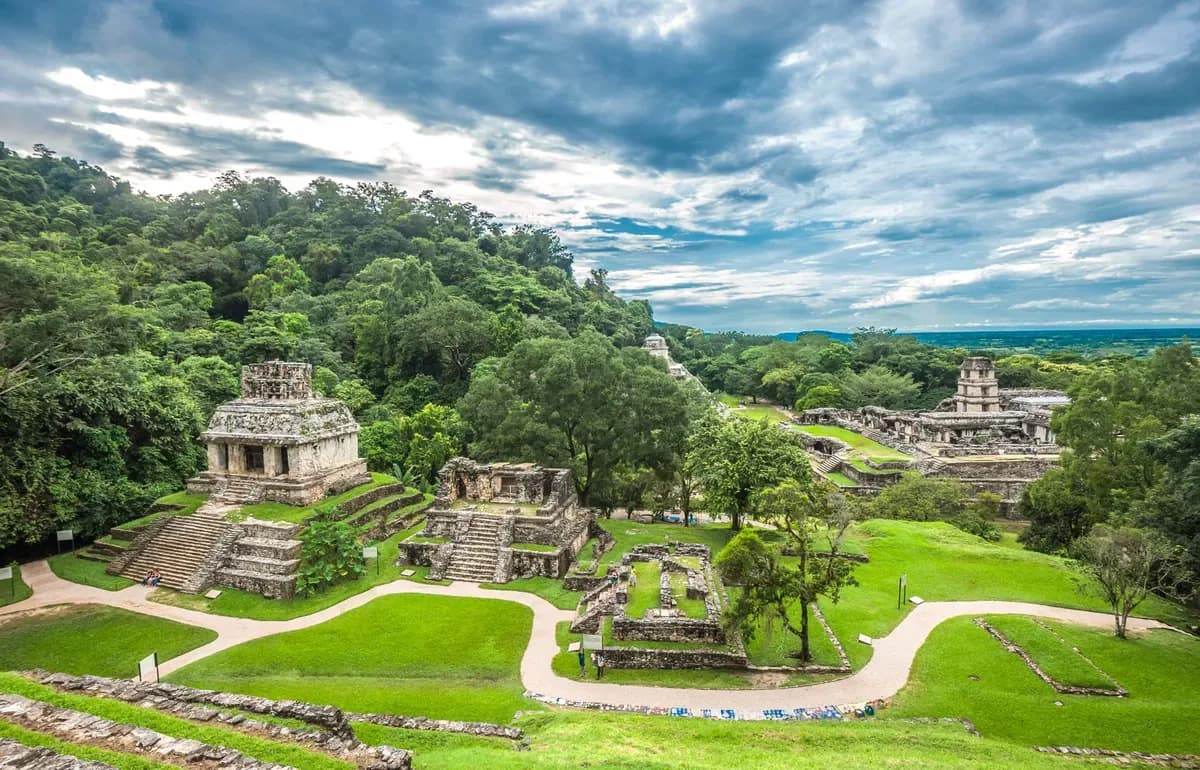
Saint-Laurent-du-Maroni, the former gateway to the penal colony, has kept the Transportation Camp and a colonial architecture nicknamed the little Paris. From there, the pirogue heads up the Maroni for hours toward the Bushinenge villages, descendants of runaway slaves, and Amerindian villages, as far as Maripasoula, which only an airstrip serves. Further north, Awala-Yalimapo, Kali'na land at the mouth of the river, borders Hattes beach where leatherback turtles nest from April to July.

The Amazon forest and the southern rivers

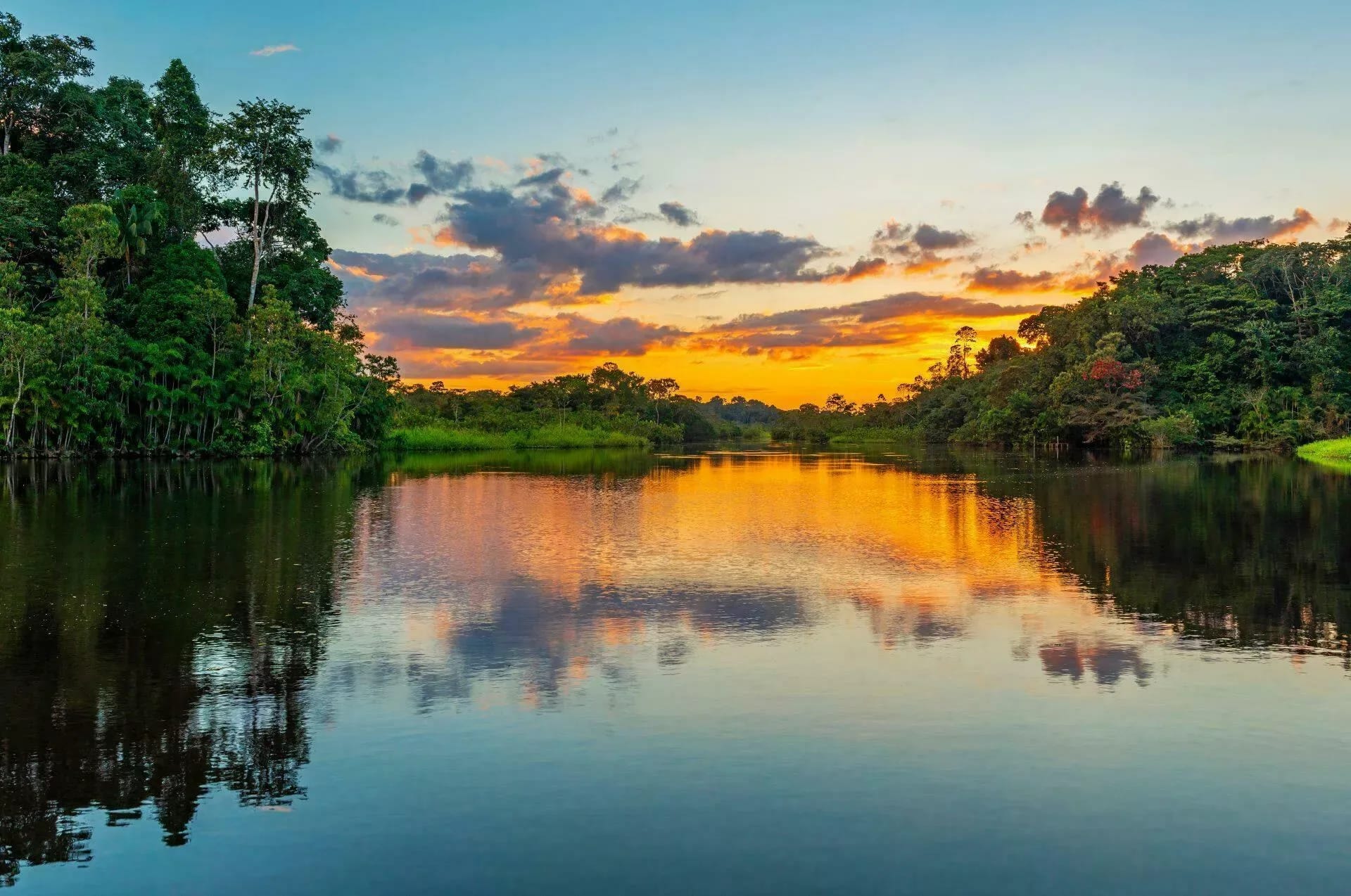
The interior is reached only by pirogue or light aircraft, and no road penetrates it. The Kaw marshes, the department's largest wetland, are explored at night in search of black caimans, then at dawn for the birds. The Nouragues reserve holds a research station deep in the forest, with a canopy walkway and a granite inselberg. These stays are booked months ahead through specialist operators.

Cities to visit in French Guiana

Featured destinations appear first.
Coming soon.

French Guiana in pictures

French Guiana highlights

Nine sites covering the penal colony's history, the space adventure and the forest.

Salut Islands

Three islands off Kourou, a former penal colony now a listed site; coconut grove, ruins of the penitentiary and hospital, and Ile du Diable, closed to visitors.

Guiana Space Centre

A European launch base set near the equator; a free guided tour by reservation, and it is possible to watch a launch from viewing sites.

Transportation Camp

In Saint-Laurent-du-Maroni, the complex through which convicts passed on arrival; cells, blockhouses and graffiti, on a guided tour.

Kaw marshes

A vast wetland between forest and mangrove, a refuge for the black caiman, the scarlet ibis and the hoatzin; pirogue trips at night and dawn.

Nouragues reserve

A 100,000-hectare nature reserve in the heart of the forest, with a research station, a granite inselberg and a canopy walkway; regulated access.

Hattes beach, Awala-Yalimapo

One of the world's most important leatherback turtle nesting sites; supervised night watching from April to July, on Kali'na land.

Cayenne market

A Creole market on Wednesday and Saturday, where awara broth, colombo, Sunday Chinese soup and Hmong vegetables meet.

Village of Cacao

A village founded by Hmong refugees from Laos in the 1970s, known for its Sunday market, its embroidery and its Lao cuisine.

Kaw mountain

A forested plateau, a former gold-panning area, rich in amphibians and birds, with trails and viewpoints over the coastal plain.

Similar regions

Other regions you might like as much as French Guiana.

Similar destinations

Other countries you might like as much as French Guiana.

Frequently asked questions about French Guiana

Do you need a visa or a vaccine for French Guiana?
No visa: French Guiana is a French department, and an identity card is enough for a French national. However, the yellow fever vaccine is compulsory from the age of one, to be done at least ten days before departure.
Can you visit the Guiana Space Centre and see a launch?
Yes. The guided tour of the site is free by reservation, with an ID document. To watch a launch, you must register ahead: free viewing sites open in Kourou and nearby towns depending on the mission.
How long to visit French Guiana?
A week covers the coast, the Salut Islands and a first taste of the forest, at the Kaw marshes for instance. Two weeks are needed to add the west, the Maroni and an expedition into the interior.
Is French Guiana dangerous?
The department has a higher crime rate than mainland France, mostly in Cayenne and Kourou at night. Tourist areas and the supervised forest pose no particular problem; illegal gold mining concerns remote areas, off the trails.
How do you reach the Amazon forest in French Guiana?
By pirogue on the rivers, or by light aircraft to the interior airstrips. Stays in forest shelters, at the Kaw marshes, on the Maroni or in the reserves, go through local operators and are booked well ahead.
When can you see leatherback turtles nesting in French Guiana?
From April to July, peaking in May and June, on the western beaches such as Hattes at Awala-Yalimapo. Watching is done at night, supervised by associations, with no white light or flash.
What is the best time to visit French Guiana?
From August to November, during the dry season: the forest is walkable, the tracks open and the humidity less crushing. February and March, during Carnival, are also worth the trip despite the showers.
Can you go to Brazil or Suriname from French Guiana?
Yes. A bridge links Saint-Georges de l'Oyapock to Oiapoque in Brazil, and a ferry links Saint-Laurent to Albina in Suriname. A passport is needed, and fresh proof of yellow fever vaccination may be required on return.
What are the Salut Islands and Devil's Island?
An archipelago of three islands off Kourou that held the harshest penal colony in French Guiana. Ile Royale and Ile Saint-Joseph can be visited; Ile du Diable, where Captain Dreyfus was deported, is only seen from a distance, as landing is forbidden.

Plan your trip to French Guiana

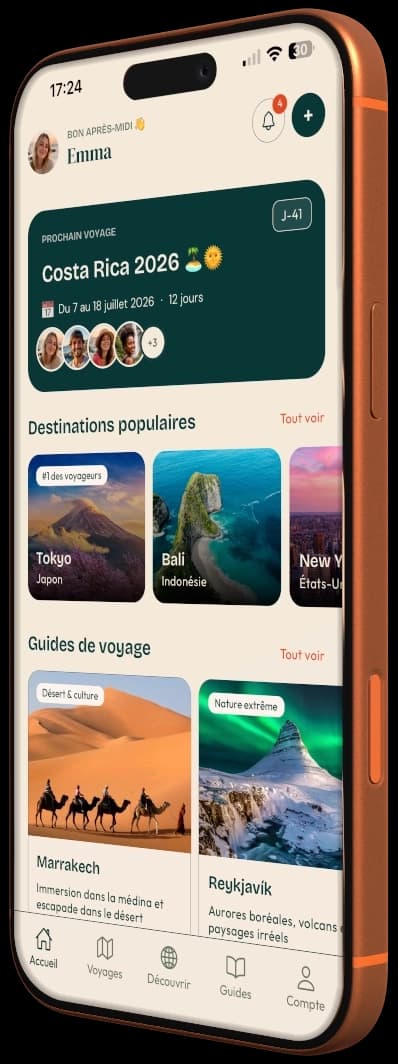
Day-by-day itinerary, budget, bookings and packing in a single app.
Aperçu de l'application PlanTripNow