Visiting Fuerteventura: beaches, dunes and wind spots

Pale dunes sliding into turquoise water, rounded rust-coloured volcanoes, lagoons at low tide and wild beaches several kilometres long: Fuerteventura, the Canary island closest to Africa, is explored from north to south in a week, between surfing, hiking and whitewashed villages.

Why go to Fuerteventura?

Fuerteventura, declared a UNESCO biosphere reserve in 2009, has some of the longest sandy beaches in the Canaries and steady winds that make it a reference for windsurfing and kitesurfing. The climate stays mild all year, with little rain, making it one of the most reliable winter-sun destinations in Spain.

What to discover in Fuerteventura, area by area?

The north: Corralejo, the dunes and Lobos

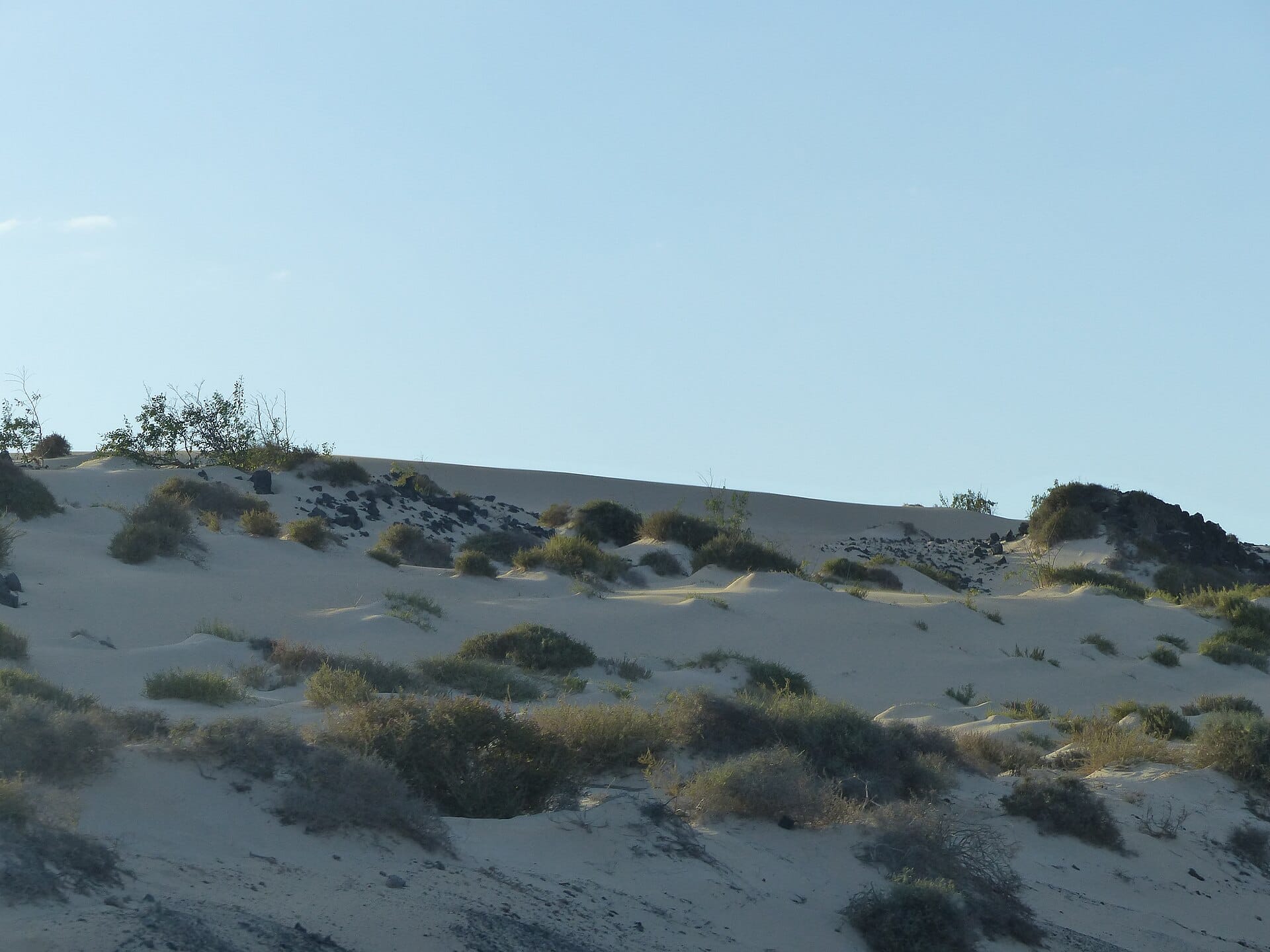
Corralejo, a former fishing port turned the main resort of the north, is the most practical base for a first visit. Just south, the dunes natural park stretches for several kilometres along the FV-1 road, with beaches where you swim at the foot of pale sand. From the harbour, boats reach the islet of Lobos in about fifteen minutes, and others cross to Playa Blanca, in southern Lanzarote, in 30 to 35 minutes. Allow two or three days to enjoy the area without a car.

The north-west coast: El Cotillo and Lajares

El Cotillo, a village with a more unspoilt feel, is split between sheltered lagoons to the north, ideal for children at low tide, and large exposed beaches to the south, best left to experienced surfers. Sunsets from the El Tostón tower are among the finest on the island. Ten minutes inland, Lajares gathers surf schools, craft workshops and cafés. From there, the Calderón Hondo volcano trail, about an hour there and back, leads to the rim of a crater with views as far as Lobos on clear days.

The historic centre: Betancuria and Ajuy

In the heart of a mountain massif, Betancuria was the first capital of the archipelago, founded in the early 15th century by the Norman conqueror Jean de Béthencourt. Its Church of Saint Mary and white houses can be seen in an hour. The winding road there passes the Morro Velosa viewpoint, designed by César Manrique, overlooking the island's arid interior. On the west coast, about twenty minutes away, Ajuy offers a black sand beach and a fifteen-minute path to sea caves carved into some of the oldest rocks in the Canaries.

The east coast: Puerto del Rosario and Caleta de Fuste

The capital, Puerto del Rosario, is mainly an administrative town, but its streets are dotted with around a hundred open-air sculptures that justify a two-hour stroll. About ten minutes south of the airport, Caleta de Fuste lines up family hotels around a very calm bay and an 18th-century defence tower, handy for a short stay. Further south, Las Playitas and Gran Tarajal keep a fishing village atmosphere, with the La Entallada lighthouse perched on its cliff. It is the least windy side of the island, popular in summer.

The Jandía peninsula: Sotavento, Morro Jable and Cofete

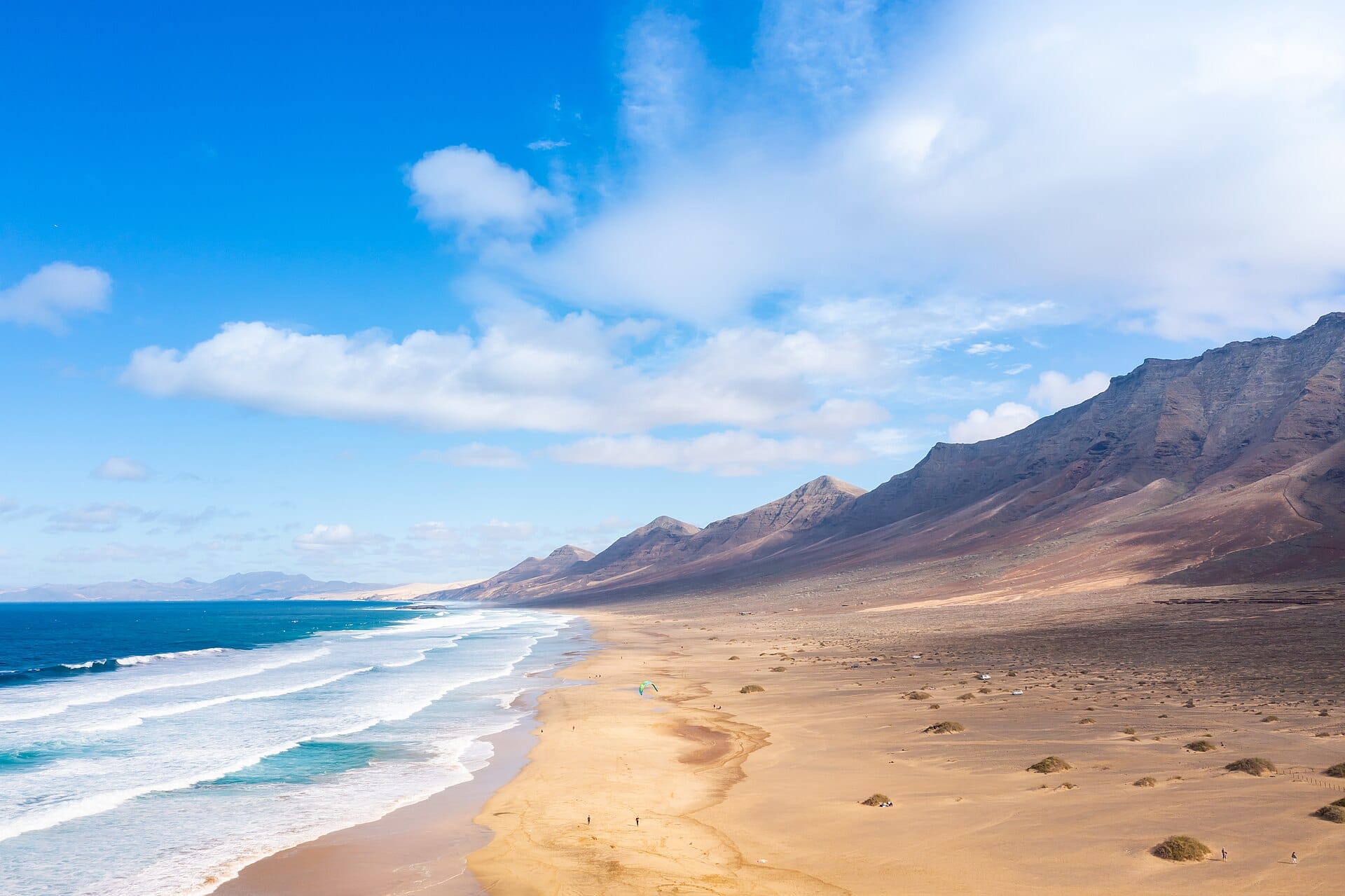
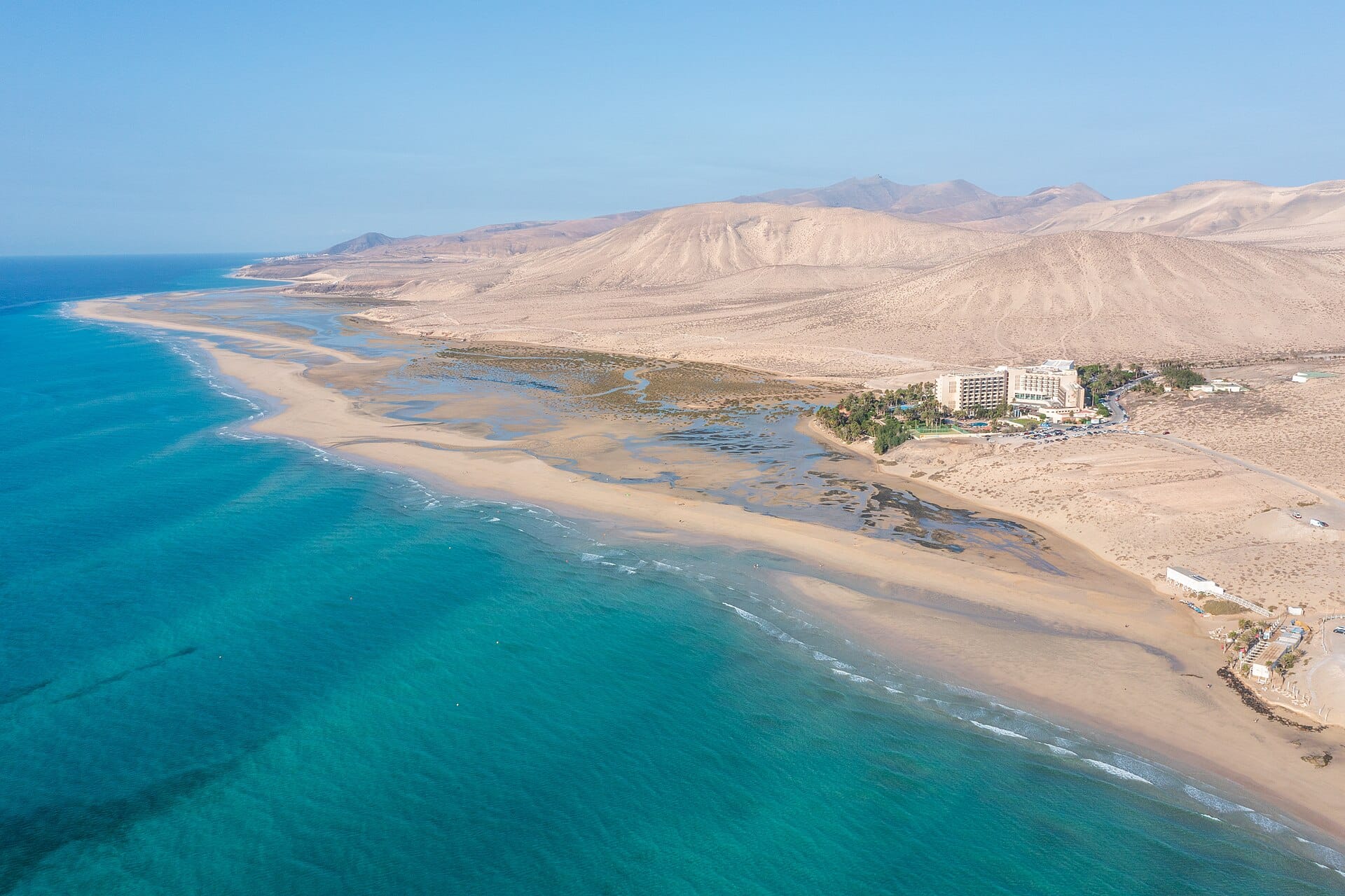
The south of the island, about 1 h 30 by road from Corralejo, has the biggest beaches. At Costa Calma, the Sotavento lagoon forms at low tide over kilometres of sand and hosts international windsurfing and kitesurfing competitions in summer. Morro Jable, at the end of the paved road, keeps a lively old harbour. From there, a track of about 20 km crosses the mountain to Cofete, a wild Atlantic beach with no facilities: check your rental contract, often restrictive on dirt roads, and do not swim, as currents there are dangerous.
Cities to visit in Fuerteventura

Featured destinations appear first.
Coming soon.

Fuerteventura in pictures

Fuerteventura's must-sees

Raw landscapes rather than monuments: the island is lived outdoors, to the rhythm of wind and tides.

Corralejo dunes

A natural park of pale organic sand made of crushed shells, running down to turquoise beaches that are busy with local families at weekends.

Lobos islet

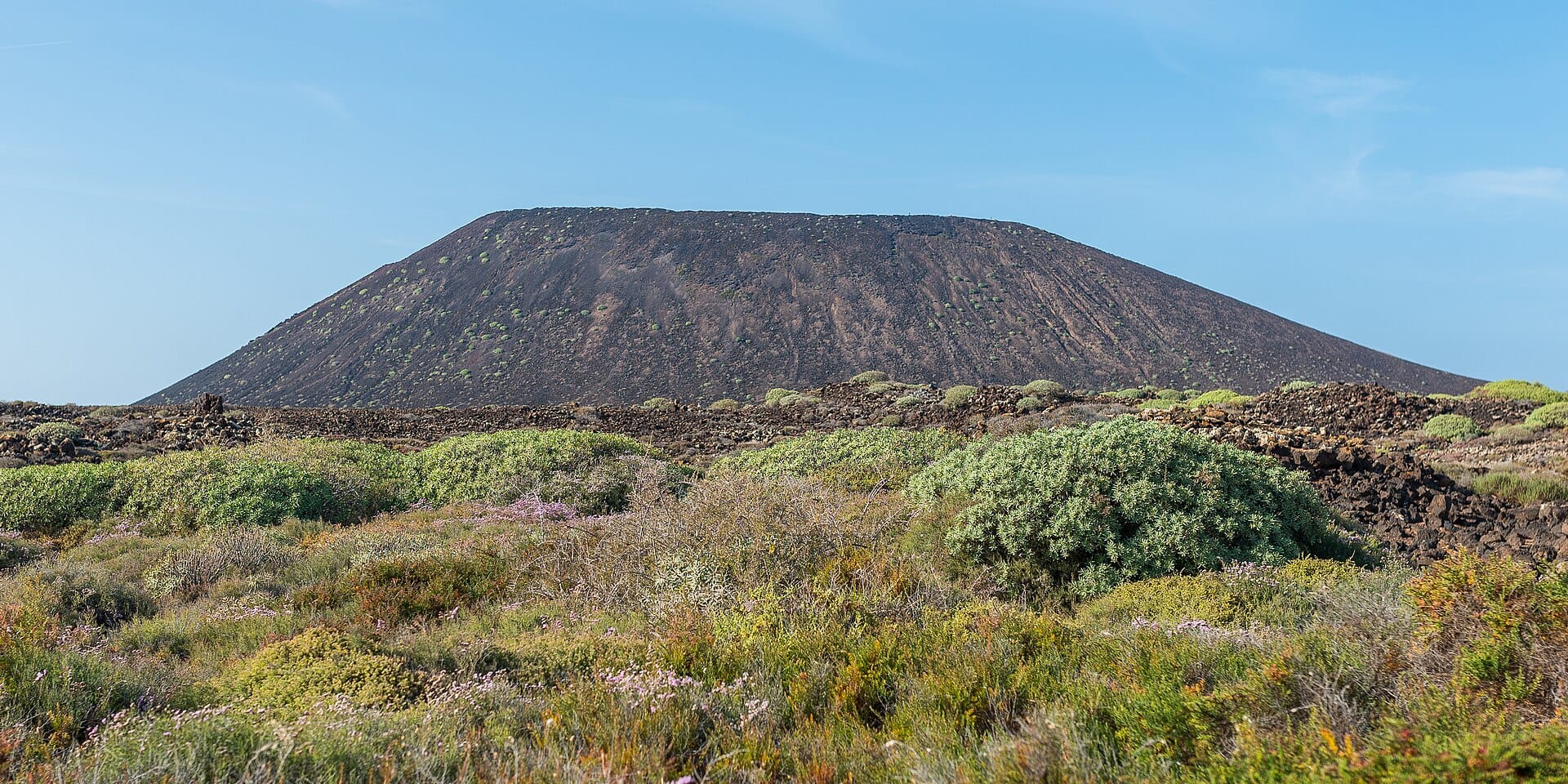
A small protected island off Corralejo with a circular trail, a lighthouse and a natural lagoon. Access requires a free permit obtained online.

Cofete beach

A long deserted beach beneath the Jandía mountains, reached only by a dirt track. Spectacular, but swimming there is strongly discouraged.

Sotavento lagoon

At low tide the sea pulls back to form a shallow lagoon over kilometres, perfect for learning to kitesurf or wading in warm water.

Ajuy caves

Sea caves at the end of a laid-out coastal path, carved into rocks from the ancient ocean floor, best visited when the sea is calm.

Morro Velosa viewpoint

A lookout designed by César Manrique above Betancuria, with a panorama over the rounded hills and dry valleys of the island's centre.

Frequently asked questions about Fuerteventura

Corralejo or Costa Calma: where to stay in Fuerteventura?
Corralejo suits those wanting a lively village feel, restaurants and trips to Lobos and Lanzarote. Costa Calma and Jandía are quieter, closest to the big southern beaches and Sotavento. With a week, nothing stops you splitting the stay between two bases.
How do you get a permit to visit Lobos island?
A free, named permit must be requested online from the island authorities before the visit, with a limited number of places per time slot. Book it before the boat, especially in high season, and bring water and sun protection, as the islet has almost no shade.
Can you drive to Cofete beach in a rental car?
The track from Morro Jable is passable in dry weather with an ordinary car, driven carefully, but many rental firms exclude unpaved roads from their insurance. An alternative is the off-road bus that serves Cofete from Morro Jable.
Is Fuerteventura too windy for a beach holiday?
Wind is a constant, stronger in summer. The beaches of Jandía and the east coast are generally better sheltered than the north-west coast. Pack a windbreak and favour the spring or autumn months if lazing on the beach is your main goal.
Can you combine Fuerteventura and Lanzarote on one trip?
Yes, easily: ferries link Corralejo to Playa Blanca in 30 to 35 minutes, several times a day. A day trip is possible, but two or three nights on Lanzarote let you see Timanfaya and César Manrique's works.
Where can beginners surf in Fuerteventura?
Schools in Corralejo, Lajares and El Cotillo take beginners to suitable spots depending on the day's swell. Avoid heading out alone on the powerful waves of the north coast, which are for experienced surfers, and respect priority rules in the water.
Should you worry about the calima in Fuerteventura?
The calima, a dust-laden wind from the Sahara, occurs a few days a year, mostly in winter. It hazes the sky, raises temperatures and can bother people with asthma: avoid intense exertion and follow the advice of the Canary Islands authorities.

Plan your trip to Fuerteventura

Day-by-day itinerary, budget, bookings and packing in a single app.
Aperçu de l'application PlanTripNow