Skip to content

Plan a trip to Spain: when to go, budget and itineraries

From the excess of Barcelona to the patios of Cordoba, from the green peaks of Asturias to the beaches of the Canaries, Spain changes face every two hundred kilometres. A network of fast trains links its major cities, making a first tour easy to organise in one to two weeks.
  • 24 cities · 13 regions

At a glance

Currency
Euro (€)
Time difference
UTC+1
Visa
None
7-day budget
€945
Per person, comfort profile, excluding international flights.

Why visit Spain?

Spain is one of the most visited countries in Europe, thanks to a rare density of sites: three great civilisations, Roman, Muslim and Christian, left monuments less than an hour apart by train. The climate lets you travel year-round by switching regions, and street life, tapas and terraces, runs late into the evening.

When to visit Spain

Temperatures, rainfall and crowds month by month, to pick your window.
When to visit Spain
MonthTemperaturesRainCrowdsVerdict
January3 to 10 °C6 dQuietThe quietest month of the year, often clear skies but night frosts on the central plateau and snow on the sierra.
February4 to 12 °C5 dQuietRock-bottom prices everywhere except around the Cadiz and Sitges carnivals at the end of the month.
March6 to 16 °C5 dModerateSpring settles in Andalusia while the interior stays cool; book early if Holy Week falls in late March.
April8 to 19 °C7 dBusyHoly Week then the Seville Feria: the spring cultural peak, with Andalusian lodging booked solid.
May12 to 23 °C7 dBusyIdeal weather for hours of city walking, between Madrid's San Isidro and the Cordoba patios.
June17 to 29 °C3 dBusyDry heat builds over the interior and the coast starts filling up before the July rush.
July20 to 33 °C2 dPackedHeatwave window over Madrid, Seville and Extremadura, with spells above 40 degrees for several days running.
August19 to 32 °C2 dPackedThe whole country holidays at once: packed beaches, peak prices and many city businesses shut.
September16 to 27 °C4 dBusyThe best trade-off of the year: sea still warm, grape harvest, Barcelona's La Merce and the heat easing off.
October11 to 20 °C7 dModerateGolden light on the old towns and terraces still usable, with the first real autumn rains over the interior.
November6 to 14 °C7 dQuietFirmly off-season: empty museums, low rates and the wettest month over Madrid.
December4 to 10 °C6 dModerateChristmas markets and light displays lift city footfall, with a sharp price spike in the final week.
Source: Cadrage Espagne centrale et mediterraneenne, station de reference Madrid-Retiro (climat continental de l'interieur) : moyennes 1991-2020 AEMET recoupees avec Climatestotravel (1991-2020), releve septembre 2026. Le nord atlantique est plus frais et pluvieux, les Canaries restent douces toute l'annee.

What to discover in Spain?

Madrid and the cities of Castile

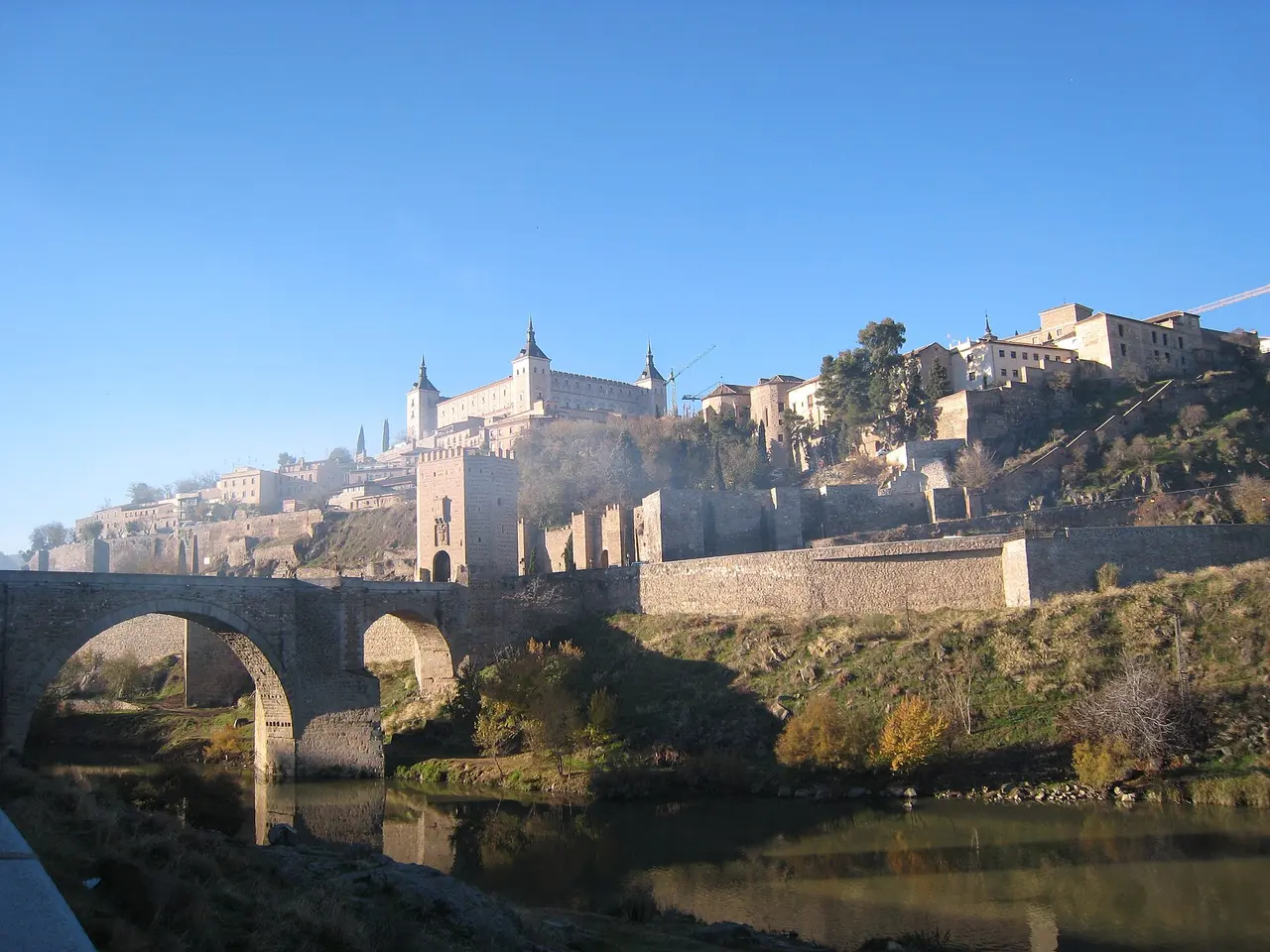
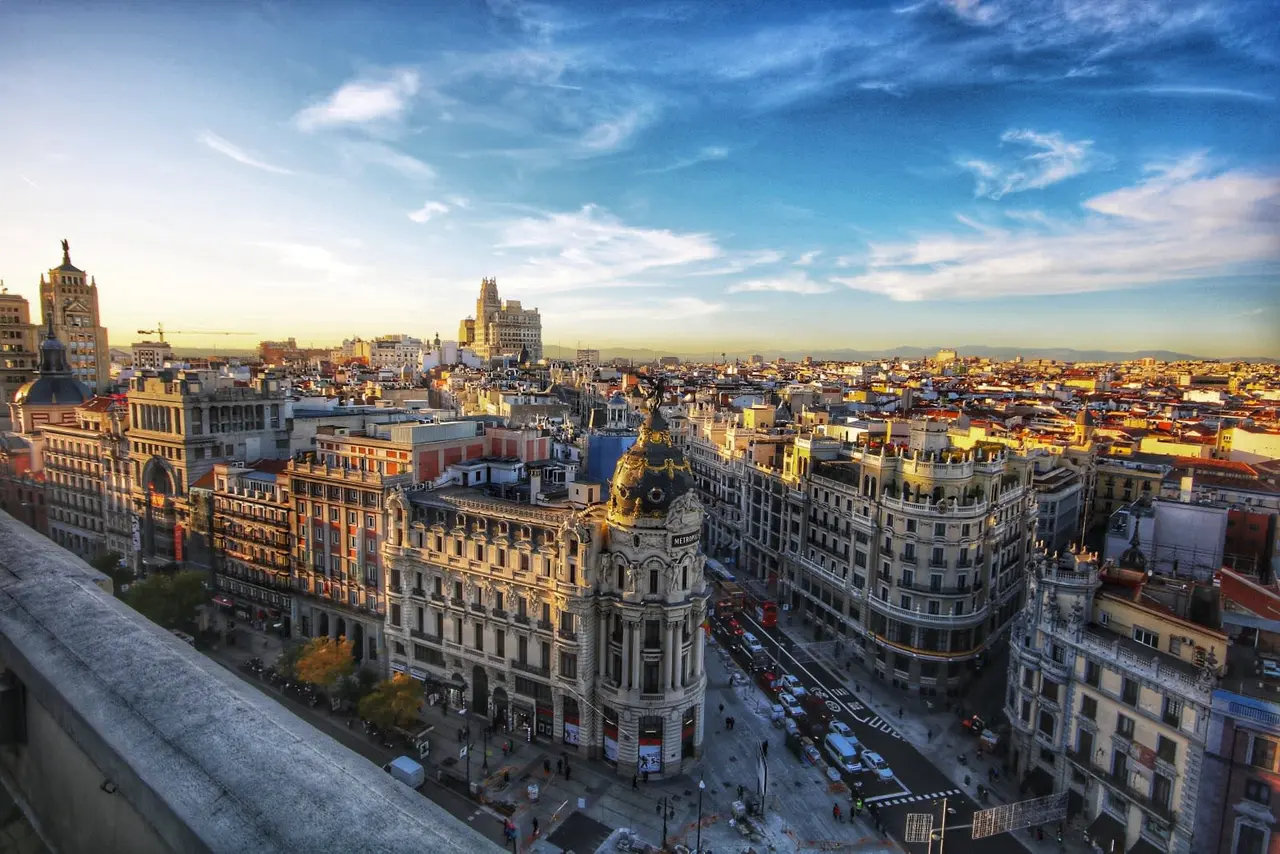
The centre of the country is explored from Madrid, whose museum triangle, Prado, Reina Sofia and Thyssen, needs two full days. Around it, the AVE and regional trains put Toledo 33 minutes away, Segovia 30 and Salamanca 1h40: all feasible as day trips to UNESCO-listed old towns. Allow three nights in Madrid to combine museums, the Retiro, the Royal Palace and a tapas night in La Latina, busiest on Sunday around the Rastro flea market.
Catalonia and the Mediterranean coast

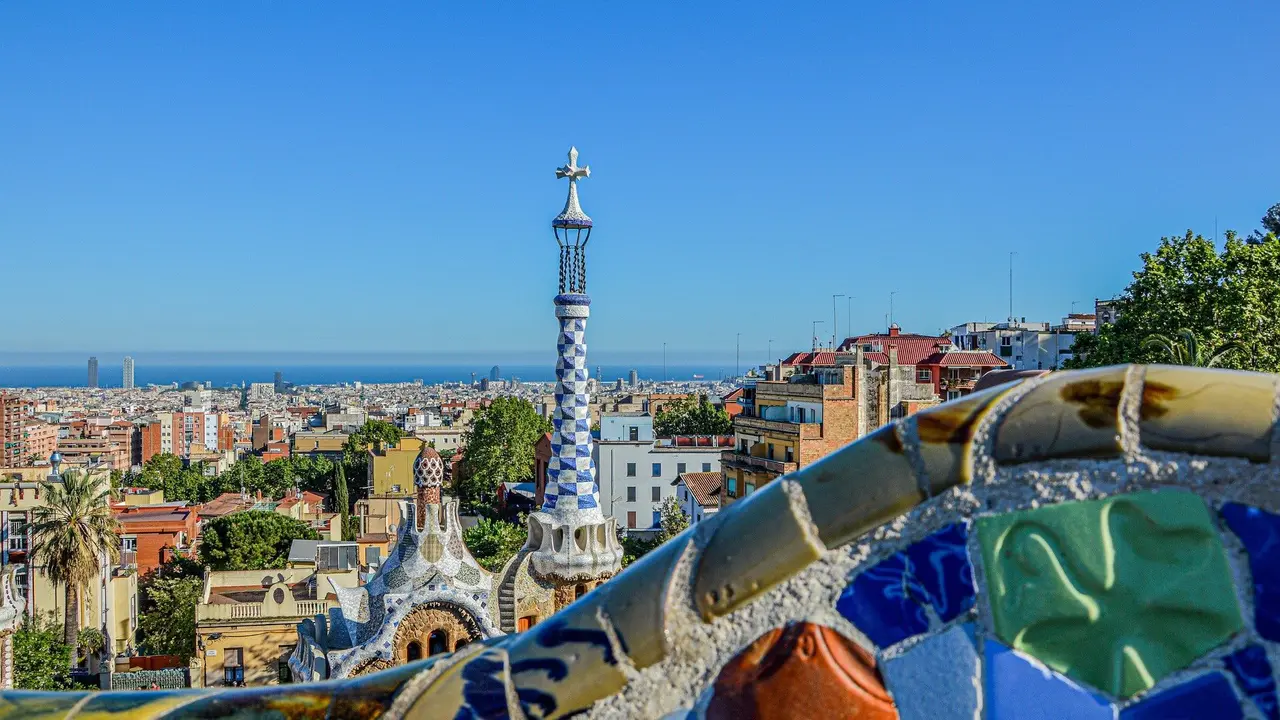
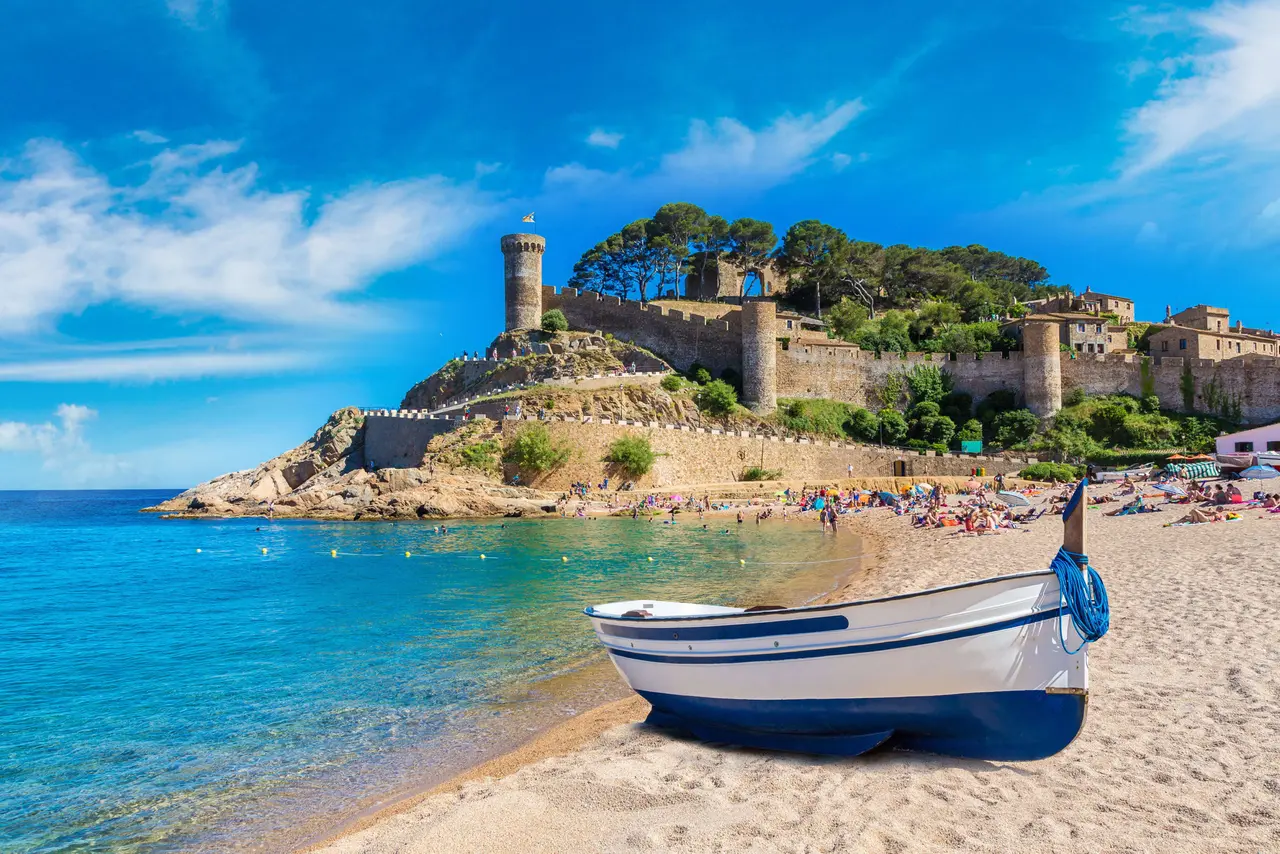
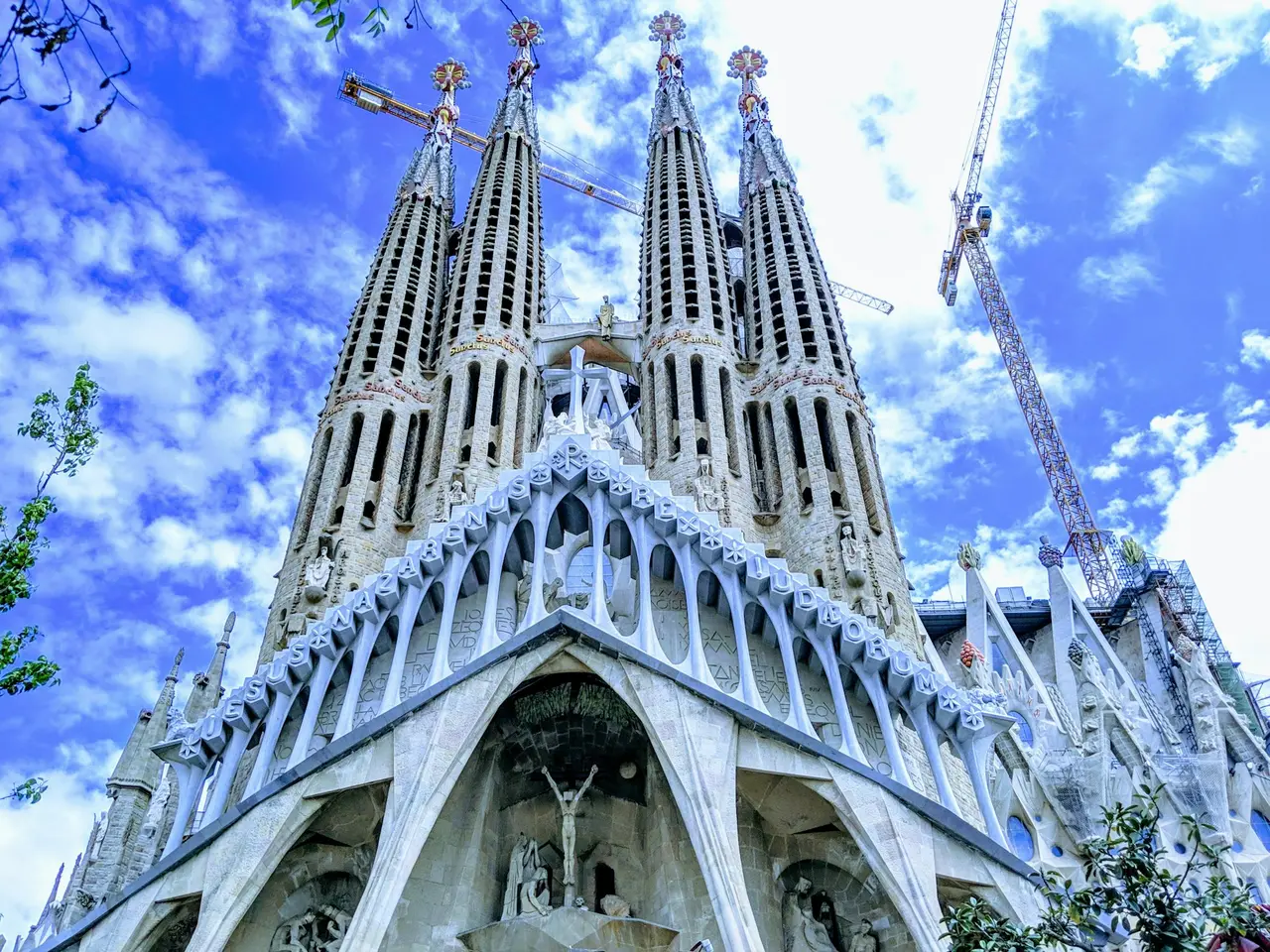
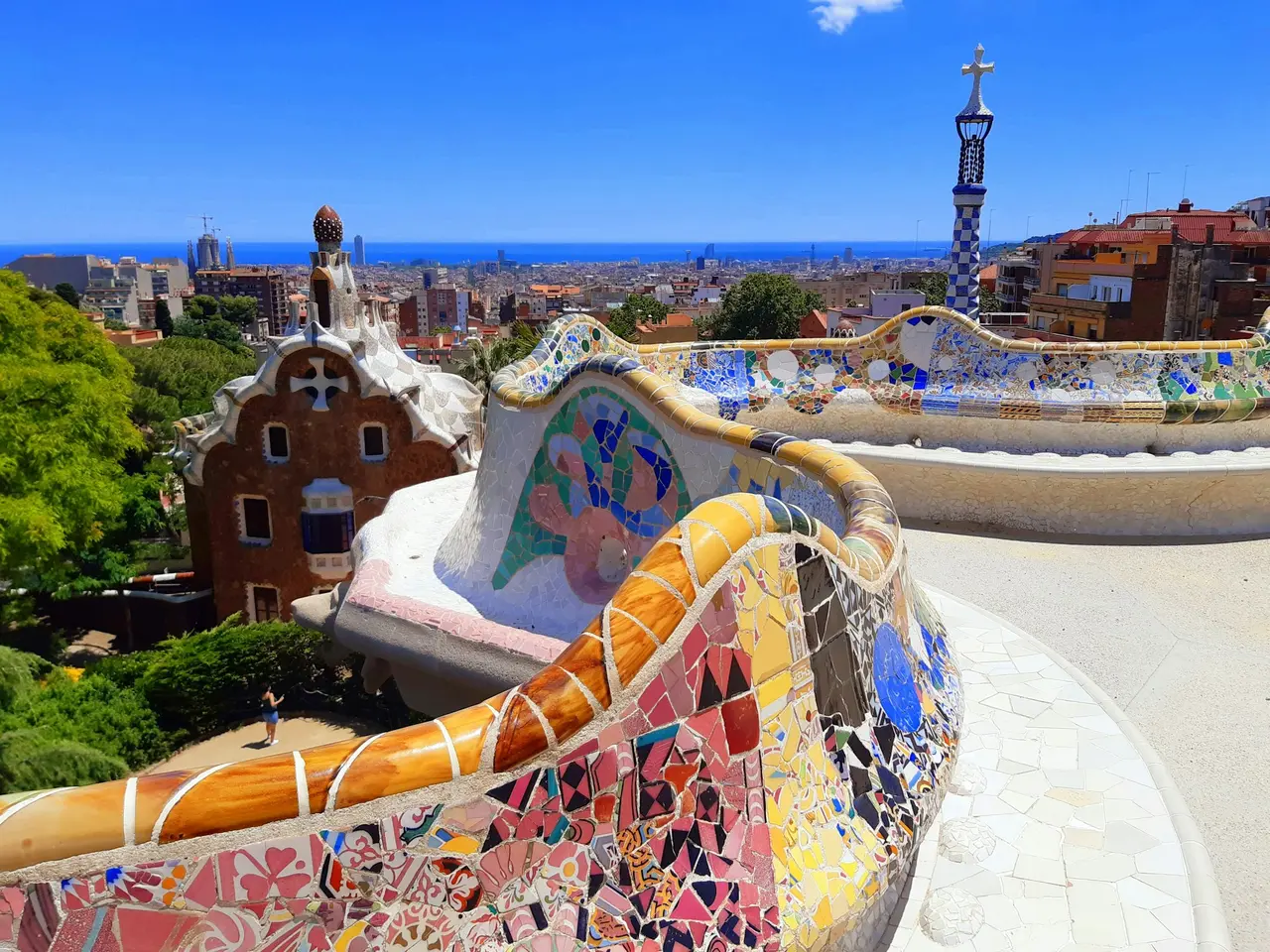
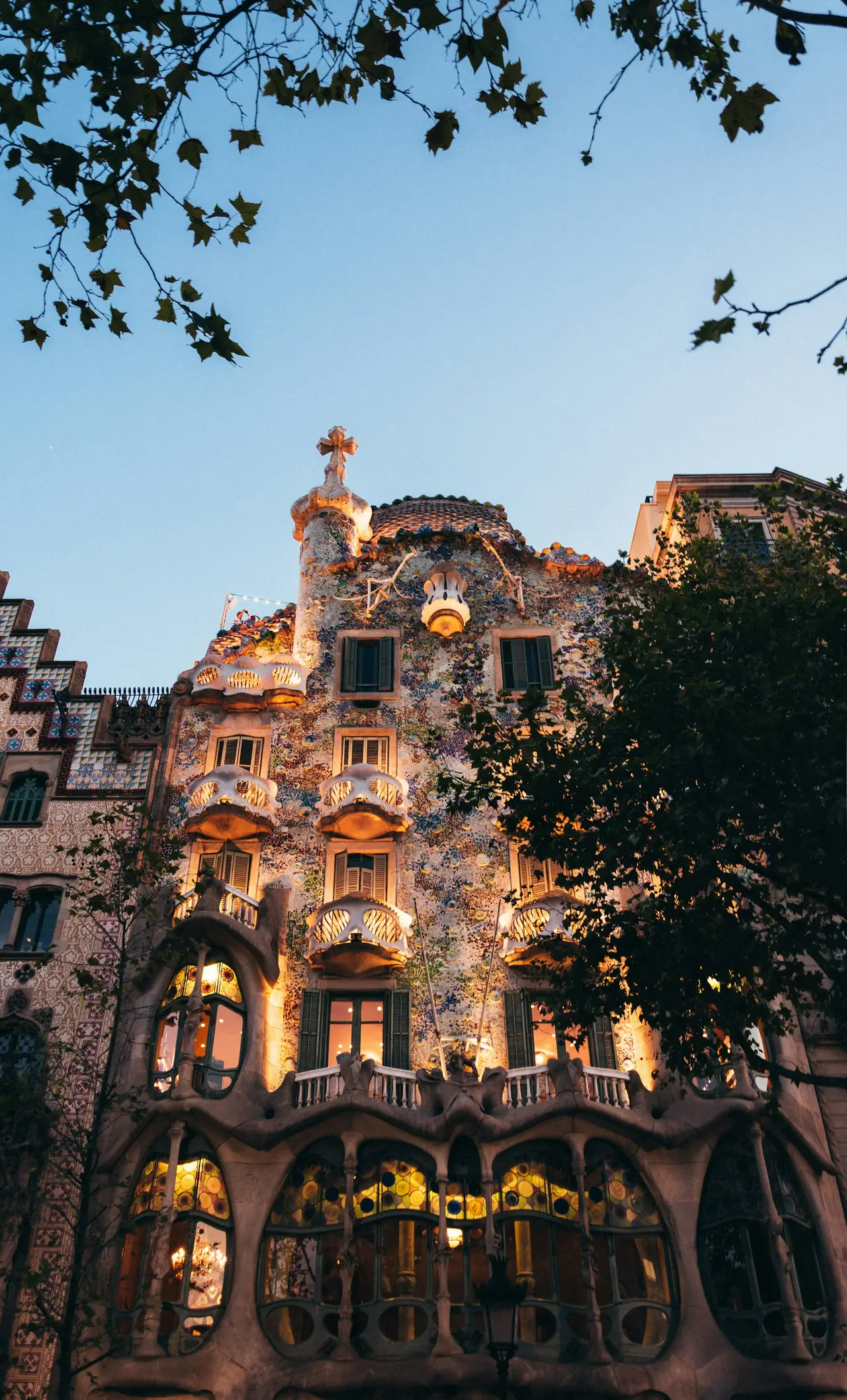
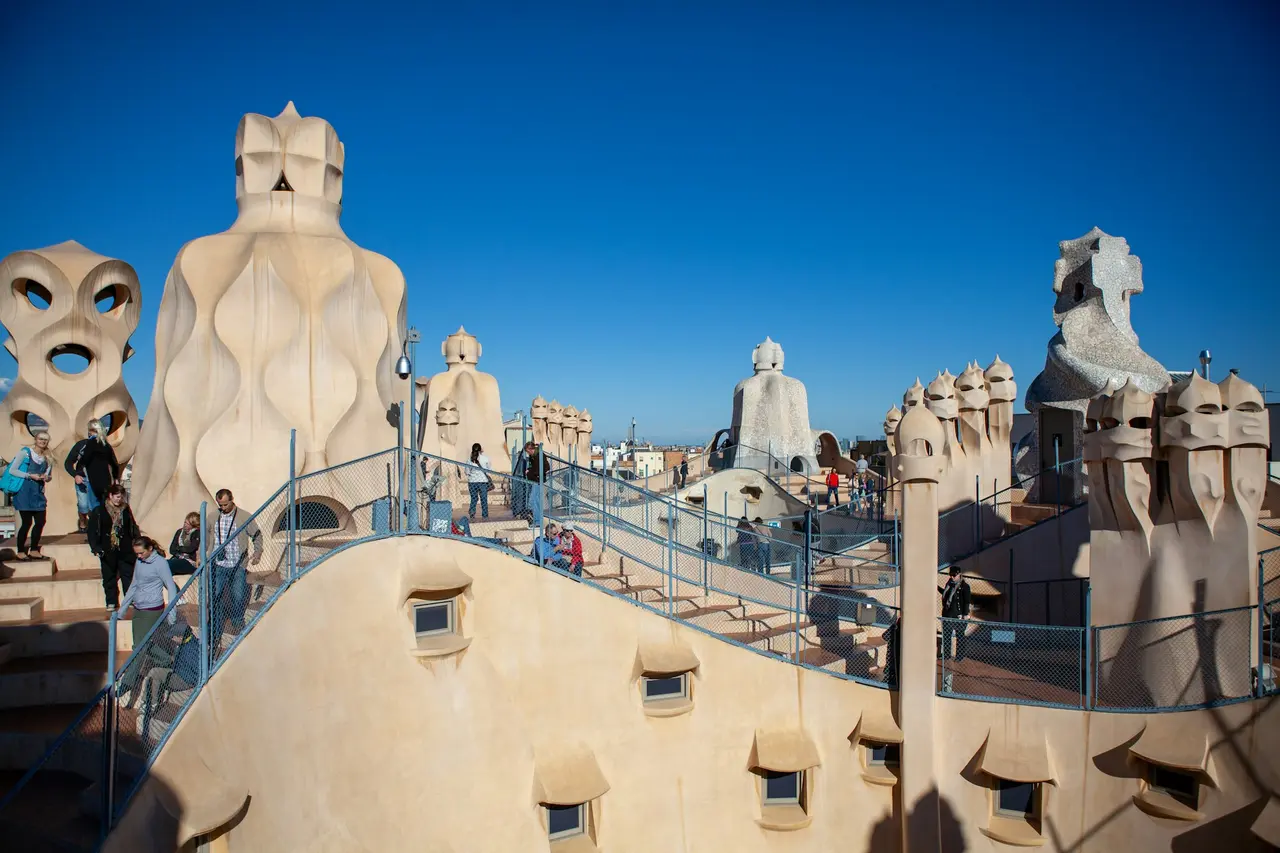
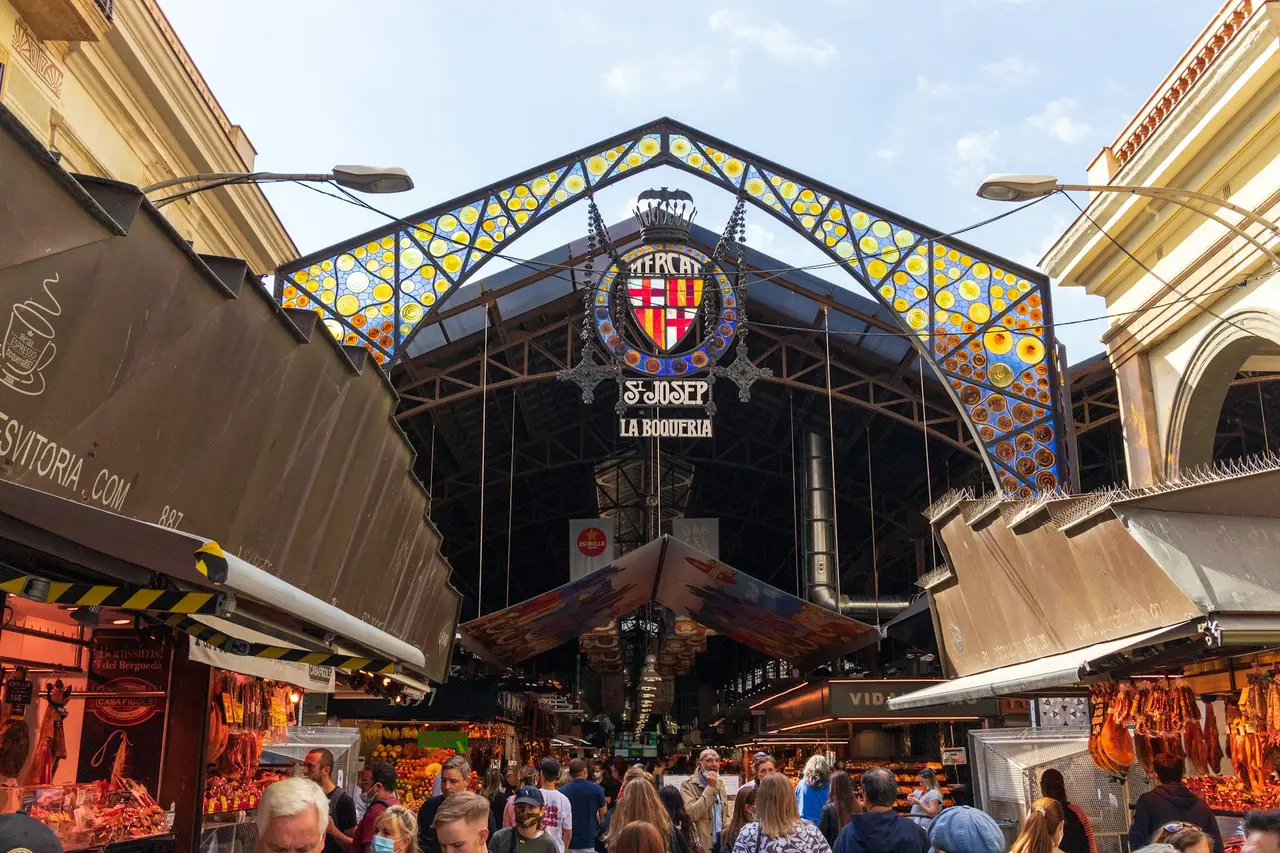
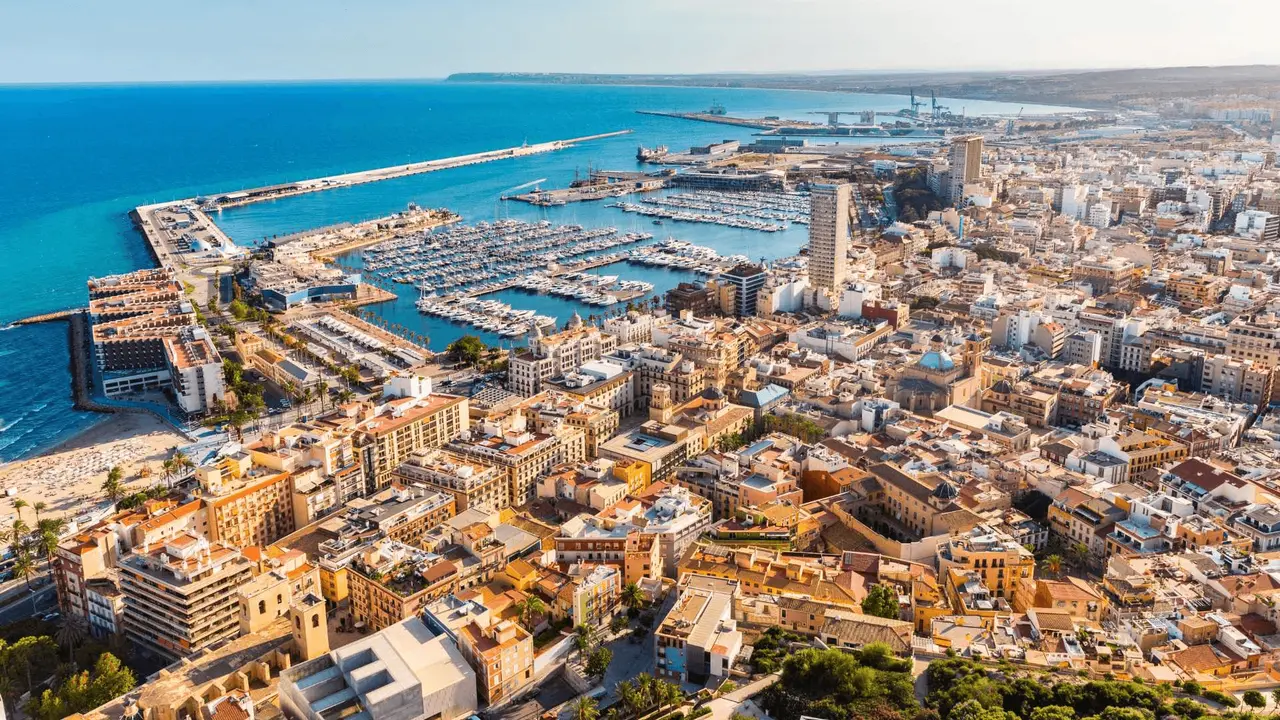
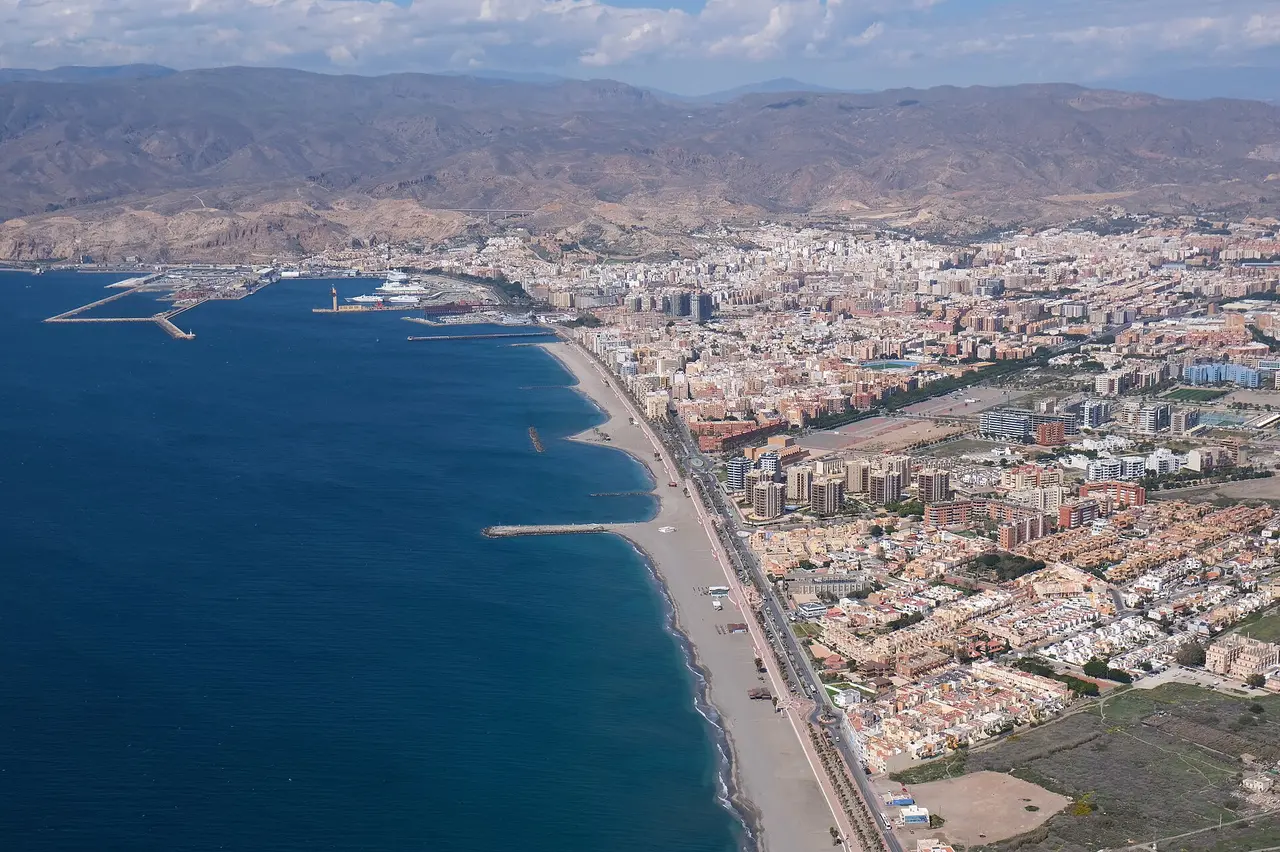
Barcelona concentrates Gaudi's work, the Sagrada Familia and Park Guell on a booked time slot, the Gothic quarter and the Barceloneta city beaches; three to four nights are enough. To the north, Catalonia, where Catalan is co-official, opens onto the coves of the Costa Brava, reachable in 1h30 by train to Girona. Further south, Valencia lines up the City of Arts and Sciences, an art-nouveau central market and the paella of the Albufera, three hours from Barcelona by direct train.

Moorish Andalusia

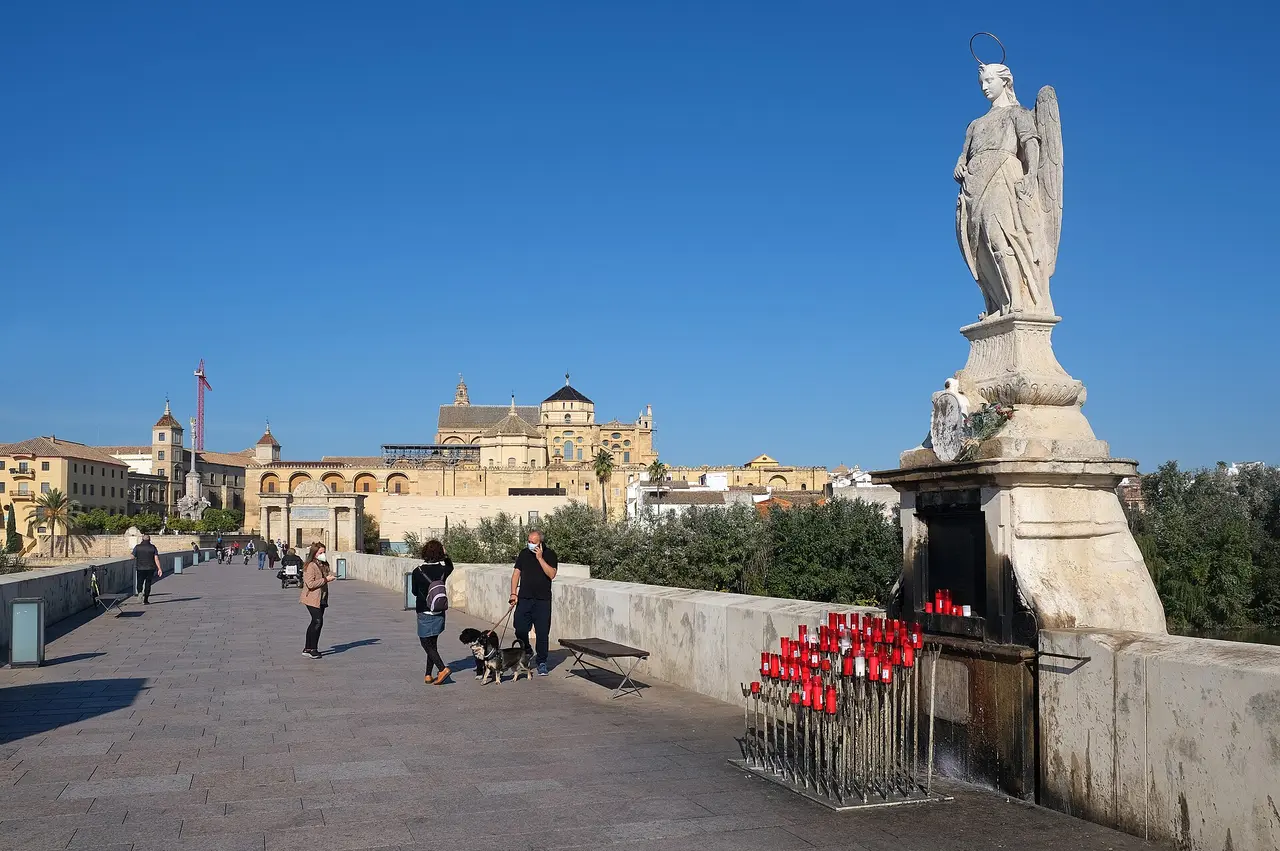
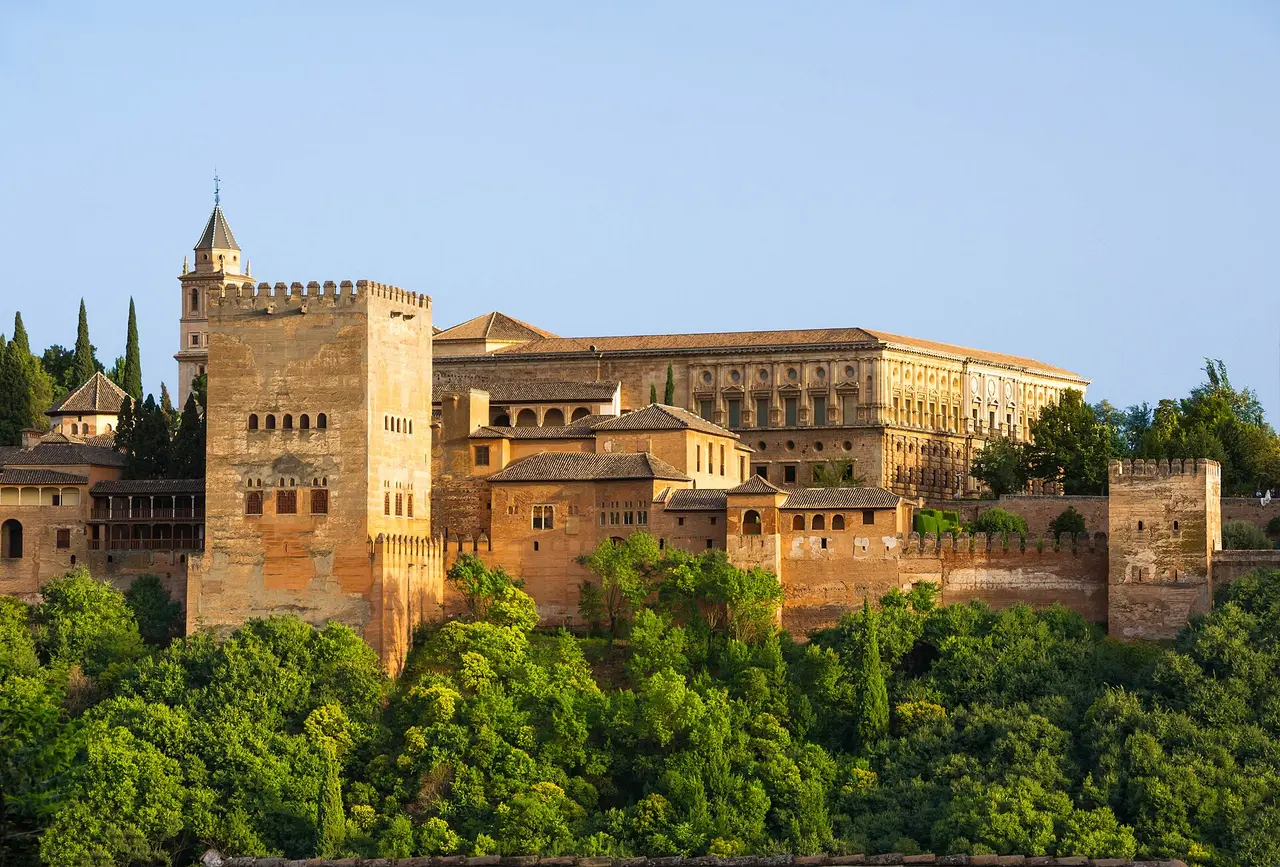
Seville, Cordoba and Granada form the country's most requested circuit, linked by the high-speed line: 45 minutes between Seville and Cordoba, a little more towards Granada. Allow at least five days for Seville's Alcazar, the Mezquita and the Alhambra, whose Nasrid palace tickets sell out weeks ahead. From Tarifa or Algeciras, a ferry reaches Morocco in one to two hours, letting you add Tangier to an Andalusian trip.

The green north: Basque Country, Cantabria, Galicia

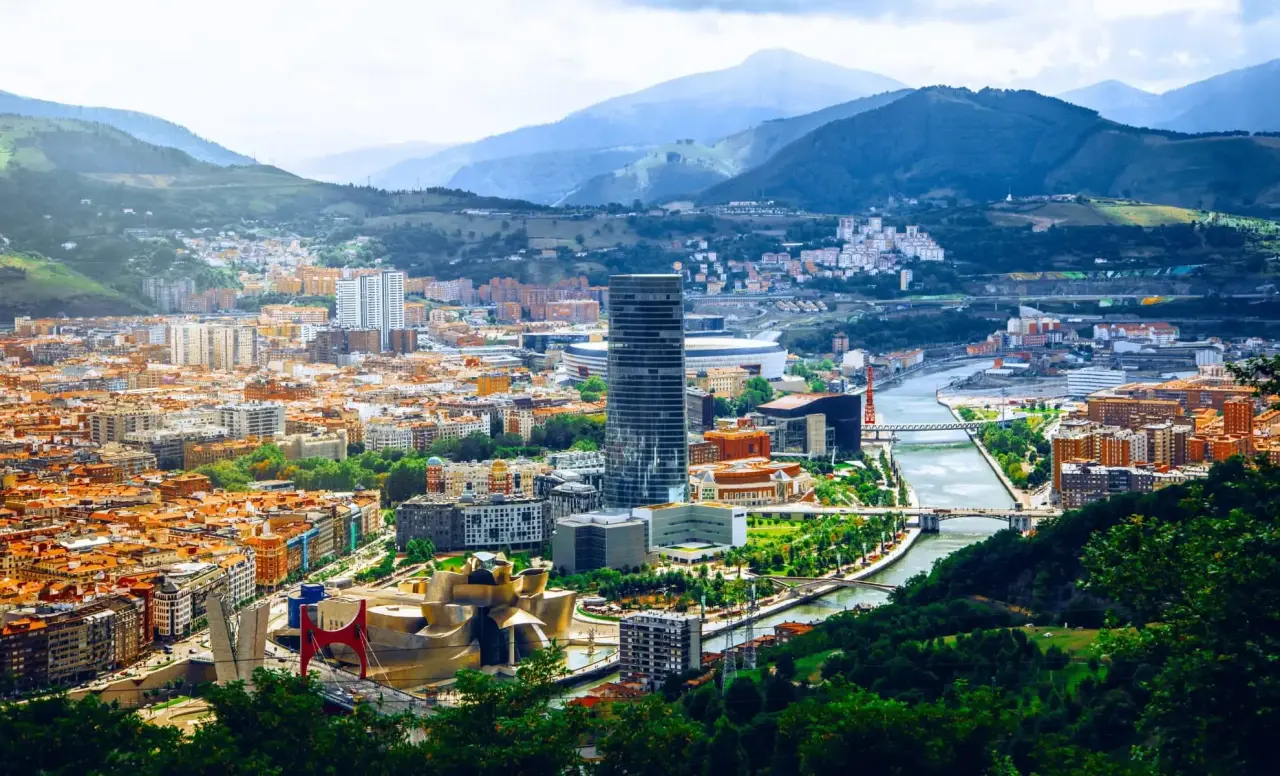
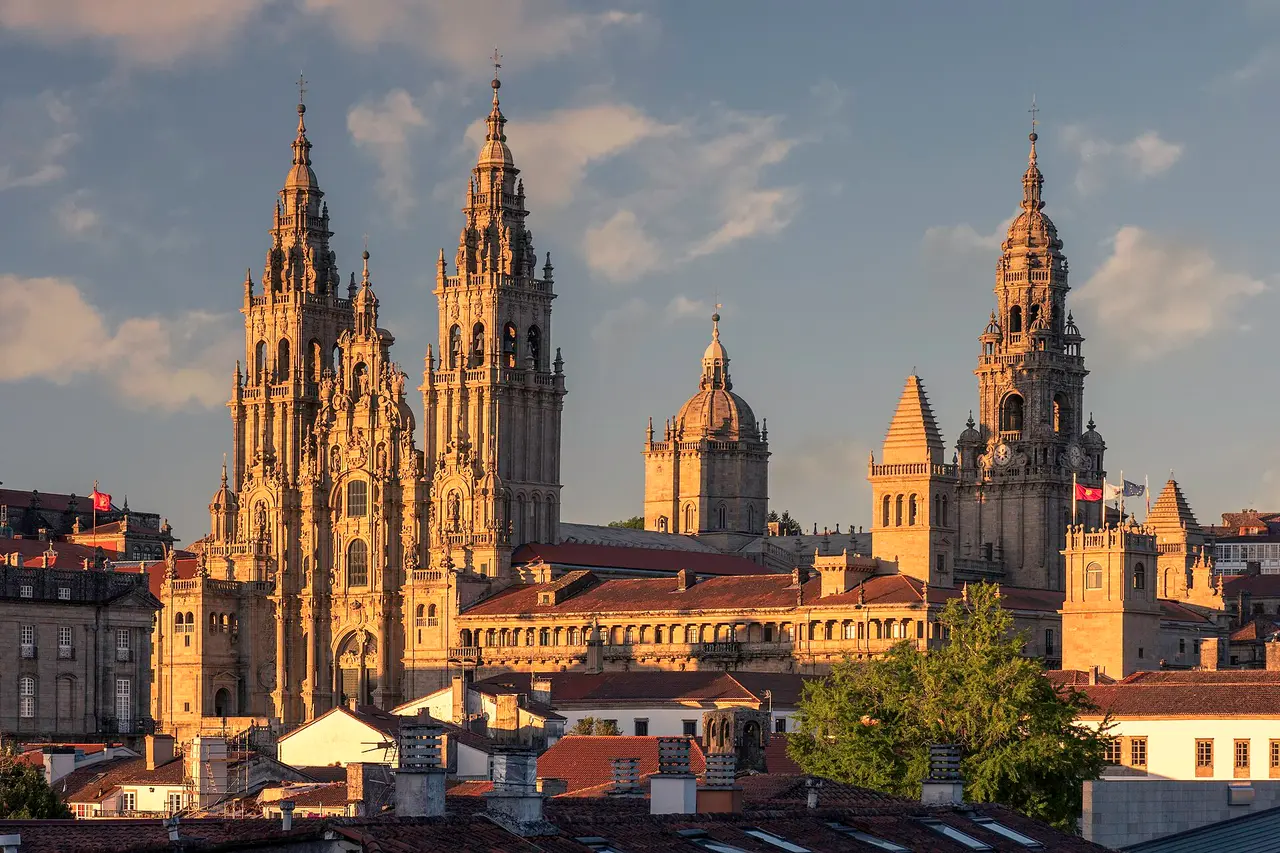
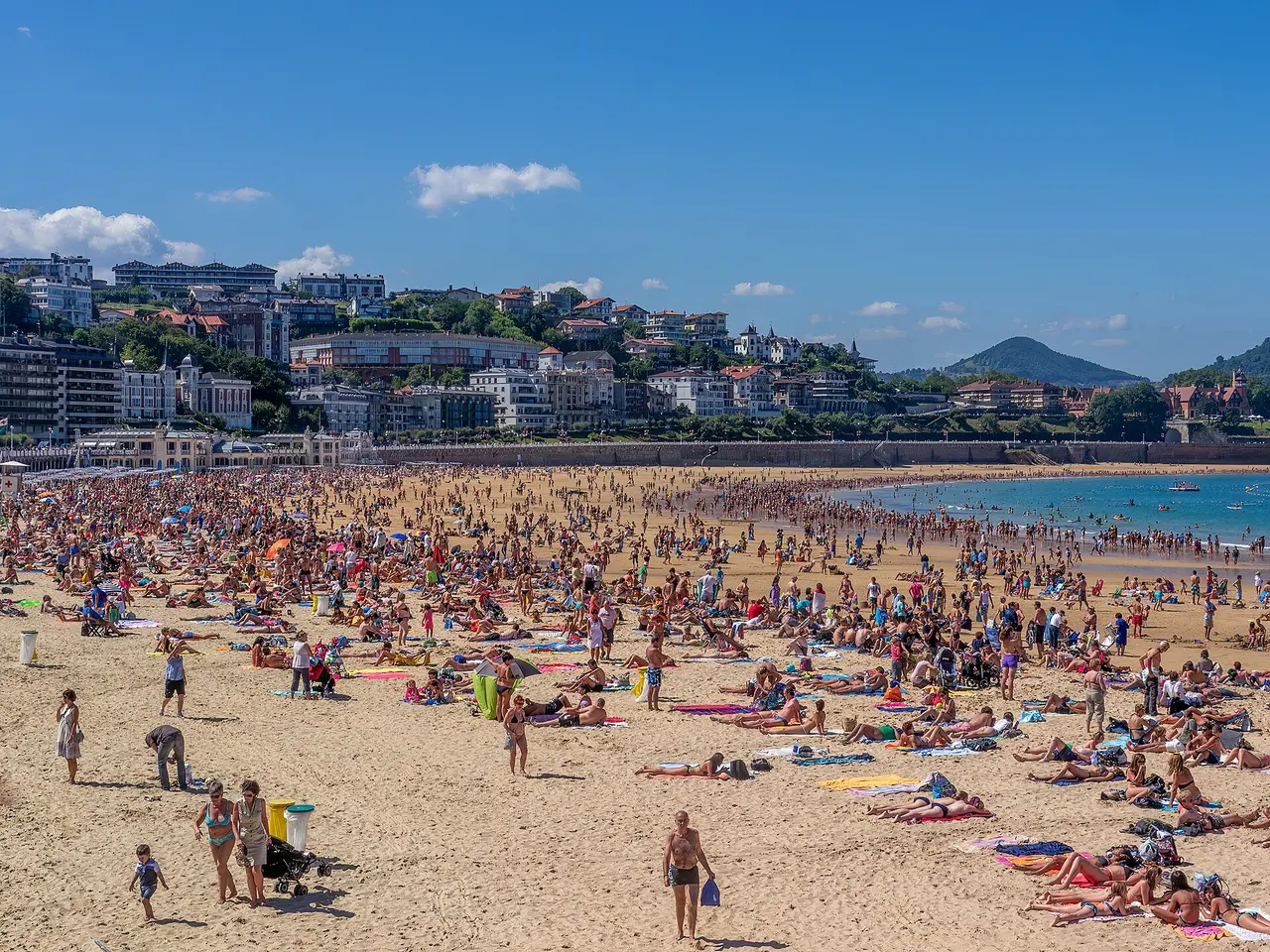
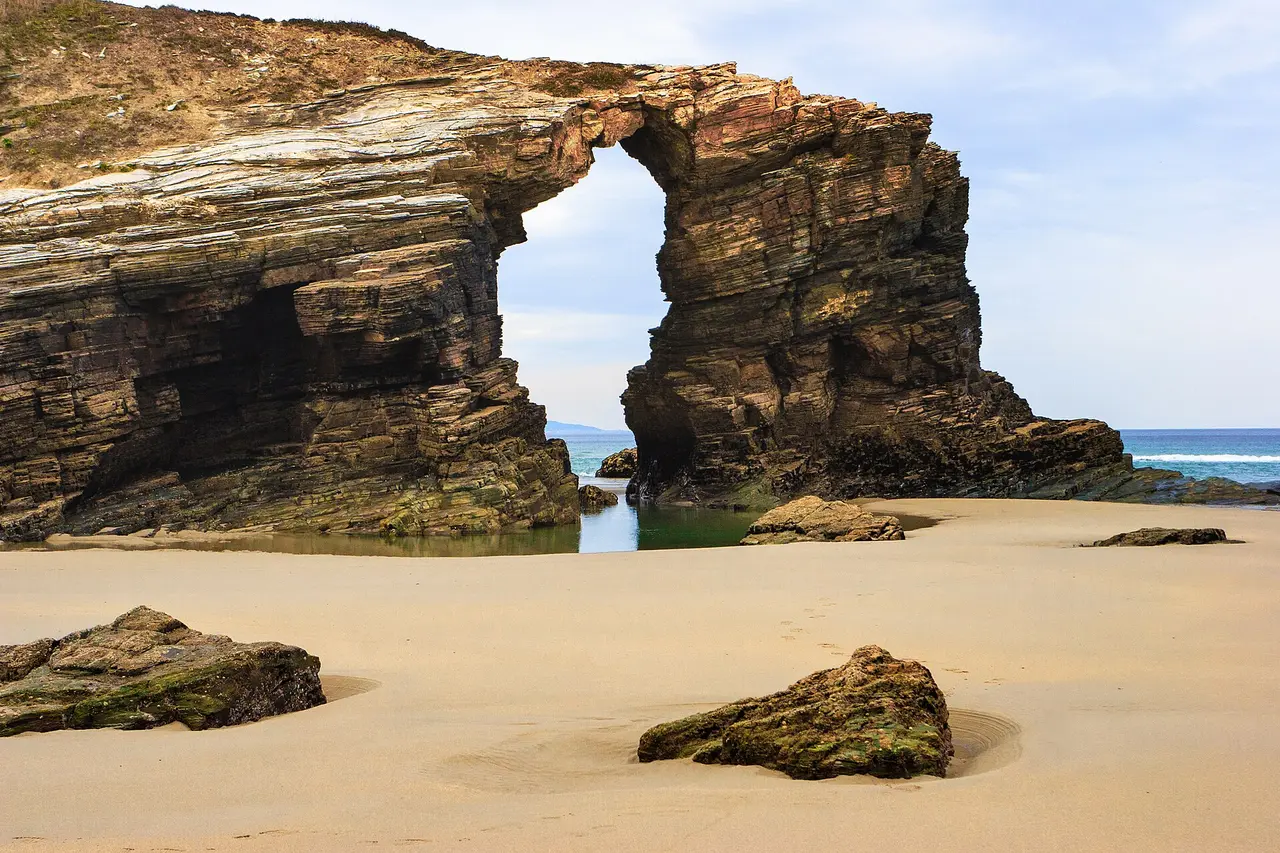
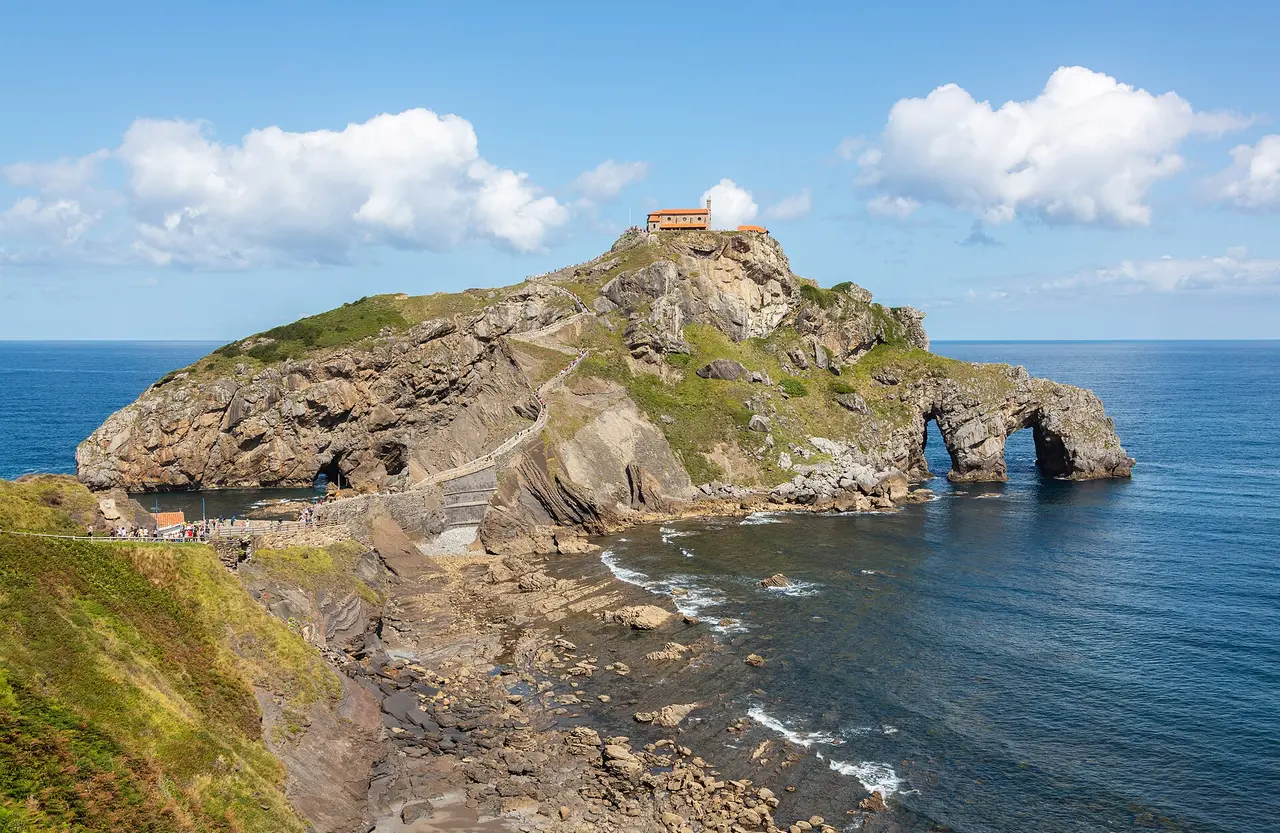
The Atlantic coast shows a very different face: rainy, mountainous and food-focused. Bilbao is worth a day for the Guggenheim and its old town, San Sebastian for its pintxos and its bay. Further west, the Picos de Europa offer day hikes, and the Camino de Santiago crosses all of Galicia; the final stage from Sarria, about 100 kilometres, is the most walked.

The archipelagos: Balearics and Canaries

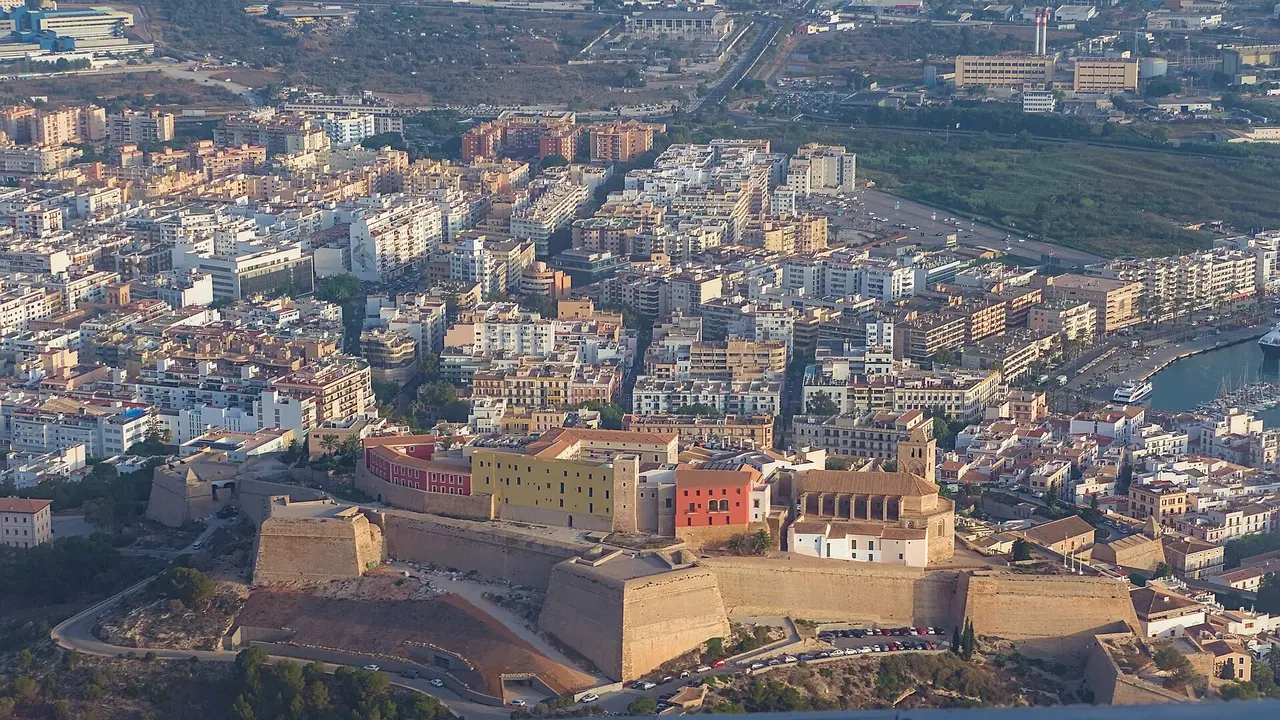
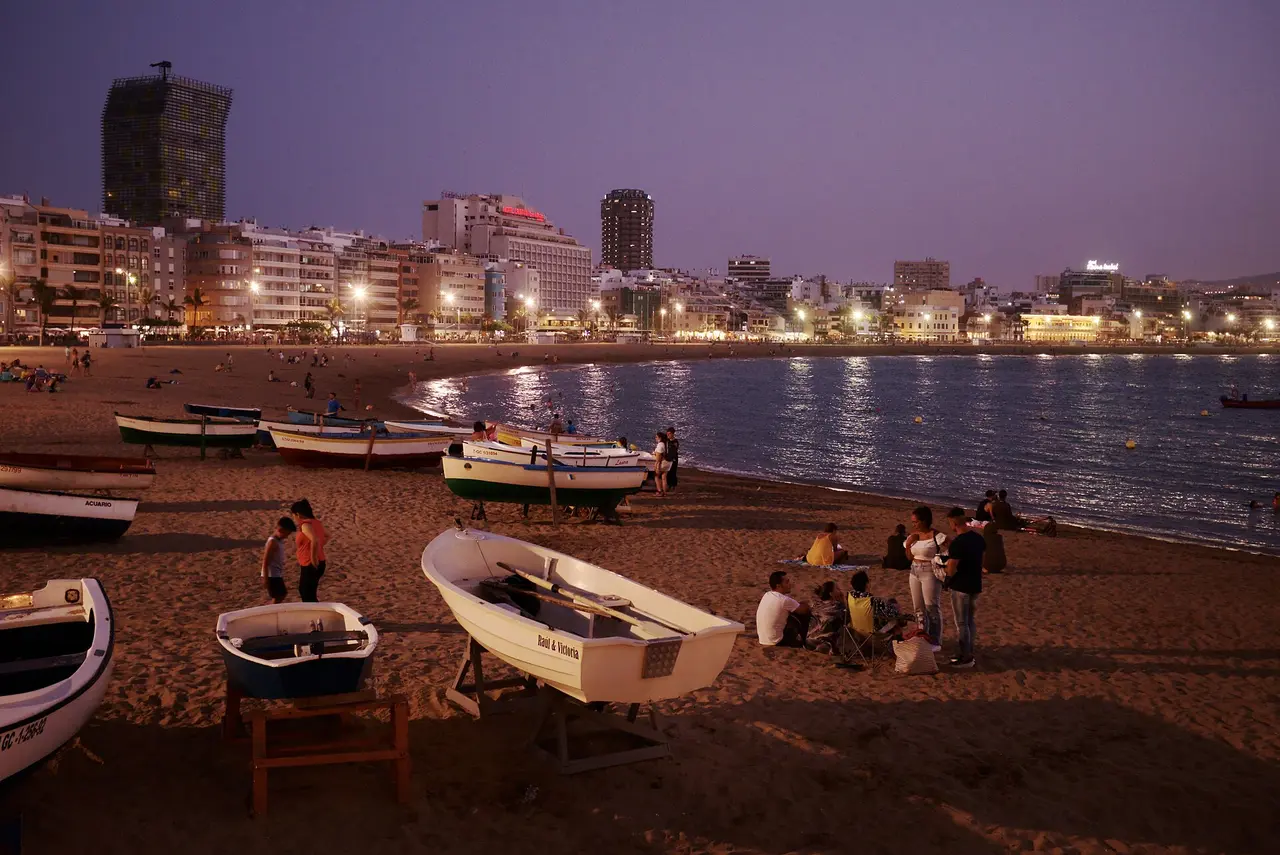
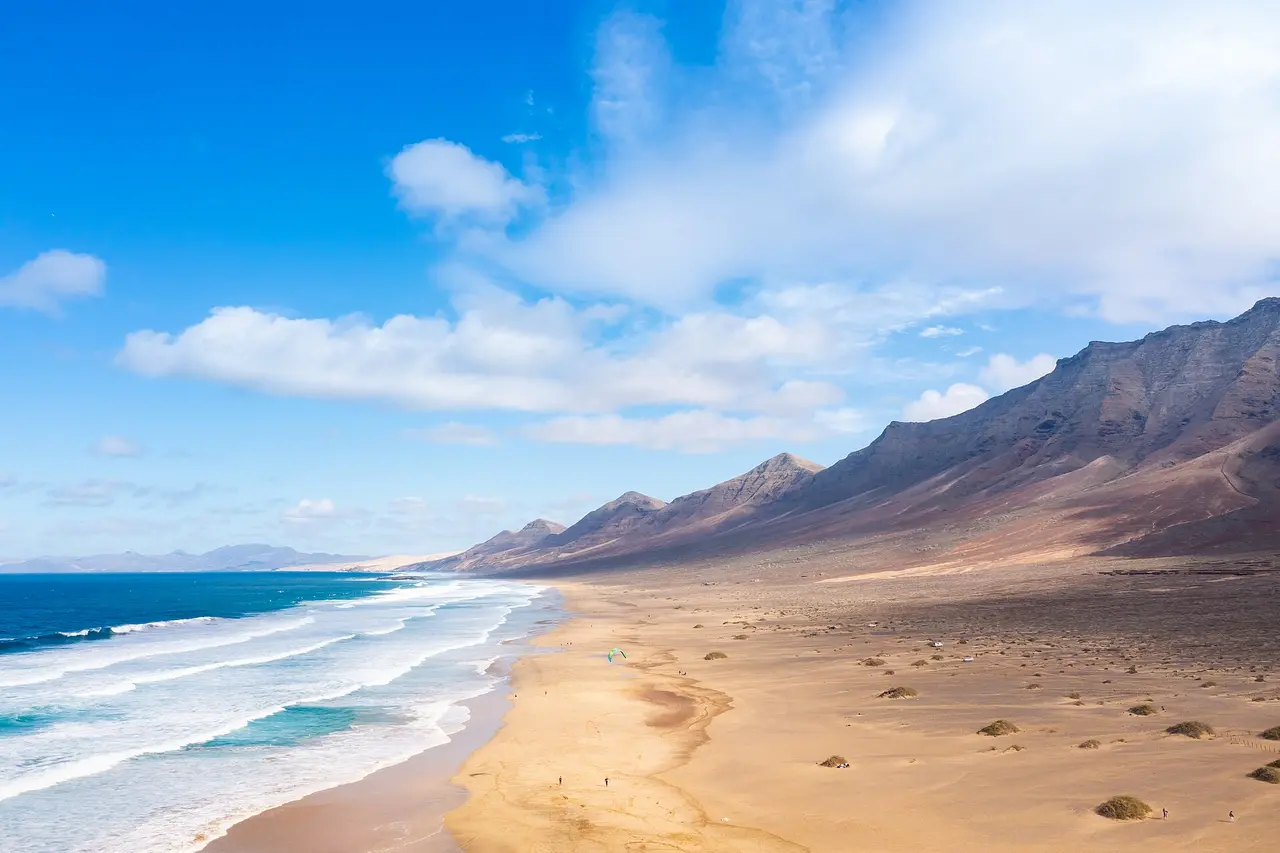
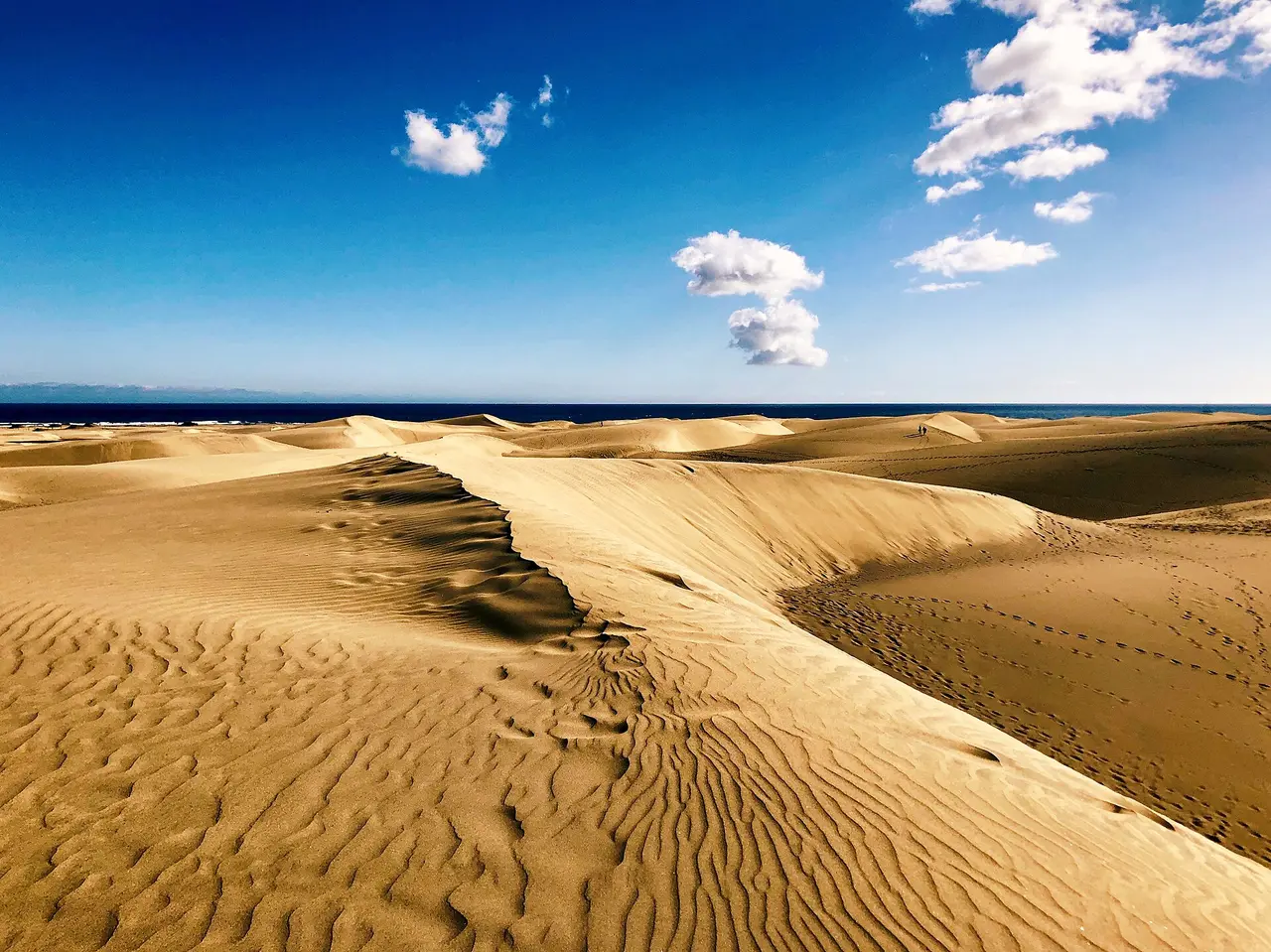
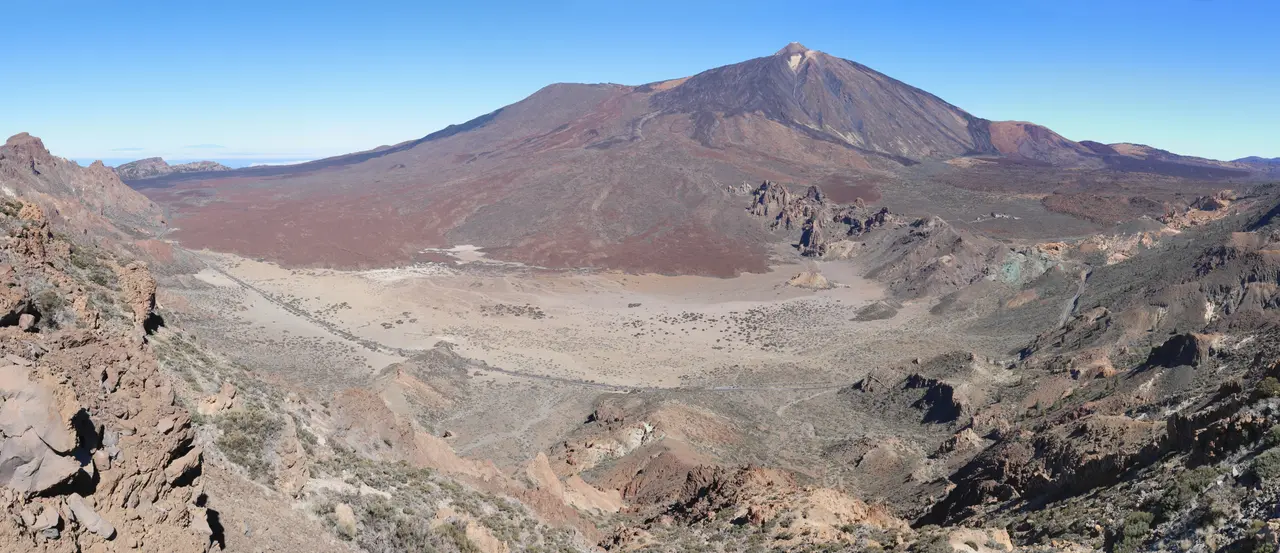
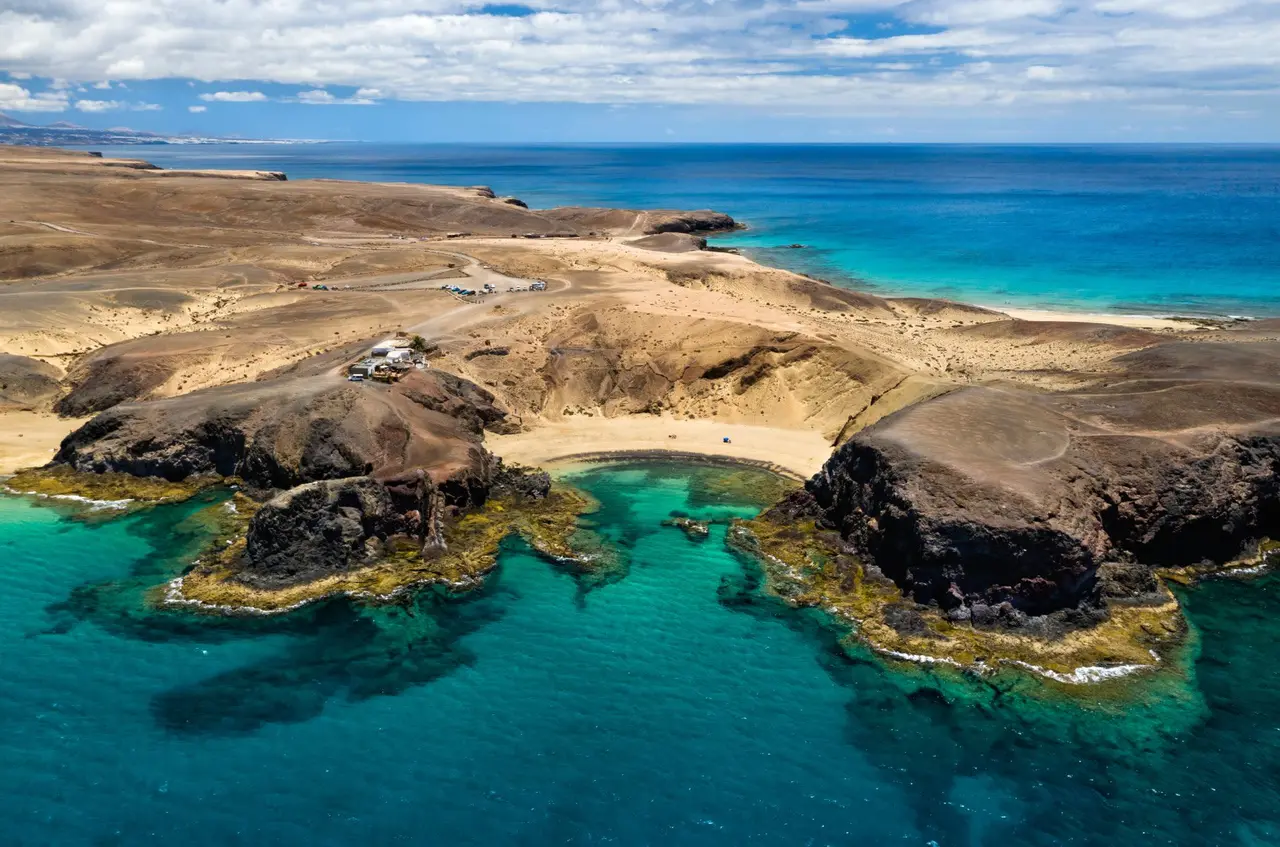
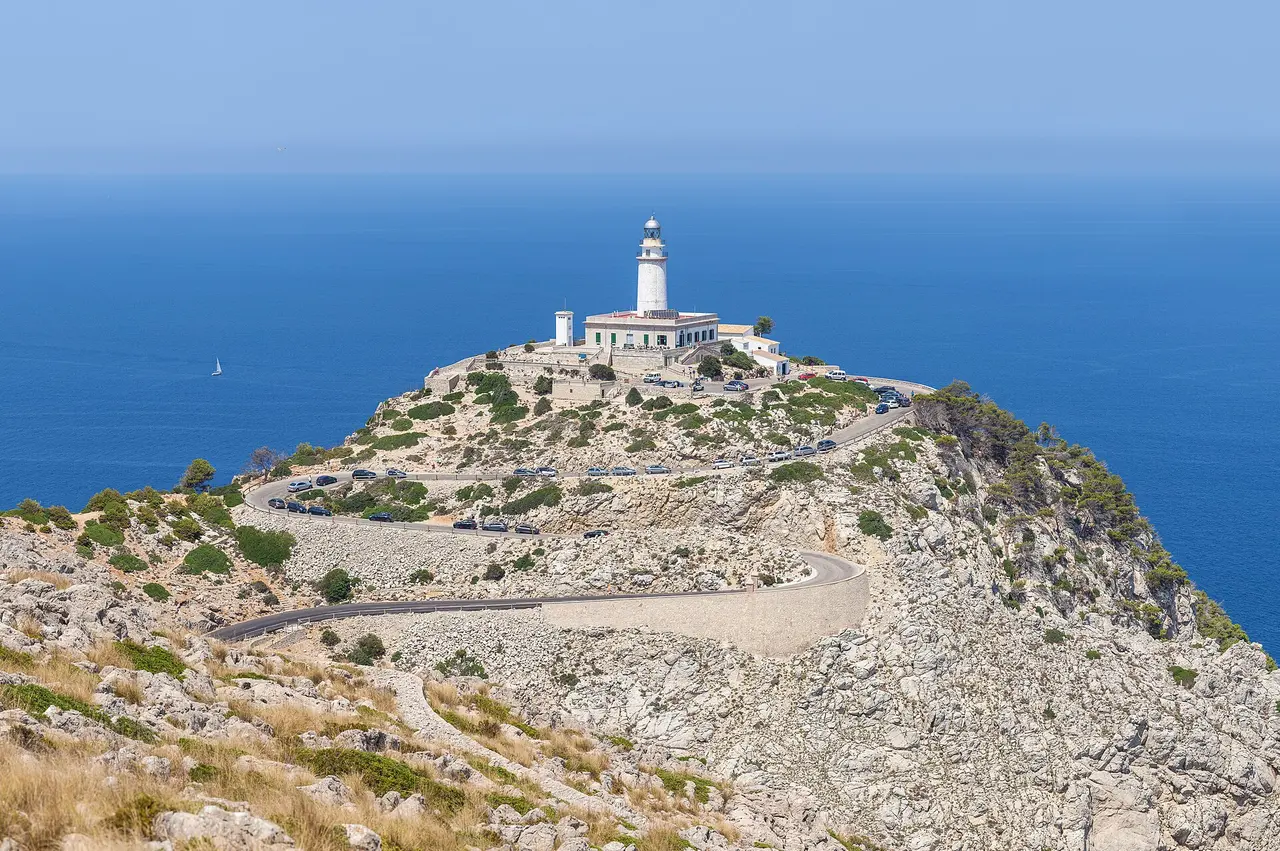
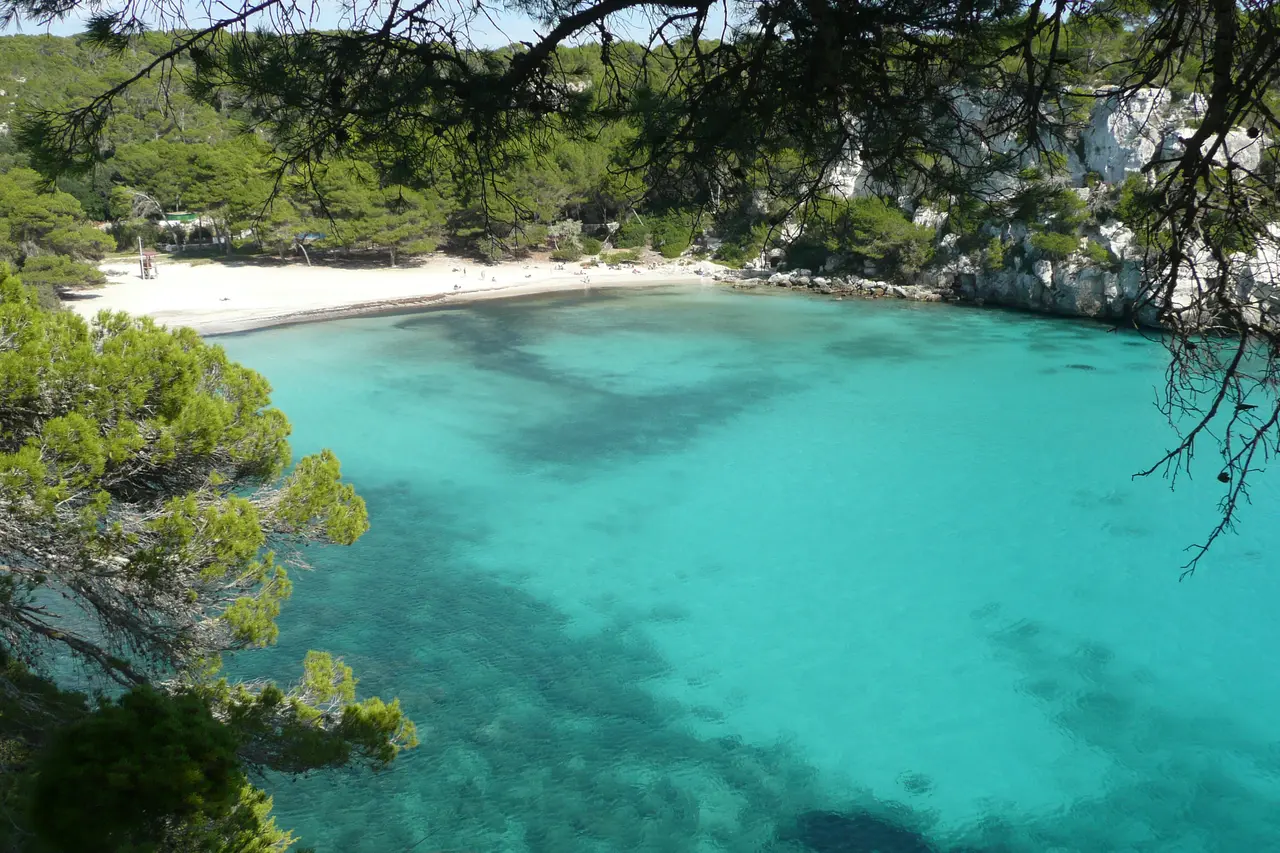
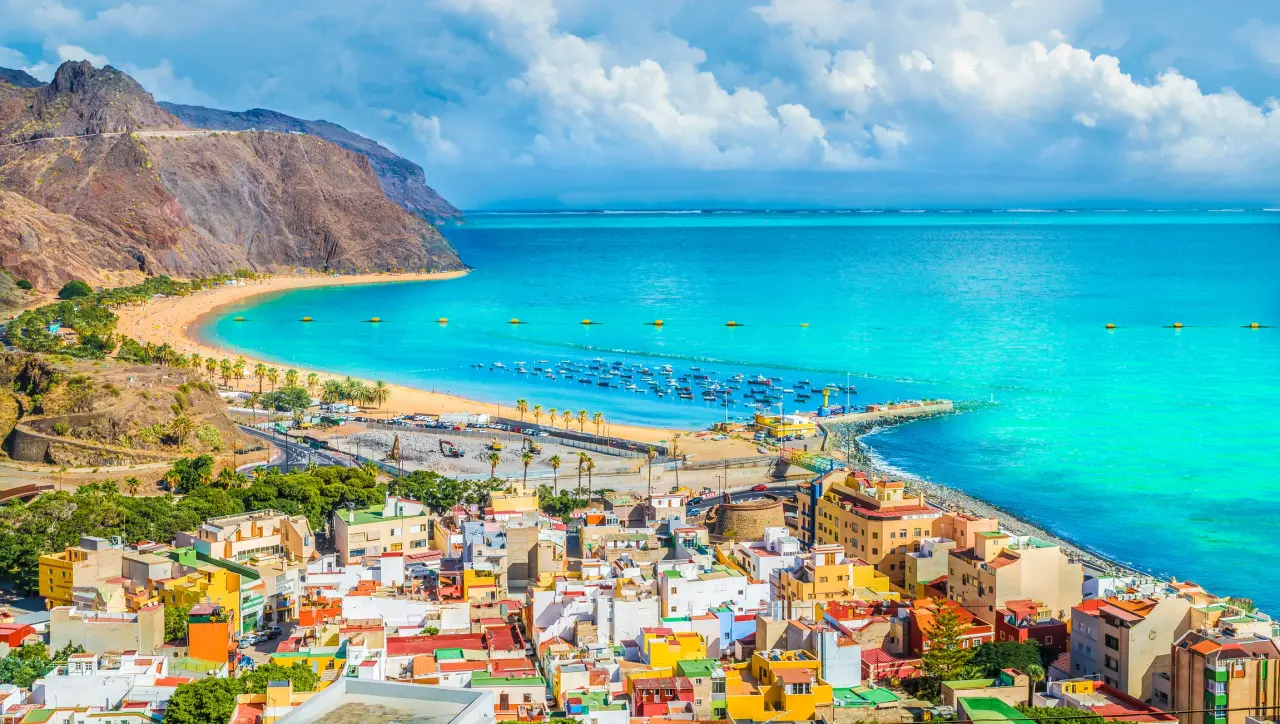
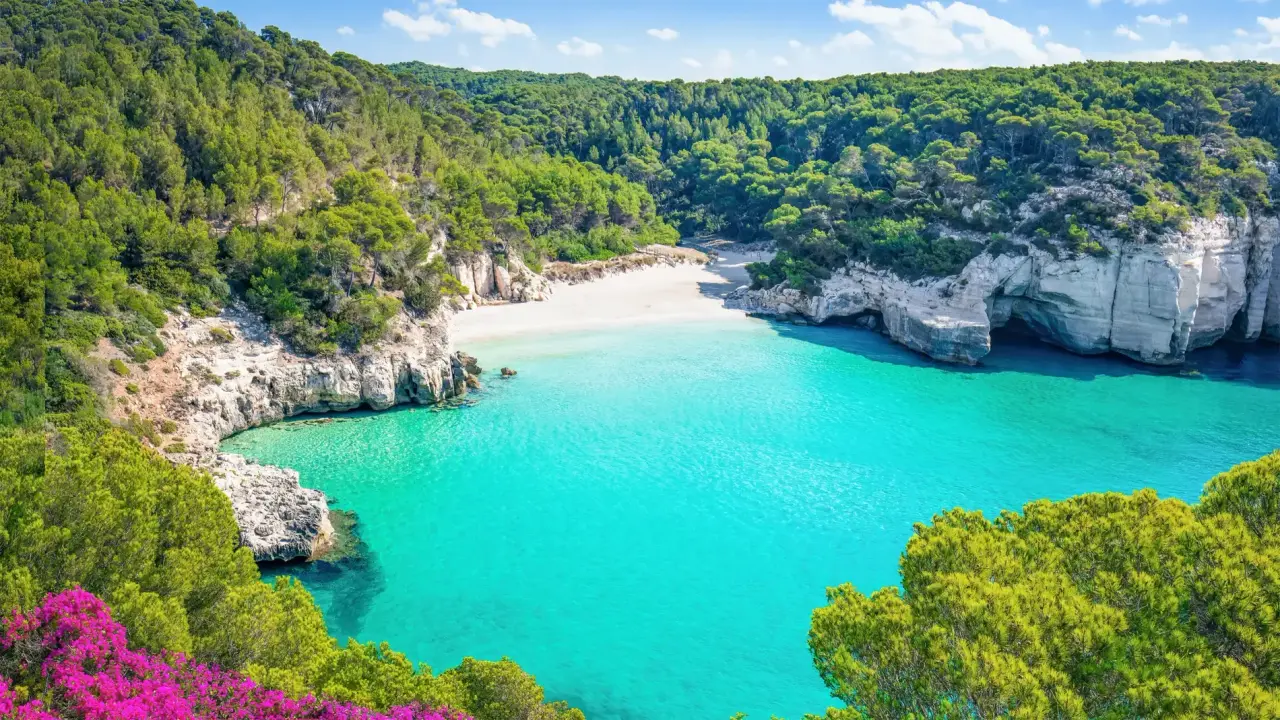
The Balearics, Mallorca, Menorca, Ibiza and Formentera, are a 40-minute flight from Barcelona and run on Mediterranean time: high season June to September, calm and cheap in spring. The Canaries, off Morocco, hold 20 to 24 degrees year-round; they are one hour behind the mainland. You can pair a mainland week with a Canaries week, but rarely on the same ticket: plan a separate domestic flight.

Festivals, food and the daily rhythm

The Spanish calendar shapes trips: Holy Week in late March or early April, Seville's Feria right after, Valencia's Fallas in mid-March, San Fermin in Pamplona in July, the Tomatina near Valencia in late August. At the table, each region has its speciality, iberico ham in Extremadura, octopus in Galicia, gazpacho in Andalusia. Meals are late, lunch around 2pm, dinner rarely before 9pm, and many museums open for free late in the day.

Cities to visit in Spain

Featured destinations appear first.

Regions to explore in Spain

Featured destinations appear first.

How much it costs

Per person per day, excluding international travel.
Budget
67 €/ day
1 198 € for 2 people, 7 days, return flights included
Accommodation
30 €
Food
22 €
Local transport
7 €
Sights and activities
8 €
Comfort
135 €/ day
2 150 € for 2 people, 7 days, return flights included
Accommodation
65 €
Food
40 €
Local transport
12 €
Sights and activities
18 €
Premium
290 €/ day
4 320 € for 2 people, 7 days, return flights included
Accommodation
140 €
Food
80 €
Local transport
25 €
Sights and activities
45 €
Prices checked: Relevé septembre 2026. Cadrage sur le circuit classique Madrid - Barcelone - Andalousie, hors haute saison (juillet-août et Semaine sainte exclus) ; l'Andalousie intérieure est 20 à 30 pour cent moins chère que Barcelone. Sources : Budget Your Trip (spain), Hostelz (backpacker budget Spain), Numbeo coût de la vie Espagne, agrégateurs menu del dia. Hébergement par personne : lit en dortoir pour backpacker, chambre double partagée a deux pour comfort et premium. Vol A/R Paris - Espagne (Madrid ou Barcelone) estimé à 130 EUR par personne hors vacances scolaires, reserve à l'avance (Air France à partir de 99-118 EUR A/R, moyenne Paris-Barcelone environ 116 EUR selon Algofly, plus bagage et flexibilite).

Getting there

Airports serving Spain, from main hubs to secondary ones.
  • ACECésar Manrique-Lanzarote AirportSan BartoloméMain
  • AGPMálaga-Costa del Sol AirportMálagaMain
  • ALCAlicante-Elche Miguel Hernández AirportAlicanteMain
  • BCNJosep Tarradellas Barcelona-El Prat AirportBarcelonaMain
  • BIOBilbao AirportBilbaoMain
  • FUEFuerteventura AirportEl MatorralMain

Entry, health and safety

For FR travellers

Entry requirements

No visa for a tourist stay

Espagne membre de l'Union européenne : les ressortissants français entrent librement avec un passeport ou une carte nationale d'identité en cours de validité, sans limite de durée pour un séjour touristique. Un passeport valide reste exige pour poursuivre vers le Maroc via Ceuta ou Melilla.

Health

Advised: Être a jour des vaccinations françaises habituelles : diphtérie, tétanos, poliomyélite, coqueluche, rougeole.

Fièvre du Nil occidental signalée dans les provinces de Cadix et Seville, risque juge modéré dans le sud et faible ailleurs : protection anti-moustiques conseillée. Fortes chaleurs et risque d'incendie l'été. Carte européenne d'assurance maladie (CEAM) a demander une vingtaine de jours avant le départ pour la prise en charge dans le système public.

Safety

Normal precautions

Emergency

112

Checked in septembre 2026 against the official source. Entry rules change: check the official source before you travel, it alone is authoritative.

Spain in pictures

Spain's must-see sights

Nine places that alone justify a first trip, spread from the north to the south and out to the archipelagos.

Sagrada Familia

Gaudi's unfinished basilica in Barcelona, whose nave of tree-like columns is visited on a pre-booked timed ticket.
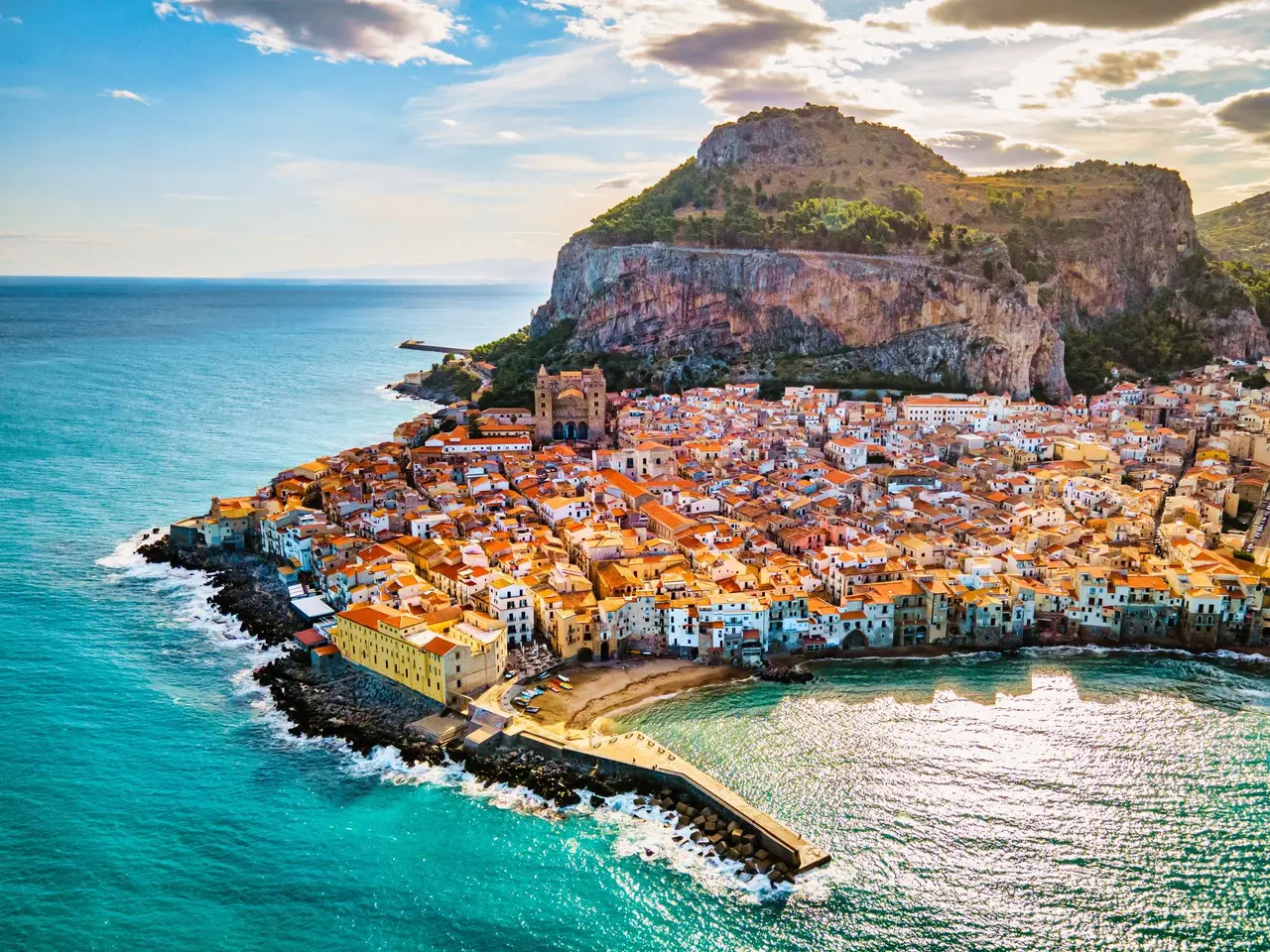
Alhambra of Granada

Nasrid palaces and gardens below the Sierra Nevada; palace tickets sell out several weeks before the visit.
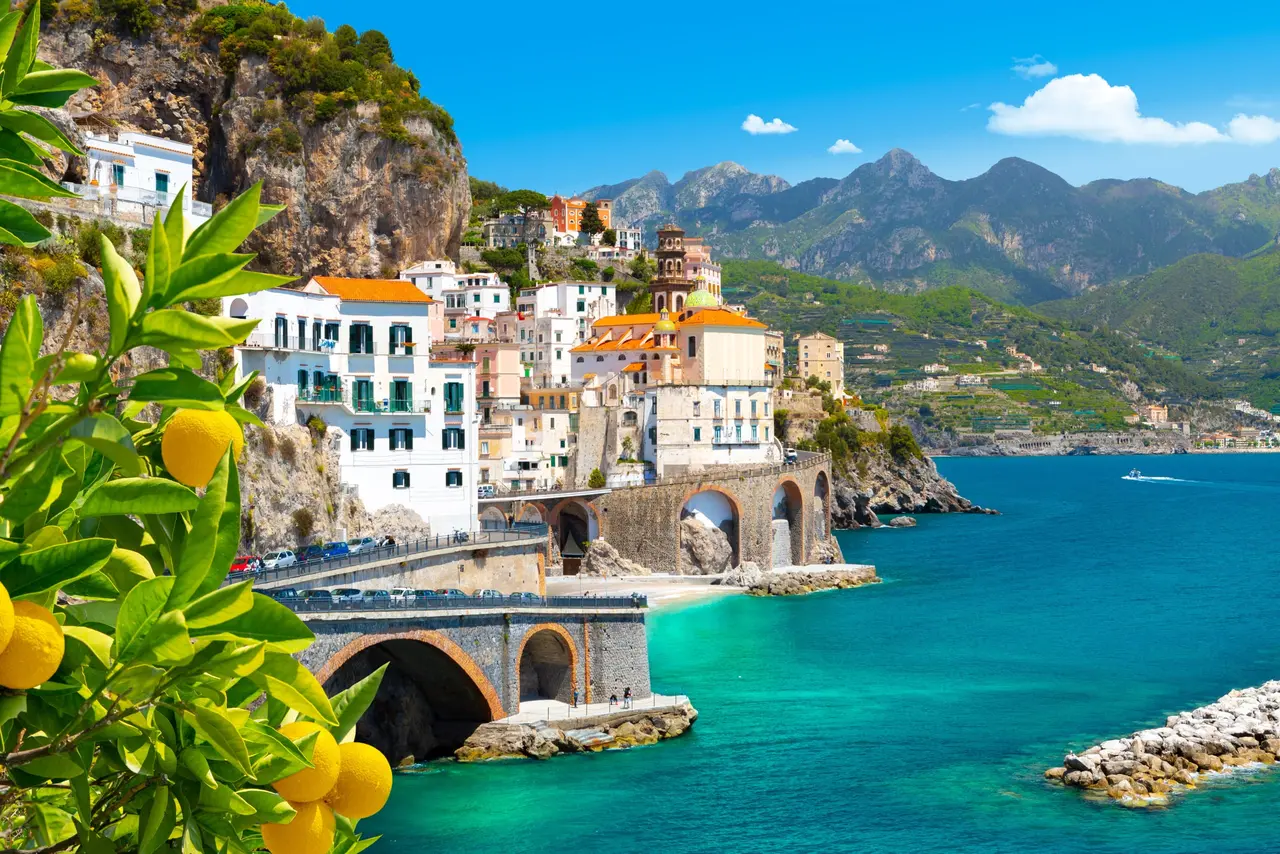
Mezquita of Cordoba

A former great mosque turned cathedral, with its forest of red-and-white arches; free entry early on weekday mornings.

Prado Museum

One of the world's great picture galleries in Madrid, Velazquez, Goya, El Greco; free on weekdays from 6pm to 8pm.

Guggenheim Bilbao

Frank Gehry's museum that revived the whole city, titanium curves along the river; visited in half a day.

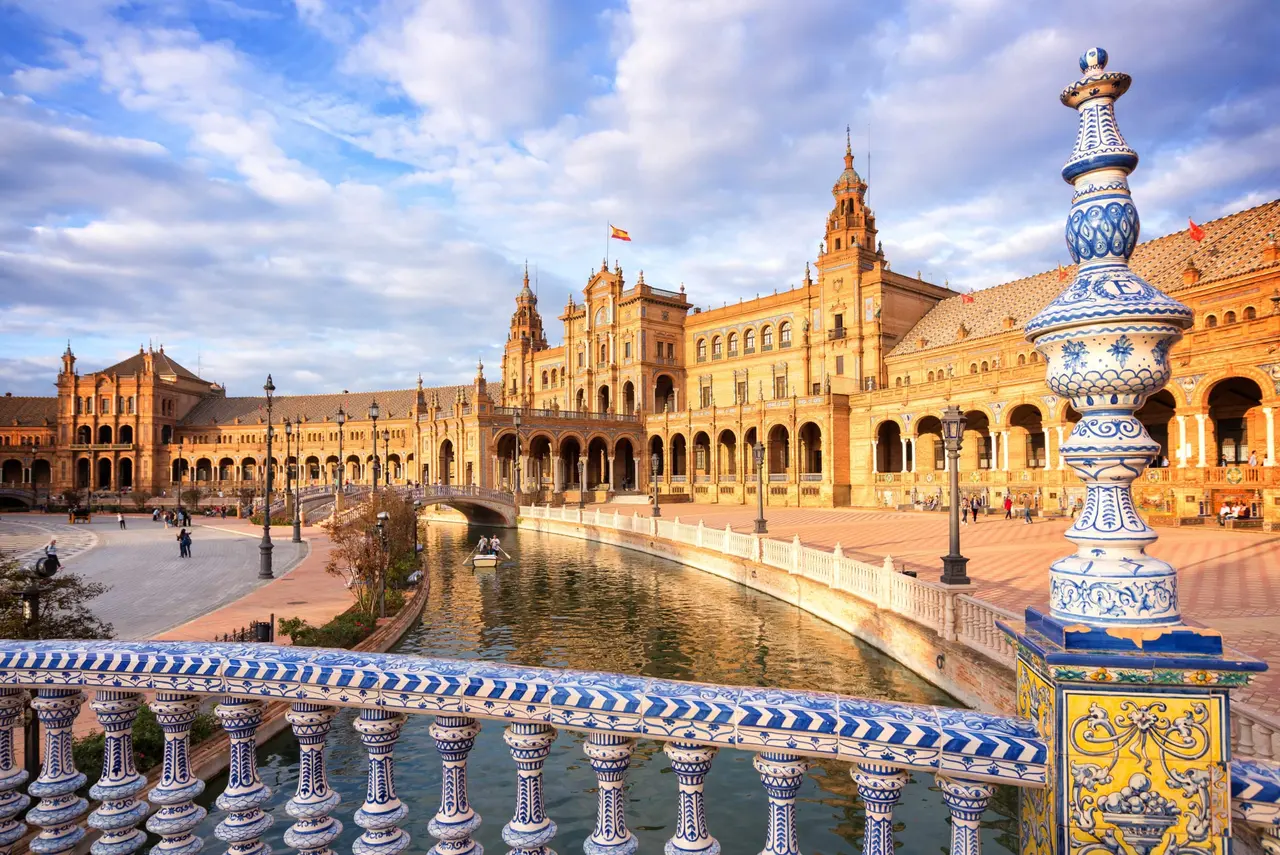
Plaza de Espana

A vast ceramic hemicycle built in Seville for the 1929 exposition, spectacular at dawn before the tour groups.

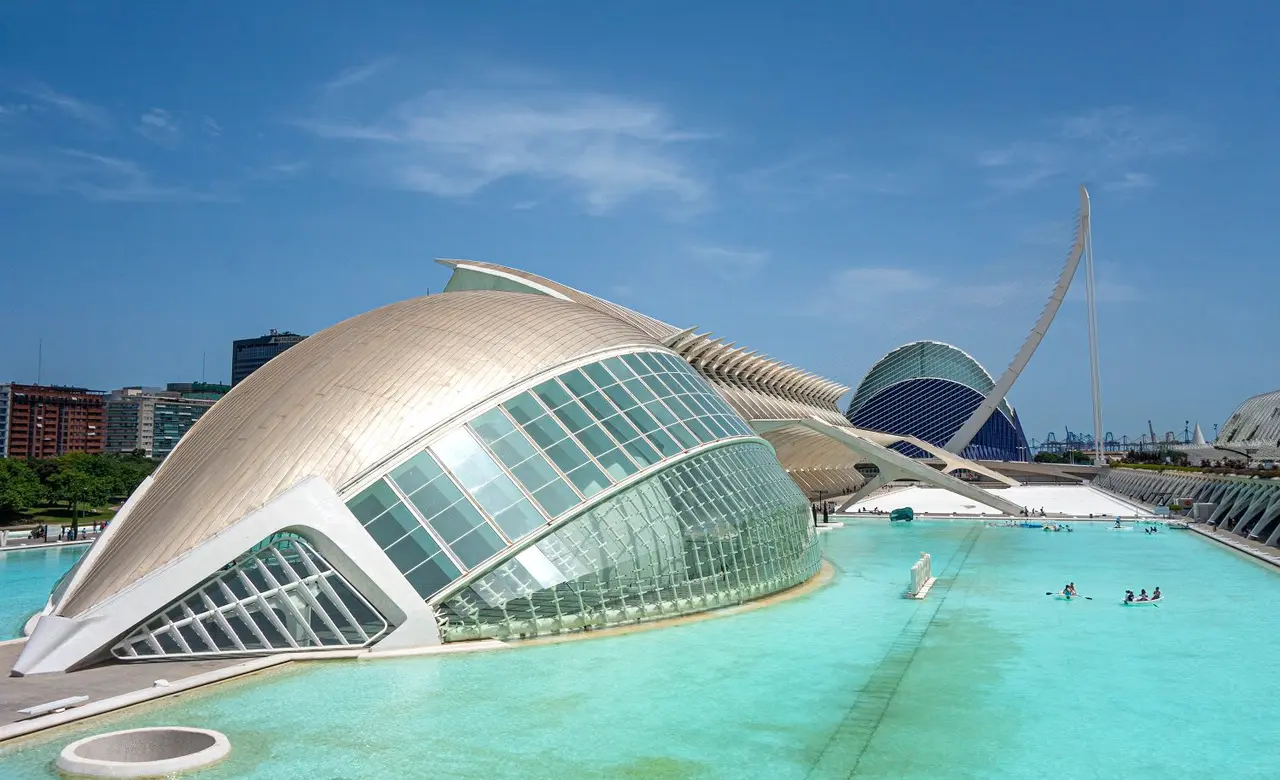
City of Arts and Sciences

Calatrava's futuristic complex in Valencia, in the former Turia riverbed turned into a 9-kilometre park.

Camino de Santiago

A network of pilgrimage routes converging on Santiago; the final stage from Sarria, 100 km, is the most walked.

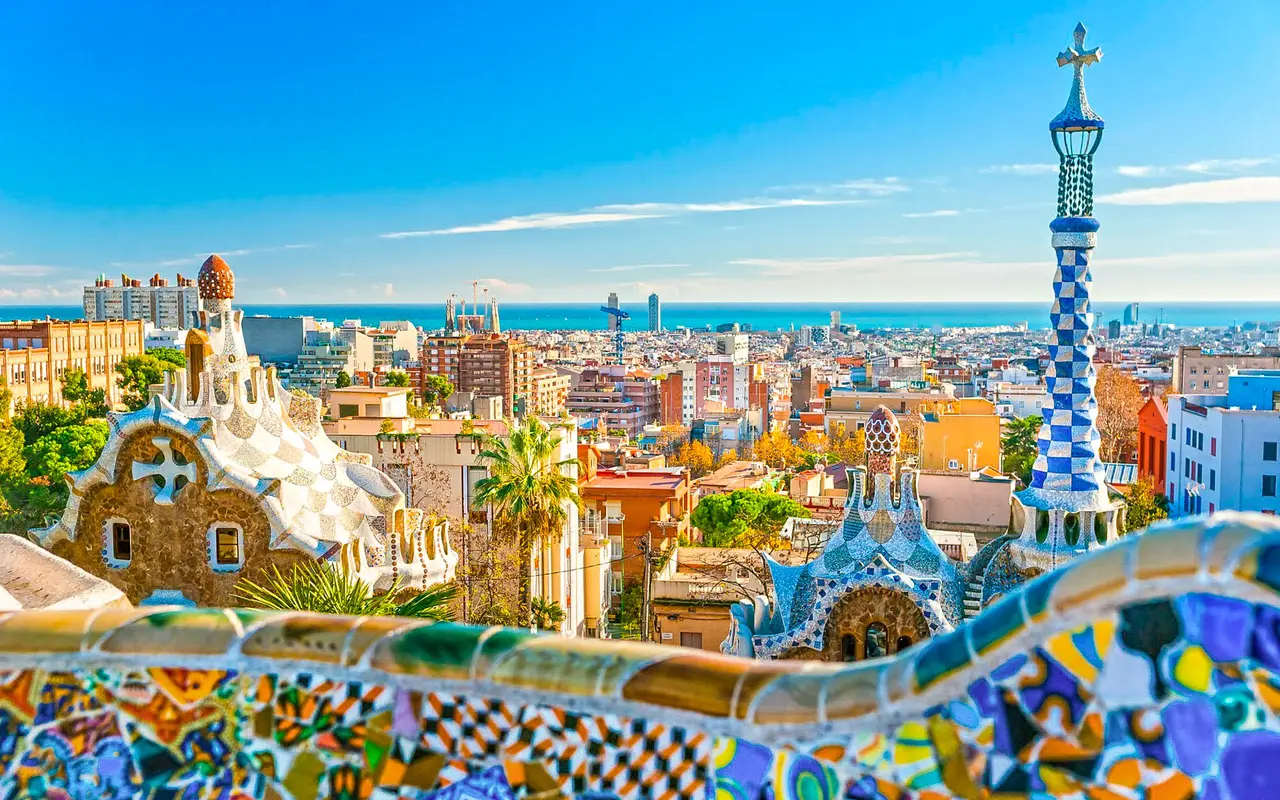
Park Guell

Gaudi's terraced garden overlooking Barcelona, trencadis mosaics; the monumental zone is ticketed and pre-booked.

Practical information for Spain

Capital
Madrid
Currency
Euro (EUR), contactless payment accepted everywhere, including small amounts
Regional languages
Castilian everywhere, plus Catalan, Galician or Basque as co-official languages by region
Time difference
None with France or Central Europe on the mainland; the Canary Islands are one hour behind
Power sockets
Types C and F, 230 V, same as most of Europe: no adapter needed from France
Tipping
Not compulsory; leave the change or 5 to 10 percent for good service in a restaurant
Meal times
Lunch around 2pm, dinner rarely served before 9pm; kitchens close in the afternoon
Afternoon closing
Outside big cities many shops close 2pm to 5pm; museums often close on Mondays
Free museum hours
The Prado, Reina Sofia and several major museums offer a free window late in the day
High-speed rail
AVE network: Madrid-Seville in 2h30, Madrid-Barcelona in 2h30, reservation compulsory

Similar destinations

Other countries you might like as much as Spain.

Similar regions

Other regions you might like as much as Spain.

Frequently asked questions about travelling in Spain

Do I need to book the Alhambra in Granada in advance?
Yes, absolutely. The daily number of Nasrid palace tickets is capped and slots often sell out weeks ahead, more so in spring and autumn. Without a booked ticket carrying a set time, you will only see the Generalife gardens and the Alcazaba.
How many days do you need for Andalusia?
Five days cover the essentials: two nights in Seville, one in Cordoba on the AVE line, two in Granada. A week lets you add Malaga, Ronda or the white villages. Below four days you will spend more time travelling than sightseeing.
Madrid or Barcelona for a first trip?
Barcelona if you want the sea, modernist architecture and quick access to the Costa Brava. Madrid if you prefer great museums, nightlife and day trips to Toledo and Segovia. A ten-day tour can include both, linked in 2h30 by train.
Is the AVE worth it between the big cities?
Yes on the long routes: Madrid-Seville or Madrid-Barcelona in 2h30 beat flying once airports are factored in. Tickets are cheaper booked early and low-cost operators, Ouigo and Iryo, run the main lines. Reservations are always for a named passenger.
Should I avoid Seville during Holy Week?
It depends what you want. Holy Week, late March or early April depending on the year, brings spectacular processions but packed streets, full hotels and doubled rates. To visit the monuments calmly, come in May or October.
Can you combine the Canaries with mainland Spain?
Yes, but plan a 2h to 2h30 domestic flight from Madrid or Barcelona, rarely included on the same ticket as the international flight. The Canaries are enough on their own for a week and are one hour behind the mainland.
Is it true that people eat very late in Spain?
Yes. Restaurant kitchens rarely open before 8.30pm and fill up around 10pm. To eat earlier, head for tapas bars, which serve continuously, or the lunchtime menu del dia, a fixed-price full meal served between 1pm and 4pm.

Plan your trip to Spain

Day-by-day itinerary, budget, bookings and packing in a single app.
Aperçu de l'application PlanTripNow