Visiting Liguria: when to go, budget and itineraries

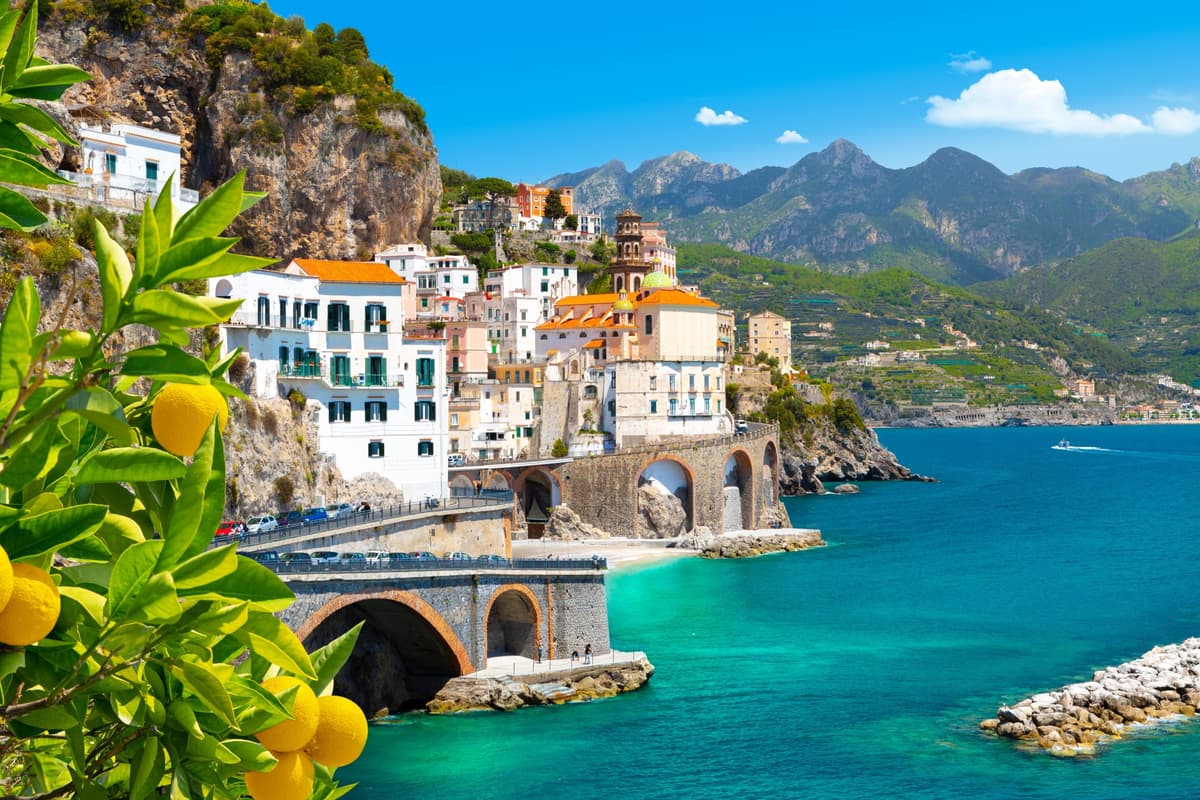
Liguria fits into a 350-kilometre arc between France and Tuscany, wedged between the Apennines and the sea. Genoa is its maritime heart, framed by two Rivieras of coloured villages, wooded headlands and pebble beaches. You mostly travel by train, right at the water's edge. Allow three to seven days.

Why visit Liguria?

Liguria packs in two UNESCO sites, the Rolli palace system in Genoa and the Cinque Terre, along a coast where the mountains drop straight into the sea. People come for Genoa and its medieval centre, the largest in Europe, for the cliff-clinging villages, for pesto and focaccia, and for a mild climate that stretches the season from March to November.

What to discover in Liguria?

Genoa, port and medieval centre

Genoa has to be earned: you have to accept getting lost in the caruggi, the dark, narrow alleys of the largest medieval centre in Europe. Via Garibaldi lines up the Rolli palaces and their painted facades, some of which open only at weekends. The old port, redeveloped by Renzo Piano, holds the aquarium, Italy's largest and a fine rainy-day refuge. Allow two days for the city, with an evening in a trattoria trying trofie with pesto and a slab of warm focaccia.
The Portofino promontory and the Tigullio

Portofino fits into a postcard: a tiny harbour ringed by pastel houses and yachts. The real pleasure is walking: the ridge trail from Camogli to San Fruttuoso, an abbey tucked in a road-free cove, then on to Portofino, about five hours with a swim halfway. Around it, Santa Margherita Ligure and Sestri Levante, with its Baia del Silenzio lined with coloured houses, are cheaper and well served by the coastal train.

The Cinque Terre and the eastern Riviera

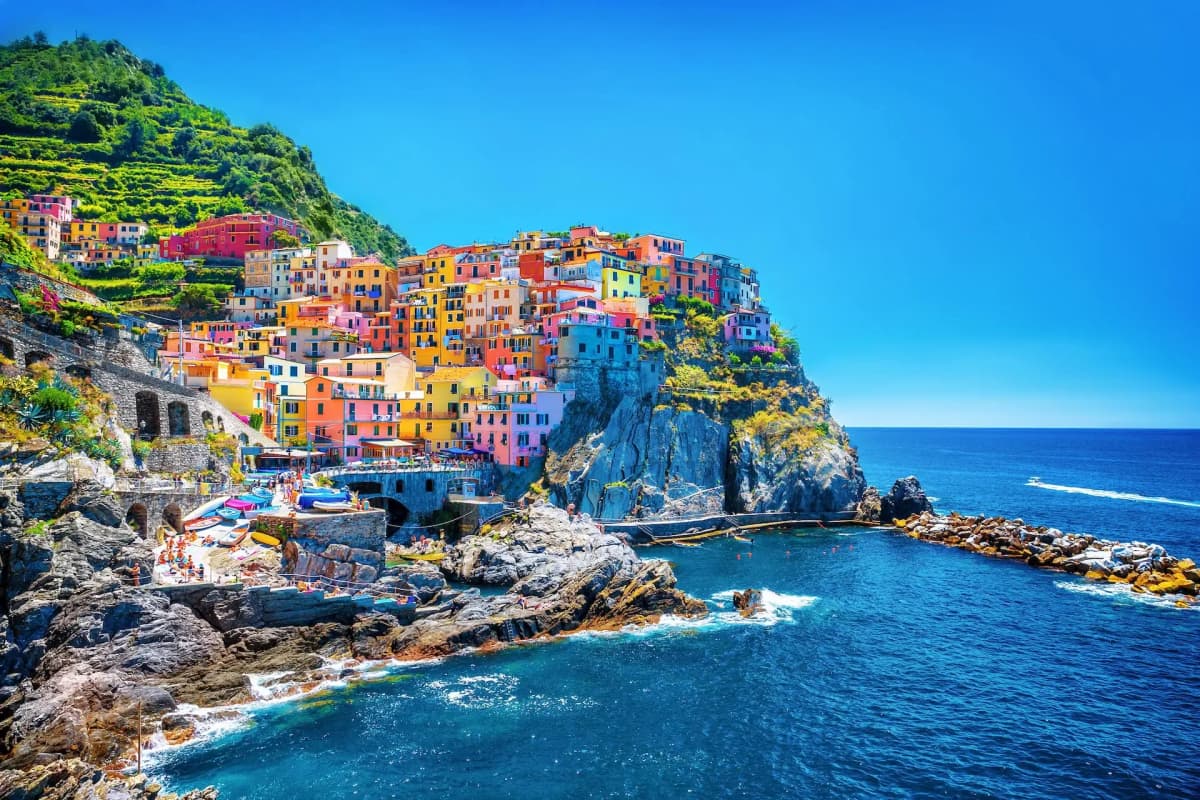
To the east, the eastern Riviera ends in the five villages of the Cinque Terre, a national park closed to cars. The Blue Trail links them in five to six hours when open, with a Cinque Terre Card at around 18 euros a day for the paid paths and the train. At the far end, Portovenere and Palmaria island, in the same UNESCO listing, are reached by boat. The whole thing is done without a car, by train and boat.

The quieter western Riviera

West of Genoa, the western Riviera is sunnier and less busy. Sanremo blends a snail-shell old town, La Pigna, a Belle Epoque casino and 24 kilometres of cycle path on a former railway to San Lorenzo. Further on, the Hanbury botanical gardens on the border, the hilltop village of Dolceacqua painted by Monet and the Toirano caves in the hinterland round out the picture.

Ligurian table: pesto, focaccia and the sea

Ligurian cooking is that of a poor land turned refined: mortar-ground pesto, oily Genoese focaccia eaten from the morning, chickpea farinata, trofie and trenette. On the coast, Monterosso anchovies and the catch of the day. Expect 12 to 20 euros for a pasta dish, more in Portofino. The Cinque Terre white wine and the Dolceacqua rossese go well with fish.

Seasons and flood risk

The climate is mild all year, with 12 degrees in January and a 25-degree sea in August, which stretches the season from March to November. The weak spot is autumn: Liguria sees violent flash-flood episodes in October and November, sometimes with roads cut, trains halted and coastal trails closed for weeks. Spring, from April to June, and September offer the best balance of mild weather, walkable trails and bearable crowds, with the sea warm enough to swim by June.

Cities to visit in Liguria

Featured destinations appear first.
Coming soon.

Liguria in pictures

What to see in Liguria

From the painted palaces of Genoa to the cliff villages of the Cinque Terre, the coast's essentials.

Rolli palaces of Genoa

Some forty Renaissance palaces on and around via Garibaldi, with painted facades and monumental staircases.

San Fruttuoso abbey

A medieval building at the head of a road-free cove, reached only on foot or by boat from Camogli.

Portofino

A tiny harbour lined with pastel houses, a lighthouse at the tip of the promontory and coastal trails in a nature park.

Cinque Terre

Five medieval villages clinging to the cliff, linked by ledge paths and a train that runs from tunnel to tunnel.

Baia del Silenzio

The crescent cove of Sestri Levante lined with coloured houses, especially beautiful at dawn.

Genoa aquarium

Italy's largest, in the old port redeveloped by Renzo Piano, an ideal refuge on rainy autumn days.

La Pigna in Sanremo

A snail-shell medieval old town, vaulted and stepped alleys climbing to a sanctuary, on the western Riviera.

Dolceacqua

A hilltop village in the western hinterland, with its humpback bridge painted by Monet and its Doria castle.

Boccadasse

A former fishing village now a district of Genoa, a pebble cove and coloured houses at the end of a promenade.

Similar regions

Other regions you might like as much as Liguria.

Similar destinations

Other countries you might like as much as Liguria.

Frequently asked questions about Liguria

How many days do you need for Liguria?
Three days are enough for Genoa and the Portofino promontory. Five days add the Cinque Terre, seven days let you do both Rivieras, west to east, but with a lot of train travel. Genoa deserves two days on its own.
Is Genoa worth the detour?
Yes, provided you accept a raw, dense city. The medieval centre, the largest in Europe, the Rolli palaces and Renzo Piano's old port reward those who take the time to get lost in it over two days.
Portofino or the Cinque Terre?
Portofino and its promontory for coastal hiking and the San Fruttuoso abbey, in a quieter setting. The Cinque Terre for the five cliff villages, more spectacular but far busier. The two are linked by train in an hour.
Can you visit Liguria without a car?
Yes, and it is even recommended on the coast. The train line follows the shore and serves every station; boats add capacity in summer. A car only helps for the hinterland, Dolceacqua or the Toirano caves.
Where should you stay in Liguria to get around?
In Genoa for central access to both Rivieras by train, in Sestri Levante or Levanto to be at the door of the Cinque Terre without their prices, or in Camogli for the Portofino promontory in peace.
When is the sea swimmable in Liguria?
From June to September, the water goes from 21 to 25 degrees. May and October are chilly for a long swim but perfect for the coastal trails, with softer light and far fewer people.
Where do you taste focaccia and pesto in Liguria?
Genoese focaccia comes from the oven all day in any village, often sold by weight. Mortar-ground pesto goes with trofie and trenette in the trattorias of Genoa and the hinterland, around 12 to 15 euros.
Are the Cinque Terre in Liguria?
Yes, they occupy the eastern part of the region, between Levanto and La Spezia, and form a national park. They are one of Liguria's two UNESCO sites, alongside the Rolli palaces of Genoa.

Plan your trip to Liguria

Day-by-day itinerary, budget, bookings and packing in a single app.
Aperçu de l'application PlanTripNow