Skip to content

Plan a trip to France: when to go, budget and itineraries

The most visited country on the planet packs into one nation worlds that have nothing in common: northern light and Mediterranean glare, Alpine resorts and Corsican coves, Lyon's bistros and the oysters of Arcachon bay. People come back for one region at a time.
  • 27 cities · 25 regions

At a glance

Currency
Euro (€)
Time difference
UTC+1
Visa
None
7-day budget
€1,001
Per person, comfort profile, excluding international flights.

Why visit France?

France packs a rare density of UNESCO-listed sites, contrasting landscapes and a cuisine on the world heritage list into a compact territory. The high-speed rail network links Paris to Lyon, Bordeaux or Marseille in two to three hours, so you can combine several regions without a car. Each region has its own food, climate and architecture.

When to visit France

Temperatures, rainfall and crowds month by month, to pick your window.
When to visit France
MonthTemperaturesRainCrowdsVerdict
January3 to 8 °C10 dQuietQuietest month outside ski resorts: empty museums, low prices, short and often grey days.
February3 to 9 °C9 dModerateThe Alps run at capacity during winter school holidays while cities stay calm and cold.
March5 to 13 °C10 dQuietLight and cafe terraces return, an ideal shoulder season for Paris or the Loire without crowds.
April7 to 17 °C9 dBusyGardens in bloom and May bank holidays: book early, long weekends fill hotels and chateaux.
May11 to 21 °C9 dBusyArguably the year's best compromise: long days, mild weather, green countryside, still-bearable crowds.
June14 to 24 °C8 dBusyMusic festivals, endless evenings and Provence lavender starting before the July rush.
July15 to 27 °C7 dPackedPeak season everywhere, increasingly frequent urban heatwaves and packed coastlines.
August15 to 26 °C7 dPackedParis empties of locals and its best restaurants while the coast and Alps are fully booked.
September12 to 22 °C8 dModerateGrape harvest, still-warm southern sea and returning calm: the window seasoned travellers prefer.
October9 to 18 °C10 dModerateAutumn colours in vineyards and parks, though All Saints' holidays briefly lift visitor numbers.
November5 to 11 °C10 dQuietThe year's sharpest lull: mist, long nights and slashed prices in city hotels.
December3 to 8 °C11 dBusyAlsace Christmas markets, ski resorts opening and a booking peak around 24-31 December.
Source: Cadrage sur Paris et le nord-centre de la France, principale porte d'entree touristique : une moyenne nationale n'aurait pas de sens (climat oceanique, mediterraneen et montagnard). Normales 1991-2020 station Paris-Montsouris, Meteo-France, recoupees avec Infoclimat, releve septembre 2026. Affluence et prix a l'echelle nationale (vacances scolaires europeennes, saison alpine, fetes).

What to see in France?

Paris and the Ile-de-France

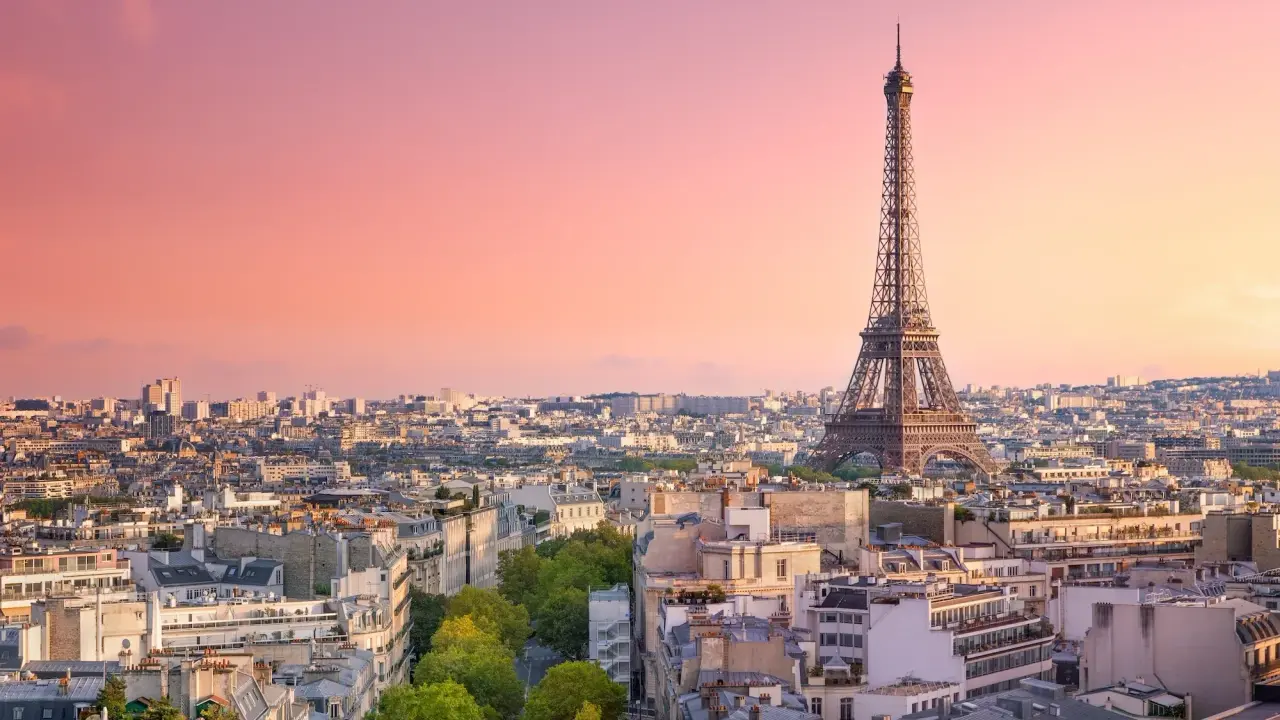
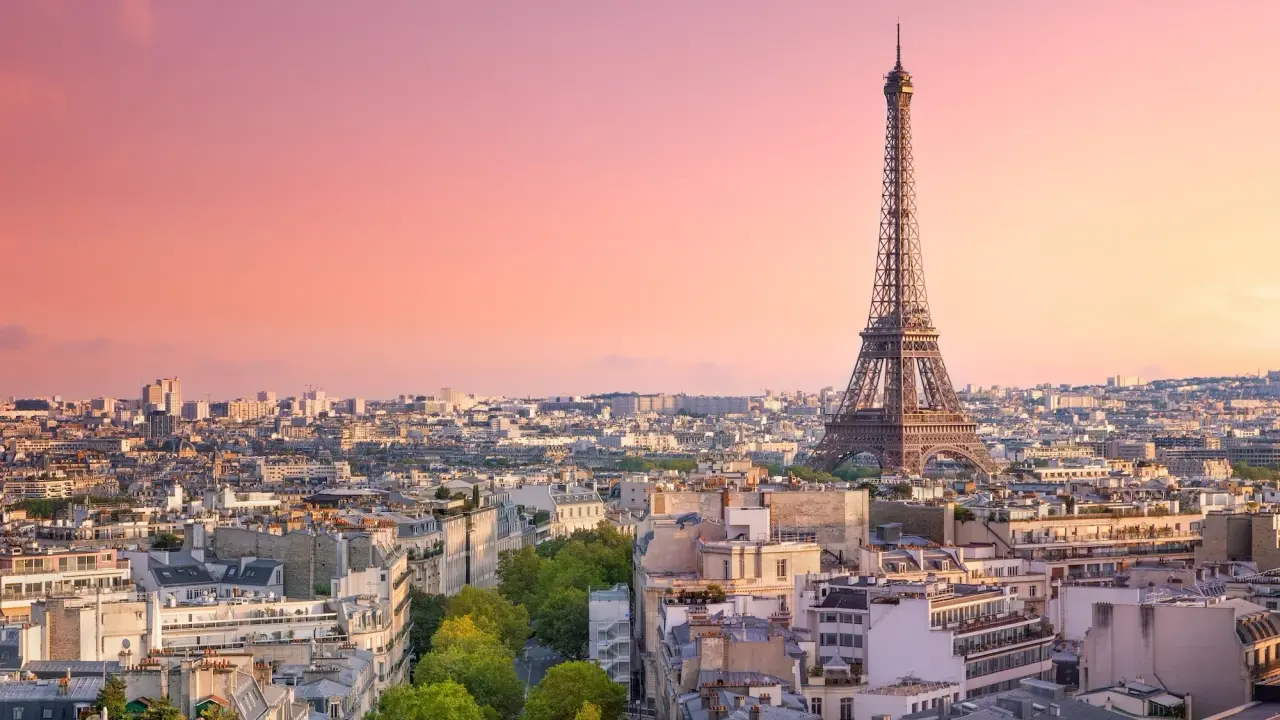
Allow at least three full days for Paris: one for the Louvre (closed Tuesday) and the Tuileries garden, one for the Eiffel Tower and the Champ-de-Mars, one for the Ile de la Cite and the Marais. Versailles takes half a day via the RER C, the palace closed on Monday. National museums are free on the first Sunday of the month, which is only worth it off-season, as crowds otherwise become unmanageable. Four days adds Montmartre, the Musee d'Orsay and a walk along the quays.
Normandy and Brittany

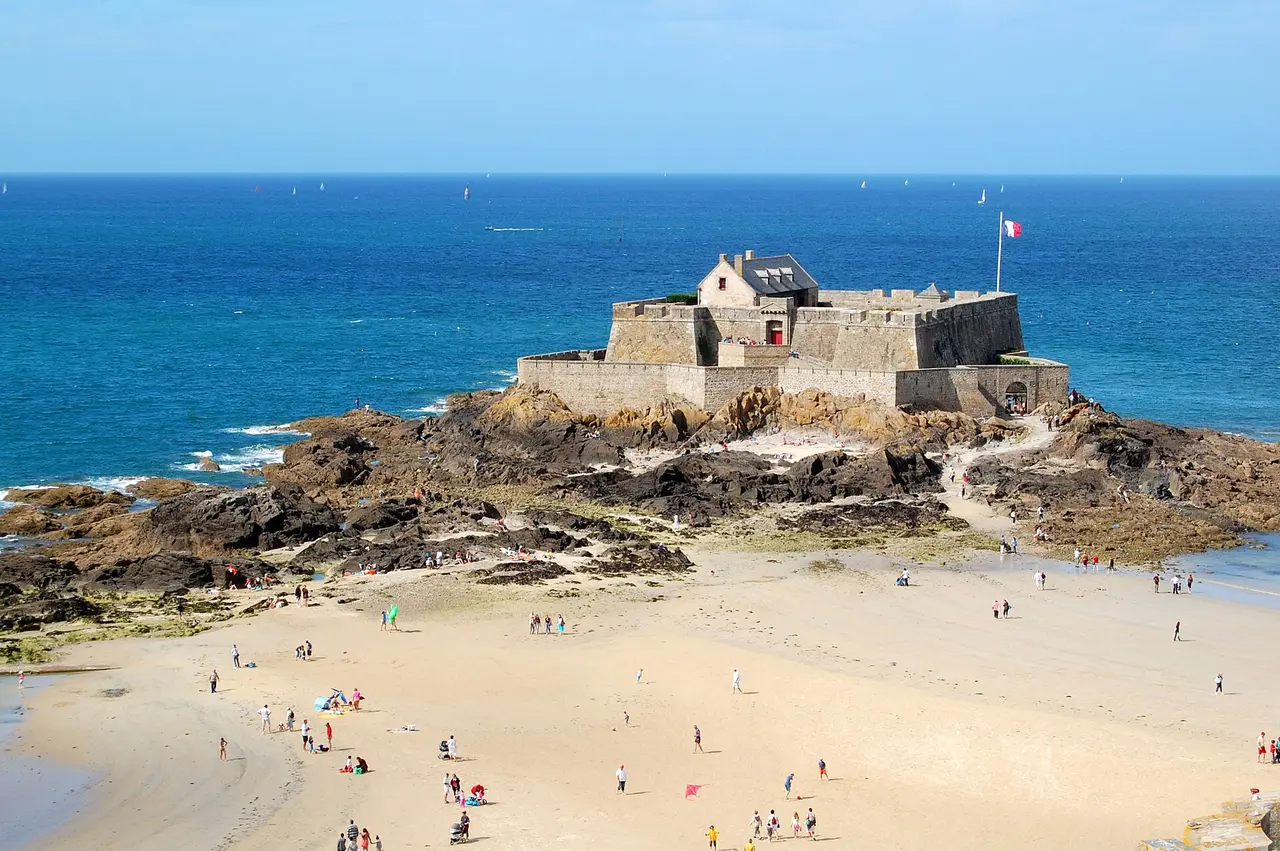
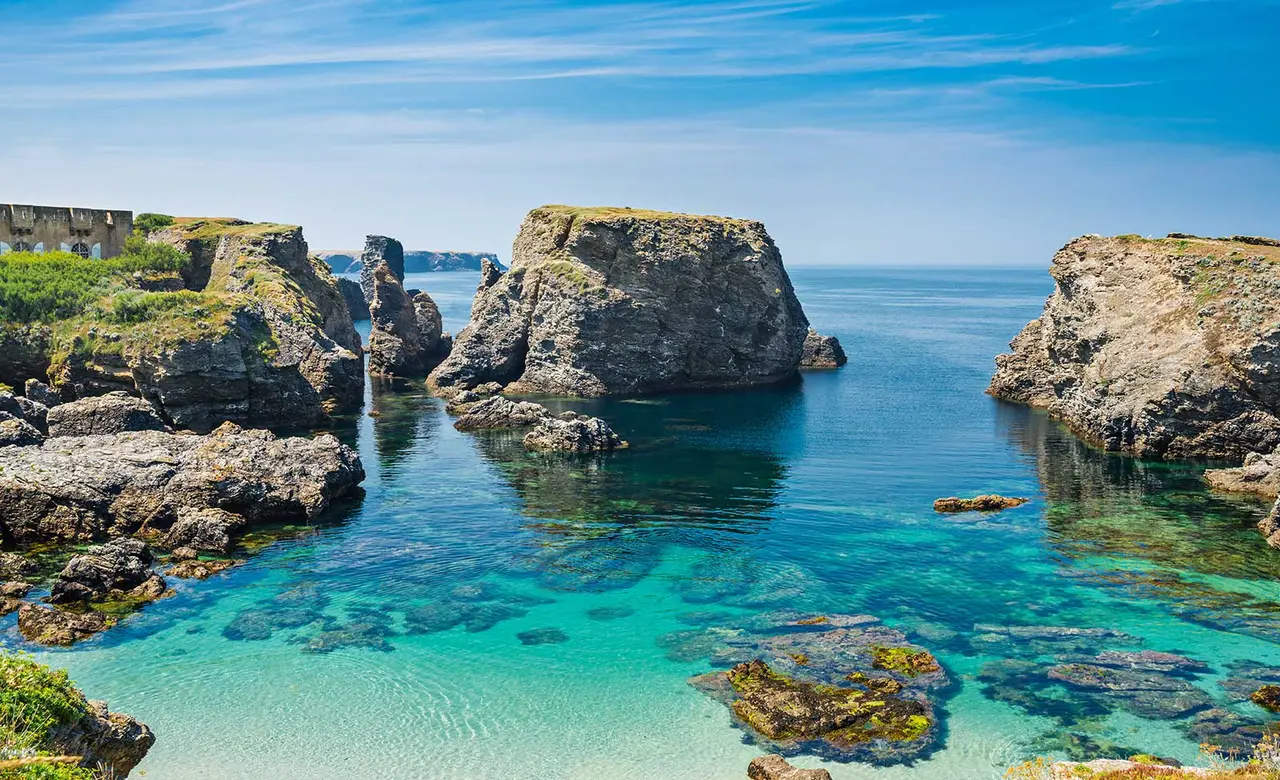
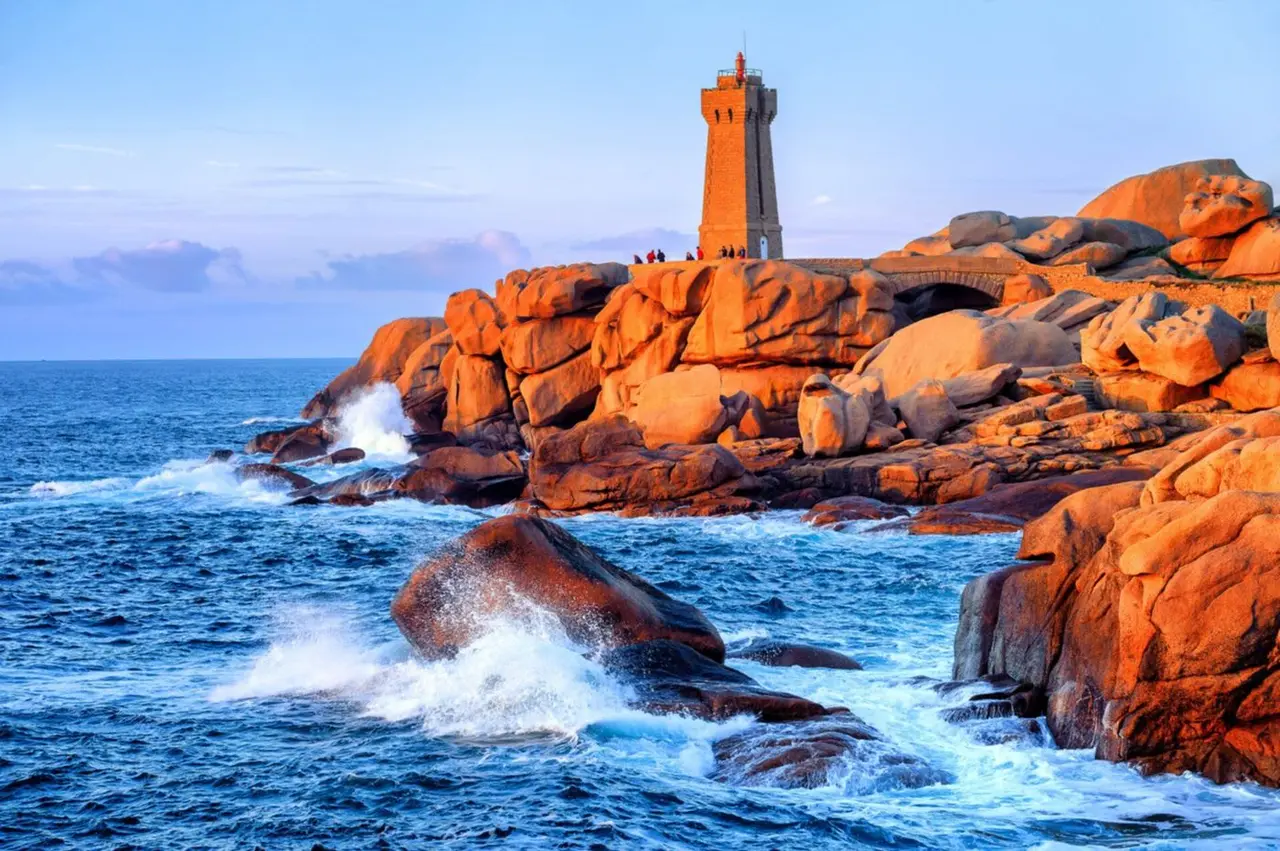
Mont-Saint-Michel is a 4-hour drive from Paris, or a train to Pontorson; arrive early or sleep nearby to see it at high tide. The D-Day beaches stretch 80 km between Utah Beach and Ouistreham, a full day with the American cemetery at Colleville and the Caen Memorial. In Brittany, Saint-Malo, the pink granite coast and the Crozon peninsula need at least four days and a car, since trains serve the coastline poorly.

The Loire Valley chateaux

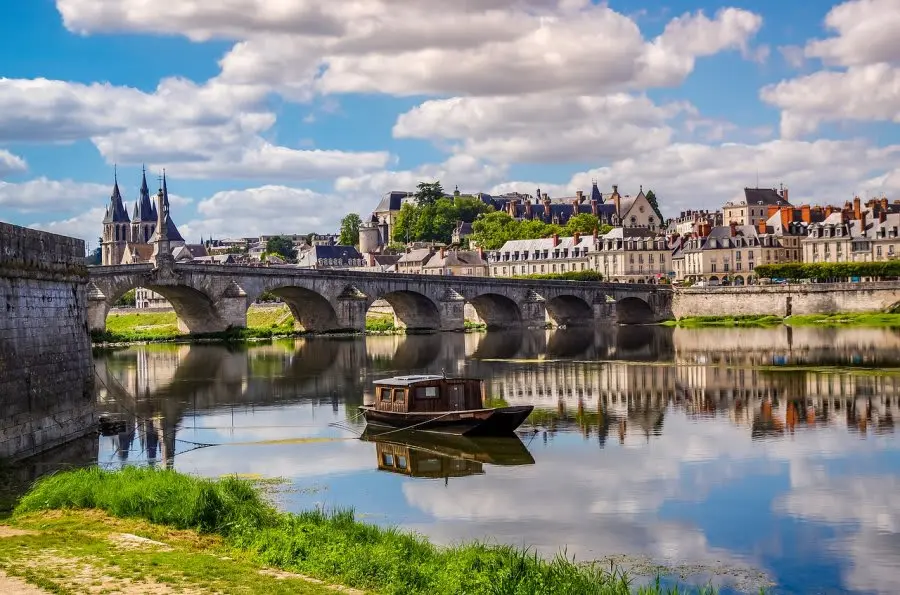
A base in Tours or Amboise lets you cover the Loire Valley in two or three days. Chambord, the largest, and Chenonceau, built across the Cher, are the two essentials; add Villandry for its gardens or Azay-le-Rideau. Rent a car or a bike, as the Loire a Velo greenway links the chateaux. Arrive at opening, around 9am, before the afternoon coaches. Budget 15 to 20 euros admission per chateau.
The Southwest, from Bordeaux to the Pyrenees

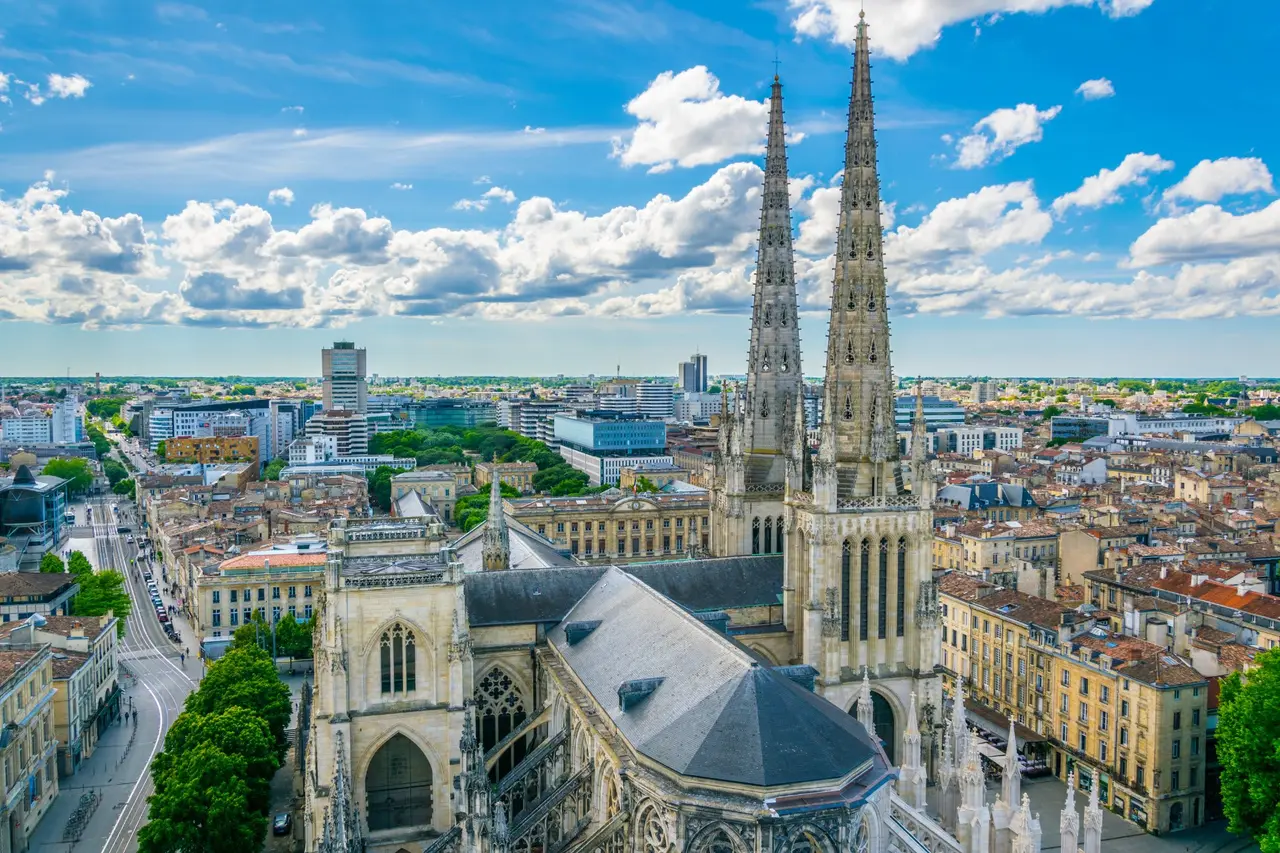
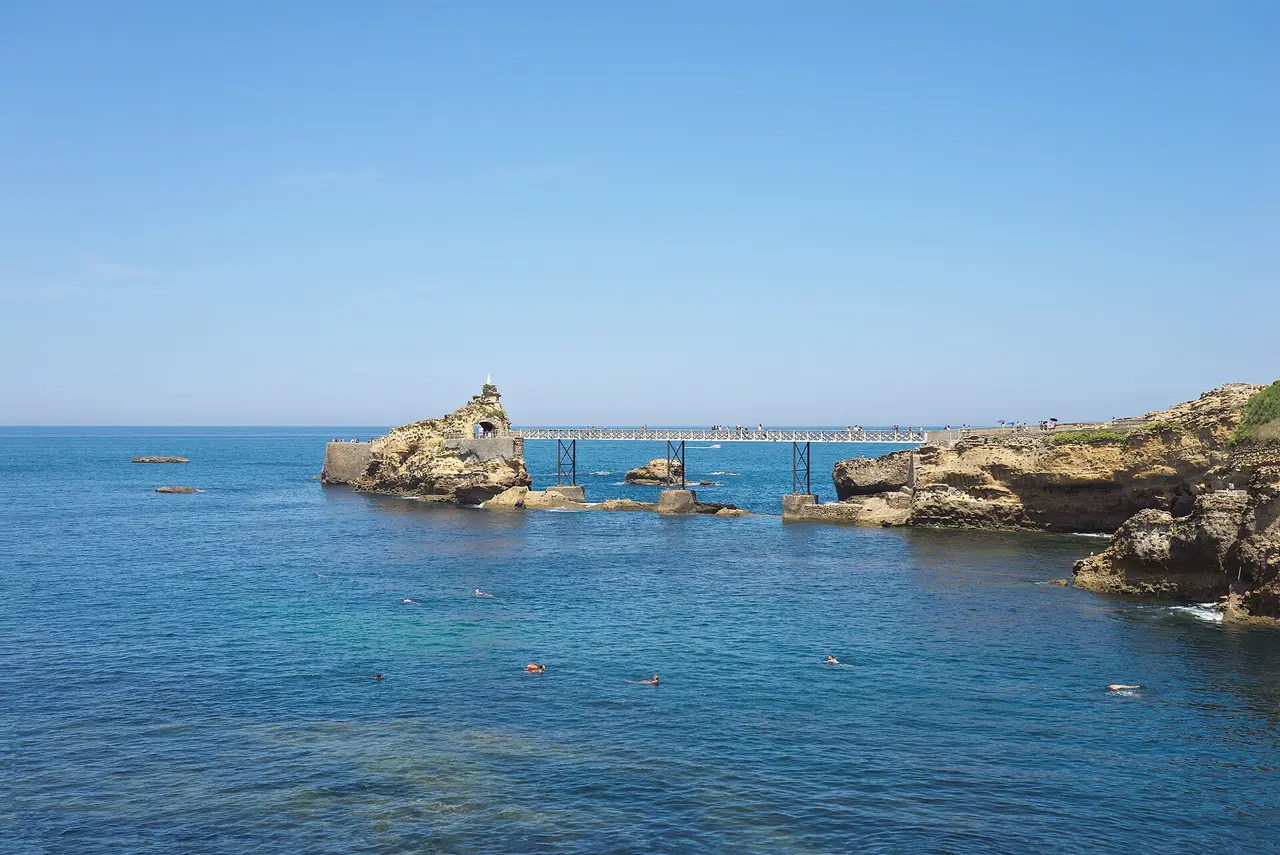
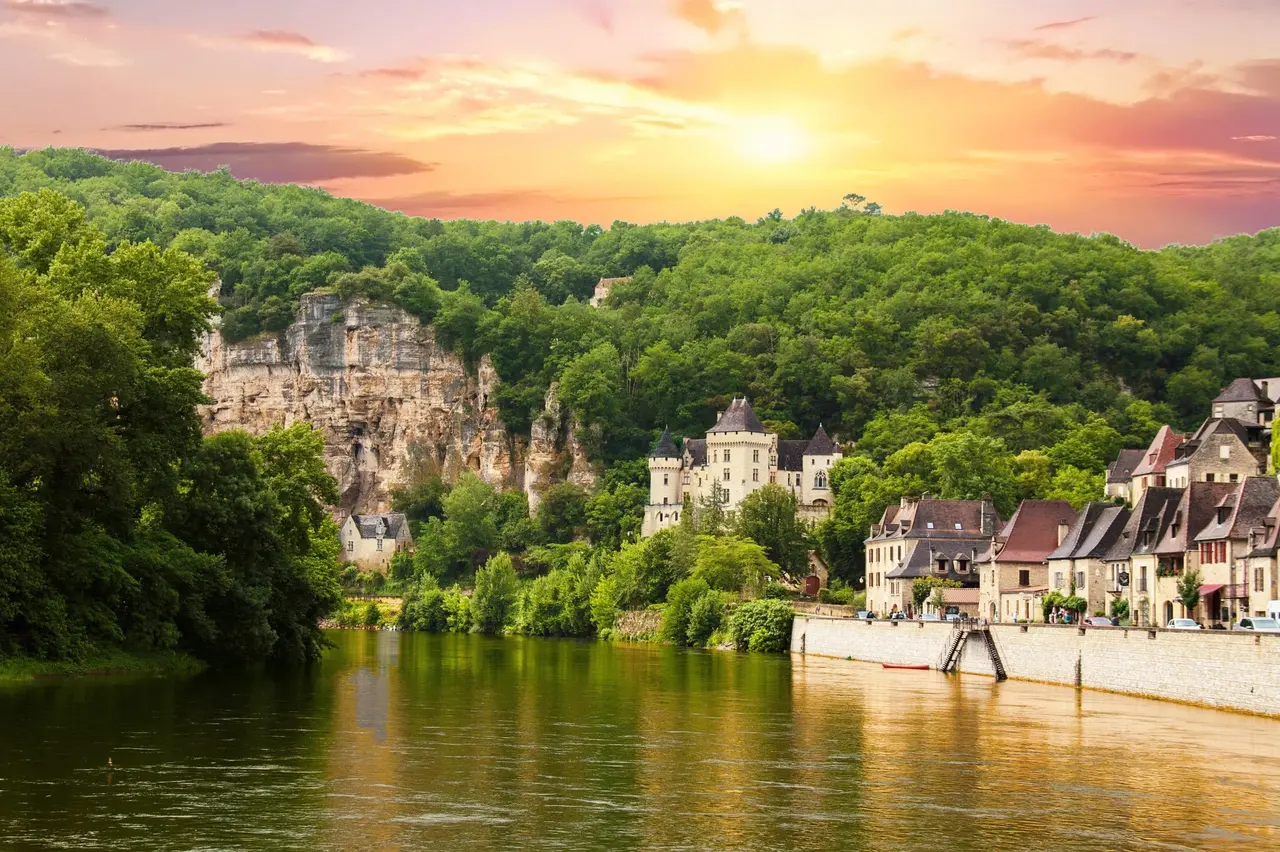
Bordeaux is walkable, from the water mirror to the Cite du Vin, with a tasting day in Saint-Emilion (40-minute direct train). Further south, the Dordogne lines up medieval villages, the painted caves of Lascaux and canoe trips down the river. The Dune du Pilat, Europe's tallest at 100 m, takes twenty minutes to climb facing the Arguin sandbank. Biarritz and the Basque Country close the coast before the Pyrenees and the Cirque de Gavarnie.

Provence and the French Riviera

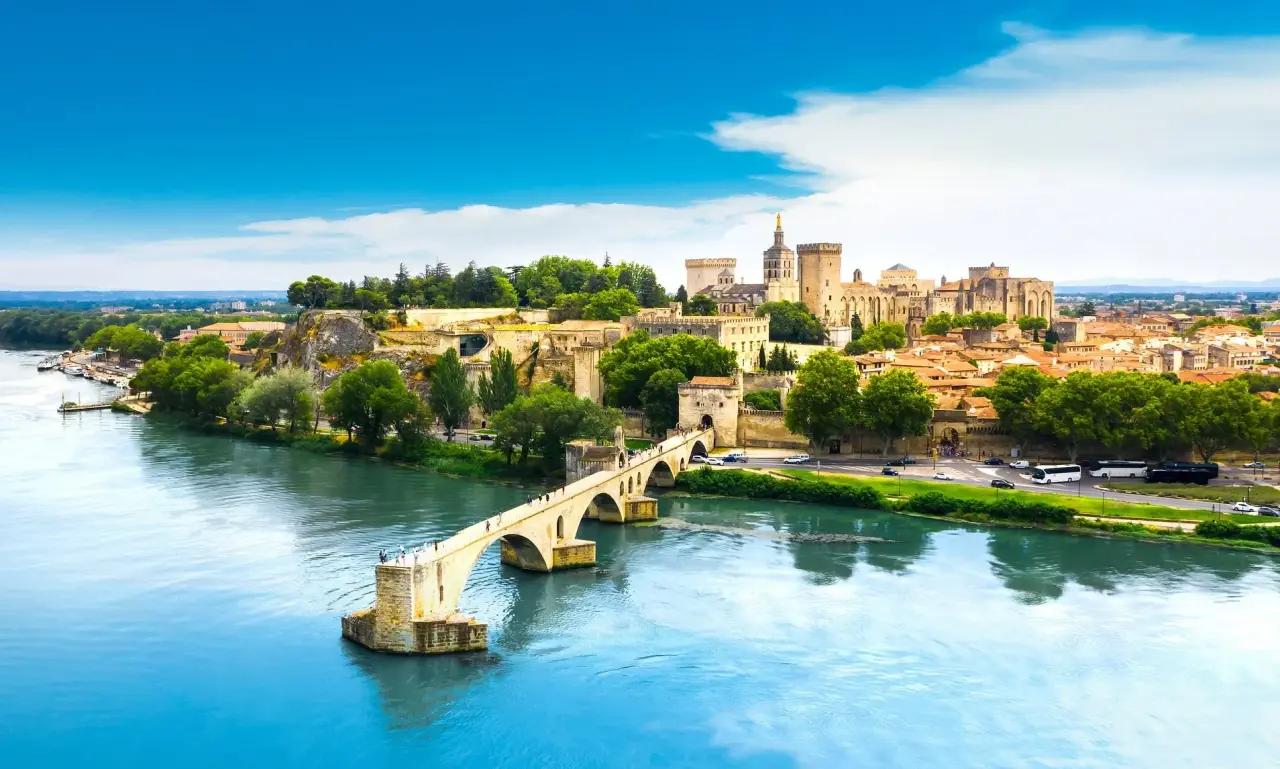
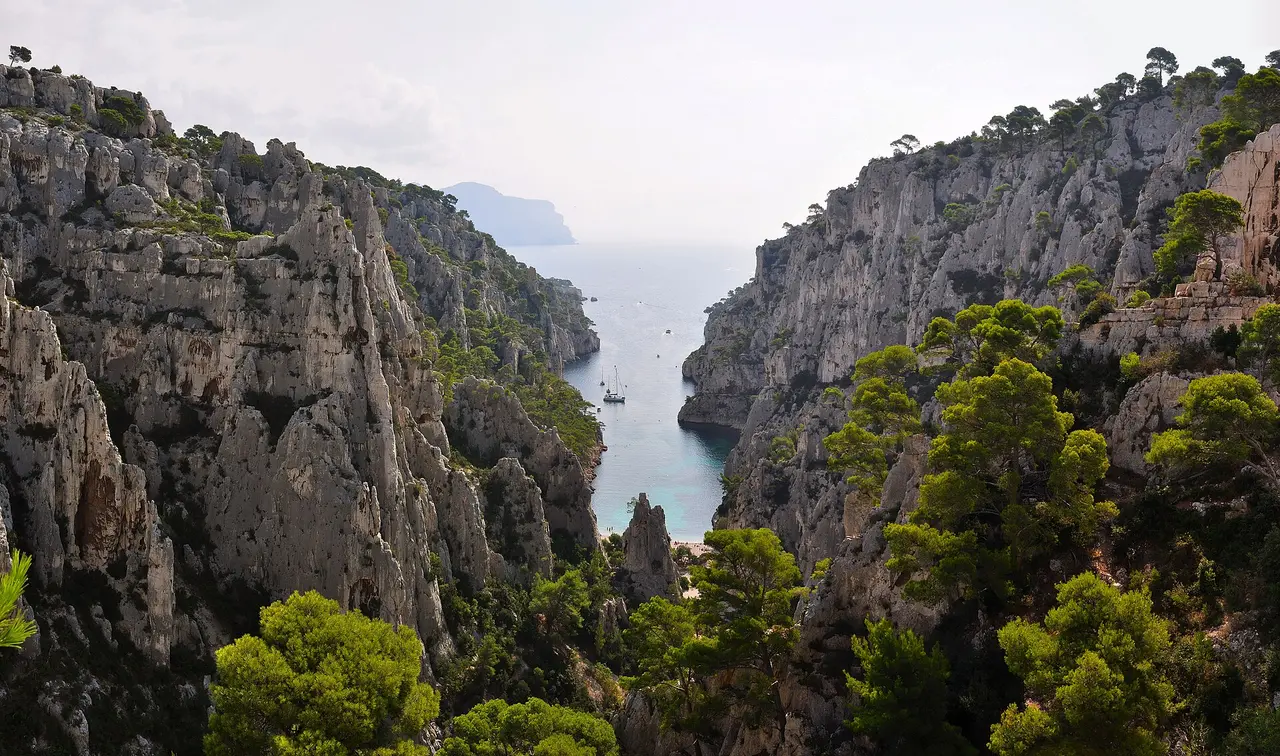
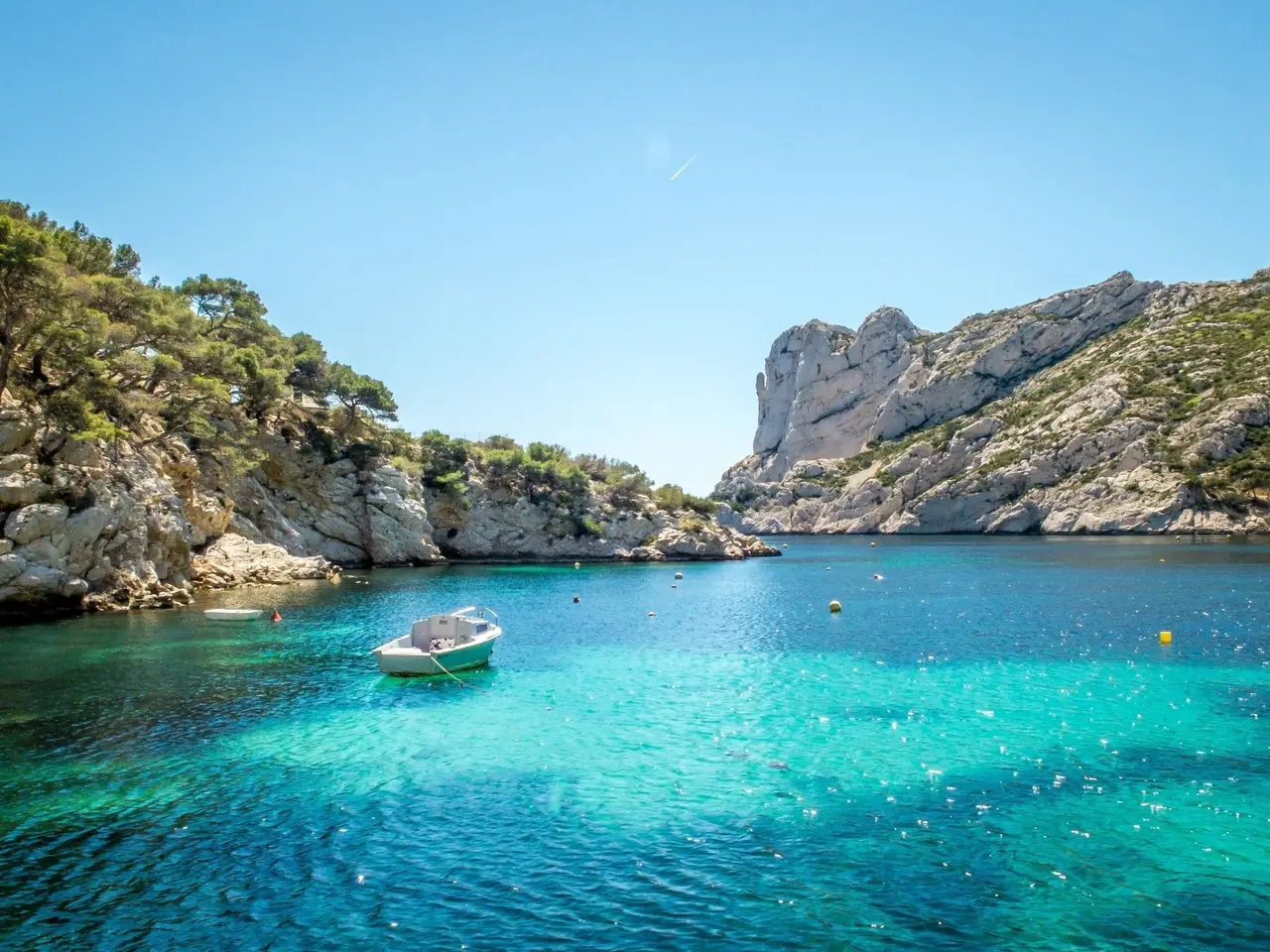
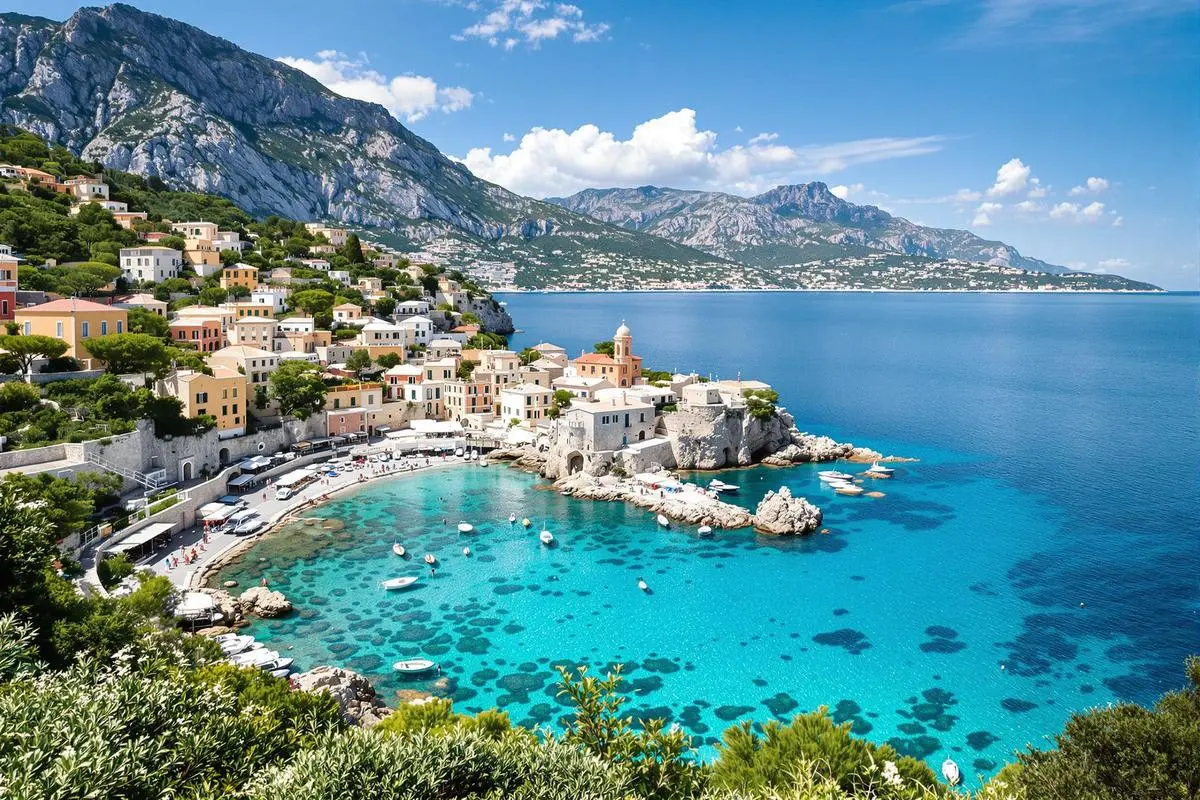
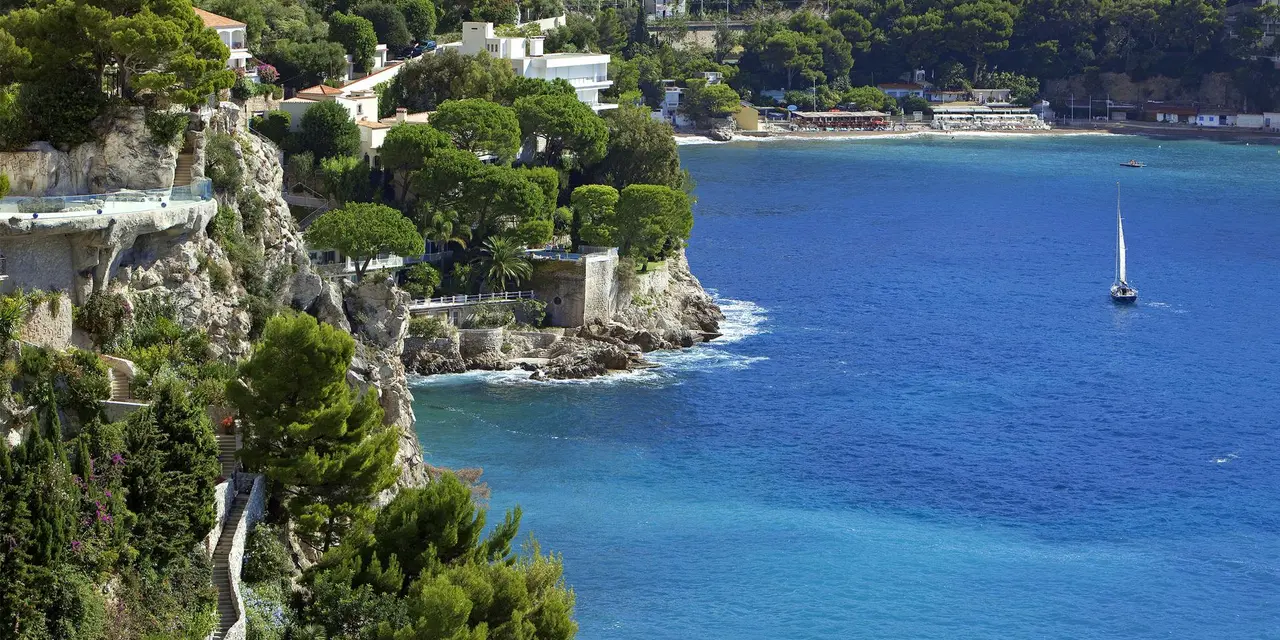
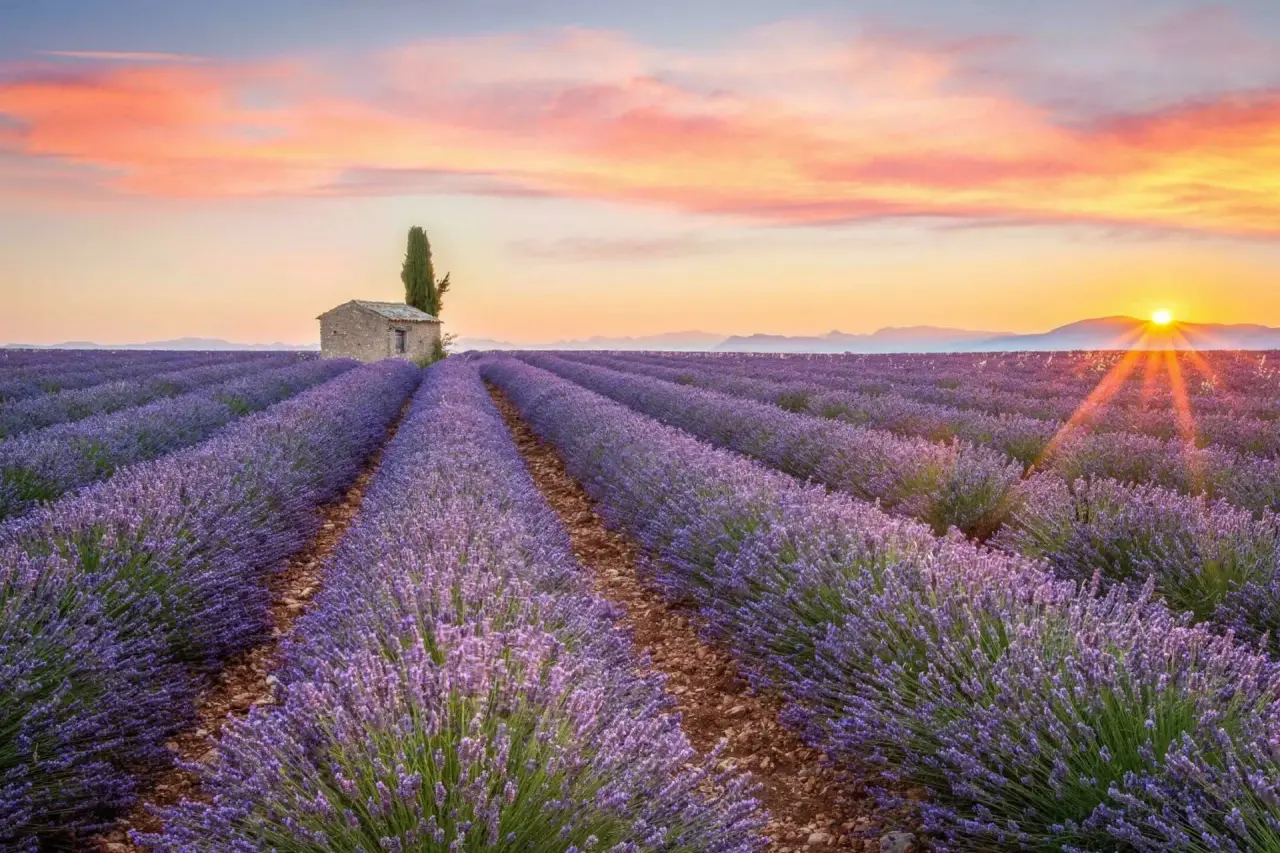
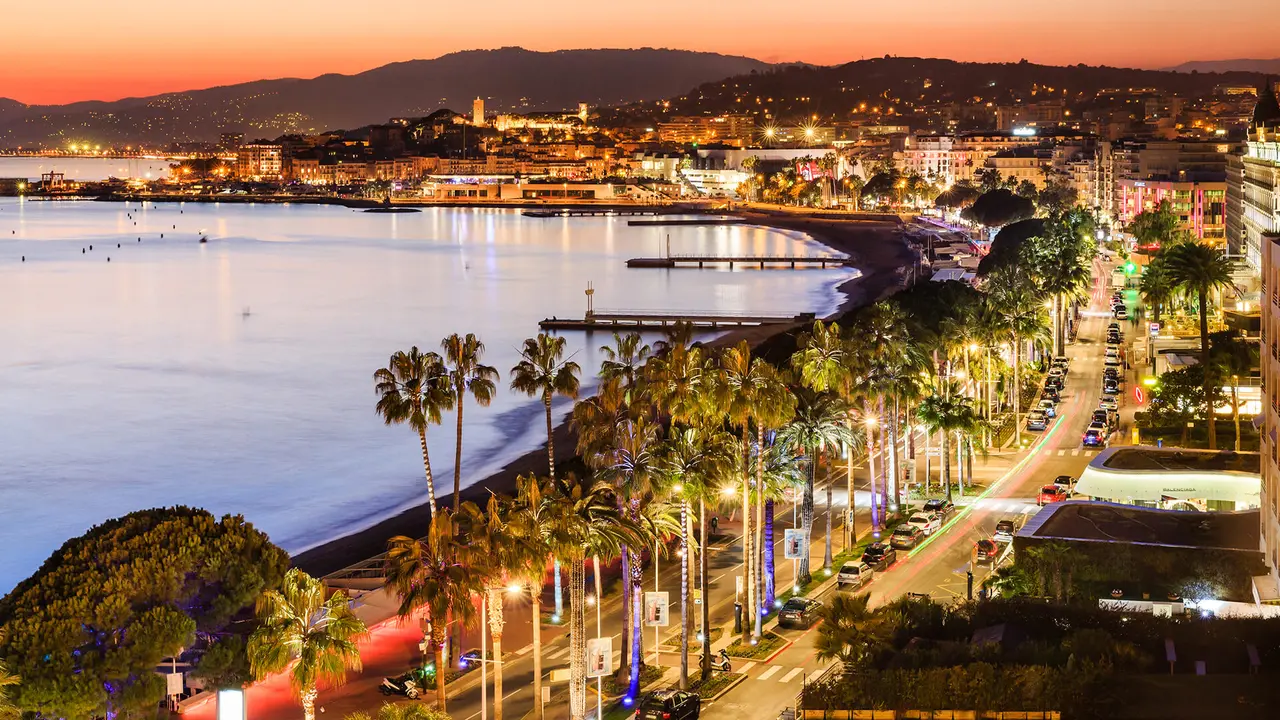
Lavender blooms on the Valensole plateau and at Senanque abbey from mid-June to mid-July, never in August. Avignon, Arles and the Pont du Gard form a triangle you can cover in three days from a central base. On the French Riviera, the coastal train links Cannes, Antibes, Nice and Menton without a car. The Cassis calanques are reached by boat or on foot, with pedestrian access restricted in summer due to fire risk.

The Alps and the Jura

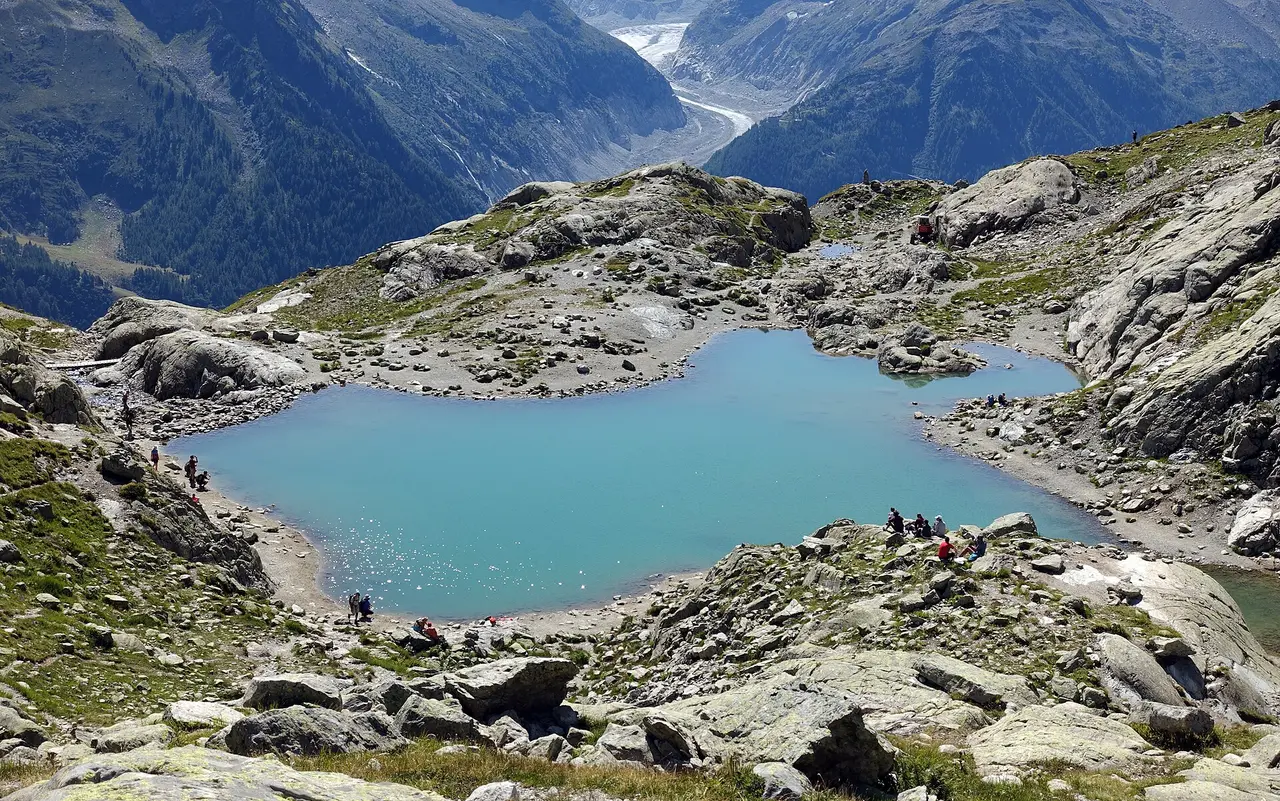
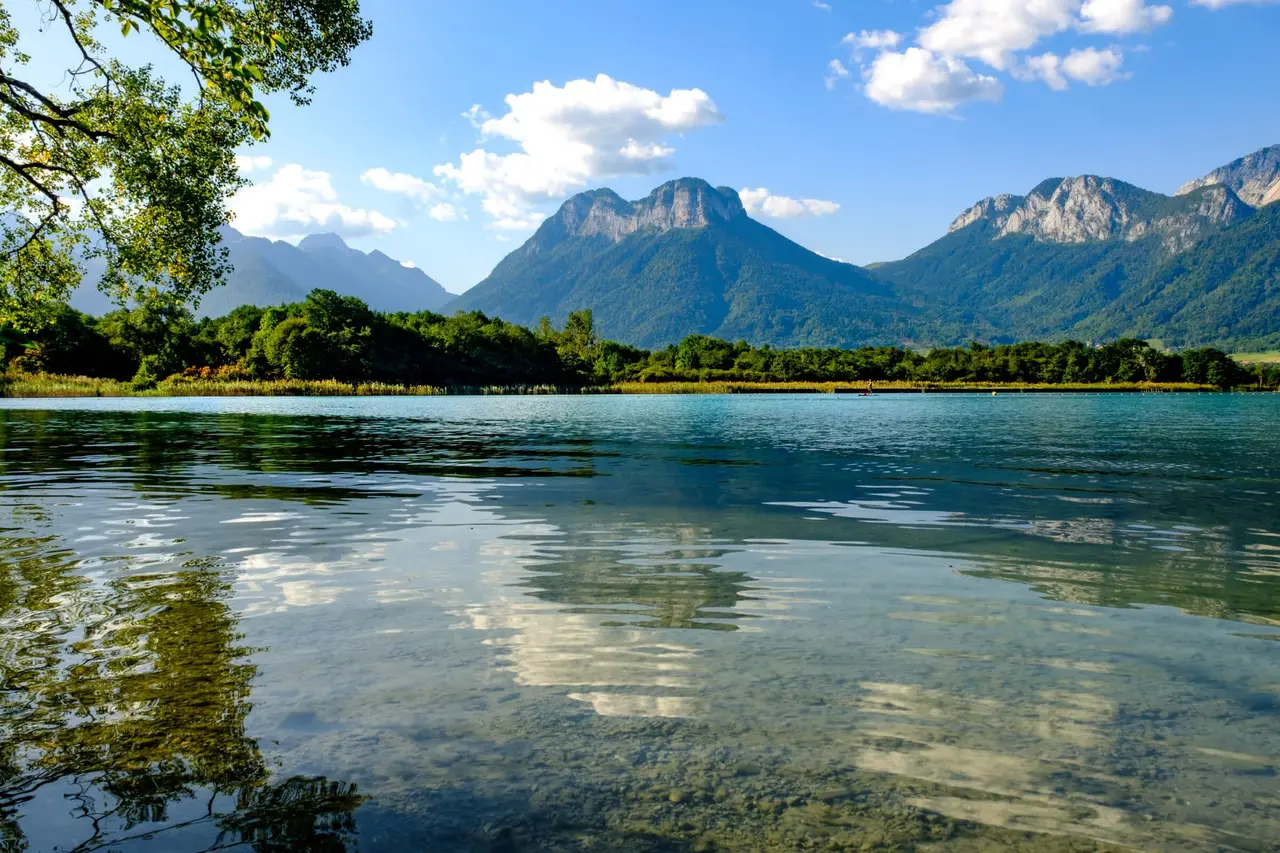
In summer, Chamonix gives access to the Mont Blanc massif: the Aiguille du Midi cable car climbs to 3,842 m in twenty minutes, booking advised. Annecy and its lake suit a 40 km bike loop on a greenway, with swimming from June to September. In winter, the big Trois Vallees and Paradiski areas run from December to April, with a price and crowd peak during the February holidays. The quieter Jura suits hiking and cross-country skiing.
Alsace and the East

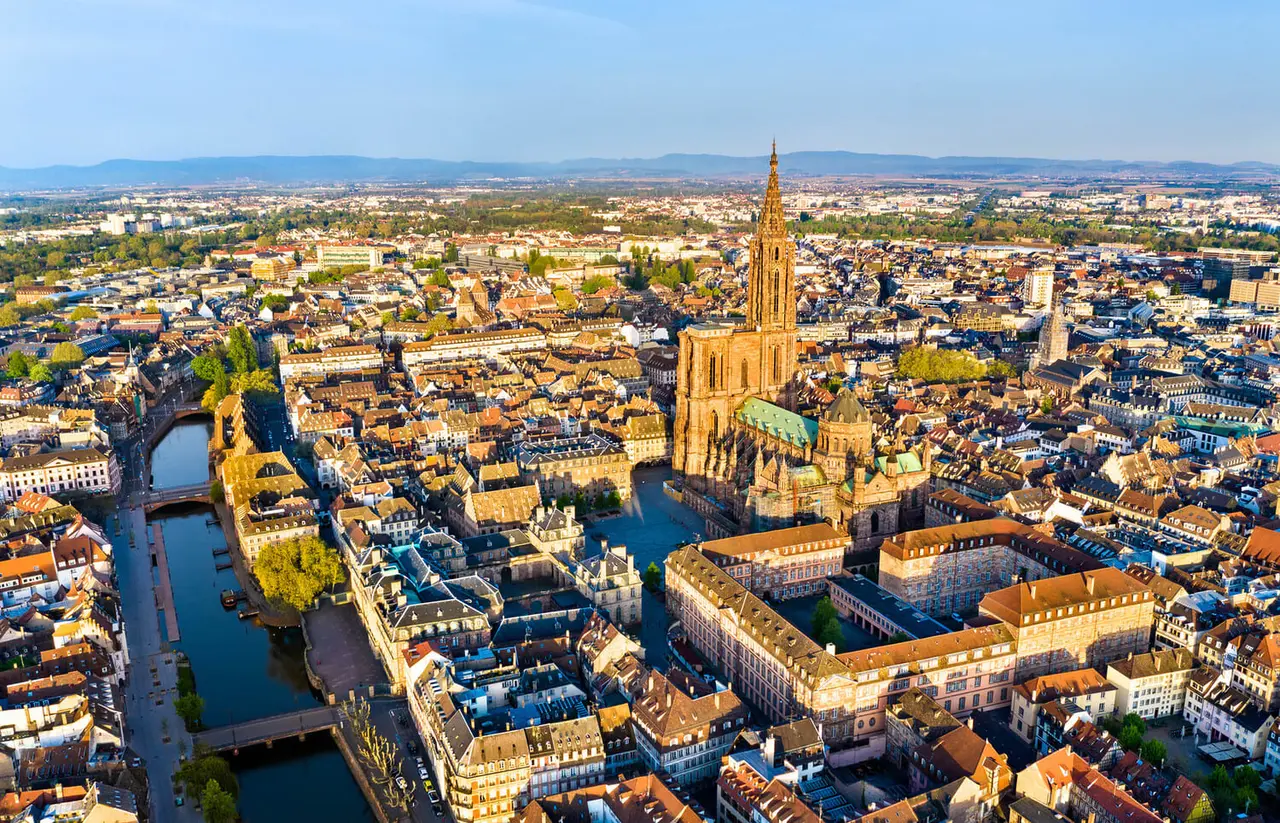
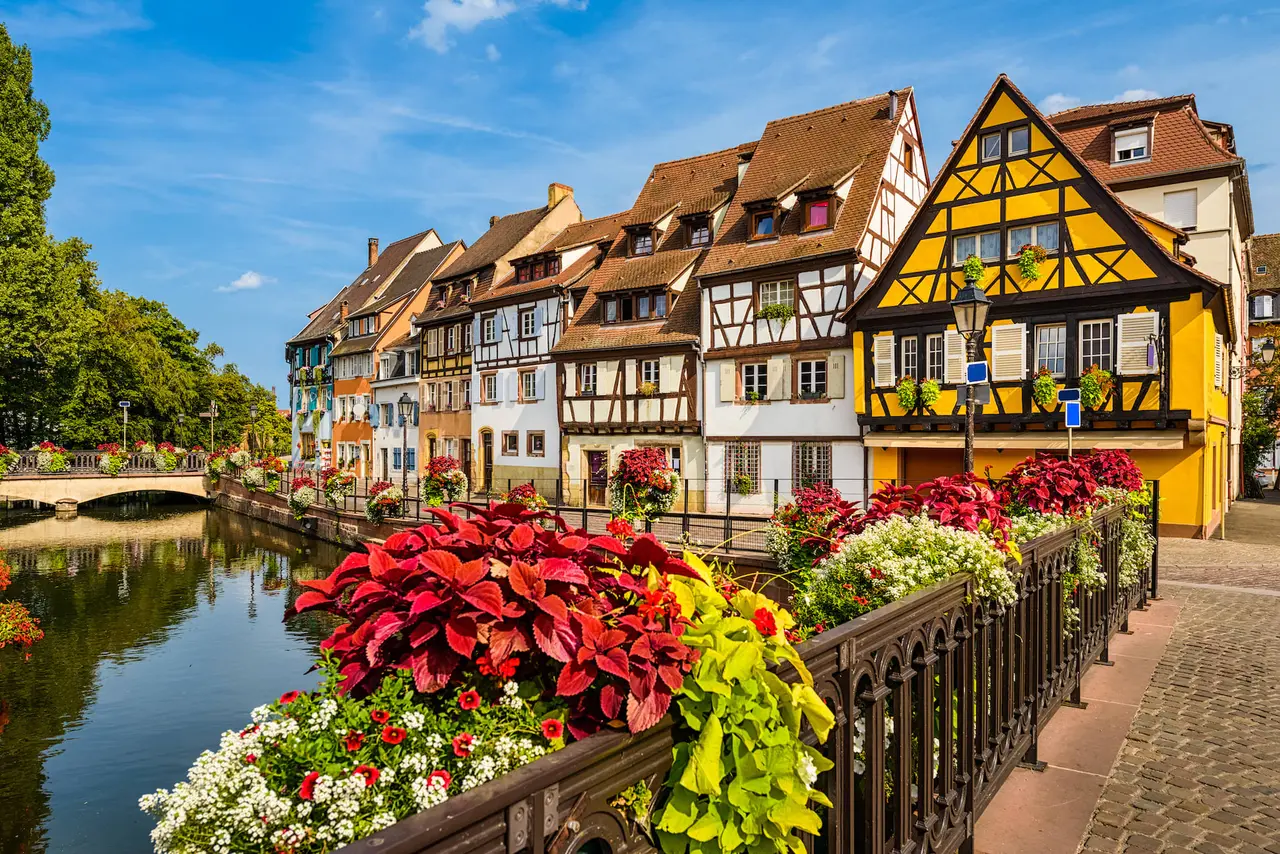
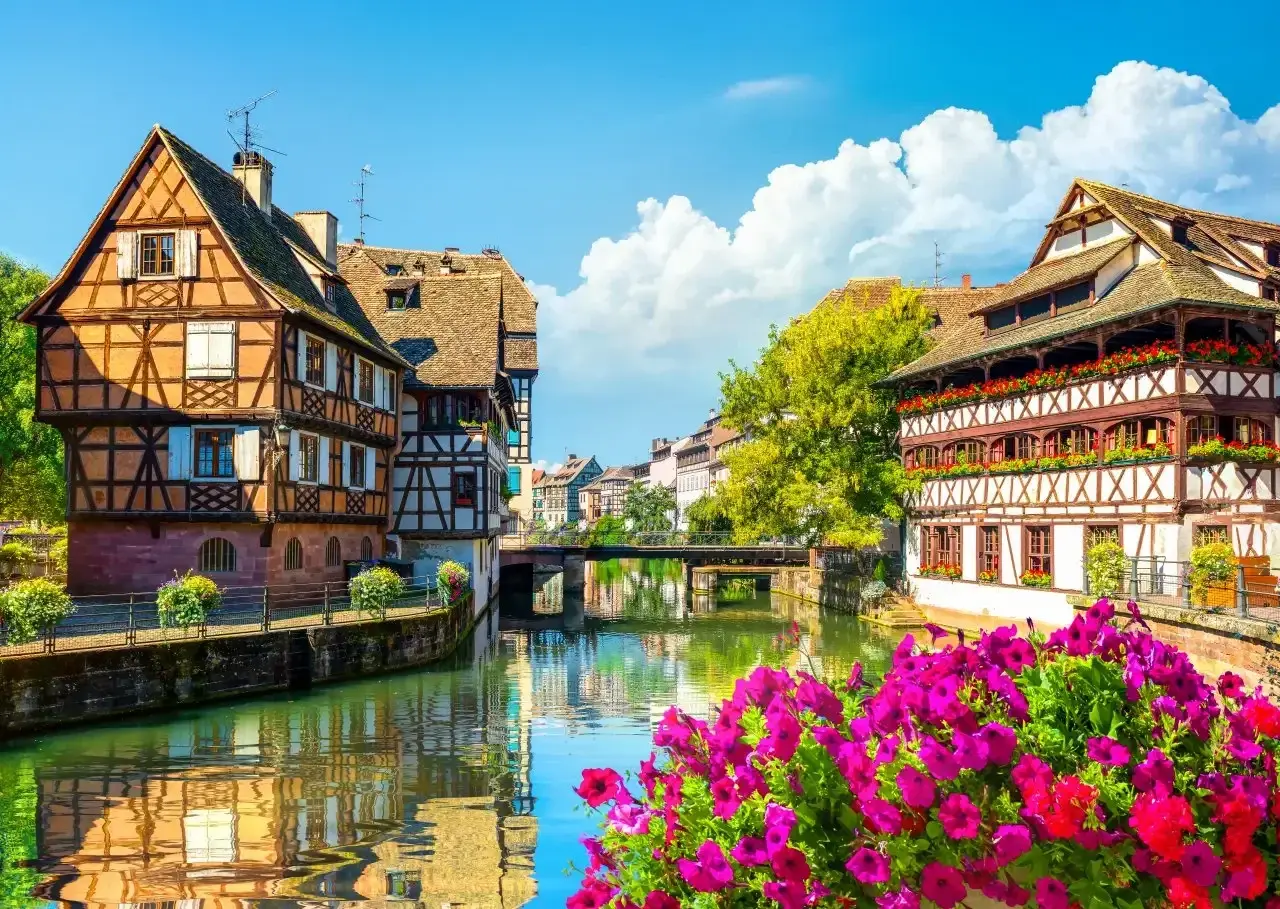
Strasbourg and Colmar are 30 minutes apart by regional train. The Wine Route runs 170 km between Marlenheim and Thann, dotted with half-timbered villages such as Eguisheim, Riquewihr and Kaysersberg; a car is essential. From late November to 24 December, Christmas markets transform the region, with Strasbourg and Colmar the busiest, and the most expensive for hotels. Add Metz, Nancy and its UNESCO-listed Place Stanislas.
Food and vineyards

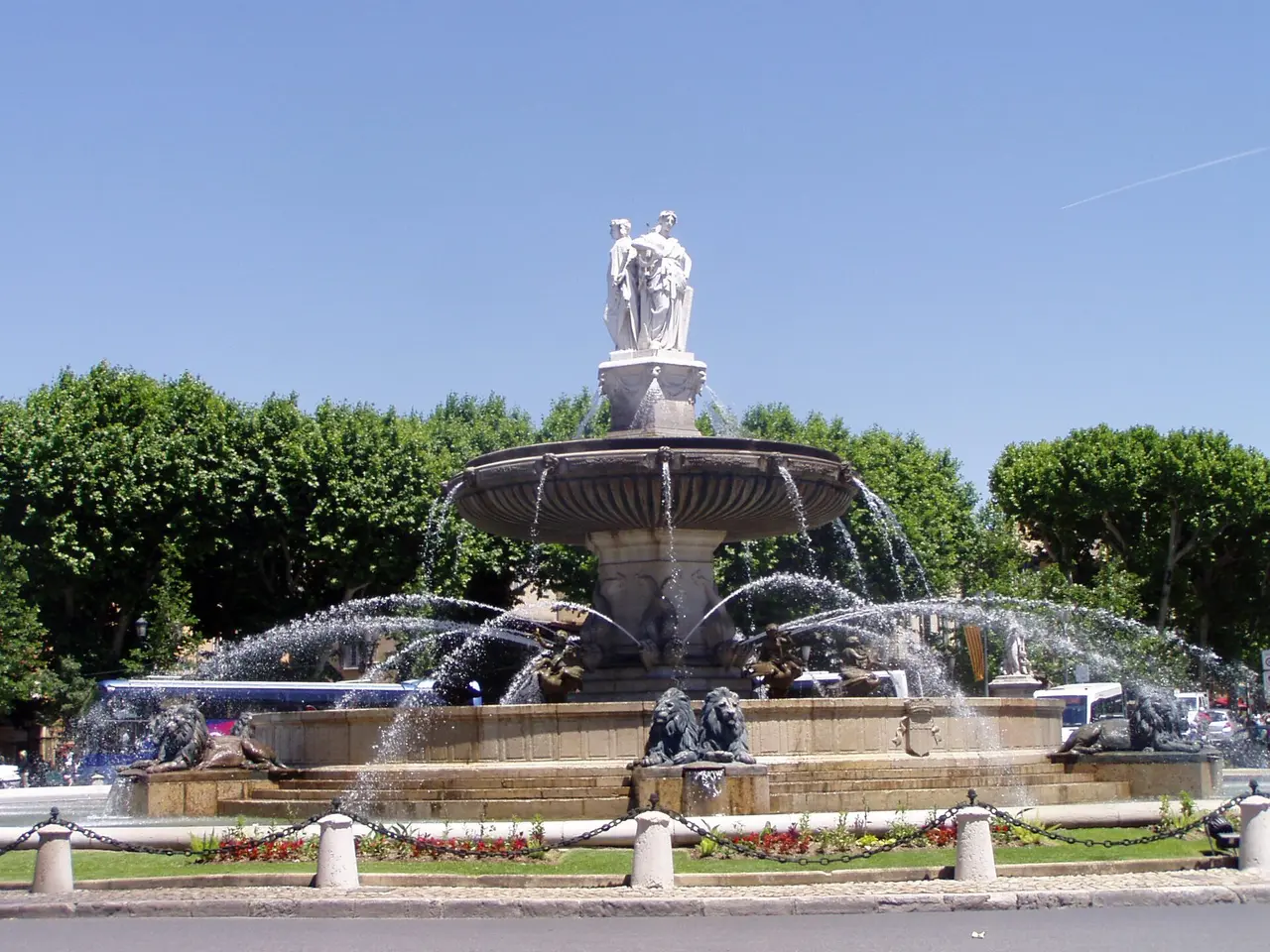
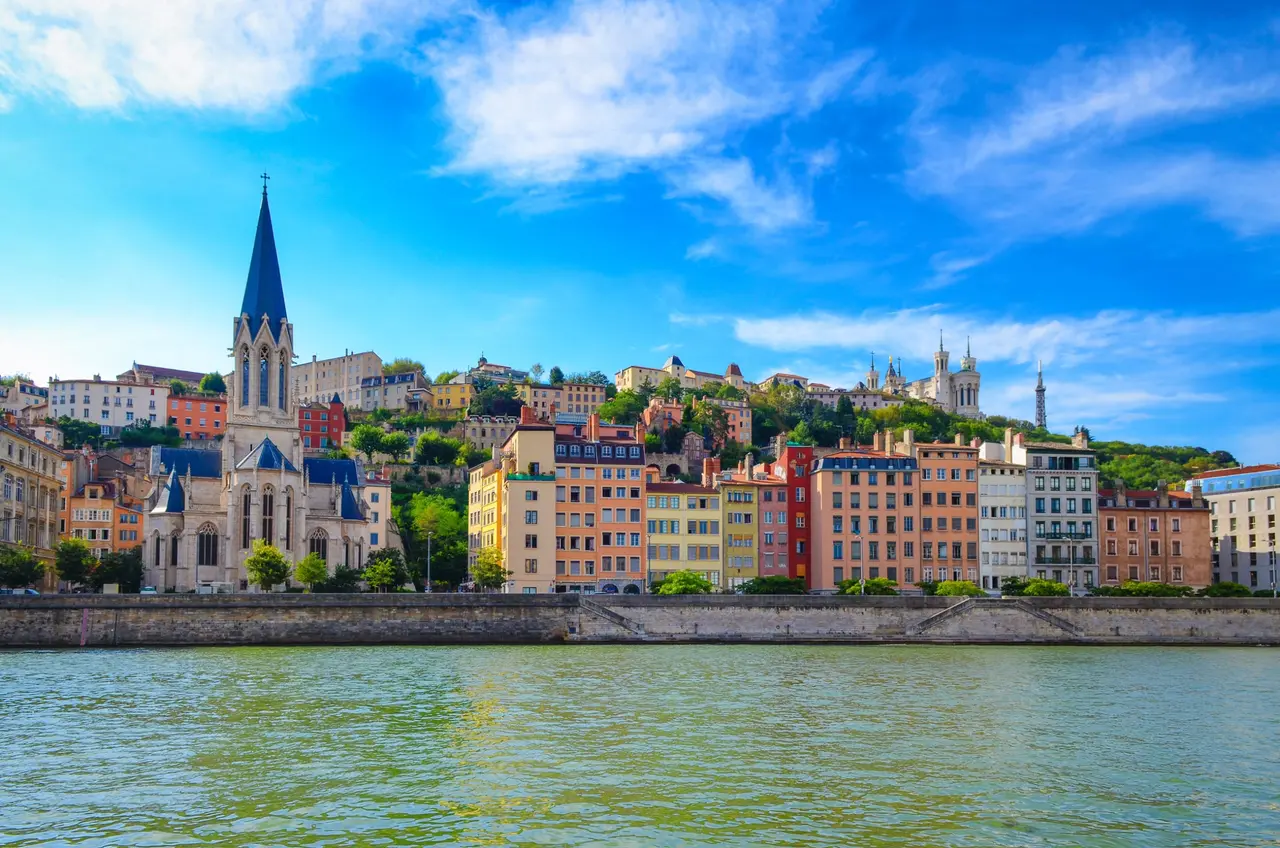
Every region defends its table: Lyon bouchons, Breton galettes, cassoulet in Toulouse, socca in Nice, choucroute in Alsace. The major wine routes, Burgundy, Bordeaux, Champagne around Reims and Epernay, Alsace, the Rhone Valley, are visited through cellars open for tasting, often by appointment. Markets run one or two mornings a week in each town; those of Sarlat, Aix-en-Provence and Dijon are among the most renowned. Plan lunch around 12:30pm, as kitchens close early outside Paris.

Cities to visit in France

Featured destinations appear first.

Regions to explore in France

Featured destinations appear first.

How much it costs

Per person per day, excluding international travel.
Budget
64 €/ day
896 € for 2 people, 7 days, return flights included
Accommodation
28 €
Food
20 €
Local transport
8 €
Sights and activities
8 €
Comfort
143 €/ day
2 002 € for 2 people, 7 days, return flights included
Accommodation
70 €
Food
40 €
Local transport
15 €
Sights and activities
18 €
Premium
375 €/ day
5 250 € for 2 people, 7 days, return flights included
Accommodation
200 €
Food
90 €
Local transport
40 €
Sights and activities
45 €
Prices checked: Relevé septembre 2026. Sources : ou-et-quand.net/budget/france, planificateur.a-contresens.net (budget FR), combien-coute.net (nuitées hostel/hotel), recoupés avec lebonroadtrip.fr (road trip 2026) et retours voyageurs. Cadrage sur le circuit touristique classique Paris + une à deux régions, en train et transports publics ; les prix sont plus élevés à Paris et sur la Côte d'Azur, plus bas en Bretagne, Auvergne ou Massif central. Hors haute saison (évite juillet-août et vacances scolaires). accommodation = par personne et par nuit : lit en dortoir pour backpacker, chambre double partagée a deux pour comfort et premium. weekTwoPax = 7 jours pour 2 personnes SANS vol : départ Paris, voyage domestique, aucun transport aérien international pertinent (les trajets interregionaux TGV sont déjà inclus dans localTransport).

Getting there

Airports serving France, from main hubs to secondary ones.
  • AGFAgen La Garenne airportAgenSecondary
  • AJAAjaccio Napoléon Bonaparte airportAjaccioSecondary
  • ANEAngers Marcé airportAngersSecondary
  • ANGAngoulême Brie-Champniers airportAngoulêmeSecondary
  • AUFAuxerre Branches airportAuxerreSecondary
  • AURAurillac airportAurillacSecondary

Entry, health and safety

For FR travellers

Entry requirements

No visa for a tourist stay

Ressortissant français : aucune formalité d'entrée sur le territoire national. Une carte nationale d'identité ou un passeport en cours de validité suffit pour circuler.

Health

Emergency

112

Checked in septembre 2026 against the official source. Entry rules change: check the official source before you travel, it alone is authoritative.

France in pictures

Landmark sites

Places that justify a detour on their own, spread across the whole country.

Eiffel Tower

The most visited paid monument in the world; climb to the 276 m summit, tickets open around 60 days ahead.

Louvre Museum

The largest museum in the world, from the Mona Lisa to antiquities; closed Tuesday, timed booking required.

Palace of Versailles

Royal residence, Hall of Mirrors and Le Notre's gardens; musical fountain shows on summer weekends.

Mont-Saint-Michel

Abbey set on a rocky islet, ringed by the strongest tides in continental Europe; shuttle from the car park.

Chateau de Chambord

The largest Loire chateau, with a double-helix staircase attributed to Leonardo da Vinci, inside a walled forest estate.

Pont du Gard

Three-tier Roman aqueduct spanning the Gardon, 49 m high, with swimming possible upstream in summer.

Carcassonne fortress

Europe's largest walled town, double ramparts and 52 towers; walk it early before the groups arrive.

Palais des Papes

In Avignon, the largest Gothic palace in the world, seat of the papacy in the 14th century, festival stage in July.

Dune du Pilat

Europe's tallest sand dune, around 100 m, between the Landes forest and Arcachon bay.

Calanques of Cassis

Limestone fjords between Marseille and Cassis, reached by boat or on foot, trails closed in summer for fire risk.

Aiguille du Midi

Viewing platform at 3,842 m above Chamonix, reached by cable car, with a direct view of Mont Blanc.

Practical information

Currency
Euro (EUR). Contactless payment is accepted almost everywhere, including for small amounts.
Tipping
Service is included by law. You may leave the small change or 5 to 10 percent for very good service.
Tap water
Drinkable throughout mainland France; a free jug of water is owed to you in restaurants.
Power sockets
Type E, 230 V, 50 Hz. An adapter is needed for British and North American devices.
Museum closing days
The Louvre closes on Tuesday, Orsay and Versailles on Monday. Always check before travelling across town.
Tourist tax
Added to the room rate, roughly 0.25 to 5 euros per person per night depending on the town and star rating.
School holidays
Zones A, B and C are staggered; the February and Easter breaks fill up the Alps and the coast.
Bakeries
Often closed one day a week, rarely the same day within a neighbourhood; fresh bread from 7am.
Meal times
Lunch service often 12 to 2pm, dinner 7:30 to 10pm; outside Paris, kitchens close early.
Sales periods
Two fixed four-week periods, in January and June, with dates set by the state.
Emergencies
112 Europe-wide, 15 for medical (SAMU), 17 police, 18 fire brigade, 114 by text for deaf callers.

Similar destinations

Other countries you might like as much as France.

Similar regions

Other regions you might like as much as France.

Frequently asked questions

How many days for Paris and Provence?
Allow at least ten days: three in Paris, one for the TGV transfer, then five or six between Avignon, Arles, the Luberon and a run down to the Riviera. Less than a week forces you to drop one of the two.
Can you visit Mont-Saint-Michel as a day trip from Paris?
It is doable in a very long day, about 4 hours by road or bus each way. To see the bay at high tide and the abbey without the crowds, sleep in Pontorson or on the rock itself.
Do you need a car for the Loire Valley chateaux?
Yes to be free, as the chateaux are spread over 100 km. Without a car, base yourself in Tours, reach Chambord and Chenonceau by shuttle or by bike on the Loire a Velo, and limit yourself to two or three sites.
When can you see the lavender in Provence?
The bloom runs from about mid-June to mid-July on the Valensole plateau and around Senanque abbey near Gordes, and slightly later at altitude on the Sault plateau. By August most fields have already been harvested and cut.
Can you visit Corsica without a car?
Only with difficulty. The train links Bastia, Corte, Calvi and Ajaccio but skips the south and the beaches. Most travellers rent a car at the port or airport, to be booked well ahead in summer.
Alsace Christmas markets: what dates and which towns?
From late November to 24 December, sometimes to the 30th. Strasbourg and Colmar are the busiest; Kaysersberg, Riquewihr and Mulhouse offer the same atmosphere with fewer people and cheaper hotels.
Is the Paris Museum Pass worth it?
It pays off from three or four paid sites over two days, and above all saves queuing time. It does not remove the need to book a slot for the Louvre and does not include the Eiffel Tower.
What is the difference between the French Riviera and the Calanques?
The Riviera runs from Cassis to Menton, with developed beaches, towns and the coastal train. The calanques are a national park of limestone cliffs between Marseille and Cassis, with no road, reached on foot or by boat.

Plan your trip to France

Day-by-day itinerary, budget, bookings and packing in a single app.
Aperçu de l'application PlanTripNow