Visit the Spanish Basque Country: itinerary, budget and when to go

Between the Bay of Biscay and the Ebro vineyards, the three provinces of Euskadi fit into a week on the road: San Sebastian's pintxos counters, the Guggenheim's titanium in Bilbao, the hermitage perched on Gaztelugatxe, Gipuzkoa's fishing ports and the walled villages of Rioja Alavesa.
  • 1 city

Why travel to the Spanish Basque Country?

The Spanish Basque Country, or Euskadi, brings together three very different provinces between the Atlantic and the Ebro vineyards: Biscay around Bilbao, Gipuzkoa around San Sebastian and Álava around Vitoria-Gasteiz. It is one of the great food regions of Spain, with its own language, Euskera, and a green coast far less crowded than the Mediterranean.

What to discover in the Spanish Basque Country?

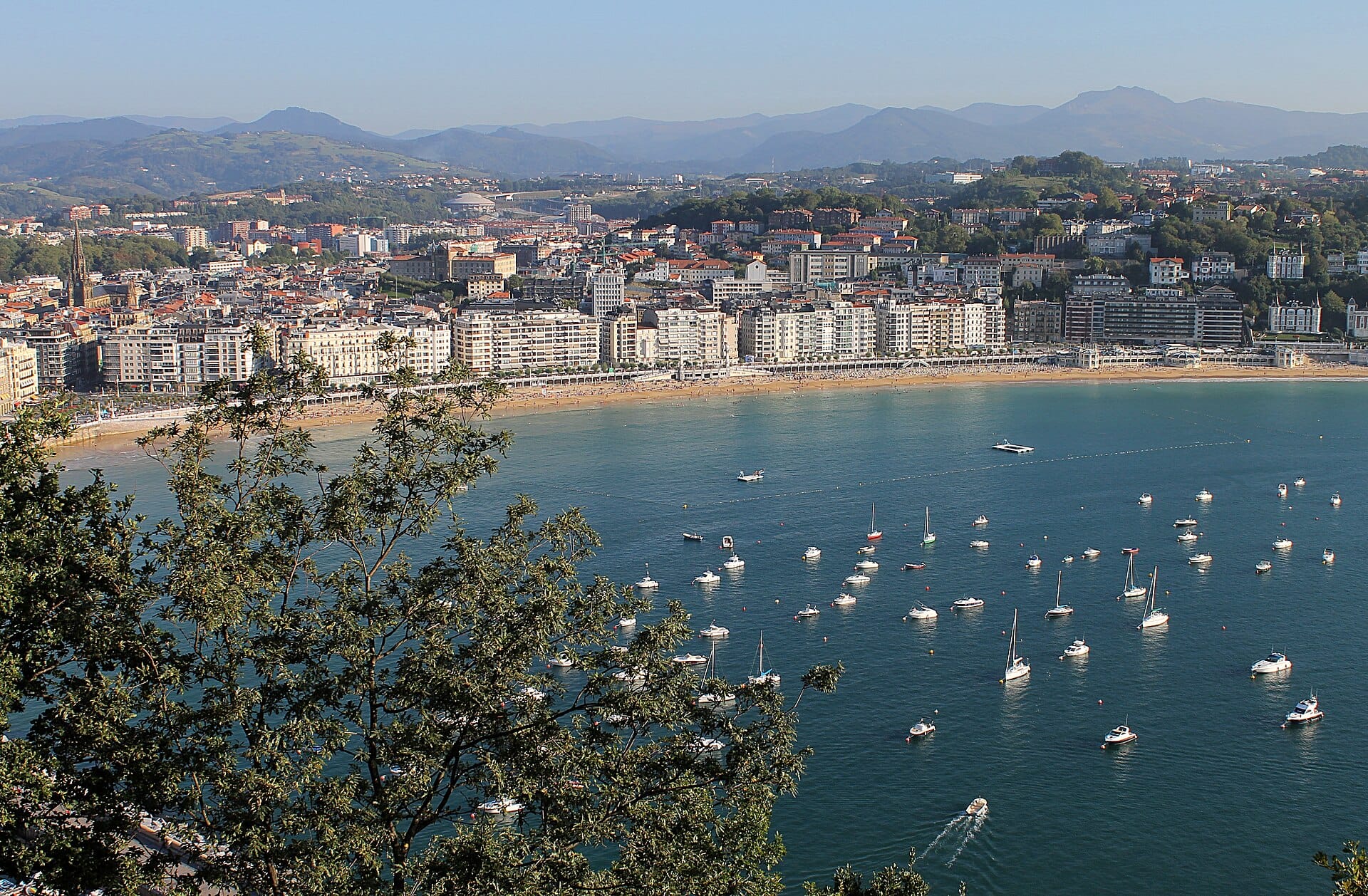
San Sebastian and La Concha bay

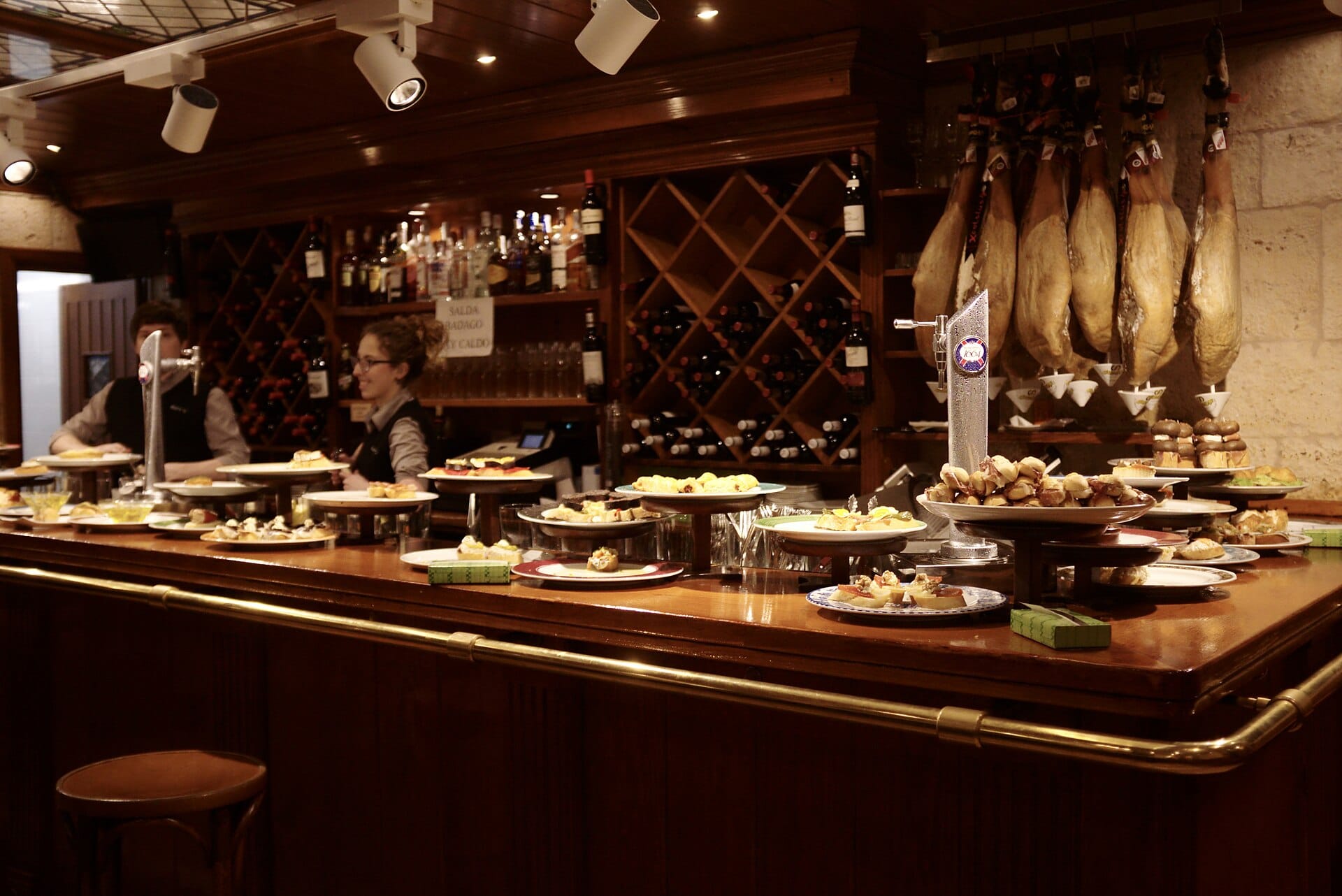
Donostia is the city people come for: a curved urban beach, two hills for the view, Urgull and Igueldo, and the Parte Vieja, where bars line their counters with pintxos at 2 to 4 euros each. The local rule: one pintxo and one drink per bar, then move on. It is also the region's most expensive city, especially during Semana Grande in August and the Film Festival in September, when room rates can double. Allow two to three nights.

Bilbao, the reinvented estuary

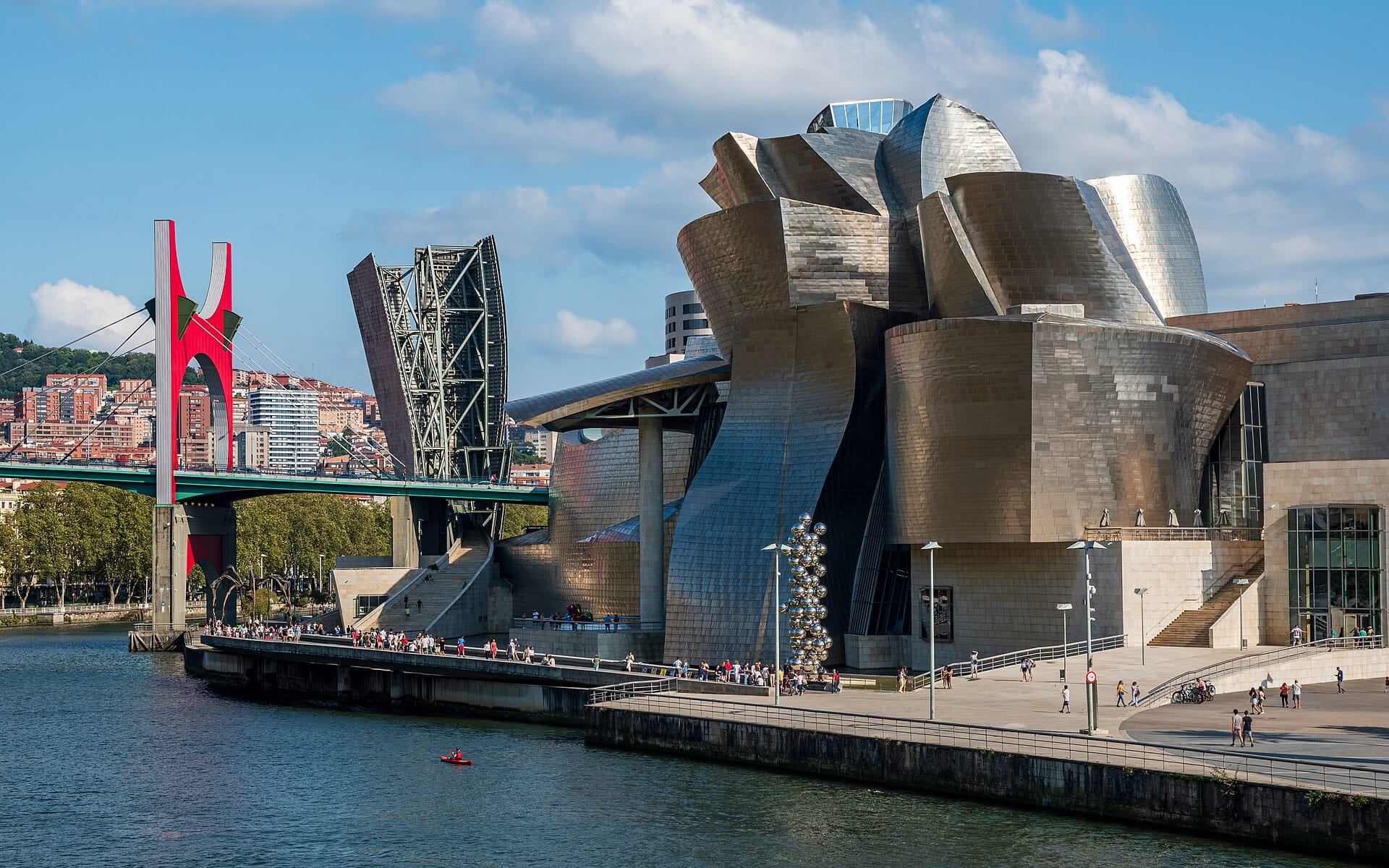
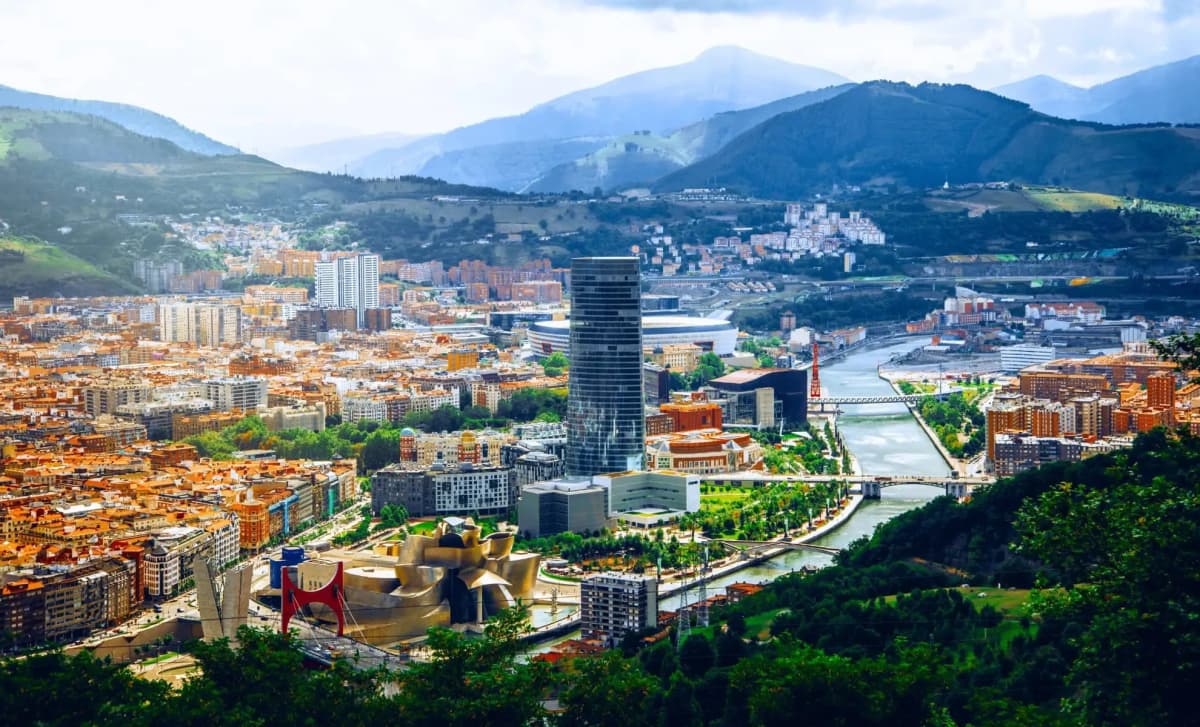
Once a shipbuilding city, Bilbao changed course in 1997 when Frank Gehry's museum opened on the Nervion. The rest is explored on foot in a day: the Siete Calles of the Casco Viejo, La Ribera market, Plaza Nueva for pintxos, then the Artxanda funicular. The metro reaches Getxo and the Portugalete transporter bridge in about 20 minutes. Cheaper than San Sebastian, it is the natural base for Biscay and has the region's main airport.

The Biscay coast and the Urdaibai reserve

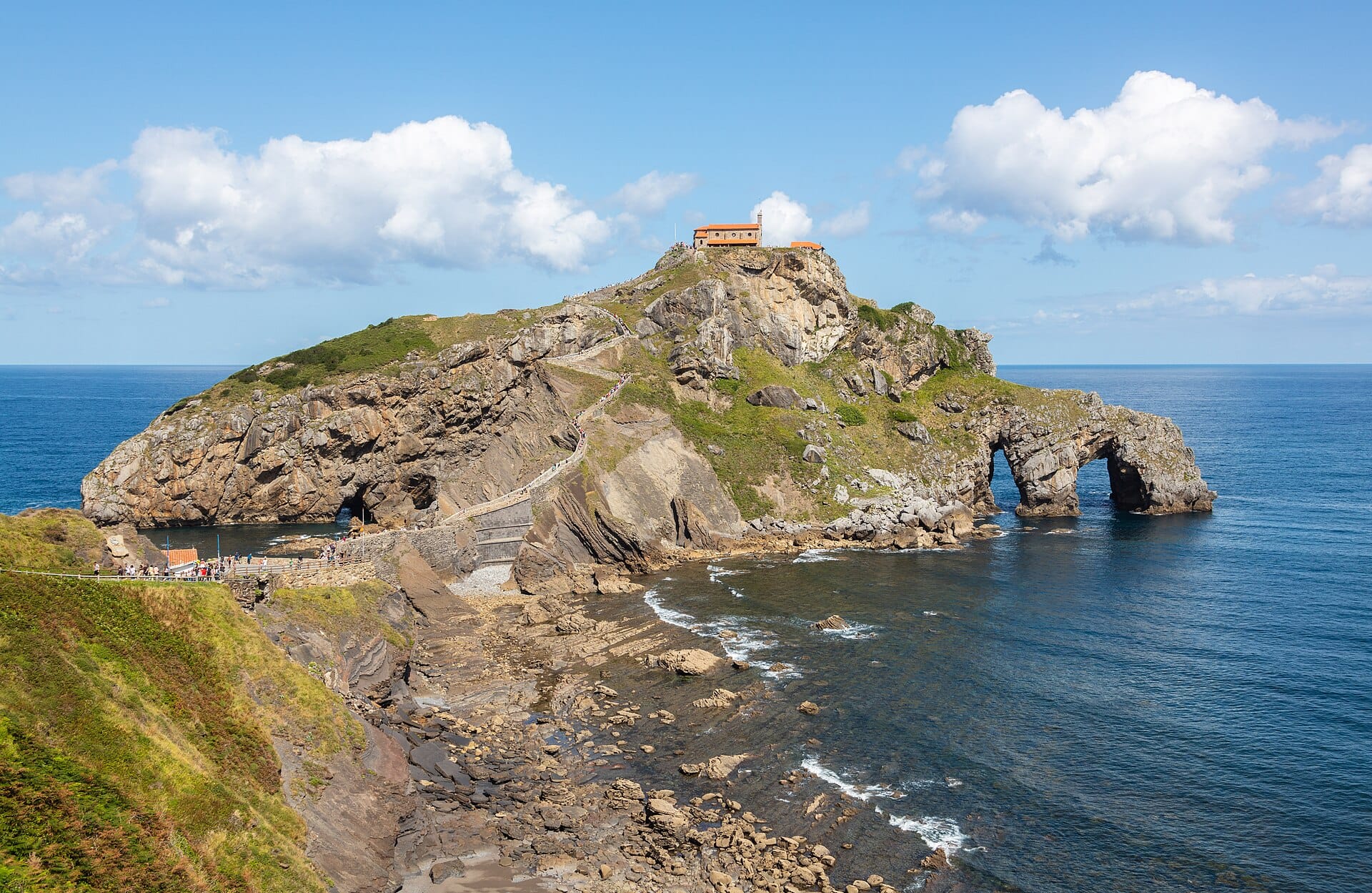
East of Bilbao, the coast alternates between cliffs and estuaries. Gernika, bombed in 1937 and immortalised by Picasso, opens onto the Urdaibai biosphere reserve, listed by UNESCO. Mundaka draws experienced surfers to its left-hander at the river mouth, from autumn to spring. Bermeo and Lekeitio are working fishing ports, and the Gaztelugatxe hermitage is earned at the top of 241 steps. A car is almost essential: plan a full day from Bilbao, two to reach Lekeitio.

The Gipuzkoa shoreline and the geopark

Between San Sebastian and Bilbao, the Gipuzkoa coast takes half a day by road. Zarautz has the province's longest beach, ideal for learning to surf. Getaria, birthplace of the navigator Elcano and the couturier Balenciaga, grills turbot over wood fires and grows txakoli on the slopes nearby. In Zumaia, the flysch cliffs of the Basque Coast Geopark stack millions of years of rock layers: come at low tide to walk along the foot of Itzurun beach.

Vitoria-Gasteiz and the Álava plain

The administrative capital of Euskadi, Vitoria-Gasteiz lies about an hour's drive from Bilbao and sees few tourists. Its almond-shaped old town, Plaza de la Virgen Blanca and Santa María cathedral, visited in the middle of its restoration works, fill a day. Named European Green Capital in 2012, the city is ringed by a belt of parks you can cycle. Pintxos cost less than in Donostia, and one night is enough before heading down to the vineyards.

Rioja Alavesa, below the Sierra de Cantabria

In southern Álava, Rioja Alavesa produces part of the Rioja appellation's wines on a plateau sheltered by the Sierra de Cantabria. Laguardia, a walled village riddled with cellars dug beneath its streets, makes the best base. Around it, wineries blend tradition with signature architecture: Gehry's hotel at Marqués de Riscal in Elciego, Calatrava's wavy roof at Ysios. In the calados, these underground cellars, a tour with tasting cost 20 to 35 euros per person in summer 2026. September and October, harvest time, are the finest months; book wineries ahead.

Cider houses, txakoli and starred tables

The food alone justifies the trip. From about January to April, the cider houses of Astigarraga and Hernani open txotx season: you get up to fill your glass straight from the barrel, between a salt-cod omelette and a rib steak. Txakoli, a crisp, lightly sparkling white, is poured from a height. The region, around San Sebastian above all, has one of the highest densities of Michelin-starred restaurants in the world: book those tables weeks ahead, and go for the lunchtime set menu to eat well for less.

Euskera, pelota and Basque festivals

Euskera, a language with no known relatives, is co-official with Spanish: road signs and town names come in pairs, Donostia and San Sebastián, Gasteiz and Vitoria. Pelota is played on every village fronton, and summer festivals set the calendar: Virgen Blanca in Vitoria in early August, Semana Grande in San Sebastian around 15 August, Bilbao's Aste Nagusia straight after. As in Catalonia, regional identity runs deep: a few words of Euskera, such as eskerrik asko for thank you, always go down well.

Cities to visit in Basque Country

Featured destinations appear first.

Basque Country in pictures

Must-sees in the Spanish Basque Country

Five sites that sum up the region, between architecture, memory and geology.

The Guggenheim Museum

Frank Gehry's titanium vessel on the Nervion, opened in 1997, with Jeff Koons's flower-covered dog guarding the entrance on the city side.

San Juan de Gaztelugatxe

A hermitage set atop a rocky islet, joined to the coast by a stone bridge and a stairway, free to enter but a ticket is required on some days.

The Zumaia flysch

Cliffs layered in vertical strata that tell millions of years of geological history, best walked at low tide along Itzurun beach.

The Tree of Gernika

The oak that symbolises Basque liberties, in front of Biscay's Assembly House, in the town bombed in 1937 and painted by Picasso.

The Vizcaya Bridge

The world's oldest transporter bridge still in service, a UNESCO site whose suspended gondola links Getxo and Portugalete across the estuary.

Frequently asked questions about the Spanish Basque Country

What is the difference between the Spanish and the French Basque Country?
The Spanish Basque Country, or Euskadi, covers Biscay, Gipuzkoa and Álava, with Bilbao, San Sebastian and Vitoria-Gasteiz. The French Basque Country, north of the Bidasoa river, covers Biarritz, Bayonne and Saint-Jean-de-Luz. This page deals only with the Spanish side.
Bilbao or San Sebastian: where to stay in the Basque Country?
San Sebastian for the beach and pintxos, at the cost of much pricier nights. Bilbao for the Guggenheim, gentler rates and access to the Biscay coast. The two cities are about 100 kilometres apart, linked by bus and motorway.
How many days do you need for the Spanish Basque Country?
Three days are enough for Bilbao and the Biscay coast, or for San Sebastian and Getaria. A week lets you link all three provinces: Vitoria-Gasteiz, Rioja Alavesa, Bilbao, the coast road and then San Sebastian, provided you have a car for the villages.
Do you need to book to climb San Juan de Gaztelugatxe?
Entry is free, but an online ticket, shown at the entrance, is required on controlled-access days. On other days, access is open. The calendar is on bizkaia.eus and bookings are made at reservagaztelugatxe.bizkaia.eus, the Biscay provincial council's portal.
How do you eat pintxos in San Sebastian without overspending?
Skip the most photographed bars by the harbour, take one or two pintxos per counter and favour the hot specialities cooked to order. The lunchtime set menu, often served in the Gros or Amara districts, remains the cheapest way to eat well.
When is cider-house season in the Basque Country?
Txotx season, when you drink the new cider straight from the barrel, runs roughly from January to April in the cider houses of Astigarraga, Hernani and Usurbil, near San Sebastian. The classic menu moves from salt-cod omelette to fried cod, rib steak and Idiazabal cheese.
Can you see Rioja Alavesa on a day trip from Bilbao?
Yes, Laguardia is about 1 hr 30 by road from Bilbao, but a day is tight for more than one or two wineries and the village. Better to spend a night there or in Vitoria-Gasteiz, and book cellar tours ahead, especially during the harvest.
Can you visit the Spanish Basque Country without a car?
The cities, yes: buses and the Euskotren link Bilbao, San Sebastian, Vitoria-Gasteiz, Zarautz and Getaria. Gaztelugatxe, Lekeitio and above all the Rioja Alavesa wineries are poorly served, though: a few days of car hire make a real difference.
Can you swim on the Spanish Basque coast?
Yes, from July to September, when the sea reaches 20 to 22 °C. La Concha in San Sebastian is the most sheltered beach; Zurriola, Zarautz and Bakio get more swell and suit surfing. Follow the flags, as currents can be strong.

Plan your trip to Basque Country

Day-by-day itinerary, budget, bookings and packing in a single app.
Aperçu de l'application PlanTripNow