Skip to content

Visit the Peloponnese: which sector to choose and which route to follow

Cut off from the mainland by the Corinth Canal, the Peloponnese packs in Mycenae, Epidaurus, Olympia and Mystras, then stretches towards the towers of the Mani and the bays of Messenia. The real choice depends on why you are going, because one week cannot cover everything.
  • 1 city

At a glance

Currency
Euro (€)
Time difference
UTC+2 (UTC+3 en été)
Visa
None
Tourist stay of up to 90 days
7-day budget
€931
Per person, comfort profile, excluding international flights.

Why visit the Peloponnese?

The Peloponnese is the large southern peninsula of mainland Greece, joined to the rest of the country by the Isthmus of Corinth. It holds five UNESCO World Heritage listings, the peninsula's highest mountain, the Taygetus at 2,404 m, and a coast best travelled by car. Olympia is about 3 h 40 by road from Athens.

When to visit Peloponnese

Temperatures, rainfall and crowds month by month, to pick your window.
When to visit Peloponnese
MonthTemperaturesRainCrowdsVerdict
January5 to 15 °C14 dVery quietRain on more than two days in five: Olympia and Mycenae are nearly empty, so pack a raincoat.
February5 to 15 °C14 dVery quietAround 15 °C at midday in Kalamata: fine for ruins, pointless for the beach.
March6 to 17 °C12 dQuietThe sea bottoms out at 16 °C and snow is still possible on the Arcadian trails.
April9 to 20 °C10 dModerateTwenty degrees by day: a good start for the ancient circuit, before the first heat arrives.
May12 to 25 °C7 dModerateOur favourite month for doing it all: 25 °C, little rain, walking and sites without the furnace.
June16 to 29 °C3 dBusyPleasant 23 °C swimming in Messenia, but site visits already belong to the early morning.
July19 to 31 °C2 dPackedHeatwaves can pass 40 °C and fire risk needs watching: stick to the coast, forget hiking.
August18 to 31 °C2 dPackedSea at 27 °C, but this is the priciest month for a bed: book very early.
September16 to 28 °C6 dBusyThe sea holds 26 °C as the air cools: the best compromise between beach and archaeology.
October13 to 24 °C10 dModerateStill 24 °C in the water and falling rates, but rain returns one day in three.
November9 to 20 °C13 dVery quietThe wettest month pairs with the cheapest hotels: one for lovers of empty ruins.
December7 to 16 °C16 dQuietThe year's highest count of rainy days: keep December for Nafplio and its cafes.
Source: Cadré sur la côte sud (Kalamata), l'intérieur montagneux est plus frais. Températures et jours de pluie : normales 1971-2010 de la station aéroport de Kalamata (HNMS, via Wikipédia), moyennes recoupées avec les normales JMA de la même station (écart inférieur à 1 °C). Mer : seatemperature.info (moyenne sur 10 ans), recoupé weather2travel. Affluence et prix : estimations éditoriales, saisonnalité des prix hôteliers KAYAK. Relevé novembre 2026.

What to see in the Peloponnese, depending on what you want?

For antiquity without much driving: the Argolid

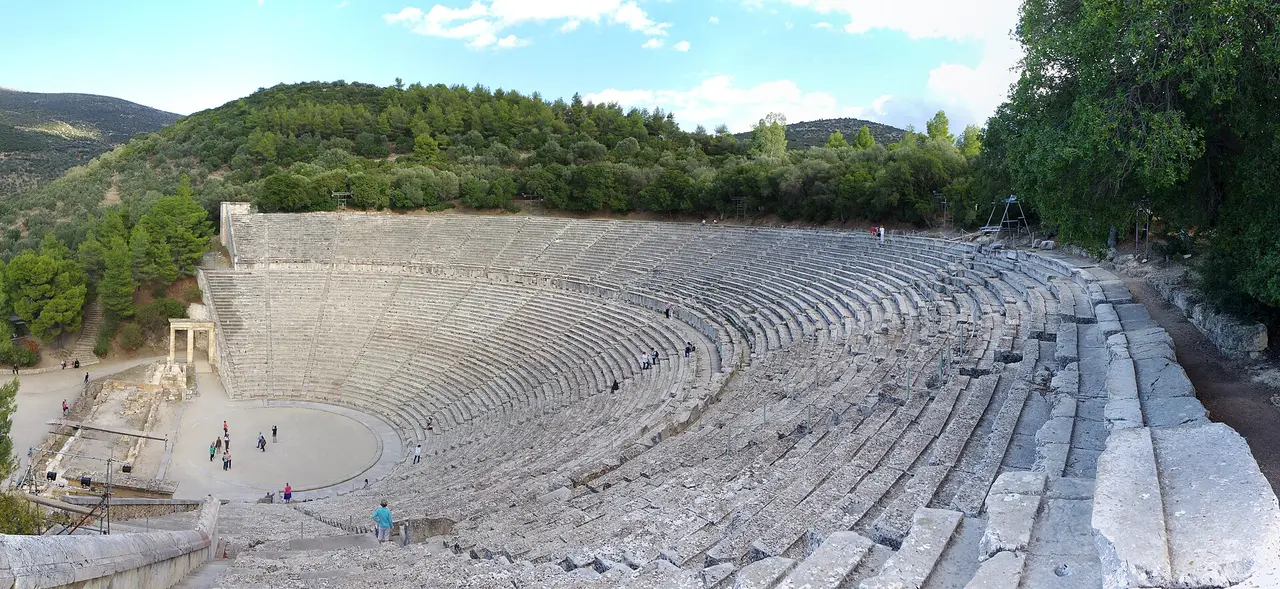
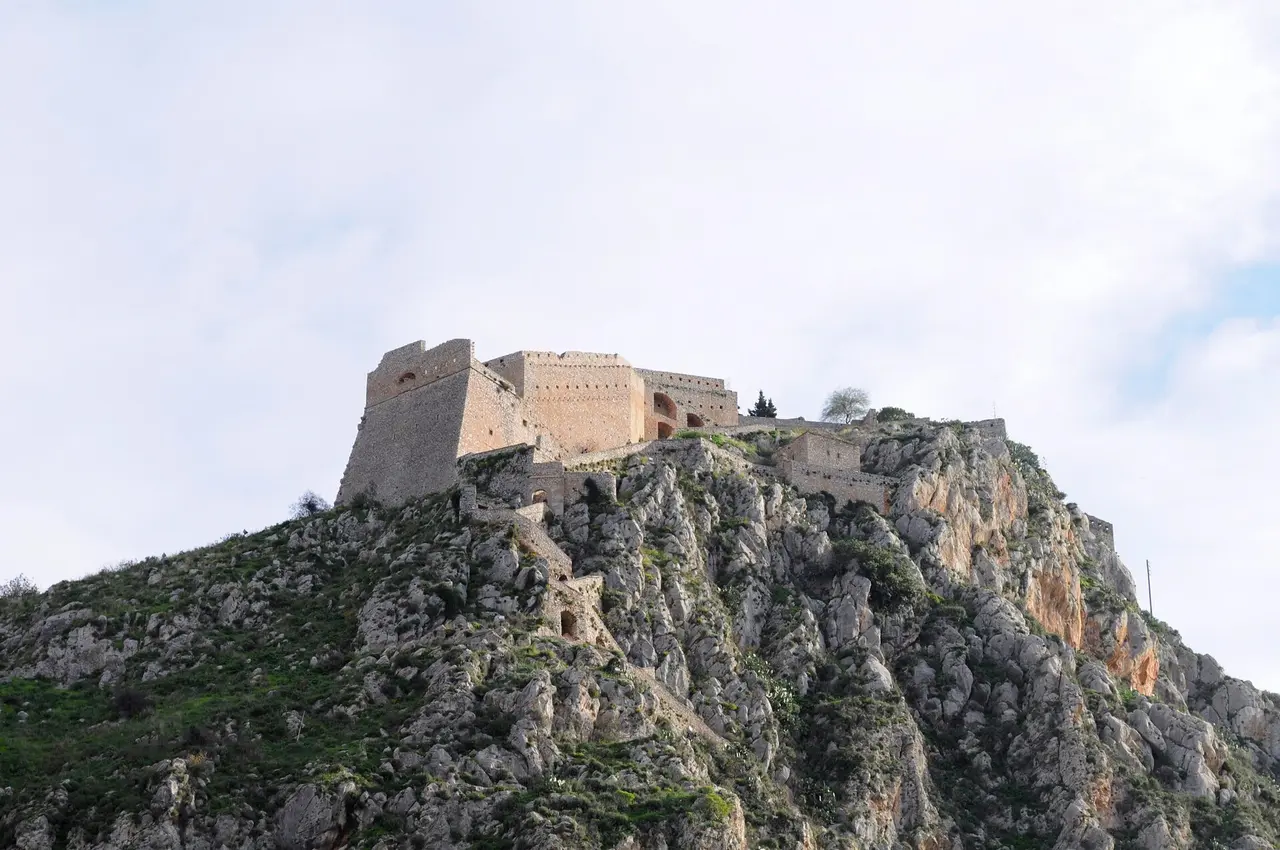
This is the sector to pick for a short stay. From Nafplio, about two hours by bus from Athens, you can reach Mycenae and Tiryns, listed by UNESCO in 1999, and the sanctuary of Asklepios at Epidaurus, listed in 1988, in a single day. The theatre of Epidaurus, built in the late 4th century BC, can hold 13,000 to 14,000 spectators and hosts an ancient drama festival every summer. Two nights are enough, provided you start your visits early in summer.

For a first stop: Corinth and the isthmus

The Corinth Canal marks the entrance to the peninsula: 6.3 km long and 24.6 m wide at the surface, completed in 1893. The stop is short and combines well with Ancient Corinth, about 50 minutes by road from Nafplio. Further south-west, the vineyards of Nemea climb from 230 to 1,050 m in altitude. This first stop suits travellers heading back to Athens or breaking up a drive, not an entire stay.

For the Games and remote temples: Olympia and Bassae

The west takes more driving, but it holds the region's best-known site. Olympia, listed by UNESCO in 1989, is about 3 h 40 by car from Athens, and the coach takes over six hours with connections. Sleeping there for two nights beats attempting a return trip. Further south, in the mountains, the Temple of Apollo Epicurius at Bassae, listed back in 1986, can be visited on the way to Laconia or Messenia, as long as you have a car.

For walking: the villages of Arcadia

The mountainous centre escapes the classic circuits. The Menalon Trail links Stemnitsa to Lagkadia over 75 km and eight sections, passing through Dimitsana, Elati and Vytina. Hikers finish it in four to five days, or walk just a few sections. The calendar matters: one walker met snow and mud in March, another found dry springs in July. Late spring and autumn are therefore the periods to aim for, with an early start on exposed stages.

For Byzantine history: Sparta and Mystras

Allow about 2 h 30 by road between Olympia and Sparta. The modern town mainly serves as a base for Mystras, about 8 km west, on a slope of the Taygetus. It was the seat of the Despotate of the Morea in the 14th and 15th centuries, before being abandoned in the 1830s and listed by UNESCO in 1989. Half a day covers the essentials, and the climb is best done in the morning, especially between June and September, when the heat makes the visit hard work.

For a night out of time: Monemvasia and the south-east

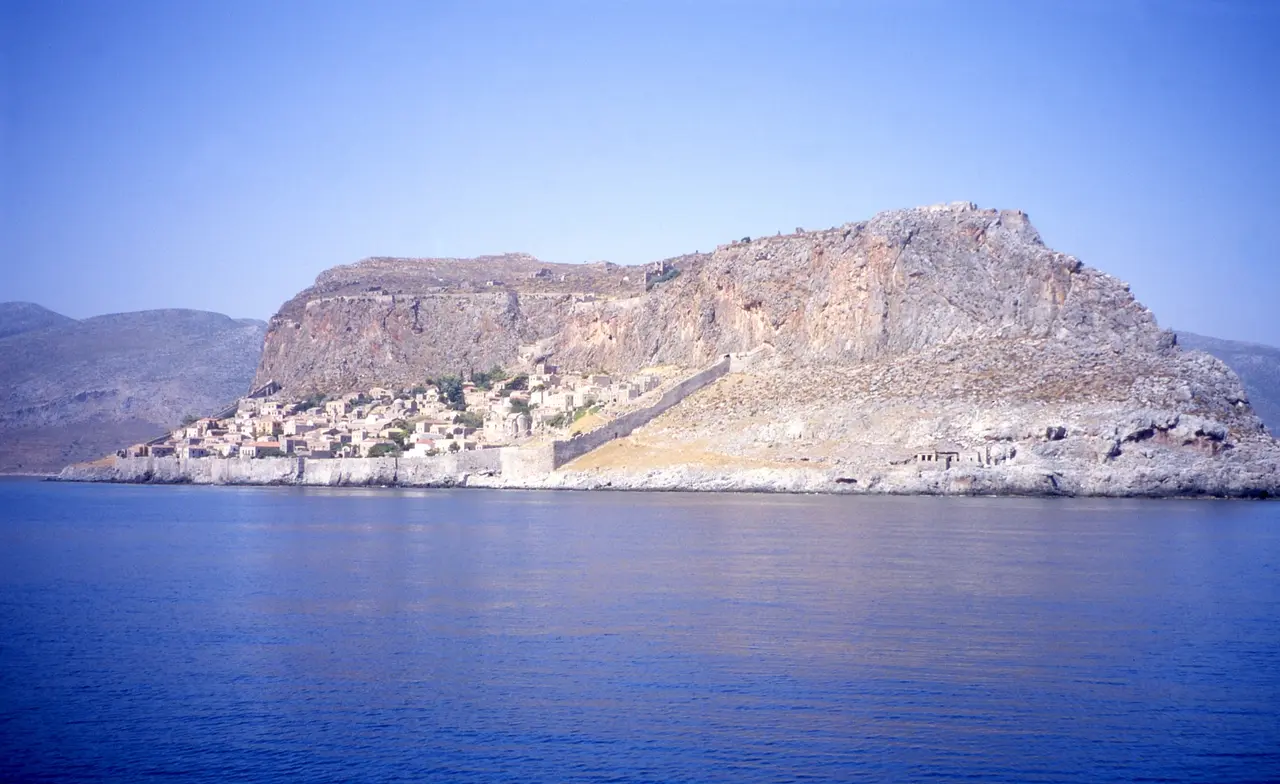
About 1 h 30 from Sparta, Monemvasia sits on a rock tied to the coast by a causeway of about 400 m. Founded in the 6th century, the lower town keeps narrow lanes made for pedestrians, while the upper town plateau, some 100 m above the sea, runs for nearly a kilometre. Plan on two nights. Further south, the island of Elafonisos, between Cape Malea and Kythira, adds Simos beach for those who want to finish by the sea. From Monemvasia, Nafplio is over three hours away.

For the road and dry stone: the Mani

The central peninsula follows the Taygetus ridge down to Cape Tainaron, the southernmost point of mainland Greece. Outer Mani begins at Kardamyli, about 45 minutes from Kalamata. Inner Mani strings together Areopoli, Gerolimenas and Vathia, whose tower houses justify a day on the road. The Greek state has protected many tower-house villages since 1978, restricting construction there. On the west coast, the Diros caves are visited largely by boat, along underground galleries.

For the sea and olive oil: Messenia

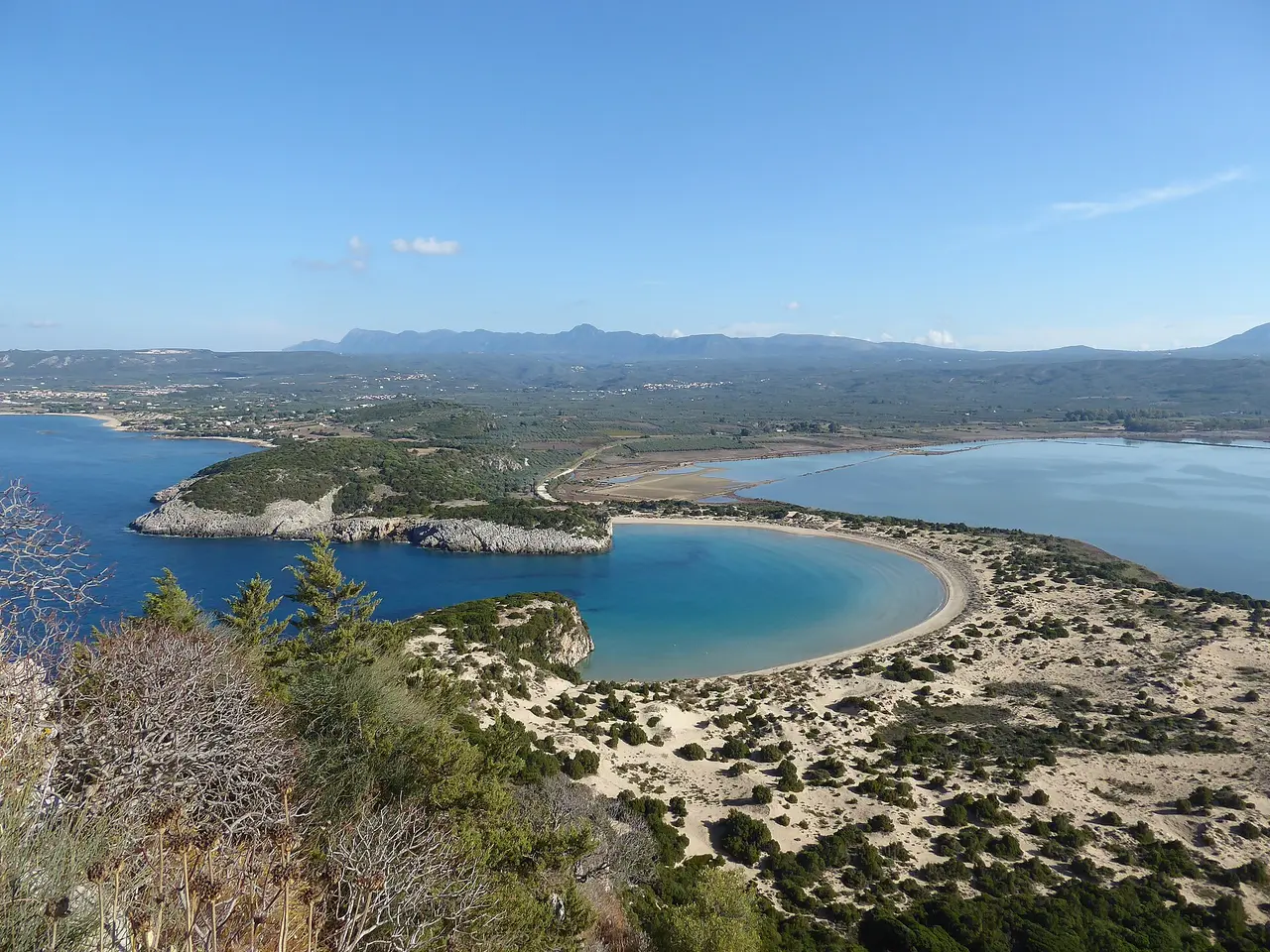
The south-west suits a beach holiday best, and Kalamata airport avoids the detour through Athens. The sea stays above 22 °C from June to October. Allow about 1 h 55 by road between Kardamyli and Pylos. Around Pylos, Methoni and Voidokilia bay fill two easy days. Ancient Messene, 25 km north of Kalamata, keeps walls about 9 km long. The Kalamata olive, protected by a designation of origin, comes from this area. Anyone torn between this and an island can compare it with Crete or the Ionian Islands, across the sea.

Cities to visit in Peloponnese

Featured destinations appear first.

How much it costs

Per person per day, excluding international travel.
Budget
44 €/ day
1 126 € for 2 people, 7 days, return flights included
Accommodation
12 €
Food
16 €
Local transport
8 €
Sights and activities
8 €
Comfort
133 €/ day
2 372 € for 2 people, 7 days, return flights included
Accommodation
52 €
Food
38 €
Local transport
23 €
Sights and activities
20 €
Premium
285 €/ day
4 500 € for 2 people, 7 days, return flights included
Accommodation
115 €
Food
70 €
Local transport
40 €
Sights and activities
60 €
Prices checked: Relevé du 1er novembre 2026, hors haute saison ; les agrégateurs ne datent pas chaque prix. Hôtels : KAYAK Péloponnèse (moyenne 101 €/nuit, 73 € en novembre, 277 € en août ; Agamemnon Nauplie 86 €, Grecotel Filoxenia Kalamata 215 €, prix dès pour les 7-8 novembre). Comfort et premium = chambre double partagée, montant par personne, taxe climatique par chambre incluse. Backpacker = camping à deux (Camping Gythion Bay, 23 € avril-octobre 2026, CamperContact), retenu faute de dortoir sourcé. Repas : Numbeo Patras (21 contributeurs, 26/10/2026 : 10 € repas simple, 52,50 € pour deux) et Kalamata (20 contributeurs, données en partie estimées). Transport : KTEL via Rome2Rio et Omio (Athènes-Nauplie 11 à 16 €, Kalamata-Kardamyli 4 à 6 €) ; voiture KAYAK et Skyscanner (21 €/j petite voiture, 39 €/j moyenne annuelle à l'aéroport), essence Numbeo 1,84 à 2 €/l, voiture partagée en comfort et premium. Activités : estimation éditoriale, grille tarifaire 2026 du ministère de la Culture non consultable, tarifs des sites à vérifier avant la visite. Vol A/R Paris-Kalamata : 255 €/personne, moyenne 12 mois KAYAK, fourchette 164 à 386 €, même prix pour les trois profils.

Entry, health and safety

For FR travellers

Entry requirements

No visa for a tourist stay

Aucun visa pour un séjour de moins de 3 mois. Entrée sur présentation d'une carte nationale d'identité ou d'un passeport en cours de validité.

Stay allowed for up to 90 days.

Health

Advised: Être à jour des vaccinations du calendrier français : diphtérie, tétanos, poliomyélite, coqueluche et rougeole.

Pays entier en vigilance normale, aucune zone orange ou rouge. Carte européenne d'assurance maladie à demander au moins 15 jours avant le départ. Eau du robinet généralement potable, sauf certaines régions reculées et îles. Fièvre du Nil occidental signalée en Grèce l'été, maladie de Lyme en zones rurales et forestières d'avril à octobre, leishmaniose. Températures dépassant souvent 40 °C l'été : carte quotidienne du risque incendie et alertes GR-Alert. Risque sismique élevé et alertes tsunami possibles sur les côtes.

Safety

Normal precautions

Emergency

112

Checked in novembre 2026 against the official source. Entry rules change: check the official source before you travel, it alone is authoritative.

Peloponnese in pictures

Photo credits : Chris06, CC0, Wikimedia Commons ; Ingo Mehling, CC BY-SA 3.0, Wikimedia Commons ; Berthold Werner, CC BY-SA 3.0, Wikimedia Commons ; Zde, CC BY-SA 4.0, Wikimedia Commons ; George E. Koronaios, CC0, Wikimedia Commons ; Zois Sp. Koutroulis, CC BY-SA 4.0, Wikimedia Commons ; Carole Raddato from FRANKFURT, Germany, CC BY-SA 2.0, Wikimedia Commons ; Patrice78500, CC BY-SA 4.0, Wikimedia Commons ; ulrichstill, CC BY-SA 3.0 de, Wikimedia Commons

Peloponnese highlights

Nine specific places spread across several sectors: no one-week trip fits them all without long days on the road.

Theatre of Epidaurus

Built in the late 4th century BC, it holds 13,000 to 14,000 spectators and remains a festival stage every summer.

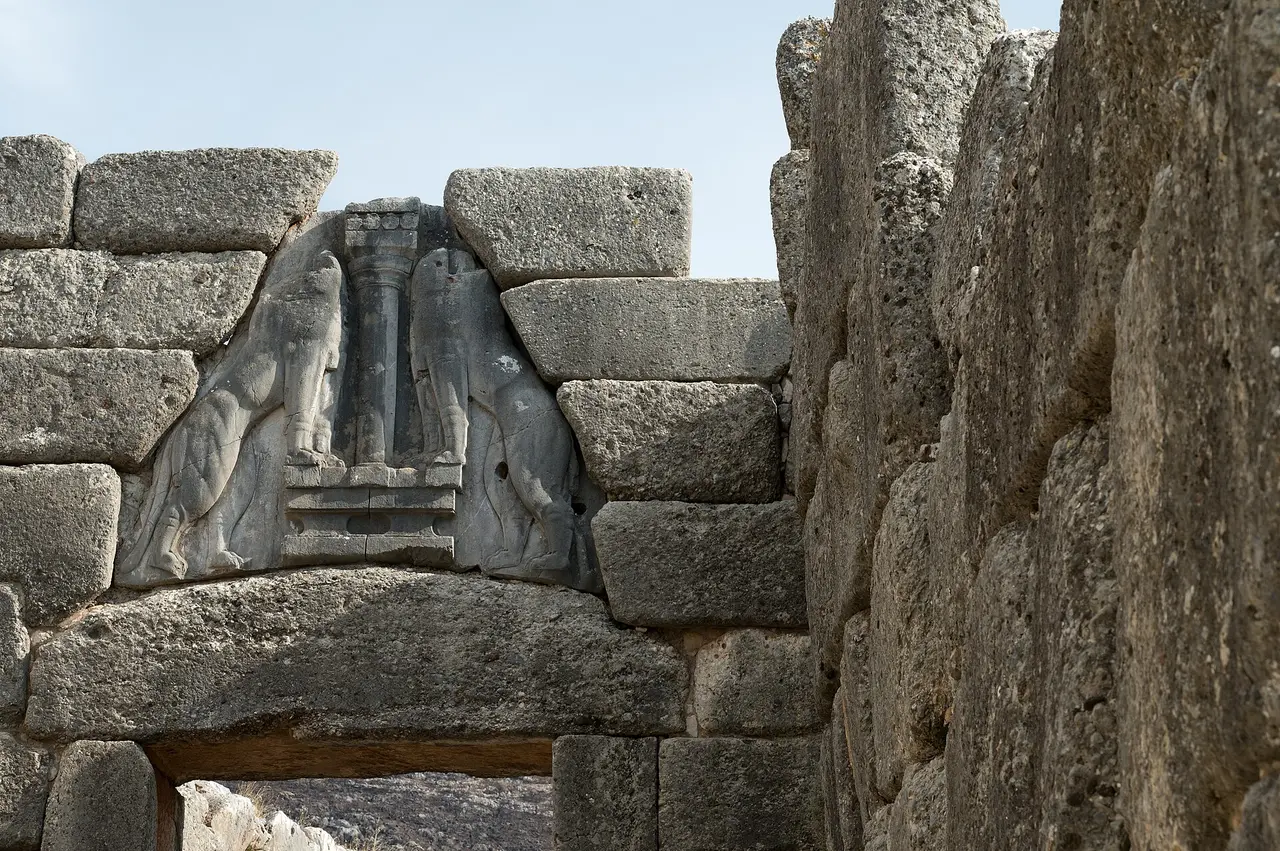
Lion Gate

The entrance to the citadel of Mycenae, topped with its carved relief, opens a site listed by UNESCO in 1999 alongside Tiryns.

Sanctuary of Olympia

Birthplace of the ancient Games, listed by UNESCO in 1989, it deserves a night on site given the long road from Athens.

City of Mystras

Former capital of the Despotate of the Morea on a slope of the Taygetus, abandoned in the 1830s, with Byzantine churches and monasteries.

Rock of Monemvasia

A town founded in the 6th century on a rock joined to land by a causeway of about 400 m, with pedestrian lanes.

Voidokilia Bay

An omega-shaped crescent of sand near Pylos, between dunes and lagoon, with no services on site and only informal parking nearby.

Vlychada Cave

At the Diros caves in the Mani, the tour runs largely by boat, and is best done early in the morning during high season.

Odontotos Train

A 22 km rack railway climbing 720 m between Diakopto and Kalavryta, through the gorges of the Vouraikos river in northern Peloponnese.

Nemea Vineyards

A red wine appellation planted with Agiorgitiko, rising from 230 to 1,050 m in altitude, in the north-east of the peninsula, not far from Corinth.

Practical information for the Peloponnese

Emergencies
112, the number given by France Diplomatie for any danger needing immediate help.
Fire risk
Daily civil protection map and GR-Alert SMS warnings, with phone location switched on.
Tap water
Generally drinkable, except in some remote areas.
Power sockets
Types C and F, 230 V, 50 Hz: UK and North American travellers need an adapter.
Climate levy
Charged per room and per night according to accommodation category, higher from April to October.
Getting around
KTEL buses between towns, a car is advised for Bassae, Inner Mani and isolated sites.

Frequently asked questions about the Peloponnese

Can you visit the Peloponnese without a car?
Partly. KTEL buses link Athens to Nafplio in about two hours, and Kalamata to Kardamyli in around forty minutes. For Olympia, allow over six hours with connections. Inner Mani and Bassae are far easier by car, so choose your sector accordingly.
Should you fly into Athens or Kalamata for the Peloponnese?
It depends on your sector. Kalamata puts you straight into Messenia and the Mani, about three and a quarter hours from Paris on non-stop services. Athens makes more sense for the Argolid, Corinth and Olympia, all of them reachable by road.
Can you do Mycenae and Epidaurus in one day from Nafplio?
Yes, this is the classic Argolid day from Nafplio, as long as you have a car. Start at Mycenae as early as you can, especially in summer, then keep Epidaurus for late afternoon. The next day can go to Corinth or the drive back to Athens.
Is Olympia doable as a day trip from Athens?
It is possible but not advisable, at about 3 h 40 by car each way, so more than seven hours on the road in a day. Sleeping there, two nights if you can, gives you time to see the site without driving back after dark.
How do you reach the old town of Monemvasia?
A causeway of about 400 m links the coast to the rock, then the west gate opens onto the lower town. The very narrow lanes suit pedestrians. A winding path then climbs to the uninhabited upper town, on a plateau about 100 m above the sea.
Can you still swim in the Peloponnese in October?
Yes, on the south coast. Around Kalamata the sea stays close to 24 °C in October and the air reaches 24 °C by day. Rain does return, though, on about ten days of the month and more in November, so leave some margin.
How long does the Diros caves tour last?
Reported durations vary between sources, so leave some margin rather than a tight schedule. The Vlychada cave tour runs largely by boat, and waiting time can be added in high season, so it is best to arrive early in the morning.
How many days does the Menalon Trail take?
The 75 km trail takes four to five days according to hikers' reports, with eight sections between Stemnitsa and Lagkadia. You can also walk just part of it. Check water points in summer and snow conditions in March before you set off.
Is Voidokilia accessible in July and August?
Yes, but go early or late in the day. Parking is free and informal, at the end of a dirt track, about five minutes on foot through the dunes, and it can fill up in August. The beach has no sunbeds or food, so bring water and shade.
Is the Peloponnese safe in summer given wildfires?
France Diplomatie places all of Greece at normal vigilance, with no specific mention of the Peloponnese. It recommends checking the fire risk map every day, keeping location on for GR-Alert warnings, and postponing some activities when heat passes 40 °C.

Plan your trip to Peloponnese

Day-by-day itinerary, budget, bookings and packing in a single app.
Aperçu de l'application PlanTripNow