

Travel to Greece: when to go, budget and itineraries
- 9 cities · 7 regions
At a glance
- Visa
- None
- Tourist stay of up to 90 days
- 7-day budget
- €875
- Per person, comfort profile, excluding international flights.
Why visit Greece?
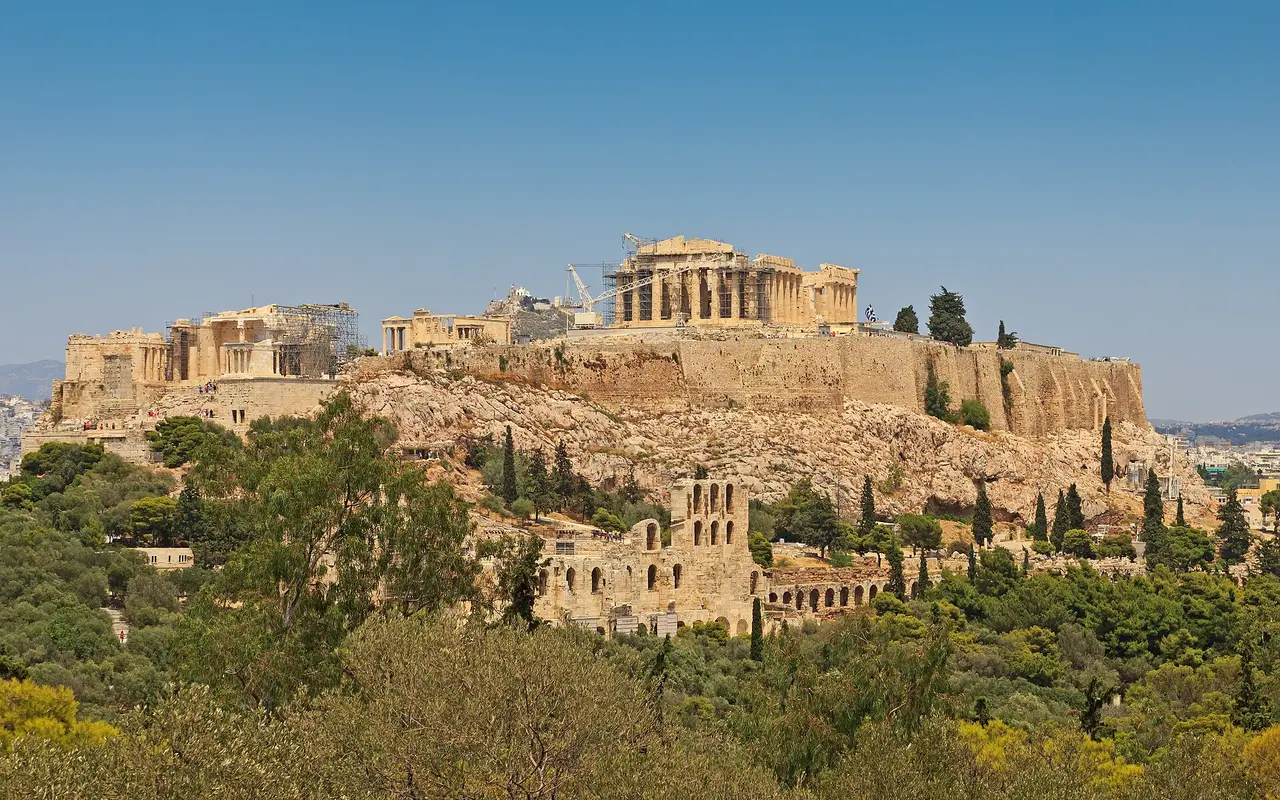
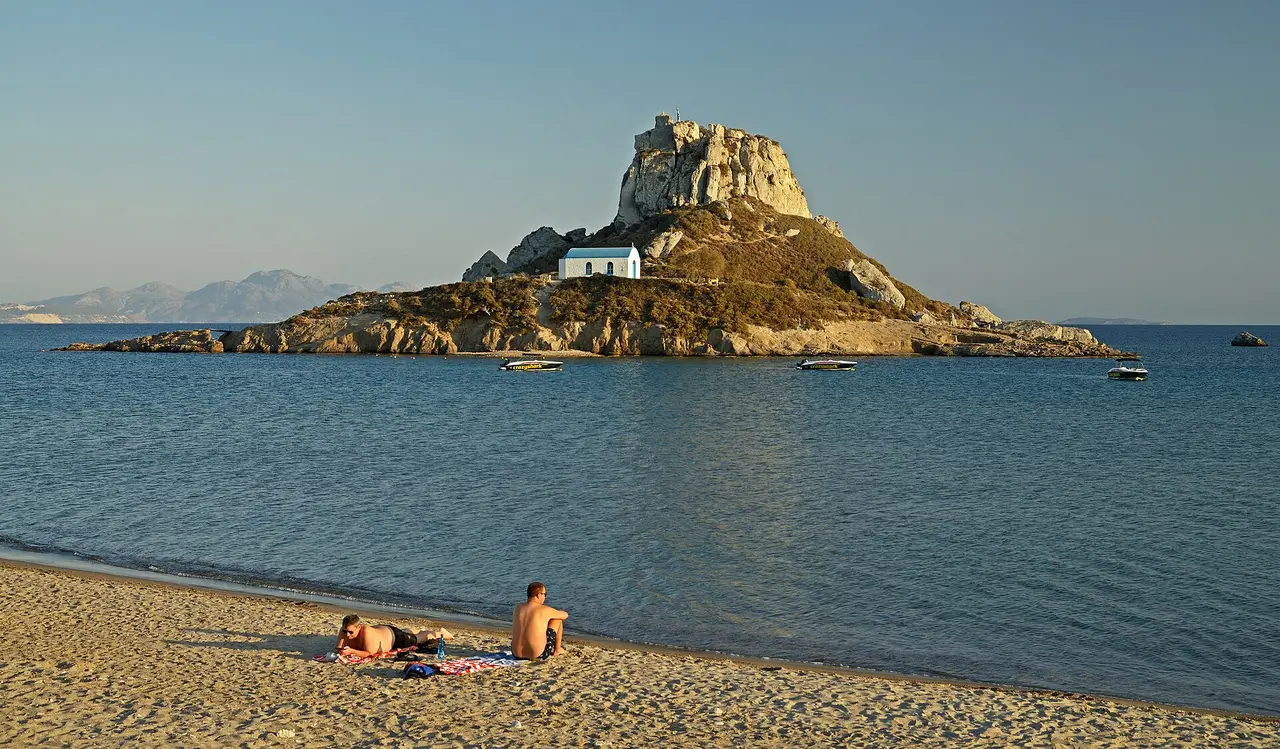
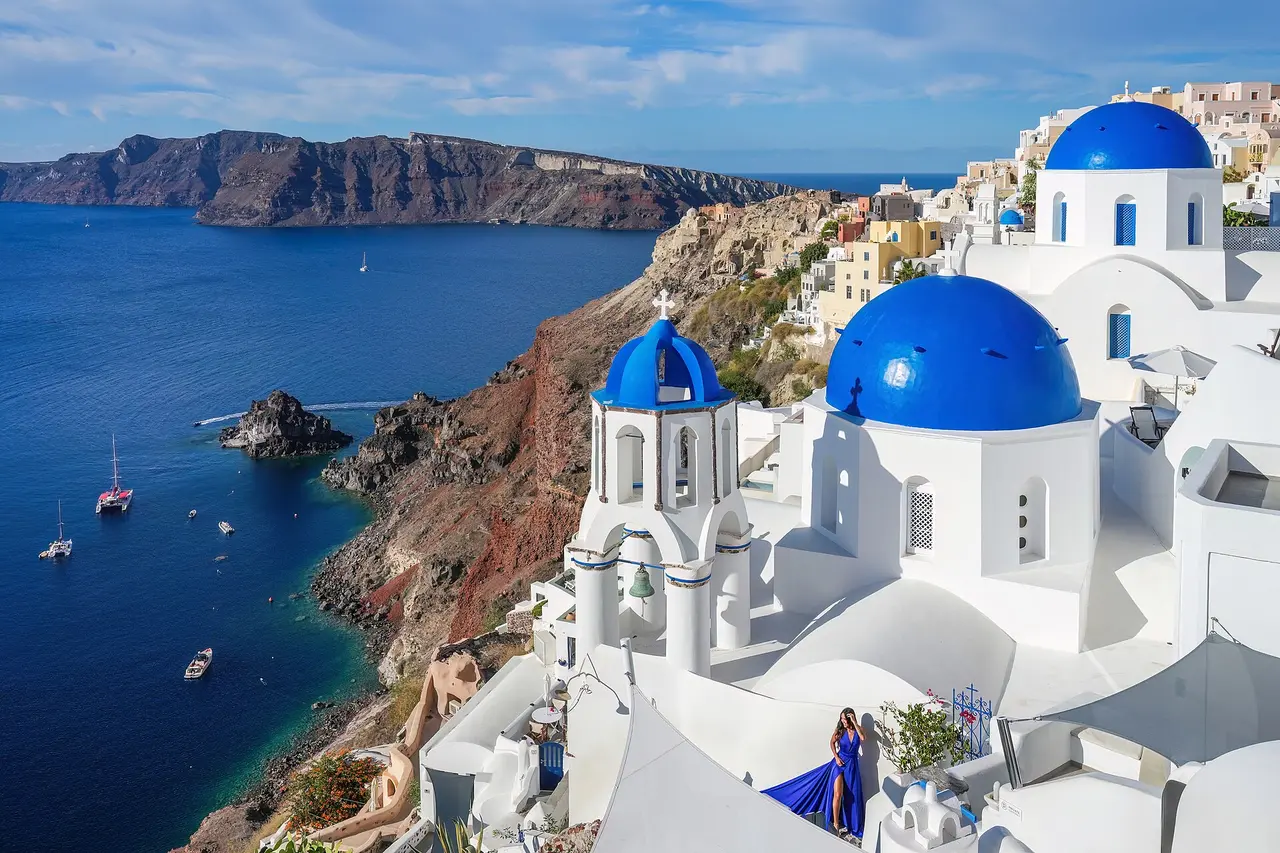
Greece packs around twenty UNESCO-listed sites, an archipelago of more than 200 inhabited islands and some of the longest sunshine hours in Southern Europe. People come for the Acropolis in Athens, the beaches of the Cyclades and Crete, hiking through the gorges and one of the most affordable Mediterranean cuisines on the continent.
When to visit Greece
| Month | Temperatures | Rain | Crowds | Verdict |
|---|---|---|---|---|
| January | 7 to 13 °C | 9 d | Very quiet | Deep low season: archaeological sites are empty, but many island hotels and ferries stop running. |
| February | 7 to 14 °C | 7 d | Very quiet | The quietest month for the Acropolis; pack a fleece and expect the odd rainy spell in Athens. |
| March | 9 to 17 °C | 8 d | Quiet | Almond trees bloom and prices stay low, though the sea is still too cold for swimming. |
| April | 12 to 20 °C | 6 d | Moderate | Ideal hiking and green hills; Orthodox Easter week pushes up domestic demand. |
| May | 16 to 25 °C | 4 d | Moderate | Arguably the best window: gentle warmth, islands reopening, first swims for the brave. |
| June | 21 to 30 °C | 1 d | Busy | Long dry days and a 22°C sea; the Cyclades high season kicks in after mid-June. |
| July | 23 to 33 °C | 1 d | Packed | Crowds and prices peak; the meltemi wind sweeps the Aegean and makes some crossings rough. |
| August | 24 to 33 °C | 1 d | Packed | Avoid if you can: packed beaches, mandatory bookings and Athens crushed by heat. |
| September | 20 to 29 °C | 3 d | Busy | The winning compromise: sea still at 24°C and crowds thinning once northern schools restart. |
| October | 16 to 24 °C | 5 d | Moderate | Golden light on the temples and swimming still possible until mid-month before the rains return. |
| November | 12 to 19 °C | 8 d | Very quiet | The Cyclades empty out and many businesses close; Athens and Thessaloniki stay lively. |
| December | 9 to 15 °C | 11 d | Quiet | The wettest month, yet lively Christmas markets in Athens and still reasonable city rates. |
What to see in Greece?
The Peloponnese
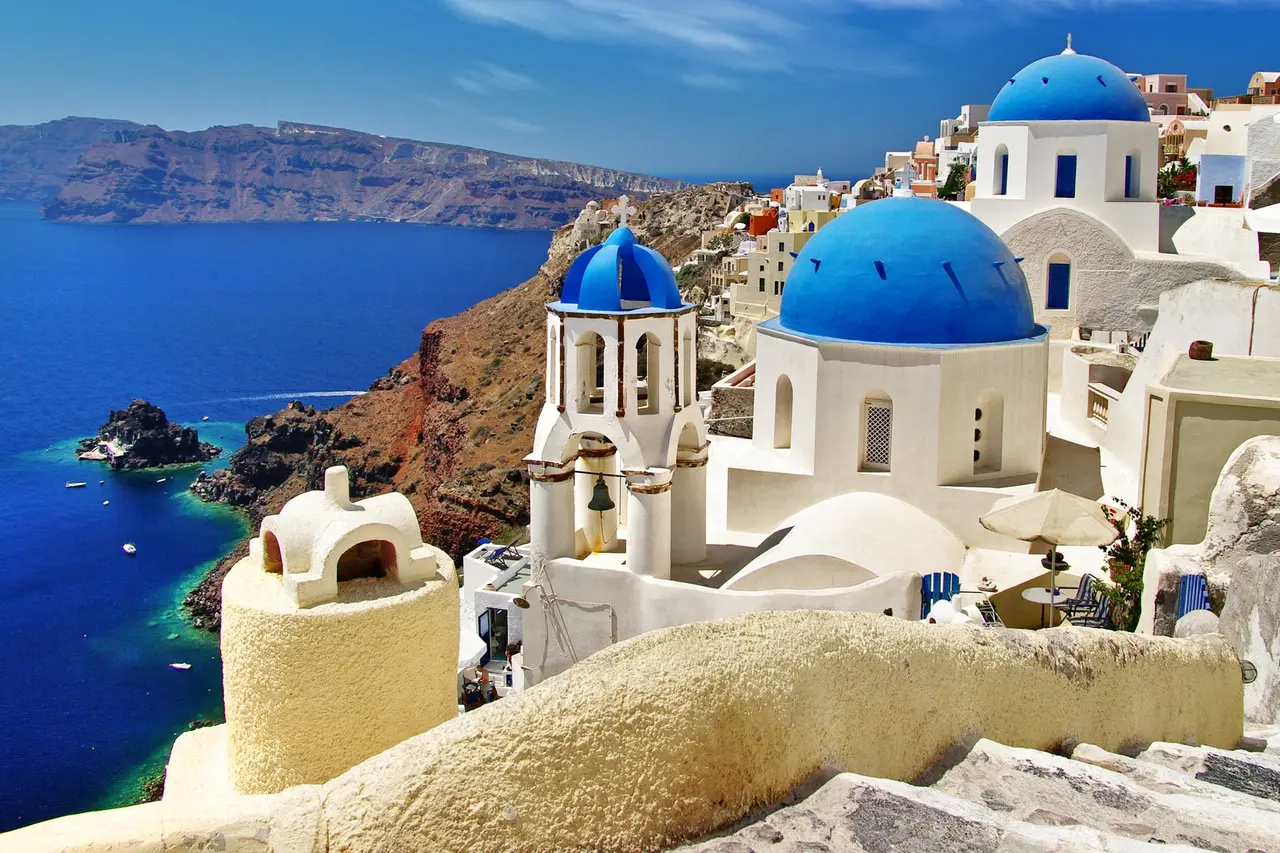
The Cyclades
Crete
The Ionian Islands
Northern Greece
The Dodecanese
Cities to visit in Greece
Regions to explore in Greece
How much it costs
- Accommodation
- 20 €
- Food
- 20 €
- Local transport
- 8 €
- Sights and activities
- 7 €
- Accommodation
- 55 €
- Food
- 35 €
- Local transport
- 15 €
- Sights and activities
- 20 €
- Accommodation
- 130 €
- Food
- 70 €
- Local transport
- 35 €
- Sights and activities
- 45 €
Getting there
- ATHAthens Eleftherios Venizelos International AirportSpata-ArtemidaMain
- CFUCorfu Ioannis Kapodistrias International AirportKerkyraMain
- CHQChania International AirportSoudaMain
- HERHeraklion International Nikos Kazantzakis AirportHeraklionMain
- JTRSantorini International AirportSantorini IslandMain
- KGSKos International Airport "Ippokratis"Kos IslandMain
Entry, health and safety
For FR travellersEntry requirements
No visa for a tourist stay
Aucun visa pour les ressortissants français, quel que soit le motif, pour un séjour de moins de 3 mois. Entrée avec une carte nationale d'identité ou un passeport en cours de validité. Au-delà de 3 mois, attestation d'inscription auprès de la police hellénique.
Stay allowed for up to 90 days.
Health
Advised: Vaccinations du calendrier français à jour : diphtérie, tétanos, poliomyélite, coqueluche, rougeole.
Virus West Nile transmis par les moustiques, cas en hausse à l'été 2026 en Attique et dans le nord de la Grèce ; leishmaniose également présente. Maladie de Lyme dans certaines zones rurales et forestières d'avril à octobre. Zone sismique active et risque d'incendies de forêt l'été. Carte européenne d'assurance maladie recommandée. Infrastructures médicales de bon niveau surtout à Athènes et Thessalonique ; accès aux soins variable dans les îles et zones rurales. Contrôles de police fréquents dans la zone frontalière avec la Turquie au nord.
Safety
Normal precautions
Emergency
112
Greece in pictures
Must-see sites
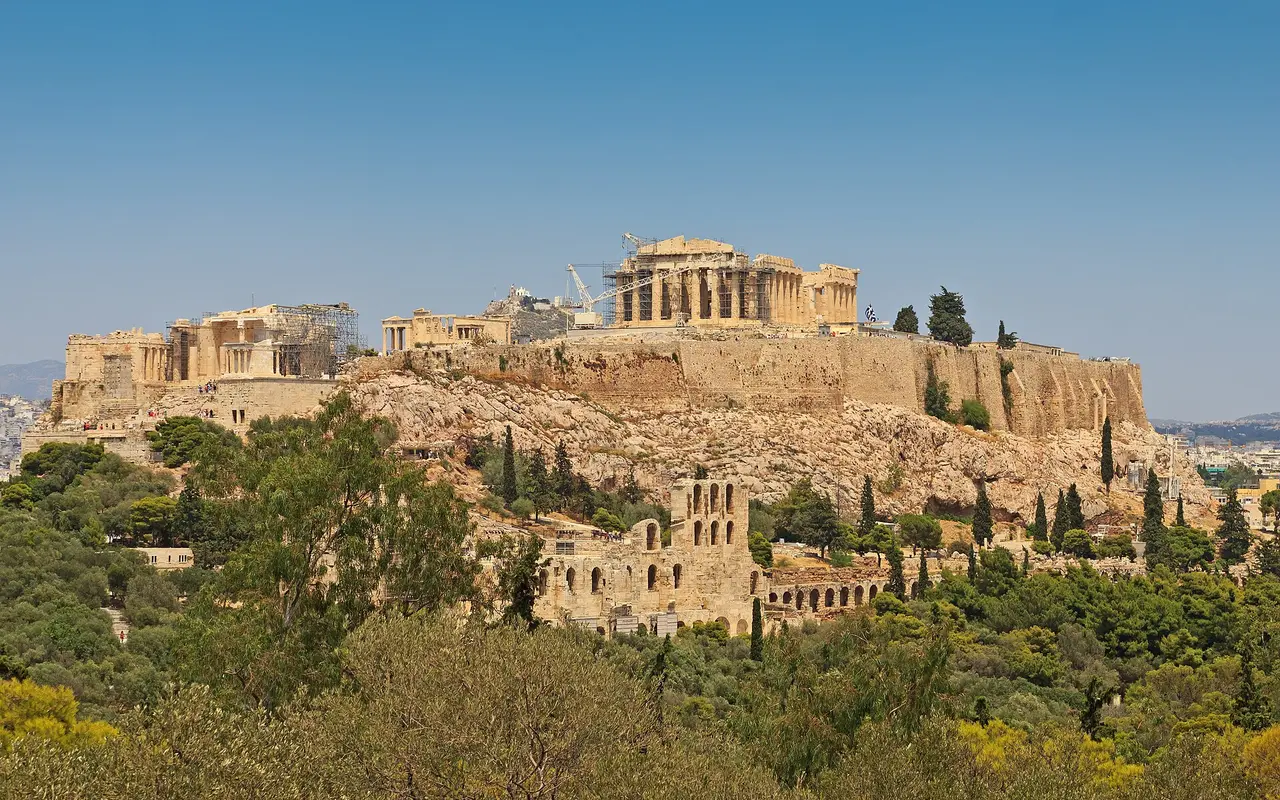
Acropolis of Athens
Sanctuary of Delphi
Palace of Knossos
Monasteries of Meteora
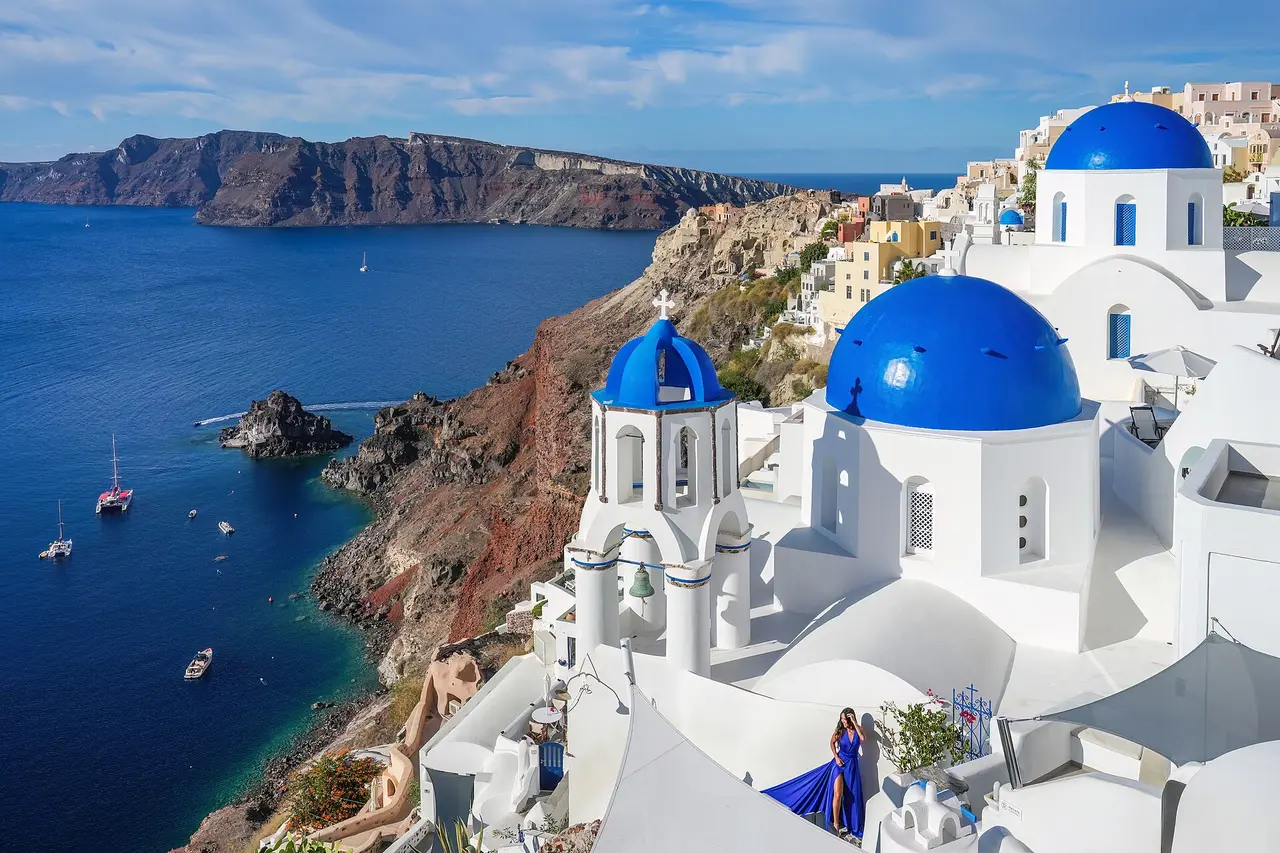
Santorini caldera
Sanctuary of Olympia
Theatre of Epidaurus
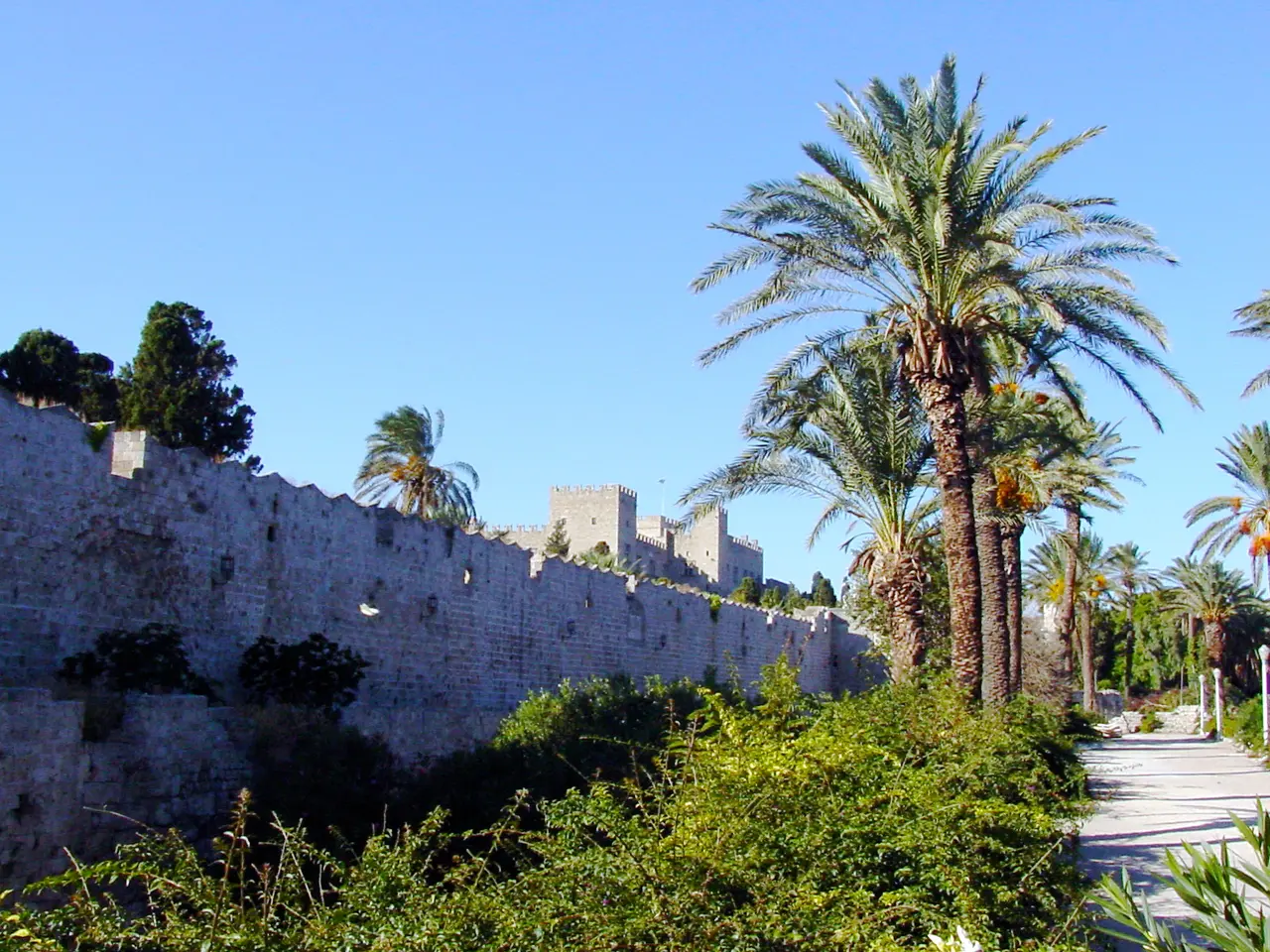
Medieval city of Rhodes
Island of Delos
Practical information
- Currency
- Euro; contactless payment works almost everywhere, including in tavernas and on board ferries.
- Power sockets
- Types C and F, 230 volts, the same as continental Europe: no adapter needed from France.
- Tipping
- Not compulsory; round up the bill, or leave 5 to 10 percent at a restaurant for good service.
- Tap water
- Drinkable in Athens and Thessaloniki; on many islands, bottled water is preferred.
- Ferries
- Book several weeks ahead for July and August; some crossings are cancelled when the wind picks up.
- Meltemi
- A strong, dry northerly wind that sweeps the Aegean from mid-July to late August and stirs up the sea in the afternoon.
- Archaeological sites
- Shorter hours off season and often one closing day a week; check before making the trip.
- Monasteries and churches
- Shoulders and knees must be covered; at Meteora, wrap-around skirts are lent at the entrance.
- Tourist tax
- From 0.50 to 4 euros per room per night depending on the accommodation category, paid on site.
- Driving
- An EU licence is enough; expect narrow mountain roads in Crete and the Peloponnese.
Similar destinations
Similar regions
Frequently asked questions about Greece
How many days for Athens and the Cyclades?
Santorini or Mykonos?
Does the meltemi stop the ferries in August?
How do you get to Santorini from Athens airport?
Do you need a car in Crete?
Can you see Meteora and Delphi on the same trip?
Is Greece worth it outside high season?
Plan your trip to Greece