Skip to content

What to do in Rio de Janeiro State, beyond the city?

Between the Serra do Mar and the Atlantic, Rio de Janeiro State fits within a few hours by bus: the roadless island of Ilha Grande, the cobbles of Paraty, the cool imperial air of Petrópolis and the turquoise waters of Arraial do Cabo. Rio is only the gateway.
  • 1 city

At a glance

Currency
Brazilian Real (R$)
Time difference
UTC-3
Visa
None
Tourist stay of up to 90 days
7-day budget
€770
Per person, comfort profile, excluding international flights.

Why leave Rio to explore the state?

Because most of the region lies less than six hours by bus from the city: since 2019 Paraty and Ilha Grande have formed a UNESCO World Heritage site combining a colonial town with Atlantic Forest. The mountains, the Búzios peninsula and the beaches of Arraial do Cabo round out one of the most varied faces of Brazil.

When to visit Rio de Janeiro State

Temperatures, rainfall and crowds month by month, to pick your window.
When to visit Rio de Janeiro State
MonthTemperaturesRainCrowdsVerdict
January24 to 31 °C11 dBusyHigh summer: full beaches, late-day storms and the heaviest rain in the mountains, so leave margin on the Serra roads.
February24 to 31 °C7 dPackedA hot month, often Carnival time: lodging sells out in Rio and on the Costa do Sol, and high-altitude hikes are a poor choice.
March24 to 30 °C8 dModerateHeat stays strong and the Serra rains last to the end of the month, but the sea is still above 25 °C.
April23 to 29 °C9 dQuietA very good compromise: the sea is still warm, crowds thin out and rates are among the mildest for pairing Rio with Ilha Grande.
May21 to 26 °C6 dQuietFew rainy days, clearer skies and pleasant temperatures: a very good month for walking and still swimming.
June20 to 26 °C6 dQuietDry season in the mountains: the time to head for the Serra dos Órgãos, with cool nights to plan for at altitude.
July19 to 25 °C4 dModerateThe driest month, plus Brazilian school holidays: fine weather, possible frost at altitude and the sea down to 22 °C.
August19 to 26 °C5 dQuietDry weather and thin crowds, ideal for the mountains and Paraty, less so for swimming in a cool sea.
September20 to 26 °C7 dQuietThe dry season winds down: hiking still works, but the sea hits its lowest point, around 21 °C.
October21 to 27 °C9 dQuietRain slowly returns and Rio's tourist high season opens, with prices still reasonable.
November22 to 28 °C10 dModerateMore frequent showers and rising heat: the last month before the holiday peak, and a good one for prices.
December23 to 30 °C11 dPackedSummer holidays and year-end festivities: crowds and rates at their peak, so book Ilha Grande and Búzios very early.
Source: Cadrage sur le littoral, Rio de Janeiro comme référence. Températures et jours de pluie (≥ 1 mm) : normales INMET 1991-2020, station Rio de Janeiro Saúde (climatsetvoyages.com), recoupées avec les normales INMET 1981-2010 (Wikipedia). Mer : moyennes mensuelles seatemperature.org pour la côte de Rio. Relevé octobre 2026, repris le 2026-11-02. Affluence et prix : estimation éditoriale. La montagne (Petrópolis, Teresópolis) est nettement plus fraîche : environ 18 °C de moyenne annuelle contre 23 °C sur la côte, gelées possibles, pluies concentrées de décembre à mars (Wikipedia, Rio de Janeiro State et Serra dos Órgãos National Park, consultés le 2026-11-01).

What is there to discover in Rio de Janeiro State?

Rio, the region's gateway

Nearly every trip starts at Rio's airport, about 11 h 30 by direct flight from Paris, and carries on from Novo Rio bus station, where buses leave for the Costa Verde and Búzios. Stay in the South Zone (Copacabana, Ipanema, Leblon, Botafogo, Flamengo), where France's foreign ministry advises keeping your movements, and allow at least two nights. Favela visits are strongly discouraged, even with a guide. Travellers weighing it up against neighbouring São Paulo will find sea and mountains a few hours away here.

The Costa Verde, from Ilha Grande to Paraty

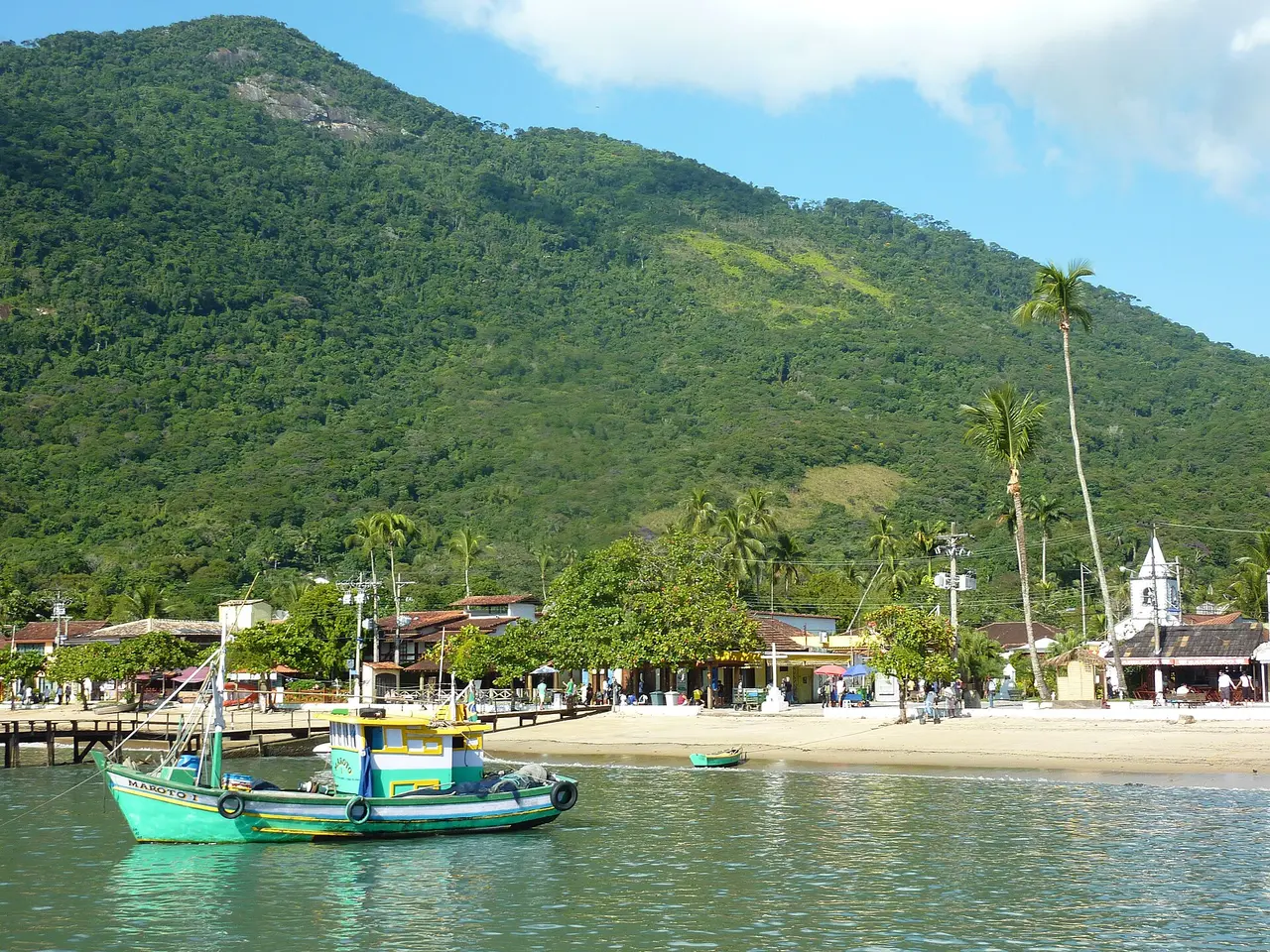
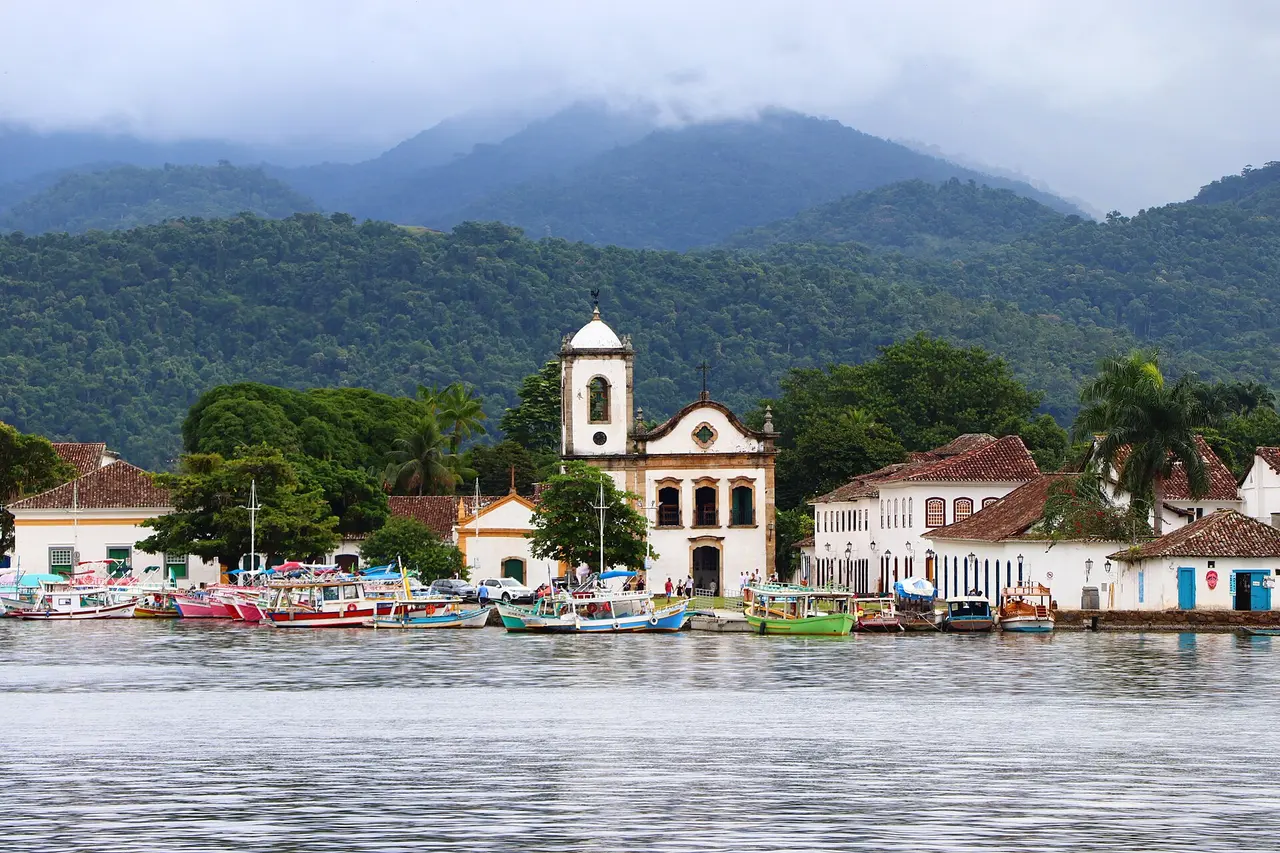
To the south-west, the coast breaks into bays and islands under unbroken forest. Ilha Grande, part of Angra dos Reis, covers about 193 km² with no roads or motor vehicles: it takes about 3 h 30 from Rio, by bus to Conceição de Jacareí then by boat. Paraty, 258 km from Rio, keeps a car-free colonial centre of uneven cobbles, an 18th-century gold port that the highest tides flood every month. Allow three nights on the island and two or three in Paraty.

The Serra, Petrópolis and Teresópolis

A 1 h 30 bus ride from Rio, Petrópolis sits at around 840 m around the summer palace Pedro II had built from 1843, which became the Imperial Museum in 1943. Teresópolis, about 2 hours away, opens onto Serra dos Órgãos National Park, created in 1939, home to the Dedo de Deus (1,692 m) and Pedra do Sino (2,263 m). The mountains average about 18 °C against 23 °C on the coast: aim for the dry season, June to August, and get back before dark.

The Lakes Region, Búzios and Arraial do Cabo

To the east, the Búzios peninsula is 2 h 40 by bus from Rio. A former fishing village put on the map by Brigitte Bardot's stays in 1964, it still has a seafront promenade named after her. Arraial do Cabo, 45 minutes away by bus, owes its clear water to an upwelling of deep water: the sea ranges from 14 to 24 °C, and the municipality has some thirty dive sites. Three nights are enough. For warmer water and Afro-Brazilian culture, look instead to the beaches of Bahia.

The Itatiaia massif

To the west, against Minas Gerais, Itatiaia National Park is the oldest in the country, created in 1937. Its upper section peaks at Pico das Agulhas Negras, 2,791 m, in a landscape of rock and high grassland where frost is possible in the southern winter. It is the choice for hikers who want wilder mountains than the Serra dos Órgãos: allow two days, a car or an organised transfer, and warm clothes from May to August.

Cities to visit in Rio de Janeiro State

Featured destinations appear first.

How much it costs

Per person per day, excluding international travel.
Budget
54 €/ day
2 656 € for 2 people, 7 days, return flights included
Accommodation
20 €
Food
16 €
Local transport
8 €
Sights and activities
10 €
Comfort
110 €/ day
3 440 € for 2 people, 7 days, return flights included
Accommodation
45 €
Food
28 €
Local transport
15 €
Sights and activities
22 €
Premium
305 €/ day
6 170 € for 2 people, 7 days, return flights included
Accommodation
165 €
Food
60 €
Local transport
30 €
Sights and activities
50 €
Prices checked: Relevé du 2026-11-01, taux BCE du 30/10/2026 : 1 EUR = 6,0692 BRL. Hébergement par personne et par nuit en chambre double partagée : combien-coute.net pour Rio, données du 28/09/2026 (chambre 1 étoile 40 EUR, 3 étoiles 89 EUR, 5 étoiles 330 EUR). La même source donne 83 EUR pour un 1 étoile à Angra dos Reis : sur la Costa Verde, comptez plus. Repas et transport urbain : Numbeo Rio, mis à jour le 31/10/2026, 99 contributeurs sur 12 mois (repas simple 45 BRL, dîner pour deux 200 BRL, haut de fourchette 362 BRL, ticket 5 BRL, taxi 4,38 BRL/km). Trajets interurbains : bus et bateaux d'après Rome2Rio (estimations consultées le 2026-11-01), environ 50 EUR par personne sur la semaine, soit 8 EUR par jour, plus taxi ou VTC estimé pour comfort et premium. Activités : estimation fondée sur les sorties en bateau à Paraty dès 120 BRL et 300 BRL pour le Saco do Mamanguá (Melhores Destinos, guide non daté), une sortie tous les deux jours pour backpacker, une par jour sinon. Vol A/R Paris-Rio retenu : 950 EUR par personne hors vacances scolaires (Kayak, moyenne sur 12 mois 962 EUR, mai le moins cher à 889 EUR, décembre et août au-delà de 1 300 EUR, consulté le 2026-11-01). Hors Carnaval et Réveillon.

Entry, health and safety

For FR travellers

Entry requirements

No visa for a tourist stay

Les Français sont dispensés de visa pour un séjour de moins de 90 jours, limité à 90 jours sur une période de 180 jours, sans renouvellement possible. Un billet de retour ou de sortie du territoire brésilien est exigé, et le passeport doit être valide six mois à partir de la date de retour.

Stay allowed for up to 90 days.

Passport valid for 6 months beyond your return date.

Health

Advised: Fièvre jaune recommandée avant tout déplacement au Brésil, de préférence au moins 10 jours avant le départ. Selon la durée et les conditions du séjour : hépatite A, fièvre typhoïde, hépatite B pour les séjours fréquents ou prolongés, rage. Calendrier vaccinal français à jour, rougeole comprise.

Toute la région est en vigilance renforcée (jaune). Dengue en importante recrudescence selon le ministère brésilien de la Santé ; chikungunya, Zika et virus Oropouche présents dans le pays : protection anti-moustiques indispensable, avis médical pour les femmes enceintes. Assurance couvrant soins et rapatriement à hauteur d'au moins 30 000 euros. À Rio, ne jamais fréquenter les plages la nuit et n'opposer aucune résistance en cas d'agression. Visite des favelas (comunidades) vivement déconseillée, même accompagné d'un guide ; attention aux GPS qui les traversent. Centro seulement en semaine, de 10 h à 17 h. Corcovado par les transports organisés, jamais par la forêt sans guide. Mototaxis déconseillés. Paraty, Búzios, Petrópolis et Teresópolis offrent un niveau de sécurité acceptable, mais aucun trajet en voiture de nuit.
Safety

Increased caution

Emergency

190

Checked in novembre 2026 against the official source. Entry rules change: check the official source before you travel, it alone is authoritative.

Rio de Janeiro State in pictures

Photo credits : Filipo tardim, CC BY-SA 4.0, Wikimedia Commons ; Paul R. Burley, CC BY-SA 4.0, Wikimedia Commons ; Dave Lonsdale, CC BY 2.0, Wikimedia Commons ; TMbux, CC BY-SA 3.0, Wikimedia Commons ; Josias.c.gomes, CC BY-SA 4.0, Wikimedia Commons ; Guilherme Tonelli, CC BY-SA 4.0, Wikimedia Commons ; Wilfredor, CC BY-SA 4.0, Wikimedia Commons ; Leonardo Shinagawa, CC BY 2.0, Wikimedia Commons ; MTur Destinos, Public domain, Wikimedia Commons ; Marcio Metello, CC BY-SA 4.0, Wikimedia Commons ; Wilfredor, CC0, Wikimedia Commons

Rio de Janeiro State highlights

Six sites that justify leaving the city's beaches.

Paraty historic centre

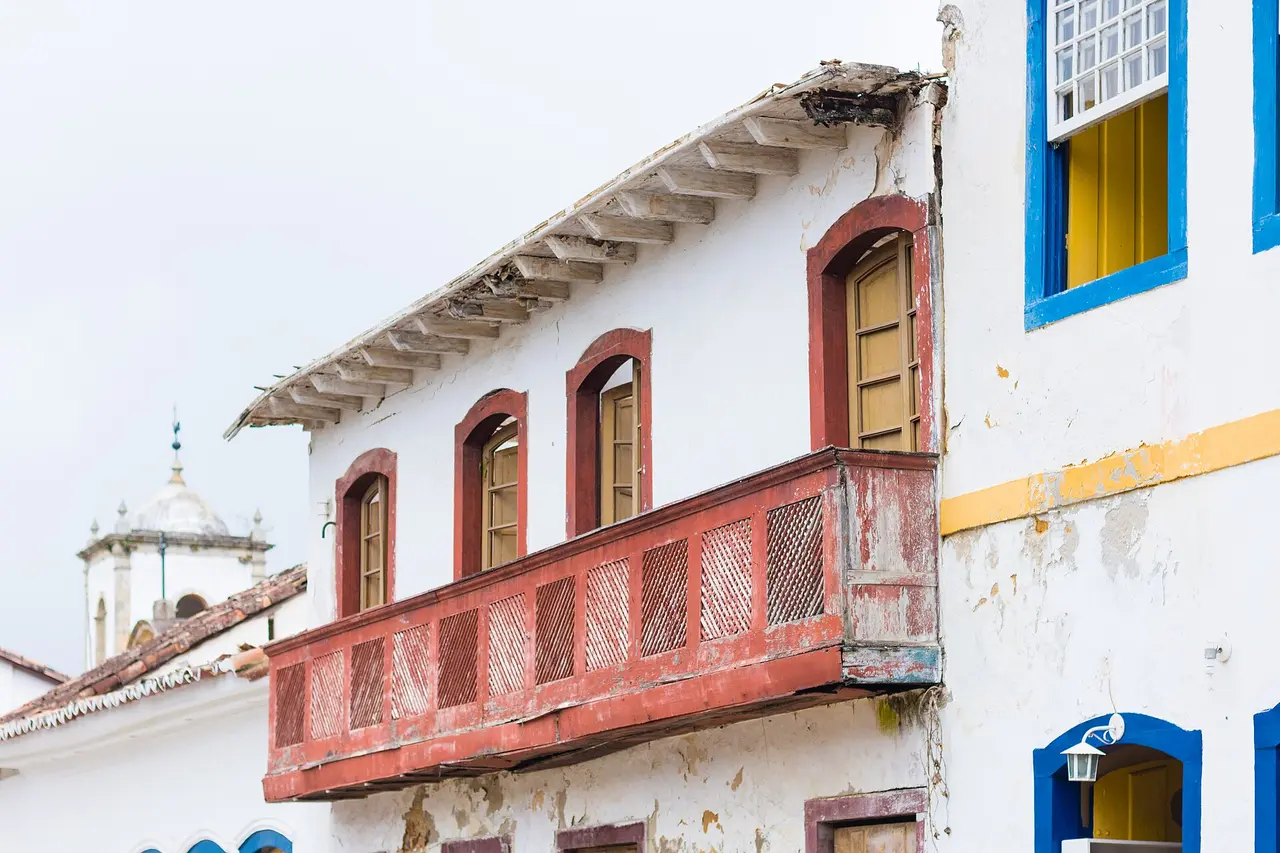
Cobbled lanes, white churches and colonial houses of a former gold port, closed to cars and sometimes invaded by the sea during the highest tides.

Lopes Mendes beach

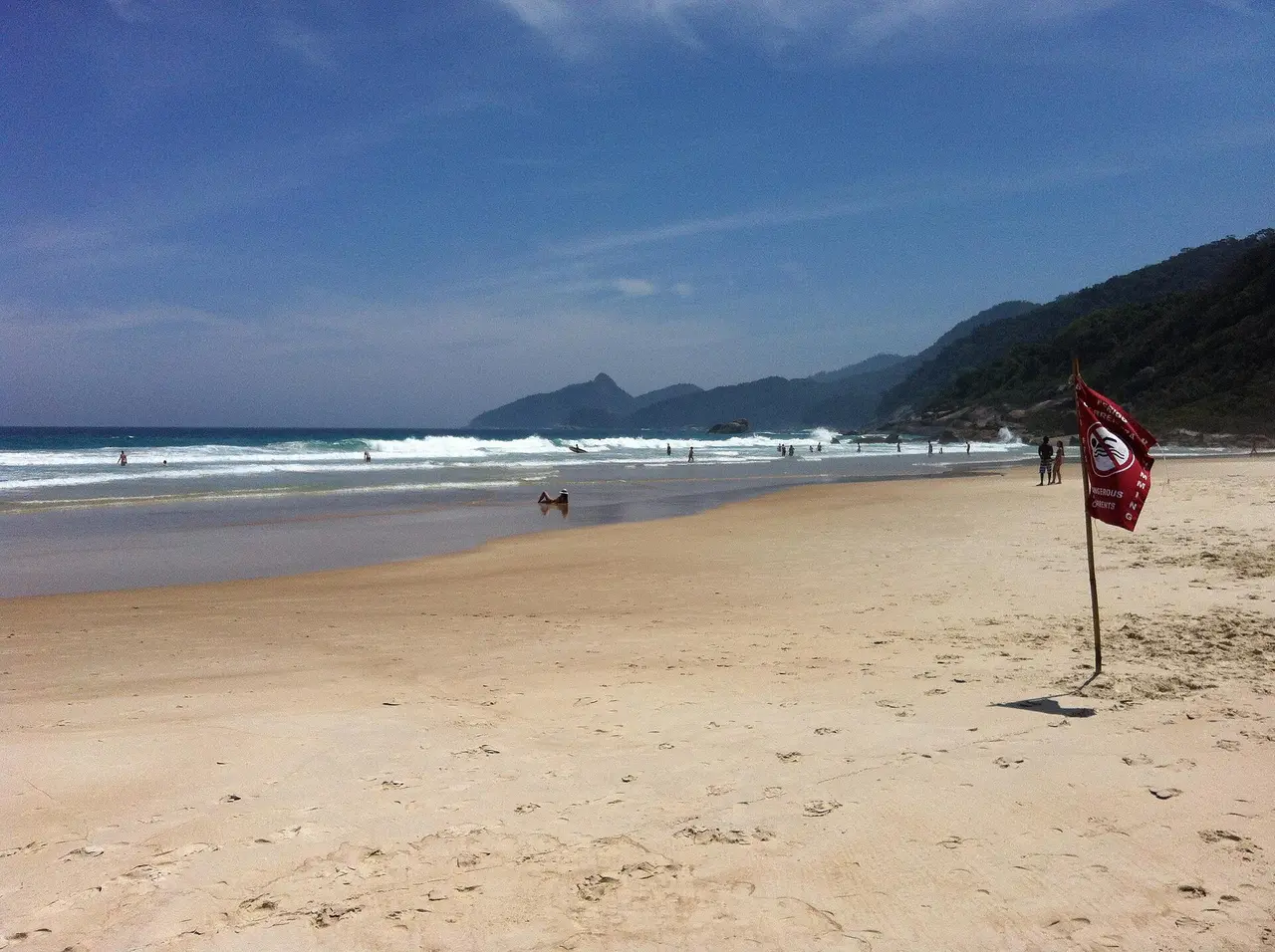
A long sandy beach on Ilha Grande, an island without cars, reached by a trail of about two hours on foot from Vila do Abraão.

Petrópolis Imperial Museum

Emperor Pedro II's former summer palace, a museum since 1943, tells the story of imperial Brazil's court in the heart of a mountain town.

Dedo de Deus

A 1,692 m granite spire, emblem of Serra dos Órgãos National Park, created in 1939 across Petrópolis, Teresópolis, Guapimirim and Magé.

Orla Bardot in Búzios

A seafront promenade named in tribute to Brigitte Bardot, with her statue facing the bay, a reminder of her stays in 1964.

Pico das Agulhas Negras

A 2,791 m rocky summit in the upper section of Itatiaia National Park, the first national park created in Brazil, in 1937.

Practical information for Rio de Janeiro State

Advisory level
Heightened vigilance (yellow) across the whole region, per France's foreign ministry
Favelas (comunidades)
Visits strongly discouraged, even with a guide; check your GPS does not route you through them
Night driving
Avoid it: long journeys and an unsafe road network, so leave in the morning
Cash on you
Small notes only, 50 reais at most
ID documents
Carry a photocopy, keep originals in the hotel safe
Yellow fever
Vaccination recommended before any trip to Brazil
Emergencies
Police 190, ambulance 192, fire brigade 193
Time zone
UTC-3, Brasília time

Frequently asked questions about Rio de Janeiro State

How do you get from Rio to Ilha Grande without a car?
Take a Costa Verde bus from Novo Rio bus station to Conceição de Jacareí, then a boat of about 20 minutes to Vila do Abraão. Allow about 3 h 30 in total. The island has no roads and no motor vehicles: everything is on foot or by boat.
Can you visit a Rio favela with a guide?
France's foreign ministry strongly advises against it, even with a guide: these are residential areas where police operations often lead to exchanges of gunfire. Also avoid driving through them by following a GPS, which ignores how safe a route is.
Petrópolis or Teresópolis for a night in the Serra?
Petrópolis, 1 h 30 by bus, for history: Pedro II's summer palace turned Imperial Museum, the cathedral and the imperial family's mausoleum. Teresópolis, about two hours away, for nature: part of Serra dos Órgãos National Park, home to the Dedo de Deus and Pedra do Sino, lies within the municipality.
Búzios or Arraial do Cabo, where should you stay?
They are 45 minutes apart by bus, so one base is enough. Búzios suits those after the peninsula and its coves. Arraial do Cabo is the divers' choice, with some thirty sites, but the water drops as low as 14 °C because of the upwelling of deep water.
Why do Paraty's streets flood?
The historic centre was built right at the edge of the bay, and the monthly high tides spill into its cobbled streets. It is part of the scenery: check the tide before heading out and wear shoes that can handle water and very uneven cobbles.
Can you drive from Rio to Paraty at night?
It is not advised: France's foreign ministry considers the region's road network unsafe and recommends avoiding any car journey at night. The Costa Verde bus takes roughly 4 h 40 to 5 h 40: leave in the morning to arrive in daylight.
When should you climb Agulhas Negras or Pedra do Sino?
During the dry season, June to August, when the summits are most often clear. Rain is concentrated from December to March. In the southern winter, nights are cold and frost is possible at altitude: pack proper warm layers.

Plan your trip to Rio de Janeiro State

Day-by-day itinerary, budget, bookings and packing in a single app.
Aperçu de l'application PlanTripNow