

Brazil travel guide: when to go, budget and itineraries
- 10 cities · 6 regions
At a glance
- Currency
- Brazilian Real (R$)
- Time difference
- UTC-3
- Visa
- None
- Tourist stay of up to 90 days
- 7-day budget
- €868
- Per person, comfort profile, excluding international flights.
Why visit Brazil?
Brazil is the largest country in South America and packs in a rare range: 7,400 km of coastline, half of the Amazon rainforest, the wildlife-rich Pantanal wetlands and UNESCO-listed colonial towns. People come for Rio and its beaches, but also for the nature and an intense cultural life.
When to visit Brazil
| Month | Temperatures | Rain | Crowds | Verdict |
|---|---|---|---|---|
| January | 24 to 31 °C | 11 d | Busy | Peak southern summer and Brazilian holidays: packed beaches, heavy heat and late-afternoon thunderstorms. |
| February | 24 to 31 °C | 7 d | Packed | Carnival month: the city is saturated, hotel rates double and sell out months ahead. |
| March | 24 to 30 °C | 8 d | Quiet | Right after Carnival the crowds vanish: sea still at 26C, prices back down, a solid pick despite some big storms. |
| April | 23 to 29 °C | 9 d | Moderate | Heat easing and days still long; Easter week pushes visitor numbers and prices back up. |
| May | 21 to 26 °C | 6 d | Quiet | Start of the dry season: clear skies, 26C afternoons, few people, the best window for hiking and Corcovado. |
| June | 20 to 26 °C | 6 d | Quiet | Mild dry carioca winter; evenings cool to around 20C and the water turns brisk for long swims. |
| July | 19 to 25 °C | 4 d | Moderate | The driest month of the year, though Brazilian school holidays fill beaches and domestic flights again. |
| August | 19 to 26 °C | 5 d | Quiet | Wind and bright skies, ideal for viewpoints and trails; rated the best stretch for active sightseeing. |
| September | 20 to 26 °C | 7 d | Moderate | Southern spring restarts: rising temperatures, more frequent showers, crowds still reasonable on weekdays. |
| October | 21 to 27 °C | 9 d | Moderate | Good balance before high season: pleasant beaches, moderate prices, but late-day storms are back. |
| November | 22 to 28 °C | 10 d | Moderate | Humid heat settling in and steadier rain; rates are already climbing toward year-end holiday levels. |
| December | 23 to 30 °C | 11 d | Packed | Copacabana's New Year's Eve draws two million people: book by mid-year or shift your dates. |
What to see in Brazil?
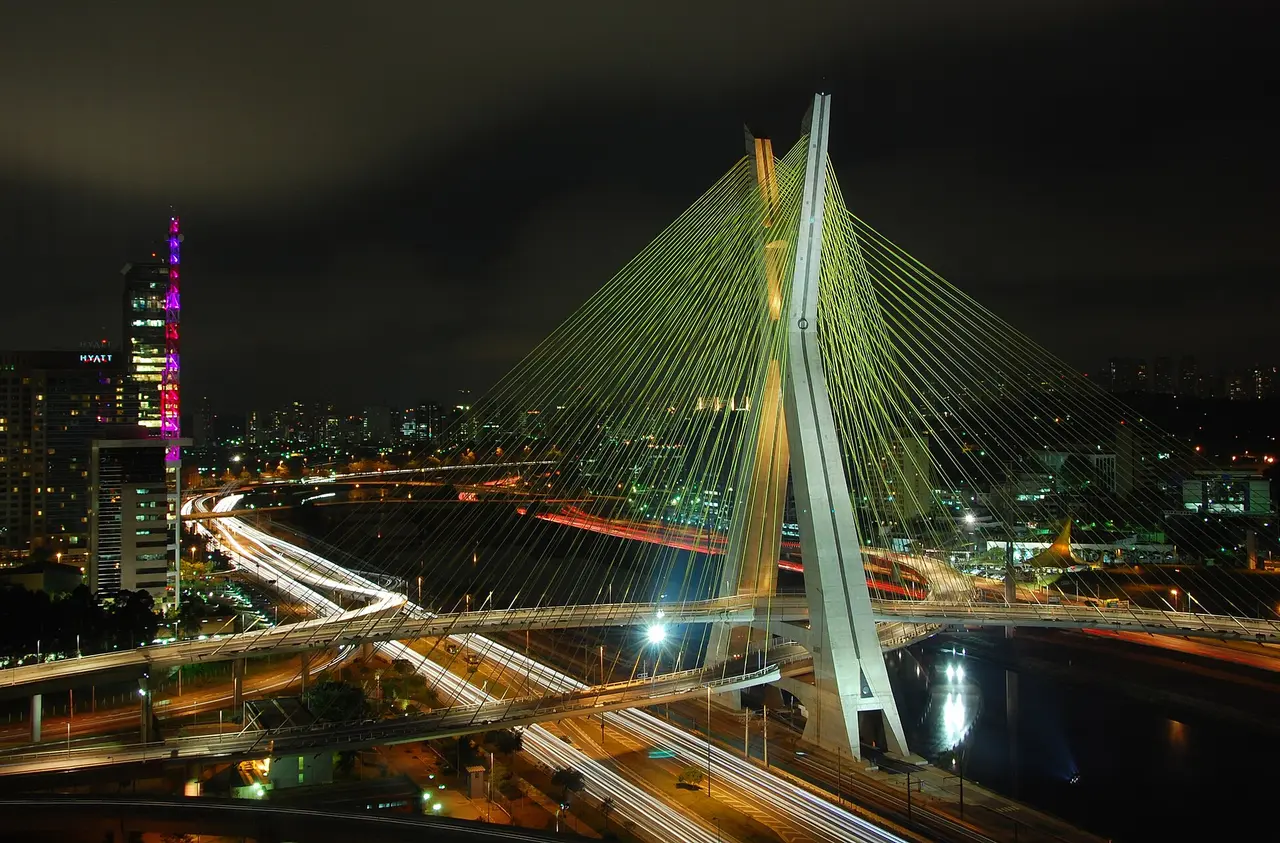
São Paulo and the Southeast
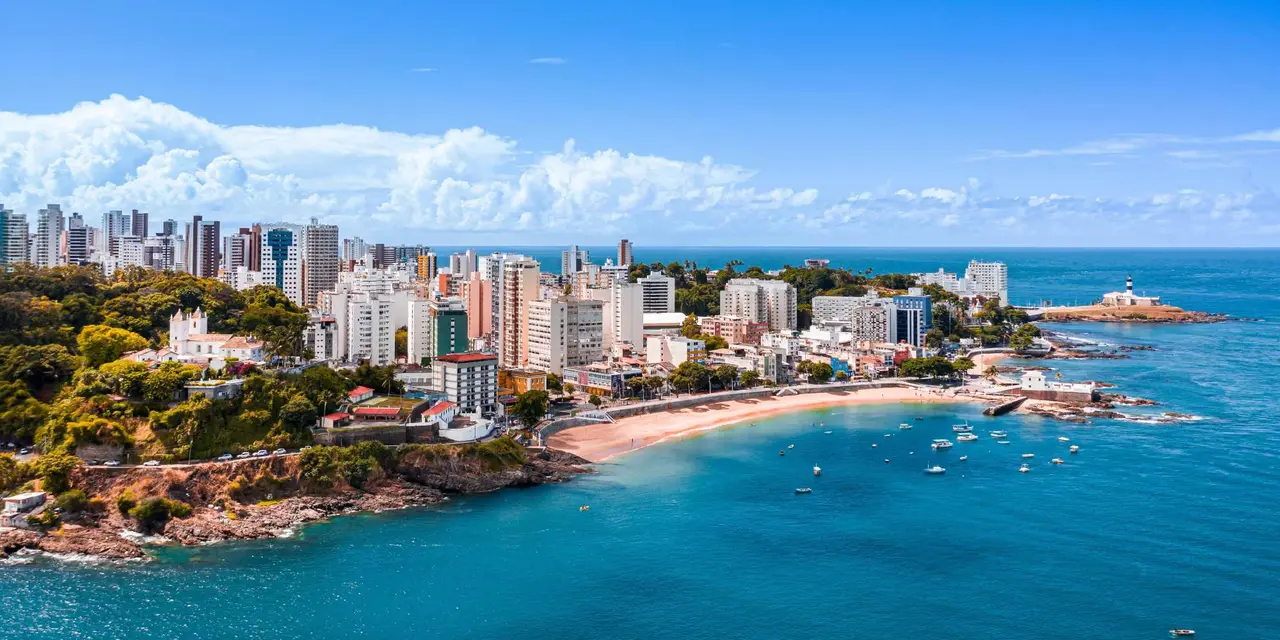
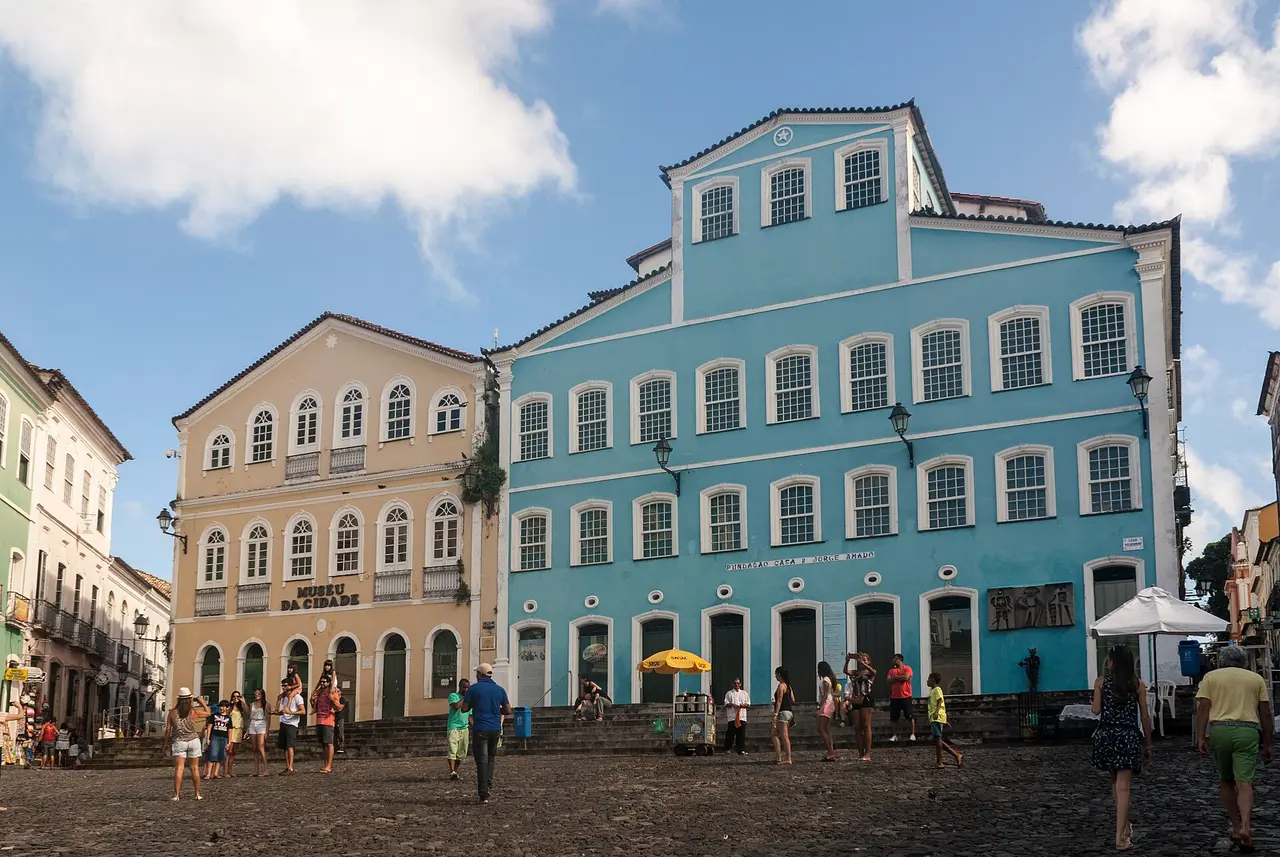
The Northeast and Salvador de Bahia
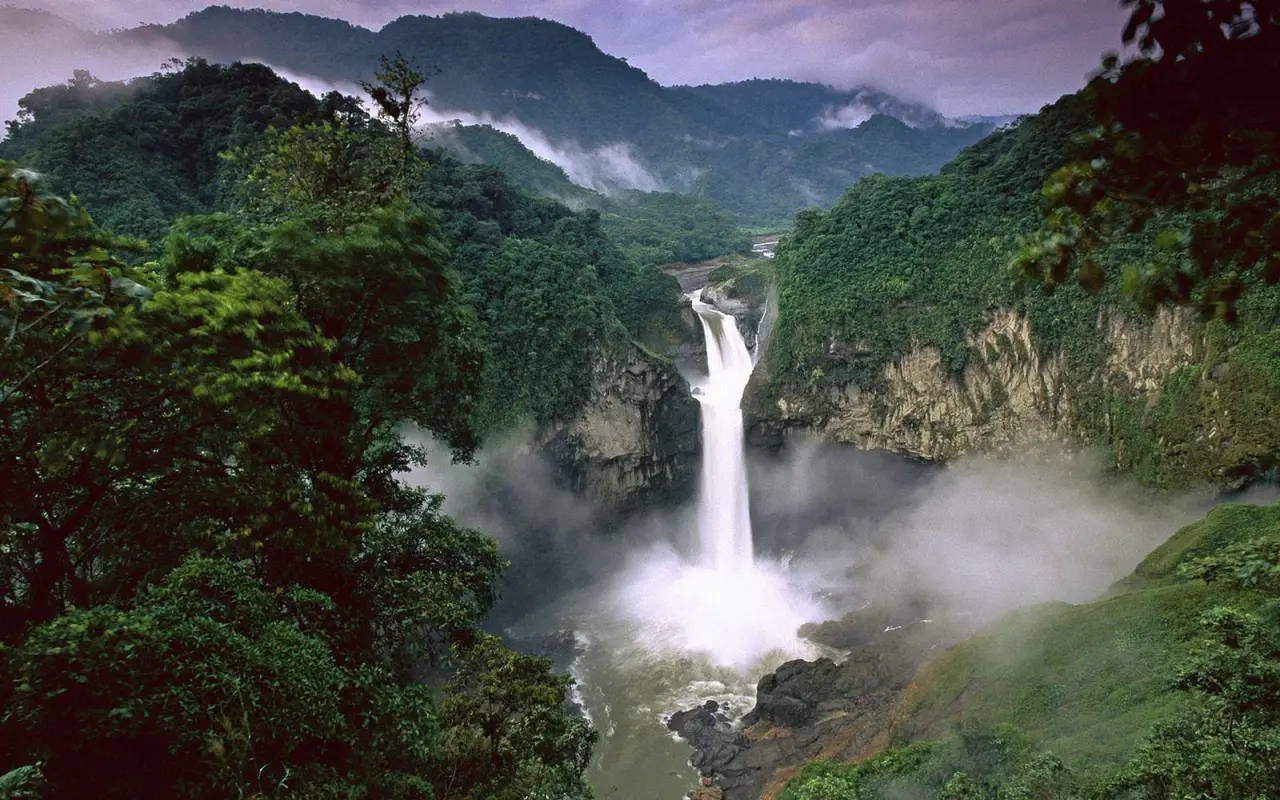
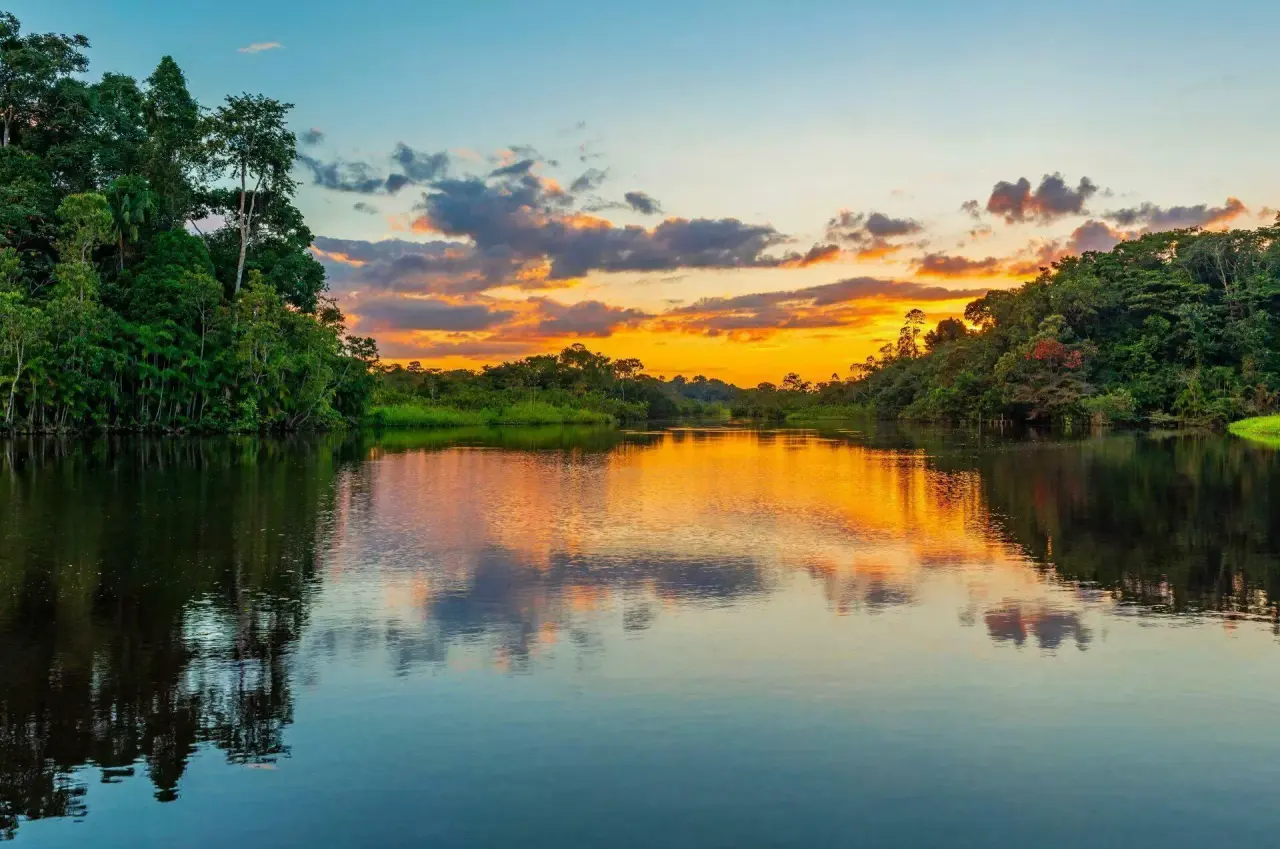
The Amazon
The Pantanal and the Centre-West
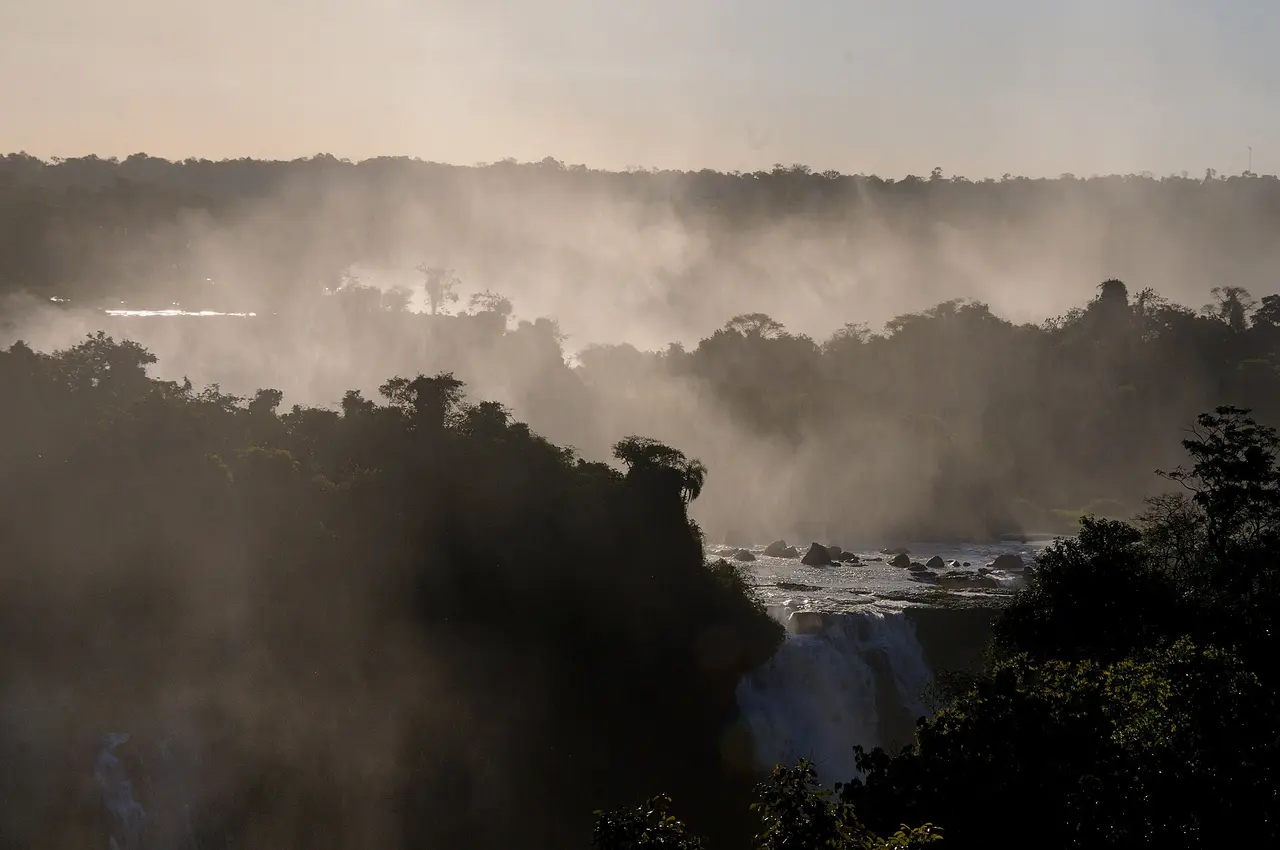
The Iguazu Falls and the border area
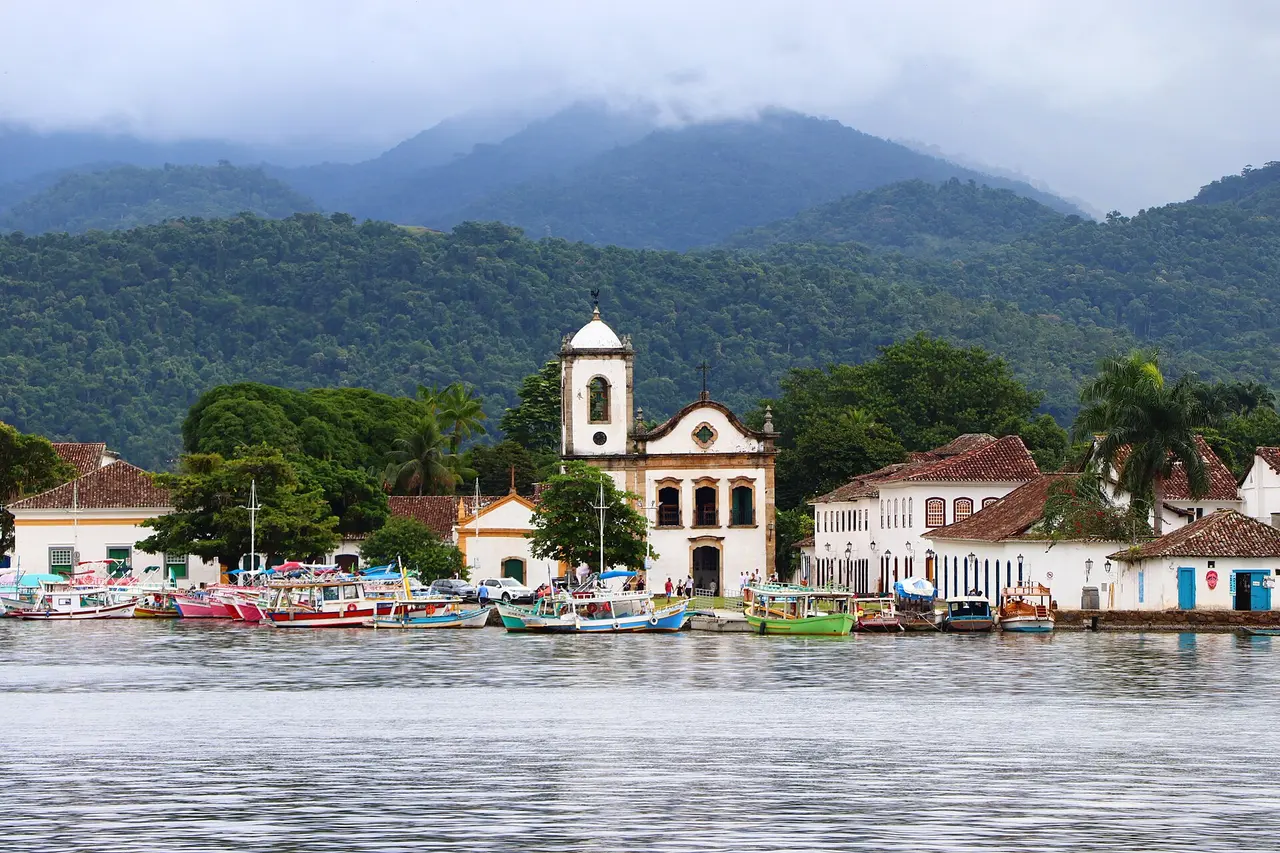
Minas Gerais and the baroque towns
Cities to visit in Brazil
Regions to explore in Brazil
How much it costs
- Accommodation
- 15 €
- Food
- 18 €
- Local transport
- 6 €
- Sights and activities
- 12 €
- Accommodation
- 45 €
- Food
- 45 €
- Local transport
- 12 €
- Sights and activities
- 22 €
- Accommodation
- 140 €
- Food
- 90 €
- Local transport
- 35 €
- Sights and activities
- 60 €
Getting there
- AAXRomeu Zema AirportAraxáSecondary
- AFLPiloto Osvaldo Marques Dias AirportAlta FlorestaSecondary
- AJUAracaju - Santa Maria AirportAracajuSecondary
- AQAAraraquara AirportAraraquaraSecondary
- ARUAraçatuba AirportAraçatubaSecondary
- ARXAracati Dragão do Mar Regional AirportAracatiSecondary
Entry, health and safety
For FR travellersEntry requirements
No visa for a tourist stay
Les Français sont dispensés de visa pour un séjour touristique. Depuis le 12 janvier 2024, la durée est limitée à 90 jours maximum sur une période de 180 jours, sans renouvellement. Un billet de retour ou de sortie du territoire est exigé.
Stay allowed for up to 90 days.
Passport valid for 6 months beyond your return date.
Health
Advised: Fièvre jaune recommandée avant tout déplacement au Brésil. Selon la durée et le type de séjour : hépatites A et B, fièvre typhoïde, rage, tuberculose. S'assurer d'être à jour du calendrier vaccinal (diphtérie, tétanos, poliomyélite, coqueluche, rougeole).
Forte recrudescence de la dengue signalée par le ministère brésilien de la Santé. Zika, chikungunya et fièvre Oropouche présents, chikungunya surtout dans le nord et le nord-est (État de Bahia). Paludisme dans les zones d'Amazonie. Aucun vaccin obligatoire à l'entrée sauf preuve de vaccination fièvre jaune en cas de provenance d'un pays à risque.
Safety
Increased caution
Emergency
190
Brazil in pictures
Brazil's must-sees
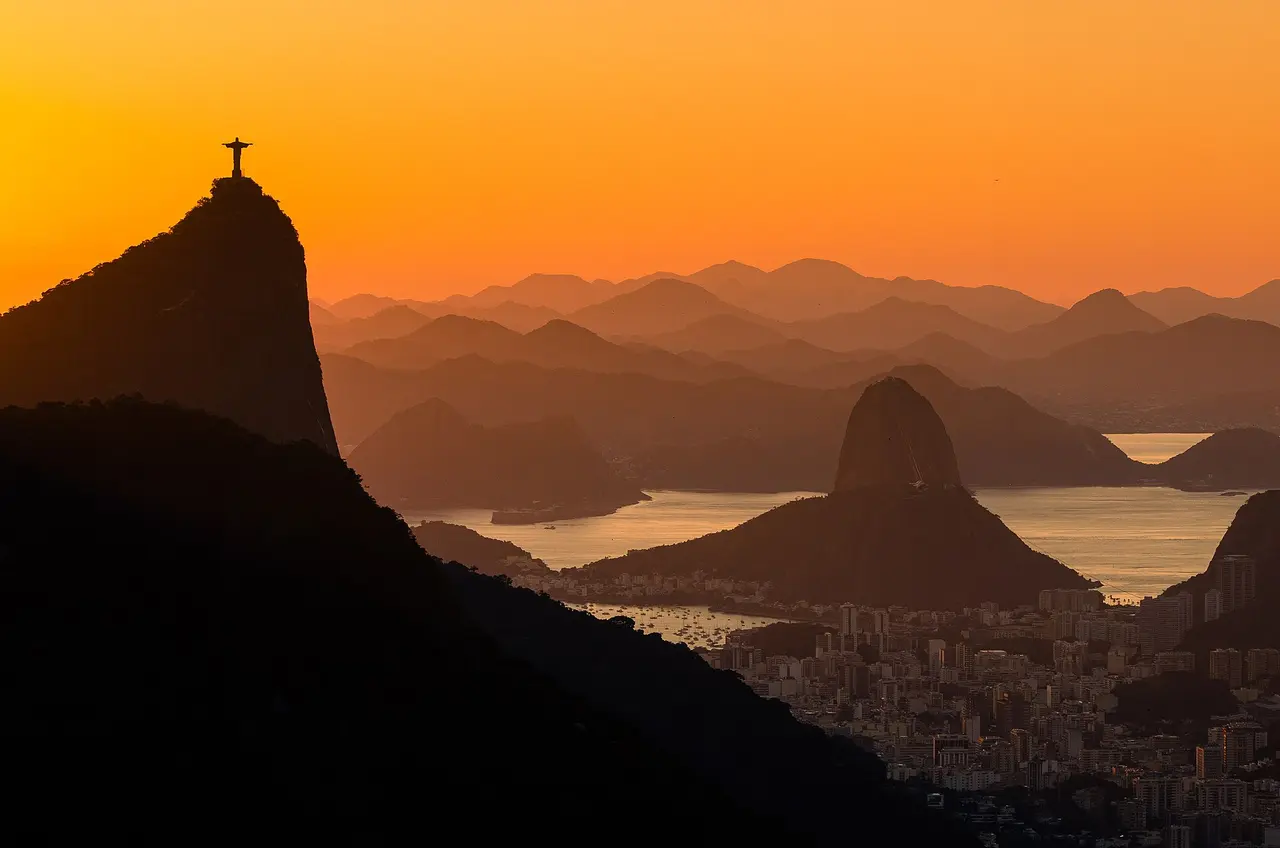
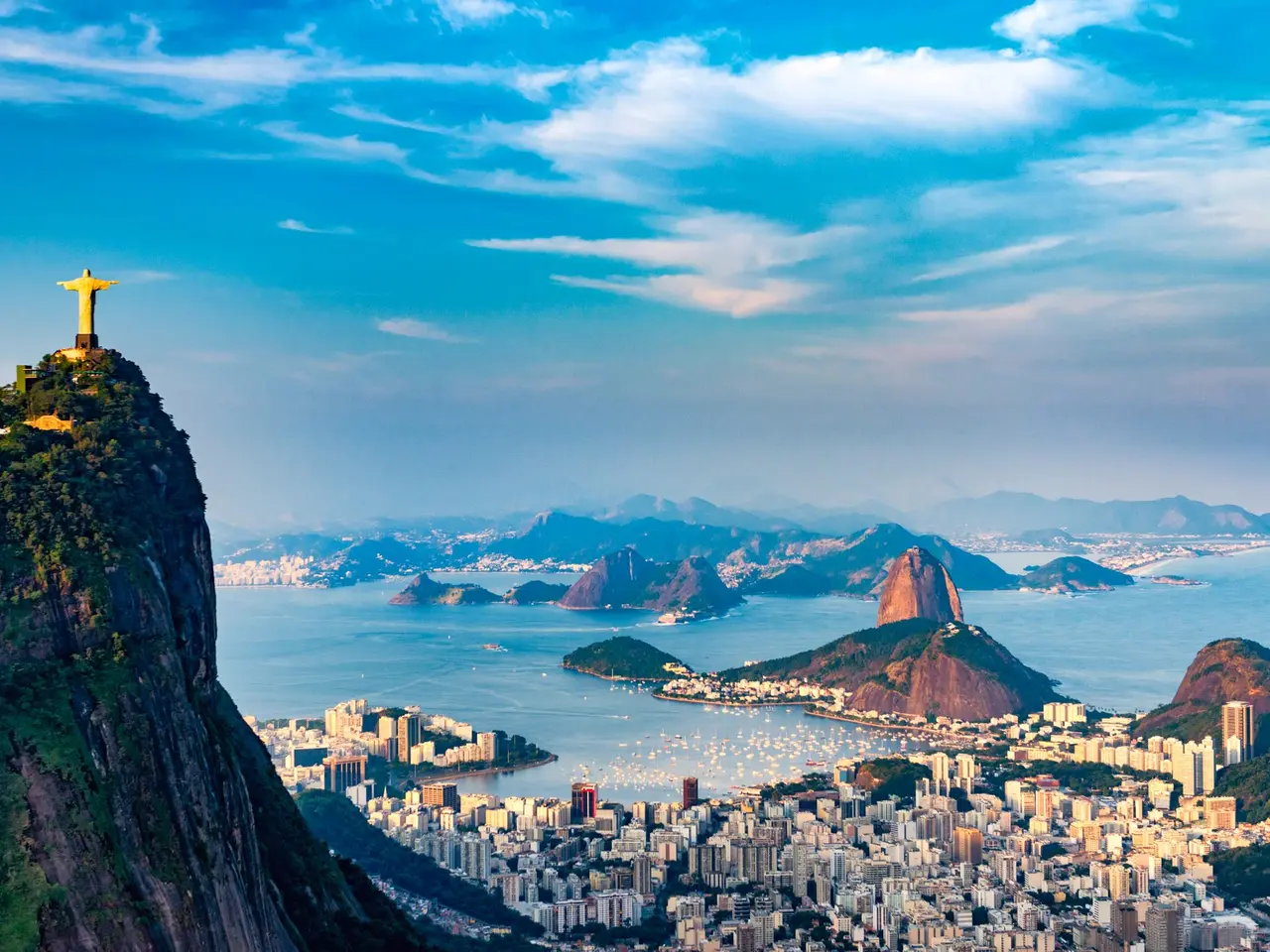
Christ the Redeemer
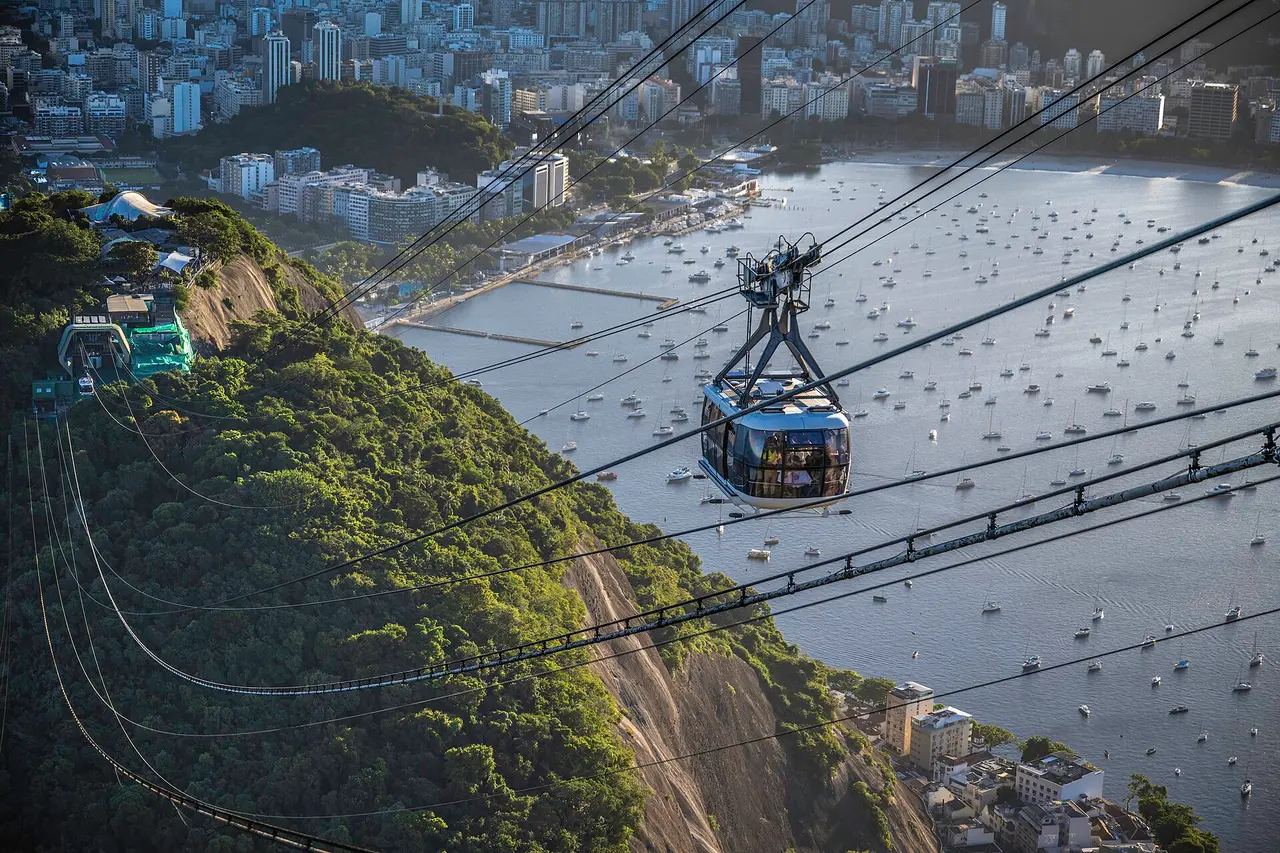
Sugarloaf Mountain
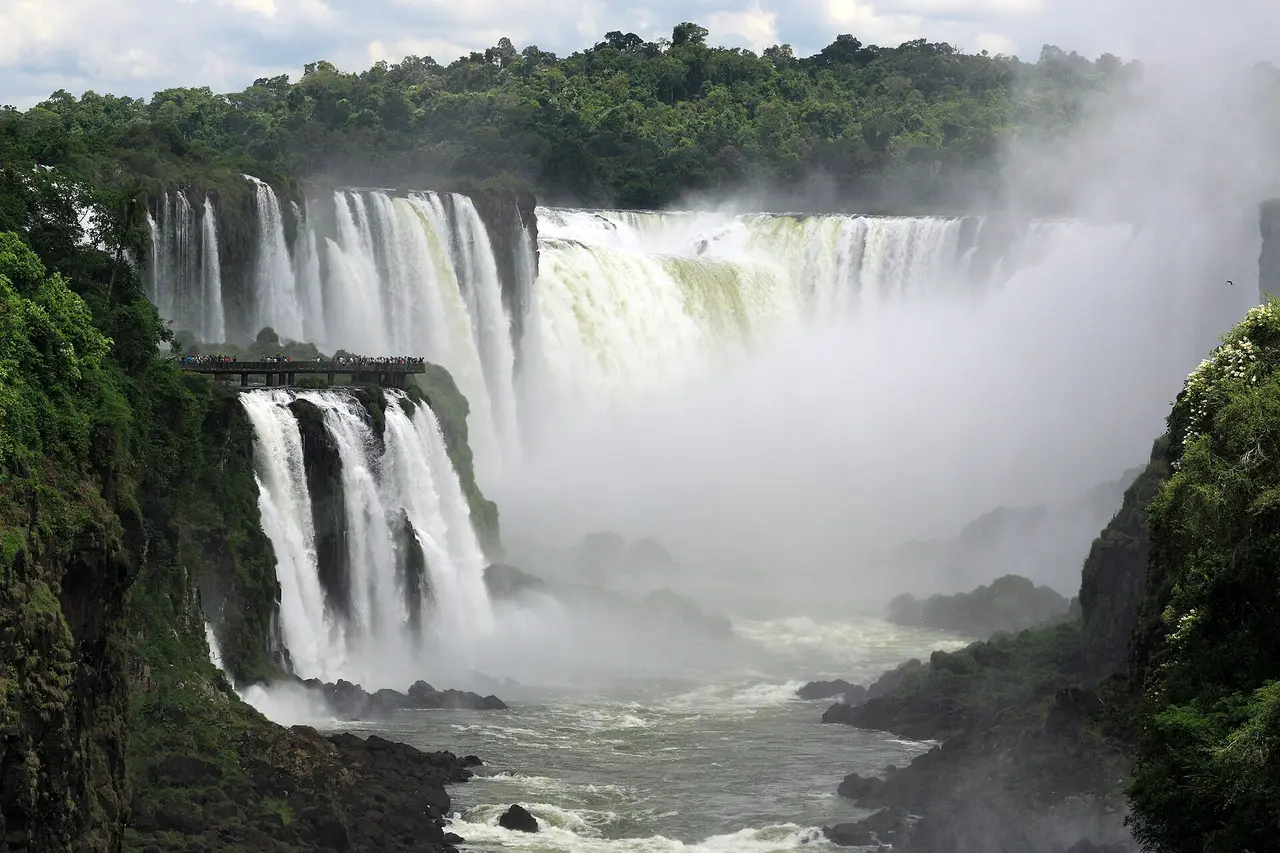
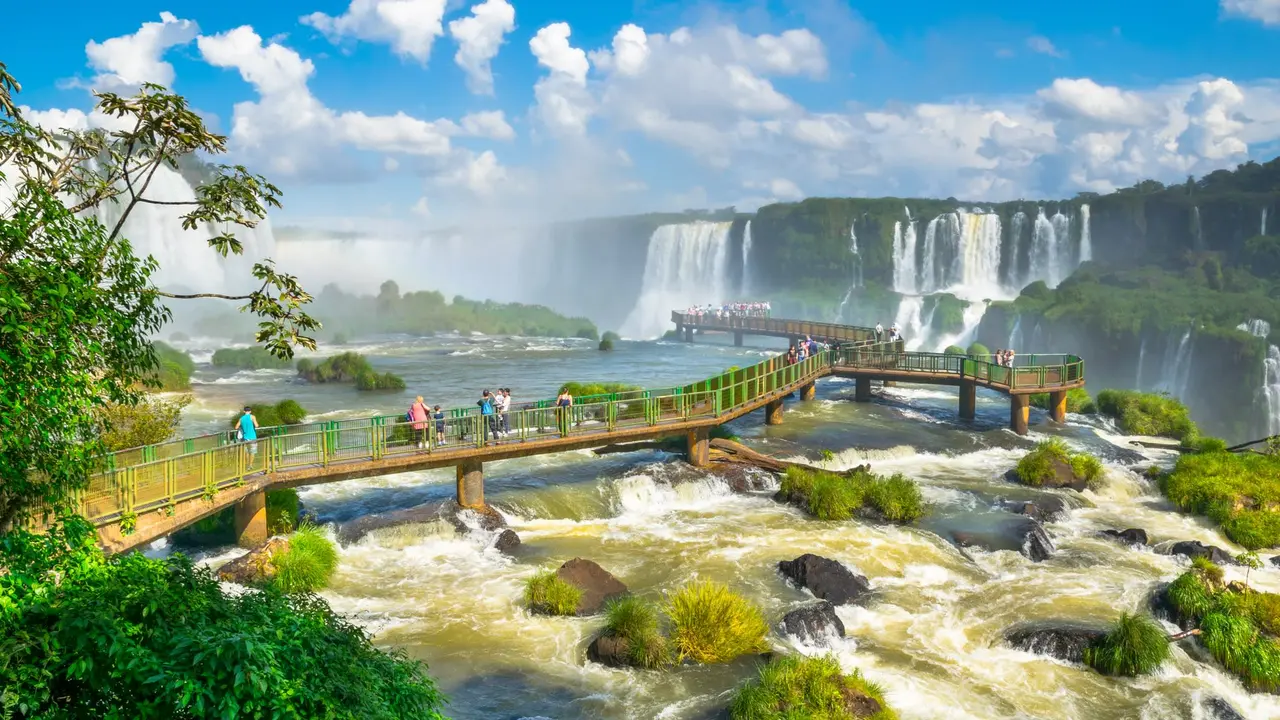
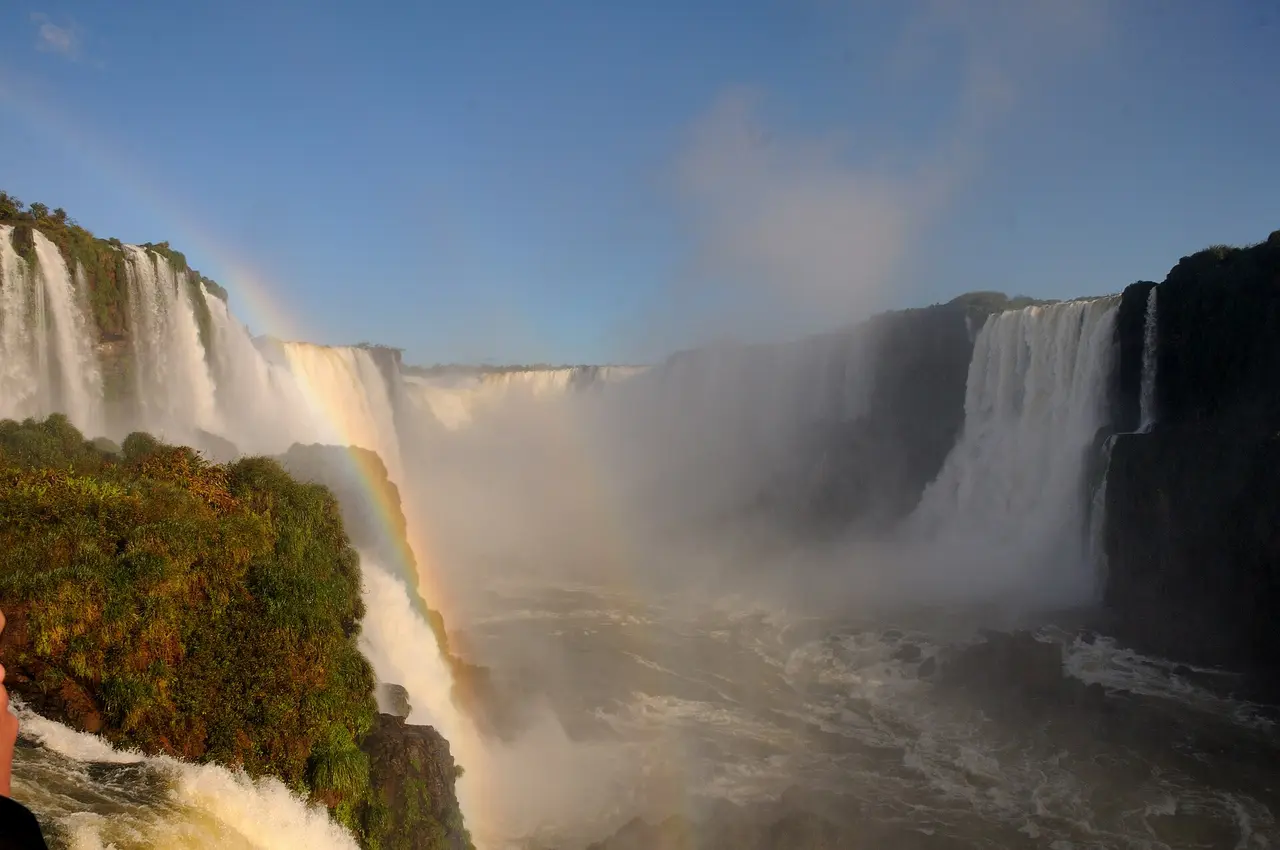
Iguazu Falls
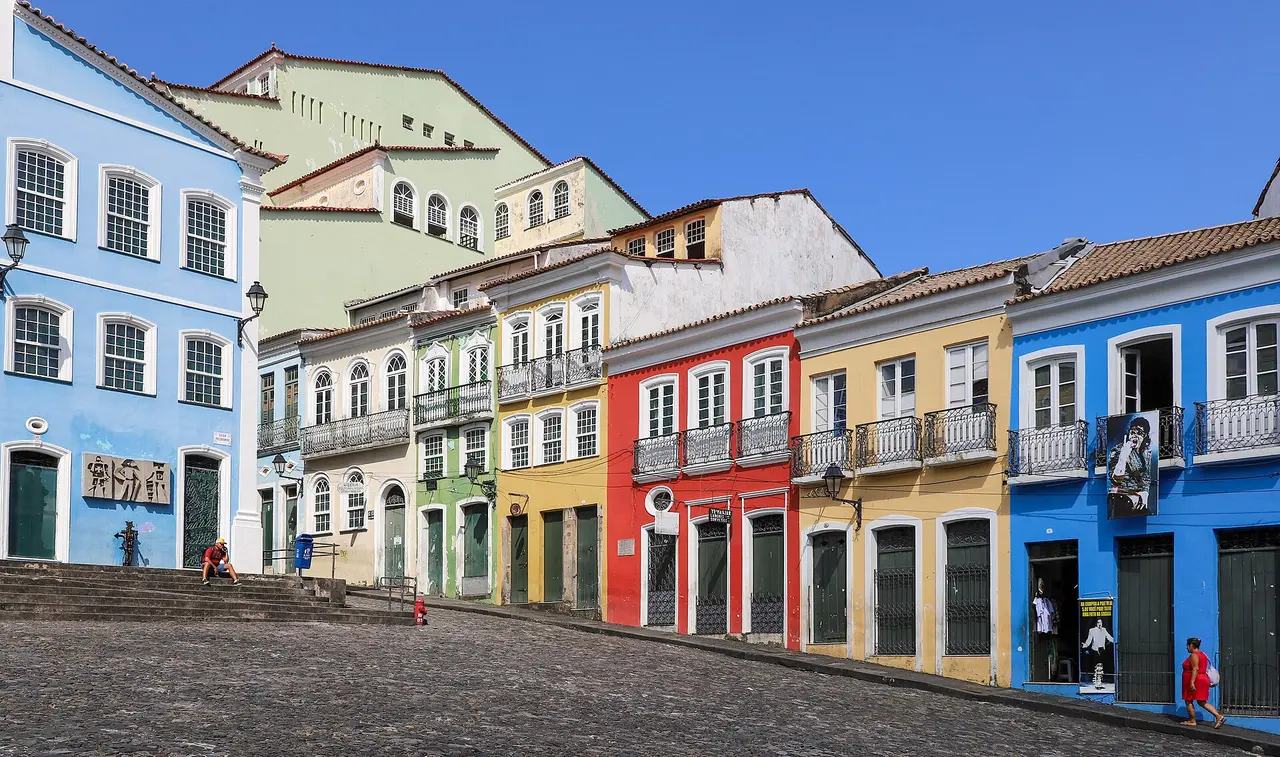
Pelourinho, Salvador
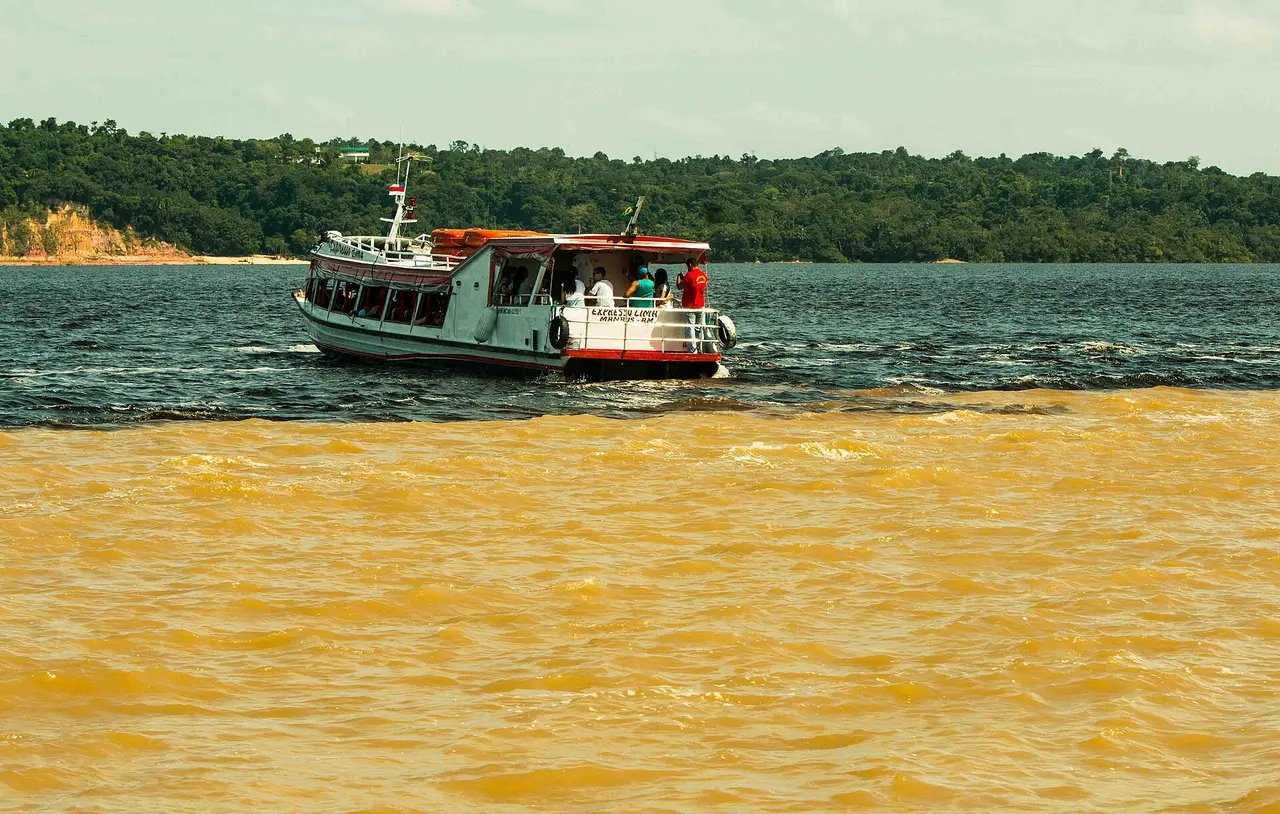
Meeting of the Waters
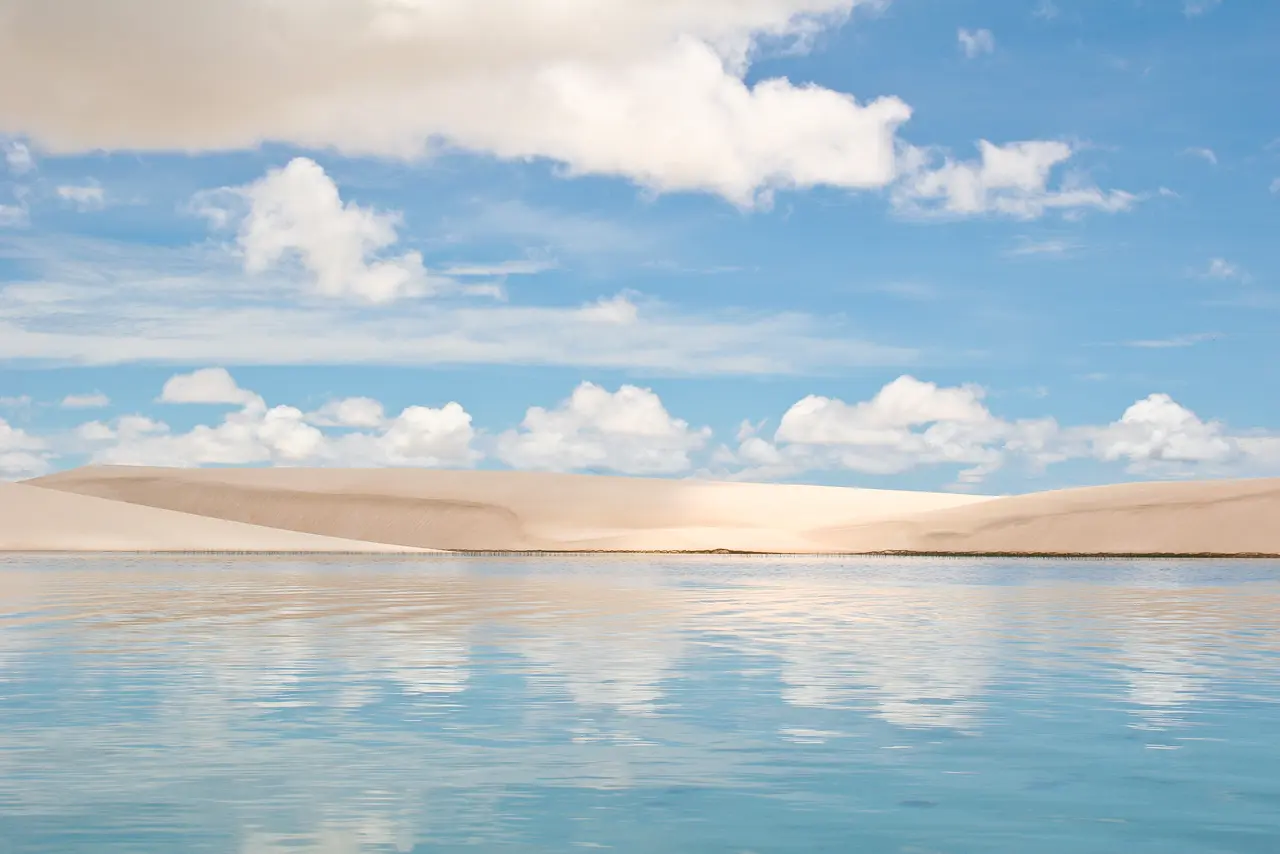
Lençóis Maranhenses
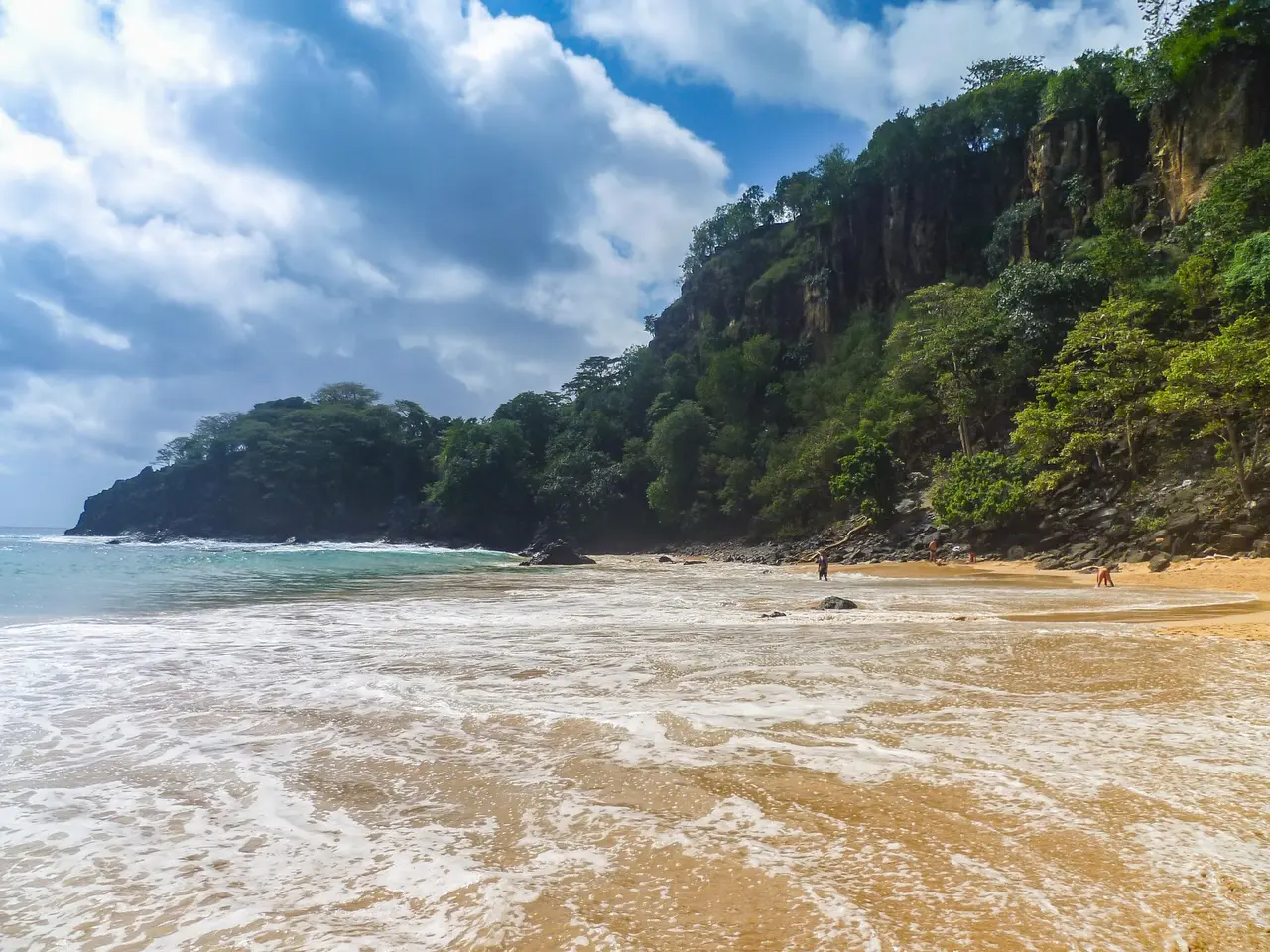
Fernando de Noronha
Rio's Sambadrome
Ouro Preto
Pantanal
Bonito
Practical information
- Language
- Brazilian Portuguese; English is little spoken outside hotels
- Currency
- Brazilian real (BRL); contactless payment works everywhere, even in taxis
- Power socket
- Type N, a standard specific to Brazil: an adapter is essential
- Tap water
- Not drinkable, stick to bottled water
- Tipping
- A 10% service charge is usually on the bill, nothing to add
- Domestic flights
- Almost unavoidable given the distances; Gol, Latam and Azul, book early
- Time difference
- UTC-3 in Rio, 4 to 5 hours behind France depending on season
- Safety
- Heightened vigilance in cities: be discreet with phone and jewellery; border zones advised against
- Carnival
- Movable dates, February or early March; book accommodation months ahead
- Por quilo restaurants
- Pay-by-weight buffets at lunch, around 6 to 10 euros a plate
Similar destinations
Similar regions
Frequently asked questions about Brazil
How many days to see Rio and Iguazu Falls?
Can you visit the Amazon easily from Manaus?
Do you need to book far ahead for Rio Carnival?
Is Rio de Janeiro dangerous for tourists?
Is the yellow fever vaccine required for Brazil?
How do Northeast beaches differ from Rio's?
Can you pay in euros or dollars in Brazil?
Is Fernando de Noronha worth the extra cost?
Plan your trip to Brazil