Bahia travel guide: when to go, what to see and how to plan it

The cradle of Afro-Brazilian culture, Bahia blends the gilded baroque of Salvador, capoeira rodas, hundreds of kilometres of palm-lined beaches and, inland, the canyons and waterfalls of the Chapada Diamantina. You travel here by catamaran, by bus and with the tides.

Why visit Bahia?

Bahia is the Brazilian state most shaped by African heritage: dendê cooking, candomblé, capoeira, music. Its coast lines up Salvador, the country's first capital, car-free islands and villages like Trancoso. Inland, the Chapada Diamantina offers three to four days of hiking among caves, plateaus and waterfalls.

What to discover in Bahia

Salvador, the Afro-Brazilian capital

Brazil's first capital until 1763, Salvador splits between the upper and lower town, joined by the Lacerda elevator (72 metres, running since 1873). The Pelourinho, a UNESCO site, packs in baroque churches, including São Francisco and its wholly gilded interior. In the evening life shifts to Rio Vermelho for acarajé and music. Allow two to three days, avoiding the lower town after dark. Salvador is the gateway to the whole region and combines easily with the rest of Brazil.
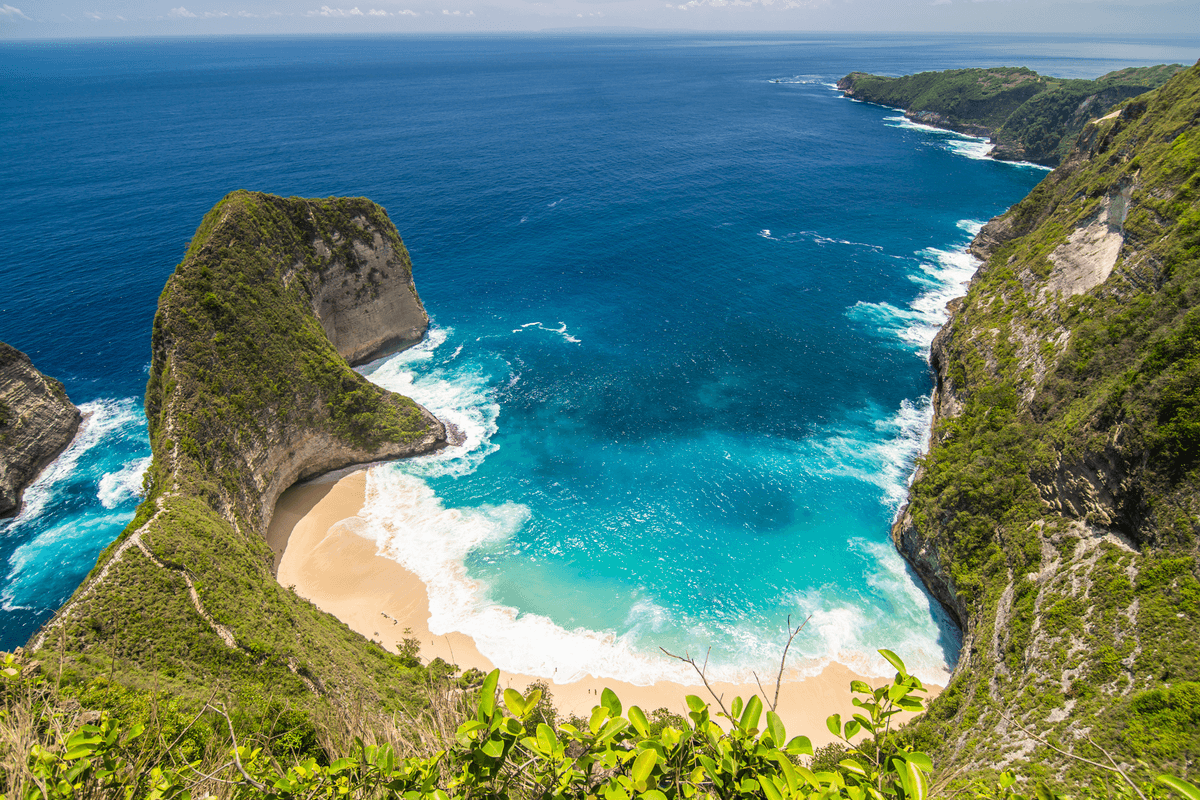
The Tinhare archipelago: Morro de São Paulo and Boipeba

A 2 hr 30 catamaran south of Salvador, the Tinhare archipelago is car-free. Morro de São Paulo lines up beaches numbered from Primeira to Quarta, with a zipline and nightlife on Segunda. Its neighbour Boipeba, an hour away by boat through the mangrove, is far quieter: the Moreré to Cueira walk at low tide and reef pools. Three nights let you sample both moods. The crossing is smoother from October to March.

The Chapada Diamantina, the mountainous interior

Four hundred kilometres from Salvador, this national park of 1,200-metre plateaus changes the scenery entirely. From Lençóis, a former diamond town, you reach Poço Azul and Poço Encantado, caves with intensely blue water, and climb to the top of the Fumaça waterfall (380 metres) from the Vale do Capão. Plan three to four days of walking and a compulsory guide for the longer routes. The dry season, May to September, is safest for hiking.

The Dendê Coast and the Maraú peninsula

Between Valença and Camamu, this coast of mangroves and cacao trees moves more slowly. Itacaré is the surf hub, with a string of beaches reached by Atlantic forest trails. Further south, the Maraú peninsula is reached by a dirt road or by boat from Camamu: Barra Grande for sunsets, Taipu de Fora for the state's largest reef pool at low tide. Two to three nights are enough to unwind.

The historic south: Porto Seguro, Trancoso and Caraíva

It was here, near Porto Seguro, that the Portuguese landed in 1500. Trancoso centres on the Quadrado, a grassy esplanade lined with colourful houses and a 16th-century white church, now upmarket but still lovely at dusk. Caraíva, further on, has no cars and little public lighting: you reach it by motor ferry and spend evenings dancing forró. Access is from Porto Seguro airport, about two hours by road.

The Coconut Coast, north of Salvador

The road heading north serves Praia do Forte, where Projeto Tamar has protected sea turtles since 1980 and runs a public viewing pool. The villages of Imbassaí and Diogo, cut off from the sea by a river and dunes, stay quiet. From July to October, boat trips let you watch humpback whales that come to calve. It is the simplest sector with only a few days left after Salvador.

Cities to visit in Bahia

Featured destinations appear first.
Coming soon.

Bahia in pictures

Must-see sights in Bahia

Historic sites, beaches and natural wonders of Brazil's most Afro-Brazilian state.

The Pelourinho

Salvador's historic centre, sloping cobbles, pastel facades and baroque churches, the stage for capoeira rodas and Afro bloco rehearsals.

The Lacerda elevator

The 72-metre urban lift that has linked the upper and lower town since 1873 and gives the best view over the Bay of All Saints.

The Bonfim church

Salvador's most revered shrine, its railings hidden under thousands of wish ribbons tied by visitors.

The Fumaça waterfall

A 380-metre drop in the Chapada Diamantina, seen from above after a six-hour return hike from the Vale do Capão.

Poço Encantado

A Chapada cave where, from April to September, a vertical sunbeam turns 60-metre-deep clear water bright blue.

Morro de São Paulo

A car-free island village with numbered beaches, under three hours by catamaran from Salvador.

Projeto Tamar

At Praia do Forte, Brazil's original sea turtle protection centre, with pools, seasonal hatchings and a museum.

The Quadrado of Trancoso

A grassy esplanade lined with colourful fishermen's houses and a 16th-century church, striking at nightfall.

The São Joaquim market

Salvador's largest popular market, where candomblé terreiros stock up: herbs, pottery, dendê and fish.

Similar regions

Other regions you might like as much as Bahia.

Similar destinations

Other countries you might like as much as Bahia.

Frequently asked questions about Bahia

How many days for Salvador and the Chapada Diamantina?
At least eight: three in Salvador and four in the Chapada, plus a travel day each way to Lençóis. Any shorter and the Chapada shrinks to two walks and loses its point.
How do you get from Salvador to Morro de São Paulo?
The most direct is the catamaran from Salvador's ferry terminal, a 2 hr 30 crossing. Otherwise, ferry to Bom Despacho then van and boat via Valença, longer but less exposed to swell.
How does Salvador Carnival work?
Three circuits host the trios elétricos. You follow a bloco behind a rope with a paid abadá, watch from a raised camarote, or stay pipoca, free and in the crowd. The Barra-Ondina circuit is the most tourist-friendly.
When is the best time to hike the Chapada Diamantina?
May to September, the dry season: stable trails, fordable rivers and the Poço Azul and Poço Encantado caves lit by the sun from April to September. In summer, floods make some routes dangerous.
Do you need to rent a car in Bahia?
Not for Salvador and the islands, served by boat and van. A car helps for the Dendê Coast, the Chapada or the south toward Trancoso, where distances are long and public transport infrequent.
Where can you see humpback whales in Bahia?
From July to October, trips leave from Praia do Forte north of Salvador, and above all from the Abrolhos archipelago off Caravelas in the state's south, the main breeding ground for the species in the South Atlantic.
Trancoso or Caraíva: which to choose?
Trancoso for comfort, good tables around the Quadrado and easy access from Porto Seguro. Caraíva for the change of scene: no cars, limited electricity, arrival by ferry and forró evenings on the square. Many do both back to back.
Can you swim in Salvador itself?
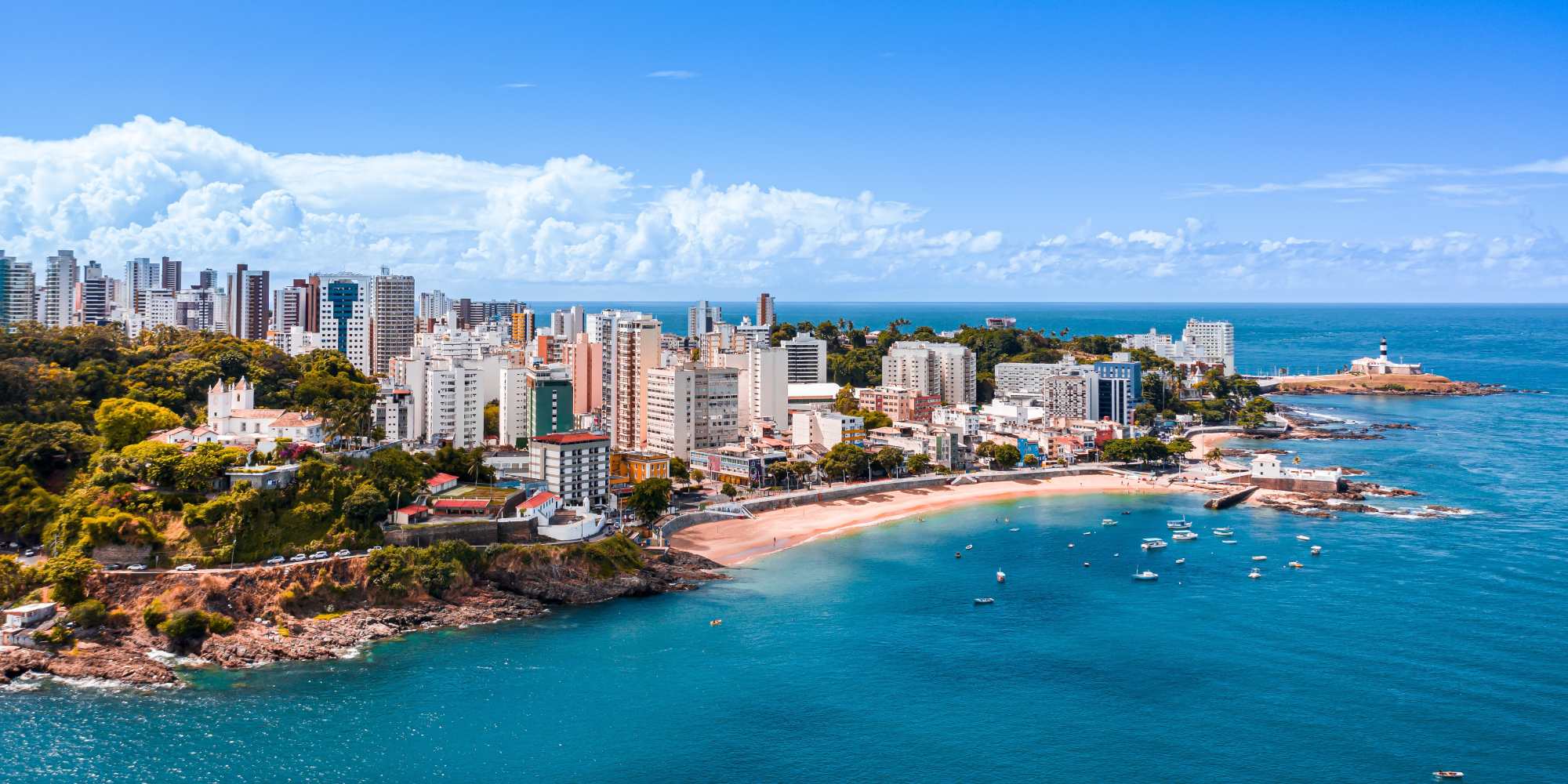
Yes, at Porto da Barra, a small sheltered beach popular for sunset, and along the Atlantic coast toward Ondina and Pituba. The Bay of All Saints on the port side, however, is not advised for swimming.

Plan your trip to Bahia

Day-by-day itinerary, budget, bookings and packing in a single app.
Aperçu de l'application PlanTripNow