Skip to content

Visit Alicante : old town, beaches and the Costa Blanca

Set below its castle, Alicante blends an Andalusian old town, two long city beaches and light that lasts ten months a year. Come for a weekend of tapas and swimming, or use it as a base for the Costa Blanca hinterland and the island of Tabarca.

At a glance

Visa
None
7-day budget
€770
Per person, comfort profile, excluding international flights.

Why visit Alicante?

Alicante is the gateway to the Costa Blanca, a seaside city where everything is walkable from the old town to the beaches. A very mild winter, a well-connected airport and easy day trips to Tabarca, Elche or Guadalest make it a short break you can take all year round.

When to visit Alicante

Temperatures, rainfall and crowds month by month, to pick your window.
When to visit Alicante
MonthTemperaturesRainCrowdsVerdict
January7 to 17 °C3 dQuietMild winter afternoons near 17 °C, a quiet city handed back to locals and northern snowbirds.
February7 to 18 °C3 dQuietThe driest winter month, bright and clear, ideal for walking the Explanada without crowds.
March9 to 20 °C4 dQuietSpring takes hold, almond blossom inland, but the sea is still too cold for swimming.
April11 to 22 °C4 dModerateHoly Week brings bustle and higher hotel rates, rewarded by 22 °C and full terraces.
May15 to 25 °C3 dModerateArguably the year's best balance: real warmth, sea at 19 °C, beaches you can still breathe on.
June19 to 28 °C1 dBusyThe Bonfires of San Juan around the 24th set the city alight and fill every bed.
July21 to 31 °C0 dPackedHigh summer, not a drop of rain, Postiguet and San Juan beaches packed dawn to dusk.
August22 to 31 °C2 dPackedPeak heat and peak prices, with half of Spain on holiday right here.
September19 to 29 °C3 dModerateSea still at 25 °C and crowds thinning after the school year starts, though watch for gota fría downpours.
October15 to 25 °C4 dQuietSwimming holds up into November, yet this is the month of violent Mediterranean rainstorms.
November10 to 21 °C4 dQuietSoft late-season warmth, no queue at the museums or Santa Bárbara castle, rates back down.
December8 to 18 °C4 dQuietChristmas market and New Year push prices up for a week; the rest of the month stays calm.
Source: Normales 1991-2020 AEMET (agence météo espagnole, OpenData), relevé septembre 2026 ; températures de la mer d'après les moyennes côtières Costa Blanca.

Alicante's must-sees

Sights in the city and its bay, all reachable on foot or by tram.

Santa Barbara Castle

A 9th-century fortress atop Mount Benacantil, 166 metres above the sea, linked to the beach by a lift bored through the rock.

Explanada de España

A wavy marble-mosaic promenade of several million tesserae, lined with palms between the marina and the Canalejas park.

Barrio de Santa Cruz

The old quarter of whitewashed houses, flowered lanes and Holy Week crosses, clinging to the hill just below the castle.

Mercado Central

A modernist hall from 1921 with a carved facade, fish and turrón stalls, open in the mornings from Monday to Saturday.

MARQ Museum

An award-winning provincial archaeology museum with immersive rooms on the Iberians, Roman Ilici and medieval Alicante. Closed Mondays.

Tabarca Island

The only inhabited island in the Valencian Community, a marine reserve with 18th-century walls, an hour by boat from the harbour.

Playa de San Juan

Three kilometres of wide sand fifteen minutes away by tram, shallow water and chiringuitos, calmer than Postiguet.

What to see in Alicante, district by district?

The Barrio de Santa Cruz and the castle

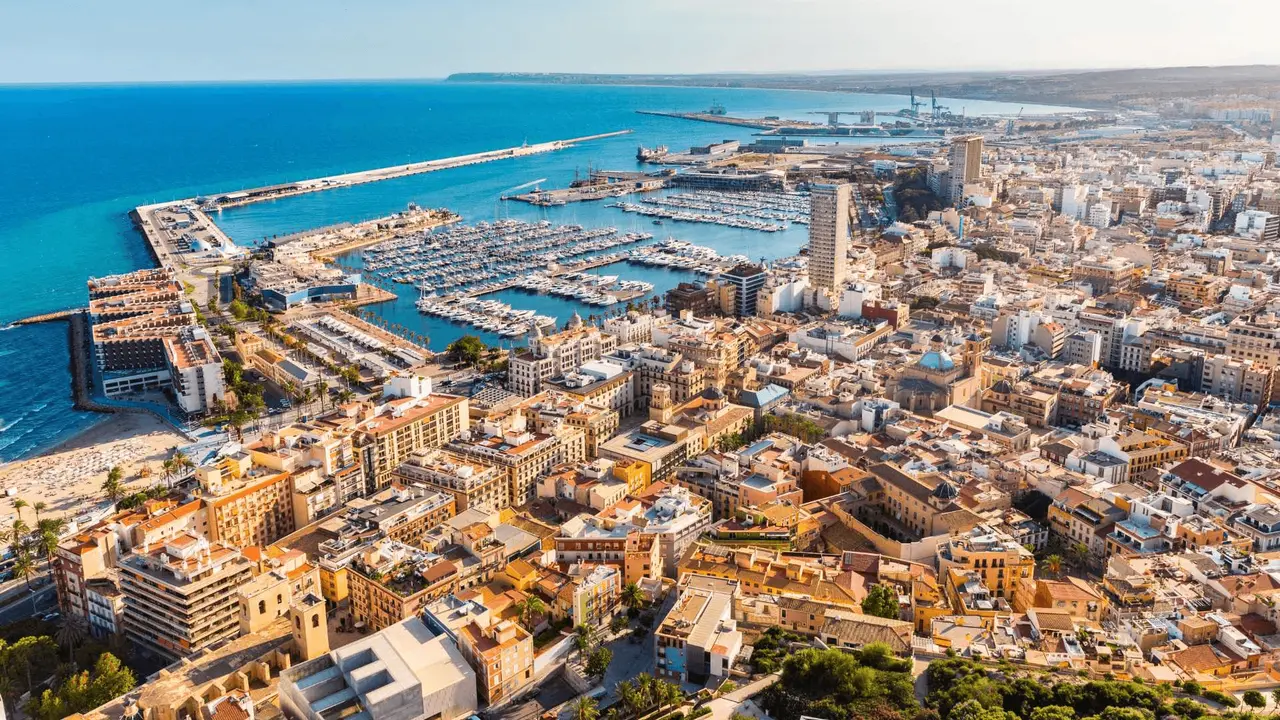
Old Alicante climbs the hillside up to Santa Barbara castle. You reach the top by a lift cut into the rock from Postiguet beach, or on foot in twenty minutes through the quarter. The whitewashed lanes of the Barrio de Santa Cruz, dressed with flower pots and ceramic tiles, come alive mostly in the late afternoon. Allow half a day to combine the climb, the fortress and the walk down past the Santa Cruz hermitage, with the best light over the bay around 6 pm.
The Explanada and the seafront

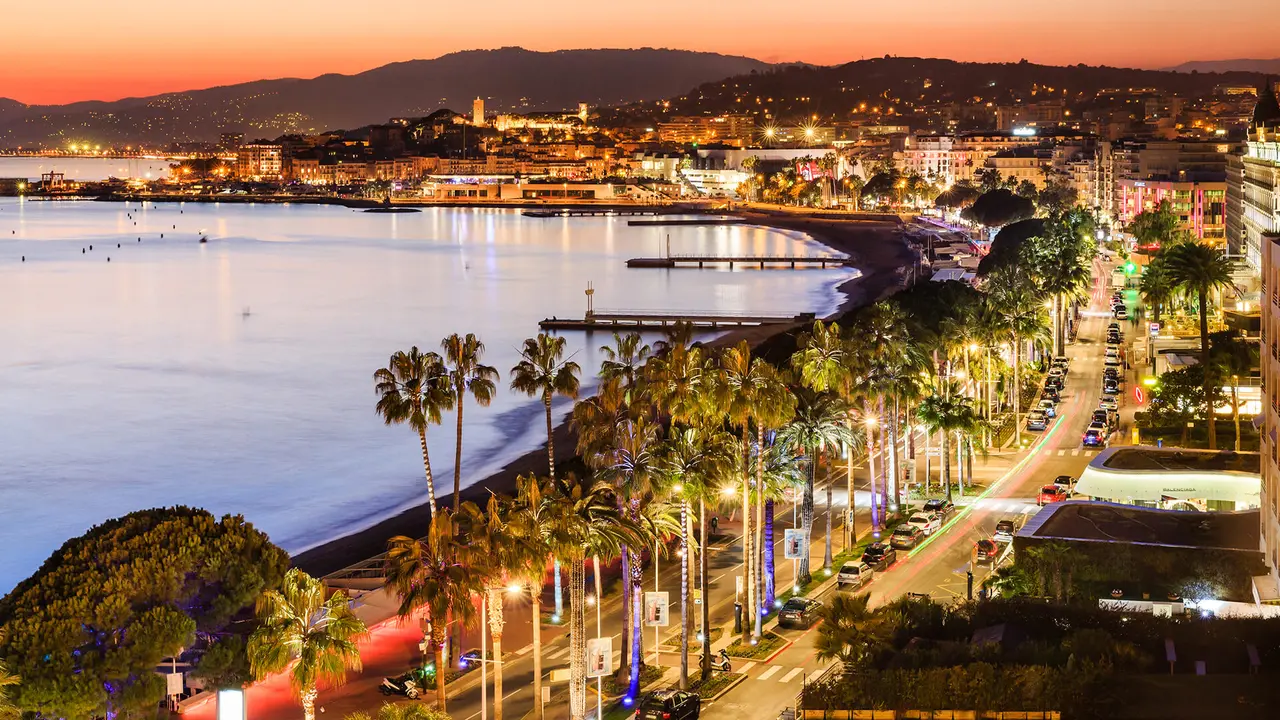
The Explanada de España runs for five hundred metres on a mosaic pavement of red, cream and black marble, several million tesserae forming a wave. This is the evening promenade, lined with palms, terraces and a bandstand where music plays on Sundays. It links the marina to the Canalejas park and its century-old ficus trees. Boats for Tabarca leave from here, and it is a short walk to the tapas quarter around Calle San Francisco and Calle Castaños.

The centre and the Mercado Central

Between the Explanada and the market, the shopping centre is walkable in an hour. The Mercado Central, a modernist hall from 1921, opens Monday to Saturday until 2:30 pm and sells fish, turrón and local fruit. Nearby stand San Nicolas co-cathedral and its cloister, the Casa de la Asegurada housing the free 20th-century art museum, and Calle San Francisco decorated with giant mushrooms. The quarter carries on to the terraces of Plaza Gabriel Miró, shaded by ficus trees.

The beaches: Postiguet and San Juan

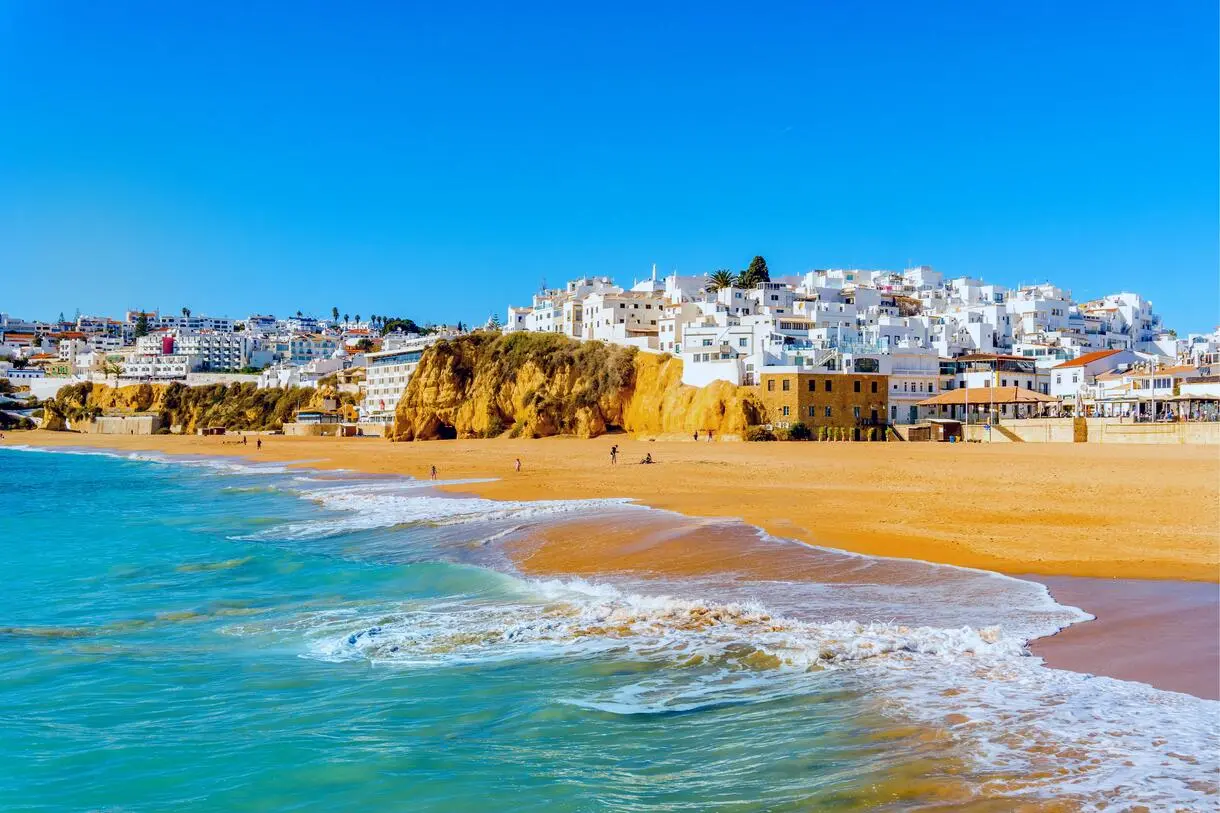
Alicante has two very different beaches. Postiguet, right in the centre below the castle, is walkable but fills up fast in summer. Playa de San Juan, fifteen minutes away on TRAM line 3, offers three kilometres of wide sand and shallow water, with more room and chiringuitos open into the evening. Both fly the blue flag. Out of season, swimming holds up into early November, with the water around 20 °C in October.

Around Alicante: Tabarca, Elche and the Costa Blanca

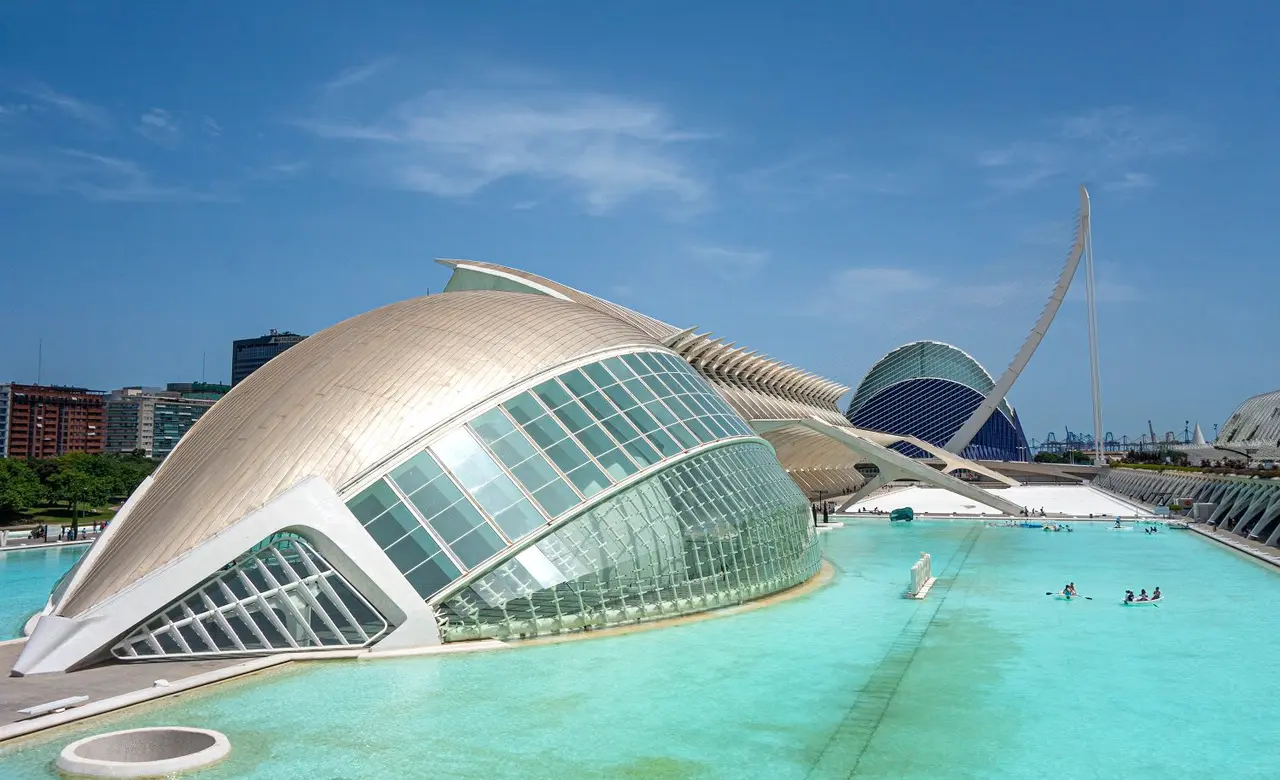
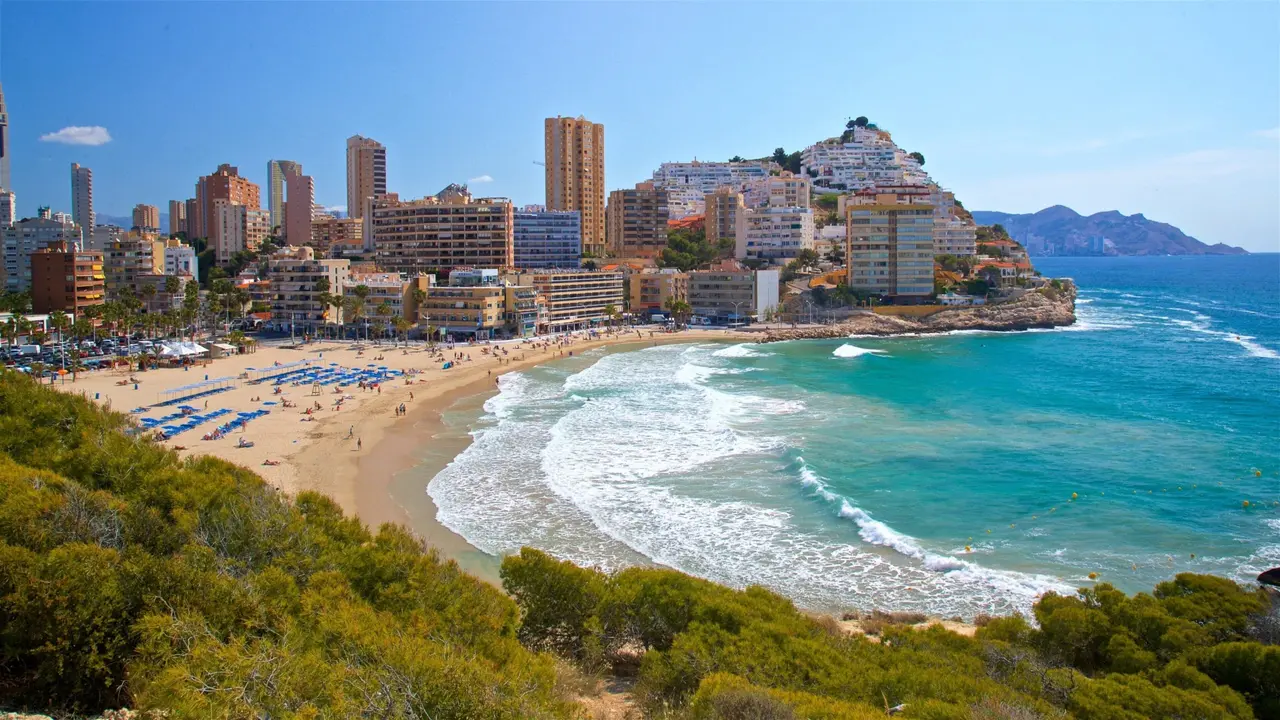
Several day trips run from Alicante. Tabarca island, an hour by boat from the harbour, is a marine reserve with a walled village and good snorkelling. Elche and its UNESCO palm grove are thirty minutes away on a suburban train. The clifftop village of Guadalest and the Algar waterfalls need a car. Further north, the resort of Benidorm and its skyline, or Valencia less than two hours away, easily extend a stay on the Mediterranean coast of Spain.

How much it costs

Per person per day, excluding international travel.
Budget
50 €/ day
970 € for 2 people, 7 days, return flights included
Accommodation
22 €
Food
18 €
Local transport
3 €
Sights and activities
7 €
Comfort
110 €/ day
1 810 € for 2 people, 7 days, return flights included
Accommodation
55 €
Food
32 €
Local transport
8 €
Sights and activities
15 €
Premium
223 €/ day
3 392 € for 2 people, 7 days, return flights included
Accommodation
110 €
Food
60 €
Local transport
18 €
Sights and activities
35 €
Prices checked: Relevé septembre 2026. Coûts locaux d'après ou-et-quand.net, visiteralicante.com et budgetyourtrip.com (supermarché ~20 % moins cher qu'en France, menu del día 12-15 €, carte bus/tram Bono ~0,70 €/trajet). Vol A/R Paris-Alicante estimé 135 €/pers hors vacances scolaires (momondo, KAYAK, bourse-des-vols : 105-153 € basse saison). Chambre double partagée à deux pour comfort et premium, lit en dortoir pour backpacker. Prix hors haute saison (juillet-août, Pâques, Hogueras de juin).

Getting there

Airports serving Alicante, from main hubs to secondary ones.
  • ACECésar Manrique-Lanzarote AirportSan BartoloméMain
  • AGPMálaga-Costa del Sol AirportMálagaMain
  • ALCAlicante-Elche Miguel Hernández AirportAlicanteMain
  • BCNJosep Tarradellas Barcelona-El Prat AirportBarcelonaMain
  • BIOBilbao AirportBilbaoMain
  • FUEFuerteventura AirportEl MatorralMain

Entry, health and safety

For FR travellers

Entry requirements

No visa for a tourist stay

Aucun visa. Entrée en Espagne avec une carte nationale d'identité ou un passeport français en cours de validité (libre circulation au sein de l'Union européenne). Aucune durée maximale fixée pour un séjour touristique ; un enregistrement auprès des autorités espagnoles est requis au-delà de 90 jours. France Diplomatie conseille de privilégier un passeport valide à une CNI dont la date de validité faciale est dépassée.

Health

Advised: Mise à jour du calendrier vaccinal français (diphtérie, tétanos, poliomyélite, coqueluche, rougeole).

Virus du Nil occidental transmis par les moustiques signalé dans les provinces de Cadix et Séville. Vagues de chaleur et risque d'incendie fréquents en été.

Safety

Normal precautions

Emergency

112

Checked in septembre 2026 against the official source. Entry rules change: check the official source before you travel, it alone is authoritative.

Alicante travel tips

Airport

Alicante-Elche is 10 km out, linked to the centre by bus C6 every 20 minutes, €4.50 one way, around a 25-minute ride.

City transport

Buses and tram; a rechargeable Bono card costs about €0.75 per trip. TRAM line 3 serves Playa de San Juan and El Campello.

Museums

Most close on Mondays; the Casa de la Asegurada and the MACA are free, the MARQ charges admission.

Hogueras de San Juan

The fire festival runs 20 to 24 June: daily mascletà firework displays and a final burning, with beds full and prices peaking.

Meal times

Lunch around 2 pm, dinner rarely before 9 pm. The weekday menú del día costs €12 to €15.

Tap water

Safe but very hard and strong-tasting; many residents drink bottled water.

Languages

Spanish everywhere; Valencian is co-official and appears on signage. English is widely spoken on the coast.

Payment

Contactless is accepted almost everywhere, including small amounts in bars and taxis.

Alicante in pictures

Photo credits : Diego Delso, CC BY-SA 3.0, Wikimedia Commons ; kallerna, CC BY-SA 4.0, Wikimedia Commons ; Falk2, CC BY-SA 4.0, Wikimedia Commons ; Jose A., CC BY 2.0, Wikimedia Commons

Similar destinations

Other cities you might like as much as Alicante.

Frequently asked questions about Alicante

How many days do you need in Alicante?
Two days cover the old town, Santa Barbara castle and the Explanada. Add a day for Tabarca or the San Juan beaches, another for Elche or Guadalest. A long weekend of three to four nights covers the essentials without rushing.
Alicante or Benidorm for a beach holiday?
Alicante gives you a real city, a historic centre and an airport; Benidorm concentrates the hotels, the nightlife and two huge beaches. The two are linked in 45 minutes by bus or tram and combine easily over a week.
How do you get to Tabarca island from Alicante?
Boats leave from Alicante harbour near the Explanada for a crossing of about an hour. In high season sailings are frequent; off season there is often just one in the morning with a mid-afternoon return. Book online on summer weekends.
Which area should you stay in Alicante?
The centre between the Explanada and the Mercado Central puts everything within walking distance and livens up the evenings. The Postiguet beach area is quieter. For a feet-in-the-water holiday, choose San Juan, fifteen minutes from the centre by tram.
Can you swim in Alicante in October?
Yes, the water stays around 20 to 22 °C and the air often tops 25 °C during the day. October is also the month of short but intense Mediterranean rainstorms, the gota fría, so a few days can be stormy.
What is there to do in Alicante when it rains?
The MARQ and its immersive rooms, the Hogueras museum and its ninots, the MACA contemporary art museum or a turrón tasting fill half a day. Autumn showers usually pass quickly and let the sun return.

Plan your trip to Alicante

Build your day-by-day itinerary and manage budget, bookings and packing in PlanTripNow.
Aperçu de l'application PlanTripNow